


 Claim Ownership
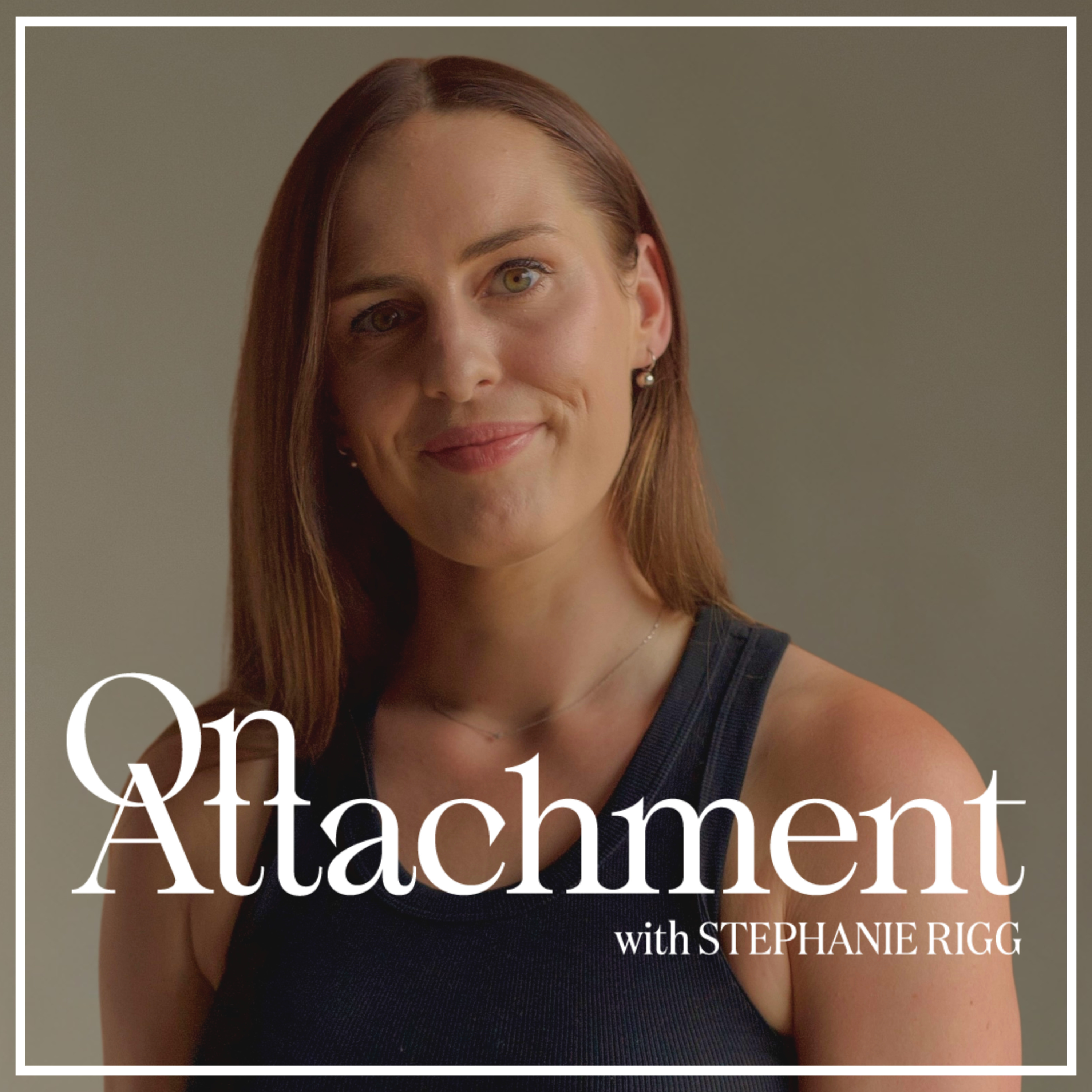
On Attachment
Subscribed: 1,154Played: 41,609
Subscribe

© Stephanie Rigg
Description
Join relationship coach Stephanie Rigg in On Attachment, where she delves deep into all things attachment theory, love, relationships & intimacy - sharing her wisdom and experience to help you start making real changes in your life & relationships.
290 Episodes
Reverse

How do you know if "the work" is working? When you've been on a healing journey — maybe for a long time — it can be hard to know what to look for, or how to measure your "progress". And while healing is neither formulaic nor linear, it helps to know what to expect and how it looks and feels as you become more secure within yourself.In today's episode, I share three signs that you will notice as you shift away from your anxious attachment patterns and toward a more secure way of being. We talk about reaching for curiosity over snap judgments and knee-jerk reactions, taking things less personally, and the increased ability to make choices from a value-aligned, self-respecting place rather than always following our feelings and impulses. LinksJoin the waitlist for my Black Friday salePreorder my book, The Secure SelfFollow me on Instagram
If you've spent any amount of time in long-term relationships, you've likely experienced a relationship rut: a season where things feel a bit harder, less connected, and more conflict-ridden. And while it's perfectly normal for relationships to ebb and flow along with life, sometimes we can find ourselves stuck in this place for longer than we'd like.In this episode, I'm sharing 5 tips for what you can do if you find yourself in a relationship rut. The focus is on things that are within your control — not because the relationship work is less important, but because I find it helps with creating fresh energy and momentum to feel like you can immediately take action to shift how you're feeling no matter what your partner is doing or not doing. LinksJoin the Black Friday sale waitlistPreorder my book, The Secure SelfExplore free resources on my website
Preorder my book, The Secure Self How do you know if your needs are reasonable and healthy, or if they're rooted in the anxious attachment patterns you're wanting to shift? This question, which is a really common struggle, is what we're unpacking in today's episode. I share some thoughts on why the answer is actually less clear-cut than the question implies, why our anxious patterns make needs feel so fraught and risky, and what it really takes to know what we need and stand firmly for our wellbeing in our relationships and beyond.LinksPreorder my book, The Secure SelfExplore my free resources on attachment healingFollow me on Instagram
Preorder my book, The Secure Self If you have avoidant attachment patterns (or are partnered with someone who does), today's episode offers five truths about your patterns, blind spots, and protective mechanisms that, while perhaps hard to hear, are essential learning if you ultimately want to shift towards healthier relationships. I talk about: How the myth of the perfect partner keeps you stuck in your avoidanceWhy your judgment of your partner's "neediness" is both unhelpful and revealing of your own suppressed emotionsHow your emotions affect the relationship just as much as your partner's, albeit in different waysThe difference between being solely responsible for a partner's feelings and the reality of healthy interdependenceThe importance of stretching beyond what is comfortable and natural if you want to growLinksPreorder my book, The Secure SelfFree resources on attachment healingFollow me on Instagram

Preorder my book, The Secure SelfHow do you stop your mind from thinking of your ex, even when the relationship is long over? In today's episode, I'm giving advice to a listener who is struggling with ongoing thoughts of their ex, a year on from the break-up. We'll talk about why it's normal for your brain to drift towards those thoughts, why it's so important that we don't make meaning out of it, and why focusing on what you can control (ie, your actions) is far more useful than trying to fight against your thoughts. LinksPreorder my book, The Secure SelfFree breakup training

Comments

Download from Google Play

Download from App Store
 United States