


 Claim Ownership
PODKAS
Subscribed: 55Played: 1,249
Subscribe

© Podkas Team
Description
Philippine history that is accessible and approachable. PODKAS envisions the mainstreaming of critical discussions on Philippine history, politics, and society to broader audiences using new media, accessible language, and relatable content.
160 Episodes
Reverse
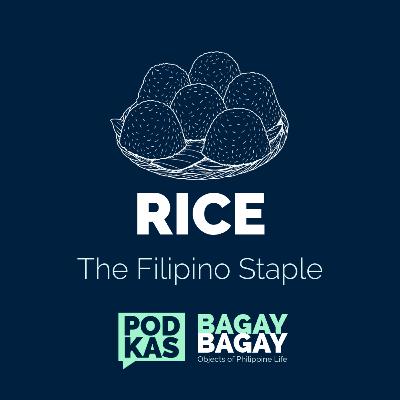
For our finale episode, we talk about the journey of the ultimate Filipino staple, tracing how a grain introduced by Austronesian migrants transformed from a prestige food for the elite into the non-negotiable foundation of daily life. Through 3,500 years of agricultural history, we examine the spiritual rituals of the Cordilleras, the impact of colonial encomiendas, and the technological shifts of the Green Revolution that reshaped the landscape. How can rice serve as a lens for understanding Filipino identity, resilience, and the delicate balance between tradition and survival?

Climb aboard for a journey into the heart the Philippines' most iconic symbol: the jeepney, also known as the "King of the Road." In this episode, we trace the jeepney's incredible story, from its birth out of World War II scrap metal to its reign as a rolling gallery of folk art and chrome. Discover how former horse-carriage drivers became automotive pioneers, creating a unique communal theater on wheels where strangers pass fares with "paki-abot" and stop the driver with a shout of "Para po!" Beyond its vibrant exterior, the episode explores the jeepney's soul—its role as a symbol of resistance during martial law and the fierce modern-day battle for its survival, as government phase-out programs threaten to end the reign of this beloved cultural icon.

The banig is more than just a simple mat; it’s an object that literally grounds Filipino life. This episode traces its extraordinary 39,000-year journey, from prehistoric stone tools in the Tabon Caves to the sacred spaces of pre-colonial chieftains. We explore how this craft, passed down almost exclusively by women, survived colonization through its "strategic ordinariness" and later became a national symbol. We also discuss the harsh economic realities facing master weavers today and the countermovement by contemporary designers and social enterprises who are transforming the humble mat from the floor to the fashion catwalk.
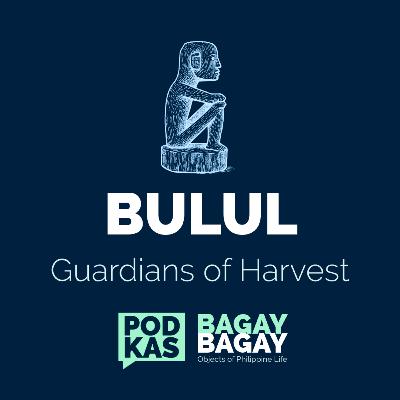
This episode explores the complex story of the bulul, the iconic carved wooden figures of the Ifugao people. We trace its journey from a sacred ancestral guardian, consecrated with ritual to protect the all-important rice harvest, to its modern status as a celebrated and highly-priced art piece in global auction houses. What happens when a living spiritual vessel is transformed into a collector's commodity? And what does this object reveal about indigenous resilience, colonialism, and the very concept of authenticity? Join us as we offer answers to these questions in episode of our series, Bagay-Bagay: Objects of Philippine Life.

More than just a pest, the rat is an unacknowledged actor in Philippine history, its story intertwined with our own from prehistoric times to the modern day. This episode uncovers that hidden narrative, from the extinct giant cloud rats that coexisted with ancient humans to the arrival of invasive species that brought centuries of agricultural plagues and colonial-era disease. It examines the rat's evolution into a public health enemy, the target of post-war military campaigns, and a potent cultural symbol—euphemized as "mabait" in folklore while weaponized as the namesake for a brutal paramilitary group. With this journey, we find that rats reflect our society's failures in agriculture, urbanization, and waste management, proving that the rat's story is inseparable from our own.

Comments

Download from Google Play

Download from App Store
 United States