


 Claim Ownership
Papers to Podcasts
Subscribed: 0Played: 0
Subscribe

© Bradley Cohen
Description
We take our scientific publications on wildlife and habitat management and use generative AI to turn them into 15 minute podcasts. Enjoy learning about the latest science in wildlife conservation, delivered in an engaging format perfect for your commute or morning coffee.
2 Episodes
Reverse
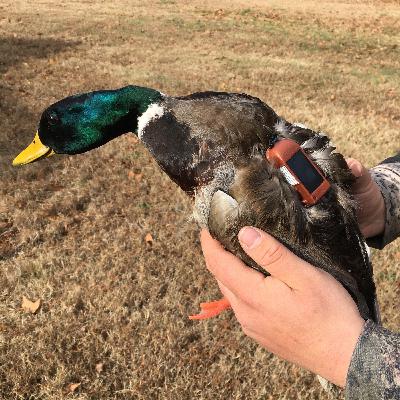
BackgroundMigration in birds results from a complex interplay of internal and environmental cues that shift across seasons. A push–pull framework conceptualizes migration as driven by external “push” cues, such as deteriorating weather, and internal “pull” cues associated with photoperiod and reproductive readiness. Understanding how these cues interact seasonally can inform predictions about migratory behavior under changing climatic conditions.MethodsWe applied the push–pull framework to assess drivers of seasonal migration in mallards, a behaviorally plastic waterfowl species. We analyzed GPS data from 414 individuals tracked across the Mississippi Flyway from 2019 to 2024. Monthly migration direction and distance were modeled as functions of minimum temperature, wind direction, barometric pressure change, and photoperiod. We examined how cue influence varied between autumn and spring migration periods.ResultsBy December 31, ~92% of southward migrations had occurred, with ~50% completed by mid- November. Autumn migration was primarily influenced by environmental push cues—declining temperatures, favorable wind direction, and falling barometric pressure all increased the likelihood and distance of migration. Migration distances peaked in November and December, when these push conditions were strongest. In contrast, spring migration was driven more by internal pull cues. Northward movements initiated in January and intensified through April, with photoperiod overriding weather as the primary driver. Weather still affected migration distances, e.g., warmer minimum temperatures in February increased distances by 62%, while strong north winds in March reduced movement by up to 213%. Barometric pressure had opposing effects by season: falling pressure promoted movement in autumn but inconsistently influenced spring migration.ConclusionsOur findings reveal a seasonal shift in the relative influence of environmental and internal cues on mallard migration. Weather exerts stronger influence during autumn, whereas photoperiod dominates in spring. These results highlight the utility of a push–pull framework for understanding migratory behavior and suggest that climate change may disproportionately disrupt the reliability of migration cues across seasons.
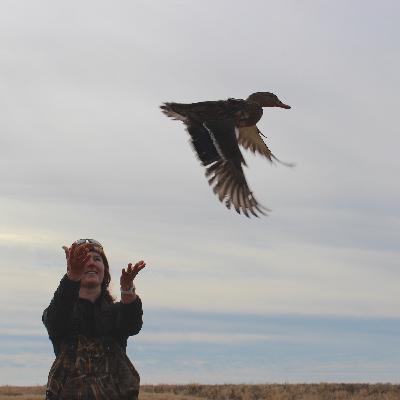
Waterfowl refuges are controversial among hunters—many believe these protected areas hold ducks and reduce hunting opportunities in nearby areas. This episode explores our large-scale study using over 339,000 shotgun recordings across Tennessee to understand what really drives harvest opportunity. Surprisingly, disturbing sanctuaries actually decreased hunting success by up to 32%, while proximity to undisturbed sanctuaries, dropping temperatures, and rising barometric pressure increased it. The findings suggest that maintaining quiet refuge areas—not dispersing birds from them—is key to creating better hunting experiences.
Comments

Download from Google Play

Download from App Store
 United States