


 Claim Ownership
Partners for Advancing Health Equity
Subscribed: 1Played: 0
Subscribe

© Copyright Partners for Advancing H.E.
Description
Welcome to Partners for Advancing Health Equity, a podcast bringing together people working on the forefront of addressing issues of health justice. Here we create a space for in-depth conversations about what it will take to create the conditions that allow all people to live their healthiest life possible. Partners for Advancing Health Equity is led by Tulane School of Public Health and Tropical Medicine, is a part of the Tulane Institute for Health Equity and is supported by the Robert Wood Johnson Foundation (RWJF).
The views expressed here do not necessarily reflect the views of RWJF.
The views expressed here do not necessarily reflect the views of RWJF.
15 Episodes
Reverse
Episode Two With social media serving as a breeding ground for information inaccuracies, it is important to develop robust media and data literacy skills to distinguish fact from fiction. In this second episode of a two-part series, we continue to explore how misinformation can distort public understanding and reactions to critical health information and we pose essential questions: What are the key characteristics of misinformation and disinformation that we should be looking for? And, how can we empower our communities to distinguish fact from fiction? HostCaryn Bell, Associate Director, P4HE Collaborative, Assistant Professor, Celia Scott Weatherhead School of Public Health & Tropical Medicine at Tulane University Guests Tim Leshan, Chief External Relations and Advocacy Officer, Association of Schools and Programs of Public Health (ASPPH) Erin O’Malley, Executive Director, Coalition for Trust in Health & Science (CTHS) Resources:Coalition for Trust in Health in Science websiteTips for Consumers How to Navigate Trusted Health Information & Identify Misleading And False Content ASPPH Messaging Guide TRANSCRIPTVIDEO VERSION
Episode One In this first episode of a two-part series, we explore how misinformation can distort public understanding and reactions to critical health information. With social media serving as a breeding ground for these inaccuracies, it is important to develop robust media and data literacy skills to distinguish fact from fiction. Here we engage with leading experts who share evidence-based strategies for addressing health misinformation and discuss the crucial role of critical thinking and investigative research in fostering media literacy and empowering individuals and communities to make informed decisions. We delve into the difference between misinformation and disinformation, examining susceptibility to these falsehoods, and the psychological and social factors that contribute to their spread. Host:Caryn Bell, Associate Director, P4HE Collaborative, Assistant Professor, Celia Scott Weatherhead School of Public Health & Tropical Medicine at Tulane University Guests:Tim Leshan, Chief External Relations and Advocacy Officer, Association of Schools and Programs of Public Health (ASPPH) Erin O’Malley, Executive Director, Coalition for Trust in Health & Science (CTHS) Resources: · Coalition for Trust in Health in Science website: · Tips for Consumers How to Navigate Trusted Health Information & Identify Misleading And False Content ASPPH Messaging Guide TRANSCRIPTVIDEO VERSION
In this episode, we discuss our Quarter One Learning Journey theme of civic and policy engagement to promote health equity, by highlighting the voices and insights from previous P4HE Collaborative learnings. Hear insightful discussions on how civic engagement drives health equity, featuring impactful quotes and sound bites from previous sessions.The podcast explores the intersection of policy, advocacy, and health equity, touching on various aspects such as the importance of grassroots involvement and the role of art as a form of activism. The episode aims to engage and inspire listeners to actively participate in shaping equitable health policies.Host: Caryn Bell, Assistant Professor, Tulane Celia Scott Weatherhead School of Public Health and Tropical Medicine, Associate Director, Partners for Advancing Health Equity Featured: Philip M. Alberti, Founding Director, AAMC Center for Health Justice and Senior Director, Health Equity Research & Policy, Association of American Medical Colleges (AAMC) Ella Greene-Moton, President, American Public Health Association Adam C. Alexander, Assistant Professor, Department of Family and Preventive Medicine, University of Oklahoma Health Sciences Center Denise Hyater-Lindenmuth, Executive Director, National Women’s Health Network Sinsi Hernandez Cancio, Vice President, National Partnership for Women & Families Joy Williams, Founder and Executive Director, Hope to Thrive Resources referenced: The Politics of Health Equity in the Partners Advancing Health Equity webinar and synthesisOvercoming Threats to Health Equity webinar and synthesisArts as Activism for Health Equity Action webinar and synthesisAdditional Resources: climate change, predictive technologies, health insurance access, and adverse childhood experiencesTranscript
In this episode we speak to the team leading the Disrupting the Cycle project, which aims to better understand how Black people with intellectual and developmental disabilities (IDD) navigate the health services system and how to best support these individuals in a way that is culturally affirming, anti-ableist, and also affirms their ability to actively participate in their own healthcare. As part of the discussion, we speak to a Disrupting the Cycle co-researcher and advocate with IDD as she shares firsthand experiences in navigating the healthcare system and what providers can do to allow all the opportunity to effectively advocate for themselves. Guests: Olivia Cleveland, Co-researcher, Disrupting the Cycle, Community Advocate Khalilah R. Johnson, Assistant Professor, Occupational Science and Occupational Therapy, Department of Health Sciences, University of North Carolina at Chapel Hill Tajze Johnson, Doctor of Occupational Therapy Student, Methodist University, Certified Occupational Therapy Assistant Host: Caryn Bell, Associate Director, Partners for Advancing Health Equity, Assistant Professor, Tulane School of Public Health and Tropical MedicineTranscriptVideo Version
In this episode we speak with Gabe Miller, Assistant Professor of Sociology at the University of Alabama at Birmingham and Associate Director of the Deep South Initiative for Advancing Sexual and Gender Minority Health, about his research that spans political and policy determinants of health; population health, inequity, and intersectionality; and broad questions of community, wellbeing, and health. We delve into the reality that racism, homophobia, and transphobia diminish the health of people of color as well as LGBTQ+ people or sexual gender minorities through mechanisms of inequity. We also hear his personal motivations to do this work along with exploring the representation of race in research methodology, the intersection of race, sexual orientation, and neighborhood social support, and how policy and advocacy affect health outcomes. Discussed in this episode White Logic, White Methods: Racism and Methodology https://discover.library.unt.edu/catalog/b6153897TranscriptVideo Version
Continuing the conversation from episode one, in this episode we discuss the intersections of trauma, racism, and exposure to violence that affect adolescents, the idea of radical hope and liberation, and what needs to happen in the system and our society improve the overall wellbeing of these youth. Host: Caryn Bell, Associate Director, Partners for Advancing Health Equity, Assistant Professor, Tulane School of Public Health and Tropical Medicine Guests:Dr. Zoe R. Smith, licensed clinical child and adolescent psychologist and assistant professor of psychology at Loyola University Chicago. She is a Health Equity Scholar for Action and her research is focused on developing and providing community-centered mental health services for Black and/or Latina/é/o youth and their families. Her current work includes providing culturally responsive psychodiagnostic assessments for Black and/or Latiné teens with suspected ADHD. Marcus A. Flax, Second-year clinical psychology PhD student at Loyola University Chicago. He is a Health Policy Research Scholar, and his research is focused on examining the impact that trauma has on Black and Latiné adolescents and the strategies they use to cope in order to inform the development of culturally responsive interventions. Resources:Social Media: Loyola| Research Gate | Website | @DrZoeRSmith, @ACCTIONLab | Instagram |YouTube | TikTok | FacebookBlogs:https://www.acamh.org/blog/inclusion-and-advocacy-for-women-with-adhd-addressing-inequities-and-challenging-diagnostic-bias-on-international-womens-day/ https://www.acamh.org/blog/sustaining-equity-retaining-talent-tackling-systemic-inequity-for-women-in-science-and-research/Project CRAFT Page: https://www.acctionlab.com/projectsTranscriptVideo Version
In part one of this two-part episode we discuss the effects and utilization of culturally responsive wellbeing assessments for Black and Latinx adolescents with ADHD to address negative impacts of structural racism. This includes providing access to quality care, proper diagnosis, and interventions for those oppressed by the system. Our guests, Zoe Smith and Marcus Flax, who are leading this project, share their experiences and what they are doing to ensure adolescents are seen, valued, and able to get the care they deserve. Host: Caryn Bell, Associate Director, Partners for Advancing Health Equity, Assistant Professor, Tulane School of Public Health and Tropical Medicine Guests: Dr. Zoe R. Smith, licensed clinical child and adolescent psychologist and assistant professor of psychology at Loyola University Chicago. She is a Health Equity Scholar for Action and her research is focused on developing and providing community-centered mental health services for Black and/or Latina/é/o youth and their families. Her current work includes providing culturally responsive psychodiagnostic assessments for Black and/or Latiné teens with suspected ADHD. Marcus A. Flax, Second-year clinical psychology PhD student at Loyola University Chicago. He is a Health Policy Research Scholar, and his research is focused on examining the impact that trauma has on Black and Latiné adolescents and the strategies they use to cope in order to inform the development of culturally responsive interventions. Resources:Social Media: Loyola| Research Gate | Website | @DrZoeRSmith, @ACCTIONLab | Instagram |YouTube | TikTok | FacebookBlogs:https://www.acamh.org/blog/inclusion-and-advocacy-for-women-with-adhd-addressing-inequities-and-challenging-diagnostic-bias-on-international-womens-day/ https://www.acamh.org/blog/sustaining-equity-retaining-talent-tackling-systemic-inequity-for-women-in-science-and-research/Project CRAFT Page: https://www.acctionlab.com/projectsTranscriptVideo Version
This is episode two continuing the conversation about the Healthy Neighborhoods Study, a 7-year multidisciplinary, multi-site participatory action research (PAR) project focused on neighborhood change, climate-related exposures, community resilience, and health equity in 9 low-income, racially/ethnically diverse communities in metropolitan Boston. In this episode our guests share their experiences as researchers, friends, and community members, the concept of “naming the player, naming the game”, including how they work to understand the influence of investors and their accountability on neighborhood development projects. Guests: Irodina Abreu, New Bedford Resident Researcher, Healthy Neighborhoods Study Vedette Gavin, Public Health Research Consultant , Co-PI, Healthy Neighborhoods Study Robyn Gibson, Founder/ Principal, R.E.G Solutions , Mattapan Resident Researcher Coordinator, Healthy Neighborhoods Study Patrice C. Williams, Assistant Research Professor of Participatory Action Research, Provost Impact Fellow, School of Public Policy and Urban Affairs, Northeastern University Host: Caryn Bell, Associate Director, P4HE Collaborative, Assistant Professor, Tulane School of Public Health and Tropical Medicine Resources: Healthy Neighborhoods Study Participatory Action Research (PAR)TranscriptVideo Version
This is part one of two episodes discussing the Healthy Neighborhoods Study, a 7-year multidisciplinary, multi-site participatory action research (PAR) project focused on neighborhood change, climate-related exposures, community resilience, and health equity in 9 low-income, racially/ethnically diverse communities in metropolitan Boston. In this episode we hear from the team leading the study about neighborhood improvement, community resilience, and the importance of community collaborators as valued voices to inform and lead change within their neighborhoods. Guests: Irodina Abreu, New Bedford Resident Researcher, Healthy Neighborhoods Study Vedette Gavin, Public Health Research Consultant, Co-PI, Healthy Neighborhoods Study Robyn Gibson, Founder/ Principal, R.E.G Solutions , Mattapan Resident Researcher Coordinator, Healthy Neighborhoods Study Patrice C. Williams, Assistant Research Professor of Participatory Action Research, Provost Impact Fellow, School of Public Policy and Urban Affairs, Northeastern University Host: Caryn Bell, Associate Director, P4HE Collaborative, Assistant Professor, Tulane School of Public Health and Tropical Medicine Resources: Healthy Neighborhoods Study Participatory Action Research (PAR)TranscriptVideo Version
This podcast is produced from a recent Partners for Advancing Health Equity webinar, heldNovember 2023. Moderated by our podcast host, Caryn Bell, she and guests discuss howrecognition of structural racism, sexism, and other structural marginalization are the rootcauses of health inequities. However, it is not enough. Efforts to make changes on thestructural level require shifts in power that center the views, experiences, and desires of thecommunities that experience harm. Understanding and collaboration across multiple sectorsare needed to build community power to affect change.This discussion showcased work that uplifts the idea that building power in communities is key tochanging structural drivers of health inequities and health equity.Host and Moderator: Caryn Bell, Associate Director, Partners for Advancing Health Equity,Assistant Professor, Tulane School of Public Health and Tropical MedicinePanelists:Jonathan Heller, Senior Health Equity Fellow, University of Wisconsin-MadisonGigi Barsoum, Principal, Barsoum Policy ConsultingResources from this episode:Full webinar video recordingWebinar summary reportArticle: Power up: A call for public health to recognize, analyze, and shift the balance in powerrelations to advance health and racial equityA New Framework for Understanding Power Building (ssir.org)Transcript
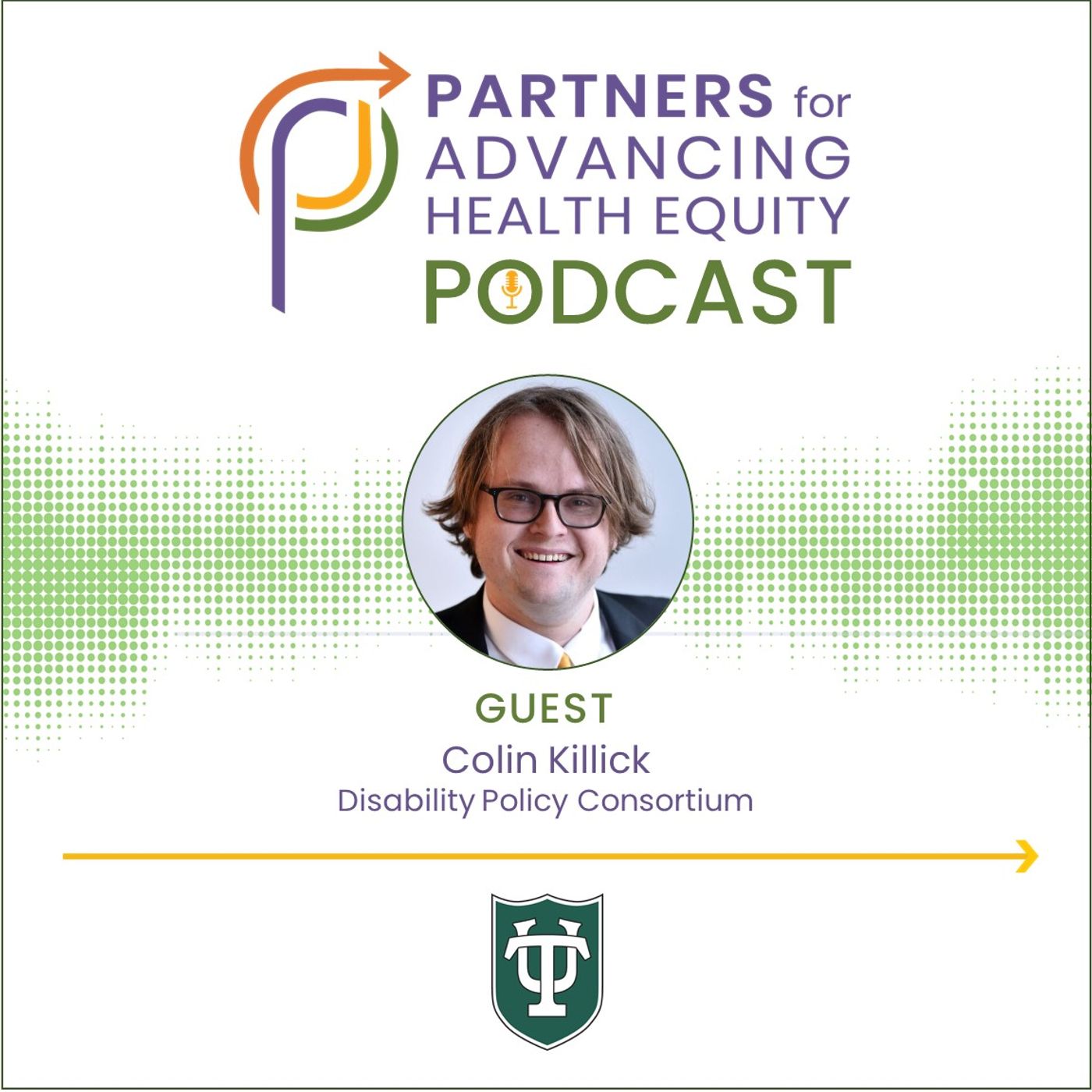
In this episode we talk with Colin Killick, Executive Director of Disability Policy Consortium, about how and why the disability community has been largely left out of the health equity conversation. We cover what health equity should look like for people with disabilities and the Social Model of Disability, its definition of disability, and how this impacts advocacy and policy making. We also hear about Colin’s work with Disability Policy Consortium and their efforts and accomplishments to improve equity and housing for the disabled community and how others can advocate and be allies for people with disabilities. Host: Caryn Bell, Associate Director, Partners for Advancing Health Equity, Assistant Professor, Tulane School of Public Health and Tropical Medicine Guest: Colin Killick, Executive Director, Disability Policy ConsortiumResources: Webinar mentioned in this episode: Setting Health Equity Visions for Success, March 28, 2023, hosted by Partners for Advancing Health Equity Disability Policy Consortium Legislative Access AgendaTranscript
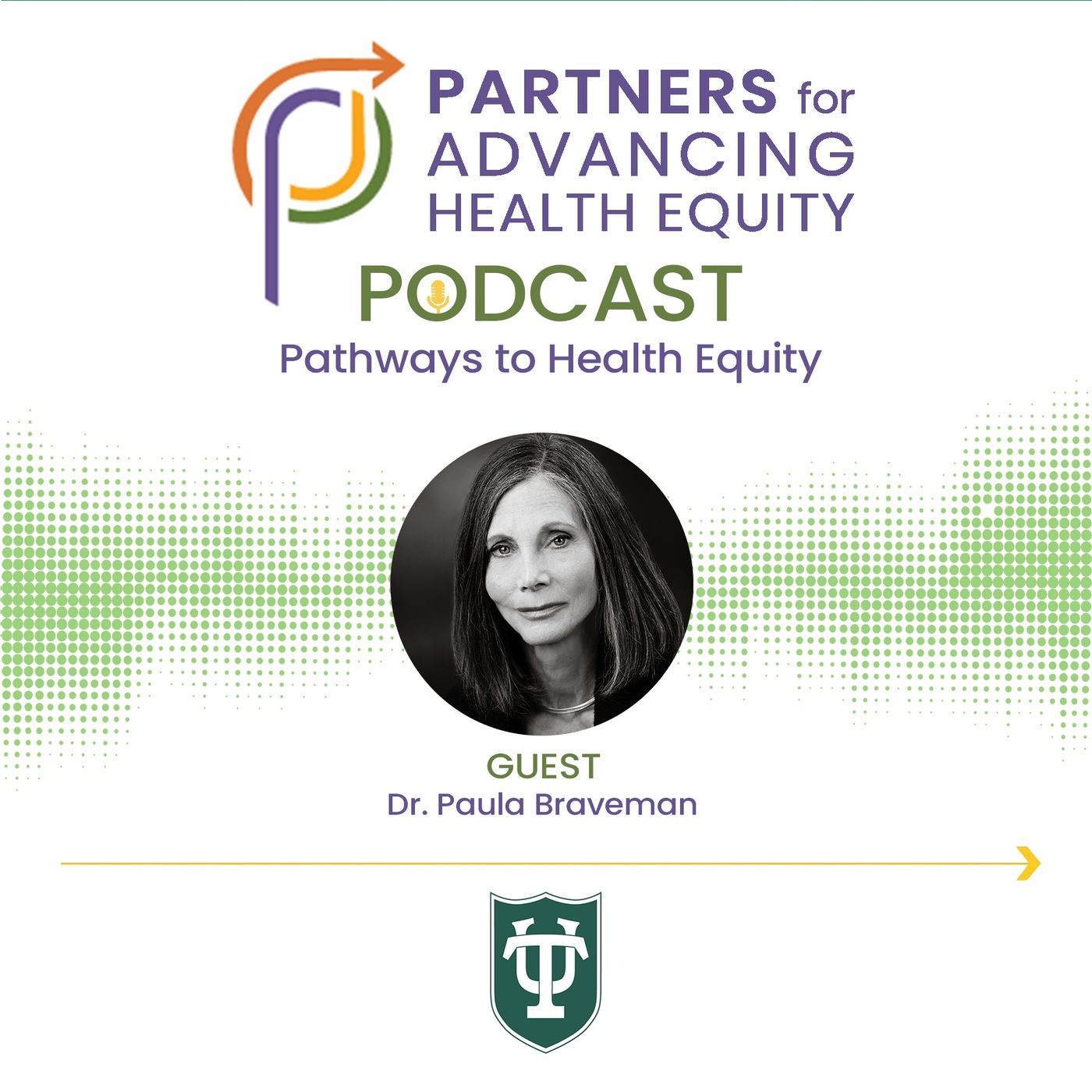
In this episode of the series, Pathways to Health Equity, we speak with Dr. Paula Braveman, Professor of Family and Community Medicine and Founding Director of the Center for Health Equity at the University of California, San Francisco (UCSF), about her life experiences and their influence on her path in the field as well as her thoughts on the past, present, and future state of health equity. For more than 25 years, she has studied and published extensively on health equity and the social determinants of health. Full bio: https://profiles.ucsf.edu/paula.bravemanPapers discussed in this episode:Systemic and Structural Racism: definitions, examples, health damages, and approaches to dismantling. Health Affairs 2022Paula A Braveman, Shiriki Kumanyika, Jonathan Fielding, Thomas LaVeist, Luisa N Borrell, Ron Manderscheid, Adewale Troutman. Health disparities and Health Equity: The Issue is Justice. Am J Public Health 2011Transcript
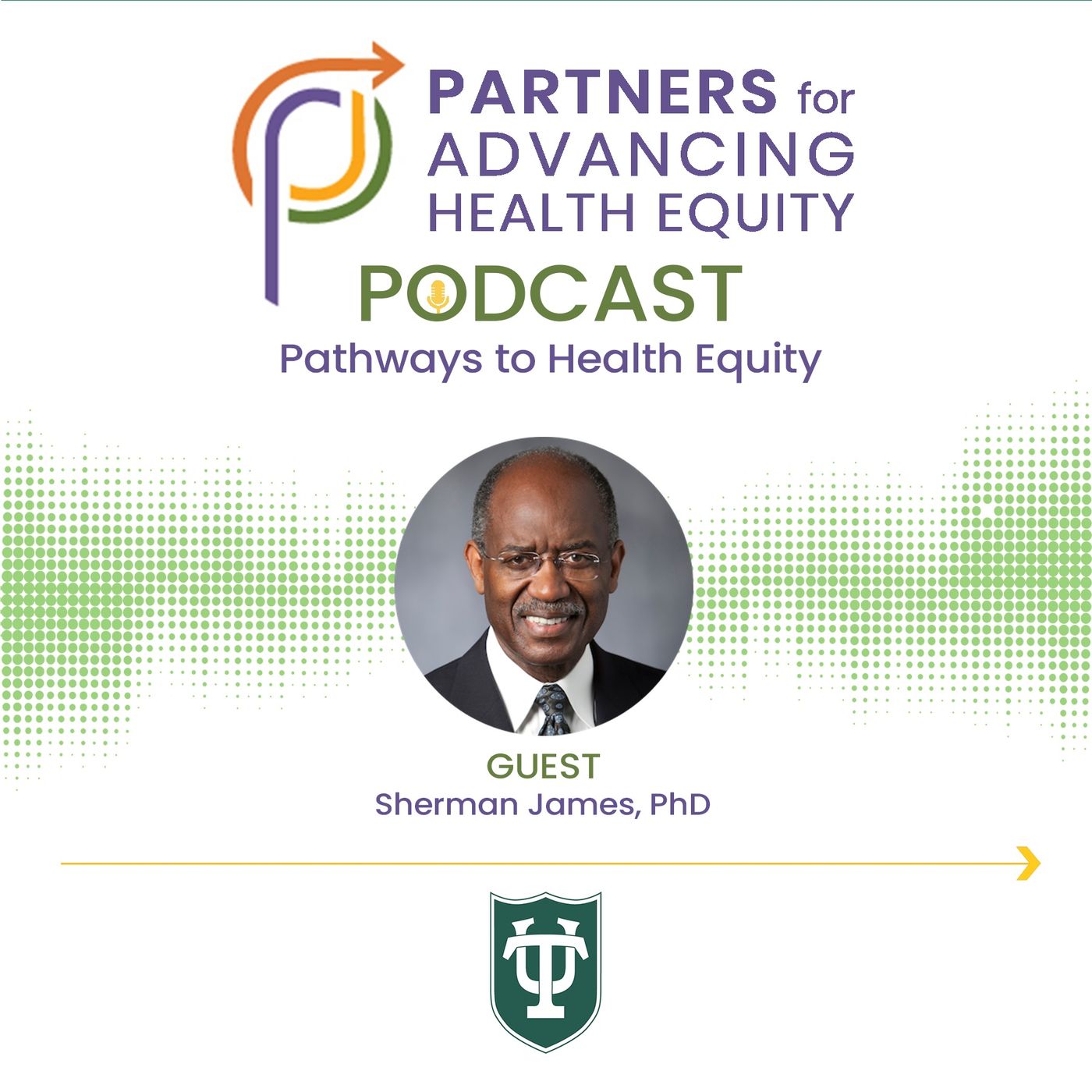
In this episode of the series, Pathways to Health Equity, we speak with Dr. Sherman James, the Susan B. King Distinguished Professor Emeritus of Public Policy in the Sanford School of Public Policy at Duke University, about growing up in the Deep South, firsthand experiences during the civil rights movement, and other circumstances that put him on the path of health justice, establishing him as a leader and innovator in the field. Full bio: https://sanford.duke.edu/profile/sherman-james/Papers discussed in this episode:Tyroler, H. A., and S. A. James. “Blood pressure and skin color.” American Journal of Public Health 68, no. 12 (December 1978): 1170–72.James, S. A.“John Henryism and the health of African-Americans.” Culture, Medicine and Psychiatry 18, no. 2 (June 1994): 163–82.Transcript
From our inaugural webinar held March 8, 2002, we hear from national cross-sector thought-leaders as we discuss next steps in health equity practice and policy across research, community, and funders. Hosted by Thomas LaVeist, Dean, Tulane University School of Public Health and Tropical Medicine, Weatherhead Presidential Chair in Health Equity. Panelists in this episode:Sharrelle Barber, Director, The Ubuntu Center on Racism, Global Movements, and Population Health Equity at the Dornsife School of Public HealthSinsi Hernández-Cancio, Vice President for Health Justice, National Partnership for Women and FamiliesCara James, President and CEO, Grantmakers In HealthAl Richmond, Executive Director, Community-Campus Partnerships for HealthTranscript
From our inaugural webinar held March 8, 2022, we introduce Partners for Advancing Health Equity, a research learning collaborative designed to spark discussion, share learning, foster collaboration, and facilitate resource exchange for the promotion of action-oriented health equity research, practice, and policies. It also includes the current state of health inequities, and why we must identify next steps necessary to improve the lives of those impacted by social injustices.Presented by:Thomas LaVeist, Dean, Tulane University School of Public Health and Tropical Medicine, Weatherhead Presidential Chair in Health EquityAndrew Anderson, Associate Director, Partners for Advancing Health Equity, Assistant Professor, Tulane University School of Public Health and Tropical Medicine.Transcript
Comments


Download from Google Play

Download from App Store
 United States