


 Claim Ownership
Pigskin Dispatch
Subscribed: 16Played: 1,910
Subscribe

© Copyright 2026 Darin Hayes
Description
Get a daily glimpse at the history of American football highlighting the events, people, teams, and anniversaries that took place on the calendar day, the year, or the story that the episode centers on. The show is in lock-step with our website PigskinDispatch.com to bring football fans of all ages a refreshing and fun gridiron experience!
1855 Episodes
Reverse

The 1939 https://pigskindispatch.com/(searchresults)?q2=%22UCLA%22&p=0 (UCLA) Bruins football backfield may be one of the most talented and significant groups ever assembled. They may also be one of the bravest groups as they helped set the standard for breaking the color barrier in football both at the Collegiate and later the Professional levels.
Miss our football by the day of the year podcasts, well don't because they can still be found at the https://pigskindispatch.com/ (Pigskin Dispatch website).
Come join us at the https://pigskindispatch.com/ (Pigskin Dispatch website) to see even more Positive football news! Sign up to get daily football history headlines in your email inbox @ https://pigskindispatch.com/home/Email-subscriber (Email-subscriber)
Go to https://my.captivate.fm/SportsHistoryNetwork.com/Row1 (SportsHistoryNetwork.com/Row1 )for access to the full Row One catalog for gallery prints and gift items. Plus, get a 15% discount off all prints on the Row One Pictorem Gallery with coupon code SHN15.
Get a free one week subscription to Newspapers.com by visiting http://SportsHistoryNetwork.com/newspapers (SportsHistoryNetwork.com/newspapers). And with a paid subscription, you’ll also be helping to support the production of this and other Sports History Network shows.
We also feature great music by Mike and Gene Monroe along with Jason Neff & great graphics from time to time from the folks at http://www.gridiron-uniforms.com/GUD/controller/controller.php?action=main (Gridiron-Uniform Database).
Want more Sports History delivered to your ears, come see this podcast and many more at the https://sportshistorynetwork.com/ (Sports History Network - The Headquarters of Sports' Yesteryear!)
We would like to thank the https://footballfoundation.org/ (National Football Foundation), https://www.profootballhof.com/players/ (Pro Football Hall of Fame), https://www.onthisday.com/ (On this day.com) and https://www.pro-football-reference.com/ (Pro Football Reference) Websites for the information shared with you today.
Mentioned in this episode:
null
null

The 25th pick in the NFL Draft has been identified as a historically significant yet underwhelming selection, often regarded as the league's best-kept secret. Throughout the annals of football history, this particular draft slot has yielded players who have contributed to championship teams, such as Santonio Holmes and Ted Washington, yet there remains a glaring absence of Hall of Fame inductees from this position since the AFL-NFL merger. In this podcast episode, we delve into the intricacies of this draft slot and explore the legendary players who were selected at number 25, while contemplating whether the curse of this pick may soon be broken. We will discuss both the notable successes and the profound disappointments associated with this selection, providing a comprehensive analysis of its historical context. Join us as we navigate the legacy of the 25th pick and examine the potential future stars who may emerge from this challenging position in the upcoming draft.Do you want more football history? Grab a copy of our latest book, "Marooned," on the 1925 Pottsville Maroons NFL franchise saga.*OR* Grab a copy of our book on Western Pennsylvania football history, "World's Greatest Gridiron Team" on the 1903 Franklin All-StarsDrop us a line at PigskinDispatch@gmail .com and check out and subscribe to the Pigskin Dispatch YouTube channel.Miss our football by the day of the year podcasts, well, don't because they can still be found at the Pigskin Dispatch website. Mentioned in this episode:Sports History Theme SongThis theme song was produced by Ron "Tyke" Oliver of Music Meets Sportz
https://sites.google.com/view/sportsfanztastic/sports-history-network?authuser=0

The discussion centers around the significance of the 26th pick in the NFL Draft, a position that often serves as a pivotal moment for teams seeking to augment their rosters with key contributors. We delve into the historical context of this draft slot, highlighting the dichotomy between Hall of Fame talent and the plethora of players who have underperformed and become footnotes in gridiron history. As we traverse the legacy of this often-overlooked position, we scrutinize both celebrated successes and disheartening failures. Our exploration includes prominent examples, such as Ray Lewis and Alan Faneca, who exemplify the potential of this draft position, contrasted with notable busts that emphasize the risks inherent in the selection process. Additionally, we welcome historian Ed Cleese to provide further insights into the implications of draft strategy and player development within the broader narrative of the NFL.Do you want more football history? Grab a copy of our latest book, "Marooned," on the 1925 Pottsville Maroons NFL franchise saga.*OR* Grab a copy of our book on Western Pennsylvania football history, "World's Greatest Gridiron Team" on the 1903 Franklin All-StarsDrop us a line at PigskinDispatch@gmail .com and check out and subscribe to the Pigskin Dispatch YouTube channel.Miss our football by the day of the year podcasts, well, don't because they can still be found at the Pigskin Dispatch website.
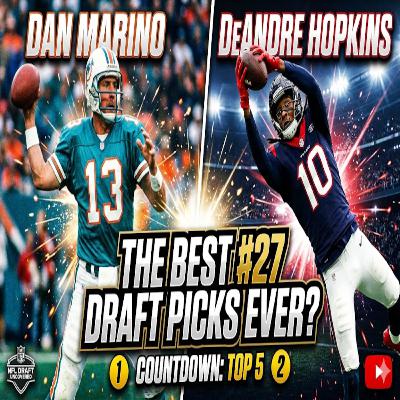
The 27th pick in the NFL draft, often perceived as a mere afterthought, possesses a remarkable history that warrants our attention. This episode delves into the significance of this draft position, highlighting its potential to yield both hall-of-fame talent and underwhelming selections. We meticulously examine the top five players selected at number 27, featuring iconic figures such as Dan Marino, a quarterback whose legacy resonates deeply within the annals of football history. Additionally, we discuss contemporary players, including DeAndre Hopkins and Devin McCourty, whose contributions have shaped their respective franchises. Join us as we explore the intriguing narratives surrounding these athletes and consider whether the forthcoming draft will produce a future star or a disappointing outcome for the team selecting at this pivotal position.Do you want more football history? Grab a copy of our latest book, "Marooned," on the 1925 Pottsville Maroons NFL franchise saga.*OR* Grab a copy of our book on Western Pennsylvania football history, "World's Greatest Gridiron Team" on the 1903 Franklin All-StarsDrop us a line at PigskinDispatch@gmail .com and check out and subscribe to the Pigskin Dispatch YouTube channel.Miss our football by the day of the year podcasts, well, don't because they can still be found at the Pigskin Dispatch website. Mentioned in this episode:Sports History Theme SongThis theme song was produced by Ron "Tyke" Oliver of Music Meets Sportz
https://sites.google.com/view/sportsfanztastic/sports-history-network?authuser=0

Draft slot 28 has been a subject of intense scrutiny, prompting the question of whether it serves as a veritable gold mine or a dismal graveyard. As we approach the NFL draft, we delve into this contentious topic, examining the remarkable players and notable busts that have emerged from this particular position throughout its storied history. The episode highlights the paradox of slot 28, which has yielded both legendary Hall of Famers and players whose careers have been described as disappointments. Among the distinguished individuals discussed is Daryl Green, a name synonymous with excellence, whose lengthy and illustrious career offers a compelling narrative of success. Ultimately, we endeavor to determine the legacy of draft slot 28, weighing the evidence of its historical significance against the backdrop of recent underwhelming selections.Do you want more football history? Grab a copy of our latest book, "Marooned," on the 1925 Pottsville Maroons NFL franchise saga.*OR* Grab a copy of our book on Western Pennsylvania football history, "World's Greatest Gridiron Team" on the 1903 Franklin All-StarsDrop us a line at PigskinDispatch@gmail .com and check out and subscribe to the Pigskin Dispatch YouTube channel.Miss our football by the day of the year podcasts, well, don't because they can still be found at the Pigskin Dispatch website. Mentioned in this episode:Sports History Theme SongThis theme song was produced by Ron "Tyke" Oliver of Music Meets Sportz
https://sites.google.com/view/sportsfanztastic/sports-history-network?authuser=0

The 29th pick of the NFL draft presents a fascinating historical overview that reveals its significance and the varying fortunes of players selected in this position over the years. As we delve into the annals of the NFL draft, we explore a multitude of players, scrutinizing their careers and contributions to the game, while also noting the peculiar absence of quarterbacks drafted at this location in recent decades. The discussion highlights a consensus that, in comparison to other draft positions examined thus far, the 29th pick has yielded a somewhat lackluster group of players, with only a few achieving notable success. Among the names mentioned, players such as David Njoku and Cordero Patterson emerge, yet the overall quality of talent appears to be less impressive. The episode culminates in a reflection on the challenges general managers face in making their selections, underscoring the unpredictable nature of the draft and the legacy of those chosen at this pivotal juncture.Do you want more football history? Grab a copy of our latest book, "Marooned," on the 1925 Pottsville Maroons NFL franchise saga.*OR* Grab a copy of our book on Western Pennsylvania football history, "World's Greatest Gridiron Team" on the 1903 Franklin All-StarsDrop us a line at PigskinDispatch@gmail .com and check out and subscribe to the Pigskin Dispatch YouTube channel.Miss our football by the day of the year podcasts, well, don't because they can still be found at the Pigskin Dispatch website. Mentioned in this episode:Sports History Theme SongThis theme song was produced by Ron "Tyke" Oliver of Music Meets Sportz
https://sites.google.com/view/sportsfanztastic/sports-history-network?authuser=0
This podcast episode delves into the historical intersection of football and transportation technology, particularly focusing on a significant game between Colgate University and the University of Illinois in 1916. We explore how the evolution of travel impacted the frequency and nature of intersectional matchups, illuminating the rarity of such encounters in that era. Timothy P. Brown of Football Archaeology provides insights into the competitive landscape of college football at the time, highlighting the relative strengths of both institutions and the dynamics of their respective programs. We further discuss the implications of contemporary changes in college athletics, particularly regarding the influence of financial backing on smaller institutions. This examination not only enriches our understanding of football history but also underscores the ongoing evolution of the sport in response to societal shifts.Tim Brown started the conversation with a recent Tidbit titled: 1916 Intersectionality: Colgate @ Illinois.Join us at the Pigskin Dispatch website to see even more Positive football news!Don't forget to check out and subscribe to the Pigskin Dispatch YouTube channel for additional content and the regular Football History Minute Shorts.Miss our football by the day of the year podcasts, well don't, because they can still be found at the Pigskin Dispatch website. Mentioned in this episode:Sports History Theme SongThis theme song was produced by Ron "Tyke" Oliver of Music Meets Sportz
https://sites.google.com/view/sportsfanztastic/sports-history-network?authuser=0

Join us at the Pigskin Dispatch website to see even more Positive football news!Don't forget to check out and subscribe to the Pigskin Dispatch YouTube channel for additional content and the regular Football History Minute Shorts.Miss our football by the day of the year podcasts, well don't, because they can still be found at the Pigskin Dispatch website. The discourse surrounding the 30th pick in the NFL Draft reveals a tapestry of historical significance interwoven with the complexities of player selection. I embarked on a thorough examination of this particular slot, engaging in a dialogue with my esteemed colleague, Ed Cleese, who elucidated the nuances and notable statistics associated with pick number 30. Over the span of 90 years, the prevalence of defensive backs selected at this juncture stands out, with a staggering 10% of choices culminating in this position. This discourse is not merely an exploration of numbers; it transcends into a narrative that encapsulates the fortunes and misfortunes of players who have donned the mantle of the 30th pick. We traverse the annals of time, highlighting both the forgettable selections and the heavy hitters that have emerged from this position, culminating in a rich discussion about the implications of these choices on franchises and their legacies. In our conversation, Ed delineates various players, illustrating how the landscape of the NFL Draft has evolved. The analysis extends to the cases of Keith Browner and Andre Johnson, whose stories serve as reminders of the unpredictability inherent in drafting decisions. Browner, a defensive lineman whose career was marred by legal troubles, stands juxtaposed with Johnson, an offensive tackle who, despite being a first-round selection, failed to leave a mark on the field. This juxtaposition underscores the dichotomy of success and failure that haunts the draft, reminding us that the selection process is fraught with risk, and often, the most promising prospects may falter under the weight of expectation. Ultimately, our dialogue culminates in an affirmation of the extraordinary talents that have emerged from the 30th pick, particularly emphasizing the illustrious career of TJ Watt, a player whose prowess on the field has not only redefined expectations but has also solidified his place among the legends of the game. We find ourselves eagerly anticipating the upcoming draft, poised to witness the next chapter unfold in the storied history of the NFL, as we reflect on the past and look forward to the future of football.Mentioned in this episode:Sports History Theme SongThis theme song was produced by Ron "Tyke" Oliver of Music Meets Sportz
https://sites.google.com/view/sportsfanztastic/sports-history-network?authuser=0
Join us at the Pigskin Dispatch website to see even more Positive football news!Don't forget to check out and subscribe to the Pigskin Dispatch YouTube channel for additional content and the regular Football History Minute Shorts.Miss our football by the day of the year podcasts, well don't, because they can still be found at the Pigskin Dispatch website. A comprehensive analysis of the 31st pick in the history of the NFL draft reveals significant insights into its evolution over the past 90 drafts. The discussion, anchored by the esteemed Ed Cleese and Darren, delves into the notable transitions of pick number 31, which has oscillated between second-round selections and recent first-round prominence. The episode meticulously explores the demographics of players selected at this position, highlighting a notable trend where running backs and offensive tackles dominate the selection history, with twelve players each drafted in these categories. The episode further contextualizes this data within the broader framework of the NFL draft's history, providing listeners with a nuanced understanding of the strategic importance of pick 31. As the speakers navigate through the statistics, they draw attention to the lack of impact players in recent years, with few selections yielding substantial contributions to their respective teams. This analytical approach not only enriches the listener's appreciation of the draft's complexity but also underscores the often-overlooked narratives that shape the careers of these athletes.Mentioned in this episode:Sports History Theme SongThis theme song was produced by Ron "Tyke" Oliver of Music Meets Sportz
https://sites.google.com/view/sportsfanztastic/sports-history-network?authuser=0

The Mystery of Pick 32: Diamonds in the Rough and Famous BustsAs we approach the NFL Draft on April 23rd, the air is thick with mock drafts and endless speculation. But here at Pigskin Dispatch, we’re taking a different route. Joined by Ed Kleese, we are kicking off a 32-day countdown to the draft by looking at the historical significance of each pick—starting today with Pick Number 32.In our modern 32-team era, the 32nd pick is the prestigious "caboose" of the first round, usually reserved for the reigning Super Bowl champions. However, looking back through the 90 drafts from 1937 to 2025, Pick 32 has only been a first-round selection 22 times. For the vast majority of NFL history, this was a second or even third-round spot.Whether it was a first-round investment or a mid-round flyer, Pick 32 has produced a fascinating mix of Hall of Famers, "rock steady" linemen, and the occasional "what happened?" mystery.The Top 5 All-Time Picks at #32Ed Kleese took a deep dive into the last 45 years of draft history to curate a list of the most impactful players taken at this spot. Here is his definitive ranking:Drew Brees (QB, 2001):The undisputed king of this list. Taken 32nd overall by the Chargers (as a second-rounder!), Brees went on to shatter records in New Orleans and cement his place as a first-ballot Hall of Famer.Logan Mankins (OG, 2005):A seven-time Pro Bowler and two-time All-Pro for the Patriots. Interestingly, his tenure in New England sat perfectly between their early 2000s dynasty and their 2014 resurgence, meaning he never won a ring despite his dominance.Lamar Jackson (QB, 2018):The Ravens traded back into the first round to snag this MVP at #32. While his story is still being written, he is already one of the most dynamic weapons the league has ever seen.Henry Ellard (WR, 1983):A model of longevity, Ellard racked up over 13,000 yards across 16 seasons with the Rams and Redskins, proving to be a bright spot even during rebuilding years.Ray Donaldson (C, 1980):A pioneer as the first African American starting center in the NFL, Donaldson enjoyed a 17-season career and earned six Pro Bowl nods.Hidden Gems and Historical OdditiesBefore the Super Bowl era, Pick 32 yielded some legendary names that football historians will cherish. We can't talk about this slot without mentioning Bob St. Clair (1953), the towering Hall of Fame tackle for the 49ers, or "Dandy" Don Meredith (1960), the original face of the Dallas Cowboys.On the flip side, the draft is never a sure thing. Ed pointed out the curious case of Mike Elkins (1989), a Chiefs quarterback who threw only two passes in his entire NFL career—one of which was an interception. It serves as a reminder that even at the 32nd spot, the "bust" factor is always lurking.Draft Stat of the DayTo wrap up our first day, here’s a bit of trivia for the draft nerds: The University of Southern California (USC) is the most popular school at Pick 32, with four Trojans selected at this spot over the last 90 years.Join us tomorrow as we move to Pick Number 31!Join us at the Pigskin Dispatch website to see even more Positive football news!Don't forget to check out and subscribe to the Pigskin Dispatch YouTube channel for additional content and the regular Football History Minute Shorts.Miss our football by the day of the year podcasts, well don't, because they can still be found at the Pigskin Dispatch website. Mentioned in this episode:Sports History Theme SongThis theme song was produced by Ron "Tyke" Oliver of Music Meets Sportz
https://sites.google.com/view/sportsfanztastic/sports-history-network?authuser=0

This episode presents an inspiring exploration of resilience as we recount the remarkable journeys of two individuals who transcended formidable adversities to achieve greatness in the realm of football. At the heart of our discussion lies the story of Reggie Williams, who, despite facing childhood blindness, not only excelled on the field but also emerged as a significant figure in the NFL, redefining what it means to play with vision rather than sight. We juxtapose his narrative with that of Joe Donches, a young boy compelled to abandon his education in the wake of familial tragedy, who ultimately transformed his life through sheer determination and athletic prowess, culminating in an illustrious career as a College Football Hall of Famer and a renowned surgeon. These two accounts serve as poignant reminders that the trials of youth can serve as crucibles for extraordinary achievement, illustrating the indomitable human spirit. Join us as we delve into their inspiring legacies, revealing how they turned their respective struggles into platforms for success and influence within the sport.Join us at the Pigskin Dispatch website to see even more Positive football news!Don't forget to check out and subscribe to the Pigskin Dispatch YouTube channel for additional content and the regular Football History Minute Shorts.Miss our football by the day of the year podcasts, well don't, because they can still be found at the Pigskin Dispatch website. Companies mentioned in this episode:DartmouthCincinnati BengalsWyoming SeminaryPitt PantherUniversity of PittsburghMentioned in this episode:Sports History Theme SongThis theme song was produced by Ron "Tyke" Oliver of Music Meets Sportz
https://sites.google.com/view/sportsfanztastic/sports-history-network?authuser=0
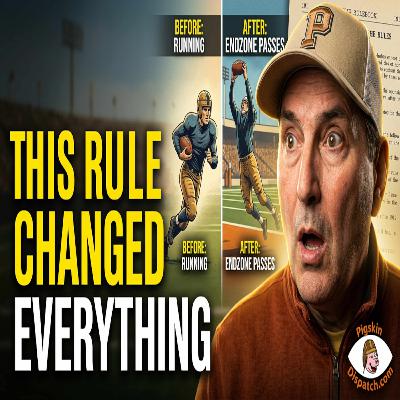
This episode elucidates the pivotal moment in football history when the first touchdown pass was caught in the end zone, a significant event that transpired in 1912 following crucial rule changes. The conversation delves into the implications of these changes, particularly the introduction of end zones and the allowance of forward passes exceeding twenty yards. We explore the fascinating narrative surrounding the first touchdown pass caught in the end zone, tracing its origins to a game where the play was executed under the newly established regulations. Our esteemed guest, Timothy P. Brown of footballarchaeology.com, provides rich insights into the historical context and significance of this momentous occasion. We invite our listeners to appreciate the intricate tapestry of football history, reinforcing the notion that an understanding of the past is essential to avoid the repetition of prior mistakes.The conversation is based on Tim's recent Tidbit: The First Touchdown Pass Caught In The End Zone.Join us at the Pigskin Dispatch website to see even more Positive football news!Don't forget to check out and subscribe to the Pigskin Dispatch YouTube channel for additional content and the regular Football History Minute Shorts.Miss our football by the day of the year podcasts, well don't, because they can still be found at the Pigskin Dispatch website. Engaging with the historical dimensions of football unveils a rich narrative that is often overlooked in contemporary discourse. The conversation centers on the rule changes enacted in 1912, which fundamentally altered the landscape of the sport by allowing forward passes to traverse beyond the previously established twenty-yard limitation. This pivotal shift not only facilitated the introduction of end zones but also marked a significant evolution in offensive strategy, enabling players to catch passes within the confines of the end zone for the very first time. Timothy P. Brown, our esteemed guest, elaborates on the implications of these changes, recounting the momentous occasion of the first touchdown pass caught in an end zone—a milestone that exemplifies the dynamic interplay between regulation and gameplay. The episode also ventures into the narrative of the first forward pass caught in a regular season game, dispelling the notion that this event solely transpired in St. Louis. Brown's research reveals that the inaugural forward pass was, in fact, thrown at the University of New Hampshire, a revelation that not only challenges established myths but also highlights the importance of rigorous historical investigation. By unpacking these significant moments within football history, we gain insight into the tactical evolution of the game and the enduring impact of rule modifications on its development. The dialogue serves as a reminder that football is a living history, continuously shaped by the innovations and decisions of its players and officials. As the episode concludes, listeners are encouraged to delve deeper into the historical nuances of football through Brown's work, including his blog and published books. The conversation emphasizes the need for football enthusiasts to engage with the sport's rich history, fostering a greater appreciation for its evolution. By understanding the past, we can better comprehend the present and anticipate the future of football, ensuring that the legacy of this beloved sport remains vibrant and relevant. Through this exploration of football's history, we are invited to celebrate not only the game itself but also the myriad individuals and moments that have contributed to its enduring legacy. The episode ultimately champions the importance of historical awareness in cultivating a more profound connection to the sport we hold dear.Mentioned in this episode:Sports History Theme SongThis theme song was produced by Ron "Tyke" Oliver of Music Meets Sportz
https://sites.google.com/view/sportsfanztastic/sports-history-network?authuser=0
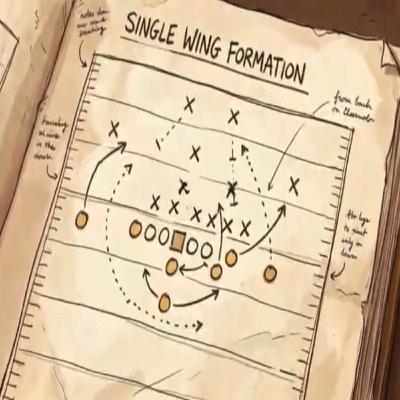
In this podcast episode, we delve into the historical significance and enduring influence of the single wing offense, a revolutionary football strategy that emphasized strategic deception and versatility. This formation, which emerged in the early 20th century, transformed the dynamics of the game by allowing multiple players to serve as potential ball carriers, thereby creating an intricate web of misdirection that confounded defenses. We examine the pivotal contributions of coaching luminaries such as Glenn Pop Warner, who developed this scheme to enable smaller, agile players to compete against larger opponents through innovative tactics. Additionally, we discuss the gradual evolution of football from a brutal, smash-mouth game to a more nuanced contest that incorporated the forward pass, ultimately leading to the decline of the single wing's dominance in favor of more specialized formations. Through this exploration, we seek to illuminate the foundational role the single wing played in shaping modern football, highlighting its legacy that persists in contemporary offensive strategies.Join us at the Pigskin Dispatch website to see even more Positive football news!Don't forget to check out and subscribe to the Pigskin Dispatch YouTube channel for additional content and the regular Football History Minute Shorts.Miss our football by the day of the year podcasts, well don't, because they can still be found at the Pigskin Dispatch website.
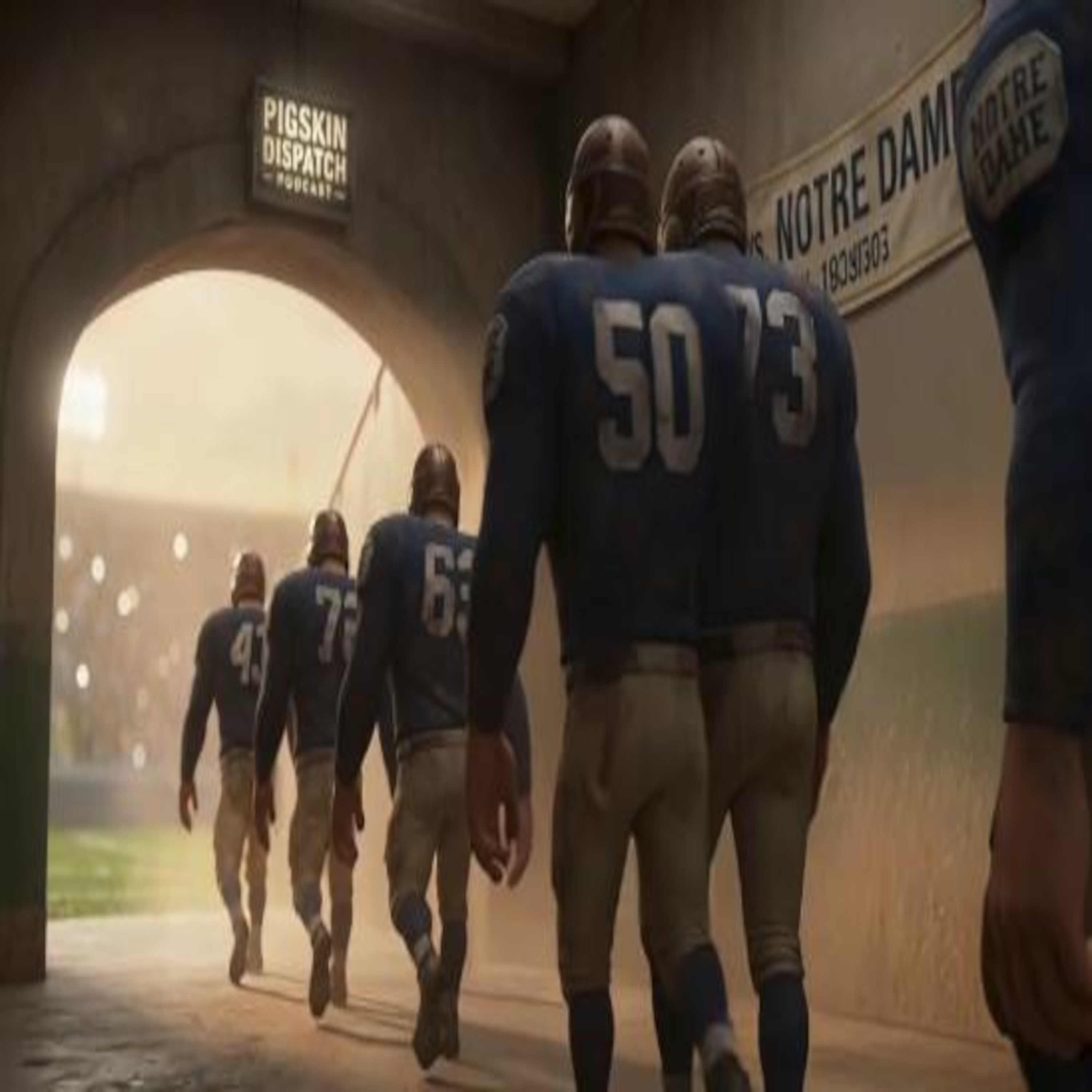
This podcast episode delves into the intriguing narrative of Notre Dame's halftime jersey switch, a phenomenon that exemplifies the historical quirks of football. Our esteemed guest, Timothy Brown, shares his fascination with these lesser-known tales, which not only illuminate the evolution of football attire but also reflect the broader cultural shifts within the sport. The discussion traverses the challenges teams faced with uniform colors, particularly during intense rivalries, and how these challenges gave rise to innovative solutions, such as adopting practice jerseys for clarity on the field. As we explore this captivating story, we also touch upon the eventual establishment of regulations regarding contrasting jerseys, driven by the advent of televised broadcasts. Through this exploration, we uncover the rich tapestry of football history, one narrative at a time, inviting listeners to appreciate the depth and significance behind what may seem like a mere anecdote.This conversation is based on Tim's research and story titled: Notre Dame's Halftime Jersey SwitcherooJoin us at the Pigskin Dispatch website to see even more Positive football news!Don't forget to check out and subscribe to the Pigskin Dispatch YouTube channel for additional content and the regular Football History Minute Shorts.Miss our football by the day of the year podcasts, well don't, because they can still be found at the Pigskin Dispatch website. Mentioned in this episode:Sports History Theme SongThis theme song was produced by Ron "Tyke" Oliver of Music Meets Sportz
https://sites.google.com/view/sportsfanztastic/sports-history-network?authuser=0
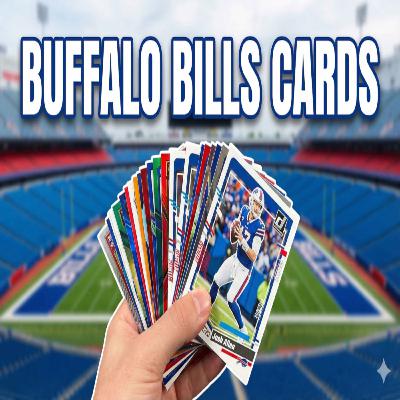
In this enlightening episode, we delve into the fascinating realm of football card collecting, spotlighting the extensive and passionate pursuits of our distinguished guest, Aaron Waxenfelter, a devoted Buffalo Bills aficionado. As we explore the intricacies of his collection, Aaron elucidates the profound connection between card collecting and personal fandom, illustrating how the evolution of memorabilia intertwines with one's dedication to a team. The discourse further encompasses Aaron's experiences as a collector situated far from his team's home base, shedding light on the challenges and triumphs associated with maintaining such a collection. Through his anecdotes, we gain insight into the historical significance of football cards, as well as the unique challenges faced by collectors in the modern era. Join us as we uncover the rich narratives behind the cards that define not only individual collections but also the broader tapestry of football history.Check out Aaron's YouTube Channel at @ProfootballretroHis brother Royce Waxenfelter has a channel mentioned @VikingWaxPressGrab a copy of our latest book, "Red Grange & Chicago Bears 1925-1926 Barnstorming Tour: 100th Anniversary Scrapbook" written by NFL Film's Chris Willis, and compiled by Darin Hayes https://amzn.to/4r8rVypJoin us at the Pigskin Dispatch website to see even more Positive football news! Don't forget to check out and subscribe to the Pigskin Dispatch YouTube channel for additional content and the regular Football History Minute Shorts.Miss our football by the day of the year podcasts, well don't, because they can still be found at the Pigskin Dispatch website. Mentioned in this episode:Sports History Theme SongThis theme song was produced by Ron "Tyke" Oliver of Music Meets Sportz
https://sites.google.com/view/sportsfanztastic/sports-history-network?authuser=0
The discourse centers upon the historical significance of the first college football game played in the Midwest, a topic of paramount importance in the context of American sports history. Tim Brown of Football Archaeology elucidates the evolution of football narratives, illuminating the longstanding misconceptions regarding the origins of the game in this region. Through rigorous research, he reveals that the first recorded match involved Northwestern University and the Chicago Football Club in February 1876, challenging the previously accepted account of a game between Michigan and Racine College. This episode not only explores the implications of such revelations on our understanding of football's formative years but also prompts a broader discourse on the criteria for categorizing early matches as football or rugby. We invite our listeners to engage with these intricate historical inquiries and appreciate the roots of the game we hold dear today.Join us at the Pigskin Dispatch website to see even more Positive football news! Don't forget to check out and subscribe to the Pigskin Dispatch YouTube channel for additional content and the regular Football History Minute Shorts.Miss our football by the day of the year podcasts, well don't, because they can still be found at the Pigskin Dispatch website. Mentioned in this episode:Sports History Theme SongThis theme song was produced by Ron "Tyke" Oliver of Music Meets Sportz
https://sites.google.com/view/sportsfanztastic/sports-history-network?authuser=0

The Missing Father of Football and the 10-Minute "Mall-In"Imagine a National Championship game where the "Father of American Football" is a no-show because he’s busy refereeing a freshman match. Picture a snowy Thanksgiving Day in 1882, where fans storm the field not to celebrate, but to join a 10-minute-long human pile-up in the end zone. This wasn't a playground scrap; it was the birth of championship football.Today in the Pig Pen, Darin Hayes welcomes back Timothy Brown of Football Archaeology to unearth the strange truth behind the 1882 Yale-Princeton showdown. From the bizarre rule that forced teams to play for the previous year's title to the "mall-in" scrum that redefined the word grit, we’re diving into the game that changed everything—even if Walter Camp wasn't there to see it.This all stems from Tim Brown's recent post titled: 1882 Yale-Princeton, Football’s First Championship Game -The Story Arc Breakdown (For Audio Delivery)The Hook: Start with the contradiction. "How can you have a championship game in 1882 to decide the winner of 1881?"The "Celebrity" Twist: Reveal the shocker—Walter Camp, the man who practically invented the sport, skipped the first "meaningful" league championship to ref a JV game in another city.The Action: Describe the 1882 rules where points didn't exist—only goals. The visual of the "mall-in," a ten-minute wrestling match in the snow where the defense tried to physically prevent a player from "touching the ball down," is the ultimate hook for any football fan.The Takeaway: Timothy Brown explains why "championship" meant something entirely different in the 19th century and how the spectacle in New York City on Thanksgiving became the blueprint for the Super Bowl culture we know today.Join us at the Pigskin Dispatch website to see even more Positive football news!Don't forget to check out and subscribe to the Pigskin Dispatch YouTube channel for additional content and the regular Football History Minute Shorts.Miss our football by the day of the year podcasts, well don't, because they can still be found at the Pigskin Dispatch website. Mentioned in this episode:Sports History Theme SongThis theme song was produced by Ron "Tyke" Oliver of Music Meets Sportz
https://sites.google.com/view/sportsfanztastic/sports-history-network?authuser=0
The inquiry into the distinctive brown hue of a football, in contrast to the white coloration of a baseball and the orange of a basketball, serves as the focal point of our discussion. We shall delve into the evolution of the football, examining its historical significance and the reasons behind its unique aesthetic. My name is Darren Hayes, and I have dedicated decades to the preservation and understanding of football history, seeking to enhance the appreciation of this beloved sport for both casual fans and historians alike. Through this exploration, we will uncover the various influences that have shaped the football's color and design, from its origins in the 19th century to the modern innovations in materials and manufacturing. Join us as we navigate the rich tapestry of football history and uncover the nuances that contribute to our cherished game piece.Join us at the Pigskin Dispatch website to see even more Positive football news!Don't forget to check out and subscribe to the Pigskin Dispatch YouTube channel for additional content and the regular Football History Minute Shorts.Miss our football by the day of the year podcasts, well don't, because they can still be found at the Pigskin Dispatch website. Mentioned in this episode:Sports History Theme SongThis theme song was produced by Ron "Tyke" Oliver of Music Meets Sportz
https://sites.google.com/view/sportsfanztastic/sports-history-network?authuser=0
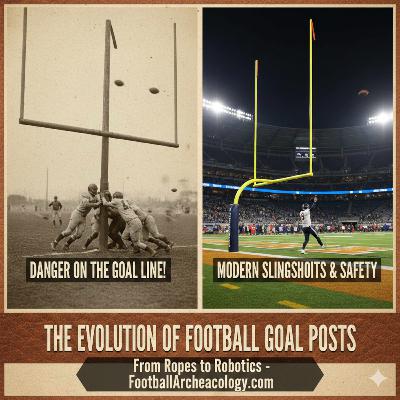
From Ropes to Goosenecks: The Surprising Evolution of Football Goal PostsIf you’ve ever watched a crowd storm the field to topple a goal post after a massive upset, you know these yellow structures are more than just sports equipment—they are symbols of victory. But the goal posts we see today in the NFL and NCAA are a far cry from the "cheesy, beat-up scrap lumber" used in the early days of the gridiron.Recently, Darin Hayes sat down with Timothy B. Brown of Football Archaeology to tear down the history of these iconic structures. From the cow pastures of the 1800s to the high-tech "slingshots" of today, here is how the goal post evolved.The discussion stems from Tim's recent Tidbit titled: A History of Goal Posts.1. The "Badminton" Era: Ropes and StringsIn the very earliest days of American football—derived from rugby and soccer—the setup was incredibly primitive. Instead of the rigid crossbars we see now, teams would often just erect two wooden posts and stretch a string or rope between them, roughly 10 feet off the ground.As Tim Brown noted, the rules were simple but familiar: "If you kicked the ball under that rope, it was soccer; if you kicked it over, it was rugby."2. The Danger on the Goal LineFor decades, goal posts were the classic "H-style" and were planted directly on the goal line. While this made sense for scoring, it created a massive safety hazard. Imagine a fullback sprinting for a touchdown, only to be stopped not by a linebacker, but by a 4x4 wooden beam.The Harvard-Yale Incident:In 1899, a Harvard player was famously stopped short of a touchdown because Yale defenders literally braced themselves against the goal post to hold the line.The Obstacle Course:A few years later, another Harvard runner knocked himself out by running head-first into the post before anyone even tackled him.3. The "Safety" Goal Post and the $50 PatentIn the early 1900s, an innovator named Edward Manley patented a "safety goal post." His design moved the heavy support posts 3 to 5 yards behind the goal line, using braces to suspend the crossbar over the actual line.While it was a brilliant idea for player safety, it didn't catch on immediately for one simple reason: Money. Manley charged $50 for every installation—a small fortune in 1900—leading many schools to stick with their dangerous (but free) wooden H-posts.4. Moving the Posts: Goal Line vs. End LineThe location of the goal post has hopped back and forth throughout history, usually to balance the difficulty of kicking:1927:College football moved the posts to theend line(the back of the end zone) to get them out of the way of runners and provide better angles for kickers.1932:The NFL moved them back to thegoal lineto encourage more scoring and break a record-high streak of tie games.1974:The NFL finally moved them back to theend linefor good. With the rise of soccer-style kickers, field goals had become too easy, and the league wanted to make the game more challenging again.5. The "Gooseneck" RevolutionThe modern, single-post "slingshot" or gooseneck design we see today didn't arrive until 1966. It was dreamt up by Jim Trimble (former coach of the Philadelphia Eagles) while he was playing with a fork at breakfast!Made of aluminum, these "Tele-Goal" posts were safer, more durable, and looked much more professional than the shop-class creations of yesteryear.Fun Fact: Before standardized equipment, many high school goal posts were built by the school's shop class. Students would weld the steel and even have the home economics class sew together old mattresses to create the first "padded" posts!Dive Deeper into Football HistoryThe history of the game is hidden in the details—from the width of the uprights to the sawdust inside a tackling dummy. If you love learning about the "antiquities" of the gridiron, be sure to check out Tim Brown’s work at FootballArchaeology.com.Join us at the Pigskin Dispatch website to see even more Positive football news!Don't forget to check out and subscribe to the Pigskin Dispatch YouTube channel for additional content and the regular Football History Minute Shorts.Miss our football by the day of the year podcasts, well don't, because they can still be found at the Pigskin Dispatch website. Mentioned in this episode:Sports History Theme SongThis theme song was produced by Ron "Tyke" Oliver of Music Meets Sportz
https://sites.google.com/view/sportsfanztastic/sports-history-network?authuser=0
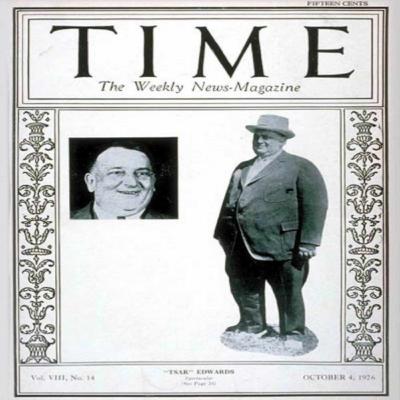
The narrative unfolds around the dramatic events of August 9, 1910, when New York City Mayor William Gaynor fell victim to an assassination attempt orchestrated by a disgruntled individual named Gallagher. In the midst of the ensuing chaos, it was the formidable figure of William "Big Bill" Edwards, the city street cleaning commissioner, who exhibited remarkable bravery by tackling the assailant and thereby neutralizing the immediate threat to the mayor's life. This episode delves into the multifaceted life of Edwards, a man whose athletic prowess on the football field at Princeton University and subsequent career as a prominent official made him a significant figure in the realm of sports and civic duty. We explore how his steadfast determination and commitment to public service culminated in his recognition with the Carnegie Medal of Heroism for his actions that day. Ultimately, this episode serves to illuminate the legacy of Big Bill Edwards, a paragon of courage and dedication, whose story resonates far beyond the confines of the football field.Join us at the Pigskin Dispatch website to see even more Positive football news! Don't forget to check out and subscribe to the Pigskin Dispatch YouTube channel for additional content and the regular Football History Minute Shorts.Miss our football by the day of the year podcasts, well don't, because they can still be found at the Pigskin Dispatch website. Mentioned in this episode:Sports History Theme SongThis theme song was produced by Ron "Tyke" Oliver of Music Meets Sportz
https://sites.google.com/view/sportsfanztastic/sports-history-network?authuser=0

Comments

Download from Google Play

Download from App Store
 United States