



PodcastDX
Subscribed: 40Played: 1,549
Subscribe

© ™️ 2018 PodcastDX, LLC. All rights reserved.
Description
PodcastDX is an interview based weekly series. Guests share experience based medical insight for our global audience.
We have found that many people are looking for a platform, a way to share their voice and the story that their health journey has created. Each one is unique since even with the same diagnosis, symptoms and the way each person will react to a diagnosis, is different. Sharing what they have experienced and overcome is a powerful way our guests can teach others with similar ailments.
Many of our guests are engaging in self-advocacy while navigating a health condition, many are complex and without a road-map to guide them along their journey they have developed their own. Sharing stories may help others avoid delays in diagnosis or treatment or just give hope to others that are listening. Sharing is empowering and has a healing quality of its own. Our podcast provides tips, hints, and support for common healthcare conditions. Our guests and our listeners are just like you- navigating the complex medical world. We hope to ease some tension we all face when confronted with a new diagnosis.
We encourage anyone wanting to share their story with our listeners to email us at info@PodcastDX.com
We have found that many people are looking for a platform, a way to share their voice and the story that their health journey has created. Each one is unique since even with the same diagnosis, symptoms and the way each person will react to a diagnosis, is different. Sharing what they have experienced and overcome is a powerful way our guests can teach others with similar ailments.
Many of our guests are engaging in self-advocacy while navigating a health condition, many are complex and without a road-map to guide them along their journey they have developed their own. Sharing stories may help others avoid delays in diagnosis or treatment or just give hope to others that are listening. Sharing is empowering and has a healing quality of its own. Our podcast provides tips, hints, and support for common healthcare conditions. Our guests and our listeners are just like you- navigating the complex medical world. We hope to ease some tension we all face when confronted with a new diagnosis.
We encourage anyone wanting to share their story with our listeners to email us at info@PodcastDX.com
415 Episodes
Reverse

Over the next decade, medicine won't just add new gadgets—it will change what it feels like to be a patient. In this episode of PodcastDX, we explore how AI as a clinical co‑pilot, stem cells and regenerative medicine, genomics and precision care, wearables, and hospital‑at‑home models could reshape everyday care. We talk about the promise of earlier detection and more personalized treatment, the risks around bias, privacy, and hype, and why equity and shared decision‑making must stay at the center as technology races ahead. Most of all, we ask how patients and caregivers can be partners—not passengers—in guiding the future of medicine.

This week we are discussing the rise of a new type of health care where the patients play a vital role in their medical care. Patients as partners in care are at the heart of shared decision making (SDM), a model where clinicians and patients deliberately work together to choose tests and treatments that fit both best evidence and the patient's values and life context. What shared decision making means SDM is a collaborative process in which clinicians contribute clinical expertise while patients contribute their goals, preferences, and lived experience. Core elements include at least two participants (patient and clinician), information sharing in both directions, building a shared understanding of options, and aiming for agreement on what to do next. From paternalism to partnership Historically, medical care was strongly paternalistic, with clinicians deciding and patients expected to comply, but from the 1970s onward, growing emphasis on autonomy and patient‑centered care began to challenge this model. The term "shared decision-making" appeared in ethical discussions in the 1970s and early 1980s and gained momentum in the 1980s alongside evidence that patients increasingly wanted to participate in decisions. Why patients as partners matters SDM is associated with improved patient knowledge, more accurate risk perception, reduced decisional conflict, and treatment plans that better reflect what matters most to patients. Studies link SDM to higher satisfaction, better adherence, improved quality of life, lower anxiety, and in some preference‑sensitive conditions, less invasive and sometimes less costly care.

At a time when modern medicine is allowing people to enjoy longer, fuller lives, mortality is not always a chief concern. But when a serious illness occurs, the topic becomes unavoidable. This became especially clear during the early days of the COVID-19 pandemic when hospitals were overrun with patients, many with grim prognoses. "The pandemic gave all of us a sense that life can be short and there's the very real possibility of dying," says Jennifer Kapo, MD, director of the Palliative Care Program at Yale New Haven Hospital. "It opened the door for us to talk more about death and have a better sense of our mortality." Palliative care is a caregiving approach for anyone with a serious or chronic medical condition; its goal is to maximize quality of life and manage symptoms. In addition to helping patients and their families navigate difficult conversations and decisions, palliative care team members are attentive to "goals of care," which means understanding the patient's wishes and how medical steps can help achieve them. For example, if a patient has a low likelihood of coming off a ventilator, that would be made clear to them, if possible, before they were put on one, explains Laura Morrison, MD, a physician in the Palliative Care Program. "The pandemic highlighted the need for us to have more proactive and earlier conversations with patients and their families. If we gave them the chance to make a choice, some might say they don't want to die in an intensive care unit," Dr. Kapo adds. Still, many people still aren't sure what palliative care really means. Below, we talk with a few members of Yale Medicine's program to better understand it. How does palliative care differ from hospice care? Palliative care is a specialized model of care for people living with serious or chronic illnesses including cancer, heart and liver failure, dementia, and pulmonary disease. Like hospice care, the focus is on maximizing comfort and quality of life. But palliative and hospice care differ in that hospice is for patients who are not receiving life-extending treatment, and is typically limited to the last six months—or less—of one's life. Palliative care, conversely, can be integrated into a patient's medical care at any point during their illness, from diagnosis to end-of-life, and can include life-extending medical treatment. "Essentially, palliative care is an extra layer of support for any patient who has a serious illness. That can include attention to pain and other symptom management, as well as help coping with the stress of having the illness," Dr. Morrison explains. "We also focus on facilitating communication between patients, their families, and medical providers." The Palliative Care Program has 35 members in various disciplines, including physicians, nurses, social workers, a chaplain, a psychologist, and a pharmacist. Palliative care services are offered to all patients at Yale New Haven Hospital and Smilow Cancer Hospital, and at Smilow's outpatient offices. And it provides care on a spectrum, based on what patients and their loved ones need in the moment. "At the beginning of a serious illness, a patient's needs might revolve around addressing anxiety over their diagnosis," Dr. Kapo says. Plus, taking care of the entire family, and not just the patient, is an important element, Dr. Kapo adds. "Our goal is to provide the best quality of life possible to patients and their families, which is why our bereavement program is also an important element. Our care does not stop when a loved one dies," she says. How is palliative care broached with patients? Because Yale Medicine offers palliative care to hospitalized patients, that is often where someone first hears about the model of care. "We typically structure the conversation broadly at first and ask a patient what they understand about their illness, what they have heard about it, and what they believe about it," Dr. Kapo says. "If a patient has no idea that death is a real possibility, we spend a lot of time sharing information. Or, if they have been sick for five years and know that time may be short, we talk about what is important to them and what they want to do with the time they have left." That, Dr. Kapo says, opens a conversation about a patient's values. "We listen very carefully and get a sense of whether this is a patient with goals of wanting to extend life no matter what it takes, or someone who is more interested in quality of life," she says. The goal of palliative care is not to change a patient's mind about their decisions, she adds. "It's to listen to a patient's story and support their decisions," Dr. Kapo says. "If someone tells me that they will fight for every last second of life, no matter what the cost might be physically, then we honor that." Meanwhile, a social worker can provide support and address any psychosocial issues. For example, if someone is just diagnosed with a critical illness, their primary concern might be how they can still work and pay their bills. The team's social worker can help them navigate the logistics of their health insurance coverage and sick time policies, among other issues. With other patients, the social worker might help explain a diagnosis to a patient's children in an age-appropriate way. The program also has a medical-legal partnership that assists patients with estate planning; navigating entitlements, including Social Security and insurance; and advance directives (a living will), a written statement of a patient's wishes regarding medical treatment in the event they are unable to communicate them to a doctor. What are the benefits of palliative care? Palliative care is by no means a new medical concept. In fact, it was all medical providers had before many current treatments were invented. "Back in the early 20th century, before antibiotics and chemotherapy and many other therapies we now have, physicians provided palliative care as their treatment," Dr. Morrison says. "Our job was to be present, hold hands with patients, and relieve symptoms as it was possible. Morphine might have been given for pain." Today, palliative care encompasses not only all the advanced medical treatments and medications now available, but it is increasingly being woven into care for chronic conditions. Meanwhile, research has shown that palliative care is effective. One study published in The New England Journal of Medicine in 2010 examined patients newly diagnosed with metastatic non-small cell lung cancer. One group received standard oncologic care; the other had standard oncologic care with palliative care added on. Those in the palliative care group reported less anxiety and depression and were also hospitalized less. They also lived a month longer. Subsequent similar studies expanding to other populations with advanced serious illness have also shown positive outcomes. (CREDITS: YALE MEDICINE)

This week we discuss the current status of Mental Health Care. Mental health care is changing, but most experts argue it is not changing fast enough relative to the need, especially on access, equity, and workforce. Where change is too slow Unmet need is huge. In the U.S., millions with a diagnosable condition still receive no treatment each year; a recent national report notes that many adults with mental illness remain uninsured or unable to access care. Global workforce shortages. Nearly 50% of the world's population lives in countries with fewer than 1 psychiatrist per 100,000 people, which severely limits access. Specialist shortages in high‑income countries. Projections for the U.S. estimate a shortage of roughly 14,000–31,000 psychiatrists, with over half of counties having none at all, and this gap may persist for decades without major policy changes. System design still hospital‑centered. The WHO notes that two‑thirds of scarce mental health budgets still go to stand‑alone psychiatric hospitals rather than community‑based services, despite all countries having signed on to a reform plan. Persistent inequities. Underserved groups (rural communities, people of color, LGBTQ+ people, low‑income populations) face additional barriers like providers not taking Medicaid/Medicare, language gaps, and local provider deserts. What is changing quickly Telehealth and virtual care. Teletherapy and virtual mental health visits expanded dramatically and now make it easier to reach people regardless of location, with greater scheduling flexibility and fewer logistical barriers. Digital mental health tools. Apps and web programs delivering structured therapies (for example CBT modules) can reduce symptoms of depression and anxiety with moderate to high effect sizes, including in low‑resource settings. New care pathways. Systems are experimenting with brief interventions, stepped‑care models, peer‑support programs, and task‑sharing where general health workers and community providers deliver basic mental health support. Policy and parity efforts. Some U.S. states are strengthening mental health parity enforcement, improving network adequacy, and changing insurance rules to make psychiatric medications and services easier to access. Stigma is slowly decreasing. Recent commentary highlights that more people are willing to seek help, pushing demand higher and driving interest in more personalized, data‑driven psychiatric care. Big picture: mismatch between need and pace Demand is outpacing innovation. Trauma, pandemic aftereffects, economic stress, and social unrest have increased mental health needs faster than systems can expand the workforce or redesign care, deepening inequities. Technology helps but isn't a cure‑all. Digital tools and telehealth extend reach, but quality is uneven, many apps lack strong evidence, and people with the most severe conditions still need intensive, in‑person, multidisciplinary care. Global agencies explicitly say pace is inadequate. The WHO's own assessment is that "change is not happening fast enough," framing the current situation as one of ongoing need and neglect despite clear evidence of what would work better. What would "fast enough" look like? Large‑scale investment in community‑based services and integration of mental health into primary care, shifting funding away from institutional‑only models. Aggressive strategies to grow and sustain the mental health workforce (training, better reimbursement, support to prevent burnout, incentives for underserved areas). Wider, evidence‑based use of digital interventions and telehealth, with standards for safety, privacy, and effectiveness so people can trust what they are using. Stronger parity enforcement and policies that make it actually practical—not just theoretically covered—to find and afford care. If you think about your own community or the people you work with, do you feel the main barrier is access (finding/affording care), quality (getting the right care), or something else like stigma or navigation?

The integration of Artificial Intelligence (AI) into post-injury rehabilitation is transforming recovery paradigms by enabling personalized, adaptive, and efficient rehabilitation pathways tailored to individual patient needs. This podcast reviews the current advances in AI applications that facilitate assessment, monitoring, and optimization of rehabilitation programs following injuries. Through machine learning algorithms, wearable sensors, and predictive analytics, AI enhances the precision of therapy plans, tracks patient progress in real-time, and predicts recovery trajectories. The discussion includes the benefits of AI-driven rehabilitation, including improved functional outcomes, reduced recovery times, and increased patient engagement. It also addresses challenges such as data privacy, algorithmic bias, and integration with clinical workflows. 1. Transforming recovery paradigms Traditional post‑injury rehab relies on periodic in‑person assessments, therapist intuition, and standardized protocols that only partially account for individual variability. AI is shifting this model toward: Continuous, data‑driven care: Instead of snapshots in clinic, rehab can be informed by near real‑time streams of kinematic, physiological, and behavioral data from wearables, smart devices, and robot interfaces. Dynamic adaptation: Therapy intensity, task difficulty, and exercise selection can be automatically adjusted based on ongoing performance, fatigue, and recovery trends, rather than fixed schedules. Precision rehabilitation: Algorithms can identify which patients are likely to respond to specific interventions (e.g., constraint‑induced movement therapy vs robotics) and tailor plans accordingly. This moves rehabilitation from a "one‑size‑fits‑many" paradigm toward precision, context‑aware therapy, analogous to precision oncology but focused on function and participation. 2. Assessment, monitoring, and optimization AI for assessment Sensor‑based movement analysis: Machine learning models process accelerometer, IMU, EMG, and pressure data to quantify gait symmetry, joint kinematics, balance, and fine motor control with higher resolution than visual observation alone. Automated scoring: AI can approximate or support standardized scales (e.g., Fugl‑Meyer, Berg Balance Scale) by mapping sensor features or video-derived pose estimates to clinical scores, reducing inter‑rater variability and saving clinician time. Continuous monitoring Home and community tracking: Wearable and ambient sensors enable monitoring of daily steps, walking speed, arm use, posture, and adherence to exercises outside the clinic, feeding rich longitudinal datasets into AI models. Real‑time alerts: Algorithms can detect abnormal patterns—such as increased fall risk, reduced limb use, or signs of over‑exertion—and flag the clinician or adjust digital therapy content automatically. Optimization and decision support Predictive models: Using historical data, AI can forecast functional gains, plateau points, or risk of complications (e.g., falls, readmission), supporting individualized goal‑setting and resource allocation. Reinforcement learning and "digital twins": Emerging work in neurorehabilitation treats rehab as a sequential decision problem, using model‑based reinforcement learning and patient "digital twins" to recommend optimal timing, dosing, and progression of interventions over weeks to months. 3. Technologies: ML, wearables, analytics Machine learning algorithms: Supervised ML classifies movement quality (normal vs compensatory), detects exercise type from sensor streams, and estimates clinical scores. Unsupervised learning clusters patients into phenotypes (e.g., gait patterns after stroke), revealing subgroups that respond differently to certain therapies. Reinforcement learning and contextual bandits explore which therapy adjustments yield the best long‑term functional outcomes for a given individual. Wearable sensors and robotics: Inertial sensors, EMG, pressure insoles, and exoskeleton sensors capture high‑frequency movement and muscle activity data during training. Robotic devices (upper‑limb exoskeletons, gait trainers) coupled with AI can modulate assistance, resistance, or task difficulty in real time based on performance and predicted fatigue. Predictive and prescriptive analytics: Predictive analytics estimate trajectories (e.g., time to independent walking, expected upper‑limb function) to inform shared decisions with patients and families. Prescriptive analytics recommend therapy intensity, modality mix, and scheduling to maximize functional gains under resource constraints. 4. Benefits: outcomes, efficiency, engagement Improved functional outcomes: Studies report better motor recovery, gait quality, and ADL performance when AI‑assisted training is used—especially when robotics and intelligent feedback are involved. Reduced recovery time and resource use: More precise dosing and earlier identification of non‑responders can reduce ineffective sessions, shorten time to key milestones, and support safe earlier discharge with robust remote follow‑up. Increased adherence and engagement: AI‑driven digital rehab platforms use gamification, adaptive difficulty, and personalized feedback to keep patients engaged in home programs, improving adherence compared to static paper instructions. Support for clinicians: Instead of replacing therapists, AI can offload repetitive measurement tasks, highlight concerning trends, and offer data‑driven suggestions, allowing clinicians to focus on relational, motivational, and complex decision‑making aspects of care. 5. Challenges and ethical considerations Data privacy and security: Rehab AI often relies on continuous collection of sensitive motion, physiological, and sometimes audio/video data, raising questions about consent, storage, secondary use, and breach risk. Approaches like federated learning and on‑device processing are being explored to reduce centralization of identifiable data while still enabling model training. Algorithmic bias and fairness: If training data under‑represent older adults, women, certain racial/ethnic groups, or people with severe disability, AI models may misestimate performance or risk for those groups, potentially widening disparities in rehab access and outcomes. Ongoing auditing, diverse datasets, and participatory design with patients and clinicians are needed to ensure equitable performance. Integration with clinical workflows: Many AI tools are developed in research settings and are not yet seamlessly integrated into EHRs, scheduling systems, or therapist documentation workflows. Poorly integrated tools risk adding documentation burden or "alert fatigue," reducing adoption. Successful implementations co‑design interfaces with frontline therapists and physicians. Regulation, liability, and trust: It remains unclear in many jurisdictions how to regulate adaptive rehab algorithms (as medical devices, clinical decision support, or wellness tools) and who is liable when AI‑informed plans cause harm. Transparent, explainable models and clear communication to patients about the role of AI are critical for maintaining trust. 6. Case studies and emerging trends Remote and hybrid digital rehabilitation: AI‑driven platforms providing home‑based stroke, orthopedic, or Parkinson's rehab with clinician dashboards are improving adherence and extending care beyond brick‑and‑mortar clinics. Collaborative AI for precision neurorehabilitation: Frameworks combining patient‑clinician goal setting, digital twins, and reinforcement learning exemplify "collaborative AI" that augments rather than replaces therapists. Multimodal personalization: Integration of movement data, EMG, heart rate, sleep, and self‑reported pain/fatigue is enabling more nuanced adaptation to daily fluctuations in capacity. Conversational AI for education and coaching: Early work is assessing tools like ChatGPT as low‑risk supports for exercise education and motivation, though they are not yet precise enough to replace professional plan design AI is moving rehab toward patient‑centered, continuously adapting, and data‑rich care, but realizing this promise depends on addressing privacy, bias, workflow, and regulatory challenges in partnership with clinicians and patients.

The gut–brain revolution is about treating the digestive system and the nervous system as one integrated network instead of two separate organs that happen to share a body. The gut–brain axis is a bidirectional communication system: the brain influences digestion, motility, and gut sensation, while the gut and its microbiota send chemical, neural, and immune signals back to the brain that can shape mood, cognition, and even neurodegeneration. Central to this loop is the vagus nerve, the longest cranial nerve, which carries most of the traffic from gut to brain and modulates inflammation, intestinal permeability, and autonomic balance. When one side of this axis is struggling—chronic stress, trauma, infection, dysbiosis, "leaky gut," or ongoing inflammation—the other side often shows up with symptoms like anxiety, depression, brain fog, or functional GI disorders. Because of this, "treating the brain" without addressing gut health, or "treating the gut" without considering mental health and stress physiology, often means chasing symptoms instead of root causes. Emerging evidence supports combined care plans that may blend nutrition changes, targeted probiotics, and anti‑inflammatory strategies with cognitive behavioral therapy, mindfulness, and stress‑reduction techniques to calm both the GI tract and the nervous system. Interventions that support vagal tone—such as paced breathing, certain forms of meditation, and gentle movement—may further help regulate this axis by improving autonomic balance and reducing inflammatory signaling between gut and brain. For patients and clinicians, the key message is that persistent "brain" symptoms might start in the gut, and chronic "gut" symptoms may be maintained by the brain, making integrated, two‑system treatment not a trend but a clinical necessity.

Promising new cancer screening methods are pivoting toward multi-cancer early detection (MCED) blood tests (liquid biopsies) and AI-enhanced imaging, which aim to detect multiple cancer types from a single, non-invasive sample, often before symptoms arise. These technologies, including the Galleri test and Novelna's protein-based tests, analyze DNA, proteins, or methylation patterns to identify cancer signals. Multi-Cancer Early Detection (MCED) Blood Tests: These tests, often called liquid biopsies, detect DNA or proteins shed by cancer cells into the bloodstream, identifying early-stage cancers (e.g., ovarian, pancreatic) that lack standard screening protocols. Galleri Test: Analyzes chemical methylation patterns to detect over 50 types of cancer, with the potential to indicate the cancer's origin in the body. Novelna's Test: An experimental test analyzing protein signatures, showing high accuracy in identifying 18 early-stage cancers, including 93% of stage 1 cancers in men. TriOx Test: A new, Oxford-developed test showing high sensitivity in detecting trace cancer DNA. AI and Machine Learning in Screening: AI is enhancing existing imaging techniques (e.g., mammography) to improve accuracy and efficiency in reading scans, reducing false positives. Other Liquid Biopsies: Research into analyzing blood, breath, and urine for early signs of cancer, offering a less invasive alternative to tissue biopsies. While offering immense promise for reducing cancer mortality, many of these technologies, including MCED, are still in research or early implementation phases, and they can produce false positives.
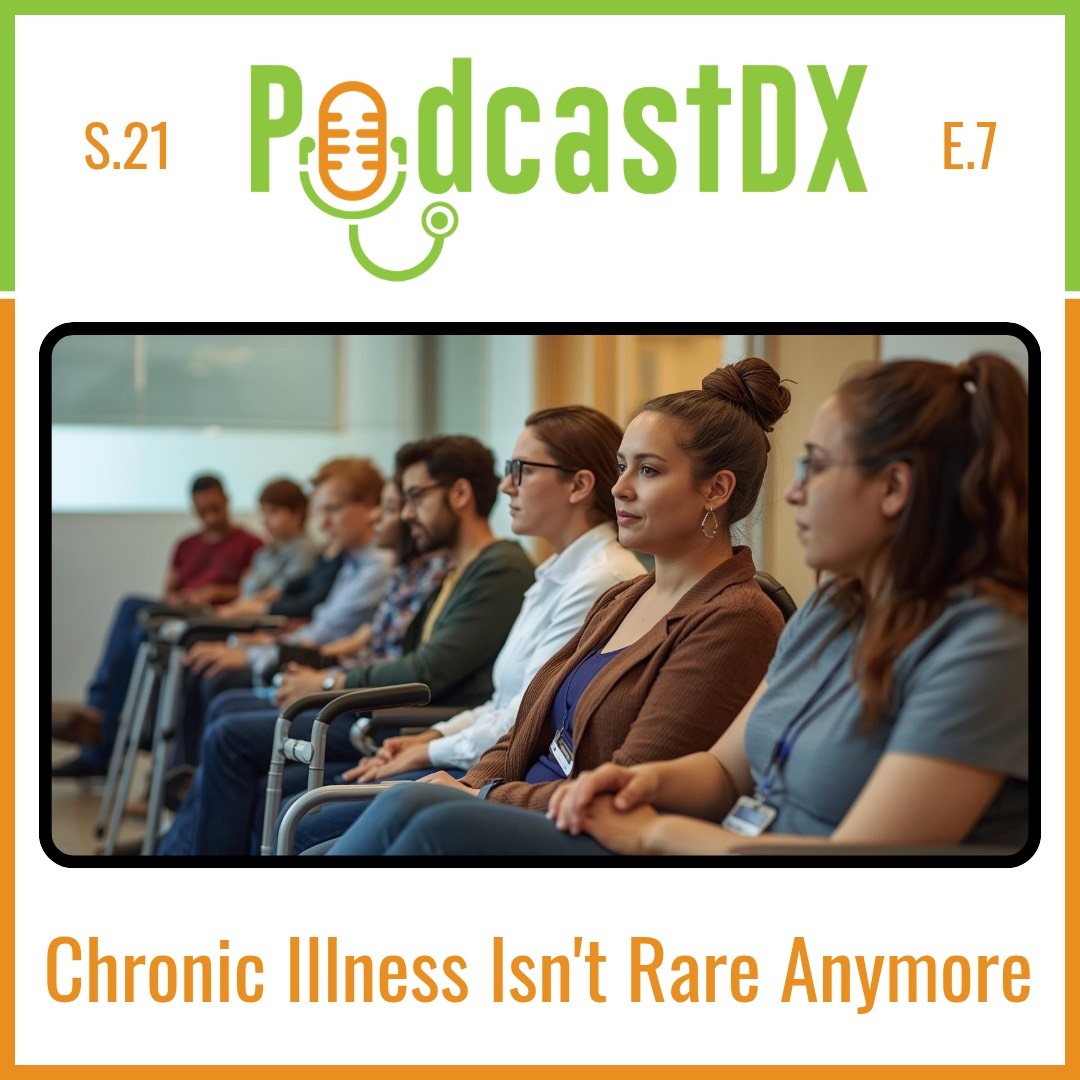
Chronic illness is now the norm, not the exception, and our healthcare system is scrambling to keep up. In this episode, "Chronic Illness Isn't Rare Anymore: Why The System Is Trying To Catch Up," we dig into why so many adults are living with at least one chronic condition, how the current system was built for short-term, acute care, and what that mismatch means for people trying to manage complex, lifelong diagnoses. We talk about the hidden costs of navigating appointments, medications, insurance, and burnout, and explore what needs to change—from prevention and policy to care teams and patient advocacy—to actually support those living with chronic illness today. Chronic illness is no longer a rare, edge-case scenario; it is now a majority experience in the United States, with approximately 76% of adults living with at least one chronic condition. As of 2025, over half of U.S. adults suffer from two or more, making these conditions the primary driver of the nation's $4.5 trillion healthcare spending. The healthcare system is rushing to "catch up" because the traditional model—designed for acute, short-term care—is failing to handle the, persistent, long-term, and complex needs of a majority-chronically-ill population. The New Reality: Why Chronic Illness is Everywhere Chronic diseases like heart disease, diabetes, obesity, and autoimmune disorders have reached epidemic levels due to a combination of factors, according to the Centers for Disease Control and Prevention (CDC) and other experts: Aging Population: The number of Americans over 65 is growing rapidly, with over 58 million in this group, expected to increase significantly. Lifestyle & Environment: Poor nutrition, physical inactivity, tobacco use, and excessive alcohol consumption are driving the increase. Systemic Factors: Environmental exposures to toxins, chemicals in food, and stress from modern living contribute to high prevalence. Rising Youth Rates: The prevalence of conditions like obesity and depression has increased among young adults. Why the System is "Catching Up" The system is undergoing a massive shift from "reactive" to "proactive" care, driven by necessity rather than choice. The Financial Crisis: Chronic disease management accounts for nearly 90% of U.S. healthcare spending. If left unchecked, these costs could drive the healthcare system to collapse, making cost reduction for chronic conditions a top priority for 2025. Ineffectiveness of Old Models: The "fee-for-service" model, which pays for volume, is being replaced by "value-based" care, focusing on results and preventing readmissions. Integration of Technology: To manage the scale, the system is leveraging artificial intelligence (AI), telehealth, and remote monitoring to keep patients with chronic conditions at home and out of the hospital. Focus on Root Causes: There is a move away from just managing symptoms to addressing root causes, such as nutrition, social determinants of health (housing, income), and reducing systemic inflammation. Key Changes in the "Catching Up" Process Redesigning Care: Moving toward "patient-centered" care, which focuses on empowering individuals to manage their own illnesses and providing more comprehensive support, rather than just treating symptoms as they appear. Addressing Social Determinants: Recognizing that where people live, work, and age impacts their health, systems are expanding beyond the clinic to address food insecurity and safe spaces for exercise. Preventive & Early Care: Increased focus on intervening early, especially in underserved, low-income, and marginalized communities that bear a disproportionate burden of disease. Workplace Wellness: Companies are investing in preventative care, such as on-site health assessments and mental health support, to reduce the impact of chronic illness on productivity. The shift from acute to chronic disease as the leading cause of death is forcing a comprehensive reinvention of the US health system.
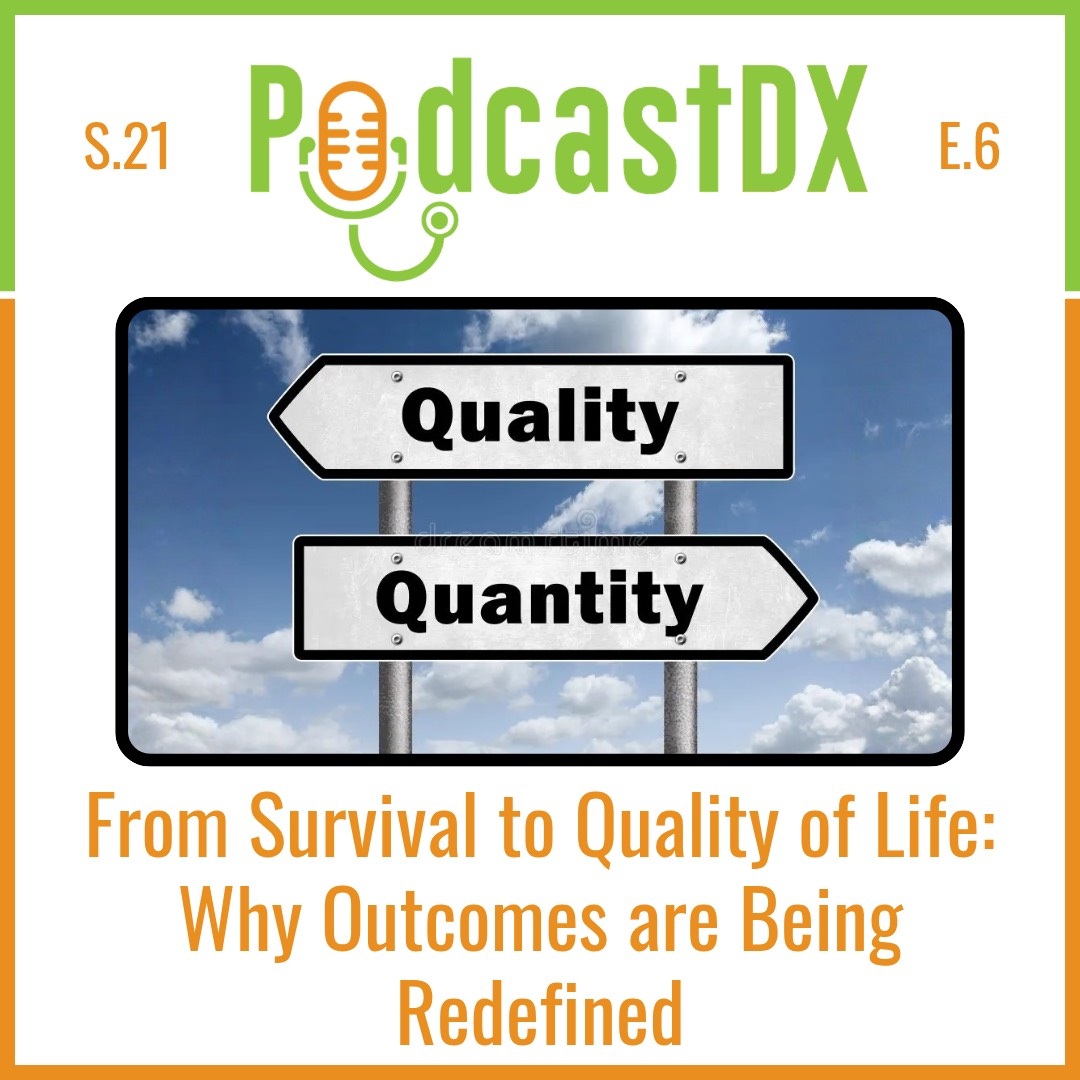
FROM SURVIVAL TO QUALITY OF LIFE: WHY OUTCOMES ARE BEING REDEFINED THE FUNDAMENTAL SHIFT IN MEDICINE For decades, medicine measured success through a singular lens: survival. Did the patient live? Did the procedure work? While these metrics remain important, healthcare is undergoing a profound transformation that redefines what "winning" actually means[1]. The new standard is no longer just extending life—it's enabling patients to live purposefully, functionally, and with dignity[2]. This shift reflects a critical insight: surviving is not the same as living well. WHY OUTCOMES ARE BEING REDEFINED Beyond Binary Success Traditional outcome metrics operated in black-and-white terms. A femur repair was "successful" if the fracture healed—regardless of whether the patient could walk without pain, climb stairs, or return to work[3]. Today, healthcare systems recognize this approach as incomplete and outdated. Patient-Reported Outcomes Measures (PROMs) The healthcare industry is now systematically integrating patient voices into outcome measurement. These tools capture what patients actually experience: physical functioning, emotional well-being, social participation, and overall quality of life[4]. The Centers for Medicare & Medicaid Services (CMS) has formally incorporated patient-reported outcome measures into quality reporting frameworks, signaling a structural shift in how healthcare success is defined[5]. The Quintuple Aim Modern healthcare reform is reframing success across five dimensions[6]: · Patient Experience: Tailored treatments based on individual data and preferences · Population Health: Proactive, preventative care delivery · Cost Reduction: Connecting patients to appropriate care and reducing avoidable hospitalizations · Provider Well-Being: Extending clinical reach through technology and team-based care · Equitable Care: Ensuring access regardless of geography or circumstance WHAT THIS MEANS IN PRACTICE Real-World Impact Advanced remote patient monitoring programs demonstrate the difference this redefinition makes. One program achieved a 230% increase in guideline-directed medical therapy for heart failure patients, adding an average of 5 years to their lives—but the metric that matters most is that patients remained home, maintained independence, and preserved quality of life while achieving better clinical outcomes[7]. Shared Decision-Making Patient preferences now matter. Research shows patients are generally unwilling to accept diminished quality of life simply for extended survival[8]. Healthcare providers increasingly recognize that authentic patient partnership—understanding what matters most to each individual—leads to better adherence, satisfaction, and actual outcomes. THE BOTTOM LINE The redefinition of medical success from "Did you survive?" to "Are you living well?" represents a maturation of healthcare. It acknowledges that modern medicine can often extend life—the question now is how to ensure that extended life is worth living. This shift places patient values, functional abilities, and personal purpose at the center of clinical decision-making. Success in 21st-century medicine means helping patients achieve not just survival, but flourishing. REFERENCES [1] Takeda Oncology. (2025). Living beyond surviving: Patient-centered approach to modern oncology care. Retrieved from https://www.takedaoncology.com/our-stories/living-is-more-than-surviving/ [2] LaBier, D. (2014). Life purpose beyond survival as a metric of quality healthcare. LinkedIn. Retrieved from https://www.linkedin.com/pulse/20140526192226-11896706--life-purpose-beyond-survival-as-a-metric-of-quality-healthcare/ [3] University of South Carolina. (2025). Patient-reported outcome measures essential to clinical decision-making. Retrieved from https://www.sc.edu/uofsc/posts/2025/10/10-patient-centered-quality-measures.php [4] Sermo. (2026). 13 strategies to improve patient care quality in 2026. Retrieved from https://www.sermo.com/resources/13-solutions-for-improving-patient-care-and-outcomes-in-2025/ [5] Medisolv. (2024). Trends in healthcare quality and safety to watch in 2024. Retrieved from https://blog.medisolv.com/articles/healthcare-trends-2024/ [6] Cunningham, E., Chief of Virtual Care and Digital Health, Providence Health. (2024). Cadence outcomes report insights. Cadence Care. Retrieved from https://www.cadence.care/post/cadences-2024-outcomes-report-a-new-era-in-primary-care/ [7] Cadence Care. (2024). Cadence's 2024 outcomes report: A new era in primary care. Retrieved from https://www.cadence.care/post/cadences-2024-outcomes-report-a-new-era-in-primary-care/ [8] PubMed Central. (2008). Patient preferences: Survival vs. quality-of-life considerations. Retrieved from https://pubmed.ncbi.nlm.nih.gov/8410398/
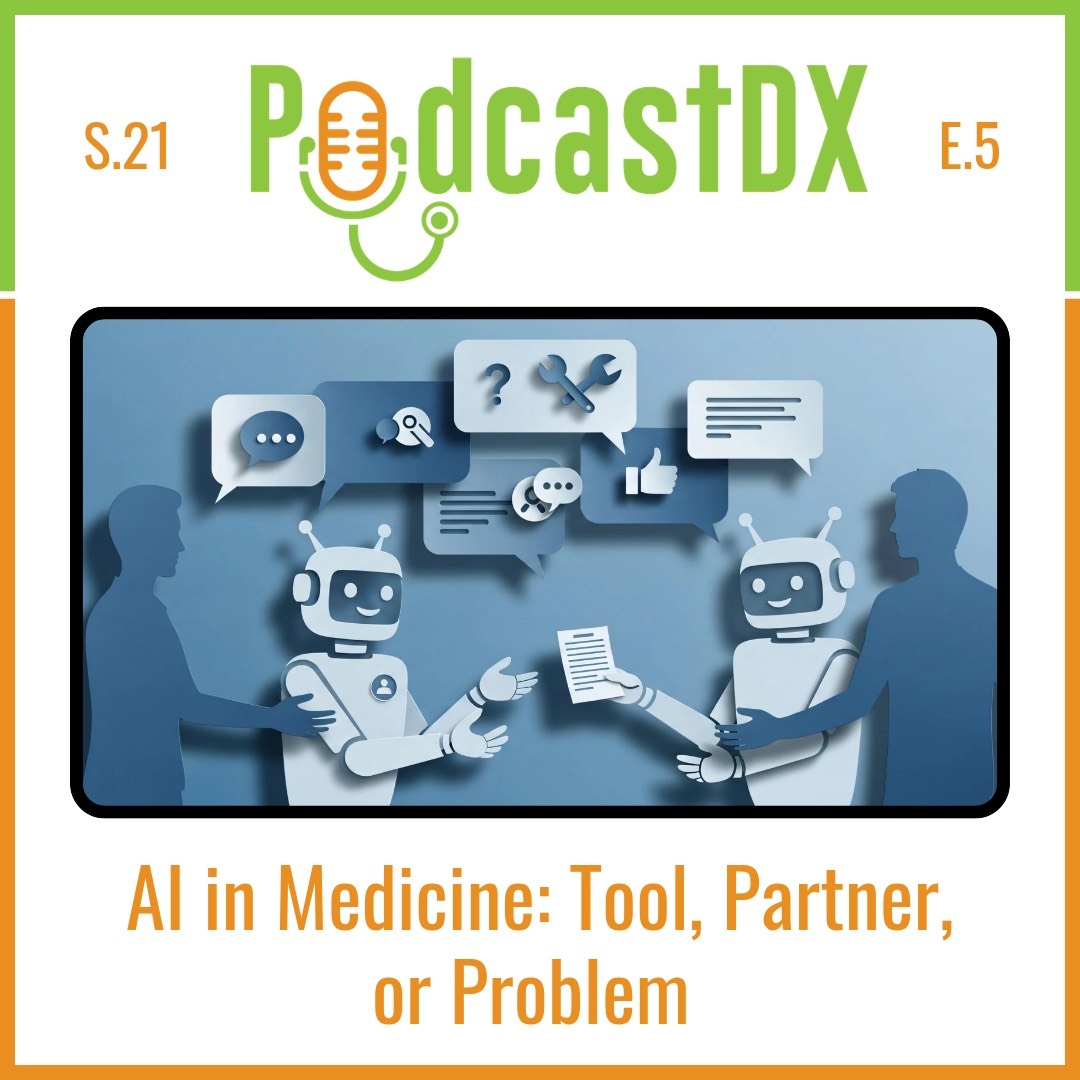
AI in medicine is best understood as a powerful tool and a conditional partner that can enhance care when tightly supervised by clinicians, but it becomes a problem when used as a replacement, deployed without oversight, or embedded in biased and opaque systems. Whether it functions more as a partner or a problem depends on how health systems design, regulate, and integrate it into real clinical workflows. Where AI Works Well Decision support and diagnosis: AI can read imaging, ECGs, and lab patterns with very high accuracy, helping detect cancers, heart disease, and other conditions earlier and reducing some diagnostic errors. Workflow and documentation: Tools that draft visit notes, summarize records, and route messages can cut administrative burden and free up clinician time for patients. Patient monitoring and triage: Algorithms can watch vital signs or wearable data to flag deterioration, triage symptoms online, and guide patients through care pathways, which is especially valuable with clinician shortages. Risks and Problems Errors, over-reliance, and "automation bias": Studies show clinicians sometimes follow incorrect AI recommendations even when the errors are detectable, which can lead to worse decisions than if AI were not used. Bias and inequity: If training data underrepresent certain groups, AI can systematically misdiagnose or undertreat them, amplifying existing health disparities. Trust, explainability, and liability: Black-box systems can undermine shared decision-making when neither doctor nor patient can understand or challenge a recommendation, and they raise hard questions about who is responsible when harm occurs. Impact on the Doctor–Patient Relationship Potential partner: By handling routine documentation and data crunching, AI can give clinicians more time for conversation, empathy, and shared decisions, supporting more person-centered care. Potential barrier: If AI outputs dominate visits or generate long lists of differential diagnoses directly to patients, it can increase anxiety, fragment communication, and weaken relational trust. How To Keep AI a Partner, Not a Problem Keep humans in the loop: Use AI as a second reader or coach, not a final decision-maker; clinicians should retain authority to accept, modify, or reject suggestions. Demand transparency and evaluation: Health systems should validate tools locally, monitor performance across different populations, and disclose AI use to patients in clear language. Align incentives with patient interests: Regulation, reimbursement, and malpractice rules should reward safe, equitable use of AI—not just speed, volume, or commercial uptake. In practice, AI in medicine becomes a true partner when it augments human judgment, enhances relationships, and improves outcomes; it becomes a problem when it is opaque, biased, or allowed to replace clinical responsibility.

Medicine has transitioned due to massive tech adoption (Electronic Health Records EHRs, Artificial Intelligence AI, Telehealth), shifting patient expectations (consumerism, convenience), the rise of value-based care, new treatments (precision medicine), and increased focus on population health and prevention, all while grappling with rising costs, data security, and persistent access/equity gaps, making healthcare more data-driven, personalized, and digitally integrated but also more complex and fragmented. We try to break it down to try and understand the changes and how they might improve the outcomes when going to the doctor. Technological Revolution Electronic Health Records (EHRs) & Analytics: Widespread EHR adoption (95% of hospitals by 2017) streamlined data, enabling better analytics for management, diagnosis, and care coordination, notes HNI Healthcare and Becker's Hospital Review. Telehealth & Wearables: Virtual visits, health apps, and fitness trackers (like heart rate monitors) became common, improving access and remote monitoring, says ThriveAP. Artificial Intelligence (AI) & Machine Learning: AI now analyzes complex data for diagnostics, research, and clinical decisions, says Health Tech Academy and National Institutes of Health (NIH) | (.gov). Evolving Patient & Provider Landscape Consumerism: Patients demand convenient, personalized care, challenging traditional models, notes Marathon Health and NEJM Catalyst Innovations in Care Delivery. New Care Models: Integration (ACOs, hospitalists) aimed at better quality/cost, but challenges in coordination persist, according to the National Institutes of Health (NIH) | (.gov). Population Health: Greater focus on prevention, chronic disease management (diabetes, obesity), and public health crises (COVID-19), says Health Data Management. Shifting Medical Focus & Costs Precision Medicine: Tailored treatments using biomarkers are improving efficacy, notes faCellitate. Rising Costs: More expensive tech, drugs (like gene therapies), and increased demand contribute to significant spending increases, say National Institutes of Health (NIH) | (.gov) and Springer Publishing Company. Data & Billing Changes: The shift to complex coding (like ICD-10) improved data but added operational hurdles, say Becker's Hospital Review and National Institutes of Health (NIH) | (.gov) pmc.ncbi.nlm.nih.gov .

This week we discuss stem cells. Having great therapeutic and biotechnological potential, stem cells are extending the frontier in medicine. Not only replace dysfunctional or damaged cells, the so-called regenerative medicine, stem cells may also offer us new perspectives regarding the nature of aging and cancer. This review will cover some basics of stem cells, their current development, and possible applications in medicine. Meanwhile, important remaining challenges of stem cell research are discussed as well. Stem cells are unique, unspecialized cells that can divide to create more stem cells (self-renewal) and can transform (differentiate) into various specialized cells, acting as the body's repair system to generate new cells for growth, repair, and maintenance, with different types existing in embryos (pluripotent) and adults (multipotent) and being studied for treating diseases like paralysis, diabetes, and heart disease. Types of Stem Cells Embryonic Stem Cells: Pluripotent (can become almost any cell type) and come from early embryos. Adult Stem Cells (Tissue-Specific): Multipotent (limited to certain cell types within their tissue) and found in adult organs like bone marrow, skin, and the brain. Induced Pluripotent Stem Cells (iPSCs): Adult cells reprogrammed in the lab to act like embryonic stem cells, offering a path to personalized medicine. Sources of Stem Cells Embryos (for research), Umbilical cord blood, Bone marrow, Other adult tissues (like fat or skin). Medical Significance (Stem Cell Therapy) Regenerative Medicine: Uses stem cells to repair or replace damaged tissues and organs. Treatments: Already used to treat blood cancers (like leukemia) through bone marrow transplants. Research Focus: Investigated for treating conditions such as spinal cord injuries, Parkinson's, Alzheimer's, heart disease, and diabetes. There is some stem cell controversy, primarily centering on the ethics of using human embryos, particularly embryonic stem cells, which hold vast potential for medicine but require destroying the embryo, raising moral debates about the embryo's status as human life, with opponents seeing it as the destruction of life and proponents viewing it as a moral imperative to cure disease, though adult stem cell research and induced pluripotent stem cells (iPSCs) offer less controversial avenues. We don't discuss this aspect of the therapeutic use but if you are interested you can find out more with a simple internet search. Stem cell therapy in the US is not banned but restricted. Only FDA-approved products (such as cord blood transplants and CAR-T cell therapies for blood conditions) are fully legal. Other uses are allowed only in limited cases under the 361 HCT/P pathway.

This week we will discuss the topic of "functional fitness" With the new year upon us many people want to add fitness or getting healthy as goals and we are here to help! Functional fitness is a simple, effective way to keep your body moving and reduce restlessness. It focuses on exercises that help you perform everyday activities more easily and safely—like getting up off the floor, carrying groceries, or reaching for items on a shelf. By training your muscles to work the way you actually use them in daily life, functional fitness reduces injury risk and improves overall quality of life. It helps you move through your day with more confidence, strength, and ease. Fitness expert Brad Schoenfeld describes functional fitness as existing "on a continuum." In other words, almost any exercise can be functional if it improves your ability to move well in real life. While general strength training is beneficial, exercises that mimic everyday movements tend to offer the greatest payoff. Functional fitness also improves balance, endurance, and flexibility—benefits that matter at every age. Below are 13 functional exercises suitable for adults of all ages. Choose five or six and perform them three to four times per week. All can be done safely at home with minimal equipment. 1. Squat Squats mimic sitting and standing from a chair, making them one of the most important functional movements. Move slowly and with control. To modify, reduce depth or use a chair for support. 2. Incline Chest Press This exercise strengthens the muscles used to push yourself up from the floor or a surface. It's a gentler alternative to pushups and works the same muscle groups. 3. Plank Planks build core strength, balance, and mobility—skills needed for getting up and down from the floor. Focus on maintaining good form rather than duration. 4. Wall Squat Wall squats provide added support and reduce strain on the lower back while still strengthening the legs. 5. Step-Down This movement improves balance and stability and mimics stepping down from stairs or high surfaces. 6. Row Rows strengthen the back and arms, helping with tasks like lifting objects from shelves or pulling items toward you. 7. Stationary Lunge Lunges replicate the motion of standing up from the ground and improve leg strength and joint mobility. 8. Step-Up Step-ups strengthen the muscles used for climbing stairs and stepping onto raised surfaces. 9. Single-Leg Lift Single-leg exercises improve balance and core stability, which helps prevent falls. 10. Side Plank Side planks target the oblique muscles and support overall core strength. 11. Downward-Facing Dog This yoga pose builds strength, flexibility, and balance while supporting your body weight. 12. Single-Leg Deadlift Deadlifts train the hip hinge and strengthen multiple leg muscles, preparing you for lifting objects safely. 13. Lunge with Bent-Over Row This combined movement challenges balance while strengthening both the lower and upper body. Takeaway Functional fitness prepares your body for real-life movement. It emphasizes performance over appearance, uses minimal equipment, and carries a lower risk of injury than high-intensity training styles. Because it focuses on practical strength and movement quality—not muscle size—it's accessible, effective, and appropriate for people of all ages and fitness levels. If you have existing injuries or medical conditions, consult a healthcare provider before starting.

By the end of the first week of the new year, nearly 77% of New Year's resolutions have already failed (Norcross, 1988). That's discouraging—but it doesn't mean you should stop trying. It means most of us are setting resolutions in ways that don't work. You aren't weak or lazy. More often, the problem is a misaligned system—one that relies too heavily on willpower and short-lived motivation. Motivation naturally fades over time, even when our intentions are good. Think about how often you enthusiastically agree to plans weeks in advance, only to feel tired or unmotivated when the day arrives. Or how many times you've started a project—cleaning a room, taking a course, planning a trip—only to watch your early excitement slowly disappear. We're excellent at strong intentions; follow-through is harder. The good news? Not all resolutions fail. That same research found that 19% of resolutions are still maintained two years later (Norcross, 1988). We just don't spend enough time learning from what does work. Three DON'Ts 1. Don't make life-changing, all-or-nothing resolutions Resolutions that try to overhaul everything at once are overwhelming and fragile. Examples: "New year, new me—I'll reinvent my career, relationships, and lifestyle." "I'll work out every single day this year." "I'll triple my income or eliminate all my debt." Why this fails: One setback can feel like total failure, making it easy to quit entirely. 2. Don't set shame-driven goals Goals rooted in self-criticism, embarrassment, or self-loathing undermine motivation. Examples: "I need to get my life together." "I have to lose weight so I don't look bad." "This year I'll stop being lazy." Why this fails: Shame erodes self-belief and increases anxiety, making lasting change harder—not easier. 3. Don't set vague resolutions Unclear goals are difficult to act on. Examples: "I want to be healthier." "I'll work on myself." "I need better boundaries." Why this fails: Without clear actions or markers of success, procrastination takes over and goals fade. Three DOs Meaning Choose one small, consistent practice that reflects what truly matters to you. Examples: "Every Sunday evening, I'll spend an hour writing, painting, or making music." "Once a week, I'll take a phone-free walk to reflect." Purpose Connect your resolution to generativity—contributing beyond yourself (Erikson, 1950). Examples: "I'll volunteer or mentor through an organization like SCORE or Rotary." Connection Create simple, recurring rituals with others. Example: "I'll schedule a weekly call, walk, or shared meal and treat it as a real commitment." Traditional New Year's resolutions don't fail because people lack discipline. They fail because they're poorly designed—too big, too vague, or rooted in shame. When resolutions focus on "fixing what's wrong," they often lead to self-criticism once early motivation fades. In contrast, resolutions grounded in meaning, purpose, and connection are more sustainable. If you're among the 77% whose resolution didn't stick, don't fall into the shame trap. A broken resolution isn't failure—it's feedback. Reset your expectations, adjust your strategy, and start again with something manageable. Move away from punishment and toward practices that bring joy, meaning, and connection. That shift alone can make the difference between another abandoned resolution and one that truly lasts. May your year be filled with meaning, purpose, and connections that sustain you. (CREDITS: PSYCHOLOGY TODAY)
The lymphatic system, or lymphoid system, is one of the components of the circulatory system, and it serves a critical role in both immune function and surplus extracellular fluid drainage. Components of the lymphatic system include lymph, lymphatic vessels and plexuses, lymph nodes, lymphatic cells, and a variety of lymphoid organs. The pattern and form of lymphatic channels are more variable and complex but generally parallel those of the peripheral vascular system. The lymphatic system partly functions to convey lymphatic fluid, or lymph, through a network of lymphatic channels, filter lymphatic fluid through lymph nodes and return lymphatic fluid to the bloodstream, where it is eventually eliminated. Nearly all body organs, regions, and systems have lymphatic channels to collect the various byproducts that require elimination . Liver and intestinal lymphatics produce about 80% of the volume of lymph in the body. Notable territories of the body that do not appear to contain lymphatics include the bone marrow, epidermis, as well as other tissues where blood vessels are absent. The central nervous system was long considered to be absent of lymphatic vessels until they were recently identified in the cranial meninges. Moreover, a vessel appearing to have lymphatic features was also discovered in the eye. The lymphatic system is critical in a clinical context, particularly given that it is a major route for cancer metastasis and that the inflammation of lymphatic vessels and lymph nodes is an indicator of pathology. Structure The lymphatic system includes numerous structural components, including lymphatic capillaries, afferent lymphatic vessels, lymph nodes, efferent lymphatic vessels, and various lymphoid organs. Lymphatic capillaries are tiny, thin-walled vessels that originate blindly within the extracellular space of various tissues. Lymphatic capillaries tend to be larger in diameter than blood capillaries and are interspersed among them to enhance their ability to collect interstitial fluid efficiently. They are critical in the drainage of extracellular fluid and allow this fluid to enter the closed capillaries but not exit due to their unique morphology. Lymphatic capillaries at their blind ends are composed of a thin endothelium without a basement membrane. The endothelial cells at the closed end of the capillary overlap but shift to open the capillary end when interstitial fluid pressure is greater than intra-capillary pressure. This process permits lymphocytes, interstitial fluid, bacteria, cellular debris, plasma proteins, and other cells to enter the lymphatic capillaries. Special lymphatic capillaries called lacteals exist in the small intestine to contribute to the absorption of dietary fats. Lymphatics in the liver contribute to a specialized role in transporting hepatic proteins into the bloodstream. The lymphatic capillaries of the body form large networks of channels called lymphatic plexuses and converge to form larger lymphatic vessels. Lymphatic vessels convey lymph, or lymphatic fluid, through their channels. Afferent (toward) lymphatic vessels convey unfiltered lymphatic fluid from the body tissues to the lymph nodes, and efferent (away) lymphatic vessels convey filtered lymphatic fluid from lymph nodes to subsequent lymph nodes or into the venous system. The various efferent lymphatic vessels in the body eventually converge to form two major lymphatic channels: the right lymphatic duct and the thoracic duct. The right lymphatic duct drains most of the right upper quadrant of the body, including the right upper trunk, right upper extremity, and right head and neck. The right lymphatic trunk is a visible channel in the right cervical region just anterior to the anterior scalene muscle. Its origin and termination are variable in morphology, typically forming as the convergence of the right bronchomediastinal, jugular, and subclavian trunks, extending 1 to 2 centimeters in length before returning its contents to the systemic circulation at the junction of the right internal jugular, subclavian, and/or brachiocephalic veins. The thoracic duct, also known as the left lymphatic duct or van Hoorne's canal, is the largest of the body's lymphatic channels. It drains most of the body except for the territory of the right superior thorax, head, neck, and upper extremity served by the right lymphatic duct. The thoracic duct is a thin-walled tubular vessel measuring 2 to 6 mm in diameter. The length of the duct ranges from 36 to 45 cm. The thoracic duct is highly variable in form but typically arises in the abdomen at the superior aspect of the cisterna chyli, around the level of the twelfth thoracic vertebra (T12). The cisterna chyli, from which it extends, is an expanded lymphatic sac that forms at the convergence of the intestinal and lumbar lymphatic trunks extending along the L1-L2 vertebral levels. The cisterna chyli is present in approximately 40-60% of the population, and in its absence, the intestinal and lumbar lymphatic trunks communicate directly with the thoracic duct at the T12 level. As a result, the thoracic duct receives lymphatic fluid from the lumbar lymphatic trunks and chyle, composed of lymphatic fluid and emulsified fats, from the intestinal lymphatic trunk. Initially, the thoracic duct is located just to the right of the midline and posterior to the aorta. It exits the abdomen and enters the thorax via the aortic hiatus formed by the right and left crura of the diaphragm, side by side with the aorta. The thoracic duct then ascends in the thoracic cavity just anterior and to the right of the vertebral column between the aorta and azygos vein. At about the level of the fifth thoracic vertebra (T5), the thoracic duct typically crosses to the left of the vertebral column and posterior to the esophagus. From here, it ascends vertically and usually empties its contents into the junction of the left subclavian and left internal jugular veins in the cervical region. To ensure that lymph does not flow backward, collecting lymphatic vessels and larger lymphatic vessels have one-way valves. These valves are not present in the lymphatic capillaries. These lymphatic valves permit the continued advancement of lymph through the lymphatic vessels aided by a pressure gradient created by vascular smooth muscle, skeletal muscle contraction, and respiratory movements. However, it is important to note that lymphatic vessels also communicate with the venous system through various anastomoses. Lymph nodes are small bean-shaped tissues situated along lymphatic vessels. Lymph nodes receive lymphatic fluid from afferent lymphatic vessels and convey lymph away through efferent lymphatic vessels. Lymph nodes serve as a filter and function to monitor lymphatic fluid/blood composition, drain excess tissue fluid and leaked plasma proteins, engulf pathogens, augment an immune response, and eradicate infection. Several organs in the body are considered to be lymphoid or lymphatic organs, given their role in the production of lymphocytes. These include the bone marrow, spleen, thymus, tonsils, lymph nodes, and other tissues. Lymphoid organs can be categorized as primary or secondary lymphoid organs. Primary lymphoid organs are those that produce lymphocytes, such as the bone marrow and thymus. Bone marrow is the primary site for the production of lymphocytes. The thymus is a glandular organ located anterior to the pericardium. It serves to mature and develop T cells, or thymus cell lymphocytes, in response to an inflammatory process or pathology. As individuals age, both their bone marrow and thymus reduce and accumulate fat. Secondary lymphoid organs serve as territories in which immune cells function and include the spleen, tonsils, lymph nodes, and various mucous membranes, such as in the intestines. The spleen is a purplish, fist-sized organ in the left upper abdominal quadrant that contributes to immune function by serving as a blood filter, storing lymphocytes within its white pulp, and being a site for an adaptive immune response to antigens. The lingual tonsils, palatine tonsils, and pharyngeal tonsils, or adenoids, work to prevent pathogens from entering the body. Mucous membranes in the gastrointestinal, respiratory, and genitourinary systems also function to prevent pathogens from entering the body. Lymph Lymphatic fluid, or lymph, is similar to blood plasma and tends to be watery, transparent, and yellowish in appearance. Extracellular fluid leaks out of the blood capillary walls because of pressure exerted by the heart or osmotic pressure at the cellular level. As the interstitial fluid accumulates, it is picked up by the tiny lymphatic capillaries along with other substances to form lymph. This fluid then passes through the lymphatic vessels and lymph nodes and finally enters the venous circulation. As the lymph passes through the lymph nodes, both monocytes and lymphocytes enter it. Lymph is composed primarily of interstitial fluid with variable amounts of lymphocytes, bacteria, cellular debris, plasma proteins, and other cells. In the GI tract, lymphatic fluid is called chyle and has a milk-like appearance that is chiefly due to the presence of cholesterol, glycerol, fatty acids, and other fat products. The vessels that transport the lymphatic fluid from the GI tract are known as lacteals. Embryology The development of the lymphatic system is known from both human and animal, especially mouse studies. The lymphatic vessels form after the development of blood vessels, around six weeks post-fertilization. The endothelial cells that serve as precursors to the lymphatics arise from the embryonic cardinal veins. The process by which lymphatic vessels form is similar to that of the blood vessels and produces lymphatic-venous and intra-lymphatic anastomoses, but diverse origins exist for components of lymphatic vessel formation in different regions. Six primary lymph sacs develop and are app

This week we are talking about Pancreatic cancer. This is a type of cancer that begins as a growth of cells in the pancreas. The pancreas lies behind the lower part of the stomach. It makes enzymes that help digest food and hormones that help manage blood sugar. The most common type of pancreatic cancer is pancreatic ductal adenocarcinoma. This type begins in the cells that line the ducts that carry digestive enzymes out of the pancreas. Pancreatic cancer rarely is found at its early stages when the chance of curing it is greatest. This is because it often doesn't cause symptoms until after it has spread to other organs. Your health care team considers the extent of your pancreatic cancer when creating your treatment plan. Treatment options may include surgery, chemotherapy, radiation therapy or a mix of these. Pancreatic cancer often doesn't cause symptoms until the disease is advanced. When they happen, signs and symptoms of pancreatic cancer may include: Belly pain that spreads to the sides or back. Loss of appetite. Weight loss. Yellowing of the skin and the whites of the eyes, called jaundice. Light-colored or floating stools. Dark-colored urine. Itching. New diagnosis of diabetes or diabetes that's getting harder to control. Pain and swelling in an arm or leg, which might be caused by a blood clot. Tiredness or weakness. It's not clear what causes pancreatic cancer. Doctors have found some factors that might raise the risk of this type of cancer. These include smoking and having a family history of pancreatic cancer. Understanding the pancreas The pancreas is about 6 inches (15 centimeters) long and looks something like a pear lying on its side. It releases hormones, including insulin. These hormones help the body process the sugar in the foods you eat. The pancreas also makes digestive juices to help the body digest food and take in nutrients. How pancreatic cancer forms Pancreatic cancer happens when cells in the pancreas develop changes in their DNA. A cell's DNA holds the instructions that tell a cell what to do. In healthy cells, the instructions tell the cells to grow and multiply at a set rate. The cells die at a set time. In cancer cells, the changes give different instructions. The changes tell the cancer cells to make many more cells quickly. Cancer cells can keep living when healthy cells would die. This causes there to be too many cells. The cancer cells might form a mass called a tumor. The tumor can grow to invade and destroy healthy body tissue. In time, cancer cells can break away and spread to other parts of the body. Most pancreatic cancer begins in the cells that line the ducts of the pancreas. This type of cancer is called pancreatic ductal adenocarcinoma or pancreatic exocrine cancer. Less often, cancer can form in the hormone-producing cells or the neuroendocrine cells of the pancreas. These types of cancer are called pancreatic neuroendocrine tumors or pancreatic endocrine cancer. Risk factors Factors that might raise the risk of pancreatic cancer include: Smoking. Type 2 diabetes. Chronic inflammation of the pancreas, called pancreatitis. Family history of DNA changes that can increase cancer risk. These include changes in the BRCA2 gene, Lynch syndrome and familial atypical multiple mole melanoma (FAMMM) syndrome. Family history of pancreatic cancer. Obesity. Older age. Most people with pancreatic cancer are over 65. Drinking a lot of alcohol. As pancreatic cancer progresses, it can cause complications such as: Weight loss. People with pancreatic cancer might lose weight as the cancer uses more of the body's energy. Nausea and vomiting caused by cancer treatments or a cancer pressing on the stomach might make it hard to eat. Sometimes the body has trouble getting nutrients from food because the pancreas isn't making enough digestive juices. Jaundice. Pancreatic cancer that blocks the liver's bile duct can cause jaundice. Signs include yellowing of the skin and the whites of the eyes. Jaundice can cause dark-colored urine and pale-colored stools. Jaundice often occurs without belly pain. If the bile duct is blocked, a plastic or metal tube called a stent can be put inside it. The stent helps hold the bile duct open. This is done using a procedure called endoscopic retrograde cholangiopancreatography, also called ERCP. During ERCP, a health care professional puts a long tube with a tiny camera, called an endoscope, down the throat. The tube goes through the stomach and into the upper part of the small intestine. The health professional puts a dye into the pancreatic ducts and bile ducts through a small tube that fits through the endoscope. The dye helps the ducts show up on imaging tests. The health professional uses those images to place a stent at the right spot in the duct to help hold it open. Pain. A growing tumor may press on nerves in your abdomen, causing pain that can become severe. Pain medications can help you feel more comfortable. Treatments, such as radiation and chemotherapy, might help slow tumor growth and provide some pain relief. When medicines aren't helping, a health care professional might suggest a celiac plexus block. This procedure uses a needle to put alcohol into the nerves that control pain in the belly. The alcohol stops the nerves from sending pain signals to the brain. Bowel blockage. Pancreatic cancer can grow into or press on the first part of the small intestine, called the duodenum. This can block the flow of digested food from the stomach into the intestines. A health care professional might suggest putting a tube called a stent in the small intestine to hold it open. Sometimes, it might help to have surgery to place a feeding tube. Or surgery can attach the stomach to a lower part of the intestines where the cancer isn't causing a blockage. Prevention Screening for people with a high risk of pancreatic cancer Screening uses tests to look for signs of pancreatic cancer in people who don't have symptoms. It might be an option if you have a very high risk of pancreatic cancer. Your risk might be high if you have a strong family history of pancreatic cancer or if you have an inherited DNA change that increases the risk of cancer. Pancreatic cancer screening might involve imaging tests, such as MRI and ultrasound. These tests are generally repeated every year. The goal of screening is to find pancreatic cancer when it's small and most likely to be cured. Research is ongoing, so it's not yet clear whether screening can lower the risk of dying of pancreatic cancer. There are risks to screening. This includes the chance of finding something that requires surgery but later turns out to not be cancer. Talk about the benefits and risks of pancreatic cancer screening with your health care team. Together you can decide whether screening is right for you. Genetic testing for cancer risk If you have a family history of pancreatic cancer, discuss it with a health care professional. The health professional can review your family history and help you understand whether genetic testing might be right for you. Genetic testing can find DNA changes that run in families and increase the risk of cancer. If you're interested in genetic testing, you might be referred to a genetic counselor or other health care professional trained in genetics. Ways to lower risk You might reduce your risk of pancreatic cancer if you: Stop smoking. If you smoke, talk to a member of your health care team about ways to help you stop. These might include support groups, medicines and nicotine replacement therapy. Maintain a healthy weight. If you are at a healthy weight, work to maintain it. If you need to lose weight, aim for a slow, steady weight loss of 1 to 2 pounds (0.5 to 1 kilogram) a week. To help you lose weight, exercise most days of the week. Slowly increase the amount of exercise you get. Choose a diet rich in vegetables, fruit and whole grains with smaller portions. (CREDITS: MAYO CLINIC)
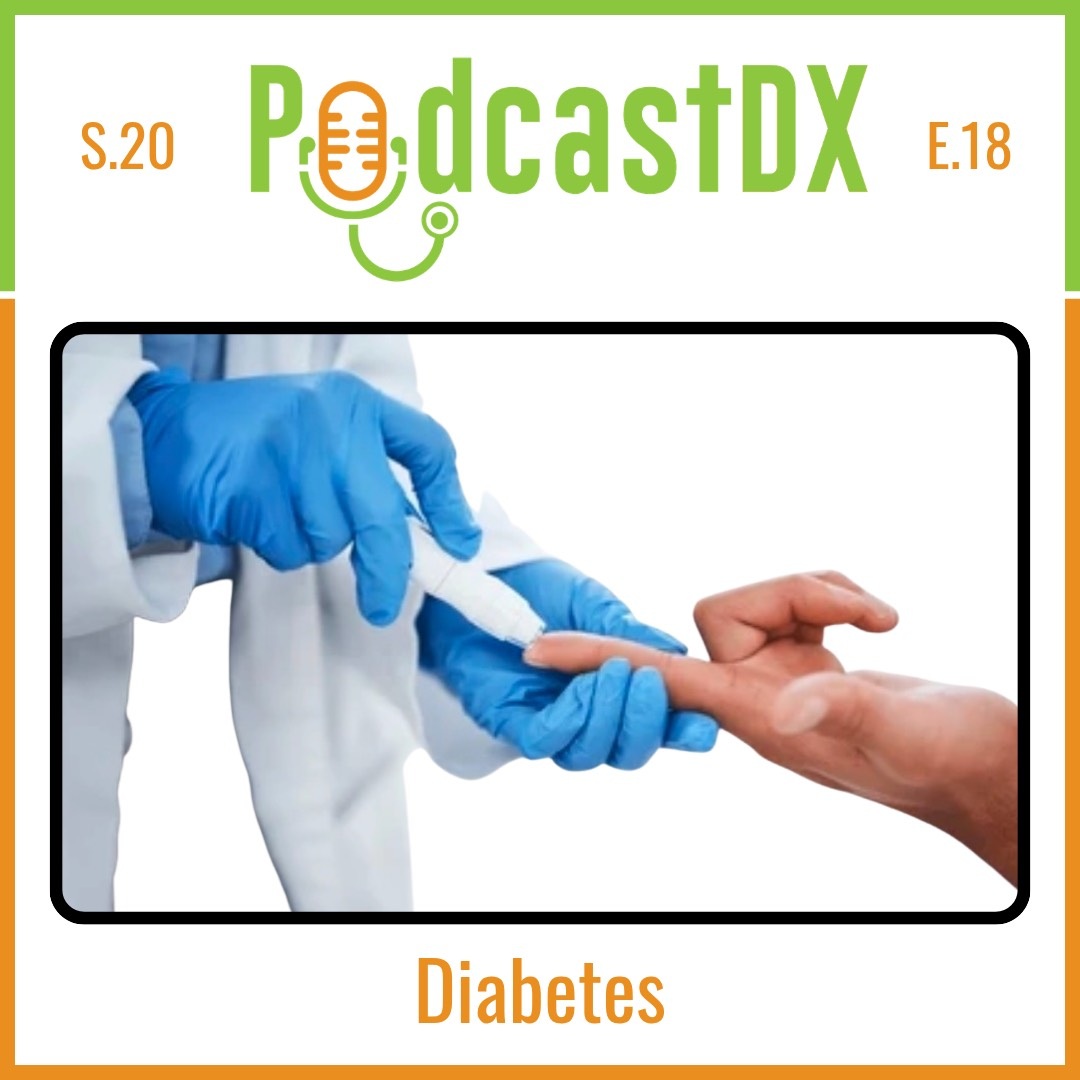
This week we discuss diabetes mellitus, a group of diseases that affect how the body uses blood sugar (glucose). Glucose is an important source of energy for the cells that make up the muscles and tissues. It's also the brain's main source of fuel. The main cause of diabetes varies by type. But no matter what type of diabetes you have, it can lead to excess sugar in the blood. Too much sugar in the blood can lead to serious health problems. Chronic diabetes conditions include type 1 diabetes and type 2 diabetes. Potentially reversible diabetes conditions include prediabetes and gestational diabetes. Prediabetes happens when blood sugar levels are higher than normal. But the blood sugar levels aren't high enough to be called diabetes. And prediabetes can lead to diabetes unless steps are taken to prevent it. Gestational diabetes happens during pregnancy. But it may go away after the baby is born.

Mast cell activation syndrome (MCAS) is when you have unexplained episodes of severe symptoms like swelling, diarrhea, vomiting, flushing and itching. Unlike allergies that happen with a specific exposure, MCAS episodes happen without a clear trigger. In some cases, mast cell activation can cause anaphylaxis, a severe allergic condition that can be life-threatening. It can cause you to have trouble breathing and drop your blood pressure to dangerously low levels. Call 911 (or your local emergency service number) or go to the nearest emergency room if you're experiencing severe anaphylaxis. Mast cells are a type of immune cell responsible for immune reactions. For instance, conditions like allergic rhinitis and asthma, allergic reactions (like anaphylaxis to drugs or food) and mastocytosis all activate mast cells. This causes them to release proteins that give you symptoms that are bothersome at best, and dangerous at worst. Other common conditions can also cause unexplained symptoms. It's important to discuss your concerns with your provider. They'll make sure you get a complete workup with a specialist, like an allergist. An allergist is a type of doctor who can diagnose and manage many types of allergic conditions. But mast cell activation syndrome is rare. Healthcare providers diagnose mast cell activation syndrome if: You have repeated symptoms of possible anaphylaxis without a clear trigger You have more than one body system affected at the same time Tests show signs of mast cell activation Mast cell medications provide relief from your symptoms (CREDITS: Cleveland Clinic)
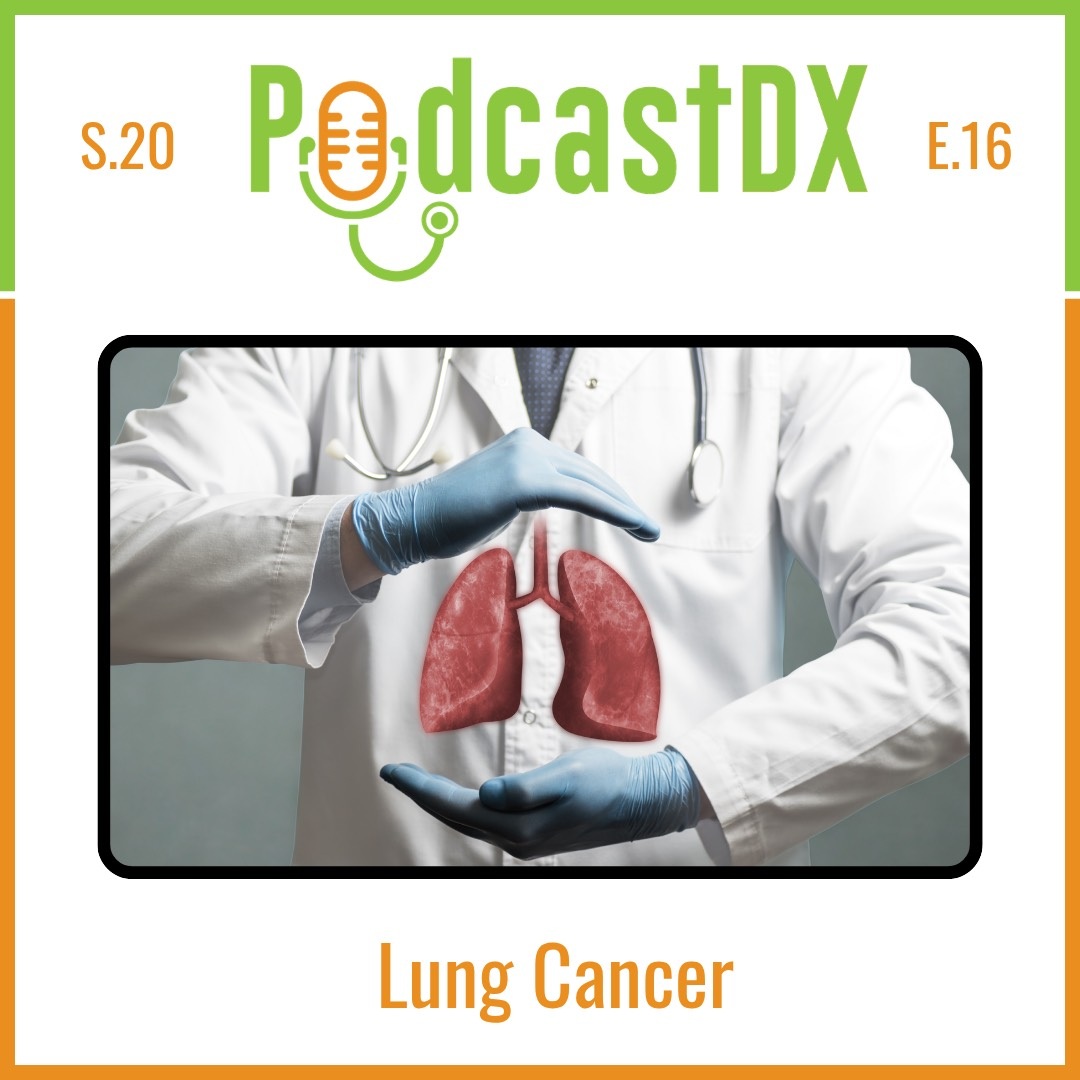
Lung cancer is the third most common cancer in the U.S. It's caused by harmful cells in your lungs growing unchecked. Treatments include surgery, chemotherapy, immunotherapy, radiation and targeted drugs. Screening is recommended if you're at high risk. Advances in treatments have caused a significant decline in lung cancer deaths in recent years. Lung cancer is a disease caused by uncontrolled cell division in your lungs. Your cells divide and make more copies of themselves as a part of their normal function. But sometimes, they get changes (mutations) that cause them to keep making more of themselves when they shouldn't. Damaged cells dividing uncontrollably create masses, or tumors, of tissue that eventually keep your organs from working properly. Lung cancer is the name for cancers that start in your lungs — usually in the airways (bronchi or bronchioles) or small air sacs (alveoli). Cancers that start in other places and move to your lungs are usually named for where they start (your healthcare provider may refer to this as cancer that's metastatic to your lungs). There are many cancers that affect the lungs, but we usually use the term "lung cancer" for two main kinds: non-small cell lung cancer and small cell lung cancer. Other types of cancer can start in or around your lungs, including lymphomas (cancer in your lymph nodes), sarcomas (cancer in your bones or soft tissue) and pleural mesothelioma (cancer in the lining of your lungs). These are treated differently and usually aren't referred to as lung cancer. (CREDITS: Cleveland Clinic)
Did you know that about half of all eye injuries happen right at home? Home activities that can injure your eyes include: Cleaning. Chemicals like bleach in household cleaning products cause 125,000 eye injuries each year. Home Improvement. Screws, nails and hand tools can launch into the air—and into your eyes. Power tools can also send wood chips or other substances flying into the air. Yard Work. Lawn mowers, trimmers and even shovels can throw dirt and debris into the air. Branches, twigs and thorns can also be dangerous. Unfortunately, only about three out of 10 people wear protective eyewear during home projects that could hurt their eyes. The good news? Simply wearing protective eyewear can reduce your risk for eye injury by 90 percent! The American Academy of Ophthalmology urges every household to have at least one pair of ANSI-approved protective eyewear. ("ANSI-approved" means the protective eyewear is made to meet safety standards of the American National Standards Institute.) In the house Using dangerous chemicals such as oven cleaner and bleach (accidents involving common household products cause 125,000 eye injuries each year). Read the labels of chemicals and cleaners carefully, and don't mix products. Cooking foods can that can splatter hot grease or oil. Use grease shields on frying pans to protect yourself from splattering. Opening champagne bottles during a celebration. Wrap a towel or cloth around the top of the bottle while unscrewing it to "catch" the cork. Never point a champagne bottle towards another person or yourself when opening it. Drilling or hammering screws or nails into walls or hard surfaces like brick or cement. The screws or nails can fly into the air, or fragments can come off the surface. Using hot objects such as curling irons around your face. Contact with your eyes can cause serious injury. Loose rugs and railings or other hazards that could cause falls or slips. Secure rugs with a non-slip pad underneath. Check to make sure railings are secure and not loose. Put padding on sharp corners and edges if you have children or the elderly in your house. In the yard Mowing the lawn. Check the lawn or the outdoor area first for sticks, rocks or other items that can fly out from under the mower. Using a power trimmer or edger. Clipping hedges and bushes. Playing sports. In the garage or workshop Using power or hand tools. Keep your tools in good condition; damaged tools should be repaired or replaced. Working with solvents or other chemicals. Make sure that all spray nozzles are directed away from you. Doing anything that can cause fragments or dust particles to fly around in the air. Tying down equipment or loads with bungee cords. Bungee cords are a serious danger to eyes when they snap back. For all of these activities, remember that people nearby also face serious risk. Bystanders should wear eye protection too or leave the area where the chore is being done. This is particularly important for children who watch their parents do chores in and around the home. (CREDITS: American Academy of Ophthalmology)

Comments

Download from Google Play

Download from App Store
 United States