


Poll Hub
Subscribed: 53Played: 1,423
Subscribe


© Copyright 2017-2026, Marist Poll
Description
Each week, Poll Hub goes behind the science to explain how polling works, what survey really show, and what the numbers actually mean. Poll Hub is produced by the Marist Institute for Public Opinion, home of America’s leading independent university public opinion poll, the Marist Poll.
Lee Miringoff (Director of MIPO), Barbara Carvalho (Director of the Marist Poll), Jay DeDapper (Director of Strategy + Innovation), Mary Griffith (Associate Director), and frequent expert guests, dig deep to give you a look at the inner workings of polls and what they tell us about our world, our country, and ourselves.
Lee Miringoff (Director of MIPO), Barbara Carvalho (Director of the Marist Poll), Jay DeDapper (Director of Strategy + Innovation), Mary Griffith (Associate Director), and frequent expert guests, dig deep to give you a look at the inner workings of polls and what they tell us about our world, our country, and ourselves.
472 Episodes
Reverse

Is America facing a literacy crisis? Dr. Andrew Weaver, Assistant Professor of Literacy Education at Marist University, joins our discussion. The latest Nation’s Report Card found that reading performance among high school seniors has declined over the past three decades, with the greatest concerns among lower-performing students. Meanwhile, the most recent Survey of Adult Skills shows an increase in U.S. adults with low literacy proficiency. We look at what these trends mean for educational achievement, workforce readiness, and Americans’ ability to understand and evaluate information. Voters want their governors to make student literacy a top priority, but few think it is one now. So, who is responsible for turning things around, and should reading be treated as a national priority?Plus, college sports have become a big business, with athletes earning money through NIL (name, image, likeness) deals, schools sharing revenue with players, and the transfer portal changing how teams are built. Many Americans support athletes being fairly compensated, but questions remain about competitive fairness, school loyalty, and whether college sports are losing the traditions that made them unique. As smaller programs struggle to hold on to their best players, we look at whether money is taking over college athletics and what the future of college sports should look like.Finally, our fun fact: in 2025, a poll asked employed Americans whether they were learning new skills to use AI to be more productive at work. How do you think they answered?
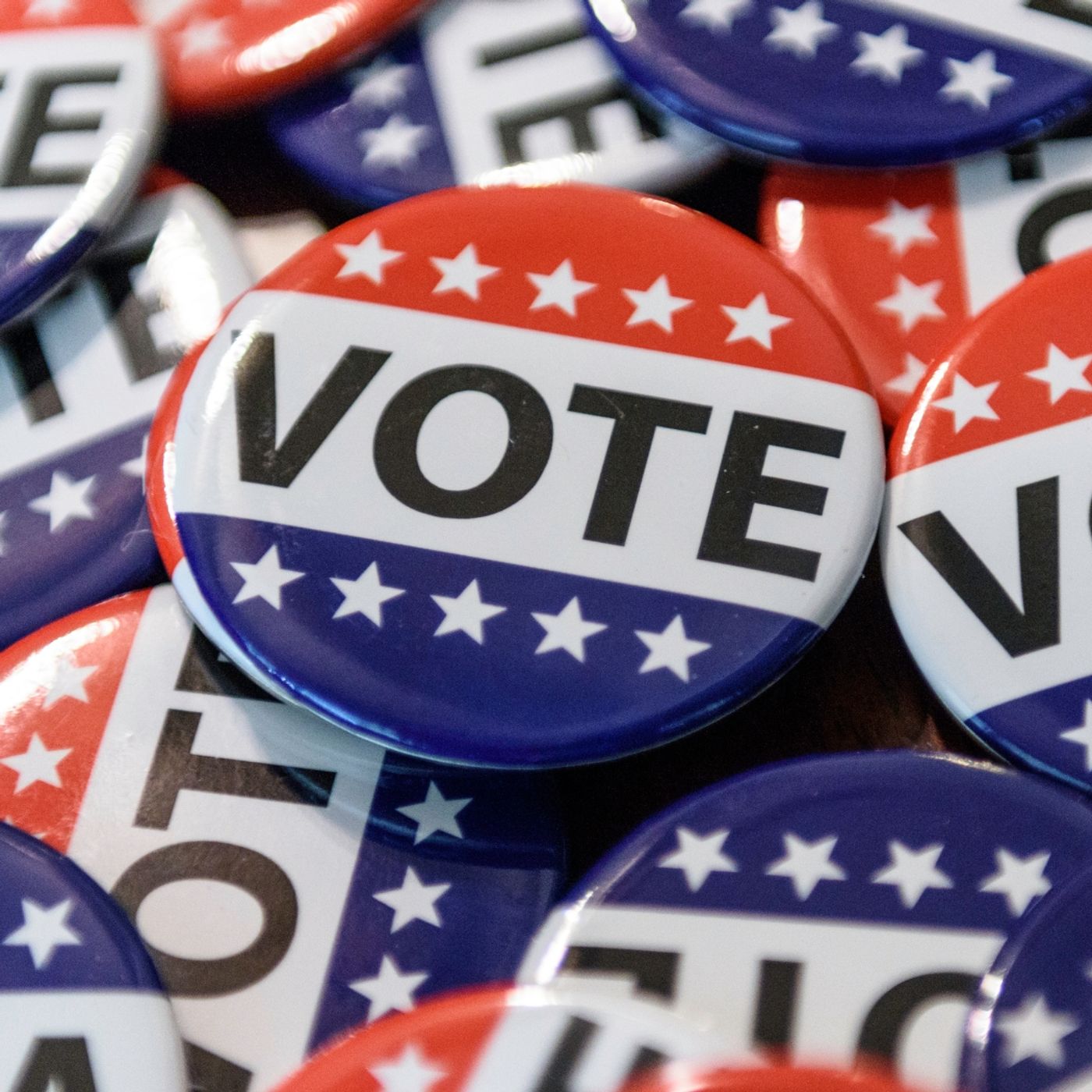
The 2026 midterm results are in! We break down who won, highlight the races that made the biggest impact, and discuss what the outcomes could mean for the future of American politics, from control of Congress to the gubernatorial races. We also look back at the contests we polled this fall, from Texas and Iowa to Ohio, Michigan, Maine, and New York. And about those polls... we take a look at how the final numbers stacked up on Election Day.Plus, a fun fact that Elon Musk will love. In July 1997, just days after NASA’s Pathfinder landed on Mars, voters were asked whether there would ever be a McDonald’s on the Red Planet. Jay thinks another restaurant chain might have Martian advantage....

Our final round of polls before Election Day is out, and we're looking into our data on Maine and New York. In Maine, the contest for U.S. Senate between Democrat Troy Jackson and Republican incumbent Susan Collins is competitive among likely voters. In the race for governor, Democrat Hannah Pingree and Republican Bobby Charles are tied, with independent Rick Bennett in single digits. Regardless of whom they support, most likely voters think Collins and Pingree will win. In New York, Gov. Kathy Hochul leads Republican Bruce Blakeman among likely voters. In both states, negative views of President Donald Trump and concerns about personal finances shape the landscape.Plus, should a paycheck measure the value of a college degree? Under the Education Department’s new Earnings Accountability Framework, programs whose graduates repeatedly fall below specified earnings thresholds can lose access to federal student loans. We look at whether Americans think college programs should be held accountable for what their graduates earn and how they weigh the cost and benefits of higher education. Americans broadly support holding colleges accountable for students’ economic outcomes, but they also value personal interests and career goals beyond earning potential. So, who should define what a worthwhile education looks like?And the scariest question of the season: just days before the 1998 midterms, which Halloween costume did voters think would send the neighbors running: a politician or a journalist?

Our new Marist Ohio and Michigan Polls look at the state of the 2026 midterms with Election Day looming. These polls now include likely voters, and in both, the critical U.S. Senate races are very close. In Michigan, Democrat Abdul El-Sayed and Republican Mike Rogers are neck-and-neck, and in Ohio, Democrat Sherrod Brown just edges Republican Jon Husted. Among registered voters, both Democrats hold leads similar to what they had in our September polls. Democrats have bigger advantages in the races for governor in both states, with Jocelyn Benson ahead in Michigan and Amy Acton ahead in Ohio. We look at President Trump’s upside-down approval rating, with a plurality of likely voters in both states saying their vote for Congress is mainly a vote against him. We also cover the financial worries shaping voters’ choices.Then, the rise of prediction markets like Kalshi and Polymarket, where people can bet on everything from election results and voter turnout to government decisions and military actions, has a lot of people worried. More than twice as much money has already been bet on this year’s congressional races than in the entire 2024 cycle. Supporters say these markets can help predict what will happen, while critics worry about insider trading, gambling, and people profiting from real-world events. Most Americans see prediction markets as gambling, and majorities oppose betting on elections, military actions, and government decisions. We discuss whether public opinion might force politicians to act.And with the postseason in full swing, a fun fact from the archives: in early 1950, Gallup asked Americans if they had ever gone to a Major League Baseball game. How many said yes? You might be surprised.

We return to Texas and Iowa with our second round of Marist Polls this election season. With Election Day just weeks away, the key races look much as they did in September. In Texas, Democrat James Talarico continues to edge Republican Ken Paxton for U.S. Senate, and the governor’s race between Gina Hinojosa and Gov. Greg Abbott remains competitive. In Iowa, Democrats Josh Turek and Rob Sand also have the edge in the races for Senate and governor. We look at President Trump’s influence on the midterms and the issues shaping voters’ choices in two states he carried in 2024.In segment two, we examine whether women trust the institutions responsible for handling sexual-assault reports. The allegations involving seven Cornell students have renewed debate over how campuses respond and over New York’s consent laws. That debate includes a reopened criminal investigation, Gov. Kathy Hochul’s call for an independent review, and new calls to change the law. We look at what national surveys show about confidence in campus investigations. Fewer women than in 2019 expect a report to be taken seriously, and there’s a wide gender gap in views of how often harassment and assault go unreported. Marist University Associate Professor of Crime and Justice Studies, Dr. Julie Raines, joins to provide insights.

Comments

Download from Google Play

Download from App Store
 United States