


 Claim Ownership
Positive Discipline
Subscribed: 262Played: 836
Subscribe

© Positive Discipline
Description
Positive Discipline is a program based on the work of Alfred Adler and Rudolf Dreikurs and designed to encourage young people to become responsible, respectful and resourceful members of their communities. Based on the best selling Positive Discipline books by Dr. Jane Nelsen, Positive Discipline employs non-punitive methods for teaching valuable social and life skills in a manner that is respectful and encouraging for both children and adults (parents, teachers, childcare providers, youth workers, and others).
8 Episodes
Reverse

One of the most encouraging things parents can do for their children is to spend regularly scheduled special time with them. You may already spend lots of time with your children. However there is a difference between have to time, casual time, and scheduled special time.
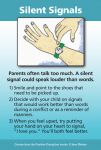
Try a silent (secret) signal. (Kids love the secret part—especially when they have helped create it.) Creating silent signals can be part of “taking time for training” (another great tool card).
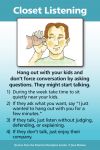
Have you ever tried talking with your children only to be frustrated by one word, unenthusiastic, totally bored responses? Many parents become discouraged when they ask their children, “How was your day?” and their children say, “Fine.” Then they ask, “What did you do today?” The response is, “Nothing.” Try closet listening.
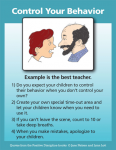
The Positive Discipline Tool Card of "Control Your Behavior" is sometimes easier said than done. Have you ever lost control of your behavior with your children? Listen to the following audio excerpt from Building Self-Esteem Through Positive Discipline as I discuss a time when I completely lost control with my daughter.
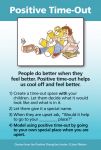
Imagine you are an employee who has made a mistake, and your boss comes to you and says, “You go to time-out and think about what you have done. And don’t come out until I say you can.” Or, if you are married, imagine your spouse coming to you and saying, “I don’t like your behavior. You are grounded for a week.” In either of these scenario’s what would you be thinking, feeling, and deciding. Is there any chance that you would say, “Oh, thank you so much. This is so helpful. I’m feeling so encouraged and empowered and can hardly wait to do better.” Not likely.

Comments

Download from Google Play

Download from App Store
 United States