


 Claim Ownership
Pre-Hospital Care Podcast
Subscribed: 270Played: 8,726
Subscribe

© Eoin Walker
Description
This podcast is designed to have engaging and inspirational conversations with some of the worlds leading experts in or relating to pre-hospital care. We hope you take a lot from the conversations both from a technical and non-technical perspective. Please rate and review the show as feedback helps ensure that the best information gets back to you throughout the project.
311 Episodes
Reverse

 1
1In this episode of the pre-hospital care podcast, we welcome Mark Faulkner, an advanced paramedic practitioner, to unpack the often daunting legal world that paramedics are exposed to.
You never know when that "nightmare job" or patient is going to appear and put you to the test. As clinicians, we should be always attempting to push our push our skills closer to perfection. In this episode, Ben Clarke shares his insights into deliberate practice, in-time learning, and meta-cognition.
In part 1 of our conversation with Ben Clarke (Assistant medical director of London Ambulance Service), we talk about leadership in pre-hospital care. What's more important - a good leader, or a good team willing to follow? Can you teach leadership or does it only come from experience? Can you be born a leader? How do you empower different types of staff on-scene? Join us as we explore the nature of leadership in pre-hospital care.
Have you ever been working, and all sense of time and self melts away, and you find yourself in perfect sync with what you’re doing? There’s a word for that. It’s called the Flow State.
In part 2 of our conversation with Dr Esther Murray, we explore Flow and how to put yourself in hyper productive mindsets more often using specific techniques anyone can implement in their work.
Dr Murray is a Senior Lecturer in Health Psychology and an expert in the subject of moral injury and self-care.
Update: Due to a technical hiccup, this episode was cut short by about 15 minutes during the first day of it's being published. It's now updated, so If you listened to it then and would like to catch the rest of this conversation, you can re-download the episode now. Thank you for your patience.
We're back with the second season of the Pre-Hospital Care podcast! Our first episode is a fascinating conversation with a cardiac arrest survivor and long friend of Eoin's, Zoe Hitchcock. They met when Zoe suffered a heart attack and Eoin happened to be sent out to treat her. Tune in for a fascinating and unique perspective on pre-hospital healthcare from the patient's perspective.
We end the first season of The Pre-Hospital Care Podcast by finishing up Eoin and Rich’s conversation with Dan Davis as they talk about dealing with the emotional trauma that is, unfortunately, part and parcel of pre-hospital care.
Thanks so much for being a part of this journey into healthcare podcasting. Keep an eye out for season 2! It’ll be out before you know it.
On this episode of Pre Hospital Care Podcast, Eoin and Rich continue their discussion with Nick Brown to tackle the non-technical skills necessary in controlling a tragic and highly emotional scene. In 96% of cardiac arrest cases, the patient doesn’t make it. When that happens, they are not the only patient.
Losing a loved one is traumatic and a genuine health risk over time. If we take our oath as clinicians seriously, therefore, we must be well prepared and skilled in not adding any further stress and trauma, as well as set up avenues for ongoing help and support.
Medics.Academy is dedicated to educating health professionals on every aspect of medicine, both technical and non-technical.
Go to www.Medics.Academy to browse our library of healthcare education.
On this episode of Pre Hospital Care Podcast, Eoin and Rich talk tackle perhaps the toughest topic in pre-hospital care. Delivering bad news to family members. Health professionals are not usually well taught about how to deliver the news of the death of a patient in a suitable and tactful way. This episode explains the four stages of delivering bad news, words to avoid, and how to remain professional but give support as much as you and your team can. Medics.Academy is dedicated to educating health professionals on every aspect of medicine, both technical and non-technical. Go to www.Medics.Academy to browse our large library of CPD-ready courses.
In this week’s podcast, we continue to discuss the crucial topic of pre-hospital airway management. How can we maximise the chances of patients with airway problems when time and circumstance are not on our side?
Eoin Walker and Rich McGirr walk through different procedures and both technical and non-technical aspects of managing the airway in the field.
For CPD-relevant content about pre-hospital care and many other healthcare fields, sign up at www.Medics.Academy.
Eoin Walker and Rich McGirr are back to discuss the ever growing evidence base and controversial topic of airway management in the pre-hospital setting.
How does the reality of managing this urgent, life-or-death part of the body differ from what is taught in the classroom? What are the essential steps in dealing with the prehospital airway? What are the pros and cons of each method?
Eoin Walker and Rich McGirr are back with special guest Martin Mist to talk more about the unique challenges that present themselves to paramedics when dealing with crises brought on by ingestion of illegal substances.
When will you need to resort to physical restraint? Why part of a paramedic’s job is to be a detective. How to do proper research on new. What the top 5 hard-hitter drugs are and key nuggets for dealing with each.
All this and more on the latest episode of the Pre-Hospital Care Podcast.
Paramedics are constantly in the middle of life and death situations. In the first full episode of the Medics.Academy Pre Hospital Care podcast, paramedics Owen Walker, Richard McGirr, and Martin Mist discuss Club Drugs and Non-Legal Highs and their effects on patients. As paramedics, they’re the first medical professionals to assess a situation before getting them to physicians at the hospital. They see the patients at their lowest point, suffering from anything from a cardiac arrest, a severe allergic reaction or a psychotic episode. Among many other topics, this episode covers the common and uncommon presentations of patients after drug overdoses and what paramedics look for and how to assess the situations.
This podcast is presented by Eoin Walker and Rich McGirr and is a Medics Academy podcast. The purpose of this podcast is to provide paramedics an easy-to-access set of resources and educational materials wherever they are. Feel free to take a look at the description in the footnotes of the podcast. Sign up to Medics Academy today to find out even more about what we do and just how much content we put out there for your education.
Welcome to Best of 2025, Part 2. This collection of episodes reflects some of the most meaningful, challenging, and quietly powerful conversations of the year, the ones that sit at the intersection of clinical excellence, emotional labour, and human experience.We begin with After Death: Understanding Grief in Pre-Hospital Care with Liz Gleeson, Part 2. This episode gave language to something many clinicians carry but rarely articulate: the weight of loss, the presence we hold for families after life has ended, and the cumulative impact that grief has on those working on the frontline. It was a reminder that what happens after death matters just as much as the care delivered before it.From there, we move into one of the most high-stakes scenarios in medicine with Paediatric Cardiac Arrest featuring Paul Banerjee, Paediatric Series Part 3. This conversation explored not only the clinical complexities and time-critical decision-making involved, but also the emotional intensity of managing cardiac arrest in children, and the importance of preparation, teamwork, and reflection in some of the most difficult calls we face.The focus then shifts to leadership, representation, and culture with Women in Critical Care: The Journey, Challenges, and Successes in HEMS with Sophie MacDougall, GWAAC Series Part 2. This episode highlighted the realities of working in high-performance, high-pressure environments, the barriers that still exist, and the progress being made. It was an honest and necessary discussion about inclusion, mentorship, and what strong, compassionate leadership looks like in modern critical care.We then turn to one of the most urgent issues facing pre-hospital services with Suicide Prevention on the Frontline, Mental Health Part 2. This episode addressed the role clinicians play not only in crisis intervention, but in recognising risk, having difficult conversations, and understanding our own emotional responses. It reinforced the idea that suicide prevention is not confined to mental health services; it is part of everyday frontline care.We close Part 2 with Spontaneous Coronary Artery Dissection: The Condition We Often Miss. This conversation challenged assumptions, highlighted diagnostic blind spots, and reminded us that not all chest pain fits the patterns we expect. It was a powerful example of how listening carefully, maintaining curiosity, and questioning heuristics can directly change patient outcomes.Taken together, these episodes reflect the depth and diversity of modern pre-hospital and emergency care, from grief to resuscitation, from equity and leadership to mental health and diagnostic precision. They are conversations that stayed with many of you long after the episode ended. Thanks again to PAX Bags, our long-term sponsor of the podcast. Best-in-class medical bags from PAX can be found here: https://www.pax-bags.com/en/
As we close out this Best of 2025, these episodes represent far more than download numbers or chart positions. They reflect the conversations that resonated most with you, the ones that challenged practice, reinforced fundamentals, and reminded us why this work matters.From Prehospital Resuscitative Thoracotomy for Traumatic Cardiac Arrest with Mike Christian, to The Evolving Nature of Major Incidents with Adam Desmond, Paediatric Assessment in Critical Care with Anna Dobbie, Frailty in Geriatric Patients with Iain Wilkinson and James Adams, and The Last Year of Life focusing on Palliative and End of Life Care; each episode speaks to a different phase of life, a different clinical challenge, and a different kind of responsibility. Together, they capture the full spectrum of pre-hospital and emergency care: from critical care decisions to thoughtful, values-based care at the end of life.They remind us that excellence in practice is not just about technical skill or clinical algorithms, but about clear communication, teamwork, and compassion, whether we are managing traumatic cardiac arrest, supporting families during major incidents, caring for critically unwell children, advocating for frail older adults, or walking alongside patients in their final year of life.Thank you for being part of our podcast community throughout 2025. Your engagement is what makes these conversations possible, and it is a privilege to continue them with you into the year ahead. Finally, thank you to PAX bags for their continued support of the podcast. You can find the best-in-class medical bags here: https://www.pax-bags.com/en/

In today’s episode, we’re diving into one of the most misunderstood and essential foundations of effective teamwork: psychological safety. Our guest is Dr. Michaela Kerrissey, associate professor at the Harvard T.H. Chan School of Public Health and co-author of the recent Harvard Business Review article, “What People Get Wrong About Psychological Safety.”What does it really mean? Is it about being nice? Feeling comfortable? Or getting your way in team discussions? Michaela’s work dismantles these myths and reframes psychological safety as something far more powerful: the ability to speak up, question, challenge, and share critical insights, without fear of ridicule or reprisal.Together, we’ll explore how psychological safety applies on the front lines of emergency care, what leaders and crews can do to build it in the moment, and why getting this right might just be the most important culture shift we can make. This conversation is a game-changer for teams that want to grow, perform, and protect each other under pressure. You can read the article here: https://hbr.org/2025/05/what-people-get-wrong-about-psychological-safety?ab=HP-magazine-text-1
In this episode of the Prehospital Care Podcast, we explore a compelling personal medical narrative by Dr Sarah Spelsberg titled “The Not Really an Asthma Attack.” The story centres on a challenging case encountered in a remote island emergency department and highlights the complexity of clinical decision-making when patients do not present in textbook fashion. Dr Spelsberg recounts the case of a 41-year-old man who arrived in severe respiratory distress, initially appearing to be suffering from a life-threatening asthma exacerbation. Standard treatment was commenced, and early investigations, including an ECG and chest X-ray, were undertaken, yet the patient failed to improve as expected.As the clinical picture evolved, it became clear that the initial diagnosis did not fully explain the patient’s condition. Further assessment raised concern for a more serious and potentially life-threatening pathology, with features suggesting pericarditis, possibly in the context of a recent viral illness. The narrative captures the difficulty of managing a complex, non-classical presentation in a resource-limited setting, where access to specialist support is constrained, and decisions carry significant risk.Recognising the limits of local capability and the need for specialist input, the team made the critical decision to arrange a medevac transfer to the mainland for cardiology review. Sarah reflects on the case as a powerful reminder of diagnostic humility, the importance of reassessing assumptions when a patient’s trajectory does not fit expectations, and the professional responsibility to continue expanding one’s medical knowledge. The story resonates strongly with pre-hospital and emergency clinicians, underscoring the realities of uncertainty, vigilance, and adaptive clinical reasoning in high-stakes care. You can read the piece here: https://roguemed.medium.com/the-not-really-an-asthma-attack-c359b8370bbb
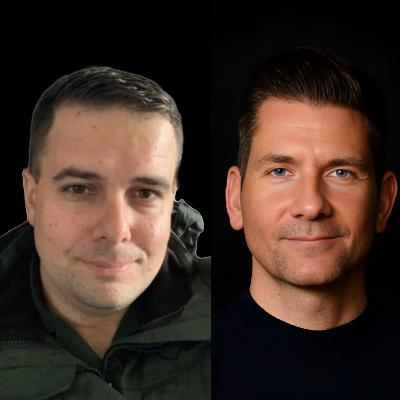
In February 2023, the National Guardian’s Office dropped a stark warning: the culture in ambulance trusts across England was putting both staff wellbeing and patient safety at risk. Fast forward to this year’s Culture Review of Ambulance Trusts, and the findings are just as sobering.According to the 2022 NHS Staff Survey, ambulance services scored below the national average across all seven People Promise areas, including inclusion, wellbeing, morale, and leadership. Over 14% of paramedics reported that their workload was directly damaging their emotional wellbeing. And in terms of speaking up? Many staff who raised concerns said they faced intimidation, ostracism, or silence. The review also highlights ongoing issues with bullying, sexual harassment, poor line management, and a leadership style that too often leans on ‘command and control’ rather than compassion. But alongside these findings are six bold recommendations, from fixing the speak-up culture to creating leadership pathways that actually reflect what frontline staff need.So, in today’s episode, we’re asking, does this report reflect experience working on the frontline? What’s missing? And what does genuine culture change look like when you’re the one out there answering the calls? I’m joined in this interview by Lee McLaren. Lee is a Paramedic and Practice Educator with the Ambulance Service. With a focus on human-centric leadership, Lee champions compassionate, effective learning environments. His work bridges clinical excellence with the development of future healthcare professionals.You can read the report for the basis of the interview here: https://www.england.nhs.uk/long-read/culture-review-of-ambulance-trusts/
In this episode of the Pre-Hospital Care Podcast, we explore what effective paramedic mentorship should look like, drawing on Radu Venter’s article, “What Should Paramedic Mentorship Look Like?” The discussion examines the shortcomings of current orientation practices, highlighting how short and inconsistent programmes frequently leave newly qualified paramedics underprepared and lacking confidence.Many begin their careers paired with partners who have only slightly more experience, creating an environment that can contribute to early-career stress, limited support, and increased vulnerability to error.We introduce Radu's proposal for a more structured approach modelled on medical internships. Under this system, new paramedics would initially work as part of a full, experienced crew, gradually taking on greater responsibility while remaining under the supervision of a seasoned practitioner with at least two years of experience. This tiered framework would allow skills to develop progressively, building confidence and competence before transitioning to independent practice.We also explore evidence from existing models, including a one-year fellowship structure in British Columbia that has reportedly strengthened clinical decision-making, enhanced patient care, and improved practitioner wellbeing. The episode considers what EMS organisations would need to implement such a system, including cultural alignment, investment in senior clinicians, and a commitment to prioritising early-career development.Ultimately, the conversation underscores that structured mentorship is not simply an educational enhancement; it is a patient safety measure and a workforce sustainability strategy. The full article is available at: https://theparamedicphilosopher.substack.com/p/what-should-paramedic-mentorshipThis episode is sponsored by PAX: The gold standard in emergency response bags.When you’re working under pressure, your kit needs to be dependable, tough, and intuitive. That’s exactly what you get with PAX. Every bag is handcrafted by expert tailors who understand the demands of pre-hospital care. From the high-tech, skin-friendly, and environmentally responsible materials to the cutting-edge welding process that reduces seams and makes cleaning easier, PAX puts performance first. They’ve partnered with 3M to perfect reflective surfaces for better visibility, and the bright grey interior makes finding gear fast and effortless, even in low light. With over 200 designs, PAX bags are made to suit your role, needs, and environment. And thanks to their modular system, many bags work seamlessly together, no matter the setup.PAX doesn’t chase trends. Their designs stay consistent, so once you know one, you know them all. And if your bag ever takes a beating? Their in-house repair team will bring it back to life.PAX – built to perform, made to last.Learn more at https://www.pax-bags.com/en/

On January 13th, 1982, Washington, DC, was paralyzed by a historic snowstorm when catastrophe struck, not once, but twice. Air Florida Flight 90 crashed into the 14th Street Bridge, sending wreckage and passengers plunging into the frozen Potomac River, while across the city, the Metro system suffered its first deadly derailment. Amid chaos and freezing temperatures, first responders, bystanders, and civilians came together in acts of extraordinary courage that defined one of the most harrowing days in the capital’s history. In this episode of the Pre-Hospital Care Podcast, we speak with journalist, author, and former EMT Bruce Goldfarb, whose new book 'The Worst Day: A Plane Crash, A Train Wreck, and Remarkable Acts of Heroism in Washington DC ' reconstructs that day minute by minute through the eyes of survivors, rescuers, and witnesses. Drawing from years of interviews and his own frontline experience, Bruce explores not only the operational challenges of that day but also the humanity, the improvisation, compassion, and resilience that emerged from disaster. You can find Bruce's book here: https://www.amazon.com/Worst-Day-Remarkable-Heroism-Washington/dp/1586424165This episode is sponsored by PAX: The gold standard in emergency response bags.When you’re working under pressure, your kit needs to be dependable, tough, and intuitive. That’s exactly what you get with PAX. Every bag is handcrafted by expert tailors who understand the demands of pre-hospital care. From the high-tech, skin-friendly, and environmentally responsible materials to the cutting-edge welding process that reduces seams and makes cleaning easier, PAX puts performance first. They’ve partnered with 3M to perfect reflective surfaces for better visibility, and the bright grey interior makes finding gear fast and effortless, even in low light. With over 200 designs, PAX bags are made to suit your role, needs, and environment. And thanks to their modular system, many bags work seamlessly together, no matter the setup.PAX doesn’t chase trends. Their designs stay consistent, so once you know one, you know them all. And if your bag ever takes a beating? Their in-house repair team will bring it back to life.PAX – built to perform, made to last.Learn more at https://www.pax-bags.com/en/

Comments

Download from Google Play

Download from App Store
 United States