


 Claim Ownership
Preferred Shares Podcast
Subscribed: 30Played: 393
Subscribe

© Preferred Shares Podcast
Description
Exploring the rabbit holes of business, history, and business history.
www.preferredsharespodcast.com
www.preferredsharespodcast.com
37 Episodes
Reverse

Welcome to Episode 37 of the Preferred Shares Podcast.This podcast is the second of two about Corning, an American business that has existed for 175 years. In this episode we interview William Kerwin, a senior equity analyst at Morningstar, about where Corning stands today and its current prospects for shareholders and investors. We hope you enjoy.* 01:25–03:39 — Intro & what Corning actually is (glass/tech/material science company spanning many end markets)* 03:39–09:07 — Revenue breakdown by segment and the AI-driven acceleration in fiber demand* 09:07–17:06 — Competitive moat: vertical integration, in-house equipment/IP reuse across decades, cost + technology leadership in fiber* 17:06–22:54 — China competition risk, pricing power, and Corning’s shift toward “solutions” for AI data centers* 22:54–32:50 — Customer co-location & co-investment model (Apple/Ceramic Shield, Amazon, Nvidia) and whether these deals de-risk growth or just pull it forward* 32:50–40:29 — Capital allocation (“3-4-5” framework), the photonics opportunity (~$10B by 2030), and CEO Wendell Weeks’ leadership* 40:29–48:53 — Other growth bets (solar), R&D spend vs. peers, lessons from 175 years of history, and surviving the Dot Com bust---------At its May 2026 Investor Event, Corning updated its business plans. Specifically, the company thinks it can reach $20 billion of annualized sales by the end of its FY 2026 and then reach $40 billion of annualized sales by FY 2030.Corning estimates revenues from its Photonics and Enterprise segments will carry most of the growth, while all other businesses will provide a stable and base level of support.Below is one of Corning’s first hit products from the 1870s, a specialized durable signal glass for the railroad industry.---------Additional Reading & ListeningCurious to see what else we’ve been working on? Check out some of the interesting things we’ve done recently:Douglas Ott (Andvari Associates and @yesandnotyes)* 📖 Rollins (ROL) Full Investment ReportLawrence Hamtil (Fortune Financial and @lhamtil)* 📖 Industrial StaplesDevin LaSarre (Invariant and @DevinLaSarre)* 📖 Haypp Group: Welcome to the JungleEnjoy this episode? Share it with someone who loves business history as much as you do!You can also follow Preferred Shares, Devin, Doug, and Lawrence on Twitter.---------DisclaimerAll opinions expressed by Preferred Shares hosts and guests are solely their own opinions and do not reflect the opinions of their respective employers. This podcast is for informational and entertainment purposes only and should not be relied upon as a basis for investment decisions. None of the information contained in the podcast or this web site constitutes a recommendation that any particular security, portfolio of securities, transaction, or investment strategy is suitable for any specific person.Clients of Andvari and Fortune Financial may maintain positions in the securities discussed in this podcast. Furthermore, from time to time, the Hosts may hold positions or other interests in securities mentioned in the Podcast and may trade for their own accounts based on the information presented. The Hosts may also take positions inconsistent with the views expressed in its messages on the Podcast. This is a public episode. If you would like to discuss this with other subscribers or get access to bonus episodes, visit www.preferredsharespodcast.com

Welcome to Episode 36 of the Preferred Shares Podcast.This podcast is the first of two about Corning, an American business that has existed for 175 years. We hope you enjoy.* Introduction and Company Origins (00:00 - 04:09): The early history of Corning, founded in 1858 by Amory Houghton in Cambridge, Massachusetts, before eventually relocating to Corning, New York.* Early Innovations in Railroads and Light Bulbs (04:09 - 09:02): The company pioneered durable ruby-colored railway signal lenses and later partnered with Thomas Edison in the 1920s to mass-produce light bulbs and secure its business against competitors.* Consumer Breakthroughs with Pyrex and Corningware (09:02 - 11:20): Corning expanded into household consumer goods by introducing Pyrex heat-resistant glassware and accidentally discovering “pyroceram” (Corningware), a durable ceramic material later repurposed for missile nose cones.* The Television Era and Market Shifts (11:20 - 17:52): Corning became the primary exclusive supplier of TV glass bulbs to companies like RCA, but ultimately exited the market in the 1960s.* Healthcare Expansion and Fiber Optics Breakthrough (17:52 - 20:12): The company diversified into healthcare diagnostics by acquiring Metpath in 1982 (later spun off as Quest Diagnostics). Corning also laid the foundation for the information age when its scientists proved light could carry data through glass via fiber optics in 1970.* Gorilla Glass and the Modern Information Economy (20:12 - 22:37): Prompted by Steve Jobs in 2007, Corning adapted its 1960s-era technology to create scratch-resistant Gorilla Glass touchscreen displays for the iPhone.* Key Strategic Takeaways and R&D Resilience (22:37 - 28:33): A review of Corning’s corporate philosophy highlights the importance of sustained R&D investment through downturns, seizing opportunities when competitors stumbled, and looking beyond legacy products.* Conclusion and Upcoming Interview (34:01 - 35:01): The hosts wrap up the history portion of the episode and announce a forthcoming part two featuring an interview with Will Kerwin from Morningstar to discuss Corning’s current financials and market prospects.Additional Reading & ListeningCurious to see what else we’ve been working on? Check out some of the interesting things we’ve done recently:Douglas Ott (Andvari Associates and @yesandnotyes)* 📖 Rollins (ROL) Full Investment ReportLawrence Hamtil (Fortune Financial and @lhamtil)* 📖 Industrial StaplesDevin LaSarre (Invariant and @DevinLaSarre)* 📖 Haypp Group: Welcome to the JungleEnjoy this episode? Share it with someone who loves business history as much as you do!You can also follow Preferred Shares, Devin, Doug, and Lawrence on Twitter.DisclaimerAll opinions expressed by Preferred Shares hosts and guests are solely their own opinions and do not reflect the opinions of their respective employers. This podcast is for informational and entertainment purposes only and should not be relied upon as a basis for investment decisions. None of the information contained in the podcast or this web site constitutes a recommendation that any particular security, portfolio of securities, transaction, or investment strategy is suitable for any specific person.Clients of Andvari and Fortune Financial may maintain positions in the securities discussed in this podcast. Furthermore, from time to time, the Hosts may hold positions or other interests in securities mentioned in the Podcast and may trade for their own accounts based on the information presented. The Hosts may also take positions inconsistent with the views expressed in its messages on the Podcast. This is a public episode. If you would like to discuss this with other subscribers or get access to bonus episodes, visit www.preferredsharespodcast.com
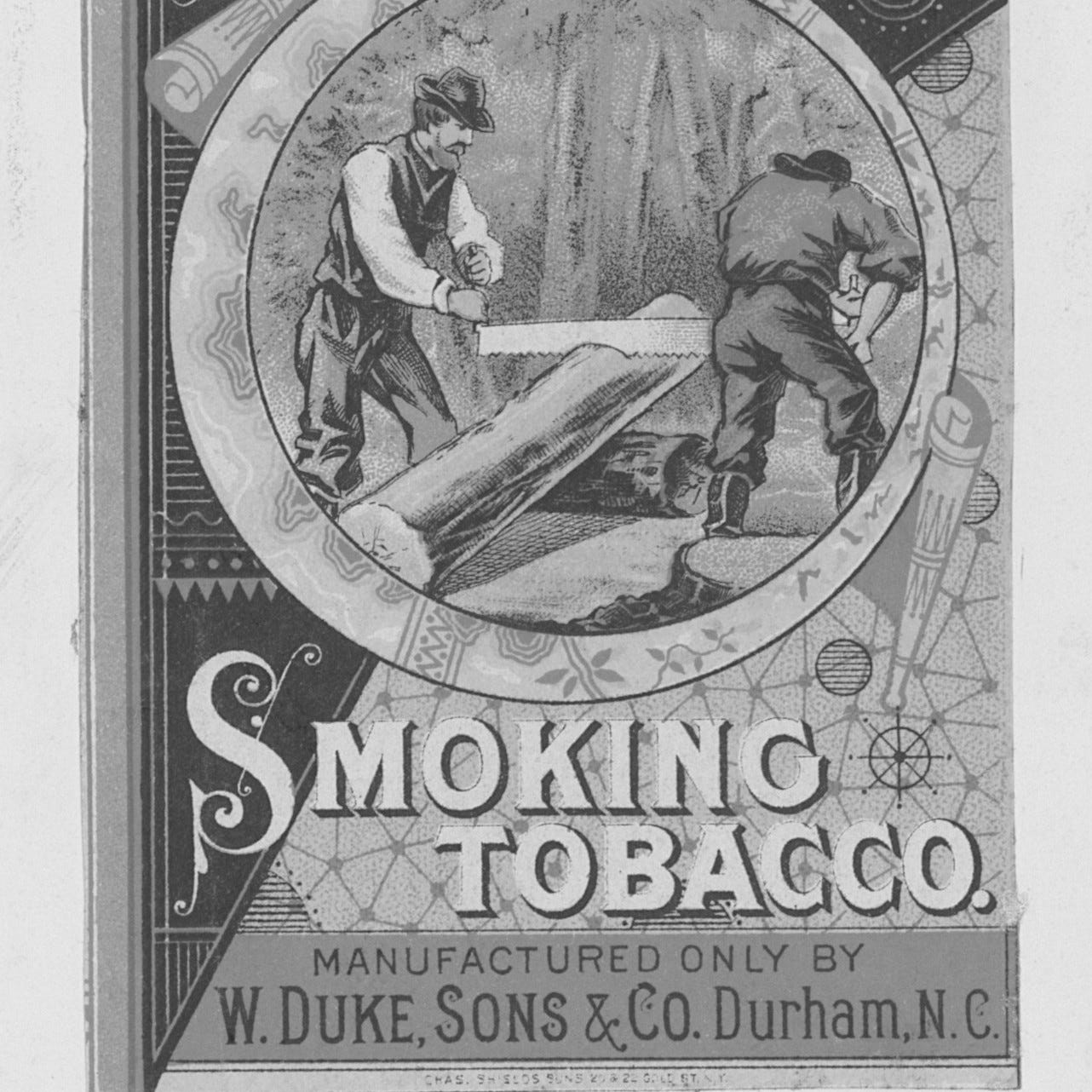
Welcome to Episode 35 of the Preferred Shares Podcast.This podcast is the second and final part on our series on the American Tobacco Company and the founding Duke family. Part One covered the founding of the family tobacco business, and then the unbelievable hardships the family endured and overcame during and after the Civil War to re-start the business.We begin Part Two in 1890 with Buck Duke’s formation of the American Tobacco Company, which would become the dominant force in all the major forms of tobacco in the United States. We hope you enjoy.* The Antitrust Act and Market Dynamics* Antitrust Action Against American Tobacco Company* The Supreme Court’s Ruling on ATC* The Breakup of American Tobacco Company* Buck Duke’s Legacy and Diversification* The Impact of the Duke Endowment* Counterfactuals and the Future of Tobacco* Should We Celebrate Buck Duke?Images, Tables and ChartsAmerican Tobacco’s Losses on Plug Tobacco (1894-1898)ATC lost a cumulative $4 million on plug tobacco from 1894-1898. Robust profits from its cigarette business supported these losses.Billions of Cigarettes Sold in the U.S. (1890-1949)For a long time, cigarettes were insignificant compared to plug and chewing tobacco and cigars. However, with ATC’s unrelenting emphasis on scale and efficiency, the cigarette category grew rapidly. From 1910 to 1921, total industry cigarette volumes increased 5x. From 1910 to 1949, volumes increased 35x.Per Capita Consumption in Pounds of Various Tobacco Products (1904-1953)Cigarettes were a minor part of all tobacco products for several generations. It wasn’t until the 1920s that cigarettes overtook chewing tobacco, smoking tobacco, and cigars, on a per capita basis in the United States.Profitability of American Tobacco Company (1890-1908)ATC was tremendously profitable at its inception. However, profitability declined from 1890 to 1909 for two reasons. The first is ATC’s battles during the plug tobacco war from 1894-1898. Second, profitability declined as ATC consolidated and invested in other less profitable tobacco categories. Despite the profitability decline during the 1890s, ATC still managed to earn an average of 32.7% on tangible assets and an average profit of 20.6% on net sales from 1890-1909. Taxes and Dividends Paid by the American Tobacco Company (1904-1953)ATC paid a steadily growing amount of state and federal taxes. The dividends it paid to shareholders from 1910-1953 remained unchanged as it continually reinvested in its business.Statue of James Buchanan at Duke UniversitySourcesBooks* Farley, Jennifer Dawn. Duke Homestead and the American Tobacco Company, Arcadia Publishing, August 26, 2013.* American Tobacco Company. Sold American!: The First 50 Years of the American Tobacco Company, 1954.* Tennant, Richard B. The American Cigarette Industry, 1950.* Jenkins, John Wilber. James B. Duke, Master Builder, 1927.Other* The Duke EndowmentAdditional Reading & ListeningCurious to see what else we’ve been working on? Check out some of the interesting things we’ve done recently:Devin LaSarre (Invariant and @DevinLaSarre)* 📖 Haypp Group: Engine for the New EnvironmentDouglas Ott (Andvari Associates and @yesandnotyes)* 📖 Ingredion: A Low-Multiple, High Value-Added Business Near Inflection* 📖 Think! or Surrender!! - The Life and Wisdom of H. O. Hirt, co-founder of Erie IndemnityLawrence Hamtil (Fortune Financial and @lhamtil)* 🎤 “How Tobacco Became One of The Greatest Investments in History”, Odd LotsEnjoy this episode? Share it with someone who loves business history as much as you do!You can also follow Preferred Shares, Devin, Doug, and Lawrence on Twitter.DisclaimerAll opinions expressed by Preferred Shares hosts and guests are solely their own opinions and do not reflect the opinions of their respective employers. This podcast is for informational and entertainment purposes only and should not be relied upon as a basis for investment decisions. None of the information contained in the podcast or this web site constitutes a recommendation that any particular security, portfolio of securities, transaction, or investment strategy is suitable for any specific person.Clients of Andvari and Fortune Financial may maintain positions in the securities discussed in this podcast. Furthermore, from time to time, the Hosts may hold positions or other interests in securities mentioned in the Podcast and may trade for their own accounts based on the information presented. The Hosts may also take positions inconsistent with the views expressed in its messages on the Podcast. This is a public episode. If you would like to discuss this with other subscribers or get access to bonus episodes, visit www.preferredsharespodcast.com
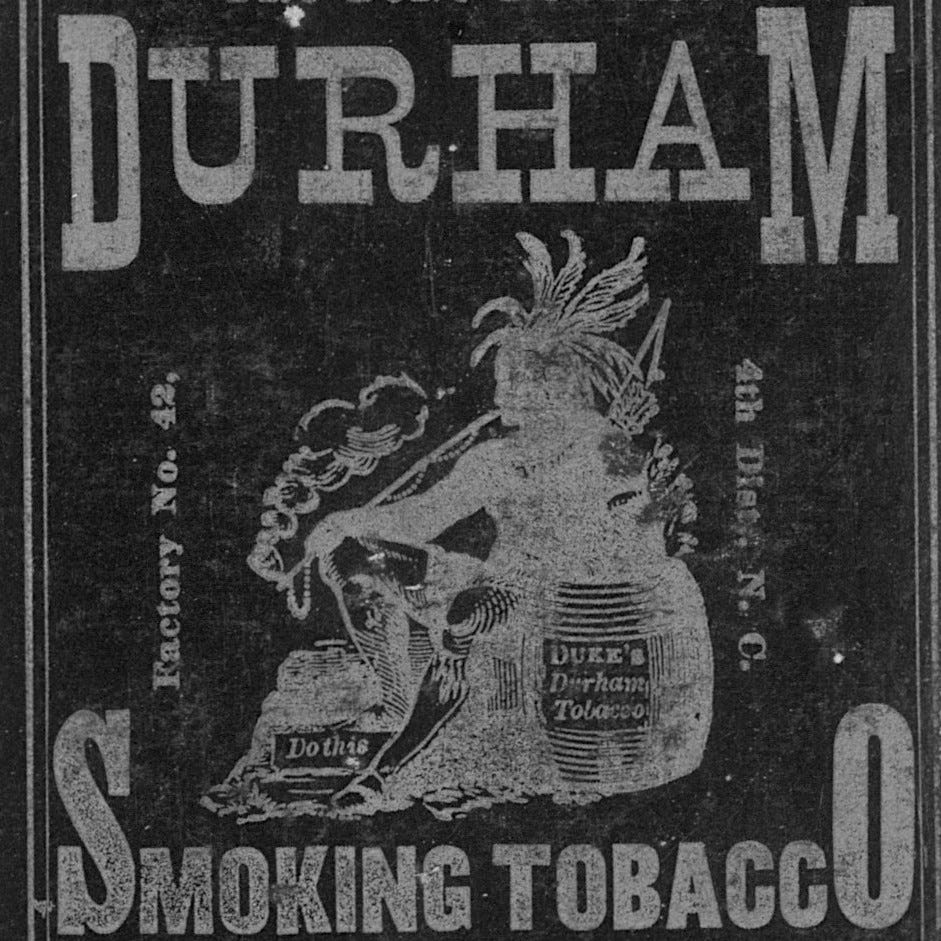
Welcome to Episode 34 of the Preferred Shares Podcast.This episode (Part One of Two) explores the remarkable history of the Duke family and the rise of the American tobacco industry, focusing on innovation, resilience, and strategic business decisions that transformed a local operation into a global powerhouse. Explore the fascinating history of the American Tobacco Company, its dominance, legal battles, insights into antitrust laws, industry strategies, the impact on society, and the legacy of Buck Duke.In This Episode* The Duke Family Legacy Begins* Washington Duke’s Early Life and Challenges* The Birth of Brightleaf Tobacco* The Civil War’s Impact on the Duke Family* Rebuilding After the War* Transportation’s Role in Business Expansion* Education and Family Dynamics* Transition to Large Scale Operations* Buck Duke Takes Charge* Pivoting to Cigarettes* The Bonsack Machine Revolution* Innovations in Packaging and Cost Reduction* Marketing Strategies and Global Expansion* The Formation of the American Tobacco CompanyCharts and ImagesSourcesBooks* Farley, Jennifer Dawn. Duke Homestead and the American Tobacco Company, Arcadia Publishing, August 26, 2013* American Tobacco Company, Sold American!: The First 50 Years of the American Tobacco Company, 1954* Tennant, Richard B., The American Cigarette Industry, 1950* Jenkins, John Wilber, James B. Duke, Master Builder, 1927Other* The Duke Endowment* U.S. patent 238,640 granted March 8, 1881* U.S. patent 247,795 granted October 4, 1881Additional Reading & ListeningCurious to see what else we’ve been working on? Check out some of the interesting things we’ve done recently:Douglas Ott (Andvari Associates and @yesandnotyes)* 📖 Think! or Surrender!!Lawrence Hamtil (Fortune Financial and @lhamtil)* 🎤 “How Tobacco Became One of The Greatest Investments in History”, Odd LotsDevin LaSarre (Invariant and @DevinLaSarre)* 📖 Haypp Group: Engine for the New EnvironmentEnjoy this episode? Share it with someone who loves business history as much as you do!You can also follow Preferred Shares, Devin, Doug, and Lawrence on Twitter.DisclaimerAll opinions expressed by Preferred Shares hosts and guests are solely their own opinions and do not reflect the opinions of their respective employers. This podcast is for informational and entertainment purposes only and should not be relied upon as a basis for investment decisions. None of the information contained in the podcast or this web site constitutes a recommendation that any particular security, portfolio of securities, transaction, or investment strategy is suitable for any specific person.Clients of Andvari and Fortune Financial may maintain positions in the securities discussed in this podcast. Furthermore, from time to time, the Hosts may hold positions or other interests in securities mentioned in the Podcast and may trade for their own accounts based on the information presented. At the time of publishing, clients of Andvari owned shares of Norfolk Southern. The Hosts may also take positions inconsistent with the views expressed in its messages on the Podcast.keywordsDuke family, tobacco industry, innovation, business history, manufacturing, branding, cigarette machine, Bonsack machine, market strategy American Tobacco Company, Buck Duke, antitrust, monopoly, tobacco industry, Standard Oil, market share, mergers, regulation, historykey topicsThe origins of the Duke family and their farm in North CarolinaThe development of Brightleaf tobacco and its regional dominanceThe invention and impact of the Bonsack cigarette machineStrategic moves in pricing, marketing, and brandingThe transition from local to global markets and the rise of cigarette consumption Buck Duke’s business strategy and industry dominanceLegal battles and antitrust lawsuits against ATCIndustry consolidation and market share evolutionTitlesThe Duke Family’s Tobacco Empire: From Humble Beginnings to Global DominationHow Innovation and Strategy Built the American Tobacco Industry This is a public episode. If you would like to discuss this with other subscribers or get access to bonus episodes, visit www.preferredsharespodcast.com

Welcome to Episode 33 of the Preferred Shares Podcast.In this episode, we talk in depth about North American’s Class 1 Railroads and the pending merger between Union Pacific and Norfolk Southern. Joining the conversation is Matt Reustle, a former analyst with Goldman Sachs covering the transportation sector. More recently, Matt has been the long-time host of the great Business Breakdowns podcast.In This EpisodeDefining Class 1 RailsKey dynamics of the industryThe formation of the ICC and historic regulation, including the Staggers ActE. Hunter Harrison and the rise of Precision Scheduled Railroading (PSR)The ICC’s last big decision: the BN and SF mergerKey industry metrics and historical performanceExploring the potential likelihood and impact of the proposed UNP NSC mergerDisclaimerAll opinions expressed by Preferred Shares hosts and guests are solely their own opinions and do not reflect the opinions of their respective employers. This podcast is for informational and entertainment purposes only and should not be relied upon as a basis for investment decisions. None of the information contained in the podcast or this web site constitutes a recommendation that any particular security, portfolio of securities, transaction, or investment strategy is suitable for any specific person.Clients of Andvari and Fortune Financial may maintain positions in the securities discussed in this podcast. Furthermore, from time to time, the Hosts may hold positions or other interests in securities mentioned in the Podcast and may trade for their own accounts based on the information presented. At the time of publishing, clients of Andvari owned shares of Norfolk Southern. The Hosts may also take positions inconsistent with the views expressed in its messages on the Podcast. This is a public episode. If you would like to discuss this with other subscribers or get access to bonus episodes, visit www.preferredsharespodcast.com

Comments

Download from Google Play

Download from App Store
 United States