


 Claim Ownership
Programming Tech Brief By HackerNoon
Subscribed: 23Played: 130
Subscribe

© 2025 HackerNoon
Description
Learn the latest programming updates in the tech world.
483 Episodes
Reverse

This story was originally published on HackerNoon at: https://hackernoon.com/is-agentic-programming-the-next-big-shift.
In 2025, the developer's role is shifting from a manual "writer" to a strategic "orchestrator," managing teams of digital agents that can self-correct.
Check more stories related to programming at: https://hackernoon.com/c/programming.
You can also check exclusive content about #system-design, #agentic-systems, #clean-code, #autonomous-agents, #generative-ai, #ai, #ai-agentic-programming, #ai-trends, and more.
This story was written by: @nikitakothari. Learn more about this writer by checking @nikitakothari's about page,
and for more stories, please visit hackernoon.com.
In 2025, the developer's role is shifting from a manual "writer" to a strategic "orchestrator," managing teams of digital agents that can self-correct, call external tools, and adapt to unforeseen scenarios without needing code rewrites. This "next big shift" promises faster delivery and higher operational efficiency, though it requires strict new frameworks for governance, trust, and agentic-ops.

This story was originally published on HackerNoon at: https://hackernoon.com/best-amazon-scraper-apis-for-2025-top-picks-compared.
Compare the best Amazon Scraper APIs for 2025, analyzing speed, pricing, reliability, and features for scalable eCommerce data extraction.
Check more stories related to programming at: https://hackernoon.com/c/programming.
You can also check exclusive content about #web-scraping-apis-2025, #amazon-scraper-api, #ecommerce-data-extraction, #amazon-pricing-intelligence, #market-research-automation, #product-data-scraping, #oxylabs-web-scraper-api, #good-company, and more.
This story was written by: @oxylabs. Learn more about this writer by checking @oxylabs's about page,
and for more stories, please visit hackernoon.com.
Amazon’s vast marketplace data is invaluable for pricing, marketing, and product insights—but increasingly hard to collect due to anti-bot defenses. This guide compares the best Amazon Scraper APIs for 2025, evaluating speed, reliability, pricing, and scalability to help teams choose the right solution for efficient, compliant data extraction.

This story was originally published on HackerNoon at: https://hackernoon.com/building-a-decentralized-event-ticketing-system-web3-with-symfony-74.
Build a production-ready NFT ticketing system with Symfony 7.4 and PHP 8.3 using async message queues and Ethereum JSON-RPC.
Check more stories related to programming at: https://hackernoon.com/c/programming.
You can also check exclusive content about #symfony, #symfony-web3-integration, #nft-ticketing-system, #asynchronous-programming, #software-architecture, #php-blockchain-development, #php-web3-backend, #ethereum-json-rpc-php, and more.
This story was written by: @mattleads. Learn more about this writer by checking @mattleads's about page,
and for more stories, please visit hackernoon.com.
This guide shows how to build a scalable NFT-based event ticketing backend in PHP using Symfony Messenger to handle blockchain latency safely and reliably.

This story was originally published on HackerNoon at: https://hackernoon.com/code-smell-10-functions-with-too-many-arguments.
Passing too many arguments to functions hurts maintainability. Learn how to refactor parameters into meaningful domain objects.
Check more stories related to programming at: https://hackernoon.com/c/programming.
You can also check exclusive content about #clean-code, #code-refactoring, #refactor-legacy-code, #object-oriented-design, #software-design-principles, #extract-class-refactoring, #method-object-pattern, #maintainable-code, and more.
This story was written by: @mcsee. Learn more about this writer by checking @mcsee's about page,
and for more stories, please visit hackernoon.com.
Functions with long argument lists hide domain knowledge, reduce reuse, and increase coupling. Refactoring parameters into cohesive domain objects restores clarity, intent, and maintainability.

This story was originally published on HackerNoon at: https://hackernoon.com/gos-new-experimental-packages-what-to-know.
This blog post is about Go 1.25’s new experimental encoding/json/v2 and encoding/json/jsontext packages, which bring long-awaited improvements and fixes.
Check more stories related to programming at: https://hackernoon.com/c/programming.
You can also check exclusive content about #go, #golang, #go-api, #api, #json, #go-encoding, #hackernoon-top-story, #go-new-update, and more.
This story was written by: @Go. Learn more about this writer by checking @Go's about page,
and for more stories, please visit hackernoon.com.
Go 1.25 introduces new experimental packages for encoding and unmarshaling of Go types. The new packages are not visible by default and may undergo future API changes. This blog post argues for a new major API version and explains how you can make use of it.
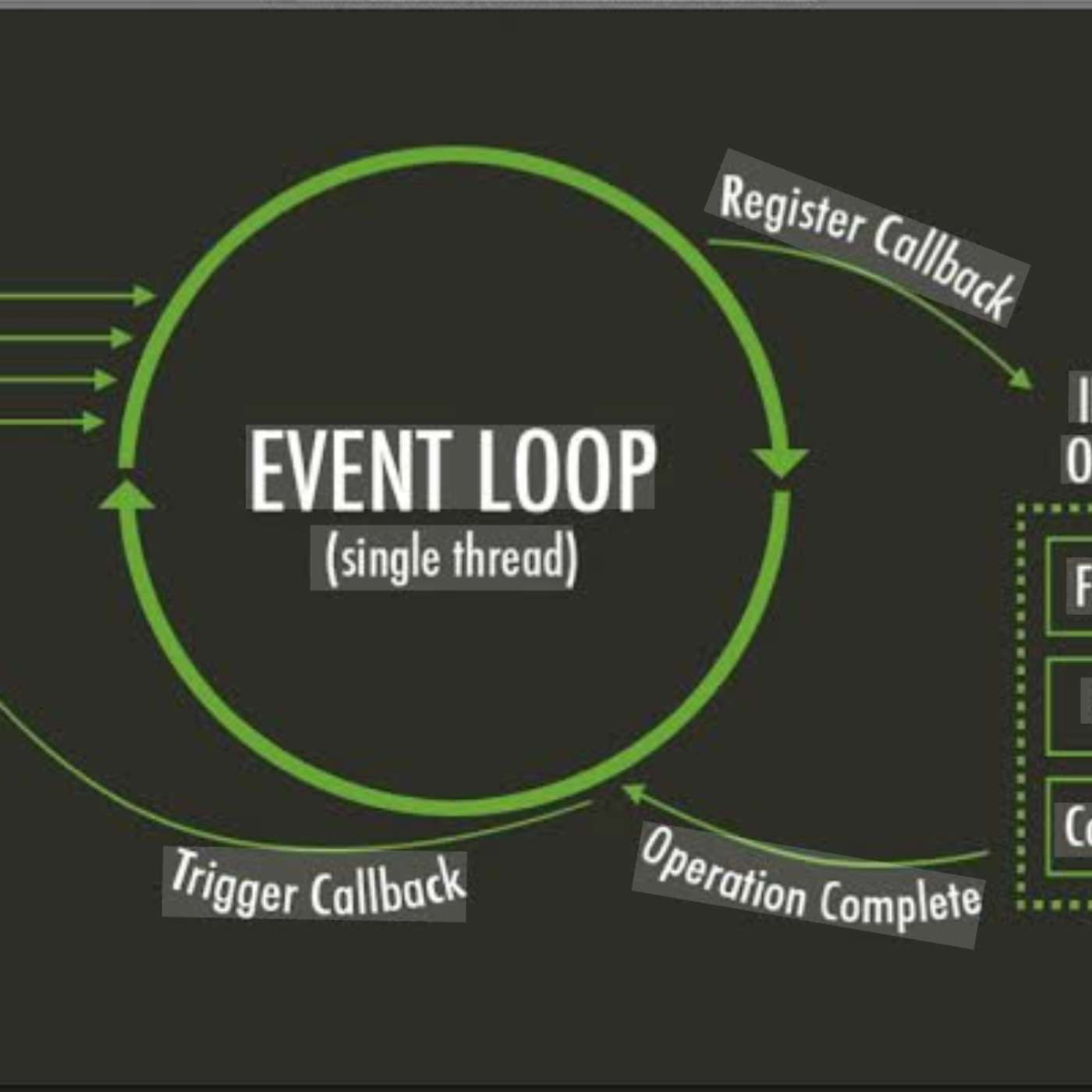
This story was originally published on HackerNoon at: https://hackernoon.com/how-i-mastered-javascript-event-loop-and-concurrent-model.
Discover practical tips for building responsive web applications without freezing the UI.
Check more stories related to programming at: https://hackernoon.com/c/programming.
You can also check exclusive content about #javascript-development, #programming, #best-practices, #web-development, #javascript-events-loop, #concurrent-model, #concurrent-model-js, #concurrent-model-best-practice, and more.
This story was written by: @danielochinasa. Learn more about this writer by checking @danielochinasa's about page,
and for more stories, please visit hackernoon.com.
JavaScript is single-threaded but handles multiple tasks concurrently using the event loop, call stack, callback queue, and microtask queue. Getting to know this, lets you write non-blocking code, manage async operations, and build responsive web apps.
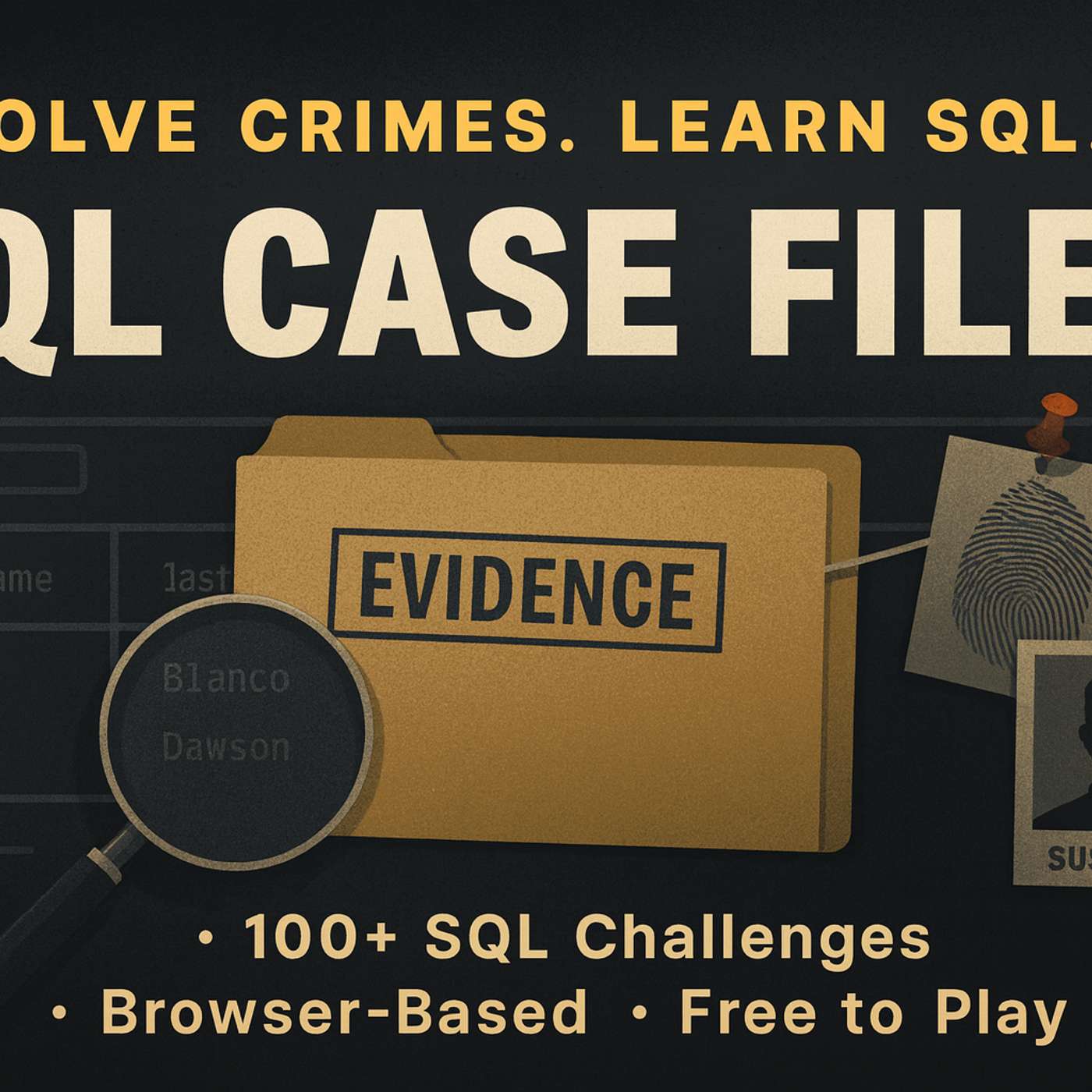
This story was originally published on HackerNoon at: https://hackernoon.com/i-got-15k-people-to-practice-sql-by-turning-them-into-detectives.
See how SQL Case Files became a top choice for anyone searching for free SQL games or challenging SQL puzzles.
Check more stories related to programming at: https://hackernoon.com/c/programming.
You can also check exclusive content about #sql, #learn-sql, #gamifying-sql, #sql-practice, #sql-case-files, #practice-sql, #sql-puzzles, #challenging-sql-puzzles, and more.
This story was written by: @hackstarky. Learn more about this writer by checking @hackstarky's about page,
and for more stories, please visit hackernoon.com.
SQL practice is boring because you're querying meaningless data in a vacuum. I built SQL Case Files - a detective game where you solve crimes by writing real SQL queries. Your phone vibrates when you close a case. No badges, no streaks, just investigations that feel physical. 15K monthly users in 4 weeks. This is how I made it work technically: SQLite WASM for local execution, result-set validation instead of SQL text matching, mobile-first UX with sticky schemas and bottom-sheet drawers, and a rate-limited AI assistant (20 calls/day because I'm paying for it). The constraint accidentally made people better at SQL. Free to play, no signup, runs entirely in your browser.

This story was originally published on HackerNoon at: https://hackernoon.com/how-astro-made-my-portfolio-82percent-faster-to-build.
I moved my portfolio website from Next.js to Astro after three years. Faster builds, less JavaScript, better SEO, and a simpler setup that just works.
Check more stories related to programming at: https://hackernoon.com/c/programming.
You can also check exclusive content about #javascript, #nextjs, #astro, #programming, #webdev, #web-development, #next.js-astro, #less-javascript, and more.
This story was written by: @alexcloudstar. Learn more about this writer by checking @alexcloudstar's about page,
and for more stories, please visit hackernoon.com.
Next.js was too much for what I needed. Astro renders pages to static HTML and only sends JavaScript to the browser when you explicitly ask for it. Astro’s biggest win is how little JavaScript it ships by default.
This story was originally published on HackerNoon at: https://hackernoon.com/what-we-know-and-dont-about-modern-code-reviews.
A deep review of modern code review research, its evolution, key themes, and the growing gap between academic findings and practitioner needs.
Check more stories related to programming at: https://hackernoon.com/c/programming.
You can also check exclusive content about #code-review, #code-review-research, #developer-workflow, #code-review-tools, #peer-code-review, #software-quality-assurance, #empirical-software-engineering, #software-engineering-research, and more.
This story was written by: @codereview. Learn more about this writer by checking @codereview's about page,
and for more stories, please visit hackernoon.com.
This article traces the evolution of modern code review from formal inspections to tool-driven workflows, maps key research themes, and highlights a critical gap: how practitioners actually perceive and use MCR research. By pairing a systematic literature review with a practitioner survey, it surfaces where academic focus aligns—or clashes—with real-world software development practice.

This story was originally published on HackerNoon at: https://hackernoon.com/what-i-learned-from-giving-people-a-choice-in-ride-types.
How I redesigned a ride-hailing order form for 360M users inside a 7-year-old monolith. Lessons on legacy code, user habits, and breaking production.
Check more stories related to programming at: https://hackernoon.com/c/programming.
You can also check exclusive content about #software-architecture, #programming, #system-design, #distributed-systems, #microservice-architecture, #legacy-code, #monolith-vs-microservices, #tech-debt, and more.
This story was written by: @nualimov. Learn more about this writer by checking @nualimov's about page,
and for more stories, please visit hackernoon.com.
How I redesigned a ride-hailing order form for 360M users inside a 7-year-old monolith. Lessons on legacy code, user habits, and breaking production.

This story was originally published on HackerNoon at: https://hackernoon.com/the-api-first-illusion-why-your-simple-endpoints-turn-into-technical-debt-and-how-to-fix-it.
Stop treating API design like a plumbing task. Use this system prompt to enforce Richardson Maturity Model Level 3 and build endpoints that actually scale.
Check more stories related to programming at: https://hackernoon.com/c/programming.
You can also check exclusive content about #api-design, #software-architecture, #rest-api, #ai-programming, #developer-productivity, #system-architecture, #openapi-specs, #hackernoon-top-story, and more.
This story was written by: @huizhudev. Learn more about this writer by checking @huizhudev's about page,
and for more stories, please visit hackernoon.com.
In a microservices world, your API *is* the product. Bad API design isn't just ugly code; it's architectural entropy. The "Contract-First" Enforcer forces Large Language Models to stop being "code generators" and start being "specification designers"
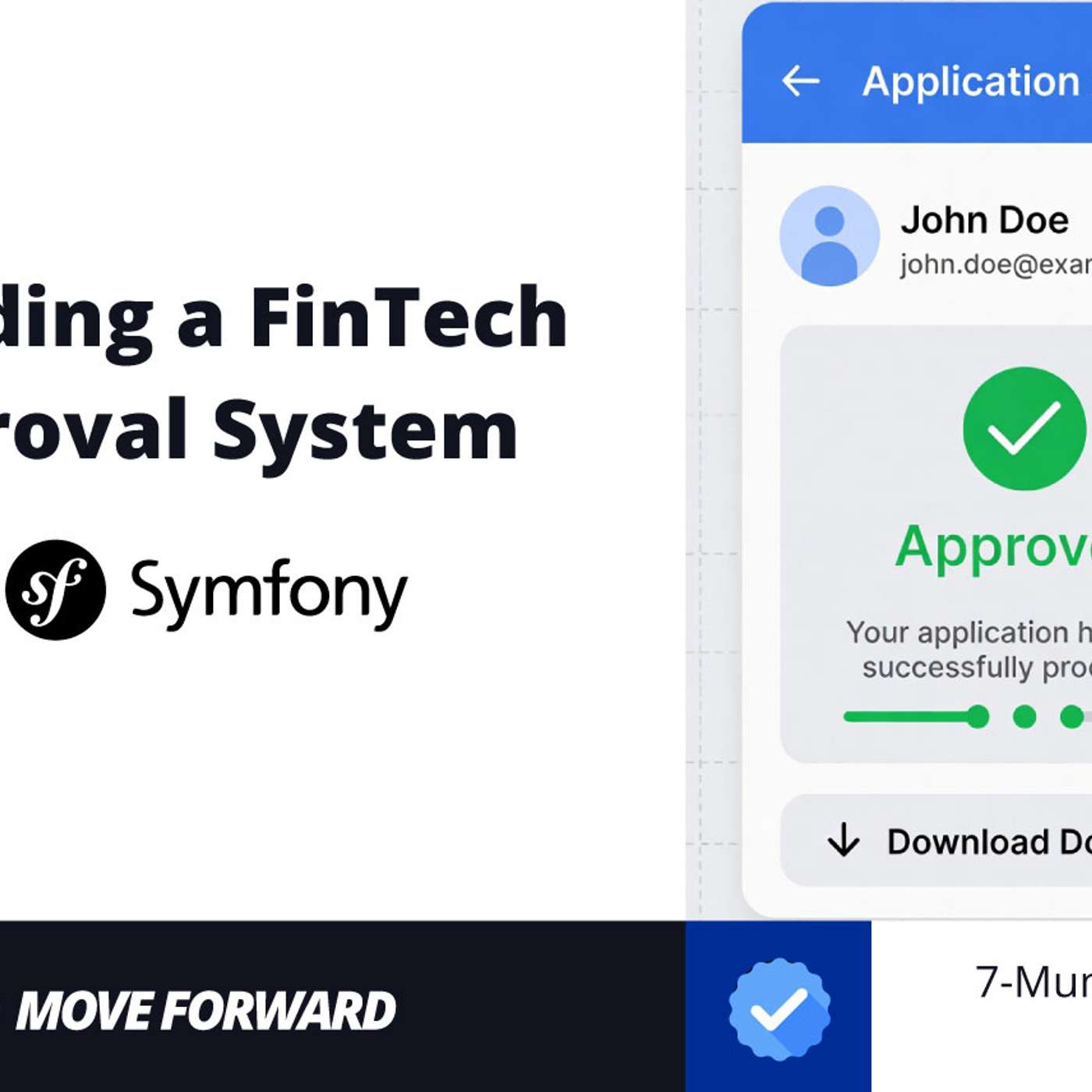
This story was originally published on HackerNoon at: https://hackernoon.com/heres-how-you-can-build-a-fintech-approval-system-with-symfony-74.
In this article, we will build a robust Multi-Signature Approval System for a FinTech application.
Check more stories related to programming at: https://hackernoon.com/c/programming.
You can also check exclusive content about #symfony, #security, #fintech, #php, #productivity, #software-architecture, #fintech-approval-system, #hackernoon-top-story, and more.
This story was written by: @mattleads. Learn more about this writer by checking @mattleads's about page,
and for more stories, please visit hackernoon.com.
The symfony/workflow component has long been one of the framework’s most powerful, yet underutilized, gems. It allows developers to decouple business process logic from entity state, transforming complex “spaghetti code” status checks into clean, visualizable directed graphs. In this article, we will build a robust Multi-Signature Approval System for a FinTech application. We will explore how to configure weighted transitions, implement the entity logic, and verify the flow with rigorous testing.

This story was originally published on HackerNoon at: https://hackernoon.com/code-smell-316-the-syntax-police-review-anti-pattern.
Syntax-focused code reviews hide architecture flaws, waste human attention, and lower quality. Automating style checks lets teams review what truly matters.
Check more stories related to programming at: https://hackernoon.com/c/programming.
You can also check exclusive content about #clean-code, #refactor-legacy-code, #code-review-best-practices, #ai-assisted-code-review, #software-design-principles, #pull-request-review-process, #automated-linting-tools, #engineering-productivity, and more.
This story was written by: @mcsee. Learn more about this writer by checking @mcsee's about page,
and for more stories, please visit hackernoon.com.
Teams waste valuable review time debating syntax instead of evaluating architecture, intent, and risk. Automate formatting checks, raise the abstraction level, and reserve human attention for design, security, and domain alignment.

This story was originally published on HackerNoon at: https://hackernoon.com/flight-recorder-a-new-go-execution-tracer.
Flight recording is now available in Go 1.25, and it’s a powerful new tool in the Go diagnostics toolbox.
Check more stories related to programming at: https://hackernoon.com/c/programming.
You can also check exclusive content about #go, #golang, #golang-flight-recorder, #go-execution-traces, #hackernoon-top-story, #go-tools, #what-is-flight-recording-in-go, #go-new-execution-trace, and more.
This story was written by: @Go. Learn more about this writer by checking @Go's about page,
and for more stories, please visit hackernoon.com.
The flight recorder is just the latest addition to the Go developer’s toolbox for diagnosing the inner workings of running applications.

This story was originally published on HackerNoon at: https://hackernoon.com/infinite-scroll-zero-frameworks-just-generators-and-grit.
Generators are functions which can be exited and later re-entered.
Check more stories related to programming at: https://hackernoon.com/c/programming.
You can also check exclusive content about #javascript, #generators, #scroll, #web-performance, #javascript-generators, #building-infinite-scroll, #build-infinite-scroll, #async-generators, and more.
This story was written by: @ashubham3. Learn more about this writer by checking @ashubham3's about page,
and for more stories, please visit hackernoon.com.
Generators are functions which can be exited and later re-entered.
This story was originally published on HackerNoon at: https://hackernoon.com/the-feynman-technique-for-algorithms-how-to-stop-memorizing-code-and-start-building-intuition.
Why volume-based study fails, and how to use LLMs to build the mental models you're missing.
Check more stories related to programming at: https://hackernoon.com/c/programming.
You can also check exclusive content about #programming, #algorithms, #ai-prompts, #education, #career-development, #feynman-technique, #how-to-use-ai, #ai-assisted-coding, and more.
This story was written by: @huizhudev. Learn more about this writer by checking @huizhudev's about page,
and for more stories, please visit hackernoon.com.
Most AI coding assistants fail the Feynman test. We can engineer a prompt that forces the AI to teach us, not just solve.
![Clean Code: Concurrency Patterns, Context Management, and Goroutine Safety [Part 5]](https://img.transistorcdn.com/Re6rRPjQZt-ME3gPhrWBaz0o0JGE0EjvmaI0t9r6bpw/rs:fill:0:0:1/w:1400/h:1400/q:60/mb:500000/aHR0cHM6Ly9pbWct/dXBsb2FkLXByb2R1/Y3Rpb24udHJhbnNp/c3Rvci5mbS81MTU2/ZmQ2MDY5NDAxN2U1/NmUwZDVmMmVkNTk0/MDM0Ni5wbmc.jpg "Clean Code: Concurrency Patterns, Context Management, and Goroutine Safety [Part 5]")
This story was originally published on HackerNoon at: https://hackernoon.com/clean-code-concurrency-patterns-context-management-and-goroutine-safety-part-5.
A practical guide to clean, safe Go concurrency—covering context, goroutines, channels, patterns, pitfalls, and lessons learned from production systems.
Check more stories related to programming at: https://hackernoon.com/c/programming.
You can also check exclusive content about #golang, #go-concurrency, #goroutines, #go-channels, #clean-code-in-go, #go-race-conditions, #go-worker-pool-pattern, #go-production-debugging, and more.
This story was written by: @yakovlef. Learn more about this writer by checking @yakovlef's about page,
and for more stories, please visit hackernoon.com.
This final installment in the Clean Code in Go series breaks down how to write safe, idiomatic concurrent Go code using context, goroutines, channels, and proven patterns—while avoiding leaks, race conditions, deadlocks, and the production outages they cause.

This story was originally published on HackerNoon at: https://hackernoon.com/gos-16th-anniversary-and-the-major-highlights-of-2025.
The Go team is applying its thoughtful and uncompromising mindset to the problems and opportunities of this dynamic space.
Check more stories related to programming at: https://hackernoon.com/c/programming.
You can also check exclusive content about #go, #golang, #golang-16th-anniversary, #go-core-language, #go-library-improvements, #go-secure-software-development, #go-green-tea, #go-simd, and more.
This story was written by: @Go. Learn more about this writer by checking @Go's about page,
and for more stories, please visit hackernoon.com.
Go 1.24 and 1.25 were released in February and August of this year, respectively. Go is the most productive language platform for building production systems. New APIs for building robust and reliable software have been added to the language and library.

This story was originally published on HackerNoon at: https://hackernoon.com/rust-1780-whats-in-it.
Rust now supports a #[diagnostic] attribute namespace to influence compiler error messages.
Check more stories related to programming at: https://hackernoon.com/c/programming.
You can also check exclusive content about #rust, #rustlang, #rust-update, #rust-1.78, #rust-diagnostic-attributes, #rust-stabilized-apis, #rust-changes, #rust-new-version, and more.
This story was written by: @Rust. Learn more about this writer by checking @Rust's about page,
and for more stories, please visit hackernoon.com.
Rust 1.78 has upgraded its bundled LLVM to version 18, completing the announced u128/i128 ABI change for x86-32 and x86-64 targets. Distributors that use their own LLVM older than 18 may still face the calling convention bugs mentioned in that post.
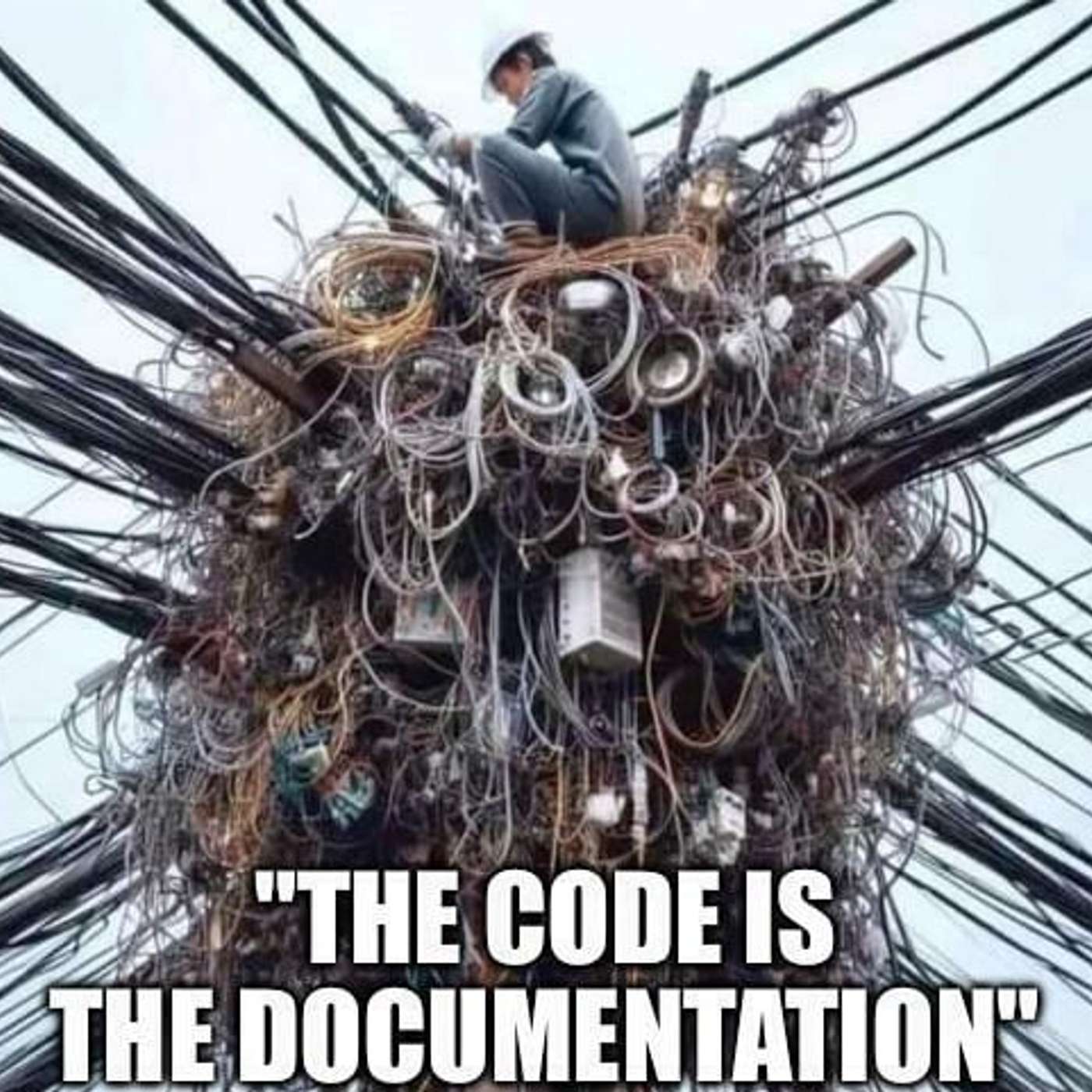
This story was originally published on HackerNoon at: https://hackernoon.com/if-your-documentation-takes-two-clicks-to-open-congrats-its-already-outdated.
An article on effective documentation practices in software development, explaining how to structure specs, READMEs, JavaDocs, and clean code.
Check more stories related to programming at: https://hackernoon.com/c/programming.
You can also check exclusive content about #clean-code, #software-documentation, #best-practices, #documentation-tools, #software-documentation-tools, #software-documentation-tips, #hackernoon-top-story, #documentation-best-practices, and more.
This story was written by: @abgarsimonean. Learn more about this writer by checking @abgarsimonean's about page,
and for more stories, please visit hackernoon.com.
Documentation only survives if it lives as close to the code as possible. Good documentation isn’t a single artifact - it’s a small ecosystem of layers, each serving a different purpose.

Comments

Download from Google Play

Download from App Store
 United States