


 Claim Ownership
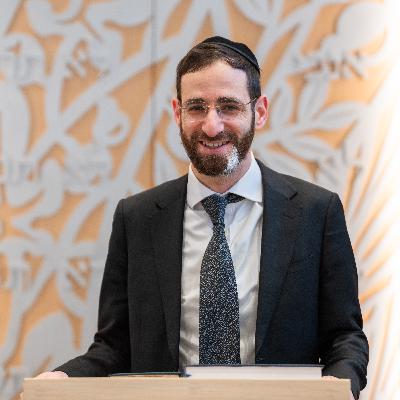
Rabbi Moshe Haber
Subscribed: 0Played: 0
Subscribe

© Tiferet Shaul
Description
Daily class of Messilat Yesharim - Path of the Just
376 Episodes
Reverse
The source captures an audio recording of a speaker offering remarks at a special event, celebrating Rabbi Michael Haber and honoring the memory of his late father. The speaker, Rabbi Galamiti, expresses his gratitude for being present, detailing the unexpected travel difficulties he overcame to attend. He shares a personal anecdote about relying on Rabbi Michael Haber's books for guidance in rabbinic matters. The discourse then shifts to the significance of the evening, which coincides with Lag L'Omer, emphasizing its spiritual importance, the power of prayer in a community setting, and the merit of learning Torah together. Rabbi Kav also briefly touches upon the importance of the Sefirat Ha'omer period as a time for self-improvement, linking it to preparation for Rosh Hashanah.
Divine Justice and Mercy: A Delicate BalanceRabbi Haber's lecture explores the seemingly contradictory nature of divine justice (Dean) and divine mercy (Rahamim). He questions how a perfect and exacting God can also be merciful and forgiving. The Rabbi explains that while God's judgment is precise and ever-present, His mercy provides opportunities for repentance and softens the immediate and severe consequences of wrongdoing. This combination allows humanity time and the ability to recover from mistakes, which is essential for personal growth and the world's continued existence. Even for grave sins, while the direct impact cannot always be undone, there are ways to rectify the spiritual damage. Ultimately, the interplay of justice and mercy is a fundamental aspect of God's management of the world, enabling human resilience and progress.
Precise Judgment and the Weight of Our ActionsThis audio recording features a discussion, likely a lecture or sermon, exploring the meticulous nature of divine judgment through biblical examples like Joseph's time in prison. The speaker emphasizes that every action and word carries significant weight, even if this level of scrutiny is beyond human comprehension. The conversation then shifts to contemporary challenges within a religious community, specifically the tension between traditional values and outside influences, such as eating in non-kosher establishments. Ultimately, the speaker suggests that while communal expectations exist, fostering understanding and hope for positive change is a more effective approach than outright judgment, especially when considering different levels of religious observance and background.
The Drive for Significance and the World to ComeRabbi Haber explores the concept of "kabod," or honor, as a powerful motivator, both negatively through the discomfort of disrespect and positively through the desire for recognition. He argues that the innate human aversion to insignificance in worldly matters can be leveraged to understand our potential desire for prominence in the spiritual realm. Even those who claim indifference to earthly status likely seek significance in other areas. This inherent need for some form of prominence, Haber suggests, can be channeled into a yearning for lasting honor in the afterlife. Therefore, just as we dislike being overlooked in this world, we should aspire to a prominent position in the world to come. This understanding serves as a potent impetus for spiritual growth and good deeds.
Rabbi Haber: God's Solutions Precede ChallengesRabbi Haber discusses the concept that God, as the creator of all things, inherently has solutions for every challenge we face, drawing an analogy to a manufacturer's expertise with their own product. This idea extends beyond physical creation to include all difficulties in life, as God also created these circumstances. Despite this assurance, individuals are not meant to be passive; instead, they must actively work towards solutions while maintaining complete faith in God's ability to provide them. This requires a "split screen" approach, simultaneously holding absolute trust in God and diligently pursuing practical actions. The purpose of these challenges is to foster reliance on God and personal growth through our efforts to overcome them.
Chapter 11 Details of The Trait of Nekiyut/Cleanliness Page 226-228Layers of Shabbat ObservanceThis source, an excerpt from a recording, discusses the concept of consistent self-improvement and adherence to religious practice, particularly focusing on Shabbat observance. It emphasizes that these are not areas where one can simply say they are "good enough," but rather require ongoing effort and development. The text highlights the many layers and nuances within Shabbat, including refraining from work and even discussing work, and the difficulty of maintaining adherence in various environments, such as while on vacation or in different communities. Ultimately, the message is that consistency and dedicated effort in observance build strength and clarity, and that one should maintain their established standards regardless of external circumstances.
Sunday Morning ClassCompetition, Education, and Character Development: A Rabbinic DiscussionRabbi Haber presents a discussion centered on dilemmas in education and ethical competition. He explores scenarios involving teacher replacement and choosing between fast-paced versus precise instruction. Two conflicting rabbinic opinions are presented regarding each situation. One perspective cautions against the negative consequences of competition and prioritizing speed over accuracy. The other suggests potential benefits like increased motivation and knowledge acquisition. Rabbi Haber emphasizes the importance of self-reflection, especially when personal biases might influence decisions, and he stresses that while competition can drive progress, it also carries the risk of unethical behavior.
Refining the Self Through Constant Reflection and Tiny ChangesThis source explores the profound wisdom contained within a famously simple letter written by the Ramban, emphasizing that true greatness manifests as humility and kindness. The speaker explains that a refined character is not achieved through sudden, drastic changes but through a consistent process of self-reflection performed every morning and night. By treating life like a business inventory, an individual can move beyond the impulsive mistakes caused by fatigue or emotion to gain intellectual clarity over their actions. This ongoing review leads to a healthy form of daily repentance, where acknowledging errors and feeling regret serves as an empowering tool for growth rather than a source of shame. Ultimately, the text argues that small, incremental adjustments in one’s mindset are the only effective way to gradually transform into a truly virtuous person.
Joseph the Unwavering: Master of Emotion and Divine PerspectiveThis transcript explores the biblical narrative of Yosef and his brothers to highlight the virtues of emotional resilience and forgiveness. The text explains how Yudah bypassed a formal interpreter to appeal directly to Yosef’s emotions, eventually leading to a dramatic and private reconciliation. Despite the years of suffering caused by his brothers' betrayal, Yosef chose to protect them from public embarrassment and reframe their past actions as part of a divine plan for survival. By viewing his brothers as mere instruments of God’s will, Yosef was able to release any lingering grudges or bitterness. Ultimately, the source defines true kingship as the ability to maintain self-control and stay internally unchanged regardless of external mistreatment. This perspective encourages readers to master their own reactions to find personal freedom and lasting happiness.
Perashat Vayigash: The Two Kings: Union of Yehuda and YosefIn this religious discourse, Rabbi Moshe Haber explores the climactic meeting between Yehuda and Yosef as a reconciliation of two distinct leadership roles within the Jewish people. He posits that the confrontation represents a showdown between two kings, where Yosef embodies the strength of remaining unchanged in exile, while Yehuda represents the power of taking responsibility and personal growth. The Rabbi explains that the long-standing conflict between the brothers stemmed from a lack of communication and distance, which was finally bridged when they "came close" to achieve mutual understanding. By revealing his identity, Yosef demonstrates that his rise to power was not a rebellion but a foundational setup to sustain his family, allowing Yehuda to eventually take the lead. This union of their unique strengths—the "set-up man" and the "closer"—is presented as a necessary precursor to the ultimate arrival of the Mashiach. Ultimately, the text teaches that communal peace is achieved when different leaders recognize their specialized roles and work in unison rather than in competition.
Chapter 19 - The Elements of Chassidut/Piety Page400-402Purity of Intent and the Path to Divine RecognitionThe provided text explores the profound importance of intentions and motives in living a pious life, specifically within the context of Jewish spirituality. The author argues that having pure motives ensures that every step of a process remains ethical, whereas ultior motives can lead to cutting corners and moral compromises. Central to this discussion is the concept of Kiddush Hashem, or sanctifying God's name, which is presented as the ultimate goal of all actions. By acting with integrity and recognizing God’s presence, individuals essentially "bring down" the divine presence into the world, making godliness more visible and powerful. Ultimately, the text suggests that the purpose of creation is fulfilled when humans consciously acknowledge and elevate God's honor through their daily conduct.
Chapter 19 - The Elements of Chassidut/Piety Page399-400Purity of Intent and the Clarity of Right ActionThis transcript of a lecture by Rabbi Moshe Haber explores the foundational concept of pure intent in religious and moral service. While seeking personal growth or spiritual reward is considered a positive and normal motivation, the text argues that these are still ultimately self-centered drives that can lead to internal conflict. The highest spiritual level involves performing an action simply because it is the right thing to do, independent of any desire for credit, honor, or even future compensation. Reaching this motive-free state is described as exceptionally difficult, yet it offers a unique clarity in decision-making by removing the distractions of ego. By focusing solely on elevating the Divine, an individual can resolve the typical tensions between competing obligations and act with unwavering integrity.
Divine Providence and the Trials of Joseph's FaithIn this commentary on Parashat Miketz, the text examines the miraculous rise of Joseph from prison to power following Pharaoh's disturbing dreams. The author highlights a two-year delay in Joseph's release, interpreting it not as a standard punishment, but as a consequence of Joseph momentarily stepping off his supernatural path to rely on human intervention. By asking the royal cupbearer twice to remember him, Joseph shifted from a state of pure faith to a natural efforts-based approach, leading God to let the situation play out naturally until the designated time ended. The narrative suggests that while normal human effort is typically required, individuals on a high spiritual level are expected to rely entirely on Divine providence. Ultimately, the cupbearer only remembers Joseph when it serves his own selfish interests, illustrating that Joseph's success was always driven by God rather than human gratitude. This transition back to the miracle track is cemented when Joseph perfectly interprets Pharaoh’s dreams and is appointed as the leader of Egypt.
Yosef: Humility, Prophecy, and Brotherhood's RedemptionThe provided audio transcript, which appears to be a religious lesson or sermon, offers a detailed analysis of biblical text concerning Joseph (Yosef) and his experiences in Egypt, particularly focusing on the concepts of divine providence and human responsibility. The discussion centers on why Joseph remained in jail for an additional two years—attributing it to a brief lapse in reliance on God (Hashem) when he asked a cupbearer to remember him. This explanation then transitions to the miraculous circumstances surrounding Joseph’s sudden rise to power after interpreting Pharaoh's dream, arguing that his success was a direct reward for his previous integrity and a restoration of his life's miraculous trajectory. Finally, the source analyzes Joseph's interactions with his brothers, interpreting his seemingly harsh actions—such as calling them spies—not as revenge, but as a deliberate strategy to bring them to repentance (teshubah) and unity by making them recognize and address the flaws in judgment and callousness that led to their original mistreatment of him
Chapter 19 - The Elements of Chassidut/Piety Page397-398The Necessity of Emotional Response to UnholinessThe source presents a rabbinic discussion emphasizing the importance of feeling strong negative emotion, or "hate," towards inappropriate and anti-religious behavior as a measure of one's love for God and Judaism. This emotion is described as a "thermometer" reflecting the strength of one's faith, indicating that a lack of concern about anti-religious or immoral actions signifies a weak spiritual connection. The speaker clarifies that this "hate" is a mindset of being bothered, not necessarily one of aggressive action, and serves the dual purpose of displaying commitment to God and protecting the community, especially children, from negative outside influences like secularism and immoral lifestyles. He argues that this boundary maintenance is vital for preserving their unique and beautiful way of life, noting a surprising communal resilience against external pressures.
Chapter 19 - The Elements of Chassidut/Piety Page396-397Defending God's Honor and Communal IntegrityThe provided audio, an excerpt from a discussion by Rabbi Moshe Haber, emphasizes the Jewish obligation to defend God's honor (Kavod Shamayim), which may sometimes necessitate taking a strong stance against immorality and inappropriate behavior. The rabbi argues that genuine love for Hashem requires zealotry (zealatry), meaning individuals must be willing to speak up and fight against actions that erode community values, even if it means momentarily abandoning a purely "nice guy" demeanor. He warns against the danger of excessive acceptance, suggesting that a soft, liberal stance on inappropriate acts can ultimately destroy the fabric of the community and that inaction when one has the power to stop wrongdoing is tantamount to being involved. The core message stresses the importance of having clear values and boundaries to protect the integrity of tradition and the community
Hanukkah: Hallel and Al HaNissim, Big and Small MiraclesThe source, an excerpt from an audio recording by Rabbi Moshe Haber, explores the dual nature of the Jewish holiday of Hanukkah concerning its celebratory obligations and significance. The discussion centers on the extremes of observance, noting that Hallel, a full prayer of praise, is required and is a significant change to the liturgy, representing a major celebration of big miracles. Conversely, the prayer insertion of Al HaNissim into the daily Amidah prayer is described as less critical, to the extent that forgetting it does not necessitate repeating the entire prayer, symbolizing a smaller act of recognition and thanks for everyday miracles. Rabbi Haber posits that the grand celebration of the large miracles (Hallel) is intended to lead the individual to appreciate the small, ongoing miracles in daily life (Al HaNissim). This structure suggests that recognizing the extraordinary divine intervention in the past helps individuals acknowledge and give thanks for the constant, simple wonders of their present lives.
The Three Levels of Respect and HumilityThe provided text is an excerpt from a sermon by Rabbi Moshe Haber that focuses on the concept of respect and humility, drawing from a letter written by Ramban (Nachmanides) to his son. The rabbi explains the obligation to treat every person with respect (kavod), providing examples across three societal tiers: the wealthy and intelligent, the average, good-hearted person, and the less fortunate or those with apparent character flaws. He stresses that respecting the wealthy is appropriate if they are godly blessed and use their means righteously, as this respects God’s blessing, but chasing them for their wealth or power is improper. Conversely, the rabbi argues that one must dig deeper to find something impressive—such as dedication or a good heart—in the less obviously successful to ensure consistent respect for all people, which he notes is key for developing personal wholeness.
Jacob, Joseph, and Divine DirectionThe source provides a detailed religious and textual analysis of the beginning of the biblical narrative concerning Jacob (Yaakob) and his son Joseph (Yosef). The speaker examines Jacob's desire for peace and "easy" life, which is immediately countered by the ensuing trials, suggesting God’s plan required further development. A significant portion of the discussion focuses on Joseph's unique role as Jacob's preferred son, exploring why he was favored and how he mirrored his father's life, representing a continuation of Jacob's legacy. Furthermore, the text addresses Joseph’s immaturity as a 17-year-old—particularly his unfounded reports about his brothers' sins—and explains how the punishments he later endured were a divine consequence and part of his maturation process before he could assume a leadership role. The overarching theme emphasizes that while human actions and errors occurred, God ultimately oversaw and directed the entire sequence of events to achieve a necessary outcome for the development of the nascent nation.
Chapter 19 - The Elements of Chassidut/Piety Page394-396Zealousness and Defense of Divine HonorRabbi Moshe Haber, discusses the Jewish concept of zealousness, or kina, as a necessary display of the love of Hashem (God). He emphasizes that while general life calls for kindness and indifference to minor annoyances, defending God's honor requires a powerful, even angry or disturbed, reaction against immorality or ideas that contradict Torah principles. This zealous defense of God's way demonstrates true care and commitment, contrasting with indifference, which implies a lack of concern for divine values. The rabbi concludes that this zealousness, often expressed through protest and the shaming of wrongdoers, is essential for maintaining community standards and religious integrity, even serving as a major deterrent against societal change.

Comments

Download from Google Play

Download from App Store
 United States