


 Claim Ownership
Radical Cooperation
Subscribed: 2Played: 39
Subscribe

© Radical Cooperation
Description
Welcome to Radical Cooperation, the podcast in which higher education leaders explore collaboration as the key to lasting change. Host Dr. Michael Horowitz, together with presidents, chancellors, and trailblazing experts, dives into thought-provoking conversations about solutions to some of the most pressing issues in higher education. From fostering partnerships across institutions to leveraging innovation over tradition, each episode unpacks how cooperation, not competition, drives success. If you're ready to embrace bold, forward-thinking ideas that unite and inspire, you’re in the right place.
35 Episodes
Reverse
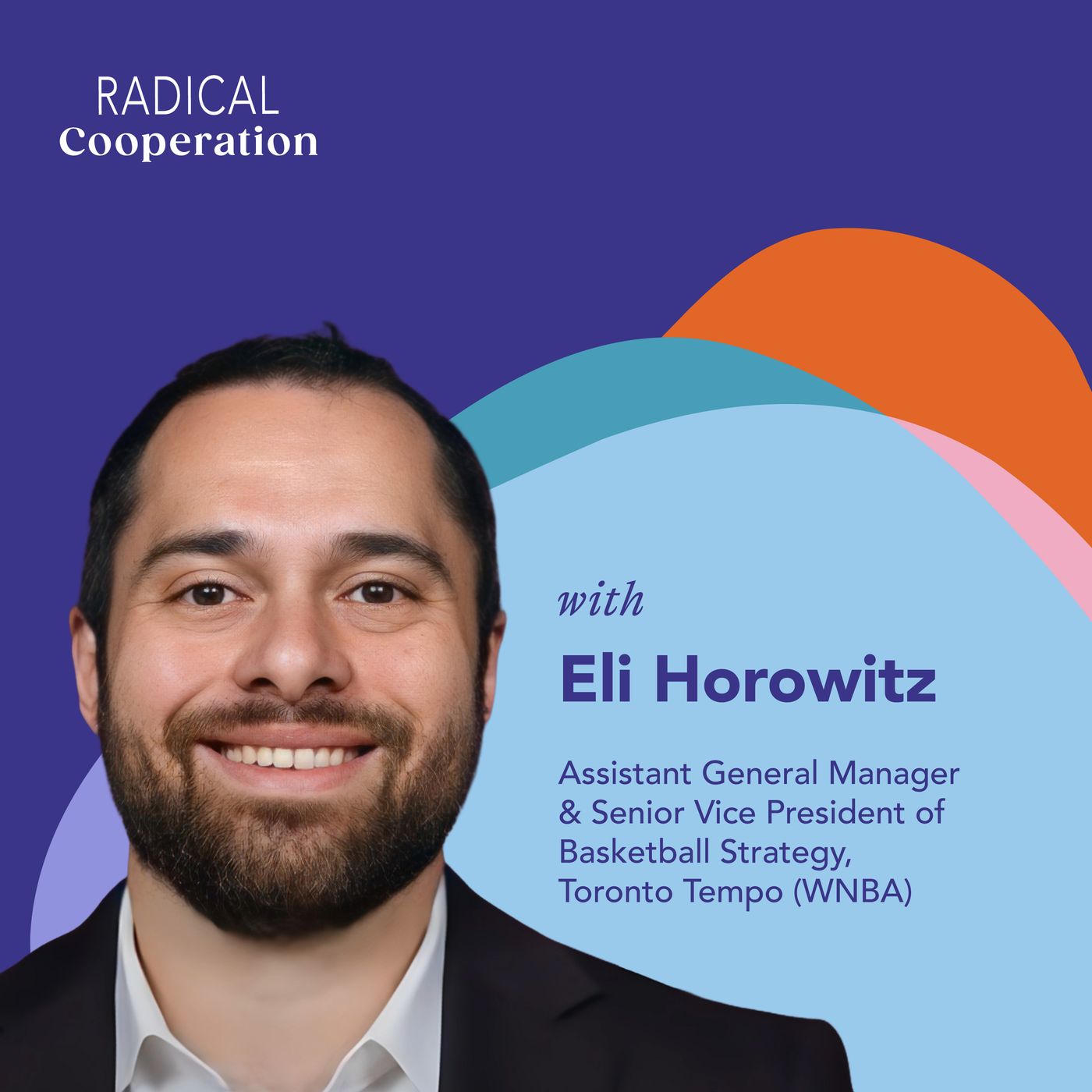
Institutions tend to think of themselves as standalone enterprises, competing for attention, students, and resources on their own merits. But no organization rises entirely on its own. The health of the wider ecosystem it belongs to determines how much attention, investment, and credibility any single member can command, and that dynamic runs in both directions.In this episode of Radical Cooperation, Dr. Michael Horowitz draws on a comparison he has used for years: The Community Solution Education System works like a sports league, where the System is the league and each university is a team. The strength of the league creates opportunities for individual teams, while the success of each team strengthens the league as a whole. To explore that dynamic, he speaks with Eli Horowitz, Assistant General Manager and Senior Vice President of Basketball Strategy for the Toronto Tempo, who joined the WNBA’s first Canadian franchise before it had played a game, after seven years with the Los Angeles Sparks. Eli is also his son, a relationship they address at the top. Their conversation covers how the WNBA grew from a sliver of sports media coverage into a sold-out product, why the Tempo built a full leadership team and a fan base before a single player arrived, and how analytics and human judgment now work together in evaluating talent. Rather than treating sports as a metaphor held at arm's length, this conversation traces the specific mechanics that transfer directly to higher education: how culture gets built deliberately, how leaders balance central support with local autonomy, and why data works best when it narrows the field rather than making the decision.In this episode:Why the growth of the league and the success of individual teams depend on each otherHow the Tempo built a leadership team, a culture, and a community presence before signing playersWhat the right balance of ownership involvement looks like, and the symbolism of autonomyHow a draft model built around survival rates changed the way the team evaluates prospectsWhy the WNBA's four-year college rule produces players who arrive more prepared
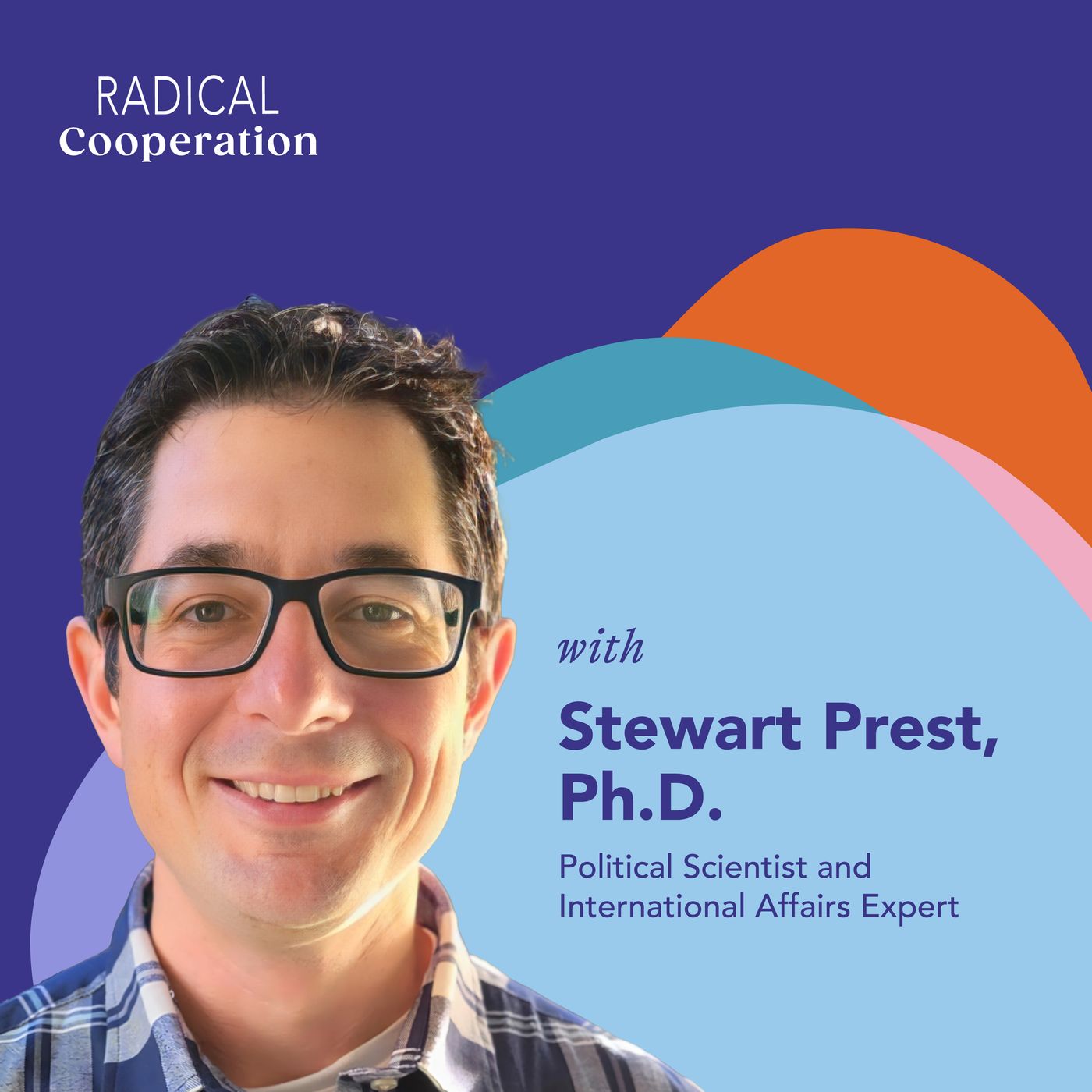
The world has never been more interconnected, yet many graduates enter the workforce without the global awareness and adaptability that interconnection demands. At the same time, nations and institutions are struggling with the very skill higher education exists to teach: how to collaborate across differences on shared problems. That raises a question worth sitting with. What can higher education learn from the world of global affairs, and how should it prepare students to lead in it?In this episode of Radical Cooperation, Dr. Michael Horowitz speaks with Dr. Stewart Prest, a political scientist and lecturer in the Department of Political Science at the University of British Columbia, whose work focuses on democracy, international cooperation, and the geopolitical trends shaping our world. Their conversation ranges from why cooperation between democracies rests on a sense of shared identity rather than pure transaction, to how decades of economic integration across North America became so hardwired that unwinding it carries real costs. Dr. Prest also explains why Canada's higher education sector developed so differently from the American one, and what that means for students on both sides of the border.Rather than treating global affairs as distant from campus life, this conversation traces the direct lines between international dynamics and the institutions, students, and communities higher education serves. It closes on a practical note about what educators can actually do: build relationships across borders, help people see the world with clear eyes, and start with concrete projects that can scale.In this episode:Why a global perspective is essential to understanding events on any campus or in any communityWhat makes cooperation between democracies durable, and why transactional partnerships tend not to lastHow North American economic integration became hardwired, and what erosion of that trust costsWhy Canada's higher education system is overwhelmingly public, and what limits that createsWhat higher education leaders can do to keep cross-border connections open in a difficult moment
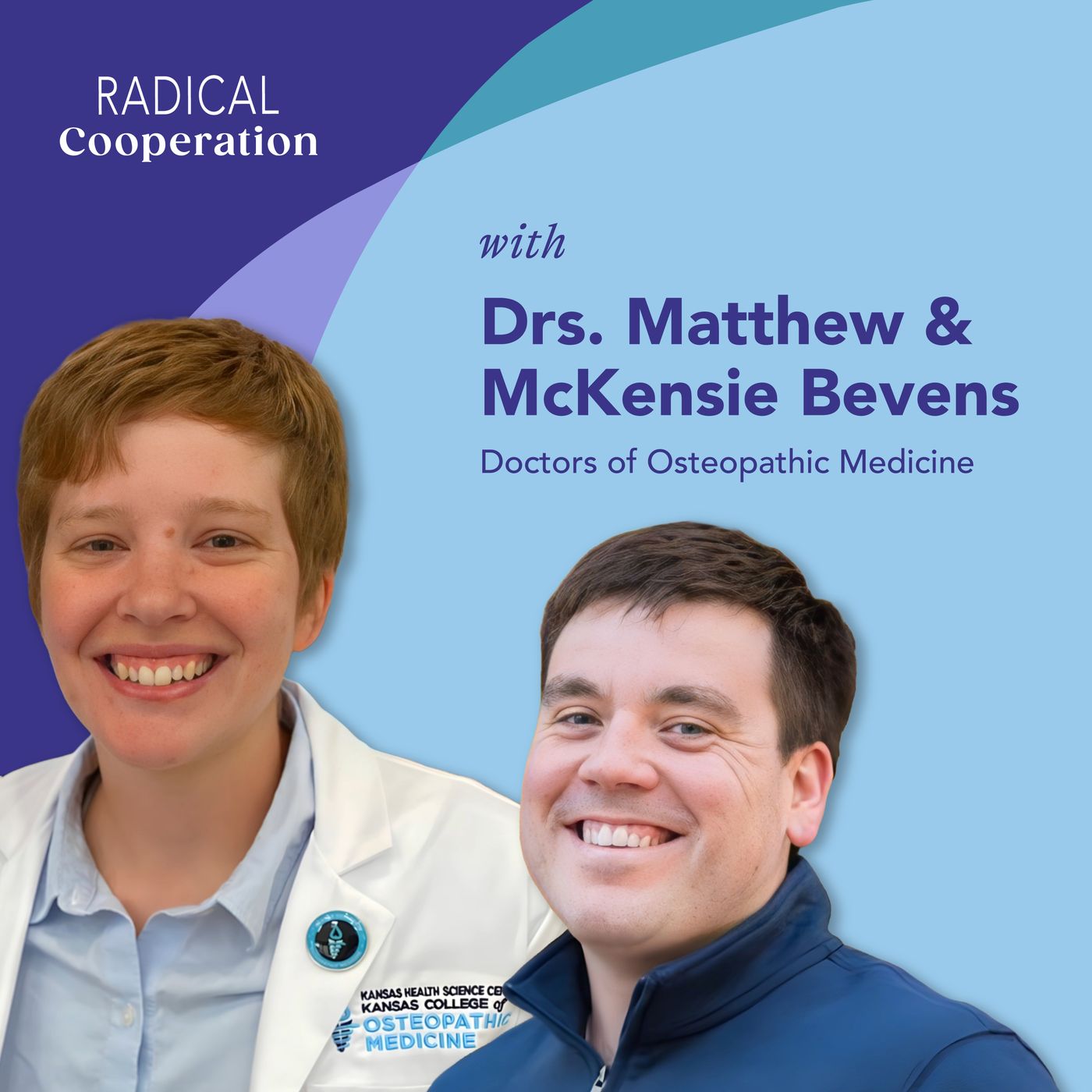
Rural America is running short of doctors, and the research points to a stubbornly simple pattern: physicians tend to practice where they train. That makes local medical education one of the most direct levers a state has for strengthening its healthcare workforce, and it is exactly why Kansas College of Osteopathic Medicine was founded. The question was always whether a brand new school could deliver, and whether its graduates would actually stay.In this episode of Radical Cooperation, Dr. Michael Horowitz speaks with Dr. McKensie Bevens and Dr. Matthew Bevens, a married couple from Topeka who met as kids in karate class, entered KansasCOM together as part of its inaugural class, and matched together into family medicine residency at Wesley in Wichita, KS. Both came to medicine as non-traditional students after years working in other fields, and both chose primary care with an eye toward serving rural Kansas. They talk candidly about what it was like to help build a curriculum while learning from it, why full scope family medicine changed their sense of what a primary care doctor can do, and what it takes to recruit physicians who will genuinely go and stay home.Rather than treating the physician shortage as a policy abstraction, this conversation follows two people through the decisions that actually determine where doctors end up. It is a hopeful look at what happens when a community invests in training its own.In this episode:Why physicians tend to practice where they train, and what that means for rural statesWhat it was like to be part of an inaugural class helping shape a new medical schoolHow full scope family medicine differs from what most students assume primary care isWhy the couples match and a community-focused residency city made staying in Kansas possiblePractical advice for aspiring physicians, from getting real exposure to staying curious
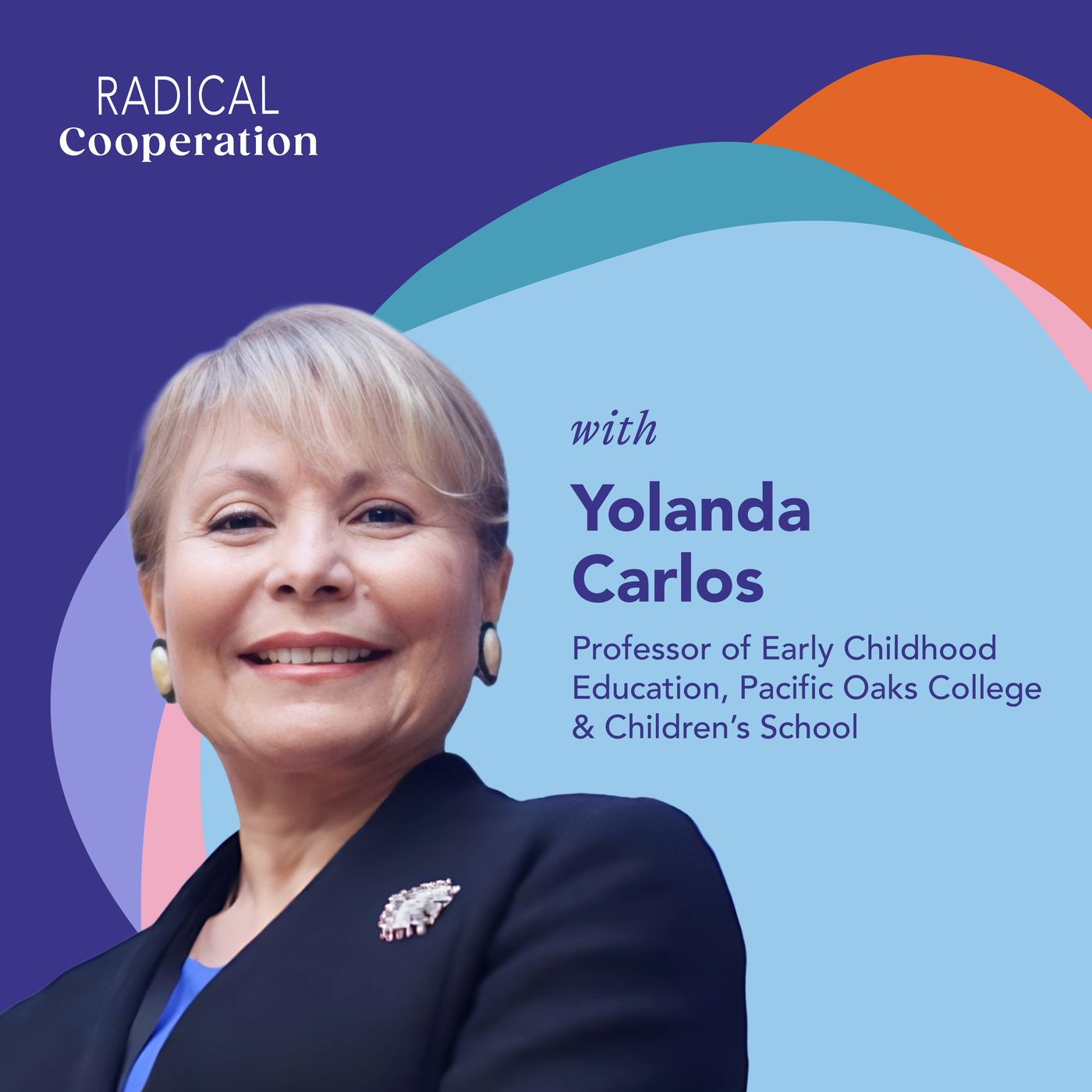
Technology now shapes almost everything we do, and it reaches children earlier than ever, often before they can speak. That has left parents and educators with a hard question: how much screen time is too much, and what does it cost a developing brain? A growing body of thinking compares heavy screen use to ultra-processed food, useful for a quick fix, but a poor substitute for what children actually need to grow.In this episode of Radical Cooperation, Dr. Michael Horowitz speaks with Yolanda Carlos, Professor of Early Childhood Development at Pacific Oaks College & Children’s School, who brings nearly forty years of experience across every level of early childhood education. Together they explore why device bans are spreading through school districts, what technology industry parents understand about delaying screens, and how play, not software, builds the creativity and self-regulation children carry for life. Professor Carlos also shares how she prepares the next generation of teachers to use technology wisely, supporting learning without letting it replace the human connection at the heart of education.Rather than framing technology as simply good or bad, this conversation focuses on building a healthier relationship with it, one that protects early childhood, strengthens human connection, and preserves each learner's own voice. It is a thoughtful, practical guide for educators and parents navigating a device-driven world.In this episode:Why heavy screen use is being compared to ultra-processed food, and what it does to young brainsWhat the people who build technology understand about delaying their own children's screen timeHow play-based, self-directed learning builds creativity, focus, and the ability to delay gratificationWhere technology genuinely supports learning, and where it should never replace a student's own voiceWhy protecting early childhood and play may be one of the most important investments a society can make
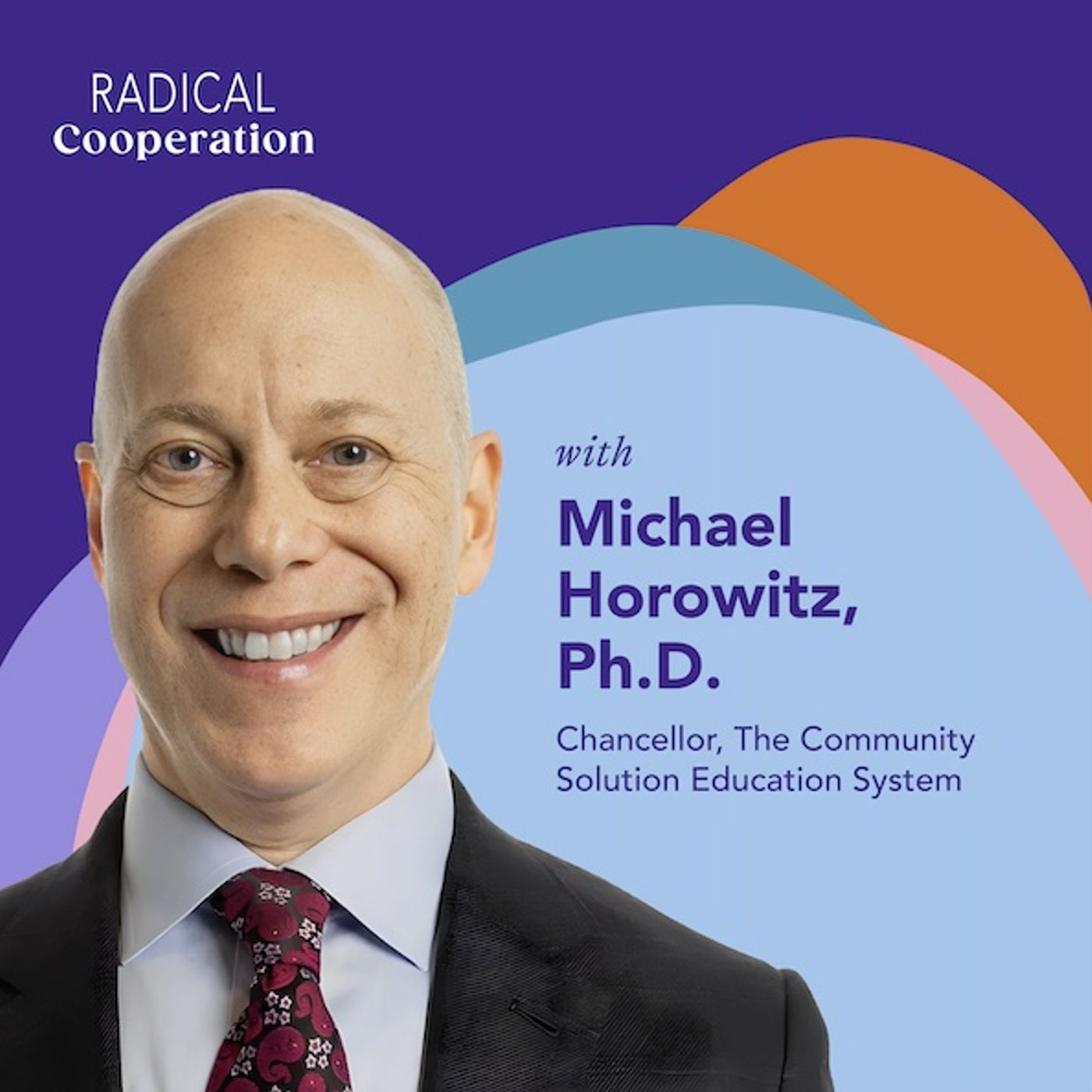
For most of higher education's history, a global education has looked the same: a traditional undergraduate spending a semester abroad in London or Barcelona. But that model leaves out the working adults, career changers, and first-generation students for whom picking up and leaving for months is simply not possible. If global perspective is essential to how students learn and lead, why is access to it still so narrow?In this role-reversal episode of Radical Cooperation, Stephanie Bihr, Associate Director of Communications at The Community Solution, again turns the microphone on Dr. Michael Horowitz. Their conversation centers on global perspective, one of the seven superpowers of radical cooperation from Dr. Horowitz's book, The Community Solution: the Power of Radical Cooperation in Higher Education. Drawing on his own path as the child of immigrants and decades of building higher education programs, he shares how the system reimagined study abroad for adult learners. From a first Spanish immersion trip to Mexico to multi-institution courses in Germany, Cuba, and Japan, Dr. Horowitz and Stephanie discuss why the exchange always runs both ways.Rather than treating global learning as a luxury reserved for the few, this episode focuses on the many ways institutions can open students' minds to the world, whether through a single week abroad, welcoming international students, or building partnerships across borders. It is a candid, wide-ranging look at why a global perspective keeps both students and institutions strong.In this episode:Why the traditional semester-abroad model overlooks working adults, and how to redesign itHow a single embedded week in another country can reshape how students see the worldWhat pairing law and psychology students in Germany revealed about learning across disciplinesHow international students, immigrants, and cross-border partnerships bring the world to an institution. What American higher education can learn from how other countries teach, eat, and train physicians

Comments

Download from Google Play

Download from App Store
 United States