DiscoverReactor Podcast
Reactor Podcast
Claim Ownership

Reactor Podcast

Author: Jerome

Subscribed: 1Played: 0
Share

Description

Reactor – The Podcast for Deeptech & Climate Tech Mission-Driven Founders


Reactor is where ambitious founders and industry leaders share the real stories behind scaling deeptech & climate tech impact-driven companies. Hosted by Jérôme Gilleron, this podcast dives deep into the challenges, strategies, and breakthroughs that drive profitable and cashflow-positive growth in climate tech, deeptech, and sustainability.


Through candid interviews with startup founders, scale-up executives, and industry experts, we explore:


How to scale mission-driven businesses without burning out
Fundraising, sales, and growth strategies for impact startups
Lessons from leaders who’ve built and scaled industry-defining companies


Whether you're a founder, investor, or operator in the climate tech and deeptech space, Reactor brings you actionable insights to fuel your growth.


🎧 Subscribe now and turn your vision into reality!


👉 Available on Spotify, Apple Podcasts, YouTube, and your favorite podcast platforms.
41 Episodes
Reverse
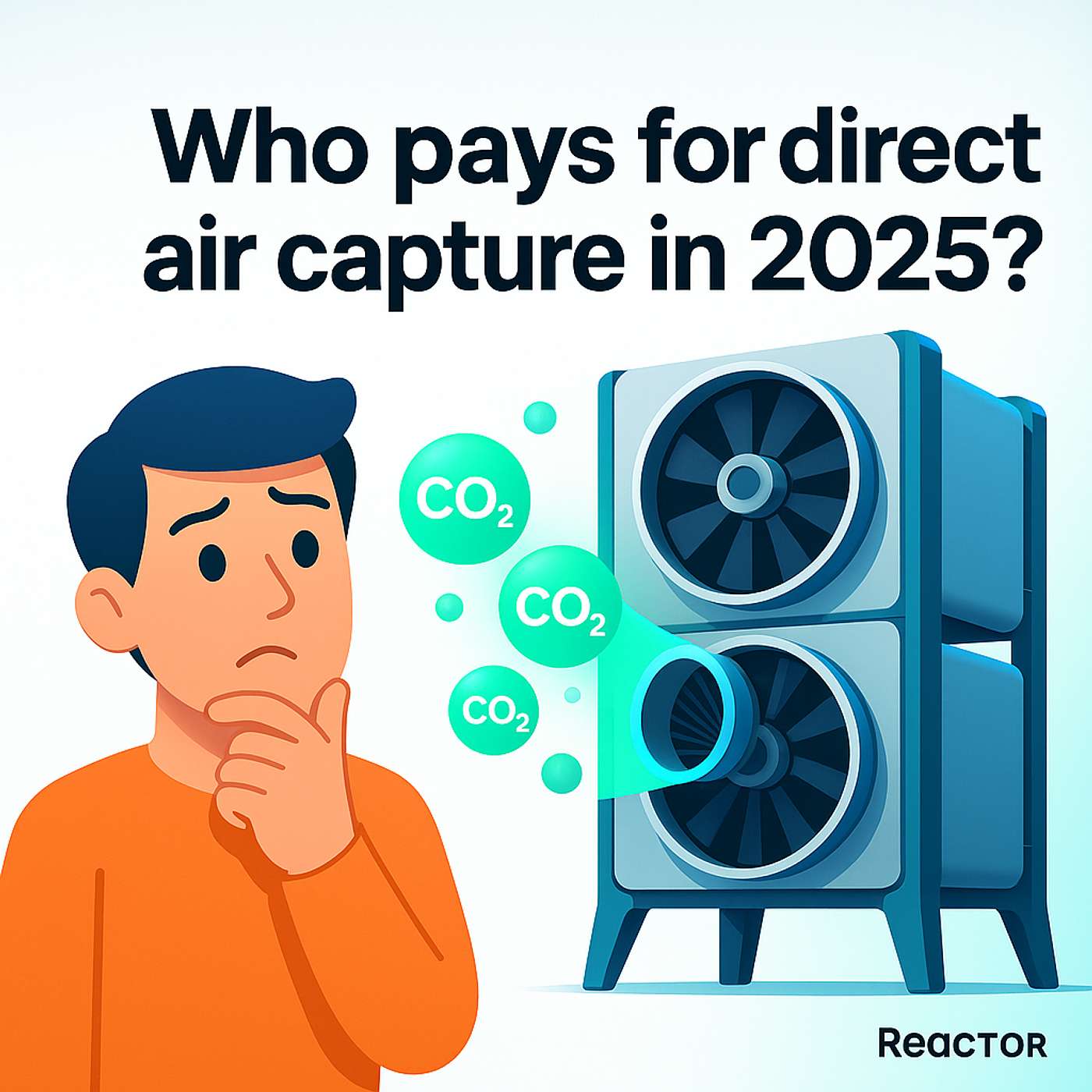
Hello everyone! This is the second episode of series about Direct Air Capture describing Technology & Timing, Business Model & Scability (2nd post here) and finally the players (coming soon)Sponsor this newsletter or one of my LinkedIn posts.Be a guest on my podcast, book me for a conference, or something else? Work with Reactor.Listen to the podcast, watch the YouTube channel, the TikTok and the InstagramJoin the free Reactor community on WhatsApp: deep tech and climate-tech entrepreneurs, events, and discussions.Follow me on LinkedInCapturing carbon from thin air costs $600–$1,000 per ton. So… how do direct air capture companies stay alive? In this upbeat explainer we unpack the surprisingly clever “money stack” behind DAC: corporate offtakes, U.S. tax credits (45Q), California fuel credits (LCFS), and a sprinkle of product sales. We also break down unit economics with simple math, profile the leading players, and get honest about risks (policy, power, MRV, capex).If you’ve ever wondered who actually pays for carbon removal—and why smart companies like Microsoft or Amazon sign giant contracts—this one’s for you.What you’ll learnWhy DAC costs $600–$1,000/t today—and who bridges the gapThe revenue stack: corporate offtakes, 45Q tax credits, LCFS, productsQuick math: $700/t cost – $180 (45Q) = $520/t to coverThe main business archetypes (Climeworks, 1PointFive/Occidental, Heirloom, CarbonCapture)Real risks: policy swings, clean power access, MRV trust, big capexHow early buyers overpay on purpose to push costs down—like early solar & windMentioned / ResourcesClimeworks technology & credits → https://climeworks.com/direct-air-capture1PointFive / Occidental STRATOS overview → https://www.1pointfive.com/Heirloom mineral looping explainer → https://www.heirloomcarbon.com/CarbonCapture modular approach / Project Bison → https://www.carboncapture.com/U.S. 45Q (IRS/DOE overview) → https://carboncapturecoalition.org/wp-content/uploads/2023/11/45Q-primer-Carbon-Capture-Coalition.pdfCalifornia LCFS (program info) → https://afdc.energy.gov/laws/6308#:~:text=California's%20Low%20Carbon%20Fuel%20Standard,in%20the%20state%20through%202030.Frontier advanced market commitments (Stripe coalition) → https://frontierclimate.com/Key takeawaysDAC firms stack revenues (offtakes + policy + sometimes products).Early credits sell at $500–$800/t to fund learning curves.Same skeleton, different strategies: brand, integration, minerals, modular.Watch the contracts, costs, and kilowatts—that’s where winners emerge.Support the show
He cleaned a lagoon… with bubbles Meet Marino Morikawa, a Peruvian nanoscientist.When his father called to say the lagoon of his childhood—El Cascajo—had become a dump, Marino left his lab in Japan and flew home.Using ultra-fine nanobubbles (≈50–100 nm) made with hardware-store parts, he built a natural, chemical-free system that traps pollutants and bacteria:Inject nanobubbles into the waterAs they rise slowly, their ionic charge attracts contaminantsBiofilters with native microorganisms trap and break them down—no chemicals, no disruption to the ecosystemResults:✔️ In 13 months, the water was drinkable again✔️ In 3 years, migratory birds returnedToday, Marino’s mission:💧 Ultra-effective, low-cost decontamination with zero chemicals🌍 Active projects at Lake Titicaca and desert oases affected by wastewater from 1.5M+ people🌱 100 ecosystems restored by 2030, in partnership with local communitiesThis is deep climate tech in action: simple physics, local biology, real impact.Would you deploy this in your city? Credit Ecomedy for the storySupport the show
This city ski slope heats and powers 150,000 people—by burning their trash.It sits on top of Copenhagen’s waste-to-energy plant, CopenHill.In the late 2000s, the city wanted to shut down coal but still had 440,000 tons of non-recyclable waste to deal with every year.Instead of burying or exporting it, they turned it into energy.The challenge: build an incinerator that’s clean, efficient, and embraced by locals.Danish architects BIG—Bjarke Ingels Group proposed something radical: make it visible, fun, educational, and a true public place.Enter CopenHill (opened 2017): a sharp, industrial building with high-performance filters to limit emissions.On the roof: a 400 m ski slope, an 85 m climbing wall, hiking trails, and a 10,000 m² green roof.It reflects Copenhagen’s ambition to lead on urban sustainability.CopenHill doesn’t hide waste. It shows it, treats it, and transforms it.Today, CopenHill =♻️ 440,000 tons of waste transformed each year🏠 Heat & power for 150,000 residents🌱 A green roof, sports, and public space on top of an industrial plantWould you ski on a power plant?#climatetech #wastetoenergy #urbaninnovation #CopenHill #Copenhagen #BIG #architecture #sustainability #deeptech #ReactorSupport the show
In Georgetown (USA), a full 3D-printed neighborhood is coming online—fast. Not a concept render: real homes, printed on-site, then finished with solar + smart energy controls.Why it mattersSpeed: printed in about 3 weeks for the shell phaseLess waste: additive construction = minimal material offcutsEnergy positive potential: solar panels + smart thermostats to shrink bills and emissionsRepeatable: scalable playbook for resilient, affordable housingClimate & circularity3D printing cuts concrete use via optimized forms, reduces truck rolls, and accelerates near-zero waste builds. Pair with low-carbon mixes and rooftop PV to push toward net-positive neighborhoods.Open questions for buildersWhat’s the embodied carbon vs. traditional builds?Can we swap to low-carbon cement or geopolymer mixes at scale?How do we finance community-level storage to bank daytime solar?🔔 Subscribe to Reactor for deeptech that scales climate impact.💬 Would you live in a printed home? Tell us why—or what would make you say yes.Support the show
These giant meshes turn fog into drinking water—no pumps, no power. It’s CloudFisher, a system developed by the German NGO WasserStiftung that captures airborne moisture with technical plastic nets stretched into the wind.How it worksZero energy: wind + fog, no electricity requiredDurable & recyclable: engineered to resist winds up to 120 km/hPotable by design: collected water is filtered to WHO standards, then routed to public fountains or cisternsWhy it mattersIn Morocco’s Anti-Atlas, a 1,674 m² installation produces ~36,800 L/day for 1,300 people across 5 villagesEach m² of net can harvest up to 22 L/day in foggy conditionsIt taps the sky—not aquifers—so it doesn’t disrupt local water cyclesOld wisdom, modern scaleInspired by centuries-old Andean and Amazigh practices of dew and fog collection—now upgraded with modern materials and deployment at community scale. Already active in 5+ countries.If you’re building in climate & water:What would it take to pilot this in your region?Could schools, clinics, or shelters be first beneficiaries?Pairing with storage, UV, or remote monitoring—who’s in?🎥 Credit: EcoMedy for the field footage.🔔 Subscribe to Reactor for more deeptech that drives real-world sustainability.💬 Comment where you’d deploy CloudFisher next, and tag a partner we should talk to. Support the show
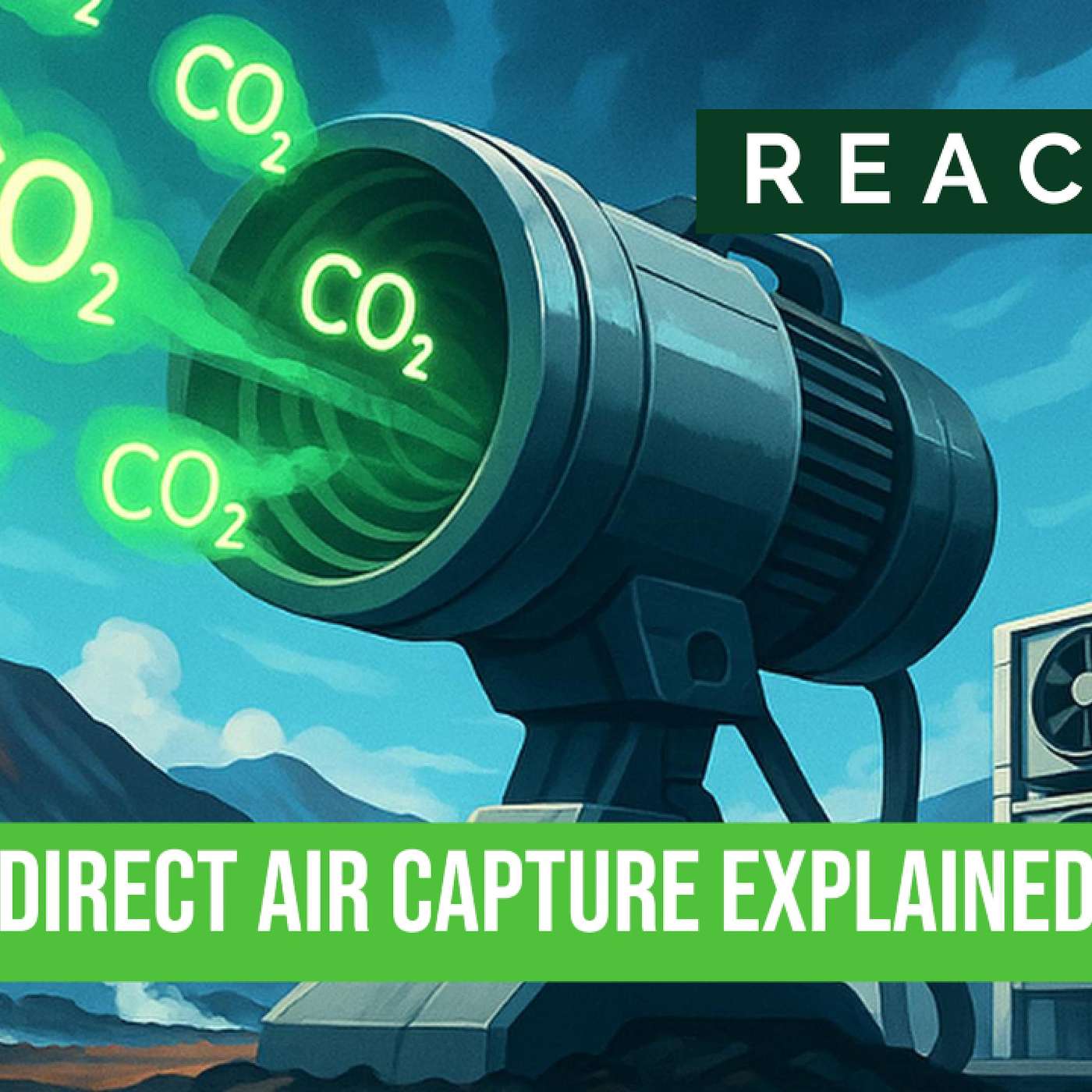
👋 Imagine a giant vacuum cleaner — but instead of dust, it’s pulling carbon dioxide straight out of the sky.It’s called Direct Air Capture (DAC), and it’s no longer science fiction. Real plants are running today in Iceland, Texas, and California.In this episode of Reactor, we break down:🌬️ How Direct Air Capture actually works — step by step🧪 The four main DAC technologies (solids, liquids, minerals, electrochemicals)⚡ Why DAC is only possible now (cheap renewables, better materials, policy, corporate buyers)📉 The scalability challenge — costs, energy appetite, storage, and risks🌍 Where the first plants are already running (Climeworks, Heirloom, 1PointFive)This is Part 1 of a 3-part DAC series:1️⃣ How DAC Works (and Why Now) ← this video2️⃣ How DAC Companies Make Money (coming soon)3️⃣ The DAC Field Guide: Startups & Scaleups--- 🔑 Key TakeawaysDAC is industrial chemistry, not magic.It’s expensive today ($600–$1,200/ton) but scaling fast.Cheap clean energy + policy support make it viable in 2025.Corporates like Microsoft, JPMorgan, and Amazon are already buying DAC credits.--- 📚 Resources & Links👉 Climeworks Mammoth plant: https://climeworks.com/technology👉 Carbon Engineering explainer: [https://carbonengineering.com/our-tec...](https://carbonengineering.com/our-tec...)👉 Heirloom DAC tech: https://heirloomcarbon.com/technology👉 Carbfix CO₂ mineralization: [https://www.carbfix.com/how-it-works](Support the show
💧☀️ In Australia, 1 trillion litres of water vanish every year — lost to evaporation.But what if the solution was simple… and powerful?Floating solar panels are changing the game.They shade reservoirs, cutting water evaporation by up to 50%, *while also generating clean electricity*. Even better, the cool water underneath helps the panels work more efficiently than land-based solar farms.That means:✅ Saving billions of litres of water every year✅ Powering homes, farms, and even hydrogen facilities✅ Fighting drought and climate change at the same timeFrom one brilliant idea comes two big solutions: more water + more clean energy.Because sustainability doesn’t have to be complicated. It just needs the right ideas in the right places. 🌍✨---🔔 Subscribe for more stories on deeptech & climate tech innovations!#FloatingSolar #CleanEnergy #Australia #ClimateTech #WaterInnovation #SustainabilitySupport the show
From the ice rink to the fight against climate change.Brent Story once wore the jersey for Team Canada in hockey. Now he’s leading EmitiQ — a company making sustainability simpler for businesses around the world.Instead of endless reports and confusing rules, EmitiQ helps companies:✔️ Measure emissions automatically✔️ Follow climate rules correctly✔️ Work with suppliers to cut carbon at the sourceBecause climate action shouldn’t be complicated — it should be possible.👉 Watch how one athlete turned innovator is making climate action simple.emitiq.com#ClimateTech #Sustainability #DeepTech #StorytellingSupport the show
Are you building cutting-edge tech… but struggling to land your first customers?This video is for YOU.Whether you’re in deeptech, climate tech, or any science-based venture, I’ll walk you through 6 actionable sales strategies to help you go from prototype to paying customers — faster.👇 What we’ll cover:0:00 Intro — Why deeptech sales are hard1:50 Tip 1: Founder-Led Sales from Day One7:15 Tip 2: Sell the Vision, Not the Features13:50 Tip 3: Evangelize Your Mission Every Day19:35 Tip 4: Track Your Sales Funnel Like a Scientist25:20 Tip 5: Prospect Daily – Never Stop Filling the Funnel31:00 Tip 6: Embrace the CEO Role – Sell, Don’t Build37:00 Bonus Q&A & Action Plan🧠 What you’ll learn:How to sell your tech before it’s even readyWhy YOU (the founder) need to be the first salespersonHow to get customers excited about a complex productWhat metrics to track (and how) to close more dealsWhy consistency in outreach is more important than perfectionWhen to stop building and start selling💥 Who this is for:Deeptech startup foundersClimate tech entrepreneursAcademic spinoutsTechnical CEOs learning to sellFounders stuck at zero revenue🧪 Why me?I’ve launched a deeptech company, led a startup accelerator, and coached dozens of founders through early sales and survival. I’ve made every mistake so you don’t have to. This is the playbook I wish I had 10 years ago.📌 Subscribe to REACTOR for more content like this:   / @reactor-podcast  📬 Get the free newsletter:https://reactortech.substack.com/📸 Follow on Instagram & TikTok for daily stories:  / reactortechmedia    / reactorpodcast  #deeptech #climatetech #startups #b2bsales Support the show
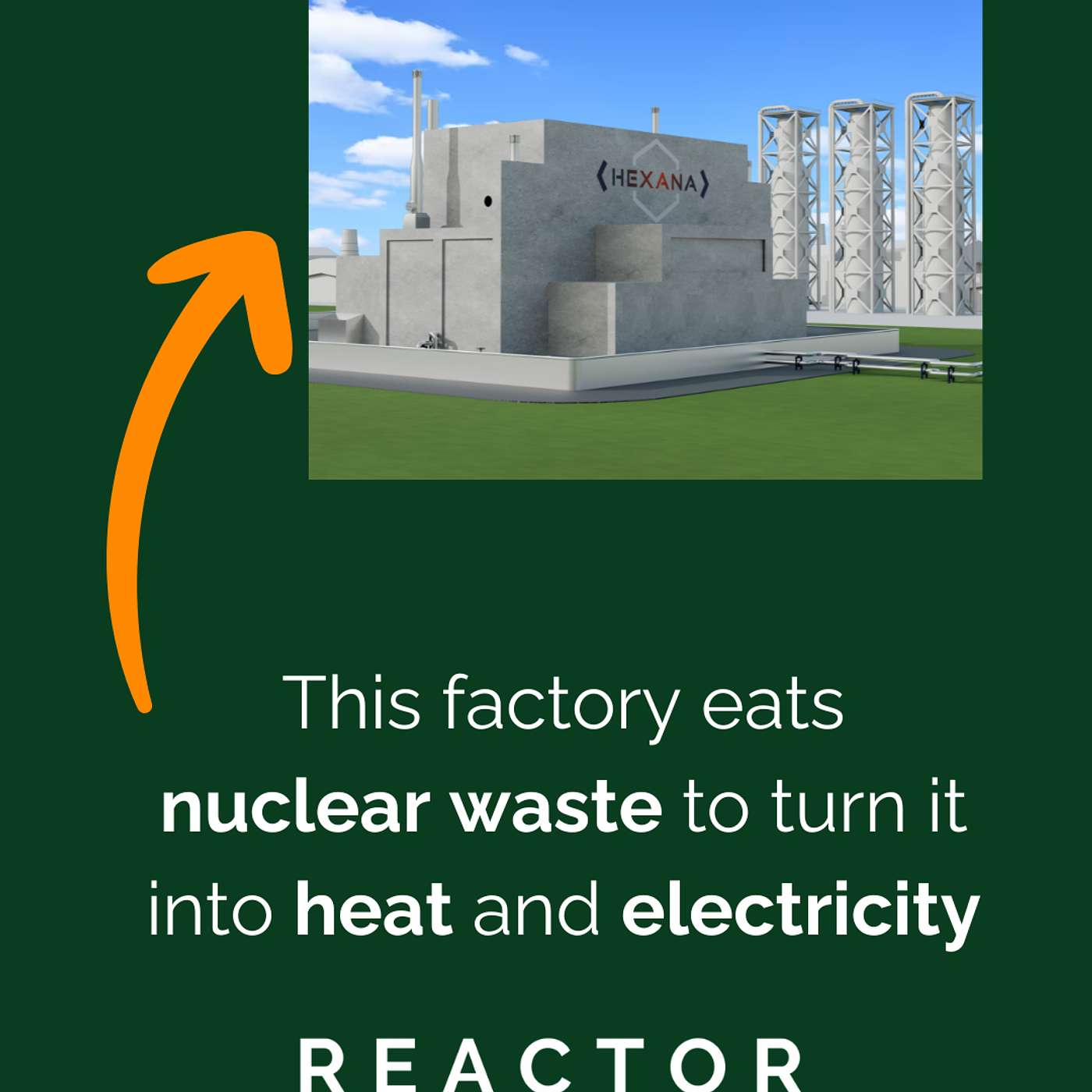
What if tomorrow’s clean energy came from yesterday’s nuclear waste? In this episode, we explore Hexana, a French deep tech startup developing a next-generation small modular reactor (SMR) designed to decarbonize heavy industries like steel, chemicals, and even green hydrogen production.Hexana’s sodium-cooled fast reactor doesn’t just generate high-temperature heat and clean electricity—it also burns nuclear waste, including depleted uranium and recycled plutonium, dramatically reducing high-level waste while extracting far more energy. Their SMR design revives France’s proven Phoenix and Superphénix technology in a modular, factory-scalable form, with a smart twist: a built-in thermal battery to store heat and balance grid or industrial demand.Founded in 2023 as a spinout from France’s CEA atomic research lab, Hexana’s team of 40 engineers is bringing decades of nuclear expertise to life in a product that could fundamentally reshape how industry is powered.Tune in to discover how Hexana plans to turn legacy waste into a low-carbon, high-impact energy source—and why this isn’t just sci-fi, but a credible clean energy contender.Support the show
5G from Space: How Constellation Is Connecting the DisconnectedWhat if you could stream Netflix from the middle of the Sahara—thanks to 5G from space? In this episode, we explore the bold vision of Constellation Technologies, a Paris-based startup building a low-orbit satellite network to deliver fiber-like 5G speeds anywhere on Earth.Founded by former World Black engineer Charles Delfieux, Constellation is launching tiny satellites in very low Earth orbit (VLEO) to bring fast, reliable, and sustainable internet to remote villages, ships, farms, and more. Their satellites offer speeds up to 150 Mbps down, 50 Mbps up, and under 30ms latency—all while reducing space junk and using recycled 5G components to cut costs.What’s revolutionary is their telco-friendly model: instead of competing with telecom giants, Constellation partners with them—offering bandwidth and terminals that carriers like Orange or AT&T can resell, turning space into an extension of existing networks.Tune in to hear how this sci-fi sounding mission is becoming a reality, and why space might just be the key to true global connectivity.Support the show
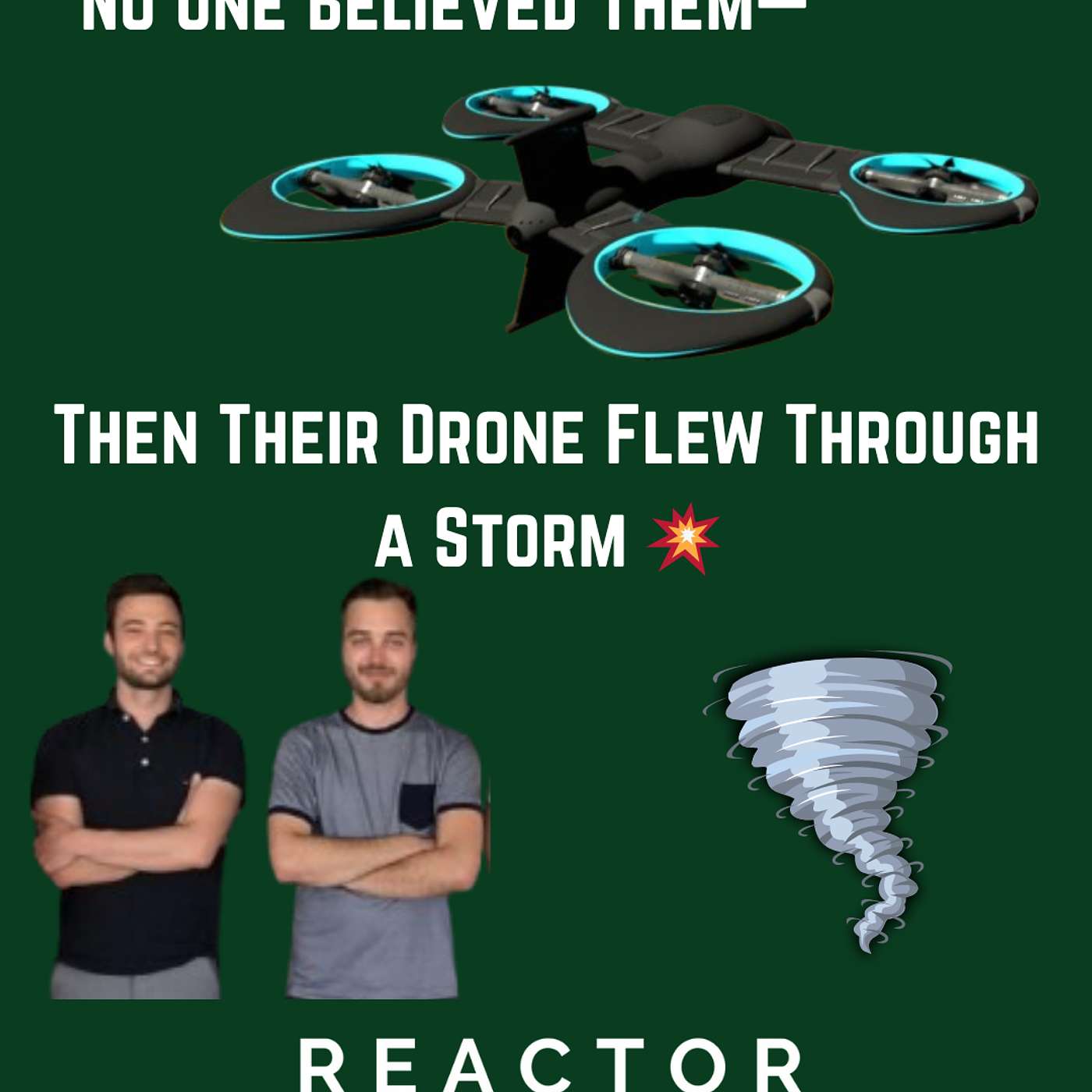
Drones That Defy Physics: Inside Aerix’s Omnidirectional RevolutionWhat if a drone could flip upside down, spin in place, and hold steady in a 100 km/h storm? In this episode, we explore the mind-blowing innovation of Aerix Systems, a French deep tech startup founded in 2020 by two engineering students in Gironde.Aerix has developed the world’s first omnidirectional propulsion system—think drone engines mounted on gimbals that let it thrust in any direction. Their modular platform, the M1, can reach 200 km/h in 2.5 seconds, carry up to 10 kg, and maintain stability even in extreme weather. It's not just for aerial stunts—Aerix is targeting real-world applications in energy, construction, and defense, like inspecting wind turbines during storms or intercepting rogue drones from kilometers away.Co-founders Clément Picaud and Hugo Mayounove have built not just drones, but plug-and-play aerial robots with full computing, sensor payloads, and autonomous navigation—making Aerix a true leap forward in drone agility and versatility.Tune in to discover how Aerix is pushing the boundaries of flight and redefining what drones can do.Support the show
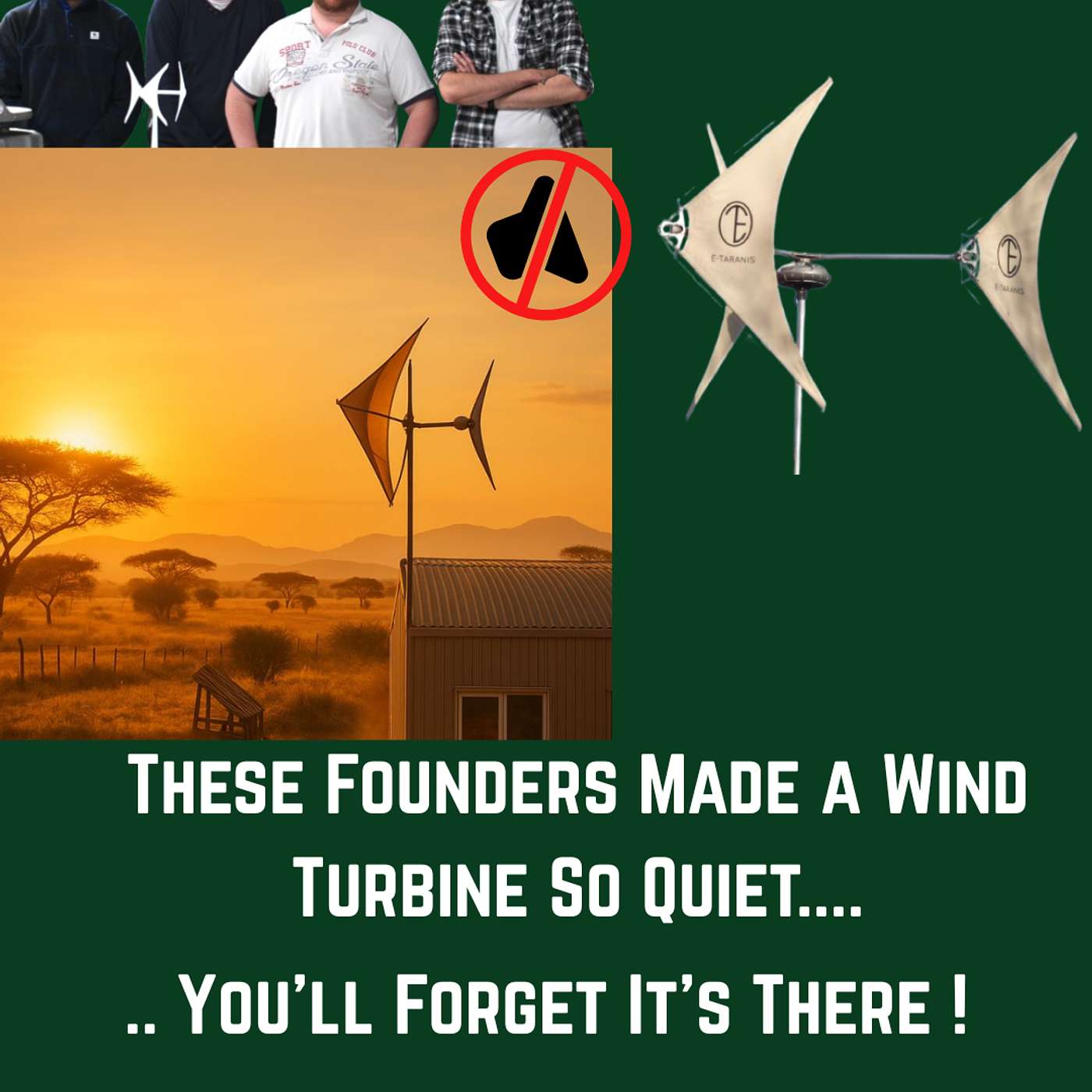
In this episode, we dive into the story of e-Taranis, a French cleantech startup based in the Basque Country that's aiming to democratize wind power for everyday households. Their innovation, Alaé, is a compact, ultra-quiet, and eco-friendly wind turbine designed specifically for urban and suburban homes.Unlike traditional turbines, Alaé starts producing clean energy at wind speeds as low as 10 km/h, making it practical even in less windy regions. It’s built with 97% recyclable materials, blends into the environment with minimal visual impact, and is a big step forward in sustainable, local energy production.e-Taranis isn’t just selling wind turbines—they’re promoting a personal energy revolution, empowering individuals to reduce their carbon footprint while gaining energy independence.Tune in to hear how design, sustainability, and local innovation come together in this inspiring deep tech story.Support the show
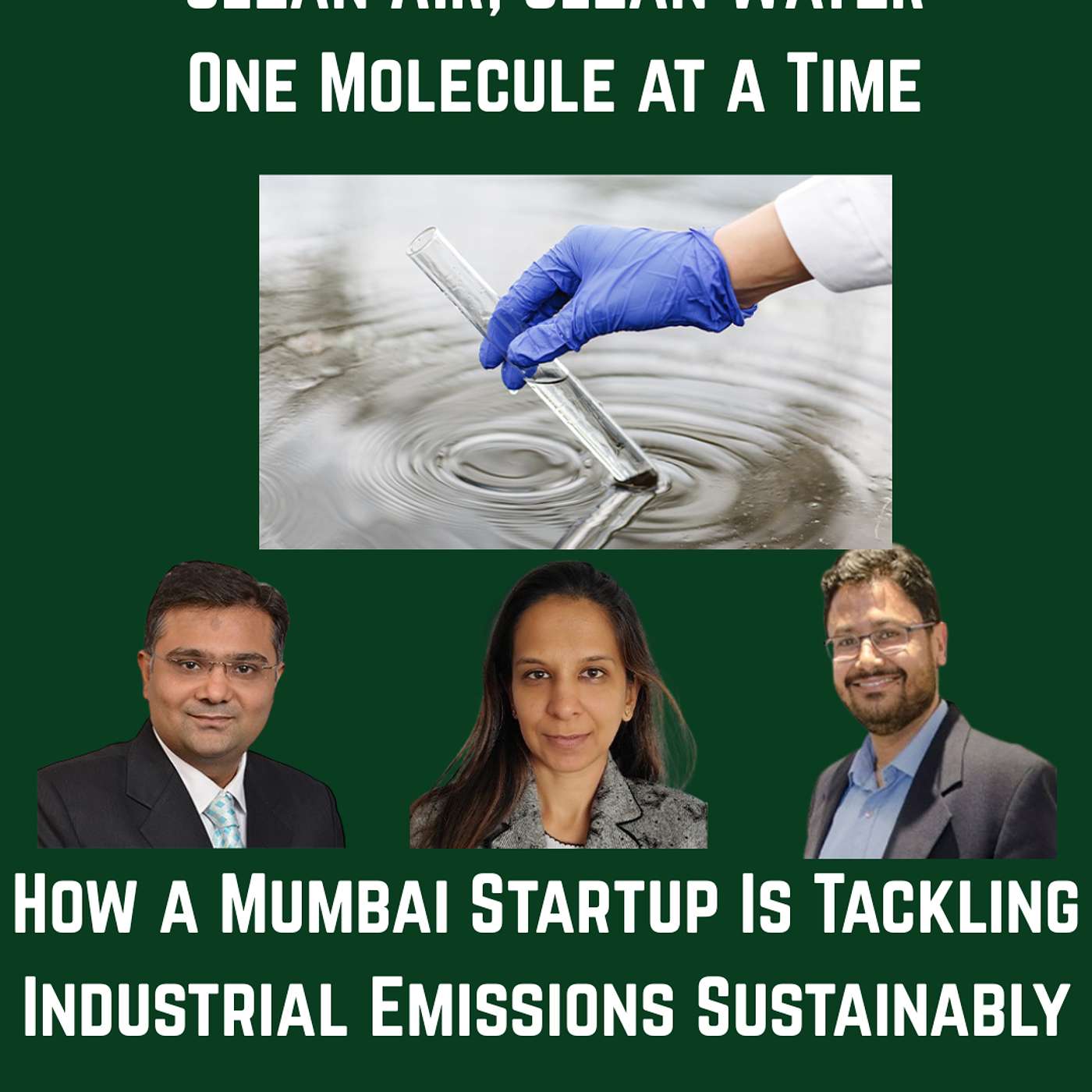
Purifying the Planet with Chemistry: The Exposome StoryIn this episode, we explore the story of Exposome, a rising cleantech startup based in Mumbai. Founded in 2020 by Prerna Santaliagoradiya, Exposome is pioneering the use of smart materials and molecular chemistry to clean industrial air and water. Their breakthrough products—like PureSafe and PureAnion—are tackling pollutants at the source, serving industries from oil & gas to pharmaceuticals and renewables.We also delve into Exposome’s recent €1.2 million pre-Series A raise, led by Colossal Ventures, a woman-focused VC, and backed by 3i Partners, Ruhat Rati, and others. With over 100 clients and real-world impact already visible, Exposome is positioning itself at the frontier of climate tech innovation.Tune in for a story of science, sustainability, and scale—and why this startup is one to watch.Support the show
Reactor Presents: Innovation Meets ConservationAn Interview with Amélie Campino, Co-Founder & CEO of Nix Air SolutionsWelcome to this edition of Reactor, where we dive deep into the intersection of cutting-edge technology and sustainable impact. Today, we explore the inspiring journey of Amélie Campino, a trailblazer who is harnessing IoT and data analytics to transform animal tracking—and ultimately, wildlife conservation.But wait, if you want to go further with Reactor:Sponsor this newsletter or one of my LinkedIn posts.Be a guest on my podcast, book me for a conference, or something else? : Work with Reactor.Listen to my podcast, watch my YouTube channel, my TikTok, and my InstagramJoin the free Reactor community on WhatsApp: deep tech and climate-tech entrepreneurs, events, and discussions.Follow me on LinkedIn.A Mission Born from Passion and PurposeAt Nix Air Solutions, every innovation is fuelled by a genuine commitment to protecting biodiversity. Amélie and her team are developing connected tracking collars and a state-of-the-art data platform that empower agricultural and conservation professionals with precise, real-time insights into animal behavior and environmental trends. The mission? To ensure that even when human field missions are challenged, technology stands ready to safeguard our natural heritage.To block a meeting with Amelie: https://meetings-eu1.hubspot.com/amelie-campino To visit the company website: https://www.nix-iot.com/en where you can contact the teamReflecting on her diverse background—ranging from strategic consulting in the public sector to hands-on entrepreneurship—Amélie explains that her passion for conservation was ignited by firsthand experiences of nature’s fragile beauty. This transformative insight led her to create Nix, a company that embodies a proactive approach to ecological stewardship by merging technology with a clear, purposeful agenda.Key TakeawaysPurposeful Innovation: Nix Air Solutions transforms wildlife monitoring through IoT and sophisticated data analytics.From Consulting to Conservation: Amélie’s extensive experience in both public-sector management and entrepreneurship brings a practical yet revolutionary approach to tech-driven conservation.Real-World Impact: Inspired by personal encounters with nature, Nix develops tools that empower decision-makers to act decisively in the face of ecological challenges.A Vision for the Future: Nix is committed to forging global partnerships to ensure that technology isn’t just innovative—it’s indispensable for biodiversity conservation.Watch the episode here:Dive DeeperFor those captivated by Amélie’s story and the bold convergence of technology and conservation, Reactor invites you to explore further. Discover how disruptive startups like Nix are settingSupport the show
If you want to go further:Sponsor this newsletter or one of my LinkedIn posts.Be a guest on my podcast, book me for a conference, or something else? : Work with Reactor.Listen to my podcast, watch my YouTube channel, my TikTok and my InstagramJoin the free Reactor community on WhatsApp: deep tech and climate-tech entrepreneurs, events, and discussions.Follow me on LinkedIn.Dive deep by clicking below:https://lnkd.in/edQqQwZx- Top VCs that truly add value – Only 5% of investors make a real difference. Discover who they are and why they matter.- Deep Tech Momentum 2025 – Europe’s biggest deal-making event for Deep Tech startups lands in Berlin this May.- Call for Beverage Startups – EIT Food and Corporación Hijos de Rivera S.L. are looking for science-backed innovations in drinks.- The 2025 European Deep Tech Report is here! – A deep dive into the trends, investments, and breakthroughs shaping the industry.- Deforestation explained by Frank Holleman – An insightful breakdown of how forest loss impacts climate, biodiversity, and the global economy.- The 5 startups and scale-ups of the week : Nix Air Solutions (Agritech startup), Manastu Space (Spacetech scale-up), Demet'Air (Vertical forest startup), LightMirror (Whole city energy saving planning tool startup) and SONOJET (aerosol generation startup)- Deeptech and climate tech jobs: ATLANT 3D (atomic scale manufacturing), AM 4 AM (aluminum piece manufacturing)Support the show
In 1 minute: 1️⃣ Plastic Waste Incubator – A free 5-week program for researchers and startups worldwide tackling plastic waste innovation. Apply now to scale your impact! Global but focusing on Asia Pacific.2️⃣ AI Agents Are Talking to Each Other – What happens when an AI makes a call… and the other side is also an AI? The future of automated, seamless communication is here. This video blew my mind. Go check it3️⃣ Fundraising? Don’t Get Ghosted by VCs! – The #1 mistake founders make when pitching? They don’t think like investors. Here’s how to make your pitch impossible to ignore. They want proofs, give them.4️⃣ $1B ARR with Just 30 Employees?! – AI startups are rewriting the rules. Some are hitting insane revenue numbers with lean teams and zero VC funding. See the Lean AI Leaderboard. Entrepreneurship at another level. Not directly applicable to deeptech and climate tech but surely inspiring.5️⃣ Co-Founder Agreements Save Startups! – Skip this and risk startup-killing conflicts. Here’s the ultimate co-founder agreement template to set expectations from day one. I was looking for such an agreement, I am happy to share it!What newsletters am I reading? French Tech Updates5 early-stage startups or scale-ups I spotted this week that blew my mind!Read the complete newsletter here:https://open.substack.com/pub/reactortech/p/ai-agents-discussion-master-fundraising?r=d4vi8&utm_campaign=post&utm_medium=web&showWelcomeOnShare=trueBut wait, if you want to go further: Sponsor this newsletter or one of my LinkedIn posts.Be a guest on my podcast, book me for a conference, or something else ? : Work with Reactor.Listen to my podcast, watch my YouTube channel and my InstagramJoin the free Reactor community on WhatsApp: deep tech and climate-tech entrepreneurs, events, and discussions.Follow me on LinkedInSupport the show
In 30 seconds:Top 100 Sustainability Startups – Apply now to get featured & accelerate your impactThird Derivative Climate Accelerator – 18 months of funding & mentorship for climate tech foundersThe Advisor Trap – How to spot bad advisors and protect your equityYC’s Best Startup Resources – Get world-class startup lessons for free10 Top Accelerators Beyond YC – Where to raise funding if you missed the YC deadlineRead the details here: https://reactortech.substack.com/p/get-funded-find-advisors-and-scaleIf you want to go further:Sponsor this newsletter or one of my LinkedIn posts.Be a guest on my podcast, book me for a conference, or something else ? : Work with Reactor.Listen to my podcast, watch my YouTube channel and my InstagramJoin the free Reactor community on WhatsApp: deep tech and climate-tech entrepreneurs, events, discussions.Follow me on LinkedIn.Support the show
Expanding to the U.S. is every ambitious European founder’s dream—but most burn cash, stall deals, and underestimate the market.In this episode of Reactor, I sit down with Christina Rebuffet-Broadus, U.S. growth expert and CEO of Transatlantia, to break down the exact strategies European startups need to scale, sell, and thrive in America.💡 What you’ll learn in this episode:✅ Why copy-pasting your European strategy to the U.S. is a recipe for failure✅ The biggest mindset shift European founders must make to land 7-figure deals✅ How to sell deeptech & climate tech in a market that moves faster than Europe✅ The CEO agenda test: Are you really prioritizing growth?✅ Why most U.S. expansions fail—and how to fix yours before it’s too late🚀 If you’re a tech founder going global, this episode is your cheat code.🔗 Listen & Subscribe:📺 Watch on YouTube: https://www.youtube.com/@Reactor-podcast📩 Read the full breakdown in the newsletter: https://reactortech.substack.com/💬 Thinking about U.S. expansion? What’s your biggest challenge? Drop it in the comments!#ReactorPodcast #USExpansion #Deeptech #Startups #Growth #ClimateTech #SalesSupport the show
This week’s Reactor Newsletter is packed with insights into deeptech, VC funding, and climate innovation. Let’s dive in!But wait, if you want to go further:Sponsor this newsletter or one of my LinkedIn posts: notion.so/175bc230b58280cca2a2f2b11d022cb4Be a guest on my podcast, book me for a conference, or something else? Work with Reactor: form.typeform.com/to/Bw97KXWZListen to my podcast: reactor-deeptech-impact-startup.buzzsprout.com/2352682/followWatch my YouTube channel: youtube.com/@Reactor-podcastFollow my Instagram: instagram.com/reactortechmediaJoin the free Reactor community on WhatsApp: chat.whatsapp.com/LZtqYMD3nP5HseGoIqEaToFollow me on LinkedIn: linkedin.com/in/jeromegilleronThis week’s top insights:Munich’s Deeptech Fellowship – A new program connects PhDs with top VCs to turn research into startups.The Ultimate VC List for French Founders – 470 investors mapped out, including impact and climate funds.Vietnam’s Climate Tech Boom – The startups leading Southeast Asia’s green transformation.Get Your Climate Startup Funded – Share your deck with 30,000+ climate investors for free.Asia’s Deeptech Scaling Challenge – Why commercialization is the missing piece for climate innovation.That’s it for this week’s deeptech & climate tech update!📩 Want more insights? Subscribe to the Reactor Newsletter: reactortech.substack.com🎥 Watch this episode on YouTube & subscribe for more deeptech content: youtube.com/@Reactor-podcast💬 What was the most exciting news for you this week? Let me know in the comments!See you next time for another edition of Reactor!Support the show
loading
Comments 
loading