


 Claim Ownership
Reel Deep Dive
Subscribed: 4Played: 81
Subscribe

© Ryan Valentine
Description
Does the world really need yet another movie podcast?
Probably not, but I made one anyways.
Probably not, but I made one anyways.
204 Episodes
Reverse
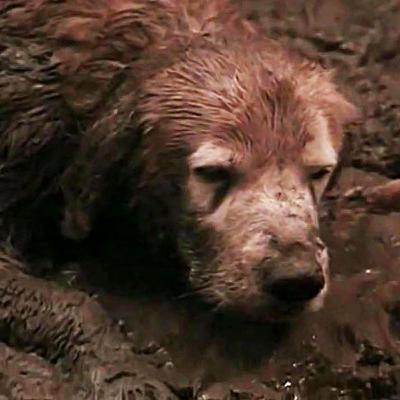
This is the second film adaptation of Sheila Burnford's classic children's novel, but the first where the trio of animal protagonists have their thoughts conveyed to us through celebrity voice actors (Michael J. Fox, Sally Field, and Don Ameche). Like in the book and in the 1963 movie, we center on two dogs and a cat going on a perilous quest through the mountains in order to return to their home. A bear, a mountain lion, a porcupine, and an agitated turkey are among their obstacles.
Ryan is joined by Cheryl and Sylvan for a close reading of one of their childhood viewing staples. Discussion topics include the film's treatment of non-nuclear family, the history of animal handling in Hollywood cinema, and why extremely young children connect to animal stories so readily.
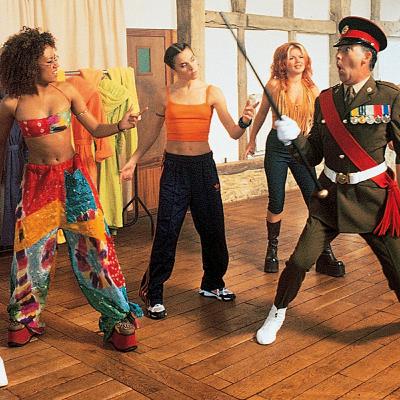
Filmed on a shoestring budget and released with modest expectations for box office success, A Hard Day's Night is a fluffy, goofy, and deeply unserious film that happened to capture one of the 20th century's most beloved cultural institutions at the apex of their popularity. The movie's approachable charm left a lasting influence on the marketing of pop musicians going forward; a very prominent example is Spice World, a spiritual successor that was produced when the Spice Girls were at the height of their own hitmaking run.
Ryan is joined by Cheryl and Sarah for a compare and contrast of these two musical comedies. Discussion topics include the artistic merits of frivolity, the flattening of historical figures as time passes, and how gender politics influenced the public perception of both movies.
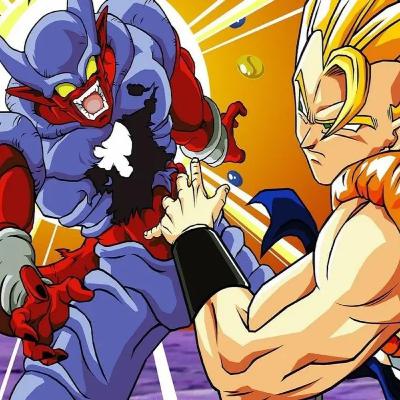
Originally intended as a light, comedic riff on the classic Chinese novel Journey to the West, Akira Toriyama's Dragon Ball soon outgrew that modest ambition and became one of the most popular action-adventure serials in modern storytelling. Soon expanding into a multimedia franchise, the Dragon Ball saga was spun off into at least twenty theatrically-released anime films; Ryan and Latisha discuss one of these movies in this recording.
The topics in this episode's dialogue include Dragon Ball's roots in Asian folklore, how the storytelling in Dragon Ball emphasizes delayed gratification, how the character arc of Vegeta is (for many) substantially more relatable and satisfying than Goku's, and how Dragon Ball's subtextual points about interracial relationships and mixed race children conflicts with common assumptions about the franchise's ties to fascist ideology.
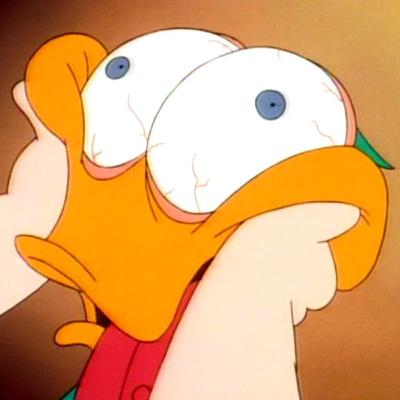
Tiny Toon Adventures: How I Spent My Vacation earns the esoteric distinction of being the first original animated movie to be released direct to video in the United States. That sounds like a minor fact (and it is), but the movie's commercial success paved the way for a cottage industry of similar projects to flood department stores and video rental establishments for decades to come. It's also an entertaining and enjoyable snapshot of the time and place where it was created, showing its audience a glimpse of how the Looney Tunes were perceived by the world at large in the early 1990's.
Ryan is joined by Sylvan and Cheryl for a discussion of this meaningful pillar of millennial nostalgia. Talking points include the labored creation of Tiny Toons, why the home video market was considered an ideal platform for the characters, and how the very existence of Tiny Toons functions as an interrogation of Golden Age Bugs Bunny shorts and why their appeal has lasted as long as it has.
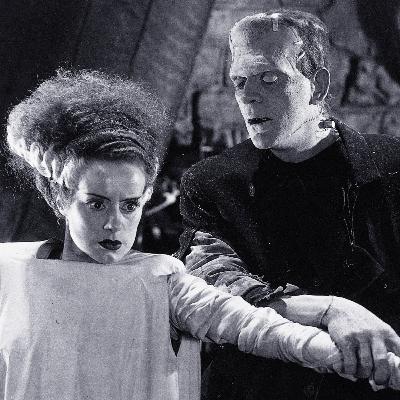
The smash success of Universal's 1931 Frankenstein adaptation made a sequel practically mandatory. Director James Whale felt that it'd be impossible to top the first film and was therefore reluctant to return, but the studio eventually lured him back with a juicy paycheck, a promise to greenlight one of Whale's passion projects, and nigh-total creative control over what eventually became Bride of Frankenstein.
Still assuming that the gothic atmosphere and graphic scares of Frankenstein couldn't be replicated, Whale chose to go in a more campy, theatrical, and melodramatic direction with the follow-up. While the production did run overbudget, Bride did strong box office and is now considered one of the few movie sequels to surpass the quality of its predecessor.
Ryan is joined by Cheryl and Sylvan for a close read of this beloved sci-fi horror comedy. Talking points include the story's approach to scientific advancement, the movie's very self-aware use of Christian allegory, and whether Bride's heavy application of queercoding was a conscious filmmaking choice by Whale (and whether or not that matters).

Comments

Download from Google Play

Download from App Store
 United States