DiscoverRequired Watching
Required Watching

Required Watching

Author: Required Watching

Subscribed: 3Played: 243
Share

Description

Go beyond the screen with the official podcast from Required Watching. This is your audio masterclass in the art of storytelling, designed for filmmakers, screenwriters, and dedicated cinephiles.

Each week, host and film analyst Tray Epps (and sometimes other guests) deconstruct the craft of cinema, providing practical "Toolkit" episodes to improve your work and in-depth interviews with industry professionals who are shaping the future of film.

If you're looking for actionable advice on everything from writing dialogue to sound design, or you want to hear from the directors, editors, and composers behind your favorite films, you've found your new required listening.

New episodes every week.

Find our full video essays and written guides at requiredwatching.com.


Hosted on Acast. See acast.com/privacy for more information.

186 Episodes
Reverse
Two films, one lesson: the gear was never the flex. Tangerine was shot on three iPhones and a $8 anamorphic adapter — and it played Sundance. The Revenant was shot on one of the most expensive cinema camera bodies ever built, in natural light only, in brutal cold. Same argument, opposite budgets: the discipline to fight a tool's defaults is the only technical flex that was ever real.
Eighty thousand dollars buys you the 180-degree rule and four years of fear. It doesn't buy you the three things every great film runs on: the Blueprint (how it was built), the Ghost (why it haunts you), and the Echo (what it changed). This is the real curriculum — through Kurosawa's power geometry in High and Low, the ending of Memories of Murder, and the reason Japanese sentence structure teaches screen tension better than any seminar.Films mentioned: High and Low (1963) · Memories of Murder (2003) · Pulp Fiction (1994) · Oldboy (2003)
There's a performance style that's taken over prestige cinema. Quiet, internal, barely-there. And everyone's blamed the actors. Wrong call. The whispering isn't coming from the performance. It's coming from the camera. This is a breakdown of the specific technical shift that changed how actors perform, why sound designers are furious about it, and what three films did differently that nobody gave them credit for.
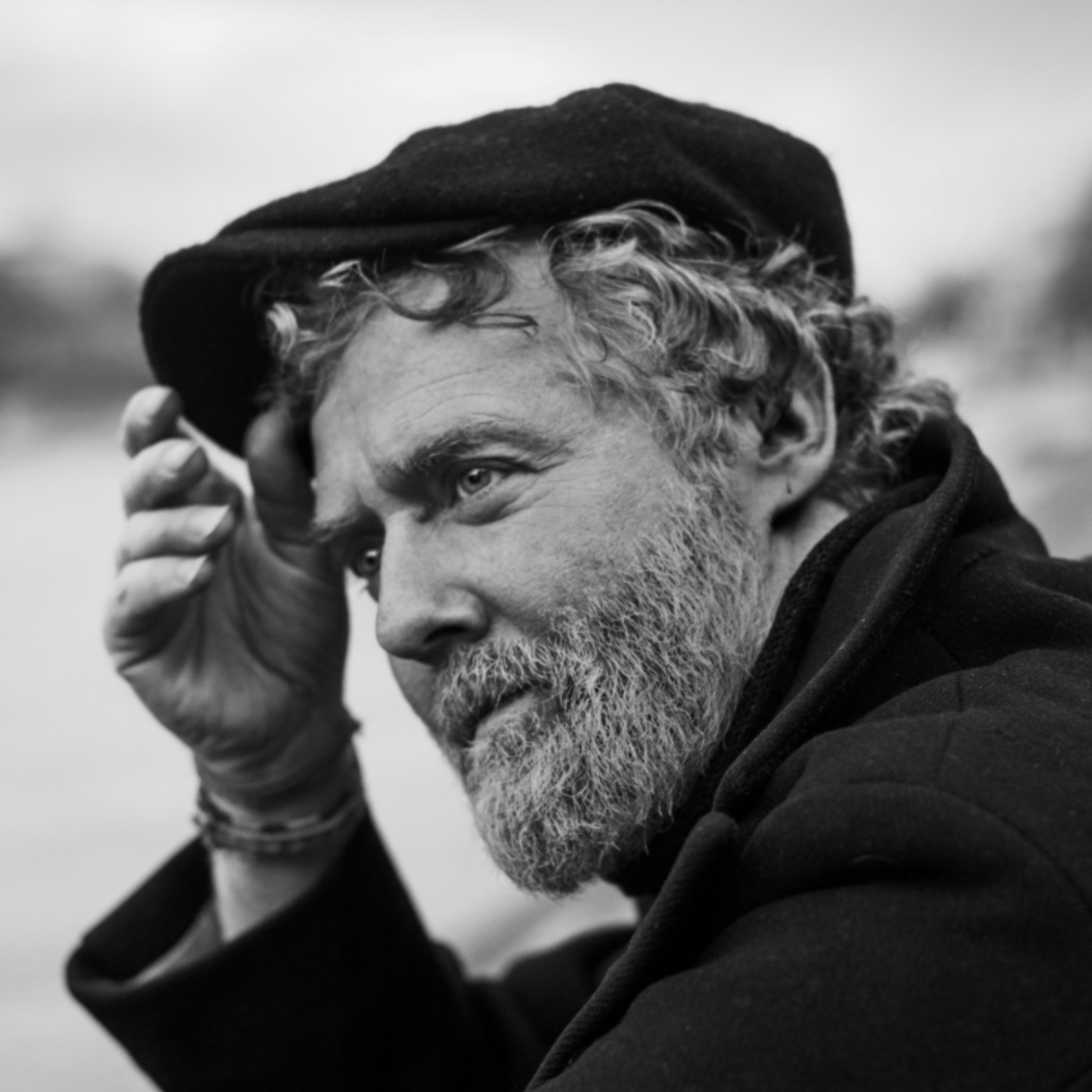
A personal audio essay on Glen Hansard, Once, and twenty years of chasing the feeling of that first screening. Recorded the week the world lost him.Required Watching is your curriculum for cinematic literacy. We deconstruct the art and craft of filmmaking to help you become a sharper storyteller.▶️ Subscribe for new video essays every week: ▶️ Website▶️ Twitter/X▶️ Instagram▶️ Letterboxd Hosted on Acast. See acast.com/privacy for more information.
Baz Luhrmann has made six feature films. Every single one is about the same thing — a person of extraordinary natural talent trapped inside a world that wants to commodify and contain that talent, expressed through maximalist visual language and music as emotional truth. EPiC, his first documentary, is the purest version of that argument he's ever made — because this time the subject is real, the footage is found, and the most interesting creative decision Luhrmann has ever made was to get completely out of the way. This episode makes the case for EPiC as the best thing in Luhrmann's filmography, explains why that's the argument his entire career was building toward, and asks what it means that the most maximalist director alive found his greatest work in restraint.Required Watching is your curriculum for cinematic literacy. We deconstruct the art and craft of filmmaking to help you become a sharper storyteller.▶️ Subscribe for new video essays every week: ▶️ Website▶️ Twitter/X▶️ Instagram▶️ Letterboxd Hosted on Acast. See acast.com/privacy for more information.
loading
Comments