


 Claim Ownership
Reshaped
Subscribed: 3Played: 31
Subscribe

© metwork 2020
Description
19 Podcasts about making the built environment work better in a post-pandemic world, produced by Metropolitan Workshop to celebrate 15 years of practice.
15 Episodes
Reverse
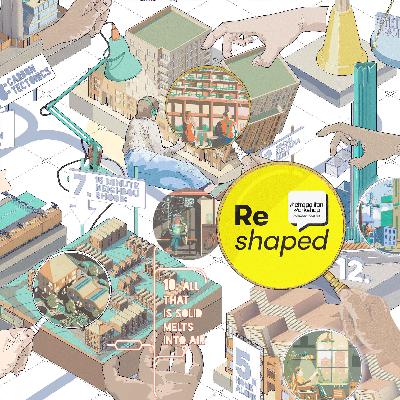
Our speakers in Reshaped are bursting with ideas to fix what's wrong about the way we live, starkly revealed by the pandemic. It kicked down the door to the future and we see clearly what we must do to have more equitable, enjoyable lives. Our survival instincts have been roused. We can use that energy to save the planet, create the homes and places we need, invent new ways of working, shopping and enjoying ourselves. The best lever we have to make those changes happen is the built environment.
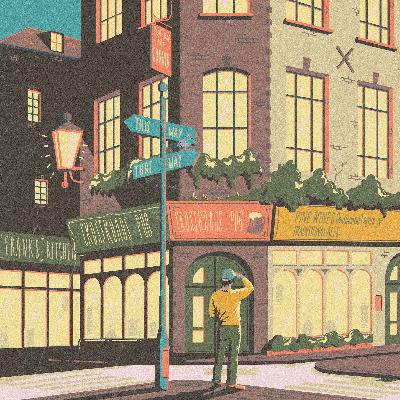
The difference between Ireland's post-war provision of social housing and today is stark. Especially when compared to that of other EU countries. Equally stark is the need for a rethink in housing policy. Investment in Irish social housing needs to be kept within the system and not allowed to drain away into the private sector. Or future generations will once again have to replace it. The hole in Ireland's social housing bucket needs fixing, argues Professor Michelle Norris.
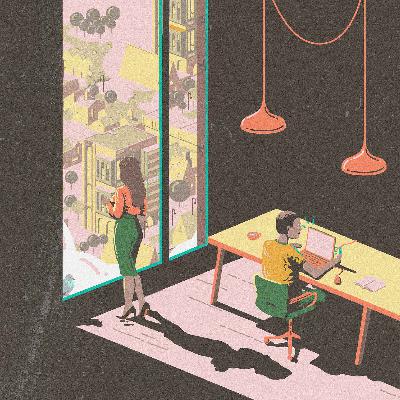
Pandemics, disasters, recessions tend not to re-set things, but they do amplify pre-existing trends. This is what Peter Bishop, a leading planning academic, predicts will happen. Tech will keep driving globalisation as economic activity is separated from geography. We will return to cities, but some workers may be forced to work in isolation. We will 'recalibrate' how we use cities, but they are robust enough to assimilate changes. Maybe in future we'll value quality over quantity rather more.
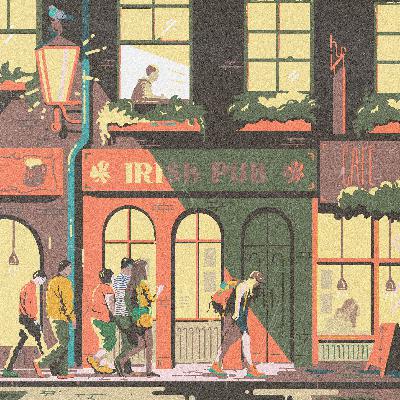
Who is Dublin designed for? A question that needs answering, with up to 70% fewer people venturing into the centre in Lockdown. The plight of the homeless and inequalities in housing and access to amenity were laid bare. The absence of cars however was 'quite wonderful' says Suzanne O'Connell. Can the centre be redesigned with more people living there, for whom new intimate spaces could be created and greater priority given to pedestrians? Dubliners need a conversation that reveals the answers.
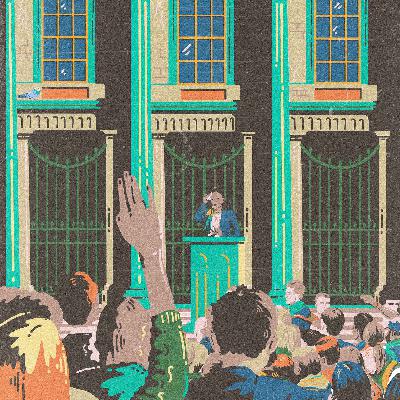
Irish people are less conservative than their politicians who need to catch up with this shift, argues Gary Gannon. Public opinion recently forced changes to abortion laws for example. The pandemic has revealed a desire for the state to create new homes, because the market isn't providing, while poorer citizens have borne the brunt of Covid in cramped conditions. And people want more priority over cars, especially in Dublin. The Republic needs more 'morally viable' policies, he suggests.

Comments

Download from Google Play

Download from App Store
 United States