


 Claim Ownership
RevOps 500
Subscribed: 3Played: 4
Subscribe

© RevOps 500
Description
Welcome to RevOps 500 where we invite the world’s top marketers to answer the tough questions facing growing companies. Join us as we dive deep into the world of RevOps. We’ll be learning strategies and expertise from first-hand experiences.
58 Episodes
Reverse

RevOps manager José Forte of Infraspeak explains how AI can multiply confident but inaccurate reporting when teams lack shared data definitions, permissions, and governance. Speaking with host Sajeel Qureshi, he shares practical ways to build a source of truth, earn adoption, scale RevOps, and protect time for strategic work.key topicsJosé Forte’s recent RevOps mistake: approaching AI vertically instead of first setting shared rules, context, and measurement across teams.Why AI’s confident-sounding answers can conceal incomplete data, inaccurate reports, and misunderstood relationships between objects.How Infraspeak manages access to sensitive actions and distributes updated Claude plugins with common rules and context.Why a source of truth requires data to converge, regular housekeeping, and automation when errors become recurring.How enablement and global artifacts can guide teams toward shared performance indicators without forbidding individual AI experimentation.Why a common unit of measurement matters when plans move from revenue goals to leads and MQLs across acquisition teams.How junior analysts can use AI to build faster while still learning to validate outputs, spot patterns, and understand the funnel.How RevOps earns influence through quick wins, representation at leadership tables, and alignment across company-wide operations.How José documented more than 140 support tickets in a week to make the case for senior hires and reduce repetitive requests.José’s career practices include consulting, contributing to HubSpot Community, setting time limits, and staying involved long enough to build influence.Chapters00:00 The AI governance mistake: solving for each vertical separately02:28 How confident AI outputs exposed data-quality gaps04:01 Permissions and shared Claude plugins as safeguards05:39 Why fast-growing teams postpone structure and security07:14 Building a source of truth and automating recurring errors09:11 Enablement and global artifacts align performance numbers11:15 One unit of measurement connects goals to acquisition12:16 What AI changes for junior analysts15:47 Earning trust and a voice at the leadership table18:08 Eight years at Infraspeak through changing growth stages21:02 Managing support load: the 140-ticket week24:12 Winning adoption for global AI tools25:12 Write tasks down, plan ahead, and stay curious25:47 Consulting and HubSpot Community broaden perspectiveKeywordsRevOps, AI governance, revenue operations, data quality, source of truth, reporting accuracy, Claude, HubSpot, Infraspeak, RevOps career
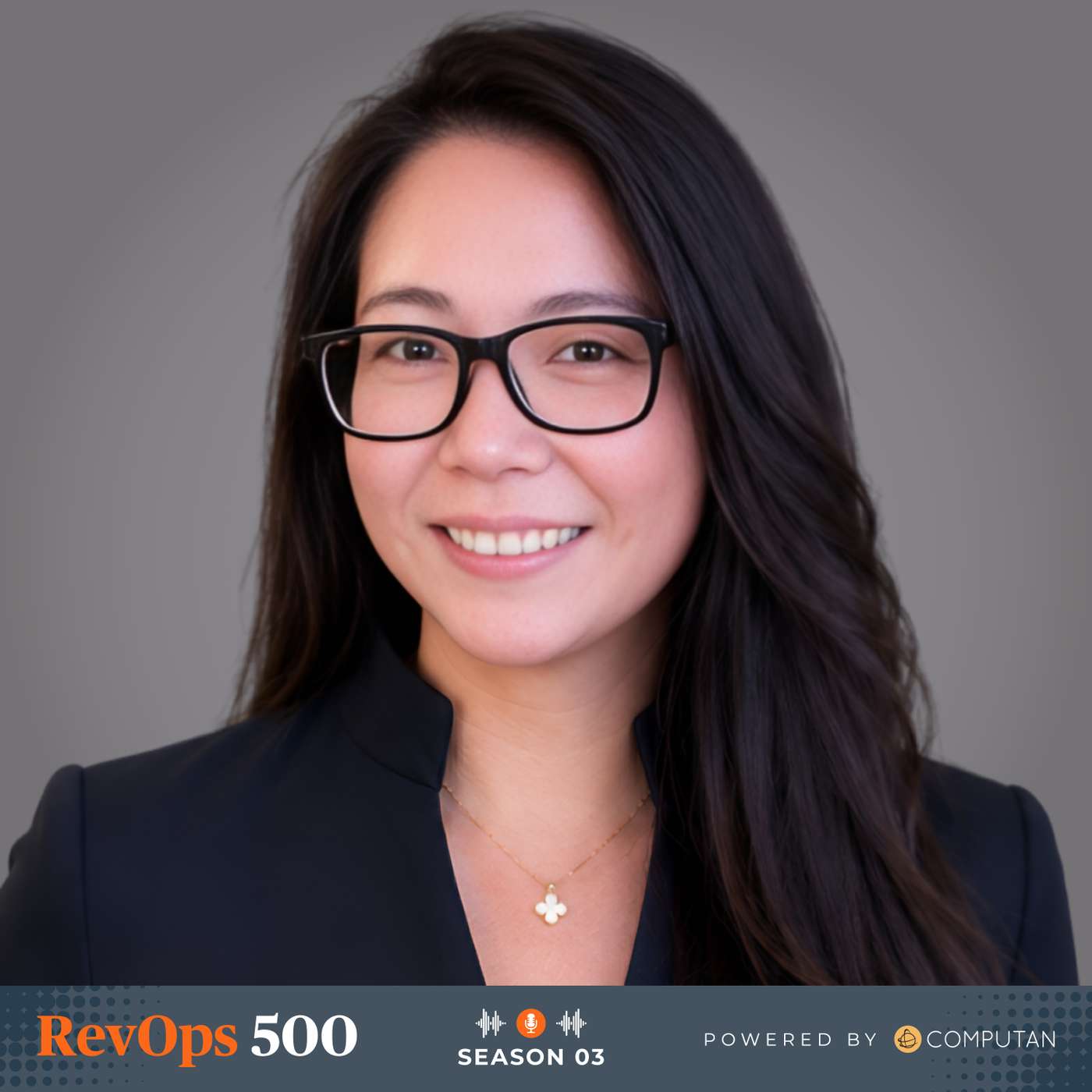
RevOps 500 host Sajeel Qureshi talks with Emily Goh, founder and CEO of Gohvio, about learning to stop waiting for validation and building a company with a coordinated team of AI agents. Emily explains how she gives agents clear roles, guardrails, and human oversight, while sharing her perspective on responsible business AI and Gohvio’s early traction.Key topicsEmily’s shift from waiting for approval to building Gohvio after seeing unresolved problems in corporate operations.How her Malaysian upbringing, language-related criticism, and the habit of deferring to senior voices affected her confidence and willingness to speak up.Gohvio’s role is as a data trust layer on top of a company’s CRM, applying a playbook to identify rule-breaking data; Emily gives the example of 80% of data not following a rule.Her Marvel-inspired agent roles include Doctor Strange, Iron Man for finance, Spider-Man for outbound, Nick Fury as chief of staff, and Hulk for security.How Emily sets agent boundaries, limits unproductive agent discussions, defines role-specific behaviour, and keeps humans responsible for reviewing work and making final decisions.Why concise prompts, clear expectations, relevant context, role-specific memory, and guardrails matter more than feeding an agent an overwhelming prompt.Emily’s concerns about companies adopting AI for appearances, failing to secure it, and relying on unchecked outputs such as forecasts or campaigns.Gohvio’s early traction: three customers in six months, two paying customers, and 12 volunteer founding advisory members.Emily’s longer-term vision for evidence-based accountability that saves time and reduces finger-pointing and organizational politics.

Why do well-built CRM systems go unused? Hannah Cresswell, RevOps leader at Hubstar, says the mistake is focusing on the technology while overlooking the people who need to use it.In this RevOps 500 conversation, Hannah shares how involving end users, explaining the value, providing training, and adjusting processes based on feedback can improve CRM adoption. She also discusses sales enablement, building RevOps as a strategic function, and how AI is changing the role.Subscribe to RevOps 500 for more conversations about RevOps, CRM, sales, and marketing.#RevOps #CRM #SalesEnablement
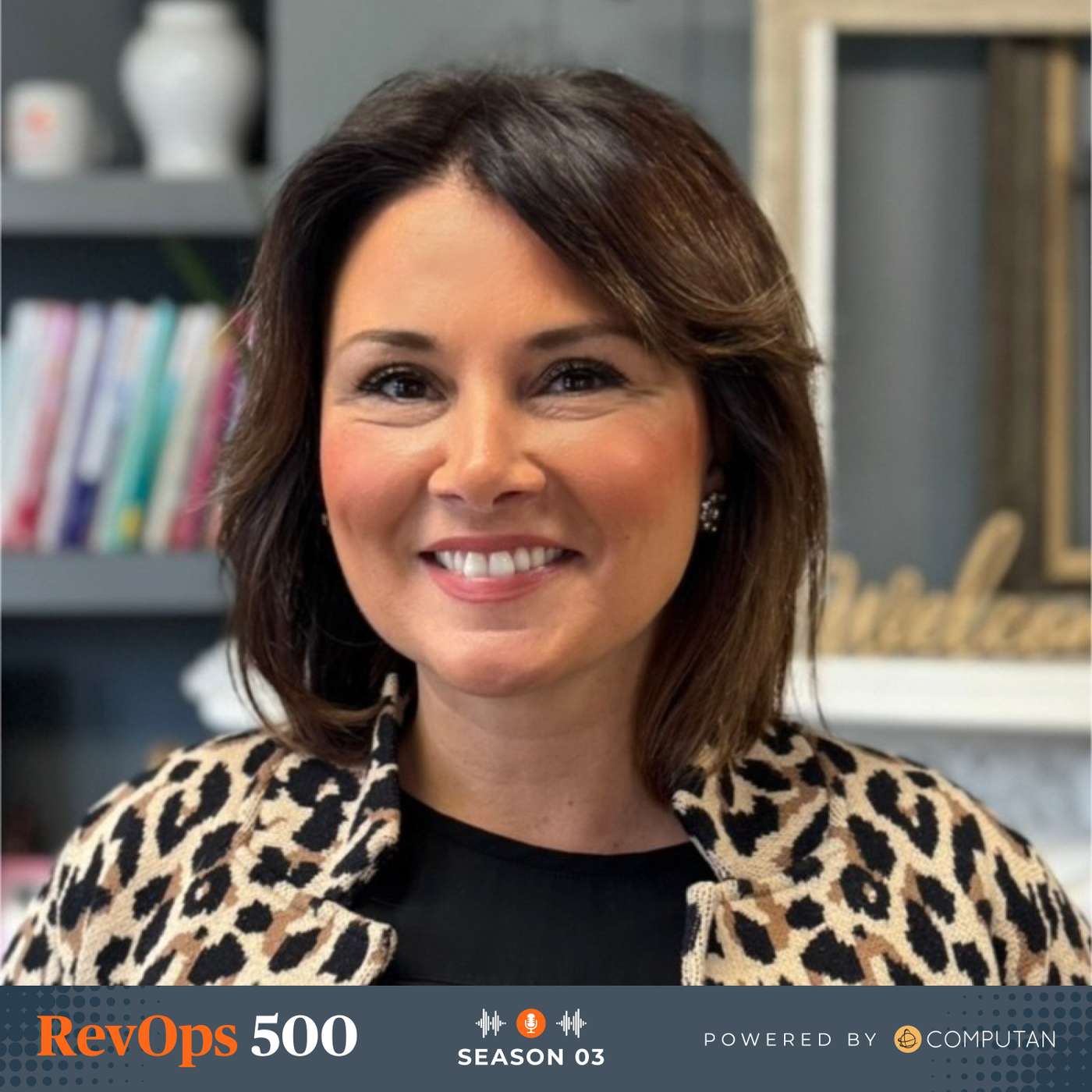
Why does a head of school need to be comfortable with sales? Lisa Conrad, Head of School at The Park School of Buffalo, joins RevOps 500 to discuss how independent schools build trust with families, attract and retain students, and support fundraising.Lisa shares how a career setback led her from public education to an independent school, why listening matters in admissions, and how school leaders can address families’ expectations with confidence. The conversation also covers progressive education, enrollment, alumni relationships, and the challenges of developing an AI policy for students and educators.If you work in education, school leadership, admissions, or fundraising, this conversation offers a candid look at the people and business sides of leading an independent school.In this episodeHow Lisa’s career changed after her teaching position was cutHow independent schools differ from public schoolsWhy school leaders need to communicate the value of their schoolHow listening helps schools understand what families needEnrollment, retention, fundraising, and alumni relationsAI, critical thinking, and technology policies in schools Lisa Conrad LinkedIn The Park School of Buffalo LinkedInSajeel Qureshi's LinkedInComputan's LinkedIn
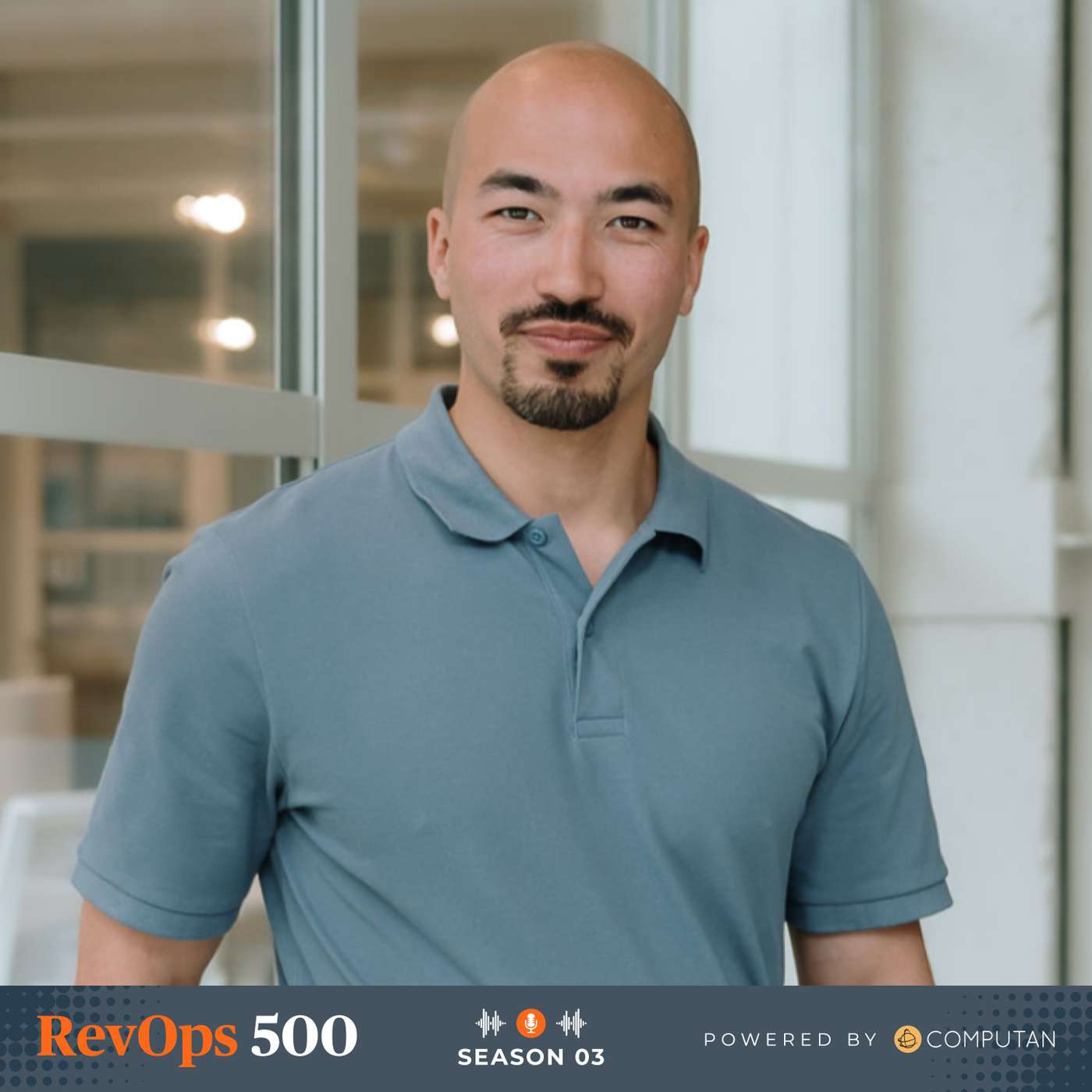
What makes a great HubSpot consultant different from someone who simply builds what they are asked to build?In this episode of RevOps 500, Sajeel Qureshi interviews Vladislav German, HubSpot consultant and founder of Deep Solutions, about the difference between implementation and true strategic consulting.Vlad shares his biggest career lesson: customers may know what they want, but consultants need to understand the real problem they are trying to solve. He explains why great consultants must challenge assumptions, simplify complexity, and guide customers toward solutions that create long-term value.The conversation explores HubSpot implementation, RevOps strategy, customer communication, building consulting teams, and how agencies can move from completing tasks to solving meaningful business problems.Key Topics:• Why the customer is not always right• Moving from HubSpot implementation to strategic consulting• The difference between button clickers and true consultants• Understanding customer problems instead of only requirements• Building confidence as a consultant• Simplifying complex technical decisions• Creating long-term value through RevOpsTakeaways:• Great consultants diagnose problems before recommending solutions.• Customers value experts who can confidently guide them.• The best solutions come from understanding business goals, not just technical requests.• Simplifying complexity helps teams make better decisions.• Strong consulting relationships are built on trust, communication, and expertise.Vladislav German LinkedIn Founder at Deep Solutions LinkedIn Sajeel Qureshi's LinkedInComputan's LinkedIn

Comments

Download from Google Play

Download from App Store
 United States