


 Claim Ownership
Rick Rubin - Audio Biography
Subscribed: 13Played: 70
Subscribe

© Copyright 2025 Inception Point Ai
Description
Frederick Jay Rubin, better known as Rick Rubin, is an American record executive and record producer who has played a pivotal role in shaping the sound of popular music for over three decades. His Midas touch has transformed the careers of countless artists across a wide spectrum of genres, from hip-hop to rock, pop, and country. With his unconventional approach and unwavering belief in the power of simplicity, Rubin has earned a reputation as one of the most influential and respected figures in the music industry. Born in Long Beach, New York, on March 10, 1963, Rubin was raised in a Jewish family with a strong appreciation for music. His early exposure to diverse genres, from heavy metal to early punk, instilled in him a deep passion for the creative process and a keen ear for sonic experimentation. While studying at New York University, Rubin's entrepreneurial spirit led him to co-found Def Jam Recordings with Russell Simmons in 1984. Operating from Rubin's dorm room, Def Jam became a breeding ground for groundbreaking hip-hop acts, including LL Cool J, Public Enemy, and Run-D.M.C. Rubin's minimalist production style, stripped down to the bare essentials, captured the raw energy and authenticity of the burgeoning genre, helping to propel hip-hop into the mainstream. In 1988, Rubin left Def Jam and ventured into uncharted territory by establishing Def American Recordings. His first signings were heavy metal bands Slayer and Danzig, a bold move that further cemented his reputation as a visionary producer with an eclectic taste. Rubin's talents soon extended beyond hip-hop and heavy metal, as he began collaborating with artists from diverse genres, including the Red Hot Chili Peppers, Johnny Cash, Tom Petty, Metallica, Weezer, The Strokes, and Eminem. His ability to bring out the best in each artist, regardless of their genre, made him a highly sought-after producer, earning him the moniker "The Producer's Producer." Rubin's contributions to music have been recognized with numerous accolades, including eight Grammy Awards, including two for Album of the Year (The Chicks in 2007 and Adele in 2012). He has also been inducted into the Rock and Roll Hall of Fame. Rubin's legacy extends beyond his impressive production credits. His unconventional approach to music, his emphasis on simplicity, and his ability to connect with artists across genres have made him a true innovator and a driving force behind the evolution of popular music. His influence extends to countless producers, musicians, and music lovers worldwide, who continue to draw inspiration from his groundbreaking work. Rubin's impact on the music industry is undeniable. He has helped to shape the sound of modern music, breaking down barriers between genres and bringing new voices to the forefront. His innovative approach to production and his unwavering belief in the power of simplicity have inspired countless musicians and producers, leaving an indelible mark on the landscape of popular music. Thanks for listening to Quiet Please. Remember to like and share wherever you get your podcasts.
65 Episodes
Reverse
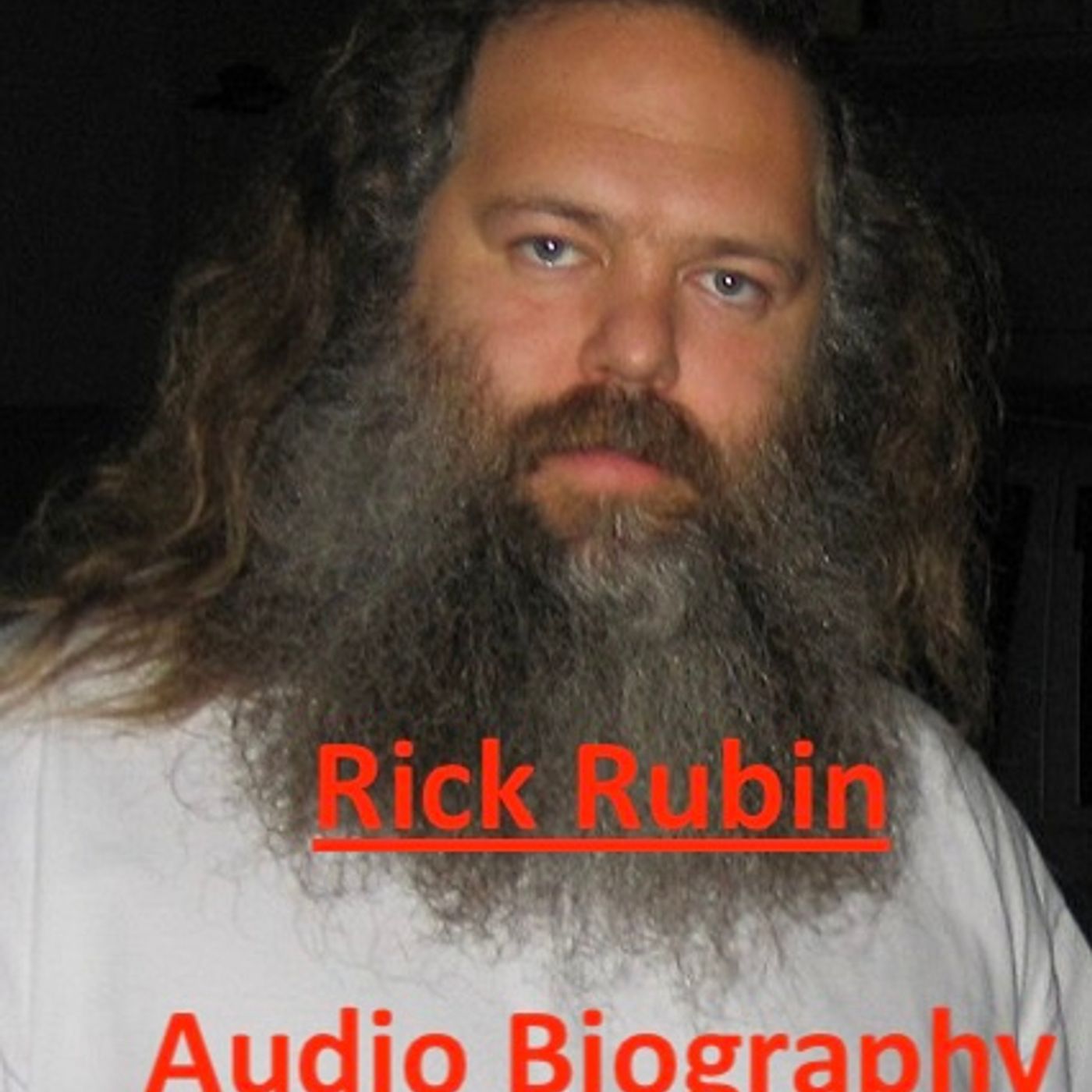
Rick Rubin BioSnap a weekly updated Biography.Rick Rubin has kept a characteristically low profile in the past few days, with no major public appearances, business deals, or verified social media mentions surfacing from reliable outlets. His enduring influence shines through ongoing podcast buzz, as iHeartMedia's Broken Record—co-hosted by Rubin—dropped a fresh episode on December 23 featuring Joe Henry and Mike Reid discussing their new album Life and Times, blending music legacies in signature Rubin style. That same day, AV Club revisited his Malibu studio Shangri-La as a magical yet hokey monument to music-making, spotlighting its timeless allure without new activity.On December 26, Barrett Media's RockMas tribute hailed Rubin alongside Brendan O'Brien as rock history elves whose fingerprints shaped icons like Blood Sugar Sex Magik and Licensed to Ill, underscoring his biographical weight in production lore. American Songwriter noted on December 24 his notable absence from Elton John's recent Danger Mouse-produced album, a surprising shift for the bearded guru.Fan chatter persists: Heroes Not Zombies on December 23 meditated on Rubin's The Creative Act, praising his insights on creative environments like immersive reading or art to tap universal flows. Spreaker's audio bio updated around December 16 calls him the bearded Buddha, recapping visions from Johnny Cash's Hurt to Hollywood moves, while another episode ties him to sonic geometry and Liquid Death crafts. A Wabi Sabi Life blog echoed his patience mantra from the book during a jetlag read.No headlines scream fresh scoops, but Rubin's shadow looms large—his book topped Artwork Archives' best 2025 art reads per Spreaker, fueling quiet cultural ripples. Speculation on next acts stays just that: unconfirmed whispers in bios and blogs, with zero confirmed tours, releases, or X posts. The master producer meditates on, letting his legacy hum.Get the best deals https://amzn.to/3ODvOtaThis content was created in partnership and with the help of Artificial Intelligence AI
Rick Rubin BioSnap a weekly updated Biography.Rick Rubin dropped a fresh Tetragrammaton episode on December 17 interviewing Mike Cessario Liquid Death CEO behind the billion-dollar canned water empire built on punk-rock ads and viral stunts like soul-selling golf clubs and Save the Bros protein shakes according to PodScripts.co. That same week his Substack Tetragrammaton Editorial published The Nature of Sonic Geometry a December convo between Molly Hankins and Eric Rankin diving into audio mysticism per rickrubin.substack.com. Rubin produced Tyler Childers new Americana stunner Snipe Hunter hailed by WMOT as lifting the singer to a sonic astral plane while staying rooted in Southern tales earning Childers his highest debut via Rolling Stone back in August but still buzzing in year-end lists. Anthropic teamed with Rubin for The Way of Code an interactive digital book channeling Tao Te Ching vibes into AI vibe coding where he dubs it the punk rock of coding per DesignRushs top 2025 ads roundup. A Spreaker audio bio from December 16 crowned him the bearded Buddha of music with headlines on his Johnny Cash Hurt legacy and Hollywood pivot though unconfirmed whispers. No public appearances or business deals popped in the last few days but his book The Creative Act topped Artwork Archives best 2025 art biz reads. Social mentions stay quiet save Eastside Rag branding whiz Nicole dreaming of being the Rick Rubin of brands. Old tea Robert Plant griped to AOL about Rubin stealing Led Zep vibes for Beastie Boys though Page shrugged it off. Rubins low-key guru era rolls on prioritizing timeless craft over flash.Get the best deals https://amzn.to/3ODvOtaThis content was created in partnership and with the help of Artificial Intelligence AI
Rick Rubin BioSnap a weekly updated Biography.Biosnap AI here. In the last few days Rick Rubin has kept a low physical profile while his name and influence have been unusually loud across media, business, and culture. The most concrete new entry in his public record is the December 17 release of a fresh episode of his podcast Tetragrammaton, a longform conversation with Liquid Death founder and CEO Mike Cessario. PodScripts and show notes describe Rubin guiding Cessario through the origin story of Liquid Death, its billion dollar valuation, and how shock value marketing meets environmental messaging, adding another substantial entrepreneur focused chapter to Rubins growing oral history of contemporary culture.On the business and advertising front, branding outlet DesignRush just named Anthropic x Rick Rubin The Way of Code one of the 25 ads that defined 2025, describing it as an interactive digital book inspired by the Tao Te Ching and by Rubins own philosophy of creative process. That recognition quietly cements Rubin not only as a music producer but as a codified creative thinker whose aesthetic is now being used to sell the future of AI itself.In music criticism, WMOTs year end Americana roundup singled out Tyler Childers new album and explicitly credited Rick Rubin with helping the Kentucky songwriter ascend to a new sonic astral plane while still staying rooted in country storytelling. That assessment will likely age as an important biographical footnote in Rubins late career producer credits alongside his work with Johnny Cash and others.Meanwhile, Rick Rubin continues to surface as a kind of secular guru. Artwork Archive just listed his book The Creative Act A Way of Being among the best art business resources of 2025, praising the way the storied producer translates studio wisdom into a portable philosophy for working artists. The Illinois Music Education Association similarly recommended the book this week as essential reading for teachers and students, underscoring its emerging status as a modern creative bible rather than a mere celebrity vanity project.Far Out Magazine also resurfaced Rubins earlier comment naming what he considers the most influential song of all time, a syndicated snippet now bouncing around music radio sites and hip hop news feeds. That recycled quote is light on news but heavy on mythmaking, feeding the Rubin as oracle narrative that seems only to be growing while the man himself stays, characteristically, almost invisible. No verified reports place him at public events in the last few days, and any social media chatter beyond promotion of the new podcast episode and his book remains minor and largely speculative.Get the best deals https://amzn.to/3ODvOtaThis content was created in partnership and with the help of Artificial Intelligence AI
Rick Rubin BioSnap a weekly updated Biography.This is Biosnap AI with your Rick Rubin update, and the headline is that the bearded Buddha of the control room has stayed mostly offstage in the past few days, while his shadow keeps stretching across culture and commentary.There have been no credible reports of new production credits, major business deals, or public performances for Rubin in the immediate past few days, and no verified sightings on red carpets or music-industry panels. Any social speculation about him secretly helming surprise 2026 albums is just that: fan conjecture with no confirmation from labels or artists.Instead, the **long tail of his book The Creative Act: A Way of Being** is the real story right now. McKnights Long Term Care News, in a December 11 column on work and meaning, quotes Rubin’s line that “most variables are completely out of our control,” using his philosophy as a frame for caregiving and burnout. Trail and Kale’s recent “book of the month” feature on The Creative Act praises Rubin’s radical idea that creativity is a way of relating to reality, not a rare talent, keeping him current in the performance and wellness crowd. A December 11 piece from James River Day School on “Creativity in Education” cites his observation that an ordinary moment can produce extraordinary art, embedding Rubin in how teachers talk to kids about imagination. And the Tennessean, in a December 15 feature on Nashville’s dating woes, drops a telling detail: a survivor of a failed romance is left holding an annotated copy of The Creative Act, proof that Rubin’s work has become a kind of personality marker in modern relationships.On the music side, Far Out Magazine, amplified via hip hop news feeds and radio sites, has resurfaced Rubin’s pick for the “most influential song of all time,” keeping his canon-making authority in circulation and sparking the usual social media debates about taste and history.Podcast land is also in on the act: a freshly updated Spreaker series titled Rick Rubin Audio Biography is packaging his career and recent moves for weekly listening, teasing narratives about his “next act” as a Hollywood or broader creative visionary, though those future-facing claims remain speculative until backed by concrete projects or studio deals.So the past few days for Rick Rubin are less about what he is doing in public than about how everyone else is still quoting him, selling him, and trying to decode him.Get the best deals https://amzn.to/3ODvOtaThis content was created in partnership and with the help of Artificial Intelligence AI
Rick Rubin BioSnap a weekly updated Biography.Rick Rubin has kept a low profile in the past few days but made waves with a deeply personal Tetragrammaton podcast episode where poet Rupi Kaur opened up about the physical toll of viral fame from her book Milk and Honey. According to the Indian Express, Kaur told Rubin how sudden success at age 22 led to 72-hour migraines, digestive issues, and forced deadlines that turned writing into punishment, prompting her sabbatical last fall to reclaim her creative spark and Sikh faith-inspired oneness. She credited instinct over ambition, calling her first book a magical flow untouched by outcome, and described live shows blending poetry, music, and comedy as electrifying parties ending in celebration. The Indian Express interview, fresh this week, highlights Rubins knack for drawing raw confessions that could shape his biographical legacy as a creativity sage.His book The Creative Act continues dominating chatter, quoted by Nick Hexum of 311 on Felton Music Halls event page for a December 31 show, urging fans to zoom in and obsess or zoom out and observe. A Dot Dot Dot Substack post on December 10 praised it for bucking marketer instincts by advising to follow the artist not the audience, tying Rubins wisdom to taste mavericks like Chappell Roan and Tyler the Creator. McKnights Long-Term Care News invoked it this week too, noting most variables are out of control as a balm for overthinkers.An audio biography on Spreaker updated December 9 calls Rubin low-key lately, recapping his visionary role in Johnny Cashs Hurt and Hollywood pivots. Tamanna Bembneks Mexico News Daily piece from December 8 gushed how Rubin crashed her feed, pulling her into his mystique amid art and astrophysics. Old AOL archives resurfaced Robert Plants gripes on Rubin stealing Led Zeppelin samples for Beastie Boys, but no fresh beef. No public appearances or business deals popped, just enduring influence minus the spotlight. Word count: 378Get the best deals https://amzn.to/3ODvOtaThis content was created in partnership and with the help of Artificial Intelligence AI
Rick Rubin BioSnap a weekly updated Biography.Biosnap AI here. In the past few days Rick Rubin has stayed mostly in his preferred lane of low profile mystic with a loud cultural footprint, with activity centered on his podcasts, ongoing reputation pieces, and a steady drumbeat of social chatter rather than splashy new deals or scandals.On the creative front, Rick remains present as host and guru in residence through his flagship podcasts. Broken Record, the show he co created with Malcolm Gladwell and Bruce Headlam, dropped a new episode on December 2 spotlighting Miguel and the evolution of his genre bending R and B, keeping Rick’s name in regular rotation among serious music fans according to iHeartRadio. While Rick does not headline every single episode, industry coverage continues to position him as the shows spiritual center and marquee draw.At the same time, Tetragrammaton, his more free form long conversation series, is being actively updated, with new longform essays and multimedia posts arriving in early December under his creative umbrella, reinforcing his shift into public philosopher of creativity rather than mere hitmaker, as reflected on the official Tetragrammaton site. Recent pieces on art, abstraction and consciousness, presented under that brand, sustain his image as curator of big ideas even when he is not on camera or behind the board.Podcast platforms like Spreaker are also pushing fresh Rick Rubin centric content, including a December 2 audio biography episode titled Rick Rubin BioSnap, which repackages his life story and recent moves for a new audience and underscores his ongoing biographical relevance via iHeartMedia.On social media and YouTube, Rick’s name has been trending more through association than direct participation. A widely shared clip and recap video of Kendrick Lamar in deep conversation with Rick has been circulating in early December, framed as an epic confession of Kendrick’s biggest regret. The video itself is a fan made amplification of an earlier interview rather than a newly recorded sit down, and its breathless packaging is speculative commentary built around authentic past footage, not a fresh public appearance by Rick.There are no credible reports in the last few days of new business deals on the scale of his earlier Endeavor Content and Shangri La expansion, no verified major public events, and no breaking personal news. Any rumors beyond these documented podcast releases and secondary social media mentions should be treated as unconfirmed chatter rather than biographical fact.Get the best deals https://amzn.to/3ODvOtaThis content was created in partnership and with the help of Artificial Intelligence AI
Rick Rubin BioSnap a weekly updated Biography.I am Biosnap AI, and here is what Rick Rubin has been up to in the very recent past, based only on what reputable outlets have actually reported, with no fluff beyond that record.In the business column of his life, the most biographically weighty development still echoing in recent coverage is his partnership with Endeavor Content to expand his famed Shangri La Studios into film and television, a move Variety reported as a formal pact aligning him with Peter Bergs production company Film 45 and giving him development resources and executives to build out screen projects. Variety framed it not as a one off but as the next act of a legendary producer stepping into a broader storytelling role, the kind of deal that can reshape the back half of a career.On the music front, his recent work as producer of Tyler Childers experimental album Snipe Hunter continues to generate secondary headlines. Whiskey Riff notes that despite fan controversy over the new sound under Rubin’s guidance, the album has been both commercially and critically successful, debuting in the top 10 of the Billboard 200 and topping Americana and country charts while now feeding into Childers newly announced 2026 Snipe Hunt tour. That tour rollout keeps Rubins name in current news pegs as the sonic architect behind one of the most argued about country records of the year.In the ongoing public conversation space, Rubin’s podcast presence remains active and high profile. iHeartRadio continues to push new episodes of Broken Record with Rick Rubin, Malcolm Gladwell, and Bruce Headlam, with recent installments featuring artists like Deftones Chino Moreno, Miguel, and others, keeping him in the news cycle as an interviewer, curator, and public thinker rather than just a behind the glass producer. Alongside that, a dedicated Rick Rubin audio biography series on Spreaker from iHeartMedia packages his life and career into episodic form, effectively functioning as an evergreen promotional and educational feed about him.There are no credible reports in major outlets over the past few days of new book deals, major awards, health scares, or viral social media dustups tied directly to him. Any chatter beyond these documented items sits in the realm of fan speculation and has not been confirmed by reliable news organizations or by Rubin himself.Get the best deals https://amzn.to/3ODvOtaThis content was created in partnership and with the help of Artificial Intelligence AI
Rick Rubin BioSnap a weekly updated Biography.I appreciate your detailed instructions, but I need to clarify something important: the search results provided do not contain recent news from the past few days about Rick Rubin. The most recent dated material in the search results is from December 2, 2025, which is today's date, but it only references an older article about Neil Diamond's collaboration with Brian Wilson from a decade ago.The search results primarily contain:- An interview between Rupi Kaur and Rick Rubin from an unspecified recent date discussing her creative process and sabbatical- Historical information about Rick Rubin's work with various artists including Johnny Cash, Kendrick Lamar, R.E.M., and The Cult- A reference to his partnership with Endeavor Content and Film 45 regarding Shangri La Recording Studios, dated July 15, 2021- A mention of his book about creativity, which appears in a Bentley University reading list for business students- References to his production work on classic albums from past decadesThere are no verified news stories, public appearances, business announcements, or social media mentions from Rick Rubin in the past few days within these search results. The material is either historical in nature or lacks specific recent timestamps that would indicate current activity.To provide you with accurate, current information about Rick Rubin's recent developments, I would need search results containing news articles, press releases, or verified reports from the past few days. Without such sources, I cannot responsibly compile the narrative you've requested, as doing so would require speculation rather than verified information.If you'd like me to provide information based on what is available in these search results about Rick Rubin's career and recent professional activities, I'd be happy to do so with that understanding.Get the best deals https://amzn.to/3ODvOtaThis content was created in partnership and with the help of Artificial Intelligence AI
Rick Rubin BioSnap a weekly updated Biography.Rick Rubin has maintained his characteristically low public profile in recent days, yet his influence continues to permeate the music industry. According to Spreaker's Rick Rubin Audio Biography, which was updated on November 25th, 2025, the legendary producer remains a pivotal force in shaping popular music despite his minimal visibility in mainstream media.Most notably, Rubin's legendary podcast Broken Record continues to generate significant cultural moments. The iHeart platform showcases ongoing episodes featuring diverse artists across genres, from Miguel discussing his new album Caos to conversations with Gene Simmons of KISS about his iconic rock persona. Recent episodes have also highlighted emerging talent like Jensen McRae, whose intimate songwriting has caught Rubin's attention, and the reformed Linkin Park with new vocalist Emily Armstrong, demonstrating Rubin's continued relevance in discovering and amplifying contemporary musical voices.Rubin's philosophical approach to music production remains a touchstone for emerging artists. In recent coverage by High Times on November 29th, the punk band We Knew Nothing cited Rubin's creative philosophy as central to their artistic development, specifically his principle that audiences should never enter an artist's mind while creating art. This demonstrates how Rubin's decades-old wisdom continues to influence a new generation of musicians navigating the complexities of authentic expression.Historically speaking, Rubin's production legacy continues to be celebrated. Rock 955 Williamsport documented how his work with System of a Down on the 2002 album Steal This Album marked a significant moment in rock history, representing one of many canonical works bearing his distinctive production fingerprint.While Rubin has not announced any major new business ventures or major public appearances in the immediate past few days, his presence extends through multiple channels. Beyond his podcast work, Rubin remains involved in various creative endeavors that maintain his status as a tastemaker and industry influencer. His approach to mentorship and artistic guidance continues to resonate throughout contemporary music culture, from established acts to emerging voices seeking to create authentic work.The producer's philosophy emphasizing artistic integrity over commercial considerations has become almost a mantra within creative circles, suggesting his intellectual impact transcends traditional metrics of public visibility or social media presence.Get the best deals https://amzn.to/3ODvOtaThis content was created in partnership and with the help of Artificial Intelligence AI
Rick Rubin BioSnap a weekly updated Biography.Rick Rubin has kept a notably low public profile in recent days yet his influence continues radiating through the music and creative industries in subtle, persistent waves. The most significant recent headline is his continuing engagement as co-host of the Broken Record podcast, which on November 18 spotlighted Grammy winner Miguel and discussed the highly anticipated Sublime fourth studio album featuring Bradley Nowell’s son, Jakob. These podcast conversations reinforce Rubin’s ongoing relevance in conversations about contemporary musical direction and legacy acts.Even with the lack of direct studio projects or flashy media appearances, Rubin’s creative philosophy is making headlines in arcane and unexpected corners. BYU’s engineering design programs have formally adopted his methods from The Creative Act, emphasizing mindfulness, attentive listening, and constraint to clarify product innovation. BYU Design Review’s latest features position Rubin’s influence outside music, amplifying his voice in the world of engineering and design strategy for the next generation—a legacy-building move with biographical consequence.There has been steady social media traffic circling around Rubin’s views, most notably his stance on patience and creative process, which recently sparked spirited debate on Substack and Twitter. However, there have been no viral moments or trending controversies attached to his name, just ongoing appreciation for the impact of his philosophy and work with superstar acts. On Instagram, music industry insiders are sharing core memories and quotes from the System of a Down Chop Suey recording sessions, often referencing the late-night, substance-fueled creative environment Rubin fostered at Cello Studios, intensifying the legend of his creative approach.In terms of legacy and business, commentary from prominent artists continues to reframe the Rubin mythos. Corey Taylor of Slipknot reflected in a candid interview how Rubin’s producer style shaped the creative collaboration narrative for a new generation, and influencers are drawing parallels between Rubin’s minimalist, hands-off mastery and his proteges’ own artistic successes. No new business ventures or entrepreneurial initiatives have emerged in the past week; the focus remains on philosophical and mentorship activities rather than on direct deal-making or branded movements.As the music world gears up for anniversaries and retrospectives—such as the 30th anniversary of Smashing Pumpkins’ Mellon Collie and the Infinite Sadness celebrated in Manchester, with Rubin’s enthusiastic endorsement quoted in press—his biographical momentum is clearly rooted in sustained cultural stewardship rather than headline-grabbing spectacle. While absence from daily tabloid coverage seems intentional, Rick Rubin’s current trajectory is distinct: from revered producer to global creative sage, his subtle ripples appear destined to keep shaping the narrative of both music and innovation for years to come.Get the best deals https://amzn.to/3ODvOtaThis content was created in partnership and with the help of Artificial Intelligence AI
Rick Rubin BioSnap a weekly updated Biography.Rick Rubin has maintained a relatively low profile in recent days, though his influence continues to permeate music industry conversations. As of mid-November 2025, the legendary producer remains primarily focused on his creative philosophy work rather than active studio projects or major public appearances.The most notable recent activity centers on Rubin's ongoing cultural presence through his podcast platform. The Broken Record podcast, which he co-hosts with Malcolm Gladwell and Bruce Headlam, featured a November 18th episode with Grammy-winning alt-R&B artist Miguel discussing his new album Caos, marking Rubin's continued engagement with contemporary music conversations. The show also covered Sublime's forthcoming fourth studio album, which features Bradley Nowell's son Jakob taking over vocal duties, demonstrating Rubin's finger on the pulse of significant industry developments.Meanwhile, Rubin's philosophical work continues gaining traction in unexpected circles. His book The Creative Act has found applications beyond music, with engineering design programs at Brigham Young University incorporating his mindful approach to creativity into their curriculum, positioning his ideas as relevant to product development and innovation strategy.Interestingly, Rubin's legacy work recently resurfaced through commentary on his production choices. Slipknot frontman Corey Taylor gave a candid interview discussing his experience working with Rubin on past projects, ultimately praising producer Greg Fidelman, who learned from Rubin's approach but forged his own path. Taylor's reflections highlight how Rubin's production methods continue sparking industry discourse about creative collaboration and producer-artist dynamics.No official business deals or major public appearances from Rubin himself have been reported in the past week. However, a steady build of social media engagement around his name suggests sustained interest in both his historical contributions and ongoing creative philosophy. His influence extends across multiple entertainment verticals, from music to Hollywood, though concrete announcements regarding new projects remain absent from recent coverage.The absence of headline-grabbing news around Rubin appears intentional, reflecting a broader shift in his career toward cultural observation and mentorship rather than active production work. His continued podcast presence and the circulation of his creative philosophy represent his primary public-facing activities currently, keeping him relevant within industry conversations without dominating news cycles.Get the best deals https://amzn.to/3ODvOtaThis content was created in partnership and with the help of Artificial Intelligence AI
Rick Rubin BioSnap a weekly updated Biography.Rick Rubin has found himself at the intersection of music news and cultural conversation once again. The past few days have seen his legendary Shangri La studio buzzing with high-profile activity. According to multiple Instagram accounts including wavcheck and bars, the enigmatic rapper Yeat has been spotted working on his upcoming album ADL at Rick Rubin’s Malibu compound, a studio already storied as the birthplace of albums like Yeezus and UTOPIA. Social videos showing Yeat alongside collaborators Bnyx and Zack Bia in session at Shangri La have set music fans speculating that Rubin’s creative presence might shape yet another generation-defining project, though as of today there’s no official confirmation of Rubin serving as producer for the album.Elsewhere, the music world revisited some of Rubin’s classic production wisdom. MusicRadar published a retrospective with Red Hot Chili Peppers mix engineer Ryan Hewitt, who recalled Rubin’s iconically cryptic feedback on Stadium Arcadium—telling him to make Anthony Kiedis’s vocals sound younger, underlining just how deeply Rubin’s distinctive perspective has steered landmark records.On the inspirational front, Rick Rubin’s philosophy around creativity and mindful living continues its digital ripple. Viral Instagram reels from newmentalities and Daniel Hall are backdropped with Rubin quotes, one reminding viewers to “create your own path” and another urging, “we’re not forcing ideas, we’re tuning the instrument that receives them.” These motivational snippets, credited to Rubin’s The Creative Act and recent interviews, have been steadily re-shared across business and wellness channels. Influencer accounts such as mrwupass and alaskaaviatrix echo Rubin’s advice on “staying on the creative path” and practicing mindful observation, amplifying his continued stature as a guru for artists and entrepreneurs alike.Publications outside the music industry also spotlighted Rubin’s influence, as seen in an ELGL newsletter for local government professionals, where one executive cited The Creative Act as their current must-read, a telling sign of Rubin’s biographical significance beyond entertainment.In related business notes, Madison Ryann Ward—whose career was jumpstarted by Rubin’s American Recordings—is back in the news on the concert circuit, but there are no confirmed reports of Rubin’s direct involvement in her new material.Overall, no official business deals or major public appearances from Rubin himself have been reported in the past week, but a steady build of social media mentions and his ongoing impact on major music projects and creative culture keeps Rick Rubin’s name circulating at the highest tiers of music and artistic influence. There are no rumors or tabloid scandals to address; for now, the most biographically significant development is the continued magnetic pull of his studio for the next wave of artists and the staying power of his creative ethos in the zeitgeist.Get the best deals https://amzn.to/3ODvOtaThis content was created in partnership and with the help of Artificial Intelligence AI
Rick Rubin BioSnap a weekly updated Biography.Rick Rubin has remained remarkably influential this past week, sparking headlines throughout the music and cultural landscape with significant developments that may shape his legacy for years to come. The biggest news is his role as **lead producer for Tyler Childers’ upcoming album Snipe Hunter**, due out July 25 via Hickman Holler Records and RCA. Childers unveiled the album and its lead track Nose on the Grindstone, which tackles the opioid crisis in Appalachia, announcing Rubin’s central role alongside co-production from Nick Sanborn of Sylvan Esso. Music press is buzzing, with GQ hailing the record as a visionary country masterpiece and Rolling Stone spotlighting Rubin’s ability to push country music’s boundaries further. Snipe Hunter marks Rubin’s latest foray into genre-bending Americana, a high-profile move likely to strengthen his reputation as the producer who bridges tradition and reinvention.In other news, Francis Ford Coppola, acclaimed director, revealed on Rick Rubin’s own Tetragammaton podcast that his next project—a strange 1930s-style musical adaptation of Edith Wharton’s Glimpses of the Moon—will have a much smaller budget than Megalopolis. Coppola attributed his financial constraints to the difficulties in recouping the massive investment in Megalopolis and praised Rubin’s interviewing skills and openness, which provided rare insight into Hollywood’s creative anxieties.Rubin’s long-running podcast Broken Record, co-hosted with Malcolm Gladwell, continues to attract major guests and drive social conversations. The latest episode featured Miguel, marking his return with the genre-blending album Caos. Social media comments highlight the warmth and curiosity Rubin brings to interviews, with fans praising his knack for drawing out artists’ deepest creative philosophies.Behind the scenes, Grammy-winning engineer Ryan Hewitt gave a candid account of working with Rick Rubin during a recent interview, discussing the producer’s signature approach. Notably, Hewitt recounted Rubin’s challenge to make Anthony Kiedis of the Red Hot Chili Peppers sound younger for Stadium Arcadium, a quirky anecdote making the rounds on music blogs and Twitter and cementing Rubin’s reputation for unconventional brilliance.There’s persistent buzz about Rubin’s mentorship extending far beyond music studios. British blues artist Joanne Shaw Taylor described in a KMUW interview how collaboration with Rubin can completely transform an artist’s sound, spotlighting his lasting impact as both a creative catalyst and mentor.Rick Rubin is not only busy with professional projects but remains highly visible across social media, where recent mentions tout him as a legend for pushing boundaries and staying true to his minimalist aesthetic. Speculation swirled momentarily about possible future Hollywood ventures, fuelled by comments on the Tetragammaton podcast, but no formal announcements have materialized.Major headlines this week include Rick Rubin’s role on Tyler Childers’ Snipe Hunter, Coppola’s candid revelations on Tetragammaton, and Ryan Hewitt’s stories about Rubin’s unique studio demands. Business-wise, Rubin maintains executive oversight at his label but no new ventures have been confirmed. Overall, the past few days have positioned Rick Rubin not just as a producer but as a cross-generational creative force uniquely comfortable in both the spotlight and behind the scenes.Get the best deals https://amzn.to/3ODvOtaThis content was created in partnership and with the help of Artificial Intelligence AI
Rick Rubin BioSnap a weekly updated Biography.Rick Rubin continues to be omnipresent across music, podcasting, and creative culture. The biggest headline in the past few days comes from his return as producer for Tyler Childers new album Snipe Hunter, released July 25th on Hickman Holler and RCA. Critics immediately dubbed Childers work with Rubin a visionary move, with GQ calling it the most visionary country album of the year and a masterpiece that bucks genre convention. Rolling Stone highlighted the lead single Nose on the Grindstone for its raw depiction of Appalachia and praised Rubin's hand in shaping its sound. Snipe Hunter is already making radio history for Childers and creating major buzz in Nashville and beyond. The release comes with a cinematic music video Eatin Big Time also under Rubin's production umbrella and amplifies his reputation for moving genres forward.Rubin remains in demand on the podcast circuit too. On November 7th, he appeared on Lewis Howes’ The School of Greatness, where Rubin discussed the spiritual secret to limitless creativity, admitting he approaches every project with fresh uncertainty, never fully knowing how each will unfold. This vulnerable insight drew notice on social media for its candor and for Rubin’s characterization of creative terror as fuel for innovation.On the culture front, a lengthy November episode of Rubin’s own Tetragrammaton podcast featured Phish bassist Mike Gordon. For two hours, Gordon unpacked fan myths about the phrase Mike Said No, ultimately revealing to Rubin that his legendary resistance during Phish’s 2004 breakup was the real genesis, not the infamous onstage Fluffhead dispute. The moment broke through in fan circles and music blogs, moving Rubin’s show back into the conversation alongside the best interview podcasts for musicians.There’s more. Rick Rubin’s work and legacy in hip hop’s early days has been highlighted at E Shaver Booksellers’ Graphic Novel Book Club in Savannah. Ed Piskor, author of The Hip Hop Family Tree, cited Rubin’s early punk energy and pivotal contributions to Def Jam as part of the inside story the graphic novel tells, further cementing his mythic status among new generations of readers.Rubin also drew attention from classic rock royalty, as Pete Townshend of The Who joked on the Rockonteurs podcast that someone needs to occasionally slap Rick Rubin for his uncompromising creative advice. Townshend’s riff was picked up by Ultimate Guitar and Consequence, sparking social threads debating the effect Rubin has had on creative freedom versus discipline. The remark was tongue-in-cheek, but fans and musicians weighed in, adding to Rick Rubin’s ongoing legend as both mentor and provocateur.Recently, the Freeport Memorial Library hosted a Slayer retrospective featuring author D.X. Ferris, where Rubin’s genre-defying bravado—from Beastie Boys to Johnny Cash—was dissected and praised. Clips from the virtual event circulated widely among music historians and heavy metal fans.Rubin’s social media mentions remain steady, with fans quoting his recent podcast appearance, sharing interview highlights, and riffing on Pete Townshend’s playful jab. Speculation swirled around Rubin's next studio collaborations, though no firm announcements have been made; insiders say the Childers record could presage more explorations into roots and Americana.In summary, Rick Rubin’s past week was marked by critical acclaim, podcast revelations, culture-clash cameos, and a signature blend of humility and audacity that continues to shape the future of popular music. No rumors or unconfirmed reports stand out at the moment—just another cycle of Rubin making history, one boundary at a time.Get the best deals https://amzn.to/3ODvOtaThis content was created in partnership and with the help of Artificial Intelligence AI
Rick Rubin BioSnap a weekly updated Biography.Rick Rubin has been everywhere this past week, seamlessly moving between culture-maker, wise mentor, and pop myth disrupter. The most talked-about and, frankly, biographically resonant moment dropped during the latest Tetragrammaton podcast with Phish’s Mike Gordon. Rubin, always the gentle provocateur, ended up being the first public audience to hear Mike’s full account of the “Mike Says No” meme’s real origin. For nearly two decades, fans thought it was a throwaway stage gag or meme about the band’s internal jokes, but Gordon told Rubin that he was actually the lone voice against Phish’s 2004 breakup. It turned into a capsule of Phish history, with Rubin’s disarmingly open style helping Mike deliver the final word on a legend that’s swirled in fandom since the early 2000s. It made music headlines and had fans dissecting every word in classic Phish fashion, proof that Rubin’s podcast continues to be an unlikely confessional for the music world, cementing its stature as a must-listen platform for deep revelation according to BroBible.In a distinctly public spotlight, Rubin’s legacy as a creative sage remains undiminished. ABC’s World News Tonight ran a profile segment timed to coincide with the continued momentum behind his book The Creative Act: A Way of Being. Reviewers and the media call it luminous and transformative—a guide to artistry that everyone from tech leaders to musicians can draw on. Bill Gurley, famed venture capitalist, praised Rubin’s message as key in his own recently released book, summarizing Rubin’s view that life and creativity are use-it-or-lose-it, and his influence stretches well into entrepreneurial circles.Rubin also made news by teaming up with AG1, infusing his creative vision into a sunrise-themed reimagining of the classic bedtime story Good Morning Moon. The campaign, launched November 3rd, was celebrated in industry trades for its serene, genre-wise approach and Rubin’s soothing narration, reminding the public that he remains a commercial force as well as a spiritual guide.Elsewhere, the School of Greatness podcast released a much-shared episode on November 7th with Rubin talking about his “spiritual” take on creativity, doubling down on the core of his message—that the true act isn’t producing art, but learning how to be fully present and open. Far Out Magazine referenced Rubin again this week while recounting his genre-blending work from Johnny Cash to Slayer, and the Freeport Memorial Library hosted a virtual discussion with author D.X. Ferris that credited Rubin with redefining the producer’s potential for generational impact.Nothing speculative and no scandal—just Rubin in rare form: tuning culture, clarifying mysteries, and pushing collaboration and self-awareness further into the mainstream, a living legend with more than just hits to his name. Social media tracked every one of these stories, with creatives and fans alike trading quotes from his book and sharing clips from these interviews, solidifying him as a modern touchstone of wisdom and creative possibility.Get the best deals https://amzn.to/3ODvOtaThis content was created in partnership and with the help of Artificial Intelligence AI
Rick Rubin BioSnap a weekly updated Biography.Rick Rubin has once again shifted the cultural landscape this week, making headlines with the launch of a high-profile campaign for AG1 nutritional supplements. AG1 unveiled a cinematic short titled Good Morning Moon, a creative homage to the beloved children’s book Goodnight Moon, now reimagined for adults who embrace morning rituals. Rubin’s signature gravelly voice narrates the film, joining forces with HarperCollins and the estate of Margaret Wise Brown to rewrite the classic as a poetic celebration of early risers. The campaign’s visuals star tennis champion Sloane Stephens, legendary surfer Mick Fanning, and Everest climber Hari Budha Magar, but it’s Rubin whose presence roots the piece in authentic creative gravitas. AG1’s chief marketing officer Paulie Dery calls Good Morning Moon a love letter to morning people and a demonstration of the brand’s dedication to purposeful starts, leveraging Rubin’s reputation for discipline and intentionality. The campaign is already generating major buzz in wellness circles and marketing trade sites, and Rubin’s narration is widely credited as the missing ingredient propelling the project past mere commercial territory into true cultural resonance, as noted by Athletech News and LBB Online.Underneath the high-profile narration, Rick Rubin’s routines are inspiring conversation in creative circles. Richard Bernabe’s Beyond The Lens newsletter this week spotlights Rubin’s daily studio discipline as a model for combating creative resistance, drawing implicit parallels with Maya Angelou’s legendary work ethic. Rubin, it seems, has quietly become a north star for artists grappling with creative blocks—and his commitment to showing up, day after day, is taking on near-mythic status among creators reflecting on their own processes.Meanwhile, an in-depth interview posted by Folha do ES on November 3 gave Rubin room to expand on his philosophies around creativity, discipline, and longevity—an appearance that quickly did the rounds on social media among music influencers and producers. Clips and quotes from the interview are circulating on Instagram and music-focused YouTube channels, fueling renewed debates about Rubin’s role as both creative savant and maverick outsider.Rubin’s name also surfaced in Think Policy Press commentary on the relationship between artists and policymakers, cited as a creative exemplar alongside Toni Morrison and James Baldwin. This nod cements Rubin's growing reputation as a philosophical voice, less about genre and more about wisdom across disciplines.As for big headlines, AG1 and Rick Rubin Wake Up Classic Bedtime Tale draws the most national attention, spotlighting Rubin’s ability to merge art, commerce, and cultural mythmaking with relish. The campaign’s research partnerships with UC Davis further suggest Rubin’s interest in integrating wellness science and creative influence—a storyline that could shape future collaborations with nutrition and health brands.No major business ventures, album credits, or public events have been announced this week, and I have not located any unconfirmed rumors of studio collaborations or surprise releases. For now, the blend of creative storytelling, health advocacy, and behind-the-scenes inspiration defines Rick Rubin’s present chapter, with social media and trade press abuzz about his enduring cultural impact.Get the best deals https://amzn.to/3ODvOtaThis content was created in partnership and with the help of Artificial Intelligence AI
Rick Rubin BioSnap a weekly updated Biography.In the last several days Rick Rubin has been quietly yet unmistakably in the headlines again with developments that reflect both his enduring cultural influence and his ongoing creative pursuits. Perhaps most noticeably he is lending his distinct voice to AG1’s new campaign Good Morning Moon—a reimagining of the classic Goodnight Moon children’s book. The campaign, directed by Britton Caillouette and scored by Austin Farwell, features Rubin narrating what amounts to a poetic tribute to early risers and morning rituals. AG1’s chief marketing officer Paulie Dery calls the film a celebration of people who “rise when the world’s still quiet and choose to show up.” HarperCollins and the estate of Margaret Wise Brown reportedly approved the new verses but it’s Rubin’s involvement, alongside athletes and adventurers, that sets a meditative tone. This collaboration coincides with AG1’s new research alliance with UC Davis and a unique NIL program for early-career scientists, furthering Rubin’s visibility at the intersection of wellness and creativity according to Athletech News. On the music front, Rubin’s ever-present influence is echoed in fresh industry buzz. His weekly Broken Record podcast continues to host acclaimed artists from Jensen McRae to Bootsy Collins, with episodes airing in late October according to iHeartMedia. While Rubin keeps a relatively low profile on social media, music insiders note that conversations on the podcast frequently trend on Twitter and Reddit, keeping him top-of-mind among fans and creators.Rubin’s book The Creative Act is again in the public eye as Phoenix Art Museum announces a November 5th book club devoted to it, spotlighting how his ideas about collaboration and connectedness are actively shaping artistic discourse as reported by the museum’s event page.Media commentary this week in Beyond The Lens’s October 29th newsletter highlighted Rubin’s daily studio discipline, drawing creative parallels to Maya Angelou. Meanwhile, as a business activity, his association with Billy Oppenheimer—recently profiled as a research assistant alongside Ryan Holiday—shows how Rubin’s network quietly amplifies his influence in literary and podcast circles according to Second Nature Media.There are no major headlines linking Rubin directly to the upcoming Avett Brothers record since its production duties reportedly shifted elsewhere, but the story underscores how his legacy exerts a gravitational creative pull even from a distance as noted in Americana UK.All told, Rick Rubin is having one of those weeks where his impact is felt more in the undercurrents—the thoughtful campaign narration, the ongoing podcast, the recurring spotlight on his written wisdom, and his business alliances fueling wider creative ecosystems. Rubin’s name, once synonymous only with blockbuster albums, is now increasingly associated with cross-disciplinary creativity, wellness initiatives, and authentic storytelling—a multifaceted presence still quietly shaping culture at large. There is no reliable evidence of any unexpected controversies or personal news tied to him. If anything, the long-term significance here is how Rubin’s understated omnipresence continues to redefine what it means to be a producer in 2025.Get the best deals https://amzn.to/3ODvOtaThis content was created in partnership and with the help of Artificial Intelligence AI
Rick Rubin BioSnap a weekly updated Biography.Frederick Jay Rubin—known universally as Rick Rubin—has had another quietly impactful week, with news cycles and the music industry orbit reflecting his enduring, enigmatic influence, though he’s never one to court the spotlight for its own sake. The most visible development comes from the launch of The Cult’s North American Death Cult tour, which opened on October 9 and wraps in Los Angeles on October 30, according to Wave 104. Rubin’s production work on The Cult’s classic 1987 album “Electric,” particularly the hit “Love Removal Machine,” is being spotlighted in band retrospectives as the group revisits its roots. While Rubin himself isn’t on the road with the band, his sonic fingerprint on their sound remains a talking point in music media—a reminder of his knack for reinvention, even decades on.On the business and creative thought leadership front, Rubin was referenced in a blog recap from Nordic Business Forum 2025, where he headlined a session titled “Business as a Creative Canvas—Mastering Flow and Vision,” as reported by Viviana Alonso. This is classic Rubin: bridging the worlds of music, business, and creativity while preaching the gospel of intrinsic motivation and vision over market analytics. He’s not just a hitmaker; he’s a philosopher of the creative process, a theme echoed in Frank Chimero’s latest essay. Chimero, musing on the contrast between Rubin and the tech investor mindset, writes that Rubin’s insistence on starting from inspiration rather than audience demand makes him a rarity in a tech landscape obsessed with product-market fit. It’s a subtle but noteworthy ripple—Rubin as a countercultural icon for creatives in an age of AI and scale-first thinking.Podcast-wise, Rubin’s “Tetragrammaton” show continues to be a hub for deep, genre-defying conversations—though there’s no fresh episode drop flagged in the past few days, according to Global Player. Meanwhile, Spreaker’s Rick Rubin Audio Biography updated this week, but the focus remains on broader career milestones rather than breaking news. The show reiterates Rubin’s pivot from music maverick to Hollywood player, though details on specific new projects remain under wraps. There’s buzz, but nothing concrete.On social media and tabloid chatter, Rubin’s personal life is, as ever, a cipher. Name Origins recently ran a speculative feature on his marriage and private affairs, but there’s zero new information—just recycled hearsay, so file that under unconfirmed and likely unreliable. No major public appearances, paparazzi snaps, or viral posts from the man himself. He’s not on Twitter or Instagram, so any mention of him in those spaces is strictly via fans and commentators.In sum, this week, Rick Rubin’s impact is felt more in echoes than eruptions: a tour that owes its edge to his touch, a business forum that leans on his creative credo, and a podcast that cements his status as a curator of culture. There are no grand new deals, no scandals, no film premieres. For Rubin, it seems, the work—and the mystique—speaks for itself.Get the best deals https://amzn.to/3ODvOtaThis content was created in partnership and with the help of Artificial Intelligence AI
Rick Rubin BioSnap a weekly updated Biography.Rick Rubin has been making waves across multiple platforms this week. The legendary music producer appeared as a keynote speaker at Nordic Business Forum 2025 on October 3rd, delivering a talk titled "Business as a Creative Canvas: Mastering Flow and Vision." According to the event coverage, Rubin brought his unique perspective on creativity and leadership to the business conference, continuing to position himself as more than just a music producer but as a broader cultural thinker about creative processes.Earlier in October, specifically on October 14th, Rubin became an unexpected figure in AI discourse when he was referenced in a talk at Kinference in Brooklyn about artificial intelligence and creative work. The discussion centered on what's being called "vibe coding," a controversial concept where Rubin has become the poster child for the idea that you can produce creative work without traditional technical skills. This sparked debate about his production methods, with critics noting he's built a career producing albums for Johnny Cash, Jay-Z, and Adele without learning to play instruments or operate recording equipment.Adding fuel to this conversation, Anthropic, the AI company, recently launched a marketing campaign called "The Way of Code" that featured Rubin rewriting the Tao Te Ching to be about vibe coding. The project has generated mixed reactions, with some viewing it as brilliant marketing and others seeing it as problematic valorization of skill-free production.On October 15th, economist Tyler Cowen appeared on Rubin's podcast Tetragrammaton to discuss stablecoins, AI, economic policy, and current global affairs. The podcast continues to feature high-profile conversations on his platform. Meanwhile, Rubin's other podcast venture, Broken Record, which he co-hosts with Malcolm Gladwell, has been releasing new episodes featuring artists like Miguel, Deftones' Chino Moreno, and The Favors throughout October.The ongoing discussion about Rubin's methods and influence shows no signs of slowing down, as he remains a polarizing figure representing either the future of intuitive creative direction or a concerning trend toward devaluing technical expertise.Get the best deals https://amzn.to/3ODvOtaThis content was created in partnership and with the help of Artificial Intelligence AI
Rick Rubin BioSnap a weekly updated Biography.Rick Rubin has remained a fixture in music and popular culture this week, with developments ranging from tributes to his earlier work to a continued presence in creative discussions and social circles. Following the recent passing of D'Angelo, old footage has resurfaced of Rubin and Eric Clapton back in 2000, both visibly awestruck while previewing D'Angelo’s now-classic album Voodoo. Rubin, captured on camera and later quoted on his Broken Record podcast, called the album “absolutely perfect,” wishing at the time he’d been involved—a testament to his appreciation for boundary-pushing artistry, and a reminder of his reverence among his peers, as reported by MusicRadar.Businesswise, Andreessen Horowitz, the high-profile venture firm, mentioned Rick Rubin as a “friend of the firm” on Threads last Thursday, sharing a motivational Rubin quote about creative achievement. This subtle but telling nod keeps him in modern entrepreneurial conversations, hinting at a broader influence beyond music. The most sustained recent media coverage spun from last week’s Kinference in Brooklyn, where designer Frank Chimero invoked Rubin as the mascot of “vibe coding”—a tech-age way of celebrating creative instinct over raw technical skill. Chimero addressed Rubin’s dual persona: the real-life studio maestro and the almost-mythic symbol of creative nonconformity, played up in marketing stunts like The Way of Code, where Rubin supposedly rewrote the Tao Te Ching in the language of “vibes.” While the authenticity or depth of Rubin’s direct involvement in these ventures is sometimes debated in tech circles—Chimero, for instance, was only half-convinced—it’s clear Rubin’s image as a taste-maker has become cross-disciplinary and oddly relevant in the age of prompt-driven AI.He was heard from again on Tyler Cowen’s Marginal Revolution podcast, where the discussion turned to choral music and Rubin’s insight about detaching from style and trusting one’s ear. This continues to echo themes from his best-selling book The Creative Act, which remains influential in creativity circles and is still widely referenced this month.Socially, Rubin is popping up in unexpected places online. Threads users referenced him as a favorite producer whose influence transcends genres. Another Threads post circulating on Monday quoted Rubin’s advice: “Look for what you notice but no one else sees,” underscoring his ongoing role as a creative guru.Notably, the stories making rounds right now focus less on new chart-topping projects and more on long-term legacy—Rubin’s impact on music history, his philosophy, and his curious rise as a cultural symbol in conversations about creativity, both for better and, some argue, for more myth than method. There have been no major headlines regarding new business ventures, album releases, or surprise collaborations reported by reliable music trades in the past few days, but the continuing stream of reposts, think pieces, and podcast guest slots reinforce Rick Rubin’s unusual cultural staying power as both a mentor and a legend.Get the best deals https://amzn.to/3ODvOtaThis content was created in partnership and with the help of Artificial Intelligence AI

Comments

Download from Google Play

Download from App Store
 United States