


Roots & Riddles
Subscribed: 1Played: 0
Subscribe

© Legacy Lane Genealogy
Description
Unearthing forgotten chapters from Fillmore County, Minnesota, Roots and Riddles shares true tales that shaped the county—from vanished towns and courtroom mysteries to old letters and lost voices. Hosts Preston and Lenora dive into the stories your grandparents heard once… but never wrote down.
25 Episodes
Reverse
What if Fillmore County once echoed with the footsteps of a saber-toothed tiger?In this episode of Roots & Riddles, we journey back to the Ice Age to explore evidence of ancient predators that once roamed Fillmore County, Minnesota. From caves and fossils to climate shifts and extinction, we uncover how these animals lived—and what traces they left behind.This is Minnesota history, long before history was written.
In this delightfully chaotic tale from 1878, Preston erupts into full crisis mode when a young boy wanders off and doesn’t return by nightfall. The church bell tolls, neighbors grab lanterns, and before long, half of Fillmore County is convinced the child has been kidnapped by a passing emigrant wagon. In true frontier fashion, a heavily armed posse charges off to “save the day”—only to discover the emigrants have thirteen children of their own and absolutely zero interest in adding another.This episode celebrates the humorous side of small-town history—a reminder that even dramatic prairie legends sometimes end with a giggle instead of a gasp.And a quick note: this is our final episode of 2025! Roots & Riddles will take a short holiday break and return with all-new stories in January.SourcesThe Preston Republican — Published April 25, 1878Chatfield Democrat — Published May 4, 1878
In this episode of Roots & Riddles, Preston and Lenora revisit a startling chapter in Fillmore County’s past: the earthquake of 1877. Though Minnesota is far from the seismic hotspots of the nation, residents of Fillmore County felt the ground shift beneath them in a rare and unsettling event.Drawing from historical accounts, they explore how the tremor rippled through southeastern Minnesota, leaving communities both shaken and fascinated. What did people believe was happening at the time? How did newspapers and local storytellers capture the moment? And what does this unusual quake reveal about the hidden geology beneath the Midwest?SourcesHistory of Fillmore County, 1912Fillmore County Journal, September 1, 2025College of Sciences and EnglishDatabase.earthThe Great Ceneral US Shakeout Chatfield Democrat, December 8, 1877Preston Republican, November 22, 1877
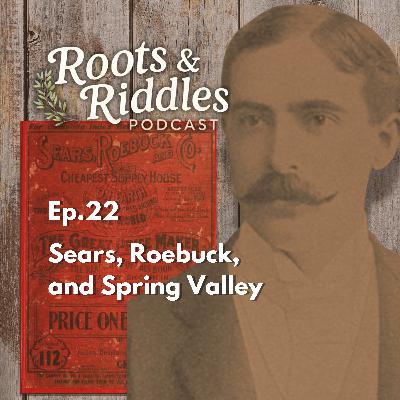
In this episode of Roots & Riddles, Preston and Lenora trace the surprising local ties of Richard Sears — the man whose mail-order empire reshaped how Americans shopped. Long before catalogs and department stores, Sears was a boy in Fillmore County, surrounded by the rhythms of rural Minnesota life.This episode blends local history with national legacy, showing how Fillmore County’s landscapes and communities shaped the imagination of a future retail pioneer. Whether you’re a history buff or simply curious about the roots of everyday institutions, join Preston and Lenora as they uncover the Minnesota chapter of Richard Sears’ remarkable journey.SourcesWestern Progress, Aug 23, 1871Harmony News, July 13, 1904Preston Times, August 18, 1909
In this special Thanksgiving episode of Roots & Riddles, Preston and Lenora set aside the mysteries and dive into something just as meaningful: gratitude for the place they call home. Fillmore County isn’t just a backdrop for their stories — it’s a living archive of resilience, creativity, and community spirit.Whether you’ve lived here your whole life or are just discovering its stories, this episode invites you to pause with Preston and Lenora, look around, and appreciate the deep roots and enduring riddles that make this corner of Minnesota so special.
In the spring of 1915, Preston was shaken by a near-tragedy that unfolded behind closed doors—and made its way into the pages of the Preston Times. This episode of Roots & Riddles unpacks the haunting story of Dr. Harrington, a respected dentist and entrepreneur whose return from illness took a dark and unexpected turn.Was this a case of post-illness delirium, untreated trauma, or something more sinister? Lenora and Preston explore the fragile line between recovery and madness, the early 20th-century understanding of mental health, and the community’s response to a man unraveling in plain sight.This isn’t just a tale of violence—it’s a window into the fears, sympathies, and silences of a small town grappling with the unthinkable.SourcesThe Preston TimesWabasha County HeraldCaledonia AngusChatfield News-Democrat
In this episode of Roots & Riddles, we uncover the story of Fillmore County’s sons who marched off to war as part of the 2nd Minnesota Infantry, led by Colonel J.W. Bishop. From the rolling hills of Bluff Country to the battlefields of the South, these men carried the hopes of their community into one of America’s darkest chapters. We explore how Fillmore County rallied behind the Union cause, the sacrifices made by local families, and the legacy of the regiment that fought with courage and conviction. Through letters, records, and local memory, we trace the journey of ordinary men who became part of extraordinary history. This is Fillmore County’s Civil War story — rooted in loyalty, tested in battle, and remembered in blue.
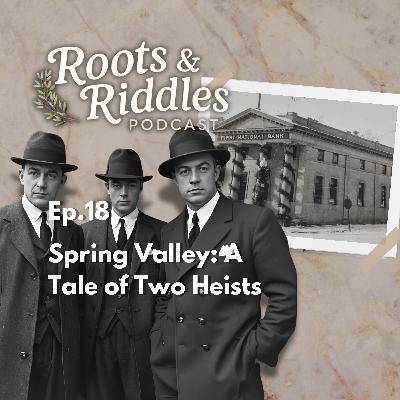
In this episode of Roots & Riddles, we journey to Spring Valley. Twice, in 1928 and again in 1933, the First National Bank was robbed in bold, daylight heists that left the community stunned and the authorities scrambling. Who were the culprits behind these daring crimes? Were the robberies connected, or was Spring Valley simply unlucky? We dig into dusty archives, trace the getaway routes, and uncover the ripple effects these robberies had on a town that still remembers. This is the story of Spring Valley’s twin crimes — and the riddles they left behind.
This Halloween, Roots & Riddles takes a spectral stroll through the shadows of Fillmore County’s forgotten towns. Elliota, Waukopee, Belleville, Clear Grit, and Beldena—once bustling with blacksmiths, millers, and hopeful settlers—now linger only in maps, memories, and moss-covered cemeteries.In this chilling episode, Lenora and Preston unearth the rise and fall of these vanished communities. From fires and floods to railroad bypasses and broken dams, each town met its end in a different way—but all left behind whispers of ambition, resilience, and mystery. What remains when a town disappears? And what stories still echo through the fields where they once stood?Gather ‘round for tales of pioneer dreams, eerie silences, and the ghostly footprints of Minnesota’s past.📚 Sources ReferencedPreston Republican, January 27, 1876 — “Around the County” feature on John Kaercher and Clear Grit (multi-column article)Chatfield Democrat, January 3, 1874 — Advertisement for Clear Grit Store (John Kaercher)The Preston Republican, February 19, 1880 — Notice on Bellville Post Office name change to MabelThe Rushford Star, February 19, 1880 — Report on Postmaster General’s standardization of town namesThe Minneapolis Morning Tribune, July 22, 1920 — Letter by Solon J. Buck on Waukopee name origin (“Wakapeya,” meaning “to excel”History of Fillmore County, Minnesota (1882) — entries on Beldena, Elliota, Waukokee, Carimona Township, and early settlementsFillmore County History Book (circa 1858 edition or earliest printing) — early organizational records and settlement notes History of Fillmore County (1984 ) — modern community histories and township recollections
When the 18th Amendment outlawed alcohol in 1920, Fillmore County didn’t just dry up—it got inventive. In this episode of Roots & Riddles, Lenora and Preston uncork the hidden history of Prohibition in southeastern Minnesota, where moonshine flowed through barn basements, backroads became smuggling routes, and small-town saloons went underground.But here’s the twist: Did Al Capone, the infamous Chicago mob boss, ever visit Fillmore County? Rumors say yes. Evidence? That’s what we’re chasing. Whether it was a jug of homemade wine or a truckload of Canadian whiskey, Fillmore County found ways to keep the spirits alive—and the stories even livelier.Sources 📚Rushford Star-Republican, January 8, 1920.The Mabel Record, March 19, 1920.Rushford Star-Republican, February 24, 1921.Levang’s Weekly (Minneapolis), June 9, 1921.Preston Times, November 24, 1921.Harmony News, January 19, 1922.Winona Republican-Herald, January 27, 1933.Kirwin, Robert W. “Prohibition Days.” Fillmore County History 1984Fillmore County Journal. “Peering at the Past: Moonshiners, Lawmen, and Hide-n-Seek with Illicit Liquor.”Rochester Post Bulletin, “The Vault: Southeast Minnesota Was Hotspot for Bootleggers During Prohibition Era,” October 11, 2022.
Long before tailgates and turf fields, the Minnesota Vikings traded helmets for softball gloves—and headed to Ostrander, Minnesota. From 1970 to 1973, the Vikings made an annual summer pilgrimage to this small Fillmore County town, playing charity softball games to raise funds for the Ostrander Park.In this episode of Roots & Riddles, Lenora and Preston step onto the diamond of memory, revisiting the years when NFL legends like Alan Page, Carl Eller, and Fran Tarkenton drew crowds not for touchdowns—but for home runs. Through newspaper clippings, eyewitness accounts, and local lore, they explore how a big-league team helped a small-town dream take root, and why those games still echo in the hearts of those who watched from the bleachers.Sources📚The Lime Springs Herald, July 15, 1971The Lime Springs Herald, July 13, 1972Event Posters, 1970 & 1973 curtesy of the Hovey family Interviews with attendees
In the quiet town of Fountain, Minnesota, the clink of glasses and hum of conversation were shattered one night by a bold and unexpected crime. A local saloon—once a hub of frontier camaraderie—became the scene of a robbery that left residents stunned and rumors swirling.In this episode of Roots & Riddles, Lenora and Preston dig into the dusty newspaper archives to reconstruct the events of the heist. Who was behind it? What was taken? And why did the story fade from memory? With colorful characters, period details, and a touch of theatrical flair, they explore how one small-town crime reveals the tensions and temptations of life on the edge of the frontier.SourcesThe History of Fillmore County, 1882.Chatfield Democrat, October 19, 1878The Winona Daily Republican, October 19, 1878St. Charles Union, October 23, 1878.Dodge Center Press, October 25, 1878. The St. Paul Globe, November 26, 1878.
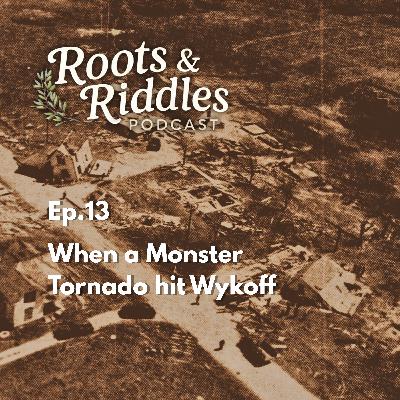
On Mother’s Day in 1953, the skies over Fillmore County darkened—and by 5:45 p.m., an F4 tornado with winds up to 260 mph tore through the countryside near Wykoff, Minnesota. It was one of five violent twisters that struck the region that day, but for the some Wykoff locals It became a moment frozen in time.In this episode, Lenora and Preston revisit the harrowing events that resulted from this monster storm. The story unfolds through eyewitness accounts, family memories, and historical records. It’s a tale of tragedy, survival, and the power of community in the face of nature’s fury.Sources ReferencedFillmore County Journal, May 15, 2023National Weather Service, Fillmore County, MNNational Weather Service, Tornado Outbreak of May 10, 1953Rochester Post Bulletin, 5/11/53, 5/12/53, 5/15/53The Winona Daily News, 5/11/53The Winona Republican, 5/19/53
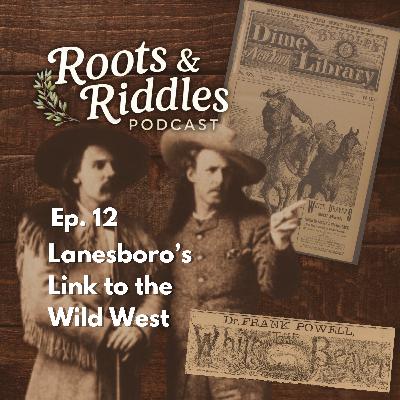
Before the Wild West was mythologized in dime novels and traveling shows, one man lived it—and practiced medicine in the heart of Fillmore County. Dr. Frank Powell, known to audiences and admirers as “White Beaver,” was no ordinary country doctor. He was a frontier scout, a showman, and a trusted friend of Buffalo Bill Cody.In this episode, Lenora and Preston peel back the layers of Powell’s theatrical life, tracing his journey from the streets of Lanesboro to the stages of the American West. Was he a healer? A performer? A myth in his own time? Through historical records, newspaper clippings, and local lore, they explore how one man blurred the lines between medicine and myth—and why his legacy still echoes in Bluff Country.
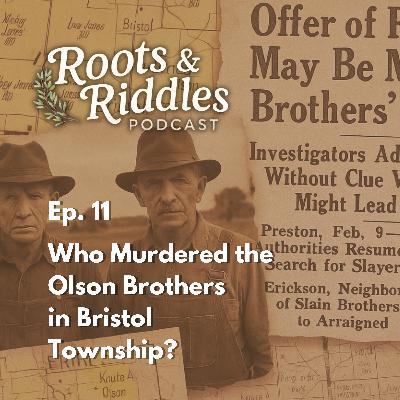
In the winter of 1936, the quiet farmland near Harmony, Minnesota became the scene of a brutal double murder. Knute and Sever Olson—two bachelor brothers known for their frugality and rumored stash of hidden cash—were found dead on their isolated farmstead in Bristol Township. The crime shocked Fillmore County and sparked a flurry of speculation: Was it robbery? Revenge? Or something darker?In this episode, Lenora and Preston sift through newspaper clippings, family lore, and long-buried confessions to piece together a case that remains unsolved to this day. From whispers of bootlegging to a man who claimed responsibility before dying in a mysterious fire, the Olson murders are a haunting reminder of how secrets can linger in the soil—and how justice sometimes never arrives.📚 Sources ReferencedThe Winona RepublicanWinona Daily NewsThe Brainard Daily Dispatch 12/9/1936The Worthington Globe 12/3/1936Rochester Post Bulletin 12/26/1936, 2/9/1937, 2/11/1937, 2/17/1937, 8/27/1937, 4/25/2015The Austin Daily Herald 4/24/1937
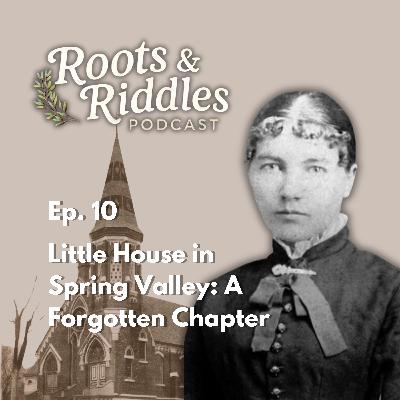
Before the fame of Little House, before Walnut Grove became a household name, Laura Ingalls Wilder lived through one of the most difficult—and least documented—chapters of her life in Spring Valley, Minnesota.In 1890, following illness, financial ruin, and the death of their infant son, Laura, Almanzo, and young Rose moved in with Almanzo’s family in Spring Valley. For nearly 18 months, they found refuge in the Wilder home and worshipped at the Spring Valley Methodist Church. Though Laura never wrote about this time directly, the town’s records and Wilder family ties reveal a story of quiet resilience, spiritual grounding, and recovery.In this episode, Lenora and Preston uncover the threads of Laura’s time in Fillmore County—from church registries to museum archives—and reflect on why this chapter, though unwritten, still matters. It’s a story not of prairie winds, but of healing in the stillness.Sources ReferencedThe Laura Ingalls Wilder “Connection”, Mary Jo DatheThe Wilder Family Story, Dorothy Smith
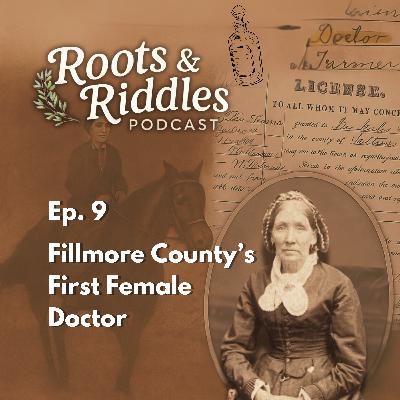
In an era when women were rarely seen in medical roles, Isabel Minerva Albro carved out a quiet legacy in southeastern Minnesota. Born in 1814 in New York and later settling in Fillmore County, Isabel defied expectations by practicing medicine at a time when few women were formally trained—and even fewer were recognized.In this episode, Lenora and Preston explore the life and legacy of Dr. Albro, tracing her journey from early frontier life to her final years in Forestville Township. Along the way, they examine the challenges faced by women in medicine during the 19th century and the ways Isabel’s story reflects both resilience and quiet revolution.
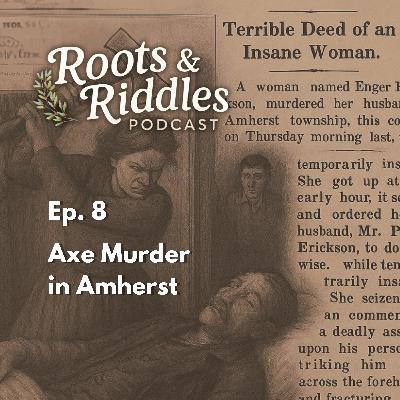
In the quiet farmland of Amherst Township, a shocking act shattered a family and sent ripples through Fillmore County history. Peter Erickson was killed in his own home—struck repeatedly with an axe by his wife, Inga. Behind the headlines was a deeper story of isolation, untreated illness, and a family tragedy that still lingers.In this episode, Lenora and Preston revisit the story through period newspapers and institutional records, examining how mental illness was understood in the late 19th century—and how this case reflects both the hardships and the silences of rural life in that era.📚 Sources Referencedhttps://livingwithschizophreniauk.org/information-sheets/schizophrenia-a-brief-history/#:~:text=Whilst%20they%20were%20good%20at,of%20life%20for%20many%20sufferers.https://pubmed.ncbi.nlm.nih.gov/2657829/https://www3.mnhs.org/mnopedia/search/index/structure/rochester-state-hospital?hs_amp=truehttps://www.nature.com/articles/s41467-024-49507-3https://www.findagrave.com/memorial/137738680/inga_bendiksdatter-ericksonThe Preston Republican, April 13, 1876The Lanesboro Journal, April 15, 1876FindaGrave.comInga Erickson Rochester State Hospital Medical Record March 15, 1881-March 12, 1885History of Fillmore County, 1882Ancestry.comFamilySearch.com
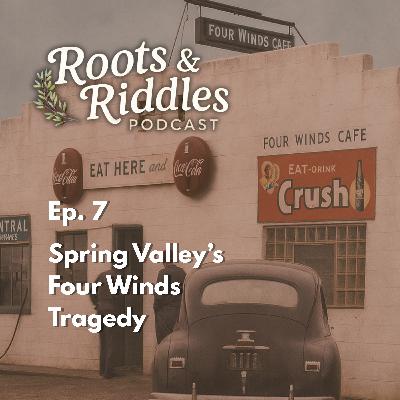
On March 30, 1953, the quiet town of Spring Valley, Minnesota became the final stop in a deadly cross-country rampage. Two women—Harriet Horsman, a waitress, and Agnes Beaston, the café owner’s wife—were murdered during a holdup at the Four Winds Café. The killer? An 18-year-old Marine named Fred McManus, traveling with his 16-year-old girlfriend, Diane Weggland.In this episode, Lenora and Preston trace the path of a spree that spanned five states and claimed five lives in just four days. From the café’s final shift to the couple’s arrest near Dubuque, Iowa, we explore the chilling contrast between McManus’s privileged upbringing and the violence he left in his wake. What drives a “nice boy” to commit such horror—and how did Spring Valley become part of a national nightmare?📚 Sources ReferencedThe Minneapolis Star, March 31, 1953The Winona Republican, March 30 & April 1, 1953Post Bulletin, March 31, 1953Brainerd Dispatch, March 31, 1953The Winona Daily News, March 30, April 1 & April 2, 1953The Star Tribune, March 31, 1953Murderpedia – Fred McManus profileWikiTree – Harriet Emily (Combs) HorsmanTrue Crime Archives – Fred Eugene McManus: 5-State Killing Spree
When the first settlers arrived in Rushford, Minnesota, they found more than untamed land—they found a grave. Near the future site of the Catholic church stood a simple wooden headboard, weathered and nameless. Its presence suggested a burial made with care, yet no one knew who lay beneath the sod or how they had come to rest there.In this episode, Lenora and Preston explore the mystery of Rushford’s earliest known death—a story that lingered in silence until a chance encounter in Wisconsin decades later revealed a tale of illness, isolation, and quiet grief. Who was the man buried before the town began? And what does his story tell us about life on the edge of settlement?Source: History of Fillmore County, Minnesota (1882) by Charles S. Bryant

Comments

Download from Google Play

Download from App Store
 United States