


 Claim Ownership
Sadler's Lectures
Subscribed: 284Played: 30,585
Subscribe

© All rights reserved
Description
I'm that YouTube Philosophy Guy! Find more than 3,000 videos in my main channel. Support my video and podcast work! https://www.patreon.com/sadler or https://www.buymeacoffee.com/A4quYdWoM
Learn more about this podcast channel - https://youtu.be/qRvL0gqlyrw and https://gregorybsadler.substack.com/p/the-sadlers-lectures-podcast
Due to popular demand - and with the work underwritten by my Patreon supporters - I have been converting my videos into MP3 files listeners can listen to anywhere they want!
I have a second podcast, Mind & Desire, publishing original episodes on a variety of topics in philosophy, which you can find here - https://gregorybsadler.substack.com/podcast
Learn more about this podcast channel - https://youtu.be/qRvL0gqlyrw and https://gregorybsadler.substack.com/p/the-sadlers-lectures-podcast
Due to popular demand - and with the work underwritten by my Patreon supporters - I have been converting my videos into MP3 files listeners can listen to anywhere they want!
I have a second podcast, Mind & Desire, publishing original episodes on a variety of topics in philosophy, which you can find here - https://gregorybsadler.substack.com/podcast
1584 Episodes
Reverse
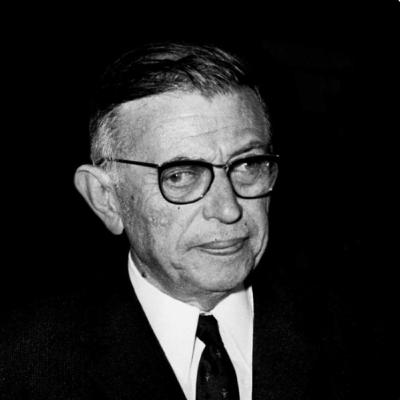
This lecture discusses the French Existentialist philosopher, Jean-Paul Sartre's play, No Exit, and focuses on the setting of the work, which is a particular version of hell where some of the dead, specifically three people, Joseph Garcin, Inèz Serrano, and Estelle Rigault, are condemned to be for eternity. Each of the three portrays or betrays themselves as being a certain type of person, and they will attempt to find ways to exist within the space together, unsuccessfully, since in some sense, "hell is other people".
To support my ongoing work, go to my Patreon site - www.patreon.com/sadler
If you'd like to make a direct contribution, you can do so here - www.paypal.me/ReasonIO
You can find over 3500 philosophy videos in my main YouTube channel - www.youtube.com/user/gbisadler
Purchase Jean-Paul Sartre's No Exit - https://amzn.to/3Lv5uU6
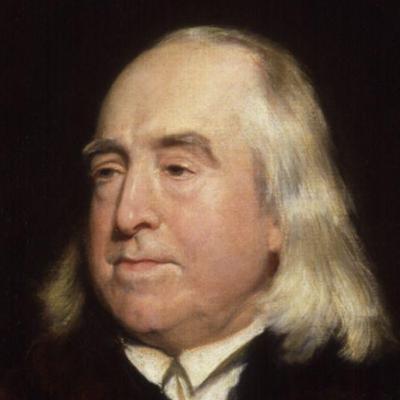
This lecture discusses key ideas from the Utilitarian philosopher, Jeremy Bentham's work, Offenses Against Oneself, a posthumously published part of his Introduction to the Principles of Morals and Legislation.
Here we examine the range of other perceived sexual offenses Bentham discusses and evaluates, all of which involve the feature "that they consist in procuring certain sensations by means of an improper object." Bentham considers five types:
"1. Of the proper species but at an improper time: for instance, after death.
2. Of an object of the proper species and sex, and at a proper time, but in an improper part.
3. Of an object of the proper species but the wrong sex.
4. Of a wrong species.
5. In procuring this sensation by one's self without the help of any other sensitive object."
Of all of these, oddly enough but consistent with some of the medical opinions of his time, he considers the last one, i.e. masturbation, to be the most pernicious.
To support my ongoing work, go to my Patreon site - www.patreon.com/sadler
If you'd like to make a direct contribution, you can do so here - www.paypal.me/ReasonIO - or at BuyMeACoffee - www.buymeacoffee.com/A4quYdWoM
You can find over 1500 philosophy videos in my main YouTube channel - www.youtube.com/user/gbisadler
Purchase Bentham's Introduction to the Principles of Morals and Legislation -amzn.to/2Z470Bq
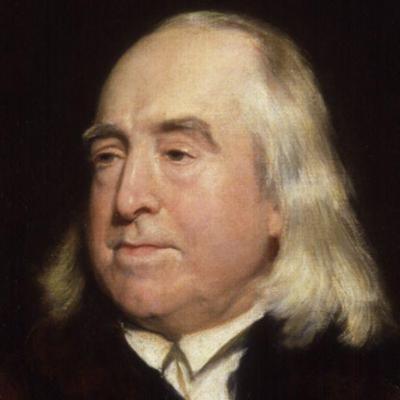
This lecture discusses key ideas from the Utilitarian philosopher, Jeremy Bentham's work, Offenses Against Oneself, a posthumously published part of his Introduction to the Principles of Morals and Legislation.
Here we examine some of the problems that arise out of punishing same-sex relationships using what Bentham calls the "political sanction", i.e. legislation and enforcement.. One of these, which Bentham thinks is a rather weak argument, is that this tends to make more people aware of the perceived offense and give them the idea that it must be pleasurable, since it is being punished. He also raises the likelihood of false or malicious prosecutions, which require only that someone make claims to have seen two men together, and views this as a significant problem. A third problem is that this also makes men liable to extortion or blackmail.
To support my ongoing work, go to my Patreon site - www.patreon.com/sadler
If you'd like to make a direct contribution, you can do so here - www.paypal.me/ReasonIO - or at BuyMeACoffee - www.buymeacoffee.com/A4quYdWoM
You can find over 1500 philosophy videos in my main YouTube channel - www.youtube.com/user/gbisadler
Purchase Bentham's Introduction to the Principles of Morals and Legislation -amzn.to/2Z470Bq
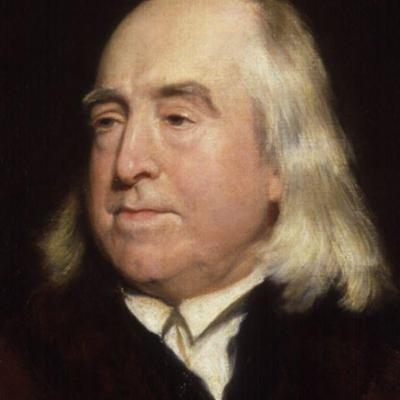
This lecture discusses key ideas from the Utilitarian philosopher, Jeremy Bentham's work, Offenses Against Oneself, a posthumously published part of his Introduction to the Principles of Morals and Legislation.
Here we examine the motive of antipathy, which means feeling pleasure in someone else's pain or feeling pain in someone else's pleasure in Bentham's work, and the role it plays in much of the prohibition or punishment of same-sex relationships.
To support my ongoing work, go to my Patreon site - www.patreon.com/sadler
If you'd like to make a direct contribution, you can do so here - www.paypal.me/ReasonIO - or at BuyMeACoffee - www.buymeacoffee.com/A4quYdWoM
You can find over 1500 philosophy videos in my main YouTube channel - www.youtube.com/user/gbisadler
Purchase Bentham's Introduction to the Principles of Morals and Legislation -amzn.to/2Z470Bq
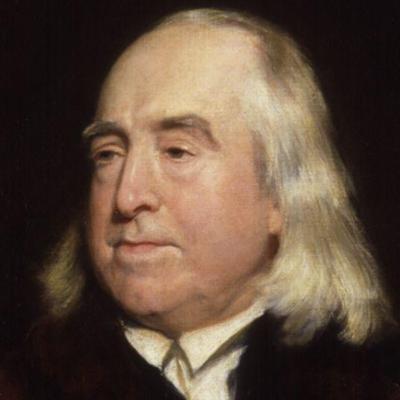
This lecture discusses key ideas from the Utilitarian philosopher, Jeremy Bentham's work, Offenses Against Oneself, a posthumously published part of his Introduction to the Principles of Morals and Legislation.
Here we examine some of the arguments that were being made in favor of prohibiting or punishing male-male sexual relationships on the basis that allowing them would in effect deprive women of their opportunities or even rights to enjoy male-female sexual relationships. Bentham examines each of the arguments in turn and exposes the weaknesses of them.
To support my ongoing work, go to my Patreon site - www.patreon.com/sadler
If you'd like to make a direct contribution, you can do so here - www.paypal.me/ReasonIO - or at BuyMeACoffee - www.buymeacoffee.com/A4quYdWoM
You can find over 1500 philosophy videos in my main YouTube channel - www.youtube.com/user/gbisadler
Purchase Bentham's Introduction to the Principles of Morals and Legislation -amzn.to/2Z470Bq
This lecture discusses key ideas from the Utilitarian philosopher, Jeremy Bentham's work, Offenses Against Oneself, a posthumously published part of his Introduction to the Principles of Morals and Legislation.
Here we examine some of the arguments people make for prohibiting or punishing male-male sexual relationships and activity on the basis of it leading to a decline in population. These arguments upon consideration, turn out to be rather weak.
To support my ongoing work, go to my Patreon site - www.patreon.com/sadler
If you'd like to make a direct contribution, you can do so here - www.paypal.me/ReasonIO - or at BuyMeACoffee - www.buymeacoffee.com/A4quYdWoM
You can find over 1500 philosophy videos in my main YouTube channel - www.youtube.com/user/gbisadler
Purchase Bentham's Introduction to the Principles of Morals and Legislation -amzn.to/2Z470Bq
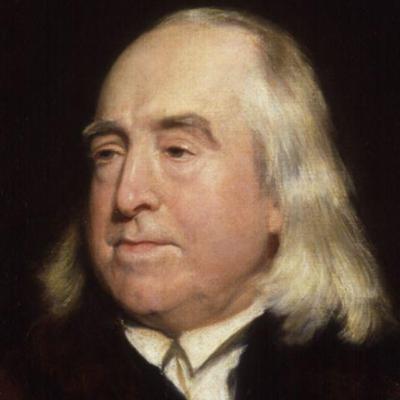
This lecture discusses key ideas from the Utilitarian philosopher, Jeremy Bentham's work, Offenses Against Oneself, a posthumously published part of his Introduction to the Principles of Morals and Legislation.
Here we examine some of the common reasons people give in his times and society for prohibiting or punishing male-male sexual relationships and activity. He considers first whether there is any harm caused, then whether it is an "offense against the peace" in any manner, and then whether male-male sexual activity is "enervating" that is, weakening to those who engage in it.
To support my ongoing work, go to my Patreon site - www.patreon.com/sadler
If you'd like to make a direct contribution, you can do so here - www.paypal.me/ReasonIO - or at BuyMeACoffee - www.buymeacoffee.com/A4quYdWoM
You can find over 1500 philosophy videos in my main YouTube channel - www.youtube.com/user/gbisadler
Purchase Bentham's Introduction to the Principles of Morals and Legislation -amzn.to/2Z470Bq
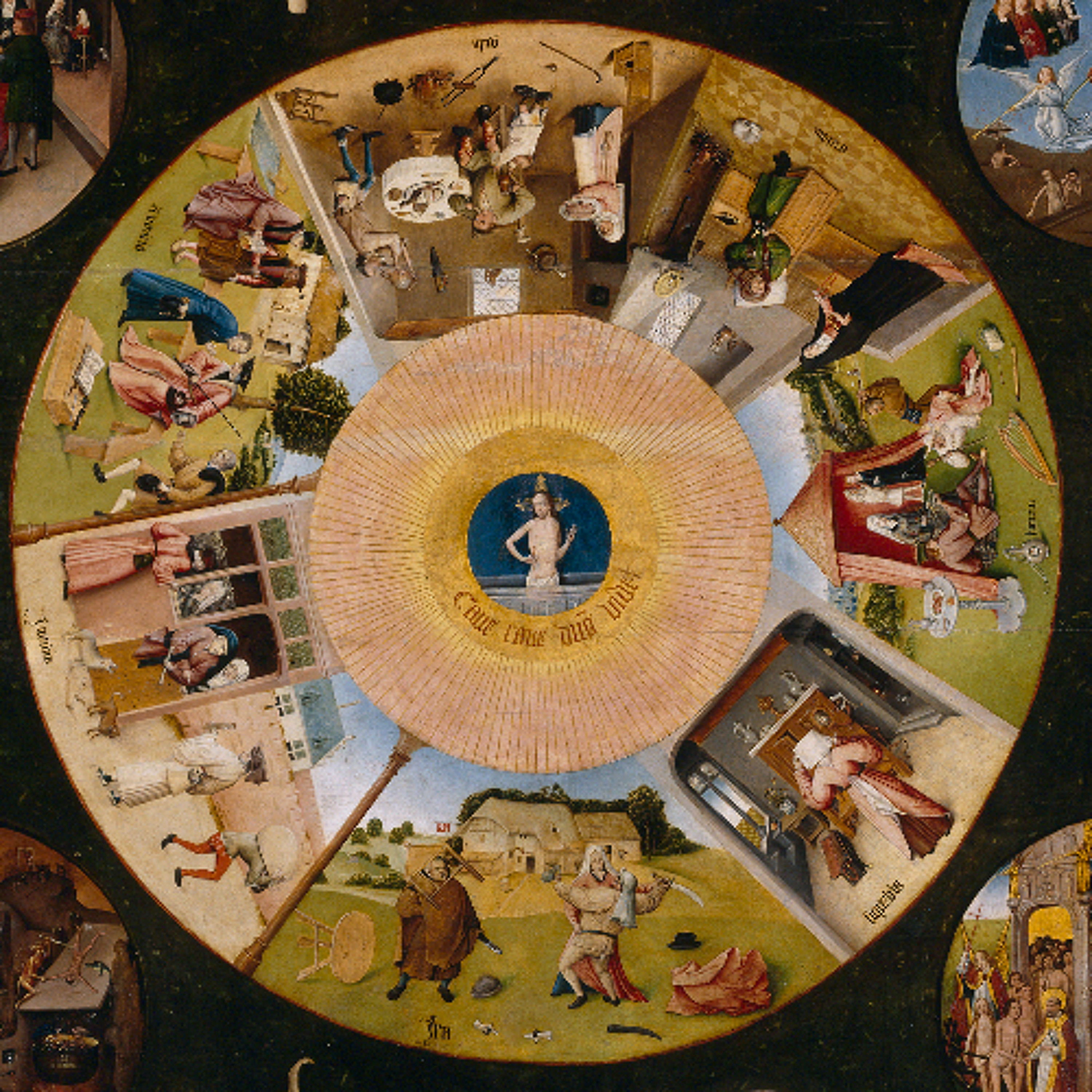
In this invited lecture at Marist College, hosted by the Catholic Studies Program as part of their Marcelin Lecture Series, I narrate some of the key points and developments in the story of how we ended up with the current list of the Seven Deadly Sins, which are: Gluttony, Lust, Greed, Sloth, Wrath, Envy, and Pride. Originally, these start out as the Eight Capital Vices, a list which includes sadness, acedia, and vainglory, and which does not include envy. So, how did we end up with the list we know today?
The story involves Christian monks in the Egyptian desert, Benedictine monks, a reluctant pope, poets, scholastic professors, confessors, and mystics, and ranges over a millennium of thinkers and texts. In the process, I discuss some of the key players: Evagrius Ponticus, John Cassian, Gregory I, Alcuin, Peter Lombard, Thomas Aquinas, and Dante Alighieri
This portion of the talk discusses the treatments of the seven deadly sins by poets ranging from Prudentius to Chaucer and Dante, and by mystics like St. John of the Cross. We also conclude by examining a few additional topics raised by questions from the audience.
To support my ongoing work, go to my Patreon site - www.patreon.com/sadler
If you'd like to make a direct contribution, you can do so here - www.paypal.me/ReasonIO - or at BuyMeACoffee - www.buymeacoffee.com/A4quYdWoM
You can find over 3500 philosophy videos in my main YouTube channel - www.youtube.com/user/gbisadler
In this invited lecture at Marist College, hosted by the Catholic Studies Program as part of their Marcelin Lecture Series, I narrate some of the key points and developments in the story of how we ended up with the current list of the Seven Deadly Sins, which are: Gluttony, Lust, Greed, Sloth, Wrath, Envy, and Pride. Originally, these start out as the Eight Capital Vices, a list which includes sadness, acedia, and vainglory, and which does not include envy. So, how did we end up with the list we know today?
The story involves Christian monks in the Egyptian desert, Benedictine monks, a reluctant pope, poets, scholastic professors, confessors, and mystics, and ranges over a millennium of thinkers and texts. In the process, I discuss some of the key players: Evagrius Ponticus, John Cassian, Gregory I, Alcuin, Peter Lombard, Thomas Aquinas, and Dante Alighieri
This portion of the talk discusses how the eight capital vices get transformed into the schema of the seven deadly sins. A key person in that transformation is the Benedictine monk and pope Gregory I, who makes pride into the root of the seven deadly sins
To support my ongoing work, go to my Patreon site - www.patreon.com/sadler
If you'd like to make a direct contribution, you can do so here - www.paypal.me/ReasonIO - or at BuyMeACoffee - www.buymeacoffee.com/A4quYdWoM
You can find over 3500 philosophy videos in my main YouTube channel - www.youtube.com/user/gbisadler
In this invited lecture at Marist College, hosted by the Catholic Studies Program as part of their Marcelin Lecture Series, I narrate some of the key points and developments in the story of how we ended up with the current list of the Seven Deadly Sins, which are: Gluttony, Lust, Greed, Sloth, Wrath, Envy, and Pride. Originally, these start out as the Eight Capital Vices, a list which includes sadness, acedia, and vainglory, and which does not include envy. So, how did we end up with the list we know today?
The story involves Christian monks in the Egyptian desert, Benedictine monks, a reluctant pope, poets, scholastic professors, confessors, and mystics, and ranges over a millennium of thinkers and texts. In the process, I discuss some of the key players: Evagrius Ponticus, John Cassian, Gregory I, Alcuin, Peter Lombard, Thomas Aquinas, and Dante Alighieri
This portion of the talk discusses the origin of the eight capital vices that precede the schema of the seven deadly sins. We look first at Evagrius Ponticus and then at John Cassian, both important monastic writers.
To support my ongoing work, go to my Patreon site - www.patreon.com/sadler
If you'd like to make a direct contribution, you can do so here - www.paypal.me/ReasonIO - or at BuyMeACoffee - www.buymeacoffee.com/A4quYdWoM
You can find over 3500 philosophy videos in my main YouTube channel - www.youtube.com/user/gbisadler
In this invited lecture at Marist College, hosted by the Catholic Studies Program as part of their Marcelin Lecture Series, I narrate some of the key points and developments in the story of how we ended up with the current list of the Seven Deadly Sins, which are: Gluttony, Lust, Greed, Sloth, Wrath, Envy, and Pride. Originally, these start out as the Eight Capital Vices, a list which includes sadness, acedia, and vainglory, and which does not include envy. So, how did we end up with the list we know today?
The story involves Christian monks in the Egyptian desert, Benedictine monks, a reluctant pope, poets, scholastic professors, confessors, and mystics, and ranges over a millennium of thinkers and texts. In the process, I discuss some of the key players: Evagrius Ponticus, John Cassian, Gregory I, Alcuin, Peter Lombard, Thomas Aquinas, and Dante Alighieri
This portion of the talk introduces the topic and discusses briefly how the conceptions of eight capital vices and seven deadly sins become so important within western culture.
To support my ongoing work, go to my Patreon site - www.patreon.com/sadler
If you'd like to make a direct contribution, you can do so here - www.paypal.me/ReasonIO - or at BuyMeACoffee - www.buymeacoffee.com/A4quYdWoM
You can find over 3500 philosophy videos in my main YouTube channel - www.youtube.com/user/gbisadler
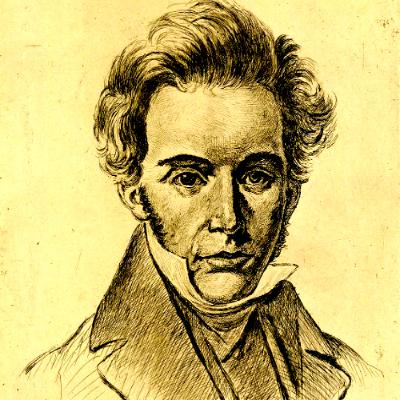
This is the recording of my presentation of my paper, "Kierkegaard’s Philosophical Fragments as Gilsonian Christian Philosophy," during the International Etienne Gilson Society satellite session at the American Catholic Philosophical Association 2015 conference. The recording also includes some lively discussion in the Q&A portion following my reading of the paper.
In the paper, I discuss key features of Gilson's conception of Christian philosophy developed during the 1930s debates about the topic, examine why Kierkegaard would seem to be an unlikely prospect for Gilsonian Christian philosophy, but then argue that Kierkegaard's work Philosophical Fragments actually does fit Gilson's conception of Christian philosophy quite well.
To support my ongoing work, go to my Patreon site - www.patreon.com/sadler
If you'd like to make a direct contribution, you can do so here - www.paypal.me/ReasonIO - or at BuyMeACoffee - www.buymeacoffee.com/A4quYdWoM
You can find over 3500 philosophy videos in my main YouTube channel - www.youtube.com/user/gbisadler
Purchase Soren Kierkegaard's Philosophical Fragments - https://amzn.to/4bQbwtk
This lecture discusses key ideas from the medieval Christian philosopher and theologian Thomas Aquinas' Summa Theologiae, 1st part of the 2nd part, question 28 "The Effects Of Love", and examines his discussions in article 5, which centers on a question raised not only by literary tropes but also by the Song of Songs. Does the passion of love in some way wound or harm the lover? Thomas notes that love produces a "melting" or receptiveness in the lover, which if the object of love is present can lead to enjoyment, but if not can lead to strong desire and to the sadness of languor.
To support my ongoing work, go to my Patreon site - www.patreon.com/sadler
If you'd like to make a direct contribution, you can do so here - www.paypal.me/ReasonIO - or at BuyMeACoffee - www.buymeacoffee.com/A4quYdWoM
You can find over 3500 philosophy videos in my main YouTube channel - www.youtube.com/user/gbisadler
Purchase Thomas Aquinas' Summa Theologiae - amzn.to/2ITcKYQ
This lecture discusses key ideas from the medieval Christian philosopher and theologian Thomas Aquinas' Summa Theologiae, 1st part of the 2nd part, question 28 "The Effects Of Love", and examines his discussions in article 4, which centers on the question of "zeal" (zelus in Latin, zēlos and zēlotupia in Greek) and whether it is or is not an effect of love. The answer to this depends on what sense of "zeal" we have in mind, and that depends on whether the person feel love of concupiscence or love of friendship.
To support my ongoing work, go to my Patreon site - www.patreon.com/sadler
If you'd like to make a direct contribution, you can do so here - www.paypal.me/ReasonIO - or at BuyMeACoffee - www.buymeacoffee.com/A4quYdWoM
You can find over 3500 philosophy videos in my main YouTube channel - www.youtube.com/user/gbisadler
Purchase Thomas Aquinas' Summa Theologiae - amzn.to/2ITcKYQ
This lecture discusses key ideas from the medieval Christian philosopher and theologian Thomas Aquinas' Summa Theologiae, 1st part of the 2nd part, question 28 "The Effects Of Love", and examines his discussions in article 3, which centers on whether or not ecstasy is something that love produces as an effect. For Thomas as it turns out, it all depends on how we understand that term. If we have in mind an affective state that in some way sets them outside their normal rational faculties, then this does occur in some cases. But if we mean something more literal, being placed outside ourselves in some way, ecstasy is indeed an effect of love, in particular the love of friendship
To support my ongoing work, go to my Patreon site - www.patreon.com/sadler
If you'd like to make a direct contribution, you can do so here - www.paypal.me/ReasonIO - or at BuyMeACoffee - www.buymeacoffee.com/A4quYdWoM
You can find over 3500 philosophy videos in my main YouTube channel - www.youtube.com/user/gbisadler
Purchase Thomas Aquinas' Summa Theologiae - amzn.to/2ITcKYQ
This lecture discusses key ideas from the medieval Christian philosopher and theologian Thomas Aquinas' Summa Theologiae, 1st part of the 2nd part, question 28 "The Effects Of Love", and examines his discussions in article 2, which centers on the question whether mutual indwelling (mutua inhaesio) is an effect of love. Thomas considers several arguments that seem to rule against this being the case, then distinguishes between how it can be understood with respect to the apprehensive and appetitive powers, and how the latter works with love of concupiscence and love of friendship.
To support my ongoing work, go to my Patreon site - www.patreon.com/sadler
If you'd like to make a direct contribution, you can do so here - www.paypal.me/ReasonIO - or at BuyMeACoffee - www.buymeacoffee.com/A4quYdWoM
You can find over 3500 philosophy videos in my main YouTube channel - www.youtube.com/user/gbisadler
Purchase Thomas Aquinas' Summa Theologiae - amzn.to/2ITcKYQ
This lecture discusses key ideas from the medieval Christian philosopher and theologian Thomas Aquinas' Summa Theologiae, 1st part of the 2nd part, question 28 "The Effects Of Love", and examines his discussions in article 1, which centers on the question whether union is or is not an effect of love. Thomas considers several arguments against union being an effect of love, and then clarifies the ways in which love does produce union between the one loving and the one loved in some respect
To support my ongoing work, go to my Patreon site - www.patreon.com/sadler
If you'd like to make a direct contribution, you can do so here - www.paypal.me/ReasonIO - or at BuyMeACoffee - www.buymeacoffee.com/A4quYdWoM
You can find over 3500 philosophy videos in my main YouTube channel - www.youtube.com/user/gbisadler
Purchase Thomas Aquinas' Summa Theologiae - amzn.to/2ITcKYQ

This is the recording of my presentation at the Mid-Atlantic Popular & American Culture Association 2011 conference, applying Aristotelian moral theory to reading George R.R. Martin's series Song of Ice and Fire.
In it, I argue that Martin articulates a essentially neo-Aristotelian view of human nature, characters, development, ethos and moral qualities, referencing selected events, characters, dialogues, monologues, and decisions from the narrative,
I focus upon four aspects of a neo-Aristotelian view of moral life, character, and discourse, namely:
community as sharing (koinonia) but also locus of conflict over moral qualities and judgments
motivational interplays between interests, desires, loyalties, and common goods
ethos reflected in both individual characters and houses
characters’ choice and development as matters of better or worse practical reasoning towards and about the variety of human goods.
To support my ongoing work, go to my Patreon site - www.patreon.com/sadler
If you'd like to make a direct contribution, you can do so here - www.paypal.me/ReasonIO - or at BuyMeACoffee - www.buymeacoffee.com/A4quYdWoM
You can find over 3,500 philosophy videos in my main YouTube channel - www.youtube.com/user/gbisadler
You can get Martin's 5 volumes of the Song of Ice and Fire here - https://amzn.to/4sNAaRC
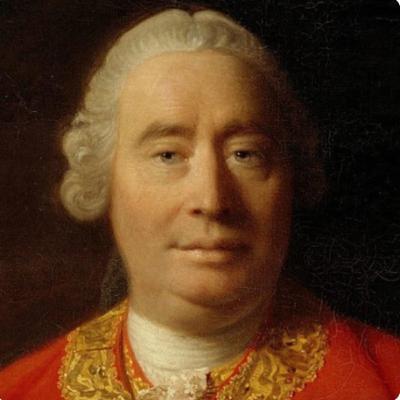
This lecture discusses key ideas from the 18th century philosopher and essayist David Hume's essay The Natural History Of Religion.
It focuses specifically on sections 9-15, where Hume brings his work to a close by comparing polytheism and monotheism, as he understands them, against each other, not just in terms of their belief systems but their effects upon cultures and societies in which they play important roles.
To support my ongoing work, go to my Patreon site - www.patreon.com/sadler
If you'd like to make a direct contribution, you can do so here - www.paypal.me/ReasonIO - or at BuyMeACoffee - www.buymeacoffee.com/A4quYdWoM
You can find over 3,500 philosophy videos in my main YouTube channel - www.youtube.com/user/gbisadler
You can get Hume's Natural History Of Religion here - https://amzn.to/49oomNH
This lecture discusses key ideas from the 18th century philosopher and essayist David Hume's essay The Natural History Of Religion.
It focuses specifically on sections 6-8, where he discusses the development of monotheism (which he calls "theism") out of polytheism, attempting to provide a naturalist perspective on the matters.
To support my ongoing work, go to my Patreon site - www.patreon.com/sadler
If you'd like to make a direct contribution, you can do so here - www.paypal.me/ReasonIO - or at BuyMeACoffee - www.buymeacoffee.com/A4quYdWoM
You can find over 3,500 philosophy videos in my main YouTube channel - www.youtube.com/user/gbisadler
You can get Hume's Natural History Of Religion here - https://amzn.to/49oomNH


Download from Google Play

Download from App Store
 United States
whole episode
14:15
Denying the existence of something derives from the nothing? That sounds like nonsense to me. And what is nothing?
Does his test pass itself?