


 Claim Ownership
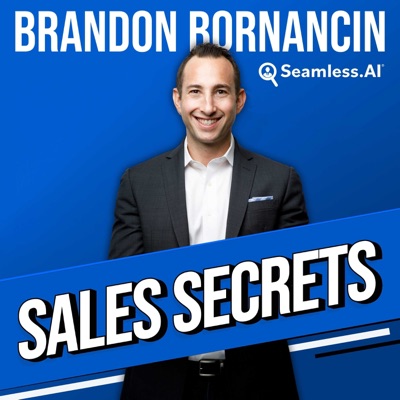
Sales Secrets
Subscribed: 381Played: 26,298
Subscribe

© 2020 - Sales Secrets
Description
Brandon Bornancin is a serial salesperson, entrepreneur, and Founder & CEO of Seamless.AI. Twice a week, Brandon interviews the world’s biggest and brightest business experts including Kevin Harrington, Jordan Belfort, Ryan Serhant, Bob Burg, Jill Konrath, Anthony Iannarino, and many more -- to uncover actionable strategies, tips, and insights that you can use to generate more revenue and accelerate your business. Ready to learn exclusive secrets from top sales, business, and entrepreneurs from around the world? Then Sales Secrets From The Top 1% is the place to find them.
1273 Episodes
Reverse
SUBSCRIBE TO THE SALES SECRETS PODCASTITUNES ► https://itunes.apple.com/us/podcast/s...SPOTIFY ► https://open.spotify.com/show/1BKYsQo...YOUTUBE ► https://www.youtube.com/channel/UCVUh...THIS EPISODE IS BROUGHT TO YOU BY SEAMLESS.AI - THE WORLD'S BEST SALES LEADSWEBSITE ► https://www.seamless.ai/LINKEDIN ► https://www.linkedin.com/company/seamlessai/JOIN FOR FREE TODAY ► https://login.seamless.ai/invite/podcastSHOW DESCRIPTIONBrandon Bornancin is a serial salesperson, entrepreneur and founder of Seamless.AI. Twice a week, Brandon interviews the world’s top sales experts like Jill Konrath, Aaron Ross, John Barrows, Trish Bertuzzi, Mark Hunter, Anthony Iannarino and many more -- to uncover actionable strategies, playbooks, tips and insights you can use to generate more revenue and close more business. If you want to learn the most powerful sales secrets from the top sales experts in the world, Sales Secrets From The Top 1% is the place to find them.SALES SECRET FROM THE TOP 1%WEBSITE ► https://www.secretsalesbook.com/LINKEDIN ► https://www.linkedin.com/company/sales-secret-book/ABOUT BRANDONBrandon Bornancin is a serial salesperson (over $100M in sales deals), multi-million dollar sales tech entrepreneur, motivational sales speaker, international sales DJ (DJ NoQ5) and sales author who is obsessed with helping you maximize your sales success.Mr. Bornancin is currently the CEO & Founder at Seamless.ai delivering the world’s best sales leads. Over 10,000+ companies use Seamless.ai to generate millions in sales at companies like Google, Amazon, Facebook, Slack, Dell, Oracle & many others.Mr. Bornancin is also the author of "Sales Secrets From The Top 1%" where the world's best sales experts share their secrets to sales success and author of “The Ultimate Guide To Overcoming Sales Objections.”FOLLOW BRANDONLINKEDIN ► https://www.linkedin.com/in/brandonbornancin/INSTAGRAM ► https://www.instagram.com/brandonbornancinofficial/FACEBOOK ► https://www.facebook.com/SeamlessAITWITTER ► https://twitter.com/BBornancin
SUBSCRIBE TO THE SALES SECRETS PODCASTITUNES ► https://itunes.apple.com/us/podcast/s...SPOTIFY ► https://open.spotify.com/show/1BKYsQo...YOUTUBE ► https://www.youtube.com/channel/UCVUh...THIS EPISODE IS BROUGHT TO YOU BY SEAMLESS.AI - THE WORLD'S BEST SALES LEADSWEBSITE ► https://www.seamless.ai/LINKEDIN ► https://www.linkedin.com/company/seamlessai/JOIN FOR FREE TODAY ► https://login.seamless.ai/invite/podcastSHOW DESCRIPTIONBrandon Bornancin is a serial salesperson, entrepreneur and founder of Seamless.AI. Twice a week, Brandon interviews the world’s top sales experts like Jill Konrath, Aaron Ross, John Barrows, Trish Bertuzzi, Mark Hunter, Anthony Iannarino and many more -- to uncover actionable strategies, playbooks, tips and insights you can use to generate more revenue and close more business. If you want to learn the most powerful sales secrets from the top sales experts in the world, Sales Secrets From The Top 1% is the place to find them.SALES SECRET FROM THE TOP 1%WEBSITE ► https://www.secretsalesbook.com/LINKEDIN ► https://www.linkedin.com/company/sales-secret-book/ABOUT BRANDONBrandon Bornancin is a serial salesperson (over $100M in sales deals), multi-million dollar sales tech entrepreneur, motivational sales speaker, international sales DJ (DJ NoQ5) and sales author who is obsessed with helping you maximize your sales success.Mr. Bornancin is currently the CEO & Founder at Seamless.ai delivering the world’s best sales leads. Over 10,000+ companies use Seamless.ai to generate millions in sales at companies like Google, Amazon, Facebook, Slack, Dell, Oracle & many others.Mr. Bornancin is also the author of "Sales Secrets From The Top 1%" where the world's best sales experts share their secrets to sales success and author of “The Ultimate Guide To Overcoming Sales Objections.”FOLLOW BRANDONLINKEDIN ► https://www.linkedin.com/in/brandonbornancin/INSTAGRAM ► https://www.instagram.com/brandonbornancinofficial/FACEBOOK ► https://www.facebook.com/SeamlessAITWITTER ► https://twitter.com/BBornancin
SUBSCRIBE TO THE SALES SECRETS PODCASTITUNES ► https://itunes.apple.com/us/podcast/s...SPOTIFY ► https://open.spotify.com/show/1BKYsQo...YOUTUBE ► https://www.youtube.com/channel/UCVUh...THIS EPISODE IS BROUGHT TO YOU BY SEAMLESS.AI - THE WORLD'S BEST SALES LEADSWEBSITE ► https://www.seamless.ai/LINKEDIN ► https://www.linkedin.com/company/seamlessai/JOIN FOR FREE TODAY ► https://login.seamless.ai/invite/podcastSHOW DESCRIPTIONBrandon Bornancin is a serial salesperson, entrepreneur and founder of Seamless.AI. Twice a week, Brandon interviews the world’s top sales experts like Jill Konrath, Aaron Ross, John Barrows, Trish Bertuzzi, Mark Hunter, Anthony Iannarino and many more -- to uncover actionable strategies, playbooks, tips and insights you can use to generate more revenue and close more business. If you want to learn the most powerful sales secrets from the top sales experts in the world, Sales Secrets From The Top 1% is the place to find them.SALES SECRET FROM THE TOP 1%WEBSITE ► https://www.secretsalesbook.com/LINKEDIN ► https://www.linkedin.com/company/sales-secret-book/ABOUT BRANDONBrandon Bornancin is a serial salesperson (over $100M in sales deals), multi-million dollar sales tech entrepreneur, motivational sales speaker, international sales DJ (DJ NoQ5) and sales author who is obsessed with helping you maximize your sales success.Mr. Bornancin is currently the CEO & Founder at Seamless.ai delivering the world’s best sales leads. Over 10,000+ companies use Seamless.ai to generate millions in sales at companies like Google, Amazon, Facebook, Slack, Dell, Oracle & many others.Mr. Bornancin is also the author of "Sales Secrets From The Top 1%" where the world's best sales experts share their secrets to sales success and author of “The Ultimate Guide To Overcoming Sales Objections.”FOLLOW BRANDONLINKEDIN ► https://www.linkedin.com/in/brandonbornancin/INSTAGRAM ► https://www.instagram.com/brandonbornancinofficial/FACEBOOK ► https://www.facebook.com/SeamlessAITWITTER ► https://twitter.com/BBornancin
SUBSCRIBE TO THE SALES SECRETS PODCASTITUNES ► https://itunes.apple.com/us/podcast/s...SPOTIFY ► https://open.spotify.com/show/1BKYsQo...YOUTUBE ► https://www.youtube.com/channel/UCVUh...THIS EPISODE IS BROUGHT TO YOU BY SEAMLESS.AI - THE WORLD'S BEST SALES LEADSWEBSITE ► https://www.seamless.ai/LINKEDIN ► https://www.linkedin.com/company/seamlessai/JOIN FOR FREE TODAY ► https://login.seamless.ai/invite/podcastSHOW DESCRIPTIONBrandon Bornancin is a serial salesperson, entrepreneur and founder of Seamless.AI. Twice a week, Brandon interviews the world’s top sales experts like Jill Konrath, Aaron Ross, John Barrows, Trish Bertuzzi, Mark Hunter, Anthony Iannarino and many more -- to uncover actionable strategies, playbooks, tips and insights you can use to generate more revenue and close more business. If you want to learn the most powerful sales secrets from the top sales experts in the world, Sales Secrets From The Top 1% is the place to find them.SALES SECRET FROM THE TOP 1%WEBSITE ► https://www.secretsalesbook.com/LINKEDIN ► https://www.linkedin.com/company/sales-secret-book/ABOUT BRANDONBrandon Bornancin is a serial salesperson (over $100M in sales deals), multi-million dollar sales tech entrepreneur, motivational sales speaker, international sales DJ (DJ NoQ5) and sales author who is obsessed with helping you maximize your sales success.Mr. Bornancin is currently the CEO & Founder at Seamless.ai delivering the world’s best sales leads. Over 10,000+ companies use Seamless.ai to generate millions in sales at companies like Google, Amazon, Facebook, Slack, Dell, Oracle & many others.Mr. Bornancin is also the author of "Sales Secrets From The Top 1%" where the world's best sales experts share their secrets to sales success and author of “The Ultimate Guide To Overcoming Sales Objections.”FOLLOW BRANDONLINKEDIN ► https://www.linkedin.com/in/brandonbornancin/INSTAGRAM ► https://www.instagram.com/brandonbornancinofficial/FACEBOOK ► https://www.facebook.com/SeamlessAITWITTER ► https://twitter.com/BBornancin
SUBSCRIBE TO THE SALES SECRETS PODCASTITUNES ► https://itunes.apple.com/us/podcast/s...SPOTIFY ► https://open.spotify.com/show/1BKYsQo...YOUTUBE ► https://www.youtube.com/channel/UCVUh...THIS EPISODE IS BROUGHT TO YOU BY SEAMLESS.AI - THE WORLD'S BEST SALES LEADSWEBSITE ► https://www.seamless.ai/LINKEDIN ► https://www.linkedin.com/company/seamlessai/JOIN FOR FREE TODAY ► https://login.seamless.ai/invite/podcastSHOW DESCRIPTIONBrandon Bornancin is a serial salesperson, entrepreneur and founder of Seamless.AI. Twice a week, Brandon interviews the world’s top sales experts like Jill Konrath, Aaron Ross, John Barrows, Trish Bertuzzi, Mark Hunter, Anthony Iannarino and many more -- to uncover actionable strategies, playbooks, tips and insights you can use to generate more revenue and close more business. If you want to learn the most powerful sales secrets from the top sales experts in the world, Sales Secrets From The Top 1% is the place to find them.SALES SECRET FROM THE TOP 1%WEBSITE ► https://www.secretsalesbook.com/LINKEDIN ► https://www.linkedin.com/company/sales-secret-book/ABOUT BRANDONBrandon Bornancin is a serial salesperson (over $100M in sales deals), multi-million dollar sales tech entrepreneur, motivational sales speaker, international sales DJ (DJ NoQ5) and sales author who is obsessed with helping you maximize your sales success.Mr. Bornancin is currently the CEO & Founder at Seamless.ai delivering the world’s best sales leads. Over 10,000+ companies use Seamless.ai to generate millions in sales at companies like Google, Amazon, Facebook, Slack, Dell, Oracle & many others.Mr. Bornancin is also the author of "Sales Secrets From The Top 1%" where the world's best sales experts share their secrets to sales success and author of “The Ultimate Guide To Overcoming Sales Objections.”FOLLOW BRANDONLINKEDIN ► https://www.linkedin.com/in/brandonbornancin/INSTAGRAM ► https://www.instagram.com/brandonbornancinofficial/FACEBOOK ► https://www.facebook.com/SeamlessAITWITTER ► https://twitter.com/BBornancin
SUBSCRIBE TO THE SALES SECRETS PODCASTITUNES ► https://itunes.apple.com/us/podcast/s...SPOTIFY ► https://open.spotify.com/show/1BKYsQo...YOUTUBE ► https://www.youtube.com/channel/UCVUh...THIS EPISODE IS BROUGHT TO YOU BY SEAMLESS.AI - THE WORLD'S BEST SALES LEADSWEBSITE ► https://www.seamless.ai/LINKEDIN ► https://www.linkedin.com/company/seamlessai/JOIN FOR FREE TODAY ► https://login.seamless.ai/invite/podcastSHOW DESCRIPTIONBrandon Bornancin is a serial salesperson, entrepreneur and founder of Seamless.AI. Twice a week, Brandon interviews the world’s top sales experts like Jill Konrath, Aaron Ross, John Barrows, Trish Bertuzzi, Mark Hunter, Anthony Iannarino and many more -- to uncover actionable strategies, playbooks, tips and insights you can use to generate more revenue and close more business. If you want to learn the most powerful sales secrets from the top sales experts in the world, Sales Secrets From The Top 1% is the place to find them.SALES SECRET FROM THE TOP 1%WEBSITE ► https://www.secretsalesbook.com/LINKEDIN ► https://www.linkedin.com/company/sales-secret-book/ABOUT BRANDONBrandon Bornancin is a serial salesperson (over $100M in sales deals), multi-million dollar sales tech entrepreneur, motivational sales speaker, international sales DJ (DJ NoQ5) and sales author who is obsessed with helping you maximize your sales success.Mr. Bornancin is currently the CEO & Founder at Seamless.ai delivering the world’s best sales leads. Over 10,000+ companies use Seamless.ai to generate millions in sales at companies like Google, Amazon, Facebook, Slack, Dell, Oracle & many others.Mr. Bornancin is also the author of "Sales Secrets From The Top 1%" where the world's best sales experts share their secrets to sales success and author of “The Ultimate Guide To Overcoming Sales Objections.”FOLLOW BRANDONLINKEDIN ► https://www.linkedin.com/in/brandonbornancin/INSTAGRAM ► https://www.instagram.com/brandonbornancinofficial/FACEBOOK ► https://www.facebook.com/SeamlessAITWITTER ► https://twitter.com/BBornancin
SUBSCRIBE TO THE SALES SECRETS PODCASTITUNES ► https://itunes.apple.com/us/podcast/s...SPOTIFY ► https://open.spotify.com/show/1BKYsQo...YOUTUBE ► https://www.youtube.com/channel/UCVUh...THIS EPISODE IS BROUGHT TO YOU BY SEAMLESS.AI - THE WORLD'S BEST SALES LEADSWEBSITE ► https://www.seamless.ai/LINKEDIN ► https://www.linkedin.com/company/seamlessai/JOIN FOR FREE TODAY ► https://login.seamless.ai/invite/podcastSHOW DESCRIPTIONBrandon Bornancin is a serial salesperson, entrepreneur and founder of Seamless.AI. Twice a week, Brandon interviews the world’s top sales experts like Jill Konrath, Aaron Ross, John Barrows, Trish Bertuzzi, Mark Hunter, Anthony Iannarino and many more -- to uncover actionable strategies, playbooks, tips and insights you can use to generate more revenue and close more business. If you want to learn the most powerful sales secrets from the top sales experts in the world, Sales Secrets From The Top 1% is the place to find them.SALES SECRET FROM THE TOP 1%WEBSITE ► https://www.secretsalesbook.com/LINKEDIN ► https://www.linkedin.com/company/sales-secret-book/ABOUT BRANDONBrandon Bornancin is a serial salesperson (over $100M in sales deals), multi-million dollar sales tech entrepreneur, motivational sales speaker, international sales DJ (DJ NoQ5) and sales author who is obsessed with helping you maximize your sales success.Mr. Bornancin is currently the CEO & Founder at Seamless.ai delivering the world’s best sales leads. Over 10,000+ companies use Seamless.ai to generate millions in sales at companies like Google, Amazon, Facebook, Slack, Dell, Oracle & many others.Mr. Bornancin is also the author of "Sales Secrets From The Top 1%" where the world's best sales experts share their secrets to sales success and author of “The Ultimate Guide To Overcoming Sales Objections.”FOLLOW BRANDONLINKEDIN ► https://www.linkedin.com/in/brandonbornancin/INSTAGRAM ► https://www.instagram.com/brandonbornancinofficial/FACEBOOK ► https://www.facebook.com/SeamlessAITWITTER ► https://twitter.com/BBornancin
SUBSCRIBE TO THE SALES SECRETS PODCASTITUNES ► https://itunes.apple.com/us/podcast/s...SPOTIFY ► https://open.spotify.com/show/1BKYsQo...YOUTUBE ► https://www.youtube.com/channel/UCVUh...THIS EPISODE IS BROUGHT TO YOU BY SEAMLESS.AI - THE WORLD'S BEST SALES LEADSWEBSITE ► https://www.seamless.ai/LINKEDIN ► https://www.linkedin.com/company/seamlessai/JOIN FOR FREE TODAY ► https://login.seamless.ai/invite/podcastSHOW DESCRIPTIONBrandon Bornancin is a serial salesperson, entrepreneur and founder of Seamless.AI. Twice a week, Brandon interviews the world’s top sales experts like Jill Konrath, Aaron Ross, John Barrows, Trish Bertuzzi, Mark Hunter, Anthony Iannarino and many more -- to uncover actionable strategies, playbooks, tips and insights you can use to generate more revenue and close more business. If you want to learn the most powerful sales secrets from the top sales experts in the world, Sales Secrets From The Top 1% is the place to find them.SALES SECRET FROM THE TOP 1%WEBSITE ► https://www.secretsalesbook.com/LINKEDIN ► https://www.linkedin.com/company/sales-secret-book/ABOUT BRANDONBrandon Bornancin is a serial salesperson (over $100M in sales deals), multi-million dollar sales tech entrepreneur, motivational sales speaker, international sales DJ (DJ NoQ5) and sales author who is obsessed with helping you maximize your sales success.Mr. Bornancin is currently the CEO & Founder at Seamless.ai delivering the world’s best sales leads. Over 10,000+ companies use Seamless.ai to generate millions in sales at companies like Google, Amazon, Facebook, Slack, Dell, Oracle & many others.Mr. Bornancin is also the author of "Sales Secrets From The Top 1%" where the world's best sales experts share their secrets to sales success and author of “The Ultimate Guide To Overcoming Sales Objections.”FOLLOW BRANDONLINKEDIN ► https://www.linkedin.com/in/brandonbornancin/INSTAGRAM ► https://www.instagram.com/brandonbornancinofficial/FACEBOOK ► https://www.facebook.com/SeamlessAITWITTER ► https://twitter.com/BBornancin
SUBSCRIBE TO THE SALES SECRETS PODCASTITUNES ► https://itunes.apple.com/us/podcast/s...SPOTIFY ► https://open.spotify.com/show/1BKYsQo...YOUTUBE ► https://www.youtube.com/channel/UCVUh...THIS EPISODE IS BROUGHT TO YOU BY SEAMLESS.AI - THE WORLD'S BEST SALES LEADSWEBSITE ► https://www.seamless.ai/LINKEDIN ► https://www.linkedin.com/company/seamlessai/JOIN FOR FREE TODAY ► https://login.seamless.ai/invite/podcastSHOW DESCRIPTIONBrandon Bornancin is a serial salesperson, entrepreneur and founder of Seamless.AI. Twice a week, Brandon interviews the world’s top sales experts like Jill Konrath, Aaron Ross, John Barrows, Trish Bertuzzi, Mark Hunter, Anthony Iannarino and many more -- to uncover actionable strategies, playbooks, tips and insights you can use to generate more revenue and close more business. If you want to learn the most powerful sales secrets from the top sales experts in the world, Sales Secrets From The Top 1% is the place to find them.SALES SECRET FROM THE TOP 1%WEBSITE ► https://www.secretsalesbook.com/LINKEDIN ► https://www.linkedin.com/company/sales-secret-book/ABOUT BRANDONBrandon Bornancin is a serial salesperson (over $100M in sales deals), multi-million dollar sales tech entrepreneur, motivational sales speaker, international sales DJ (DJ NoQ5) and sales author who is obsessed with helping you maximize your sales success.Mr. Bornancin is currently the CEO & Founder at Seamless.ai delivering the world’s best sales leads. Over 10,000+ companies use Seamless.ai to generate millions in sales at companies like Google, Amazon, Facebook, Slack, Dell, Oracle & many others.Mr. Bornancin is also the author of "Sales Secrets From The Top 1%" where the world's best sales experts share their secrets to sales success and author of “The Ultimate Guide To Overcoming Sales Objections.”FOLLOW BRANDONLINKEDIN ► https://www.linkedin.com/in/brandonbornancin/INSTAGRAM ► https://www.instagram.com/brandonbornancinofficial/FACEBOOK ► https://www.facebook.com/SeamlessAITWITTER ► https://twitter.com/BBornancin
SUBSCRIBE TO THE SALES SECRETS PODCASTITUNES ► https://itunes.apple.com/us/podcast/s...SPOTIFY ► https://open.spotify.com/show/1BKYsQo...YOUTUBE ► https://www.youtube.com/channel/UCVUh...THIS EPISODE IS BROUGHT TO YOU BY SEAMLESS.AI - THE WORLD'S BEST SALES LEADSWEBSITE ► https://www.seamless.ai/LINKEDIN ► https://www.linkedin.com/company/seamlessai/JOIN FOR FREE TODAY ► https://login.seamless.ai/invite/podcastSHOW DESCRIPTIONBrandon Bornancin is a serial salesperson, entrepreneur and founder of Seamless.AI. Twice a week, Brandon interviews the world’s top sales experts like Jill Konrath, Aaron Ross, John Barrows, Trish Bertuzzi, Mark Hunter, Anthony Iannarino and many more -- to uncover actionable strategies, playbooks, tips and insights you can use to generate more revenue and close more business. If you want to learn the most powerful sales secrets from the top sales experts in the world, Sales Secrets From The Top 1% is the place to find them.SALES SECRET FROM THE TOP 1%WEBSITE ► https://www.secretsalesbook.com/LINKEDIN ► https://www.linkedin.com/company/sales-secret-book/ABOUT BRANDONBrandon Bornancin is a serial salesperson (over $100M in sales deals), multi-million dollar sales tech entrepreneur, motivational sales speaker, international sales DJ (DJ NoQ5) and sales author who is obsessed with helping you maximize your sales success.Mr. Bornancin is currently the CEO & Founder at Seamless.ai delivering the world’s best sales leads. Over 10,000+ companies use Seamless.ai to generate millions in sales at companies like Google, Amazon, Facebook, Slack, Dell, Oracle & many others.Mr. Bornancin is also the author of "Sales Secrets From The Top 1%" where the world's best sales experts share their secrets to sales success and author of “The Ultimate Guide To Overcoming Sales Objections.”FOLLOW BRANDONLINKEDIN ► https://www.linkedin.com/in/brandonbornancin/INSTAGRAM ► https://www.instagram.com/brandonbornancinofficial/FACEBOOK ► https://www.facebook.com/SeamlessAITWITTER ► https://twitter.com/BBornancin
SUBSCRIBE TO THE SALES SECRETS PODCASTITUNES ► https://itunes.apple.com/us/podcast/s...SPOTIFY ► https://open.spotify.com/show/1BKYsQo...YOUTUBE ► https://www.youtube.com/channel/UCVUh...THIS EPISODE IS BROUGHT TO YOU BY SEAMLESS.AI - THE WORLD'S BEST SALES LEADSWEBSITE ► https://www.seamless.ai/LINKEDIN ► https://www.linkedin.com/company/seamlessai/JOIN FOR FREE TODAY ► https://login.seamless.ai/invite/podcastSHOW DESCRIPTIONBrandon Bornancin is a serial salesperson, entrepreneur and founder of Seamless.AI. Twice a week, Brandon interviews the world’s top sales experts like Jill Konrath, Aaron Ross, John Barrows, Trish Bertuzzi, Mark Hunter, Anthony Iannarino and many more -- to uncover actionable strategies, playbooks, tips and insights you can use to generate more revenue and close more business. If you want to learn the most powerful sales secrets from the top sales experts in the world, Sales Secrets From The Top 1% is the place to find them.SALES SECRET FROM THE TOP 1%WEBSITE ► https://www.secretsalesbook.com/LINKEDIN ► https://www.linkedin.com/company/sales-secret-book/ABOUT BRANDONBrandon Bornancin is a serial salesperson (over $100M in sales deals), multi-million dollar sales tech entrepreneur, motivational sales speaker, international sales DJ (DJ NoQ5) and sales author who is obsessed with helping you maximize your sales success.Mr. Bornancin is currently the CEO & Founder at Seamless.ai delivering the world’s best sales leads. Over 10,000+ companies use Seamless.ai to generate millions in sales at companies like Google, Amazon, Facebook, Slack, Dell, Oracle & many others.Mr. Bornancin is also the author of "Sales Secrets From The Top 1%" where the world's best sales experts share their secrets to sales success and author of “The Ultimate Guide To Overcoming Sales Objections.”FOLLOW BRANDONLINKEDIN ► https://www.linkedin.com/in/brandonbornancin/INSTAGRAM ► https://www.instagram.com/brandonbornancinofficial/FACEBOOK ► https://www.facebook.com/SeamlessAITWITTER ► https://twitter.com/BBornancin
SUBSCRIBE TO THE SALES SECRETS PODCASTITUNES ► https://itunes.apple.com/us/podcast/s...SPOTIFY ► https://open.spotify.com/show/1BKYsQo...YOUTUBE ► https://www.youtube.com/channel/UCVUh...THIS EPISODE IS BROUGHT TO YOU BY SEAMLESS.AI - THE WORLD'S BEST SALES LEADSWEBSITE ► https://www.seamless.ai/LINKEDIN ► https://www.linkedin.com/company/seamlessai/JOIN FOR FREE TODAY ► https://login.seamless.ai/invite/podcastSHOW DESCRIPTIONBrandon Bornancin is a serial salesperson, entrepreneur and founder of Seamless.AI. Twice a week, Brandon interviews the world’s top sales experts like Jill Konrath, Aaron Ross, John Barrows, Trish Bertuzzi, Mark Hunter, Anthony Iannarino and many more -- to uncover actionable strategies, playbooks, tips and insights you can use to generate more revenue and close more business. If you want to learn the most powerful sales secrets from the top sales experts in the world, Sales Secrets From The Top 1% is the place to find them.SALES SECRET FROM THE TOP 1%WEBSITE ► https://www.secretsalesbook.com/LINKEDIN ► https://www.linkedin.com/company/sales-secret-book/ABOUT BRANDONBrandon Bornancin is a serial salesperson (over $100M in sales deals), multi-million dollar sales tech entrepreneur, motivational sales speaker, international sales DJ (DJ NoQ5) and sales author who is obsessed with helping you maximize your sales success.Mr. Bornancin is currently the CEO & Founder at Seamless.ai delivering the world’s best sales leads. Over 10,000+ companies use Seamless.ai to generate millions in sales at companies like Google, Amazon, Facebook, Slack, Dell, Oracle & many others.Mr. Bornancin is also the author of "Sales Secrets From The Top 1%" where the world's best sales experts share their secrets to sales success and author of “The Ultimate Guide To Overcoming Sales Objections.”FOLLOW BRANDONLINKEDIN ► https://www.linkedin.com/in/brandonbornancin/INSTAGRAM ► https://www.instagram.com/brandonbornancinofficial/FACEBOOK ► https://www.facebook.com/SeamlessAITWITTER ► https://twitter.com/BBornancin
SUBSCRIBE TO THE SALES SECRETS PODCASTITUNES ► https://itunes.apple.com/us/podcast/s...SPOTIFY ► https://open.spotify.com/show/1BKYsQo...YOUTUBE ► https://www.youtube.com/channel/UCVUh...THIS EPISODE IS BROUGHT TO YOU BY SEAMLESS.AI - THE WORLD'S BEST SALES LEADSWEBSITE ► https://www.seamless.ai/LINKEDIN ► https://www.linkedin.com/company/seamlessai/JOIN FOR FREE TODAY ► https://login.seamless.ai/invite/podcastSHOW DESCRIPTIONBrandon Bornancin is a serial salesperson, entrepreneur and founder of Seamless.AI. Twice a week, Brandon interviews the world’s top sales experts like Jill Konrath, Aaron Ross, John Barrows, Trish Bertuzzi, Mark Hunter, Anthony Iannarino and many more -- to uncover actionable strategies, playbooks, tips and insights you can use to generate more revenue and close more business. If you want to learn the most powerful sales secrets from the top sales experts in the world, Sales Secrets From The Top 1% is the place to find them.SALES SECRET FROM THE TOP 1%WEBSITE ► https://www.secretsalesbook.com/LINKEDIN ► https://www.linkedin.com/company/sales-secret-book/ABOUT BRANDONBrandon Bornancin is a serial salesperson (over $100M in sales deals), multi-million dollar sales tech entrepreneur, motivational sales speaker, international sales DJ (DJ NoQ5) and sales author who is obsessed with helping you maximize your sales success.Mr. Bornancin is currently the CEO & Founder at Seamless.ai delivering the world’s best sales leads. Over 10,000+ companies use Seamless.ai to generate millions in sales at companies like Google, Amazon, Facebook, Slack, Dell, Oracle & many others.Mr. Bornancin is also the author of "Sales Secrets From The Top 1%" where the world's best sales experts share their secrets to sales success and author of “The Ultimate Guide To Overcoming Sales Objections.”FOLLOW BRANDONLINKEDIN ► https://www.linkedin.com/in/brandonbornancin/INSTAGRAM ► https://www.instagram.com/brandonbornancinofficial/FACEBOOK ► https://www.facebook.com/SeamlessAITWITTER ► https://twitter.com/BBornancin
SUBSCRIBE TO THE SALES SECRETS PODCASTITUNES ► https://itunes.apple.com/us/podcast/s...SPOTIFY ► https://open.spotify.com/show/1BKYsQo...YOUTUBE ► https://www.youtube.com/channel/UCVUh...THIS EPISODE IS BROUGHT TO YOU BY SEAMLESS.AI - THE WORLD'S BEST SALES LEADSWEBSITE ► https://www.seamless.ai/LINKEDIN ► https://www.linkedin.com/company/seamlessai/JOIN FOR FREE TODAY ► https://login.seamless.ai/invite/podcastSHOW DESCRIPTIONBrandon Bornancin is a serial salesperson, entrepreneur and founder of Seamless.AI. Twice a week, Brandon interviews the world’s top sales experts like Jill Konrath, Aaron Ross, John Barrows, Trish Bertuzzi, Mark Hunter, Anthony Iannarino and many more -- to uncover actionable strategies, playbooks, tips and insights you can use to generate more revenue and close more business. If you want to learn the most powerful sales secrets from the top sales experts in the world, Sales Secrets From The Top 1% is the place to find them.SALES SECRET FROM THE TOP 1%WEBSITE ► https://www.secretsalesbook.com/LINKEDIN ► https://www.linkedin.com/company/sales-secret-book/ABOUT BRANDONBrandon Bornancin is a serial salesperson (over $100M in sales deals), multi-million dollar sales tech entrepreneur, motivational sales speaker, international sales DJ (DJ NoQ5) and sales author who is obsessed with helping you maximize your sales success.Mr. Bornancin is currently the CEO & Founder at Seamless.ai delivering the world’s best sales leads. Over 10,000+ companies use Seamless.ai to generate millions in sales at companies like Google, Amazon, Facebook, Slack, Dell, Oracle & many others.Mr. Bornancin is also the author of "Sales Secrets From The Top 1%" where the world's best sales experts share their secrets to sales success and author of “The Ultimate Guide To Overcoming Sales Objections.”FOLLOW BRANDONLINKEDIN ► https://www.linkedin.com/in/brandonbornancin/INSTAGRAM ► https://www.instagram.com/brandonbornancinofficial/FACEBOOK ► https://www.facebook.com/SeamlessAITWITTER ► https://twitter.com/BBornancin
SUBSCRIBE TO THE SALES SECRETS PODCASTITUNES ► https://itunes.apple.com/us/podcast/s...SPOTIFY ► https://open.spotify.com/show/1BKYsQo...YOUTUBE ► https://www.youtube.com/channel/UCVUh...THIS EPISODE IS BROUGHT TO YOU BY SEAMLESS.AI - THE WORLD'S BEST SALES LEADSWEBSITE ► https://www.seamless.ai/LINKEDIN ► https://www.linkedin.com/company/seamlessai/JOIN FOR FREE TODAY ► https://login.seamless.ai/invite/podcastSHOW DESCRIPTIONBrandon Bornancin is a serial salesperson, entrepreneur and founder of Seamless.AI. Twice a week, Brandon interviews the world’s top sales experts like Jill Konrath, Aaron Ross, John Barrows, Trish Bertuzzi, Mark Hunter, Anthony Iannarino and many more -- to uncover actionable strategies, playbooks, tips and insights you can use to generate more revenue and close more business. If you want to learn the most powerful sales secrets from the top sales experts in the world, Sales Secrets From The Top 1% is the place to find them.SALES SECRET FROM THE TOP 1%WEBSITE ► https://www.secretsalesbook.com/LINKEDIN ► https://www.linkedin.com/company/sales-secret-book/ABOUT BRANDONBrandon Bornancin is a serial salesperson (over $100M in sales deals), multi-million dollar sales tech entrepreneur, motivational sales speaker, international sales DJ (DJ NoQ5) and sales author who is obsessed with helping you maximize your sales success.Mr. Bornancin is currently the CEO & Founder at Seamless.ai delivering the world’s best sales leads. Over 10,000+ companies use Seamless.ai to generate millions in sales at companies like Google, Amazon, Facebook, Slack, Dell, Oracle & many others.Mr. Bornancin is also the author of "Sales Secrets From The Top 1%" where the world's best sales experts share their secrets to sales success and author of “The Ultimate Guide To Overcoming Sales Objections.”FOLLOW BRANDONLINKEDIN ► https://www.linkedin.com/in/brandonbornancin/INSTAGRAM ► https://www.instagram.com/brandonbornancinofficial/FACEBOOK ► https://www.facebook.com/SeamlessAITWITTER ► https://twitter.com/BBornancin
SUBSCRIBE TO THE SALES SECRETS PODCASTITUNES ► https://itunes.apple.com/us/podcast/s...SPOTIFY ► https://open.spotify.com/show/1BKYsQo...YOUTUBE ► https://www.youtube.com/channel/UCVUh...THIS EPISODE IS BROUGHT TO YOU BY SEAMLESS.AI - THE WORLD'S BEST SALES LEADSWEBSITE ► https://www.seamless.ai/LINKEDIN ► https://www.linkedin.com/company/seamlessai/JOIN FOR FREE TODAY ► https://login.seamless.ai/invite/podcastSHOW DESCRIPTIONBrandon Bornancin is a serial salesperson, entrepreneur and founder of Seamless.AI. Twice a week, Brandon interviews the world’s top sales experts like Jill Konrath, Aaron Ross, John Barrows, Trish Bertuzzi, Mark Hunter, Anthony Iannarino and many more -- to uncover actionable strategies, playbooks, tips and insights you can use to generate more revenue and close more business. If you want to learn the most powerful sales secrets from the top sales experts in the world, Sales Secrets From The Top 1% is the place to find them.SALES SECRET FROM THE TOP 1%WEBSITE ► https://www.secretsalesbook.com/LINKEDIN ► https://www.linkedin.com/company/sales-secret-book/ABOUT BRANDONBrandon Bornancin is a serial salesperson (over $100M in sales deals), multi-million dollar sales tech entrepreneur, motivational sales speaker, international sales DJ (DJ NoQ5) and sales author who is obsessed with helping you maximize your sales success.Mr. Bornancin is currently the CEO & Founder at Seamless.ai delivering the world’s best sales leads. Over 10,000+ companies use Seamless.ai to generate millions in sales at companies like Google, Amazon, Facebook, Slack, Dell, Oracle & many others.Mr. Bornancin is also the author of "Sales Secrets From The Top 1%" where the world's best sales experts share their secrets to sales success and author of “The Ultimate Guide To Overcoming Sales Objections.”FOLLOW BRANDONLINKEDIN ► https://www.linkedin.com/in/brandonbornancin/INSTAGRAM ► https://www.instagram.com/brandonbornancinofficial/FACEBOOK ► https://www.facebook.com/SeamlessAITWITTER ► https://twitter.com/BBornancin
 1
1SUBSCRIBE TO THE SALES SECRETS PODCASTITUNES ► https://itunes.apple.com/us/podcast/s...SPOTIFY ► https://open.spotify.com/show/1BKYsQo...YOUTUBE ► https://www.youtube.com/channel/UCVUh...THIS EPISODE IS BROUGHT TO YOU BY SEAMLESS.AI - THE WORLD'S BEST SALES LEADSWEBSITE ► https://www.seamless.ai/LINKEDIN ► https://www.linkedin.com/company/seamlessai/JOIN FOR FREE TODAY ► https://login.seamless.ai/invite/podcastSHOW DESCRIPTIONBrandon Bornancin is a serial salesperson, entrepreneur and founder of Seamless.AI. Twice a week, Brandon interviews the world’s top sales experts like Jill Konrath, Aaron Ross, John Barrows, Trish Bertuzzi, Mark Hunter, Anthony Iannarino and many more -- to uncover actionable strategies, playbooks, tips and insights you can use to generate more revenue and close more business. If you want to learn the most powerful sales secrets from the top sales experts in the world, Sales Secrets From The Top 1% is the place to find them.SALES SECRET FROM THE TOP 1%WEBSITE ► https://www.secretsalesbook.com/LINKEDIN ► https://www.linkedin.com/company/sales-secret-book/ABOUT BRANDONBrandon Bornancin is a serial salesperson (over $100M in sales deals), multi-million dollar sales tech entrepreneur, motivational sales speaker, international sales DJ (DJ NoQ5) and sales author who is obsessed with helping you maximize your sales success.Mr. Bornancin is currently the CEO & Founder at Seamless.ai delivering the world’s best sales leads. Over 10,000+ companies use Seamless.ai to generate millions in sales at companies like Google, Amazon, Facebook, Slack, Dell, Oracle & many others.Mr. Bornancin is also the author of "Sales Secrets From The Top 1%" where the world's best sales experts share their secrets to sales success and author of “The Ultimate Guide To Overcoming Sales Objections.”FOLLOW BRANDONLINKEDIN ► https://www.linkedin.com/in/brandonbornancin/INSTAGRAM ► https://www.instagram.com/brandonbornancinofficial/FACEBOOK ► https://www.facebook.com/SeamlessAITWITTER ► https://twitter.com/BBornancin
SUBSCRIBE TO THE SALES SECRETS PODCASTITUNES ► https://itunes.apple.com/us/podcast/s...SPOTIFY ► https://open.spotify.com/show/1BKYsQo...YOUTUBE ► https://www.youtube.com/channel/UCVUh...THIS EPISODE IS BROUGHT TO YOU BY SEAMLESS.AI - THE WORLD'S BEST SALES LEADSWEBSITE ► https://www.seamless.ai/LINKEDIN ► https://www.linkedin.com/company/seamlessai/JOIN FOR FREE TODAY ► https://login.seamless.ai/invite/podcastSHOW DESCRIPTIONBrandon Bornancin is a serial salesperson, entrepreneur and founder of Seamless.AI. Twice a week, Brandon interviews the world’s top sales experts like Jill Konrath, Aaron Ross, John Barrows, Trish Bertuzzi, Mark Hunter, Anthony Iannarino and many more -- to uncover actionable strategies, playbooks, tips and insights you can use to generate more revenue and close more business. If you want to learn the most powerful sales secrets from the top sales experts in the world, Sales Secrets From The Top 1% is the place to find them.SALES SECRET FROM THE TOP 1%WEBSITE ► https://www.secretsalesbook.com/LINKEDIN ► https://www.linkedin.com/company/sales-secret-book/ABOUT BRANDONBrandon Bornancin is a serial salesperson (over $100M in sales deals), multi-million dollar sales tech entrepreneur, motivational sales speaker, international sales DJ (DJ NoQ5) and sales author who is obsessed with helping you maximize your sales success.Mr. Bornancin is currently the CEO & Founder at Seamless.ai delivering the world’s best sales leads. Over 10,000+ companies use Seamless.ai to generate millions in sales at companies like Google, Amazon, Facebook, Slack, Dell, Oracle & many others.Mr. Bornancin is also the author of "Sales Secrets From The Top 1%" where the world's best sales experts share their secrets to sales success and author of “The Ultimate Guide To Overcoming Sales Objections.”FOLLOW BRANDONLINKEDIN ► https://www.linkedin.com/in/brandonbornancin/INSTAGRAM ► https://www.instagram.com/brandonbornancinofficial/FACEBOOK ► https://www.facebook.com/SeamlessAITWITTER ► https://twitter.com/BBornancin
SUBSCRIBE TO THE SALES SECRETS PODCASTITUNES ► https://itunes.apple.com/us/podcast/s...SPOTIFY ► https://open.spotify.com/show/1BKYsQo...YOUTUBE ► https://www.youtube.com/channel/UCVUh...THIS EPISODE IS BROUGHT TO YOU BY SEAMLESS.AI - THE WORLD'S BEST SALES LEADSWEBSITE ► https://www.seamless.ai/LINKEDIN ► https://www.linkedin.com/company/seamlessai/JOIN FOR FREE TODAY ► https://login.seamless.ai/invite/podcastSHOW DESCRIPTIONBrandon Bornancin is a serial salesperson, entrepreneur and founder of Seamless.AI. Twice a week, Brandon interviews the world’s top sales experts like Jill Konrath, Aaron Ross, John Barrows, Trish Bertuzzi, Mark Hunter, Anthony Iannarino and many more -- to uncover actionable strategies, playbooks, tips and insights you can use to generate more revenue and close more business. If you want to learn the most powerful sales secrets from the top sales experts in the world, Sales Secrets From The Top 1% is the place to find them.SALES SECRET FROM THE TOP 1%WEBSITE ► https://www.secretsalesbook.com/LINKEDIN ► https://www.linkedin.com/company/sales-secret-book/ABOUT BRANDONBrandon Bornancin is a serial salesperson (over $100M in sales deals), multi-million dollar sales tech entrepreneur, motivational sales speaker, international sales DJ (DJ NoQ5) and sales author who is obsessed with helping you maximize your sales success.Mr. Bornancin is currently the CEO & Founder at Seamless.ai delivering the world’s best sales leads. Over 10,000+ companies use Seamless.ai to generate millions in sales at companies like Google, Amazon, Facebook, Slack, Dell, Oracle & many others.Mr. Bornancin is also the author of "Sales Secrets From The Top 1%" where the world's best sales experts share their secrets to sales success and author of “The Ultimate Guide To Overcoming Sales Objections.”FOLLOW BRANDONLINKEDIN ► https://www.linkedin.com/in/brandonbornancin/INSTAGRAM ► https://www.instagram.com/brandonbornancinofficial/FACEBOOK ► https://www.facebook.com/SeamlessAITWITTER ► https://twitter.com/BBornancin
SUBSCRIBE TO THE SALES SECRETS PODCASTITUNES ► https://itunes.apple.com/us/podcast/s...SPOTIFY ► https://open.spotify.com/show/1BKYsQo...YOUTUBE ► https://www.youtube.com/channel/UCVUh...THIS EPISODE IS BROUGHT TO YOU BY SEAMLESS.AI - THE WORLD'S BEST SALES LEADSWEBSITE ► https://www.seamless.ai/LINKEDIN ► https://www.linkedin.com/company/seamlessai/JOIN FOR FREE TODAY ► https://login.seamless.ai/invite/podcastSHOW DESCRIPTIONBrandon Bornancin is a serial salesperson, entrepreneur and founder of Seamless.AI. Twice a week, Brandon interviews the world’s top sales experts like Jill Konrath, Aaron Ross, John Barrows, Trish Bertuzzi, Mark Hunter, Anthony Iannarino and many more -- to uncover actionable strategies, playbooks, tips and insights you can use to generate more revenue and close more business. If you want to learn the most powerful sales secrets from the top sales experts in the world, Sales Secrets From The Top 1% is the place to find them.SALES SECRET FROM THE TOP 1%WEBSITE ► https://www.secretsalesbook.com/LINKEDIN ► https://www.linkedin.com/company/sales-secret-book/ABOUT BRANDONBrandon Bornancin is a serial salesperson (over $100M in sales deals), multi-million dollar sales tech entrepreneur, motivational sales speaker, international sales DJ (DJ NoQ5) and sales author who is obsessed with helping you maximize your sales success.Mr. Bornancin is currently the CEO & Founder at Seamless.ai delivering the world’s best sales leads. Over 10,000+ companies use Seamless.ai to generate millions in sales at companies like Google, Amazon, Facebook, Slack, Dell, Oracle & many others.Mr. Bornancin is also the author of "Sales Secrets From The Top 1%" where the world's best sales experts share their secrets to sales success and author of “The Ultimate Guide To Overcoming Sales Objections.”FOLLOW BRANDONLINKEDIN ► https://www.linkedin.com/in/brandonbornancin/INSTAGRAM ► https://www.instagram.com/brandonbornancinofficial/FACEBOOK ► https://www.facebook.com/SeamlessAITWITTER ► https://twitter.com/BBornancin

Comments

Download from Google Play

Download from App Store
 United States