


 Claim Ownership
Samson Strength Coach Collective
Subscribed: 10Played: 114
Subscribe

© Samson Strength Coach Collective
Description
Samson Strength Coach Collective is created with coaches of all levels in mind! We want it to be a resource for coaches to be able to learn and grow all year round. With a great network of coaches to lean on, this will allow us to raise the standard in our industry! Nothing like some shop talk that leads to coaching gems to enhance your career.
274 Episodes
Reverse
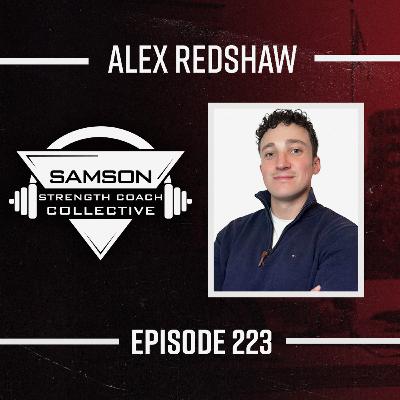
On the latest edition of the Samson Strength Coach Collective, we speak with Alex Redshaw, O2X Human Performance Program Manager for Arlington County Fire Department. Alex discusses his career journey, the importance of strength and conditioning in firefighting, and the unique health challenges firefighters face. From injury prevention and cardiovascular risks to sleep education and nutrition, Alex highlights strategies to improve firefighter wellness and extend career longevity.Key TakeawaysStrength & conditioning is essential to prepare firefighters for high-stress demands.Firefighters face elevated risks of cardiovascular disease and obesity.Education on sleep and nutrition is critical for long-term health.Wellness programs can help firefighters prioritize themselves in a culture that often demands self-sacrifice.A supportive environment drives successful lifestyle changes.The ultimate goal is to help firefighters retire strong and healthy.Quote “But then, so outside of the musculoskeletal side of things, we have cardiovascular events. So the acute impact of firefighting… your blood gets thicker, which turns harder to pump around the body. So any underlying or pre-existing heart issues that you may have are exacerbated or brought to the front during those events.” – Alex Redshaw
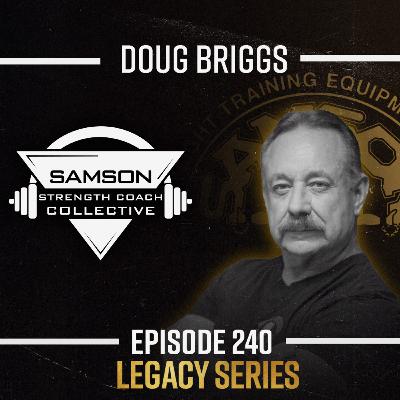
In this special 50 Year Legacy Series episode of the Samson Strength Coach Collective, Doug Briggs shares decades of perspective on the evolution of strength and conditioning. Doug breaks down how training philosophies have shifted, the growing focus on injury prevention, and the cultural changes within gyms. Drawing from personal experience, he explains why returning to basic training principles may be essential for developing stronger, more resilient athletes—while honoring the role Samson Equipment has played in shaping training environments over the last 50 years.Key Takeaways:Strength and conditioning has evolved significantly over the past five decades.Injury prevention has become overemphasized at the expense of performance.Training has shifted away from large, compound movements.The late 80s and early 90s marked a turning point in coaching philosophy.Balance-focused training is not universally beneficial.Foundational training methods are regaining importance.Training intensity was higher in previous generations.Gym culture and etiquette have changed dramatically.Anecdotal coaching experience still provides valuable insight.Samson Equipment has played a meaningful role in the 50-year evolution of training spaces.Quote:“We train too much to prevent injuries.”— Doug Briggs

There is no substitute for experience, but the best coaches know how to combine experience with education, adaptability, and a willingness to keep learning.In this episode of the Samson Strength Coach Collective, Jacob Banegas shares the path that took him from a multi-sport athlete to coaching and eventually building Built Sports Performance. Along the way, Jacob faced transfers, the disruption of COVID-19, career uncertainty, and the challenges that come with starting a sports performance business.Jacob discusses how those experiences shaped his approach to coaching and leadership. He also breaks down the importance of continuing education, simplifying sports science for athletes and parents, developing trust with clients, and knowing when to step back and recalibrate when things don't go according to plan.Key TakeawaysPersistence and adaptability are critical when navigating setbacks in coaching and business.Education provides coaches with a foundation, but experience teaches lessons that cannot be replicated in a classroom.Coaches need to simplify complex training concepts to build trust with athletes, parents, and clients.Long-term athletic development should take priority over chasing short-term results.Networking and mentorship can create opportunities throughout a coaching career.Building a sports performance business requires resilience, communication, and a willingness to continually adapt.Quote"You can't cheat experience, experience is education." — Jacob Banegas

Building a successful career in sports performance requires more than understanding sets, reps, and data. It requires the ability to communicate, build relationships, remain accountable, and understand the purpose behind your work.In this episode of the Samson Strength Coach Collective, Kevin Deitz, Assistant Sports Performance Coach at the University of Cincinnati, shares his career journey and the experiences that have shaped his approach to coaching.Kevin discusses his work with load management, particularly within sports like soccer, and explains the importance of continuing to learn while developing both broad and specialized knowledge. He also breaks down the core pillars of his coaching philosophy, including intent, accountability, respect, and human connection.The conversation also explores professionalism in strength and conditioning, the influence of social media and technology on coaching culture, and the importance of creating a life outside the profession. For young coaches, Kevin emphasizes networking, communication, continuous learning, and finding a purpose that leads to long-term happiness.Key Takeaways:Approach training and coaching decisions with clear intent.Accountability demonstrates respect for athletes, coaches, and colleagues.Load management requires continuous learning and an understanding of each sport's demands.Coaches can benefit from developing broad knowledge while building expertise in specific areas.Networking and cold outreach can create valuable relationships and career opportunities.Professionalism extends beyond technical coaching knowledge to communication and interpersonal skills.Coaches should lead by example in both professional and social environments.Maintaining interests outside of coaching can support long-term work-life balance.Young coaches should focus on relationships, continuous education, purpose, and happiness.Quote:“Intent with what you do is crucial.”— Kevin Deitz

Building a successful strength and performance business requires more than great programming. It requires relationships, systems, leadership, and the ability to stay authentic as the business grows.In this episode of the Samson Strength Coach Collective, Estevan Lucero shares his path from athletics and education into strength and conditioning and gym ownership. He explains how his background in sports psychology and teaching shaped his coaching philosophy and helped him better understand the people he works with.Estevan also breaks down the realities of building a client base, creating systems for a growing gym, improving client retention, and maintaining a strong culture. He discusses the challenges that come with scaling a business and why coaches need to protect their own work-life balance while continuing to show up for their athletes, clients, and staff.Connect with people before trying to coach them.Authenticity helps create trust with athletes, clients, and staff.Strong systems and processes become increasingly important as a gym grows.Client retention starts with relationships and creating a community people want to be part of.Sports psychology can help coaches better understand motivation, communication, and team culture.Scaling a business requires coaches to grow as leaders, not just practitioners.Work-life balance is important for maintaining long-term success in the fitness industry.Show up consistently for the people who continue to show up for you.“Connect with people first, then coach.”— Estevan LuceroKey TakeawaysQuote

Comments

Download from Google Play

Download from App Store
 United States