


 Claim Ownership
Schwa Mill: The American English Pronunciation Show
Subscribed: 270Played: 8,206
Subscribe

© Fluent American
Description
The Schwa Mill is a show from Fluent American (www.youtube.com/fluentamerican) where we provide you with free techniques, secrets, and resources you need to sound natural in American English, including tips on vowel sounds, consonant sounds, linking, intonation, and our four key concepts: placement, pitch, breath, and weak vowels. Let's take on your American English accent together!
Want video? Get daily video podcasts on American English pronunciation, Monday through Friday, with Wake Up American
171 Episodes
Reverse
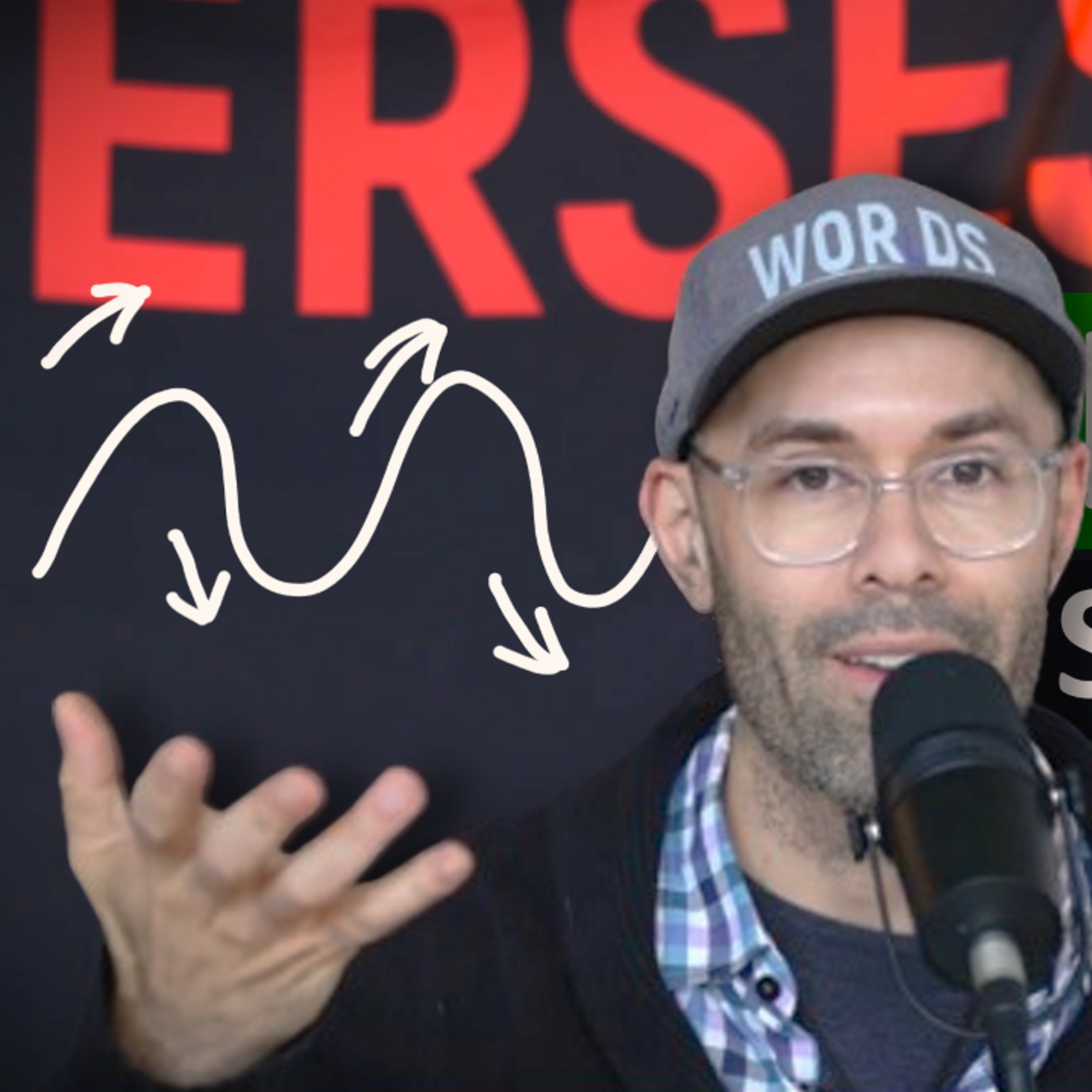
Watch: https://youtu.be/pkvQXhyl8f0Wondering how to speak more naturally with richer emotion? Before you think about what to do with your face, your mouth, or tongue, or breath, think about the intonation pattern. Specifically, think about not only rising and falling intonation patterns, but patterns that combine the two of them! By changing your intonation to include more wavering, you can become a more dynamic speaker. Let's explore!Welcome to For Word, the platform dedicated to guiding you towards better spoken performance. We're constantly looking at techniques to add more vocal variety to how we talk by incorporating more softness and firmness to our, furrowing eyebrows, smiling, raising and lowering pitches, adding pauses in order to convey frustration, sadness, joy and nervousness, and considering how to add more breath to everything we say. Let's see how these elements of contrast and body language can lead to richer expression.In this video, we're especially paying attention to our head position to see how the location we look towards immediately changes the quality of the voice we use-and how sometimes looking down might be the best option for what we need to say, and other times looking up could be the perfect fit.#performance #poetry #speaking
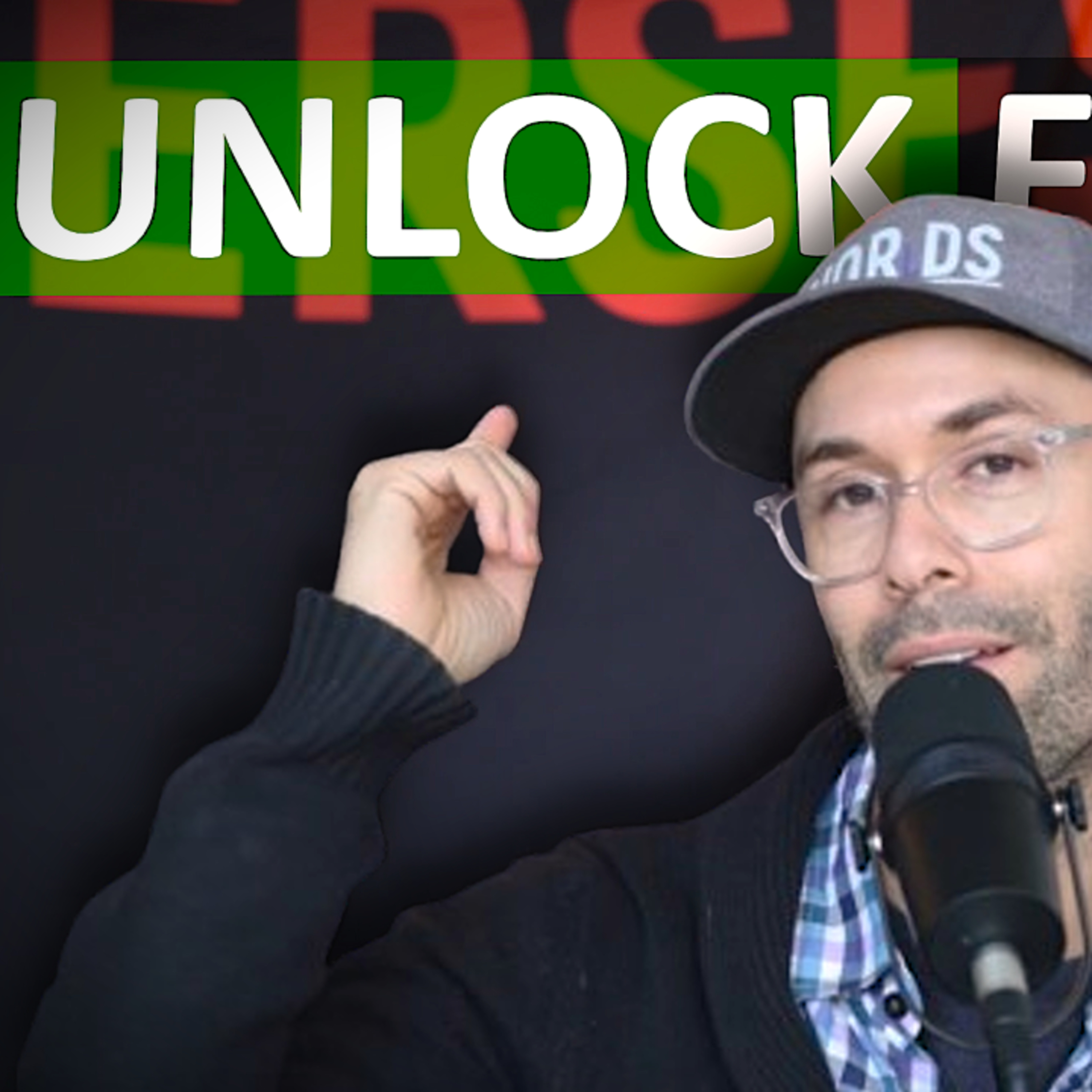
Watch: https://youtu.be/XA4UIpF2apQ Wondering how to completely change how you speak to sound more smooth and fluent? Before you think about what to do with your face, your mouth, or tongue, or breath, think about which sounds you're speech is emphasizing. Is it consonant sounds or vowel sounds? By shifting the focus to heavier vowels and weaker consonants, the end result may be speech that sounds much smoother than how you originally spoke. Let's explore!Welcome to For Word, the platform dedicated to guiding you towards better spoken performance. We're constantly looking at techniques to add more vocal variety to how we talk by incorporating more softness and firmness to our, furrowing eyebrows, smiling, raising and lowering pitches, adding pauses in order to convey frustration, sadness, joy and nervousness, and considering how to add more breath to everything we say. Let's see how these elements of contrast and body language can lead to richer expression.In this video, we're especially paying attention to our head position to see how the location we look towards immediately changes the quality of the voice we use-and how sometimes looking down might be the best option for what we need to say, and other times looking up could be the perfect fit.#performance #poetry #speaking
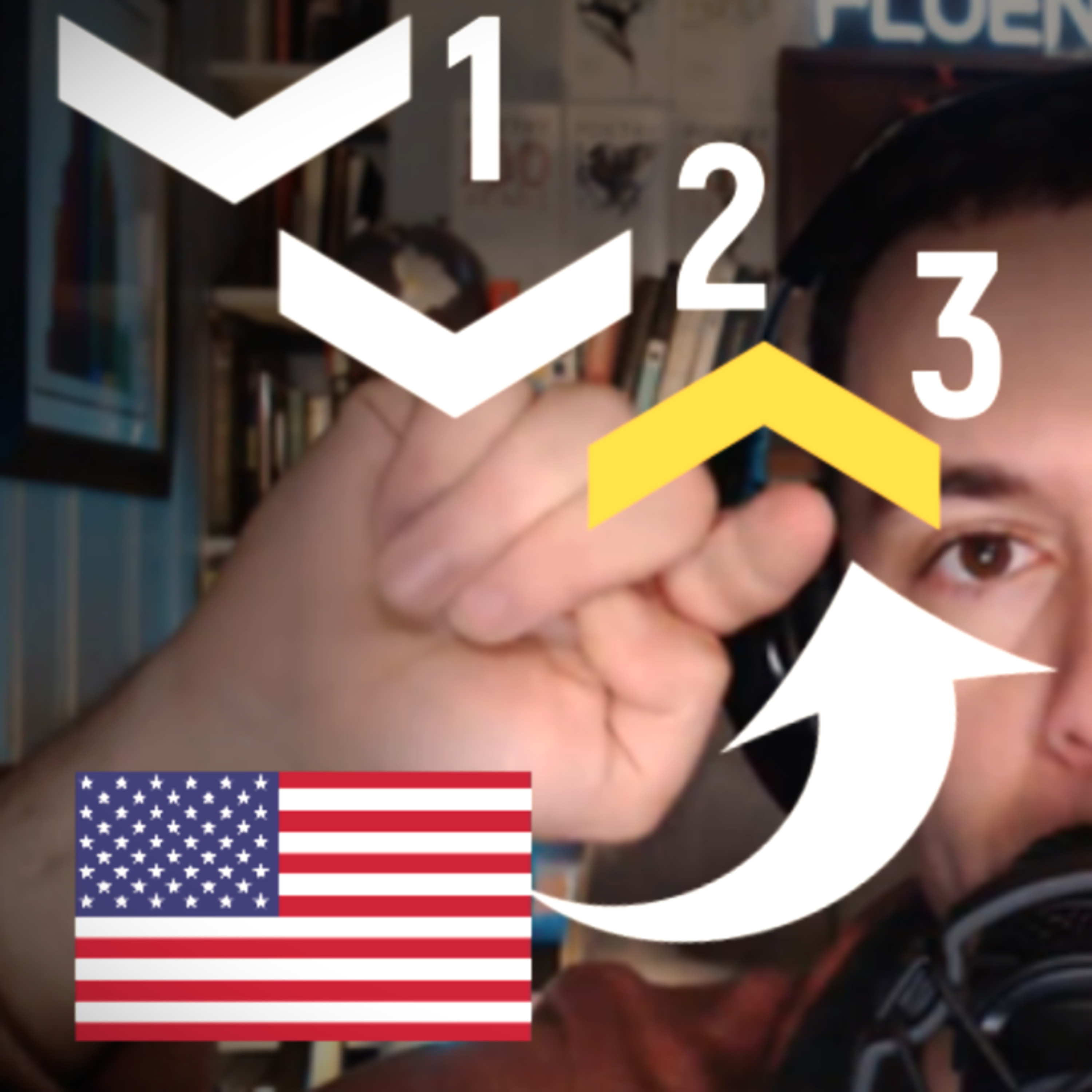
Get more practice focusing on vowels when you speak: https://youtu.be/XiYGrFxvkp8Welcome to the Schwa Mill, where we review pronunciation files you send us and give feedback to help you achieve a more natural American English sound the next time you talk!❗❗❗❗❗❗Each week I do more than 10 group classes on American English pronunciation and communication training. Want to catch them ALL for a huge discount? Become a Youtube Channel Member to watch every live session, past session, and future session! Press JOIN and be part of the American Accentric level.Who am I? My name is Geoff Anderson. I got my MA in Teaching English as a Second Language in 2012, and have been teaching since 2010. I've studied Italian to around level C1-C2. I was also an IELTS examiner for the speaking/writing tests for 3 years.More on Fluent American at www.fluentamerican.com#americanenglish #fluentamerican #pronunciation

Get more practice focusing on vowels when you speak: https://youtu.be/XiYGrFxvkp8There's also a free audio/mp3 version of this video: www.fluentamerican.com/podcastWelcome to the Schwa Mill, where we review pronunciation files you send us and give feedback to help you achieve a more natural American English sound the next time you talk!❗❗❗❗❗❗Each week I do more than 10 group classes on American English pronunciation and communication training. Want to catch them ALL for a huge discount? Become a Youtube Channel Member to watch every live session, past session, and future session! Press JOIN and be part of the American Accentric level.Who am I? My name is Geoff Anderson. I got my MA in Teaching English as a Second Language in 2012, and have been teaching since 2010. I've studied Italian to around level C1-C2. I was also an IELTS examiner for the speaking/writing tests for 3 years.More on Fluent American at www.fluentamerican.com#americanenglish #fluentamerican #pronunciation

Get more practice focusing on vowels when you speak: https://youtu.be/XiYGrFxvkp8There's also a free audio/mp3 version of this video: www.fluentamerican.com/podcastWelcome to the Schwa Mill, where we review pronunciation files you send us and give feedback to help you achieve a more natural American English sound the next time you talk!❗❗❗❗❗❗Each week I do more than 10 group classes on American English pronunciation and communication training. Want to catch them ALL for a huge discount? Become a Youtube Channel Member to watch every live session, past session, and future session! Press JOIN and be part of the American Accentric level.Who am I? My name is Geoff Anderson. I got my MA in Teaching English as a Second Language in 2012, and have been teaching since 2010. I've studied Italian to around level C1-C2. I was also an IELTS examiner for the speaking/writing tests for 3 years.More on Fluent American at www.fluentamerican.com

The video version: https://youtu.be/m7ADrnMVtMM American English shadowing exercises are for people interested in expanding their American English accents, whether you are located in the US, North America, or other areas around the world. For the best use of shadowing exercises in American English, listen to a section of audio, pause, and repeat what you hear. Try to use the same pronunciation, intonation, stress, pitch patterns, and linking that you find native English speakers use; record yourself and compare the differences.Find mp3 versions of our exercises here: www.fluentamerican.com/podcast#fluentamerican #shadowing #americanaccent

 1
1Join the free group to share audio files on streams: https://t.me/+TJTAfM5tEyQ1ODMxDownload a free podcast/audio/mp3 at www.fluentamerican.com/podcast❗❗❗❗❗❗Each week I do more than 10 group classes on American English pronunciation and communication training. Want to catch them ALL for a huge discount? Become a Youtube Channel Member to watch every live session, past session, and future session! Press JOIN and be part of the American Accentric level.Who am I? My name is Geoff Anderson. I got my MA in Teaching English as a Second Language in 2012, and have been teaching since 2010. I've studied Italian to around level C1-C2. I was also an IELTS examiner for the speaking/writing tests for 3 years.More on Fluent American at www.fluentamerican.com

Join the free group to share audio files on streams: https://t.me/+TJTAfM5tEyQ1ODMxDownload a free podcast/audio/mp3 at www.fluentamerican.com/podcast❗❗❗❗❗❗Each week I do more than 10 group classes on American English pronunciation and communication training. Want to catch them ALL for a huge discount? Become a Youtube Channel Member to watch every live session, past session, and future session! Press JOIN and be part of the American Accentric level.Who am I? My name is Geoff Anderson. I got my MA in Teaching English as a Second Language in 2012, and have been teaching since 2010. I've studied Italian to around level C1-C2. I was also an IELTS examiner for the speaking/writing tests for 3 years.More on Fluent American at www.fluentamerican.com

Get more practice focusing on vowels when you speak: https://youtu.be/XiYGrFxvkp8The problem with consonants is that they block breath.The solution?Make consonants into vowels.This is especially true when saying numbers in American English. All those T sounds, and D sounds, and Ns, and Rs actually don't matter as much as the vowels around them, and there are some techniques that will make that process much, much easier. Let's take a look❗❗❗❗❗❗Each week I do more than 10 group classes on American English pronunciation and communication training. Want to catch them ALL for a huge discount? Become a Youtube Channel Member to watch every live session, past session, and future session! Press JOIN and be part of the American Accentric level.Who am I? My name is Geoff Anderson. I got my MA in Teaching English as a Second Language in 2012, and have been teaching since 2010. I've studied Italian to around level C1-C2. I was also an IELTS examiner for the speaking/writing tests for 3 years.More on Fluent American at www.fluentamerican.com
Wondering how to completely change how you speak? Before you think about what to do with your face, your mouth, or tongue, or breath, think about the sentences you're saying. Specifically, think about where you break when you talk. By changing where you break and pause, you can completely change the rhythm of your speech. Let's explore!Welcome to For Word, the platform dedicated to guiding you towards better spoken performance. We're constantly looking at techniques to add more vocal variety to how we talk by incorporating more softness and firmness to our, furrowing eyebrows, smiling, raising and lowering pitches, adding pauses in order to convey frustration, sadness, joy and nervousness, and considering how to add more breath to everything we say. Let's see how these elements of contrast and body language can lead to richer expression.In this video, we're especially paying attention to our head position to see how the location we look towards immediately changes the quality of the voice we use-and how sometimes looking down might be the best option for what we need to say, and other times looking up could be the perfect fit.#performance #poetry #speaking
Wondering how to express emotions while speaking confidently and clearly? Sure, you'll need to use the right techniques with your voice like firmness, softness, and pitch. But, you'll also need breath cues, as well as body language and facial expressions. Let's talk more about expressing emotion!Welcome to For Word, the platform dedicated to guiding you towards better spoken performance. We're constantly looking at techniques to add more vocal variety to how we talk by incorporating more softness and firmness to our, furrowing eyebrows, smiling, raising and lowering pitches, adding pauses in order to convey frustration, sadness, joy and nervousness, and considering how to add more breath to everything we say. Let's see how these elements of contrast and body language can lead to richer expression.In this video, we're especially paying attention to our head position to see how the location we look towards immediately changes the quality of the voice we use-and how sometimes looking down might be the best option for what we need to say, and other times looking up could be the perfect fit.#performance #poetry #speaking
Join the free group to share audio files on streams: https://t.me/+TJTAfM5tEyQ1ODMxDownload a free podcast/audio/mp3 at www.fluentamerican.com/podcast❗❗❗❗❗❗Each week I do more than 10 group classes on American English pronunciation and communication training. Want to catch them ALL for a huge discount? Become a Youtube Channel Member to watch every live session, past session, and future session! Press JOIN and be part of the American Accentric level at www.youtube.com/fluentamericanWho am I? My name is Geoff Anderson. I got my MA in Teaching English as a Second Language in 2012, and have been teaching since 2010. I've studied Italian to around level C1-C2. I was also an IELTS examiner for the speaking/writing tests for 3 years.More on Fluent American at www.fluentamerican.com
Join the free group to share audio files on streams: https://t.me/+TJTAfM5tEyQ1ODMxDownload a free podcast/audio/mp3 at www.fluentamerican.com/podcastOne immediate way to start sounding natural is to analyze how you sound in American English. The reality is many American English learners are not saying words in a way that sounds natural, often creating a rhythm that does sound natural because it has little to no variation in contrast, in addition to issues with placement, breath, and vowels. Let's show you some quick techniques will have you start sounding natural in American English pronunciation. Welcome back to the Schwa Mill❗❗❗❗❗❗JOIN our channel to get access to our Pronunciation Group on Telegram, where you receive feedback and suggestions for YOUR pronunciation every day. See what it is like here: https://youtu.be/FDwPuwstUEoWho am I? My name is Geoff Anderson. I got my MA in Teaching English as a Second Language in 2012, and have been teaching since 2010. I've studied Italian to around level C1-C2. I was also an IELTS examiner for the speaking/writing tests for 3 years.#schwamill #fluentamerican #americanenglish

Join the free group to share audio files on streams: https://t.me/+TJTAfM5tEyQ1ODMxDownload a free podcast/audio/mp3 at www.fluentamerican.com/podcastOne immediate way to start sounding natural is to analyze how you sound in American English. The reality is many American English learners are not saying words in a way that sounds natural, often creating a rhythm that does sound natural because it has little to no variation in contrast, in addition to issues with placement, breath, and vowels. Let's show you some quick techniques will have you start sounding natural in American English pronunciation. Welcome back to the Schwa Mill❗❗❗❗❗❗JOIN our channel to get access to our Pronunciation Group on Telegram, where you receive feedback and suggestions for YOUR pronunciation every day. See what it is like here: https://youtu.be/FDwPuwstUEoWho am I? My name is Geoff Anderson. I got my MA in Teaching English as a Second Language in 2012, and have been teaching since 2010. I've studied Italian to around level C1-C2. I was also an IELTS examiner for the speaking/writing tests for 3 years.#schwamill #fluentamerican #americanenglish
Join the free group to share audio files on streams: https://t.me/+TJTAfM5tEyQ1ODMxDownload a free podcast/audio/mp3 at www.fluentamerican.com/podcast

Join the free group to share audio files on streams: https://t.me/+TJTAfM5tEyQ1ODMxDownload a free podcast/audio/mp3 at www.fluentamerican.com/podcastOne immediate way to start sounding natural is to analyze how you sound in American English. The reality is many American English learners are not saying words in a way that sounds natural, often creating a rhythm that does sound natural because it has little to no variation in contrast, in addition to issues with placement, breath, and vowels. Let's show you some quick techniques will have you start sounding natural in American English pronunciation. Welcome back to the Schwa Mill❗❗❗❗❗❗JOIN our channel to get access to our Pronunciation Group on Telegram, where you receive feedback and suggestions for YOUR pronunciation every day. See what it is like here: https://youtu.be/FDwPuwstUEoWho am I? My name is Geoff Anderson. I got my MA in Teaching English as a Second Language in 2012, and have been teaching since 2010. I've studied Italian to around level C1-C2. I was also an IELTS examiner for the speaking/writing tests for 3 years.#schwamill #fluentamerican #americanenglish
Join the free group to share audio files on streams: https://t.me/+TJTAfM5tEyQ1ODMxDownload a free podcast/audio/mp3 at www.fluentamerican.com/podcastOne immediate way to start sounding natural is to analyze how you sound in American English. The reality is many American English learners are not saying words in a way that sounds natural, often creating a rhythm that does sound natural because it has little to no variation in contrast, in addition to issues with placement, breath, and vowels. Let's show you some quick techniques will have you start sounding natural in American English pronunciation. Welcome back to the Schwa Mill❗❗❗❗❗❗JOIN our channel to get access to our Pronunciation Group on Telegram, where you receive feedback and suggestions for YOUR pronunciation every day. See what it is like here: https://youtu.be/FDwPuwstUEoWho am I? My name is Geoff Anderson. I got my MA in Teaching English as a Second Language in 2012, and have been teaching since 2010. I've studied Italian to around level C1-C2. I was also an IELTS examiner for the speaking/writing tests for 3 years.#schwamill #fluentamerican #americanenglish

American English shadowing exercises are for people interested in expanding their American English accents, whether you are located in the US, North America, or other areas around the world. For the best use of shadowing exercises in American English, listen to a section of audio, pause, and repeat what you hear. Try to use the same pronunciation, intonation, stress, pitch patterns, and linking that you find native English speakers use; record yourself and compare the differences.Find mp3 versions of our exercises here: www.fluentamerican.com/podcast#fluentamerican #shadowing #americanaccent

Wondering how to speak confidently and clearly? Start paying attention to where you stress words when you speak!Welcome to For Word, the platform dedicated to guiding you towards better spoken performance. We're constantly looking at techniques to add more vocal variety to how we talk by incorporating more softness and firmness to our, furrowing eyebrows, smiling, raising and lowering pitches, adding pauses in order to convey frustration, sadness, joy and nervousness, and considering how to add more breath to everything we say. Let's see how these elements of contrast and body language can lead to richer expression.In this video, we're especially paying attention to our head position to see how the location we look towards immediately changes the quality of the voice we use-and how sometimes looking down might be the best option for what we need to say, and other times looking up could be the perfect fit.#performance #poetry #speaking
Welcome to For Word, the platform dedicated to guiding you towards better spoken performance. We're constantly looking at techniques to add more vocal variety to how we talk by incorporating more softness and firmness to our, furrowing eyebrows, smiling, raising and lowering pitches, adding pauses in order to convey frustration, sadness, joy and nervousness, and considering how to add more breath to everything we say. Let's see how these elements of contrast and body language can lead to richer expression.In this video, we're especially paying attention to our head position to see how the location we look towards immediately changes the quality of the voice we use-and how sometimes looking down might be the best option for what we need to say, and other times looking up could be the perfect fit.#performance #poetry #speaking


Download from Google Play

Download from App Store
 United States
Can you please tell me the name of the podcast you’re playing in this episode?