


 Claim Ownership
Seattle University's Presidential Speaker Series
Subscribed: 0Played: 0
Subscribe

© Seattle University
Description
The Presidential Speakers Series, launched in 2023, invites renowned academics and thought leaders to Seattle University for in-depth discussions on freedom of speech, viewpoint diversity, and campus discourse. Hosted by Seattle University President Eduardo Peñalver, the series is open to students, faculty, staff, alumni, and leadership, fostering conversations that explore the complexities of dialogue in higher education.
Join us for these thought-provoking events that enrich the intellectual community at Seattle University.
Join us for these thought-provoking events that enrich the intellectual community at Seattle University.
6 Episodes
Reverse
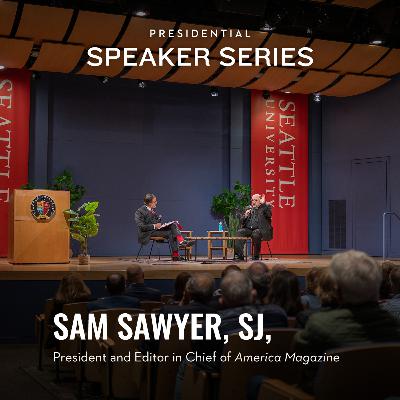
Father Sam Sawyer, SJ, president and editor in chief of America Magazine, joins Seattle University’s Presidential Speaker Series to talk about the future of Catholic media and the art of conversation across disagreement. We cover how America evolved from a weekly print magazine to a digital multi-platform newsroom, why Catholics often mirror national swing-voter trends, what really fuels polarization in the U.S. church, and how to read the moment from Pope Francis to Pope Leo. We also dig into synodality, liturgy and culture wars, TikTok aesthetics, and the practical Jesuit habit of meeting people where they are while still calling them deeper. Smart, nuanced, and grounded in hope.Guest: Father Sam Sawyer, SJHost: Eduardo PeñalverSeries: Seattle University Presidential Speaker SeriesTopics: Catholic media, America Magazine, polarization, Catholic voters, synodality, liturgy, Pope Francis, Pope Leo, immigration, digital strategy, TikTok, sacramental imagination
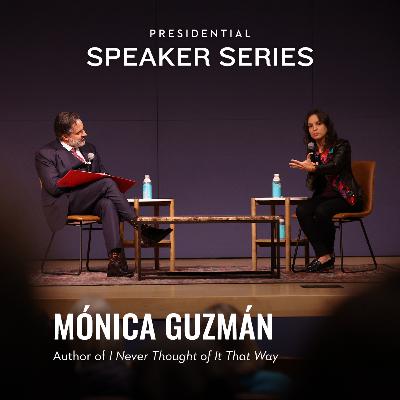
Award-winning journalist and author Monica Guzmán joins the Presidential Speaker Series for a masterclass in the art of bridging divides. Drawing from her celebrated book I Never Thought of It That Way, her work with Braver Angels, and her own experience as the “liberal daughter of conservative parents,” Monica explores how curiosity, courage, and deep listening can bring people back from the edges of political polarization.In this wide-ranging conversation, she reveals:Why curiosity acts like a “cognitive superpower” in tough conversationsHow her immigrant upbringing and early shyness shaped her careerThe difference between “cooking” and “burning” in heated dialogueWhy depolarization is a practice, not a performanceHow students, families, and communities can build bridges even in overwhelmingly like-minded environmentsWhen boundaries matter — and how to honor them without shutting down relationshipsThe spiritual dimension of seeing the full mystery in every human beingWhat she’s learned from conservatives about family, patriotism, and shared valuesA preview of her next book on fear, courage, and emotional capacityWhether you’re a student, educator, leader, or just someone tired of the national shouting match, this episode gives you practical tools and hopeful energy to create conversations that actually move somewhere. Monica doesn’t promise easy answers… but she shows us how curiosity makes the impossible possible.
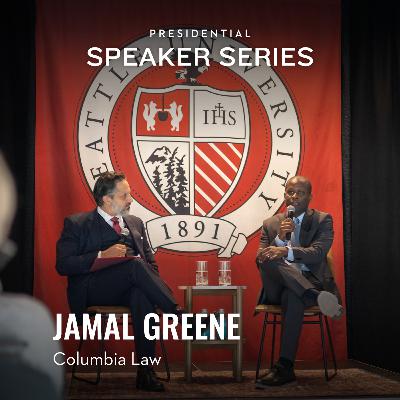
Seattle University President Eduardo Peñalver sits down with Columbia Law School’s Jamal Greene for a riveting discussion on the fragile state of American democracy, the role of executive power, and the legal and ethical responsibilities of universities in an age of political pressure.From Greene’s insider perspective at the Office of Legal Counsel to his insights on constitutional erosion, free speech, and targeted executive orders, this episode explores what happens when the rule of law collides with authoritarian tendencies—and what institutions, lawyers, and citizens can do to resist.Topics include:The legal mechanics of executive ordersWhy law firms and universities are being targetedThe quiet importance of civil servantsConstitutional crisis vs. authoritarian driftWhat resistance looks like in practiceA must-listen for legal minds, educators, and anyone concerned with the future of democracy in America.🎧 Recorded live on May 21, 2025.
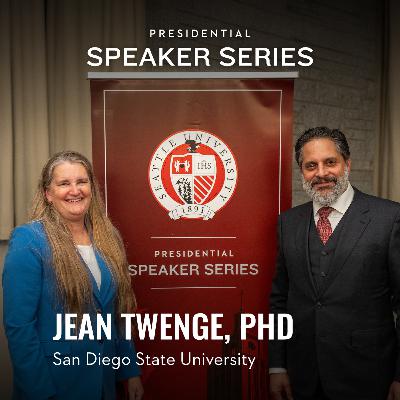
Is Social Media Raising or Ruining the Next Generation? 🤳🧠In this eye-opening episode, Professor Jean Twenge dives into how social media is shaping Gen Z—and not always for the better. From rising anxiety and delayed independence to the shifting sands of social connection, we unpack the real-world effects of growing up online.We’ll explore:How technology is rewiring teen behavior and mental healthThe legal and cultural shifts aiming to regulate social mediaWhat universities and parents can actually do to support young peopleWhy civil discourse might just be our secret weapon in a polarized worldIf you’ve ever wondered what the TikTok generation is up against—or how to help them thrive—this one’s for you.
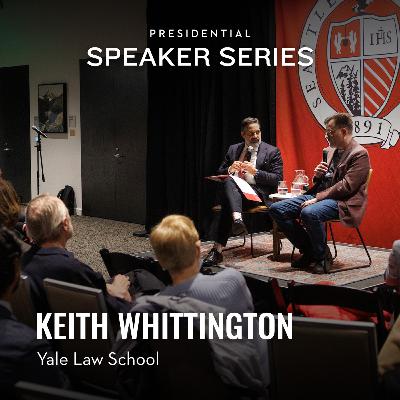
This conversation explores the evolving landscape of civil discourse, conservatism, and ideological diversity in academia, particularly in the context of recent political shifts and the influence of state control over university curricula.
The discussion with Seattle University President Eduardo Peñalver and Keith Whittington, a Professor of Law at Yale Law School, highlights the challenges universities face in fostering a diverse range of viewpoints while navigating political pressures and the implications for academic freedom.
This conversation explores the evolving dynamics of free speech and academic freedom on college campuses, particularly in light of political shifts and pressures from government and society. It discusses the balance universities must strike between allowing diverse expressions and maintaining their educational mission, the unique challenges religious institutions face, and the importance of fostering constructive dialogue around controversial topics.
The conversation emphasizes the need for diverse perspectives in governance and the role of universities in navigating these complex issues.
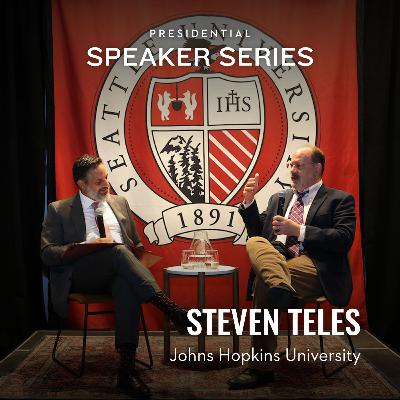
In this episode, Seattle University President Eduardo Peñalver speaks with Steven Teles, Professor of Political Science and Director of the Center for Economy and Society at Johns Hopkins University. They delve into the challenges of maintaining ideological diversity in higher education, focusing on Seattle University. The conversation addresses the pressures on campus discourse, changes in faculty representation, and the influence of social media on public perceptions. Key topics include the role of mentorship, the relationship between justice and pluralism, and strategies for promoting viewpoint diversity. They also explore the evolving nature of conservatism in academia and the importance of creating a more inclusive environment for diverse ideological perspectives.
Comments

Download from Google Play

Download from App Store
 United States