


 Claim Ownership
Shared Space
Subscribed: 9Played: 158
Subscribe

© Erin Peavey
Description
Host Erin Peavey explores how our lives shape and are shaped by design. Through interviews, science, and storytelling she reveals the hidden power of architecture and design to make us healthier, happier and more connected.
35 Episodes
Reverse
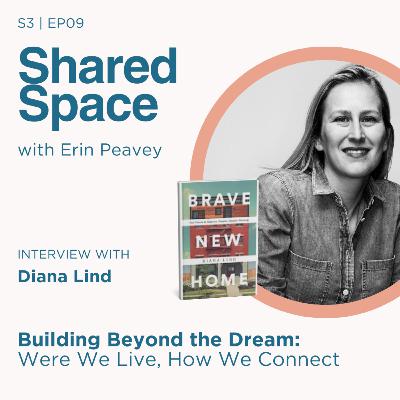
Diana Lind is an author and urban policy specialist whose work is reshaping the way we think about cities, housing, and the future of community. With a passion for creating more inclusive, connected, and sustainable urban environments, Diana is the author of the groundbreaking book Brave New World: Our Future in Smarter, Simpler, Happier Housing, which explores the evolving landscape of housing and the misconceptions of the American Dream.Diana’s career spans multiple influential roles, from writing for renowned publications like The New York Times to speaking on stages about urban policy, design, and the future of cities. Her insights are not just theoretical but rooted in real-world experiences and challenges, and as a frequent speaker, she has earned accolades like the TED City 2.0 Prize and the ACLU Standup for Freedom Award. She is also a visiting fellow at the prestigious Johns Hopkins SNF Agora Institute, where she continues to push the boundaries of urban policy innovation.Raised in Manhattan and now based in Philadelphia with her family, Diana's journey has been shaped by a deep understanding of both urban and suburban life. She has lived and worked in cities across the country, gaining a unique perspective on how spaces can foster connection and community. Diana is a powerful advocate for rethinking zoning laws, housing policies, and the traditional ideals of homeownership that often leave people behind. Through her work, she challenges us to think beyond the status quo and embrace a future where housing is not just a commodity, but a path to shared prosperity.Her writing, including her popular Substack, The New Urban Order, encourages readers to rethink their relationship with the built environment and provides a roadmap for creating cities that work for everyone; regardless of income, race, or background. Diana’s work continues to inspire a new generation of urbanists, architects, and policymakers, urging them to design spaces that are not only functional but deeply human, fostering connection, inclusivity, and a sense of belonging.Through her work, she invites us all to imagine a future where communities thrive not despite their differences, but because of them.Key Takeaways 1. Reimagine the American Dream – The ideal of owning a single-family home is a recent construct, and it’s time to rethink what home and success truly mean. Let’s build a future where our homes reflect community and connection.2. Embrace Housing Diversity – Explore new models like co-living, multi-generational housing, and accessory dwelling units. These options offer flexibility, inclusivity, and affordable living for all, especially in times of housing crises.3. Address Housing Inequities – Housing policies are deeply connected to issues of race, class, and inequality. By recognizing these ingrained barriers, we can work toward a future where everyone has equal access to safe, affordable housing.4. Support Community Wealth – Move beyond traditional homeownership. Consider community land trusts and shared prosperity models that ensure neighborhoods thrive together and build wealth for residents, and not just investors.5. Foster Connection through Design – Our spaces can bring us together. By designing environments that prioritize in-person experiences, we create opportunities for genuine social connection and a stronger sense of belonging.Quotes1. “The American Dream isn’t a fixed idea, it’s something we’ve created over time. It’s time we ask ourselves: What does a real, connected life look like in our homes and communities?”2. “We need to rethink how we live together, not just in terms of housing, but in the spaces that foster true connection - spaces that reflect who we are and where we want to go.”Connect with Diana Instagram - https://www.instagram.com/thenewurbanorder/Linkedin - https://www.linkedin.com/in/dianalind/Website - https://www.dianalind.com/
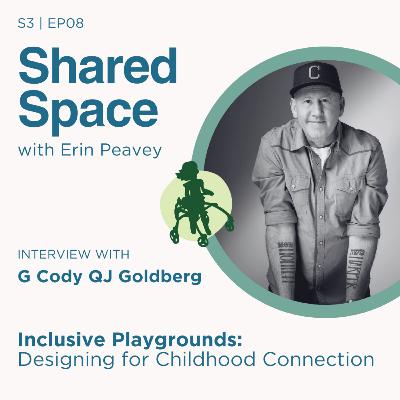
G Cody QJ Goldberg is a designer and visionary who is redefining what it means to create spaces that connect, inspire, and empower. As the founder of Harper’s Playground (a nonprofit dedicated to building inclusive playgrounds) Cody has devoted his career to creating spaces where all individuals, regardless of their background or abilities, can play, connect, and thrive together.Harper’s Playground was born from Cody's personal journey as a father. His daughter, Harper, faced significant physical challenges after birth, and at the age of four, her first independent steps were met with the frustration of being unable to navigate the traditional playground in their neighborhood. This moment of powerlessness sparked a lifelong mission to create spaces that are truly accessible to all. What began as an effort to eliminate wood chips from playgrounds has evolved into a global movement for inclusion, connection, and play.Under Cody’s leadership, Harper’s Playground has grown from its humble beginnings to complete 19 inclusive playground projects across the United States and globally. These projects are not just playgrounds, they are spaces where children, parents, and communities come together, regardless of physical ability, to experience the joy of connection. Cody’s approach to design is rooted in empathy, listening, and the belief that everyone deserves to be part of the community. His work challenges the conventional notions of design by focusing on what truly matters - human connection. Cody is not just a designer, he is a strong advocate for the transformative power of play, and strongly believes that play is essential to our emotional, social, and physical well-being. Through his work, he is bringing play back into the world, showing that it is not just a tool for development but a source of resilience, joy, and connection. Cody’s dedication to play and inclusion is rooted in a simple, yet powerful belief - when we create spaces that allow everyone to participate, we all benefit.Key Takeaways 1. Design for Connection, Not Just Function - True inclusivity starts with the intent to connect people, not just create functional spaces. Design with everyone in mind, and the rest will follow.2. The Power of Play - Play is essential for emotional, physical, and social development. It's more than just fun and it’s a crucial tool for building resilience and connection.3. Inclusivity Benefits All - Designing for inclusion isn’t a sacrifice, but is an opportunity to create spaces that benefit everyone, making our communities stronger and more vibrant.4. Empathy Drives Great Design - Ask the right questions and listen with empathy. Designing spaces with a deep understanding of different needs leads to better, more adaptable spaces for all.5. Build for Spontaneity - Great spaces invite spontaneous connections. It’s not about planning every interaction but creating environments where connections can naturally happen.6. Inclusion is a Movement, Not a Trend - Inclusion isn’t an add-on; it’s the foundation of great design. Lead with inclusivity, and watch as it transforms both spaces and lives.Quotes1. "When we design for connection, we’re not just designing spaces; we’re designing opportunities for people to truly belong."2. "Play isn’t just for kids. It’s a powerful tool for building resilience, emotional intelligence, and the ability to face life’s challenges with joy."3. "Inclusion isn’t an add-on to design, it should be the very core of it. When we lead with inclusivity, we create spaces that benefit everyone."4. "The smallest details in design make the biggest difference. It’s not about creating something flashy. it’s about making spaces where everyone can feel seen and valued."Connect with Cody Linkedin - https://www.linkedin.com/in/g-cody-qj-goldberg-a879343/Instagram - https://www.instagram.com/codygold22/?hl=enWebsite - https://www.harpersplayground.org/
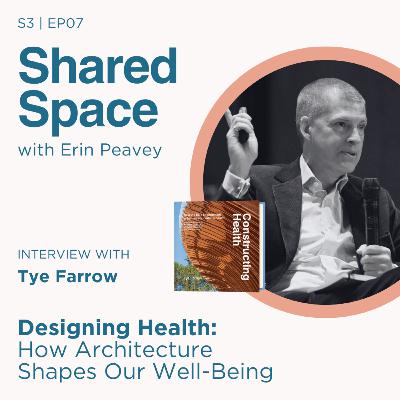
Tye Farrow is a visionary architect whose work is transforming the way we think about the intersection of architecture and health. With an educational background that blends neuroscience, urban design, and architecture, Tye is pioneering the concept of salutogenic design- the idea that our built environments can actively contribute to our physical and mental well-being. As a partner at Farrow Partners, Tye combines his expertise to create spaces that go beyond aesthetics, focusing instead on how they can heal, elevate, and inspire.In his groundbreaking book, Constructing Health: How the Built Environment Enhances Your Mind's Health, Tye lays out a compelling vision of how architecture can be a catalyst for positive change. Drawing from neuroscience, cognitive psychology, and therapeutic design, he reveals how the spaces we occupy shape our emotional lives, influence our relationships, and contribute to our overall health. With over a decade of global speaking engagements and a commitment to making this research accessible, Tye continues to inspire architects, designers, and individuals alike to embrace the idea that the places we inhabit can and should be sources of healing and connection.Tye’s work challenges the conventional mindset, encouraging us to move beyond designs that simply prevent harm and instead embrace those that actively foster well-being, connection, and vitality. His passion for transforming the built environment into a powerful force for health and healing is driving a movement toward a future where architecture truly nurtures the mind, body, and spirit.Key Takeaways1. Architecture Can Heal - The spaces we inhabit are not neutral; they have the power to promote our mental, physical, and emotional well-being. By designing with intention, we can create environments that actively support our health.2. Shift from Pathogenic to Salutogenic Thinking - Moving from a mindset that focuses on preventing harm to one that encourages health is key. Let's focus on creating environments that accelerate well-being and support personal growth.3. Generosity in Design - Spaces should be generous, providing dignity and creating opportunities for connection. Small gestures like benches in public spaces or thoughtful design choices can transform how we engage with our environment.4. The Power of Sensory Experience - Our surroundings speak to us through sight, sound, touch, and smell. Thoughtfully designed environments engage our senses in ways that enhance our mood, productivity, and overall well-being.5. The Connection Between Person and Place - Just as we form meaningful relationships with people, we also form relationships with the places we occupy. The environments we design should nurture these connections and support our emotional needs.Quotes. 1. "What if health was the basis for judging every public space and every building? What if we stopped tolerating designs that cause boredom, disease, and depression?"2. "Our built environments are not neutral - they either accelerate our well-being or drain it. Let’s design spaces that actively cause health and nurture the human spirit."3. "Generosity in design is not about adding more; it’s about creating spaces that make us feel safe, welcome, and connected. Small changes can make a world of difference."4. "Every space we create can be a catalyst for better mental, physical, and emotional health. Architecture has the power to transform how we feel and how we interact with the world around us."Connect with TyeWebsite - https://farrowpartners.ca/ Facebook - https://www.facebook.com/p/Farrow-Partners-Inc-100067168926932/?locale=ar_AR Linkedin - https://www.linkedin.com/in/tye-farrow-a1739917/?originalSubdomain=ca Instagram - https://www.instagram.com/tyefarrow X - https://x.com/TyeFarrow Youtube - https://www.youtube.com/channel/UCIJSGqeQvsiIjj2HguNl1qA
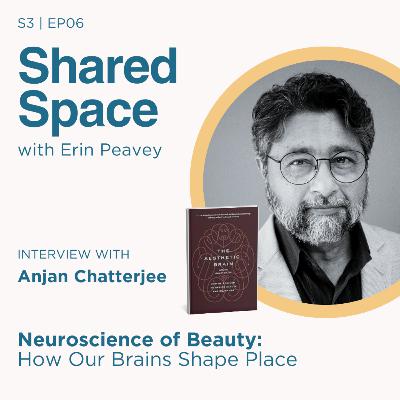
Dr. Anjan Chatterjee is a neurologist and cognitive neuroscientist who has dedicated over three decades to exploring the connection between the human brain and the world around us. A professor of neurology, psychology, and architecture at the University of Pennsylvania, Dr. Chatterjee is also the founding director of the Penn Center for Neuroaesthetics, where he leads groundbreaking research into how beauty, aesthetics, and the built environment influence our brain and behavior.With a remarkable career that spans scientific discovery, educational leadership, and architectural innovation, Dr. Chatterjee is a true pioneer in understanding how the spaces we inhabit shape our experiences. His research reveals that our brains are not merely passive observers of beauty, but active participants in how we perceive and interact with the world. Dr. Chatterjee’s work on embodied cognition and neuroarchitecture highlights the power of the environments we create - not just for functionality, but for their ability to foster well-being, connection, and joy.In his book The Aesthetic Brain: How We Evolve to Desire Beauty and Enjoy Art, Dr. Chatterjee shares his insights into how our brain’s neural responses to beauty have evolved and how these responses continue to affect our daily lives. He has shown that the same areas of the brain that respond to basic pleasures like eating and sex are also activated when we experience the beauty of architecture, art, and design, opening up new pathways for understanding how our environments influence our mental and emotional health.His innovative research into biophilia and neuroarchitecture explores how elements like light, nature, and sensory complexity can be harnessed to create environments that help individuals thrive; whether in a home, workplace, or healthcare setting.Through his work, Dr. Chatterjee has inspired countless individuals across disciplines to rethink how we design the spaces we occupy. He encourages us to create environments that foster a sense of connection, beauty, and belonging, because when we feel safe, comfortable, and inspired by the spaces around us, we are more open to connecting with others and living fuller, richer lives.Key Takeaways 1. Our Environment Shapes Our Brain – The spaces we inhabit directly influence our emotions, behavior, and well-being. 2. Beauty is a Biological Necessity – Our brains are wired to seek beauty because it’s linked to survival and pleasure. Surround yourself with beauty (whether in art, architecture, or nature) and let it fuel your sense of joy and fulfillment.3. Design for Connection – Spaces that foster connection and a sense of belonging can transform our relationships and our sense of self. Create or seek out environments that invite open, authentic interactions and help you feel grounded.4. Embrace the Power of Curves – Nature’s curves offer a sense of harmony and peace. Incorporate natural elements like rounded shapes and organic forms into your space to enhance comfort and reduce stress.5. Hominess is a Sense of Belonging – The most powerful spaces are those where we feel like we belong. Whether at home, work, or in a community, seek out or design places that make you feel seen, valued, and accepted.Quotes1. "Our brains are not passive observers of beauty; they are active participants in how we perceive and connect with the world. Surround yourself with beauty - it shapes who you are."2. "Design spaces that invite connection and make people feel at home. When we feel safe and welcomed, we open up and create meaningful relationships."Connect with Dr. Chatterjee Linkedin - https://www.linkedin.com/in/anjan-chatterjee-4131734Instagram - https://www.instagram.com/anjan58/X - https://twitter.com/Anjan435Website - https://scholar.google.com/citations?user=nTyY6W0AAAAJ&hl=en
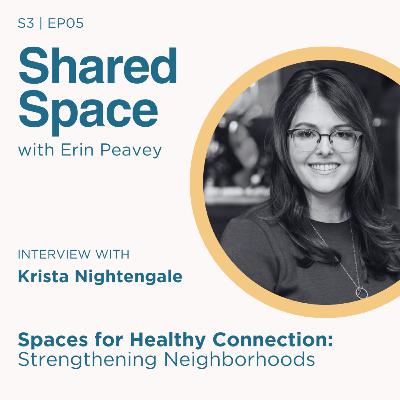
Krista Nightengale is a visionary leader and the Executive Director of Better Block, a groundbreaking organization dedicated to transforming neighborhoods through community-driven design. With a fierce belief in the power of public spaces to connect people, Krista champions an approach to urban design that emphasizes love over fear, encouraging communities to build environments that are open, welcoming, and reflective of their unique character.Krista's work centers on reimagining public spaces as hubs of interaction, creativity, and safety. Under her leadership, Better Block has become renowned for its adaptable, hands-on approach, creating temporary and small-scale urban interventions that empower communities to test and shape their own neighborhoods. From colorful benches to inviting street art, Krista’s projects inspire individuals to engage in the act of placemaking, proving that even modest changes can spark connection, pride, and a lasting sense of belonging.A committed advocate for social impact through design, Krista believes that real change happens when people feel invested in their surroundings. She has championed projects across the country, where she works directly with community members, guiding them to not just envision but actively create vibrant spaces that bring people together. Her dedication goes beyond the physical—Krista understands that the best urban design fosters social connection, reduces crime, and builds trust among neighbors.At her core, Krista is driven by a simple but transformative philosophy: just start. She encourages others to take that first step, to experiment, and to embrace the possibility of failure as a path to learning. Through her leadership and Better Block’s work, Krista Nightengale inspires communities to see their public spaces not just as backdrops but as dynamic, evolving canvases for community expression and connection.Key Takeaways1. Build with Love, Not Fear - When creating spaces, prioritize openness and connection over walls and barriers. Showing love to a community often brings it back in powerful ways.2. Test Ideas Boldly and Adapt - Don’t wait for perfection—experiment; put things out there, and see what works. Change is a constant, so embrace it as an opportunity to grow and evolve.3. Small Actions Create Big Ripples - Simple steps, like adding benches or painting walls, can transform a community’s spirit. These small interventions can spark greater engagement and pride.4. Trust the Community Process - Sometimes the best ideas come from the people who live and work in a place. Engage them in planning, trust their voices, and work together to bring ideas to life.5. Design for Connection - Spaces should foster social interaction, helping people feel safer and more connected. Thoughtful design can bring people together and build a stronger sense of community.6. Take That First Step - Don’t overthink, just start. Whether it’s painting a bench or starting a conversation, even a small act can build momentum and inspire others to join in.7. Embrace Failure as a Pathway to Success - Failure is part of the journey. Each setback offers valuable lessons, so don’t fear it. Instead, use it as fuel to adapt and try again. Quotes1. "Just start doing something. It doesn’t have to be perfect, it just has to be something that invites people to engage."2. "When you show a space love and show the community love, you’ll be amazed at how it comes back to you in ways you never expected."3. "Don’t be afraid to fail. Failure isn’t the end, it’s a stepping stone to learning and doing better next time."Connect with KristaLinkedIn - https://www.linkedin.com/in/krista-nightengale-758426b/ Website - https://www.betterblock.org/ Facebook - https://www.facebook.com/BetterBlock/ Instagram - https://www.instagram.com/betterblock/ YouTube - https://www.youtube.com/channel/UC-SJVvBZhAY91KnMVgz0TVA/videos X - https://x.com/TheBetterBlock

Comments

Download from Google Play

Download from App Store
 United States