


 Claim Ownership
Signify Academy podcasts & audiobooks
Subscribed: 2Played: 7
Subscribe
© 2025 Signify Academy
Description
The Signify Academy podcast or audiobook series is Signify’s unbiased, unvarnished and always fascinating companion on your educational journey.
Each episode features talks from the industry’s top minds in the world of lighting innovation.
Visit our website:https://www.signify.com/global/lighting-academy
For business related inquiries: https://www.signify.com/global/contact
Each episode features talks from the industry’s top minds in the world of lighting innovation.
Visit our website:https://www.signify.com/global/lighting-academy
For business related inquiries: https://www.signify.com/global/contact
33 Episodes
Reverse
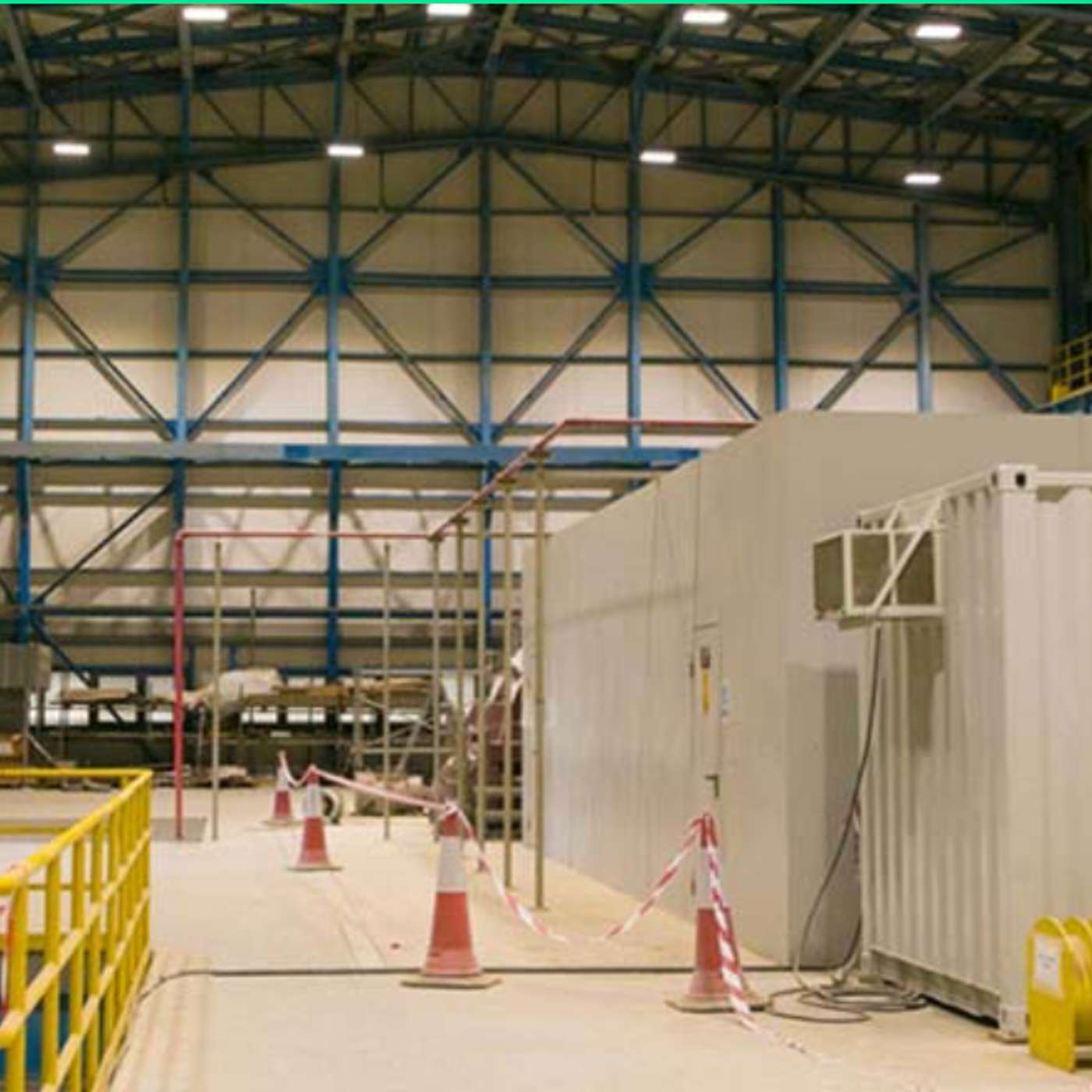
Light is a must for any business, building or city, but finding the funds to invest in a lighting upgrade might not be in the plans. Instead of making a major upfront investment to buy, install, and manage a new lighting system, Light-as-a-Service (LaaS) provides an alternative. From the initial design and installation to operation and maintenance, LaaS allows businesses to invest in connected, energy-efficient lighting, while generating savings and optimizing cash-flow from day one More on LaaSClimate Transition PlanGet in touch
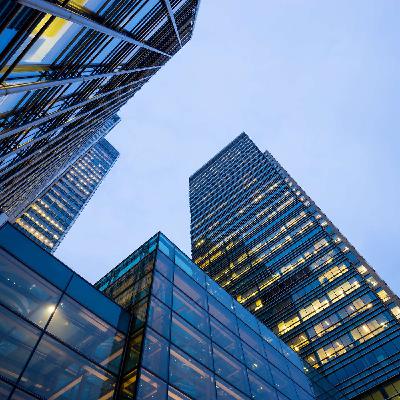
Buildings are the single largest consumer of energy in the EU. 85% of buildings in the region were built before 2000 and of those, 75% have a poor energy performance. With 37% of global energy-related emissions resulting from building and construction, as the World Green Building Council reports, renovation rates must increase from the current 1% annually to 2.5% by 2030 to be on track for its 2050 net zero target. 8-point action plan from the World Resources Institute· Estimate how much you can save with the Signify Green Switch Calculator· Learn more about the Signify 2040 Climate Transition Planpartner with us
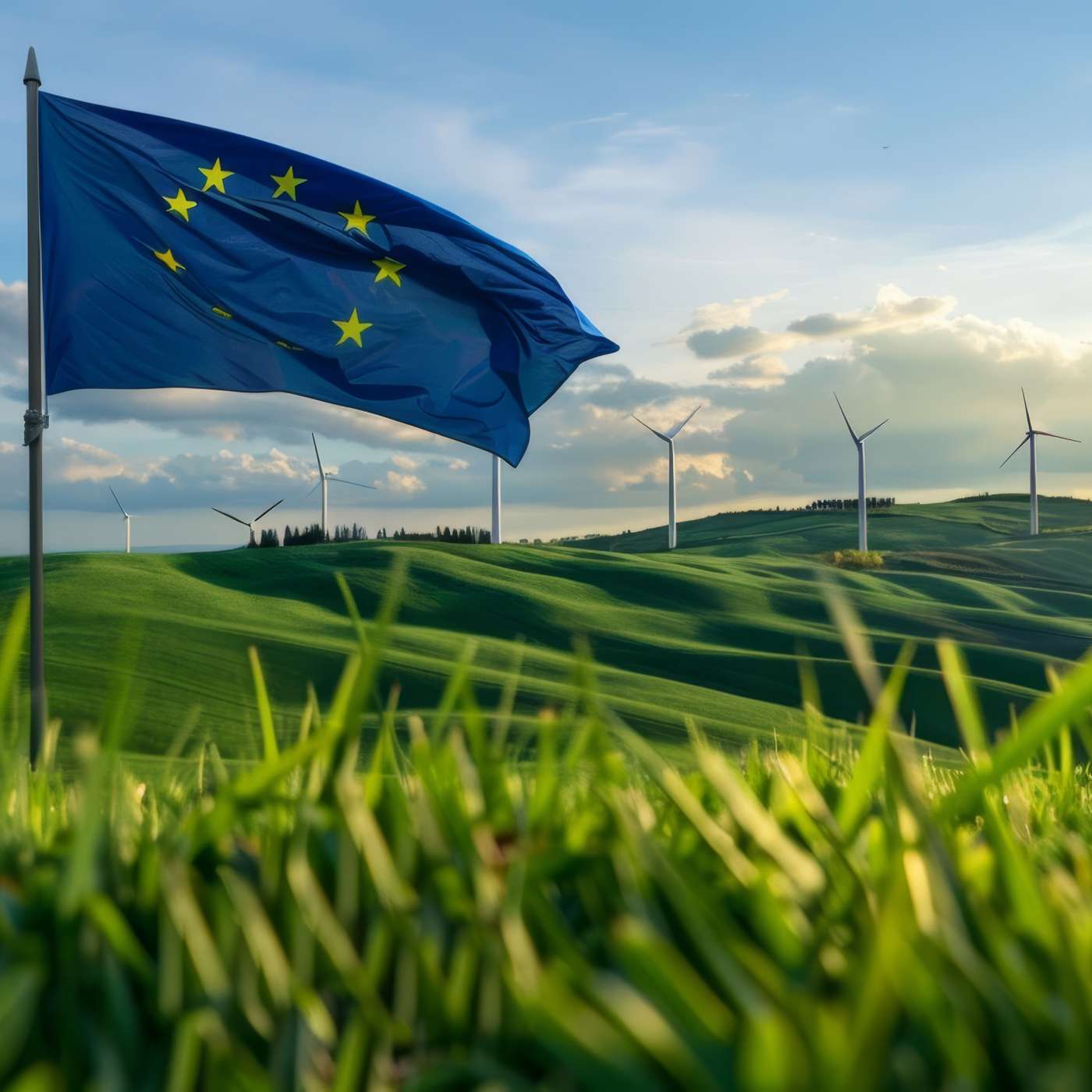
We must not allow the 2024 European Parliament elections to derail progress on climate action.Opinion polls in every EU member state anticipate that the 2024 European Parliament elections will result in a shift to the right. Statistical models forecast gains by the right and losses by center, left and green parties. The election results will have implications on coalitions, alignments, and national debates within EU member states.Link to the blog page
It's important to keep in mind that making the transition to energy-efficient lighting involves not just technological change but also social change. People have to want to make the switch. Individuals have to understand the positive effects of well-managed LED lighting on comfort and well-being. Businesses and cities have to understand its advantages not only in terms of energy and emissions reductions but also in terms of improvements to operations and quality of life.
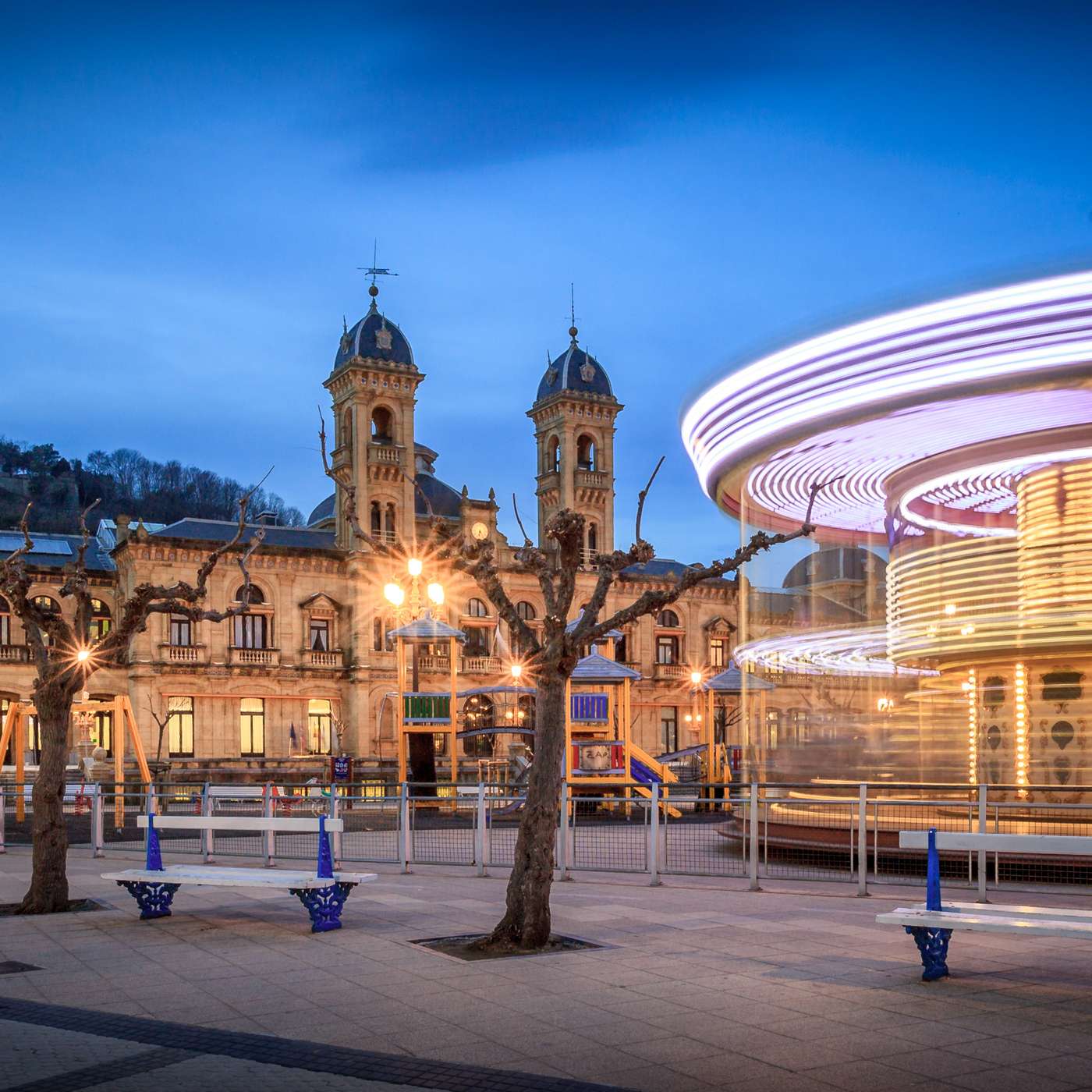
Cities can engage and work together to reduce global emissions Commitments made through the Global Covenant of Mayors for Climate Energy (GCoM) and the C40 Cities underline the key role of cities in transforming formal agreements into real action. Cities can institute and build on changes quickly, especially with the support of national and international entities, which can provide financial and logistical support to power innovation.relevant links:United Nations Sustainable Development GoalsUrban Transitions Mission (UTM) The C40 Leadership Standards 2021-20-2024The NetZeroCities project100 climate-neutral and smart cities by 2030Midwest Energy Efficiency AllianceENI CBC Med GreenBuilding programThe Greater Irbid climate action planWhitepaper Building truly sustainable cities

Embedding sustainability goals within an industry or supply chain strategy broadens the definitions of value and risk. Value increases as consumers seek to purchase products from companies that embrace sustainable practices. A sustainability-centered strategy also gives companies a platform for managing climate-related risk. Increased value and risk management occur through efforts to decarbonize processes, reduce energy consumption, decrease waste, and extend product lifecycles. A range of competitive advantages become apparent by linking cost savings and earnings growth with sustainable approaches.Important links:recent McKinsey studystudy submitted for the Steel Manufacturers Association
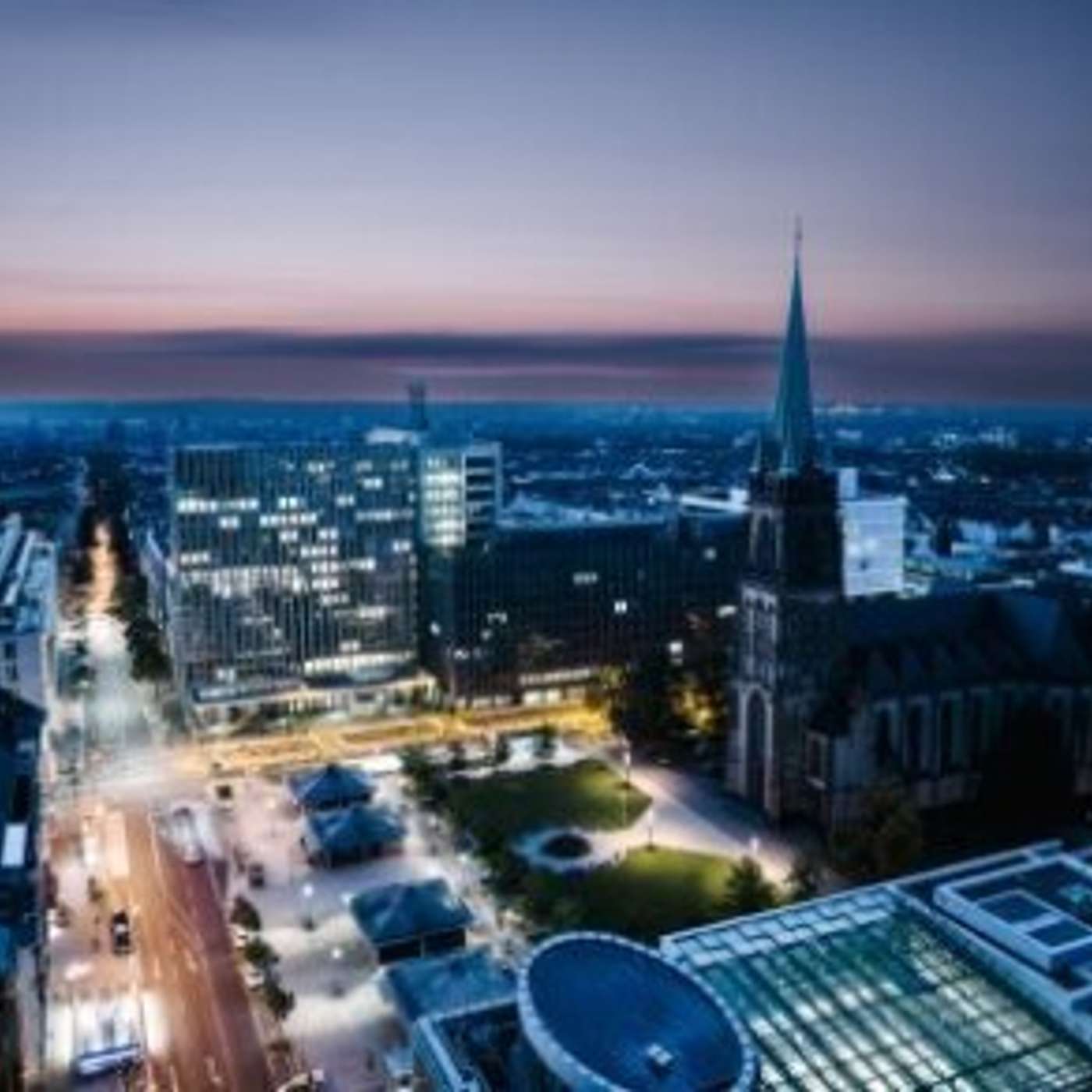
The German city of Düsseldorf has set itself the target of becoming carbon-neutral by 2035. It sees the application of smart city technologies as key to achieving these targets and an intelligent public lighting system as the critical infrastructure for this transformation.An article published in the Economist in February 2024ReferencesInteract City connected lighting: Improved sustainability and community equitySignify Green Switch programSignify Interact connected lighting systemSignify’s BrightSites solution

How connected systems can help cities build sustainability and wellbeing into their indoor and outdoor spaces Written bySue Weekes News Editor,SmartCitiesWorld SmartCitiesWorld White Papers examine an emerging or growing trend in smart cities, highlighting progress so far and future development, as well as spotlighting case studies from cities around the world. In this report, we explore how cities are building sustainability into their indoor and outdoor environments. www.smartcitiesworld.net
(Signify in partnership with the Climate Group)The word “revolution” points towards fundamental shifts in thinking or activities that cause fundamental changes in socioeconomic status. The impacts of each of the four industrial revolutions continue to ripple into the present and future. As industrial economies progressed, people began to enjoy better lifestyles as access to lower-cost, mass-produced goods improved. Manufacturers and producers worked to sell the maximum number of products at the lowest possible cost. Higher salaries and better living conditions prompted an increase in population and the growth of metropolitan areas. Improved infrastructure, breakthrough scientific discoveries, and new technologies made travel and communication easier. The world became a smaller place.
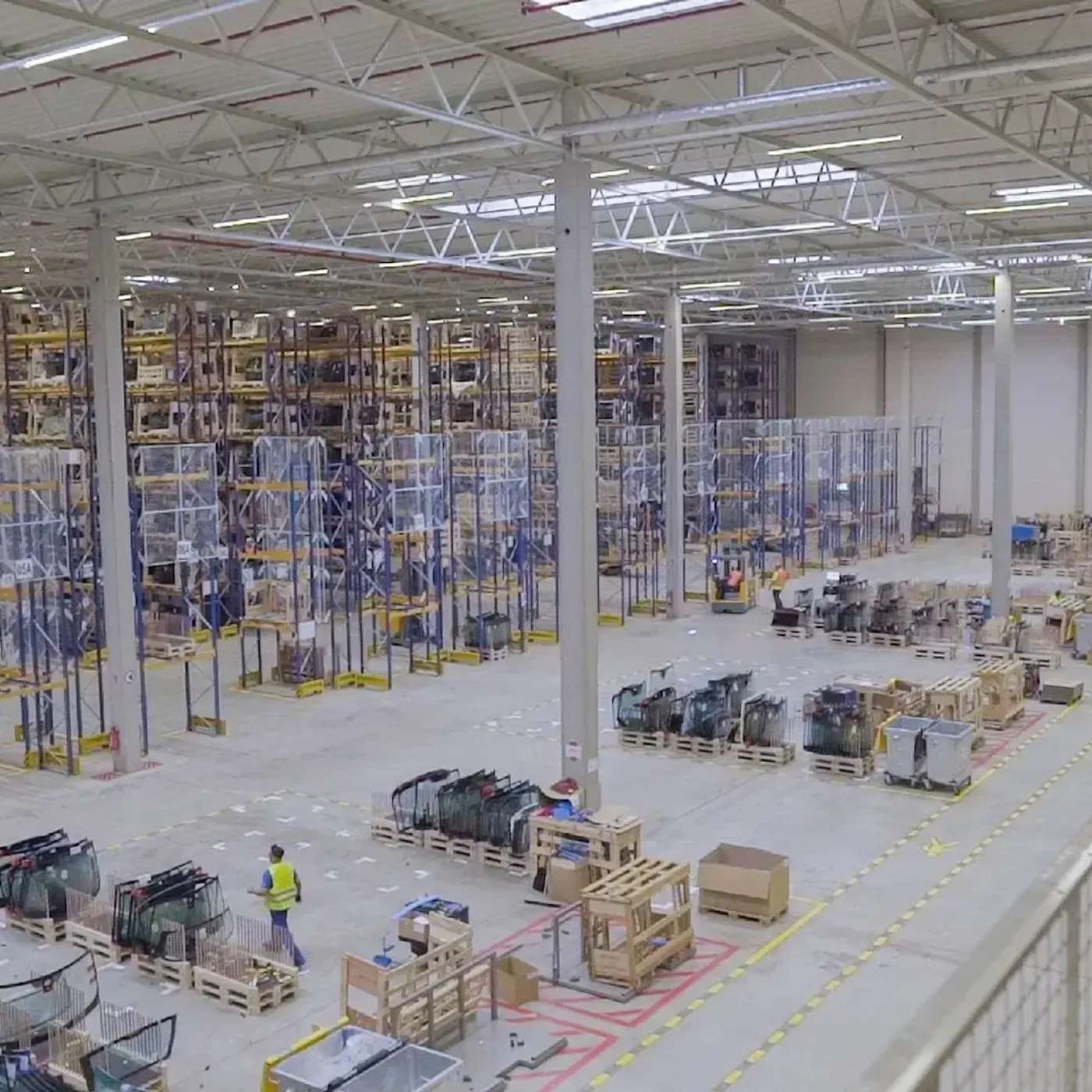
LED lighting solutions and innovative technologies play a key role in decarbonizing industry According to the International Energy Agency, in 2022 industry accounted for 25% of the world’s carbon emissions. This makes industrial decarbonization critical if net zero goals are to be met.An article published in the Economist in November 2023ReferencesThe Economist articleGreen Switch Interact connected lighting system

Improving quality of life through creating liveable spaces is a key element of sustainable lighting solutions, in addition to their role in reducing energy consumption and emissions.An article published in the Economist in November 2023ReferencesInteract City connected lighting: Improved sustainability and community equitySignify Green Switch programSignify Interact connected lighting systemSignify’s BrightSites solution A Study of Office Worker Performance and the Indoor EnvironmentThe University Medical Center Hamburg-Eppendorf studyEindhoven University of Technology (TU/e) Interact system deploymentThe Vredenbergh care home in Breda in the Netherlands NatureConnect introduction

This article explores how it's imperative for everyone to work together, to renew and enlarge efforts to mitigate climate change, and has been published to coincide with COP28, which is currently taking place in Dubai! Good change management depends on creating awareness about the need for change, building the desire of all stakeholders for change, and acquiring knowledge about the change. The change management process continues by constantly gathering feedback to ensure that adoption and usage occur. Link to the blog page

Explore how connected technologies can create the momentum needed to mitigate climate change through saving energy and cutting emissions, whilst also enabling progress towards sustainability goals.As the winter season approaches in the northern hemisphere, the longer nights and shorter days require preparation and vigilance. An additional twist exists for this winter in North America. The prospect of a historically strong El Nino event with its resulting cold and hot snaps adds another predictable—yet unpredictable—element. Ongoing regional wars—and the use of energy supplies as threats—add another layer of unpredictability to winter. Save energy and keep the lights on Some municipalities have tried to save energy by turning their lights off altogether, but this is not a viable solution for several reasons. Streets need illumination at night for safety, schools need light so that students can learn, hospitals need light for treatment and recovery, and public and commercial buildings need light so that people can perform their jobs properly and productively. Listen and learn more. Link to the blog page

Sustainable and connected lighting technologies are key to improving energy efficiency and reducing carbon emissions in the built environment.An article published in the Economist in October 2023ReferencesUN announcement world’s population Signify Green Switich programCities use around 78% of the world's energy, accounting for more than 60% of its greenhouse gas emissionsEU's Smart Cities research The Economist articleMany street lighting projects improve a city’s security. Knittelfield projectInteractBund area of Shanghai
The consequences of climate change become more apparent with each passing day. According to a reportfrom the US Office of the Director of National Intelligence, without action from countries, corporations, businesses, and individuals, global temperatures will likely continue to increase and weather events will continue to set new standards for extremes. Read our white paper Good connectivity: a key to decarbonizing the building sector here
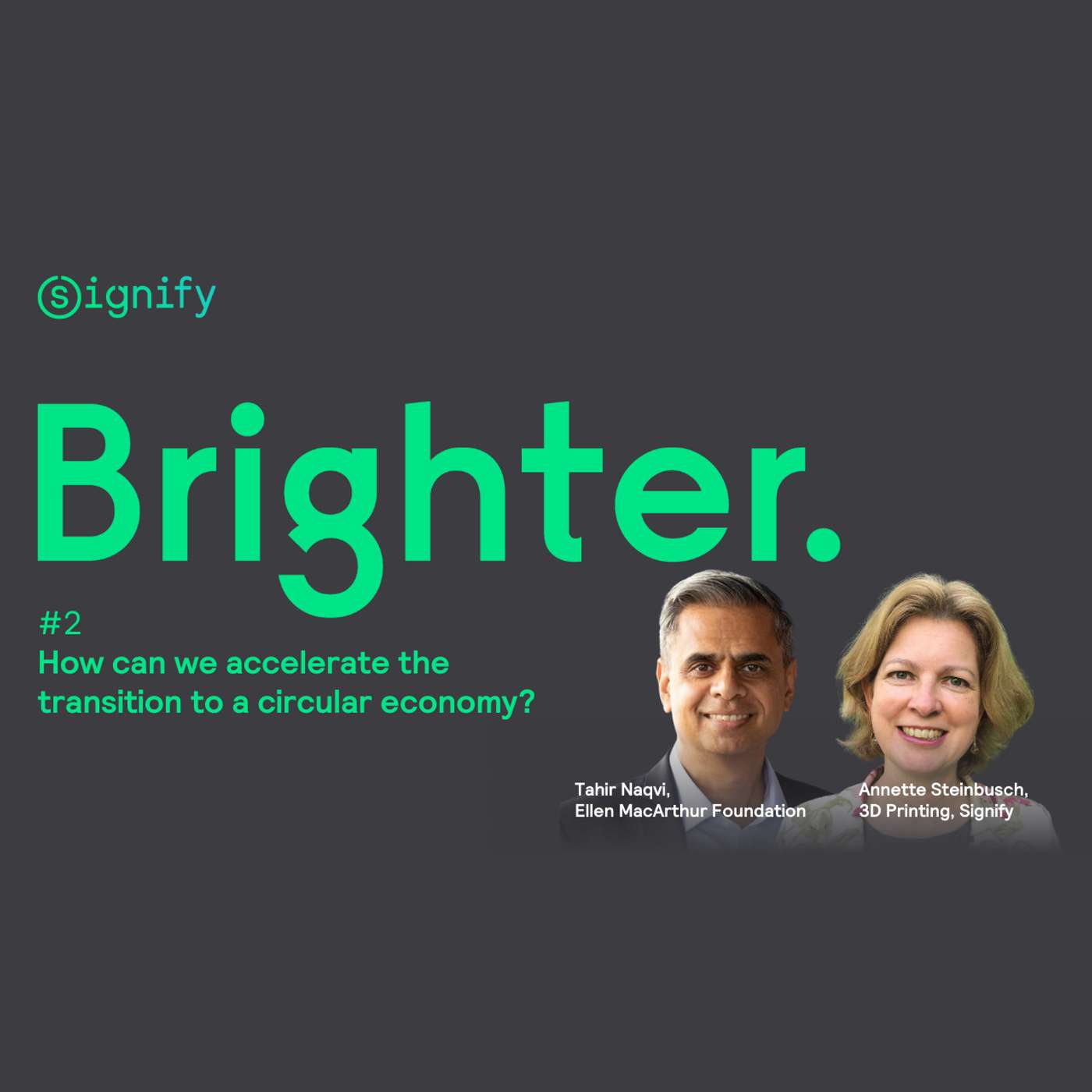
The climate crisis demands intelligent solutions that help us live more sustainably and resourcefully. To mark our five-year anniversary as Signify, we’re hosting a series of LinkedIn Live conversations with leading global experts to discuss some of the challenges we face and the innovations we need to address climate change, circularity, food availability, health & well-being and more. (contact us for more information) On August 29, Tahir Naqvi from Ellen MacArthur Foundation joined Signify’s Annette Steinbusch to discuss how innovative design thinking can create better solutions for users, reduce materials used, eliminate waste, and prolong the useful life of products. #BrighterConversation #BrighterLivesBetterWorld #WeAreSignify

In the European Union and the United States, major policies are defining efforts to reduce greenhouse gas emissions and achieve energy efficiency. The European Climate Law, for example, establishes a goal of net zero greenhouse gas emissions by 2050 and includes legal requirements for EU countries to set intermediate targets for reducing emissions. In the United States, the Inflation Reduction Act commits to achieving a 40% reduction in economy wide GHG emissions by 2030. Do you want to know more, go to our blog page where you can find relevant (source) links for more reading.
It’s time for companies to take a leading role in climate responsibility Seemingly continuous weather events—sometimes accompanied by rolling blackouts-- have stimulated greater public interest in climate responsibility. Companies that invest in green technologies –technologies and sciences that reduce human impacts on the natural environment--can reduce energy consumption, and have a direct impact where it is highly visible—for example, in the reliability and resilience of the electrical grid.Do you want to know more, go to our blog page where you can find relevant (source) links for more reading.

We can, We willClimate Week NYC kicks off on the September 16, 2023, with an important theme: “We Can. We Will.”Leading politicians, businesses, and investors will be in attendance.Relevant links:the Inflation Reduction Act (IRA) the Infrastructure Investment and Jobs Actthe Business Council for Sustainable Energy

Climate Week NYC kicks off in September 2023 with a simple but powerful theme: “We Can. We Will.” The annual summit has grown to become an important part of the climate calendar, attended by leading politicians, businesses, and investors alike. Listen and learn more.Link to the blogpost which comes with the relevant links for more information

Comments

Download from Google Play

Download from App Store
 United States