


 Claim Ownership
Solfate Podcast - Interviews with blockchain founders/builders on Solana
Subscribed: 14Played: 156
Subscribe

© 2025 Nick and James
Description
Interviews with blockchain founders and builders on the Solana blockchain. Hosted by two developers building on Solana, by Nick (@nickfrosty) and James (@jamesrp13).
76 Episodes
Reverse
A conversation with Robin, CEO of Raiku, about Raiku's approach to guaranteed transaction includion on Solana.📝 Notes from the showIn this episode of the Solfate Podcast, hosts James and Nick welcome Robin, founder of Raiku, to discuss Raiku's approach to guaranteed Solana transaction inclusion using validator sidecars, a decentralized coordination layer, and ahead-of-time block auctions. The conversation covers why L1s hit physical latency limits, how inclusion signals and pre-reserved blockspace reduce dropped transactions and retry spam, and where Raiku differs from existing infrastructure like Jito bundles. Robin shares his background from Ethereum and Hyperledger, why he chose Solana, what’s shipping in Raiku's testnet v1 vs v2, and how validator incentives, pricing modules, and oracle speed factor into high-performance DeFi applications. - 00:00 Intro and elevator pitch for Raiku - 03:20 Robin’s background, Ethereum years, and lessons from L2s - 06:34 Why Solana: tech maturity, dev mindshare, edge compute interest - 10:24 Problems to solve: predictability, fragmentation, validator alignment - 13:44 Architecture: validator sidecar, coordination node, block auctions - 16:27 Raiku vs Jito bundles and mempool latency - 18:58 Inclusion signals cadence and “up to 60s ahead” planning - 20:12 Differentiated blockspace, plugins, discounted lanes for oracles - 22:26 Reliability at scale, reducing retries during congestion - 26:06 How auctions work with blockhash TTL, SDK and endpoints - 27:26 Pricing modules, open market for searchers, fee split design - 29:36 Testnet v1 today, v2 decentralization and load testing - 31:32 Not an L2: limited node set, “good actors,” incentive design - 33:06 Extending Solana without classic L2 tradeoffs - 37:14 Transaction flow: app → Raiku node → validator - 38:28 First users: DeFi, perps, HFT, solver flows - 40:42 Faster confirmation needs faster oracles and price feeds - 43:04 Alpenglow outlook and finality targets - 43:46 Hiring, roles needed, closing🔗 Find Robin and Raiku onlineFollow Robin on Twitter/X: @degenrootFollow Raiku on Twitter/X: @raikucomCheck out Raiku at their website: raiku.com
A conversation with Dave Taylor, CEO of Etherfuse, about Etherfuse's stablebonds as an essential blockchain primitive for foreign exchange.📝 Notes from the showIn this episode of the Solfate Podcast, hosts James and Nick welcome Dave Taylor, CEO of Etherfuse, to discuss their groundbreaking approach to bringing real-world assets on-chain through tokenized government bonds called "stablebonds." The conversation explores how Etherfuse has navigated complex regulatory frameworks across Mexico, Switzerland, and other countries to create a new primitive for foreign exchange that could revolutionize how people access and trade international currencies. Dave shares insights on building in the RWA space, the technical challenges of tokenizing government debt, and how stablebonds are already outcompeting traditional remittance solutions by 200,000x in daily volume while making foreign exchange more accessible and affordable for everyone.00:00 Introduction and Dave's Background04:32 The Genesis of Etherfuse and Regulatory Journey16:14 Technical Implementation on Solana23:07 Stablebonds as DeFi Primitives28:32 The Moral Imperative: Bringing FX On-Chain36:05 Why DeFi Creates Superior Markets41:02 Current Markets and Yield Opportunities43:55 Future Plans and Closing Thoughts🔗 Find Dave and Etherfuse onlineFollow Dave on Twitter/X: @EtherfuseDaveFollow Etherfuse on Twitter/X: @etherfuseCheck out Etherfuse at their website: https://www.etherfuse.com👋 Follow the co-hosts onlineNicktwitter: @nickfrostygithub: github.com/nickfrostywebsite: https://nick.afJamestwitter: @jamesrp13github: github.com/jamesrp13website: https://beunboxed.comFollow Solfate Podcast on Twitter/X for updates: @solfatepodThanks for watching frens :) 💖
A conversation with Edison Chen, CEO of Cudis, about Cudis's longevity protocol that leverages blockchain incentives.Ready to start tracking your health on-chain? Get $60 off your Cudis ring and 500 bonus reward points by visiting their website via this link: https://www.cudis.xyz/join?code=Solfate and using code "Solfate" at checkout 📝 Notes from the showIn this episode of the Solfate Podcast, hosts James and Nick welcome Edison Chen, CEO of Cudis, to discuss their revolutionary blockchain-based longevity protocol. Cudis creates wellness rings that track health and fitness data, storing it on-chain so users own their data. The conversation explores how Web3 technology can transform healthcare through personalized incentives, data ownership, and creating a health data economy. Edison shares insights on building hardware in the crypto space, tokenization of health data as assets, and Cudis's vision for personalized longevity solutions for everyone.00:00 Introduction and Welcome 00:34 Meet Edison Chen from Cudis 01:06 Why Web3 for Wellness? 07:08 Deep Dive into Cudis Concept 12:14 Sustainable Incentive Design 18:20 Health Data as Assets 27:05 Use Cases and Market Potential 34:26 Hardware Manufacturing Journey 42:10 Why Build on Solana? 46:02 Token Strategy and Design 48:51 Grand Vision for Longevity 53:13 Closing Thoughts🔗 Find Edison and Cudis online Follow Edison on Twitter/X: @EdcbeatbitFollow Cudis on Twitter/X @CudisWellnessCheck out Cudis at their website: https://cudis.xyz Ready to start tracking your health on-chain? Get $60 off your Cudis ring and 500 bonus reward points by visiting their website via this link: https://www.cudis.xyz/join?code=Solfate and using code "Solfate" at checkout 👋 Follow the co-hosts onlineNicktwitter: @nickfrostygithub: github.com/nickfrostywebsite: https://nick.afJamestwitter: @jamesrp13github: github.com/jamesrp13website: https://beunboxed.comFollow Solfate Podcast on Twitter/X for updates: @solfatepod Thanks for watching frens :) 💖
A conversation with Yiwen (aka @oceanicursula), founder of Nitro Labs, the team behind @Terminaxyz.Full notes for this episode at: https://solfate.com/podcast/73Solfate PodcastFollow us on twitter and turn the notifs on: @SolfatePodDiscover all our podcast episodes on our website: solfate.com/podcastCollect our episodes as NFTs on DRiP: drip.haus/solfateSummaryIn this episode of the Solfate Podcast, hosts James and Nick return after a brief hiatus to discuss groundbreaking innovations with Yiwen from Nitro Labs. The conversation dives deep into Nitro Labs’ product, Termina, which offers modular network extensions for the Solana ecosystem. They explore the concept of deconstructed rollups and how specific modules like the zkSVM prover, SVM engine, and Data Module allow for more efficient and targeted solutions. The discussion covers applications in DeFi, bridging, and the advantages of offloading high-compute tasks off-chain while ensuring on-chain security and verification. The episode also touches on the challenges and strategies for monetizing these advanced technical solutions.00:00 Introduction to On-Chain Proof Verification00:31 Welcome Back to the Podcast00:54 Introducing Yiwen from Nitro Labs01:03 Exploring Network Extensions and Deconstructed Rollups05:04 Deep Dive into Solana and SVM07:17 Shifting Focus to Solana Native Development15:39 Understanding Asynchronous Settlement in DeFi22:51 Beyond Rollups: The Future of Network Extensions24:37 User Feedback and Modular Roll-Up Stack25:01 Introducing the EZKS VM Improver25:23 Challenges and Solutions in ZK VM Implementation26:54 Proving Solana Transactions with ZK Prover27:44 Bridging and Cross-Chain Transactions31:18 Trustless Computation and Cryptographic Proofs34:36 Real-World Applications and Use Cases40:05 Monetizing ZK Prover and Developer Insights45:56 Future of Network Extensions and Infrastructure48:26 Conclusion and Final ThoughtsFind Yiwen and Termina onlineFollow Yiwen on Twitter/X: @oceanicursulaFollow Termina on Twitter/X: @TerminaxyzCheck out Termina at their websiteFollow us aroundNicktwitter: @nickfrostygithub: github.com/nickfrostywebsite: https://nick.afJamestwitter: @jamesrp13github: github.com/jamesrp13
A conversation with Dana (aka @TheSoftwareJedi), Lead Backend Developer at @StepFinance_Full notes for this episode at: https://solfate.com/podcast/71Solfate PodcastFollow us on twitter and turn the notifs on: @SolfatePodDiscover all our podcast episodes on our website: solfate.com/podcastCollect our episodes as NFTs on DRiP: drip.haus/solfateSummaryIn this conversation, Dana shares his journey of discovering Bitcoin from a homeless shelter and what he’s building now at Step Finance. The discussion covers his initial discovery of Bitcoin, his eventual embrace of Solana, the engineering challenges faced in data aggregation, and the innovations being implemented by Step Finance for real-time Solana data processing. The conversation wraps up with valuable advice for those looking to enter the field.TakeawaysDana's journey into crypto began during a challenging time in his life.He discovered Bitcoin while in a homeless shelter, leading to a passion for crypto.His entry into Solana was sparked by a friend's recommendation.Being helpful in the Solana Discord community opened doors for Dana.Step Finance's mission resonated with Dana's passion for DeFi products.Providing value to the ecosystem builds trust and credibility.Dana highlights the importance of community in the crypto space.Step Finance is involved in various initiatives, including education in underbanked countries.Real-time data processing is essential for modern applications.Understanding the account model in Solana is vital for developers.Low-level programming knowledge is beneficial in blockchain development.Documentation is key to mastering new technologies.Engineers must adapt to evolving data structures and requirements.Maintaining performance while scaling is a common challenge.Hands-on experience with constrained environments can aid in blockchain development.Follow us aroundNicktwitter: @nickfrostygithub: github.com/nickfrostywebsite: https://nick.afJamestwitter: @jamesrp13github: github.com/jamesrp13
A conversation with Daniel (aka @nicechute), co-founder and CEO @LuloFull notes for this episode at: https://solfate.com/podcast/70Solfate PodcastFollow us on twitter and turn the notifs on: @SolfatePodDiscover all our podcast episodes on our website: solfate.com/podcastCollect our episodes as NFTs on DRiP: drip.haus/solfateSummaryIn this episode, we welcome Daniel on the podcast, co-founder and CEO of Lulo, to discuss the birth and evolution of Lulo, a platform that simplifies DeFi. We explore the challenges faced in the DeFi space, the pivot from their original product to FlexLend, and the importance of user experience. The discussion also covers upcoming features, including a native app and an insurance product aimed at mitigating smart contract risks, ultimately positioning Lulo as a competitive player in the personal finance space.We talk about the innovative features of Lulo, a DeFi platform designed to enhance user experience and safety in digital asset management. The discussion covers the importance of risk management in DeFi, the introduction of an insurance-like product to protect users' deposits, and the vision for Lulo as a comprehensive financial tool that simplifies crypto investments. We also discuss regulatory challenges and the future of Lulo as a leading crypto app, highlighting the platform's potential to attract a broader audience to DeFi.TakeawaysDeFi is perceived as hard to use, which hinders adoption.The original idea for Lulo was an order book for lending.The pivot to FlexLend was driven by user needs for simplicity. Lulo's model allows for diversified risk management similar to traditional insurance.The future of Lulo includes features like debit cards and fiat onboarding.Lulo seeks to create a risk-free standard in the DeFi space.A simple UI can significantly enhance user experience.Launching a product early allows for easier iteration and feedback.Marketing strategies should align with product complexity.Lulo aims to compete with traditional finance apps like Robinhood. Safety is the number one concern for users in DeFi.The new insurance product helps manage risks associated with underlying protocols.Users will choose their risk level instead of specific apps in the new UX.Lulo aims to be the go-to crypto app for personal finance.The platform's efficiency improves as more DeFi pools are integrated.Follow us aroundNicktwitter: @nickfrostygithub: github.com/nickfrostywebsite: https://nick.afJamestwitter: @jamesrp13github: github.com/jamesrp13
A conversation with Craig Mahoney (aka @Njord614), Founder @SuperPhoenixDAOFull notes for this episode at: https://solfate.com/podcast/69Solfate PodcastFollow us on twitter and turn the notifs on: @SolfatePodDiscover all our podcast episodes on our website: solfate.com/podcastCollect our episodes as NFTs on DRiP: drip.haus/solfateSummaryIn this episode, we welcome Craig on the podcast to discuss the innovative concept of SuperPhoenixDAO, a project centered around acquiring and tokenizing in-game assets within the Star Atlas universe. They explore the economic implications of such investments, the social dynamics of gaming, and the potential for community engagement through decentralized governance. The discussion also touches on the development timeline of Star Atlas and the exciting possibilities of cross-game integration within the Solana ecosystem.We discuss the role of SuperPhoenixDAO in connecting various ecosystems within the Web3 space, emphasizing the importance of creating unique user experiences. Our guest shares insights on current initiatives, future plans, and the challenges of fundraising in both Web2 and Web3 environments. The discussion highlights the symbiotic relationships between different projects and the maturation of the blockchain space, focusing on long-term investments and community engagement.TakeawaysSuperPhoenixDAO aims to build a social hub in Star Atlas.Tokenizing in-game assets can democratize ownership.Investing in virtual venues can yield real-world returns.The gaming economy is evolving with Web3 technologies.Community engagement is crucial for game development.Cross-game integration can enhance player experiences.The future of gaming lies in decentralized ecosystems. Creating a functional bond between different NFT communities is essential.SuperPhoenixDAO aims to be the connective tissue between isolated ecosystems.The focus on experiential design sets SuperPhoenixDAO apart from traditional blockchain projects.The upcoming token launch is a significant milestone for SuperPhoenixDAO.Gaming is a key area for onboarding new users to the crypto space.Long-term investments in Web3 projects are becoming more common.The mutually beneficial relationship between SuperPhoenixDAO and Star Atlas.Follow us aroundNicktwitter: @nickfrostygithub: github.com/nickfrostywebsite: https://nick.afJamestwitter: @jamesrp13github: github.com/jamesrp13
Behind DSCVR: Building a Decentralized Social Network for the Web3 EraA conversation with Rick Porter (aka @rckprtr), CEO @ DSCVRFull notes for this episode at: https://solfate.com/podcast/68Solfate PodcastFollow us on twitter and turn the notifs on: @SolfatePodDiscover all our podcast episodes on our website: solfate.com/podcastCollect our episodes as NFTs on DRiP: drip.haus/solfateSummaryIn this conversation, Rick Porter, CEO and co-founder of DSCVR (pronounced Discover), discusses the evolution of his platform, a Web3 social network aimed at unlocking monetization, distribution, and ownership for users. He shares his background in crypto, the transition from previous projects to DSCVR, and the technical architecture that supports the platform. The discussion also delves into the complexities of the feed engine and user engagement strategies, highlighting the challenges and innovations in building a decentralized social network.Rick Porter discusses the infrastructure and cost efficiency of data analytics on Solana vs Ethereum, the value of blockchain in social media, and the importance of transparency and accessibility for creators. He explores the philosophical implications of treating data as a utility and presents DSCVR as a new social platform for Web3 users. The discussion concludes with insights for builders in the ecosystem, emphasizing the importance of experimentation and self-belief.TakeawaysDSCVR aims to unlock monetization, distribution, and ownership for users.Blockchain provides decentralization and verifiability for social media. DSCVR 's initial concept was to create a Reddit-like platform on-chain.User engagement is driven by a complex feed engine that customizes content for each user.The move to Solana was a significant step for DSCVR's development. Infrastructure costs for data analytics can be managed effectively.Rust offers significant cost savings compared to TypeScript systems.Transparency in social media empowers creators and users alike.Data should be accessible to everyone, akin to a utility.DSCVR offers a unique social experience for Web3 users.Building in the ecosystem requires experimentation and resilience.Don't underestimate your capabilities as a builder.Find Rick and DSCVR onlineFollow Rick on twitter - @rckprtrFollow DSCVR on twitter - @dscvr1Follow us aroundNicktwitter: @nickfrostygithub: github.com/nickfrostywebsite: https://nick.afJamestwitter: @jamesrp13github: github.com/jamesrp13
Mobile dev chat: Focus on DRiP app & Solana mobile, discussing cross-platform tools, security, UX & community. Key: protect secrets & prioritize performance.Full notes for this episode at: https://solfate.com/podcast/67Follow @SolfatePod on Twitter for updates: https://twitter.com/SolfatePodPS: We are happy to announce the launch of our Solfate Drip channel where you can collect Solfate Podcast episodes as digital collectibles! Subscribe to our Drip channel today: drip.haus/solfate (we have some fun experiments planned)Notes from the showSolana is the only place where mobile is a part of the conversation.You have to build an API to protect your secrets.Mobile apps are client side apps so developers should not trust the environment. Do not put secrets in your mobile apps.You can co-sign transactions and have them executed on the backend.DRiP is a mobile company, even if they don't realize it.You need to be way more active on Twitter. Web development skills are increasingly relevant for mobile developers.React Native is convenient but has performance limitations.Kotlin Compose offer a promising alternative for mobile development.Understanding UX differences is crucial in cross-platform development.Community feedback is essential for app improvement.Prototyping in mobile apps can help clarify ideas for product development.Performance is a key factor in user satisfaction with mobile apps.Developers should focus on building compelling features to retain users.Engaging with developer communities can provide valuable support and resources.Find Andrew and DRiP onlineFollow Andrew on twitter - @creativedrewyFollow @drip_haus on twitter - @drip_hausFollow us aroundNicktwitter: @nickfrostygithub: github.com/nickfrostywebsite: https://nick.afJamestwitter: @jamesrp13github: github.com/jamesrp13Solfate Podcasttwitter: @SolfatePodmore podcast episodes: solfate.com/podcastcollect episodes on Drip: drip.haus/solfate
Building Web3 communities that matter: Inside Superteam Germany's strategy for sustainable growth in Solana.Full notes for this episode at: https://solfate.com/podcast/66Follow @SolfatePod on Twitter for updates: https://twitter.com/SolfatePodPS: We are happy to announce the launch of our Solfate Drip channel where you can collect Solfate Podcast episodes as digital collectibles! Subscribe to our Drip channel today: drip.haus/solfate (we have some fun experiments planned)Notes from the showBekka moved to Germany for cultural opportunities and language learning.Superteam Germany was founded to support the Solana ecosystem.Community membership is capped at 150 to maintain meaningful connections.Germany's Superteam focuses on builders and technical development.Regional Superteams have unique strengths and focuses.Collaboration among Superteams enhances overall community growth.Bekka's artistic background influences her approach to Web3.Digital asset ownership revolutionizes creator relationships.Challenges in the NFT space can lead to personal growth.In-person events significantly impact community connections.Collaboration has changed lives in the Web3 space.Diversity of skills is essential for impactful projects.Communication is key to conveying vision and ideas.The ecosystem is evolving to include more non-technical roles.Creativity and collaboration can lead to innovative solutions.NFTs have potential beyond current applications.The importance of fostering a supportive community.Embracing the unknown can lead to exciting opportunities.Find Bekka and SuperteamDE onlineFollow Bekka on twitter - @DrRebekkaRevelFollow SuperteamDE on twitter - @SuperteamDEFollow us aroundNicktwitter: @nickfrostygithub: github.com/nickfrostywebsite: https://nick.afJamestwitter: @jamesrp13github: github.com/jamesrp13Solfate Podcasttwitter: @SolfatePodmore podcast episodes: solfate.com/podcastcollect episodes on Drip: drip.haus/solfate

Get insights into ORE’s proof-of-work journey, including new features in V2, staking pools, and the project’s unique approach to building a broader ecosystem.Full notes for this episode at: https://solfate.com/podcast/65Follow @SolfatePod on Twitter for updates: https://twitter.com/SolfatePodPS: We are happy to announce the launch of our Solfate Drip channel where you can collect Solfate Podcast episodes as digital collectibles! Subscribe to our Drip channel today: drip.haus/solfate (we have some fun experiments planned)Notes from the showORE is a proof-of-work token that anyone can mine.The project aims to bridge Bitcoin to Solana.Mining is designed to be accessible to all users.The hash function used in ORE is non-parallelizable.Mining happens off-chain, with validation on-chain.The initial launch faced significant network congestion.The V1 system had issues with spam and transaction volume.A hard fork was necessary to transition to V2.The V2 redesign improved the mining experience.The project gained attention through its marketing strategy. The transition from V1 to V2 involved significant changes in reward structure and supply cap.Community feedback is crucial in shaping the monetary policy of the token.Participants in crypto can be categorized into three main groups: nerds, speculators, and utility seekers.Liquidity is essential for the success of ORE and its integration with real-world assets.Staking and mining pools are being introduced to enhance user participation and rewards.Horizontal integration can create a broader ecosystem for the ORE token.Liquidity is viewed as a key component of store value in the crypto space.The project aims to compete with traditional finance by offering decentralized alternatives.The ORE experiment is seen as a significant step in exploring new monetary policies.Community engagement and feedback are vital for the ongoing development of the ORE project.Find HardhatChad and ORE onlineFollow HardhatChad on twitter - @HardhatChadFollow OREsupply on twitter - @OREsupplyFollow us aroundNicktwitter: @nickfrostygithub: github.com/nickfrostywebsite: https://nick.afJamestwitter: @jamesrp13github: github.com/jamesrp13Solfate Podcasttwitter: @SolfatePodmore podcast episodes: solfate.com/podcastcollect episodes on Drip: drip.haus/solfate
GenesysGo is transforming decentralized storage with Shadow Drive, a fast, secure platform built on Solana, designed to rival traditional cloud solutions. And they are building it using mobile phones.Full notes for this episode at: https://solfate.com/podcast/64Follow @SolfatePod on Twitter for updates: https://twitter.com/SolfatePodPS: We are happy to announce the launch of our Solfate Drip channel where you can collect Solfate Podcast episodes as digital collectibles! Subscribe to our Drip channel today: drip.haus/solfate (we have some fun experiments planned)Notes from the showGenesysGo is building the decentralized storage platform called Shadow Drive, which aims to provide speed, stability, security, and ease of use comparable to centralized web and cloud platforms.The team started as a validator on the Solana network and attracted a strong amount of stake. They then expanded to provide RPC network support and became the largest provider of RPC services on Solana.Shadow Drive addresses the storage challenges faced by validators by storing Solana's ledger history. The platform has grown to have an average of 130,000 daily active users.Decentralized storage offers cost savings in terms of bandwidth costs compared to centralized storage providers. Shadow Drive achieves this by leveraging the collective power of the network.The platform aims to decentralize revenues and distribute them to the operators of the network, providing a disruptive and cost-effective alternative to traditional storage providers. Shadow Drive V2 is a decentralized cloud storage platform built on the Solana network.The platform is designed to be resource-efficient and capable of running on mobile phones.It operates on a consensus algorithm that allows for censorship resistance and decision-making by the network consensus.Shadow Drive V2 leverages Solana as a base layer for identity, payment, and other functionalities.The platform aims to decentralize revenues by directly passing user fees to network operators.Find Frank and GenGo onlineFollow Frank on twitter - @Frank_theTraderFollow GenesysGo on twitter - @GenesysGoFollow us aroundNicktwitter: @nickfrostygithub: github.com/nickfrostywebsite: https://nick.afJamestwitter: @jamesrp13github: github.com/jamesrp13Solfate Podcasttwitter: @SolfatePodmore podcast episodes: solfate.com/podcastcollect episodes on Drip: drip.haus/solfate
Colosseum fuels Solana innovation! 🚀 $250K for startups, mentorship, and a $60M fund. Next hackathon begins September 2nd—be part of the future! #Solana #Blockchain #startup Full notes for this episode at: https://solfate.com/podcast/63Follow @SolfatePod on Twitter for updates: https://twitter.com/SolfatePodPS: We are happy to announce the launch of our Solfate Drip channel where you can collect Solfate Podcast episodes as digital collectibles! Subscribe to our Drip channel today: drip.haus/solfate (we have some fun experiments planned)Notes from the showColosseum combines online hackathons and accelerator programs to support Solana ecosystem startups.The accelerator program helps teams push towards a mainnet release and provides support in technical and non-technical areas.Colosseum invests $250,000 in each startup that goes through its accelerator program.Teams in the accelerator program receive feedback on legal and entity structure, team composition, and early customer communication.Colosseum evaluates teams based on their ability to ship quickly and efficiently. Colosseum provides funding, mentorship, and resources to early-stage projects in the Solana ecosystem.They run hackathons to identify talented teams and provide them with pre-seed funding and support.The accelerator program helps teams refine their ideas and secure additional funding.Colosseum plays a role in educating and convincing later-stage funds to invest in the Solana ecosystem.They are working on building a co-founder matching platform to help teams find the right partners.The next hackathon is scheduled for September 2nd to October 8th.Find Matty and Colosseum onlineFollow Matty on twitter - @mattytayFollow Colosseum on twitter - @ColosseumOrgColosseum website - Colosseum.orgFollow us aroundNicktwitter: @nickfrostygithub: github.com/nickfrostywebsite: https://nick.afJamestwitter: @jamesrp13github: github.com/jamesrp13Solfate Podcasttwitter: @SolfatePodmore podcast episodes: solfate.com/podcastcollect episodes on Drip: drip.haus/solfate
Full notes for this episode at: https://solfate.com/podcast/62Follow @SolfatePod on Twitter for updates: https://twitter.com/SolfatePodNotes from the showMagic Block is a high-performance engine for fully on-chain games and applications. It aims to make it easy for developers to build entirely on-chain games and leverage the unique features that blockchain offers. The engine uses a hybrid approach between a roll-up and something that runs on Layer 1 to minimize latency and preserve composability. Fully on-chain games are games whose source of truth derives entirely from a blockchain, where state and logic run on-chain. These games offer permissionless composability and become autonomous worlds.Magic Block provides a solution for faster and more scalable on-chain gaming experiences. Magic Block is building a solution called Ephemeral Rollups on Solana that allows for fully on-chain games with high scalability and composability. Ephemeral Rollups are a combination of Solana's high-speed blockchain and a separate execution environment that runs custom operations on specific accounts. This allows for the passage of time and other game mechanics without the need to pay for every state update.Magic Block is also developing the Bolt framework, an entity component system built on top of Anchor, to simplify game development on Solana. The goal is to create a future where everything runs on-chain while preserving composability and a single ecosystem for users, developers, and operators.PS: We are happy to announce the launch of our Solfate Drip channel where you can collect Solfate Podcast episodes as digital collectibles! Subscribe to our Drip channel today: drip.haus/solfate (we have some fun experiments planned)TakeawaysMagicBlock is a high-performance engine for fully on-chain games and applications.It aims to make it easy for developers to build entirely on-chain games and leverage the unique features that blockchain offers.Fully on-chain games have their source of truth entirely on the blockchain, offering permissionless composability and becoming autonomous worlds.Magic Block uses a hybrid approach between a roll-up and something that runs on Layer 1 to minimize latency and preserve composability. Magic Block is building Ephemeral Rollups on Solana, which enable fully on-chain games with high scalability and composability.Ephemeral Rollups combine Solana's high-speed blockchain with a separate execution environment that runs custom operations on specific accounts.The Bolt framework, built on top of Anchor, simplifies game development on Solana by abstracting away low-level complexity.The goal is to create a future where everything runs on-chain while preserving composability and a single ecosystem for users, developers, and operators.Find Andrea and MagicBlock onlineFollow Andrea on twitter - @supermarioblockFollow MagicBlock on twitter - @MagicBlockMagicBlock's website - MagicBlock.ggFollow us aroundNicktwitter: @nickfrostygithub: github.com/nickfrostywebsite: https://nick.afJamestwitter: @jamesrp13github: github.com/jamesrp13Solfate Podcasttwitter: @SolfatePodmore podcast episodes: solfate.com/podcastcollect episodes on Drip: drip.haus/solfate
Full notes for this episode at: https://solfate.com/podcast/61Follow @SolfatePod on Twitter for updates: https://twitter.com/SolfatePodPS: We are happy to announce the launch of our Solfate Drip channel where you can collect Solfate Podcast episodes as digital collectibles! Subscribe to our Drip channel today: drip.haus/solfate (we have some fun experiments planned)Notes from the showThe conversation revolves around the introduction of Actions and Blinks, a technology platform and protocol developed by Dialect and Solana Foundation. Actions and Blinks allow users to share Solana anywhere on the internet by unfurling URLs and providing interactive experiences. The idea originated from the concept of smart messages and transaction requests in Solana Pay. The launch of Actions and Blinks was a collaborative effort between Dialect, Solana Foundation, and various wallets.The discoverability and accessibility of Blinks are limited to specific browsers with wallet extensions installed. However, there are plans to make Blinks more widely available and user-friendly. The conversation explores the challenges and potential of Blinks and Solana Actions in revolutionizing the internet. The guests discuss the uphill battle of creating an open ecosystem in the current environment of mega companies and intentional blockades.Chris and Nick highlight the power of Blinks in bringing value transfer and interaction to users without leaving the app. The technical nature of Blinks and Solana Actions is explained, emphasizing the backend REST API of Actions and the frontend UI of Blinks. The guests also mention the future possibilities of mobile integration and the importance of developer feedback and collaboration.TakeawaysActions and Blinks allow users to share Solana anywhere on the internet by unfurling URLs and providing interactive experiences.The idea of Actions and Blinks originated from the concept of smart messages and transaction requests in Solana Pay.The launch of Actions and Blinks was a collaborative effort between Dialect, Solana Foundation, and various wallets.Currently, the discoverability and accessibility of Blinks are limited to specific browsers with wallet extensions installed, but there are plans to make Blinks more widely available and user-friendly. Creating an open ecosystem in the current internet environment is an uphill battle against mega companies and intentional blockades.Blinks bring value transfer and interaction to users without leaving the app, enhancing the user experience and stickiness.Blinks and Solana Actions have a backend REST API for transaction construction and delivery, and a frontend UI for rendering and user interaction.The technical nature of Blinks and Solana Actions allows for easy development and customization, making it accessible for developers.Mobile integration and native mobile implementations of Blinks are the next steps in the evolution of the technology.Find Chris and Dialect onlineFollow Chris on twitter - @aliquotchrisFollow Dialect on twitter - @SayDialectDialect's website - dialect.toFollow us aroundNicktwitter: @nickfrostygithub: github.com/nickfrostywebsite: https://nick.afJamestwitter: @jamesrp13github: github.com/jamesrp13Solfate Podcasttwitter: @SolfatePodmore podcast episodes: solfate.com/podcastcollect episodes on Drip: drip.haus/solfate
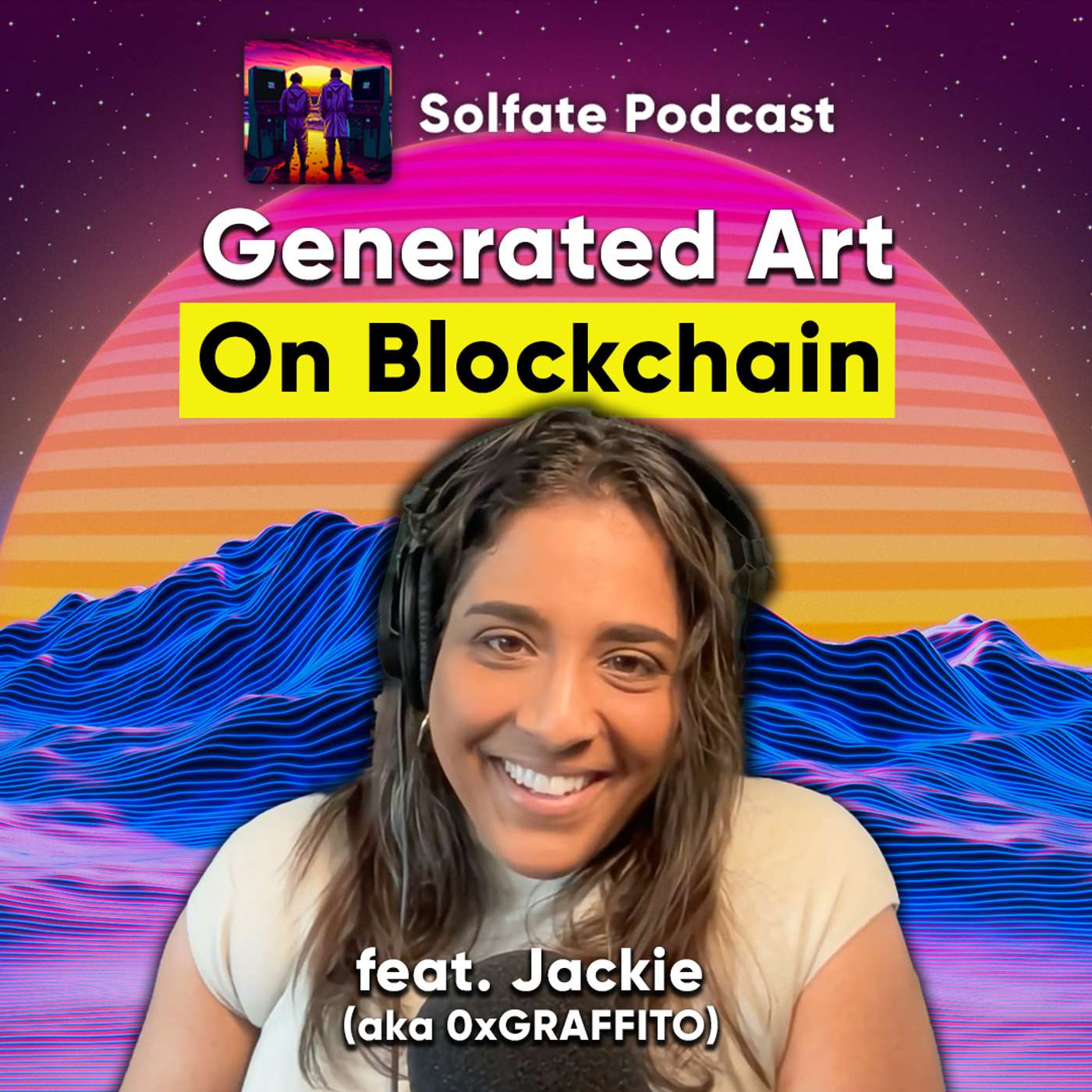
Full notes for this episode at: https://solfate.com/podcast/60Follow @SolfatePod on Twitter for updates: https://twitter.com/SolfatePodPS: We are happy to announce the launch of our Solfate Drip channel where you can collect Solfate Podcast episodes as digital collectibles! Subscribe to our Drip channel today: drip.haus/solfate (we have some fun experiments planned)Notes from the showJackie, aka Graffito, a cybersecurity professional and artist, shares her journey from the world of cybersecurity to web3 art. She started in the hacker community, exploring the boundaries of technology and pushing the limits. After working in cybersecurity and consulting for large companies, she felt a disconnect between her work and her desire to create meaningful and valuable contributions. This led her to explore art and storytelling, using her technical knowledge to create AI-generated videos and digital art. She finds satisfaction in pushing boundaries and creating work that leaves people wondering how it was made.We also discuss Jackies creative process and the tools they use to create AI-generated artwork. They emphasize the importance of starting with basic tools and gradually learning and experimenting with new techniques. Graffito also highlights the value of receiving feedback and encouragement from the community, which motivates them to continue creating. They discuss the potential of AI in the art world and how it can revolutionize the creative process. The conversation concludes with a discussion about camping and the possibility of organizing an event in Puerto Rico.TakeawaysGraffito's journey from cybersecurity to web3 art showcases her desire to push boundaries and create meaningful work.Her technical knowledge and experience in cybersecurity have been valuable in creating AI-generated videos and digital art.She finds satisfaction in the creative process and the ability to leave people wondering how her art was made.Graffito's transition from the corporate world to the world of art reflects her desire to make valuable and relevant contributions. Start with basic tools and gradually learn and experiment with new techniquesFeedback and encouragement from the community can be a powerful motivatorAI has the potential to revolutionize the creative process in the art worldThe capabilities of AI in art are still in their infancy, but they are rapidly evolving Consider organizing an event in Puerto RicoFind Jackie (aka 0xGRAFFITO) onlineFollow Jackie on twitter - @0xGRAFFITOFollow 0xGRAFFITO on Drip - drip.haus/0xgraffitoFollow us aroundNicktwitter: @nickfrostygithub: github.com/nickfrostywebsite: https://nick.afJamestwitter: @jamesrp13github: github.com/jamesrp13Solfate Podcasttwitter: @SolfatePodmore podcast episodes: solfate.com/podcastcollect episodes on Drip: drip.haus/solfate
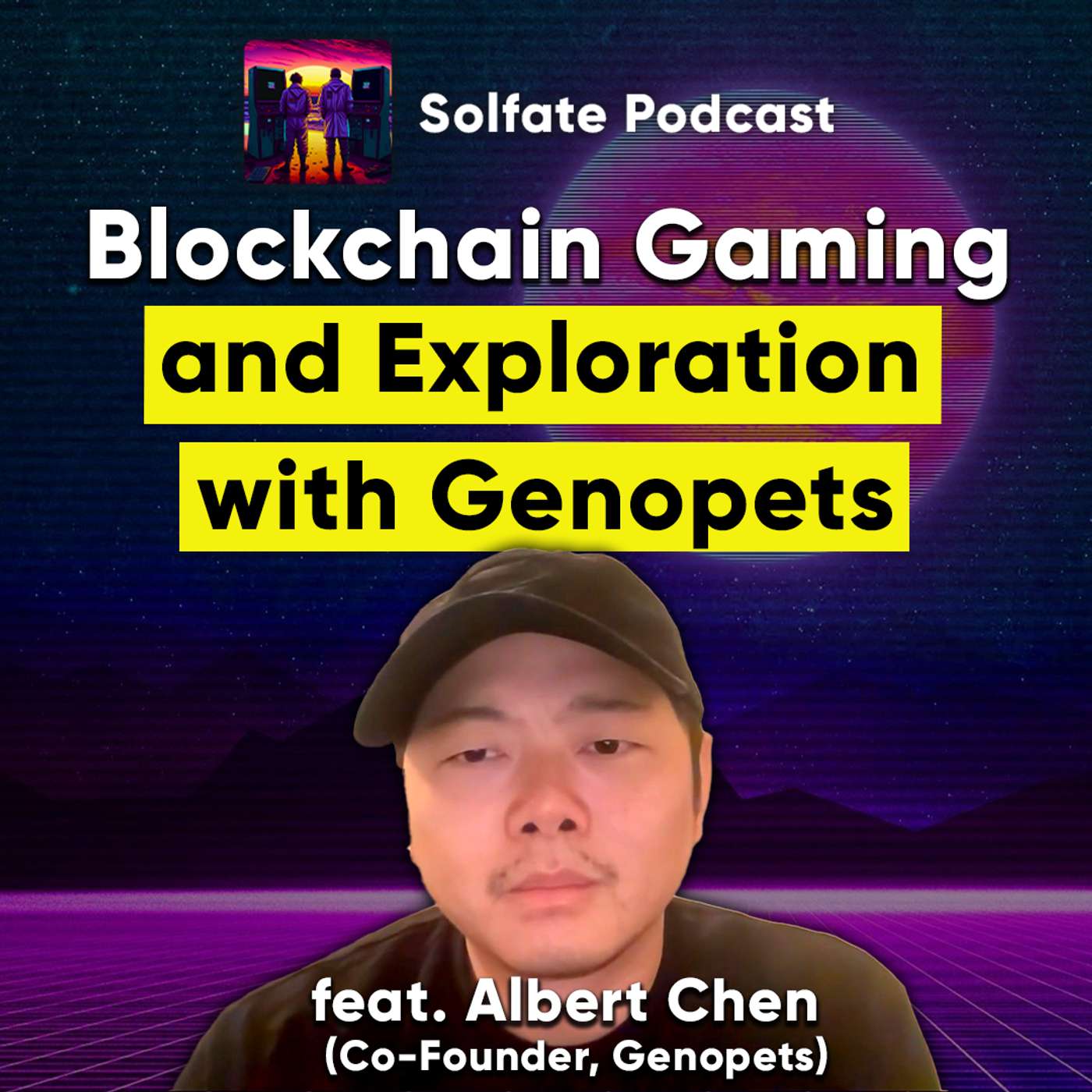
Full notes for this episode at: https://solfate.com/podcast/59Follow @SolfatePod on Twitter for updates: https://twitter.com/SolfatePodPS: We are happy to announce the launch of our Solfate Drip channel where you can collect Solfate Podcast episodes as digital collectibles! Subscribe to our Drip channel today: drip.haus/solfate (we have some fun experiments planned)Notes from the showGenopets is a mobile game that promotes an active and healthy lifestyle by incentivizing physical activity. The gameplay involves summoning a pet and earning energy by tracking steps, which can be used to level up the pet. The game is evolving with the introduction of the Age of Discovery, where players can claim sectors of the real world by taking photos, which are then converted into the Genoverse world. Each sector has its own lore and story, and players can compete to claim and monetize sectors. The game also incorporates play-to-earn mechanics, with energy leaderboard competitions and rewards in the form of governance tokens.Genopets aims to be viewed as just any gaming app on the app store, offering in-game currency and a shop to buy items. The game follows Apple and Google's policies, ensuring that players can access the same experiences and items across platforms. The mobile app allows players to purchase items on-chain or through in-app purchases. The crafting system in Genopets uses semi-fungible tokens (SFTs) and a randomized process. The game also features seasonal items and a focus on decision-making and fast iteration in the development process.TakeawaysGenopets is a mobile game that encourages physical activity and a healthy lifestyle.Players earn energy by tracking their steps, which can be used to level up their pets.The Age of Discovery introduces a new gameplay mode where players can claim sectors of the real world by taking photos.The game incorporates play-to-earn mechanics, with energy leaderboard competitions and rewards in the form of governance tokens.Genopets aims to be viewed as just any gaming app on the app store, offering in-game currency and a shop to buy items.The mobile app allows players to purchase items on-chain or through in-app purchases.The crafting system in Genopets uses semi-fungible tokens (SFTs) and a randomized process.The game features seasonal items and a focus on decision-making and fast iteration in the development process.Find Albert and Genopets onlineFollow Albert on twitter - @mralbertchenFollow Genopets on twitter - @genopetsFollow us aroundNicktwitter: @nickfrostygithub: github.com/nickfrostywebsite: https://nick.afJamestwitter: @jamesrp13github: github.com/jamesrp13Solfate Podcasttwitter: @SolfatePodmore podcast episodes: solfate.com/podcastcollect episodes on Drip: drip.haus/solfate
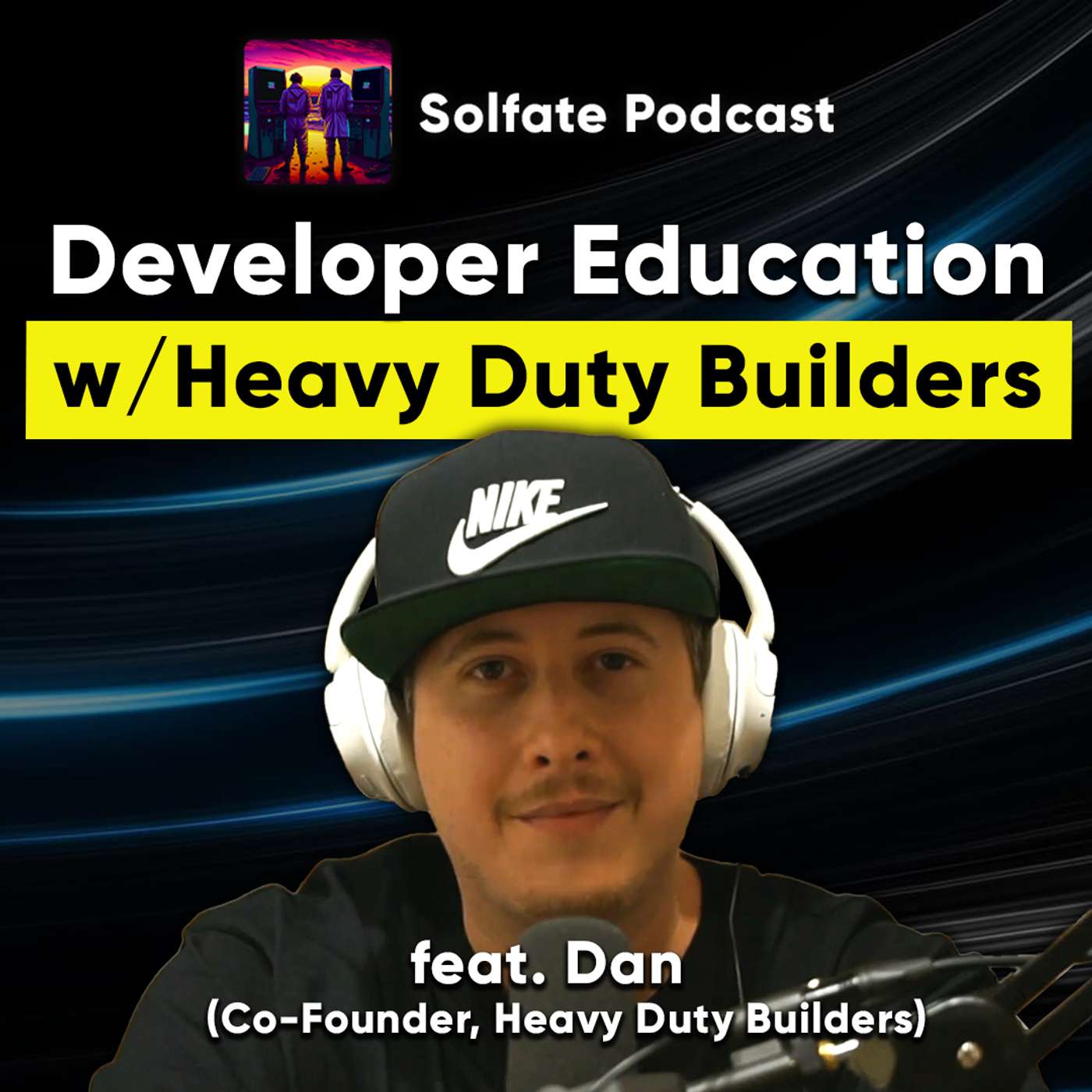
Full notes for this episode at: https://solfate.com/podcast/58Follow @SolfatePod on Twitter for updates: https://twitter.com/SolfatePodPS: We are happy to announce the launch of our Solfate Drip channel where you can collect Solfate Podcast episodes as digital collectibles! Subscribe to our Drip channel today: drip.haus/solfate (we have some fun experiments planned)Notes from the showIn this conversation, Dan from Heavy Duty Builders discusses their mission to create a community for builders to connect, learn, and collaborate. They primarily focus on organizing online events and workshops, with a special emphasis on Spanish-speaking participants. Dan shares his experience organizing bootcamps and the challenges of reviewing and providing feedback on participants' projects. The conversation highlights the importance of education and community in the Solana ecosystem, and the efforts made by Solana Foundation to support developer education.Dan discusses his transition from being a full-time developer to focusing more on educational work and strategic roles. He talks about how his company, Heavy Duty Builders, now hires other developers to do client work and refers people for contracts. Dan also emphasizes the importance of work-life balance and the different perspectives people have on work. He highlights the potential of blockchain technology beyond finance, particularly in improving trust in government operations. Dan encourages developers to think about the problems that require trust and how blockchain can address them.TakeawaysHeavy Duty Builders is a community for builders to connect, learn, and collaborate.They organize online events and workshops, with a focus on Spanish-speaking participants.Their bootcamps are intensive and interactive, with weekly homework, projects, and quizzes.Reviewing and providing feedback on participants' projects can be time-consuming but rewarding.Education and community are crucial in the Solana ecosystem, and Solana Foundation supports developer education. Dan has transitioned from being a full-time developer to focusing more on educational work and strategic roles.Heavy Duty Builders now hires other developers to do client work and refers people for contracts.Dan emphasizes the importance of work-life balance and acknowledges that different people have different perspectives on work.He highlights the potential of blockchain technology beyond finance, particularly in improving trust in government operations. Find Dan and Heavy Duty Builders onlineFollow Dan on twitter - @danm_tFollow HeavyDutyBuilders on twitter - @HeavyDutyBuildCheckout the Heavy Duty Builder's Spain developer workshop - SolanaSpain.devFollow us aroundNicktwitter: @nickfrostygithub: github.com/nickfrostywebsite: https://nick.afJamestwitter: @jamesrp13github: github.com/jamesrp13Solfate Podcasttwitter: @SolfatePodmore podcast episodes: solfate.com/podcastcollect episodes on Drip: drip.haus/solfate
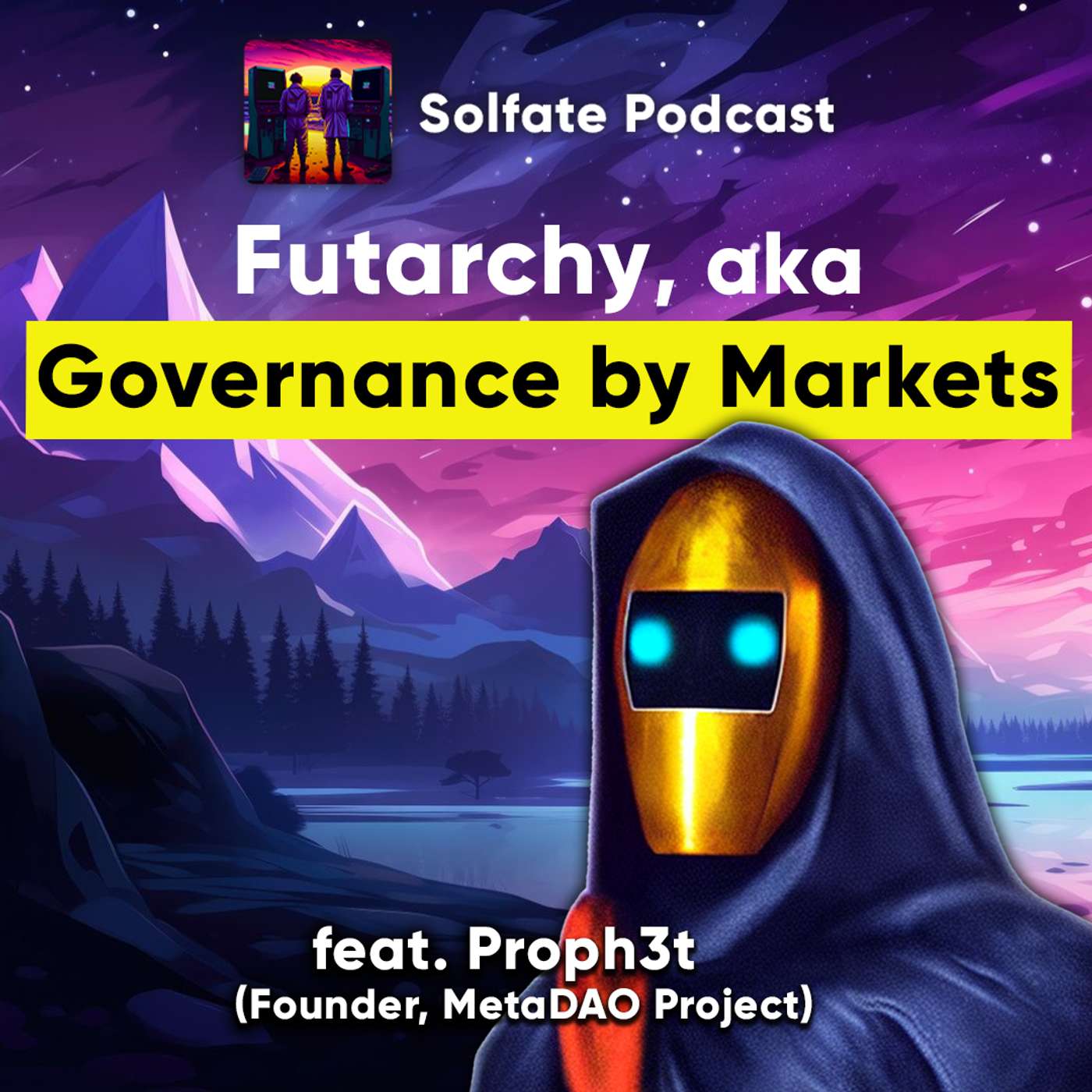
Full notes for this episode at: https://solfate.com/podcast/57Follow @SolfatePod on Twitter for updates: https://twitter.com/SolfatePodPS: We are happy to announce the launch of our Solfate Drip channel where you can collect Solfate Podcast episodes as digital collectibles! Subscribe to our Drip channel today: drip.haus/solfate (we have some fun experiments planned) Notes from the showIn this conversation, James and Proph3t discuss futarchy and its application in governance. They explore the concept of futarchy, which is governance by markets, where decisions are made based on market predictions of the impact on a reference asset's price. Proph3t shares his journey of discovering futarchy and his motivation to implement it in MetaDAO. They discuss the vision for MetaDAO, which aims to create a decentralized organization that operates as an amalgamation of autonomous startups leveraging common assets. They also touch on the process of raising proposals and the accountability mechanisms in MetaDAO.The conversation highlights the efficiency of market-based decision-making and the empirical evidence supporting its effectiveness. The conversation explores the concept of futarchy as a new form of governance and decision-making. Futarchy combines elements of democracy and market mechanisms to make decisions based on financial incentives. It introduces the idea of trading votes and using conditional markets to determine the outcome of proposals. The conversation also touches on the challenges of voting manipulation and the potential benefits of futarchy in combating this issue. The guests encourage listeners to participate in futarchy and contribute to this experiment in governance.TakeawaysFutarchy is governance by markets, where decisions are made based on market predictions of the impact on a reference asset's price.MetaDAO aims to create a decentralized organization that operates as an amalgamation of autonomous startups leveraging common assets.In MetaDAO, proposals are raised and voted on through market trading, aligning personal incentives with the proposal's expected outcome.Market-based decision-making has been shown to be more efficient than alternative methods in various contexts.MetaDAO is still in its early stages and is working towards improving its infrastructure and scalability. Futarchy is a new form of governance that combines elements of democracy and market mechanisms.It introduces the concept of trading votes and using conditional markets to determine the outcome of proposals.Futarchy has the potential to combat voting manipulation and incentivize participants to make informed decisions.Listeners are encouraged to participate in futarchy and contribute to this experiment in governance. Find Proph3t and MetaDAO online- Follow Proph3t on twitter - @metaproph3t- MetaDAO's website - https://metadao.fiFollow us aroundNicktwitter: @nickfrostygithub: github.com/nickfrostywebsite: https://nick.afJamestwitter: @jamesrp13github: github.com/jamesrp13Solfate Podcasttwitter: @SolfatePodmore podcast episodes: solfate.com/podcastcollect episodes on Drip: drip.haus/solfate
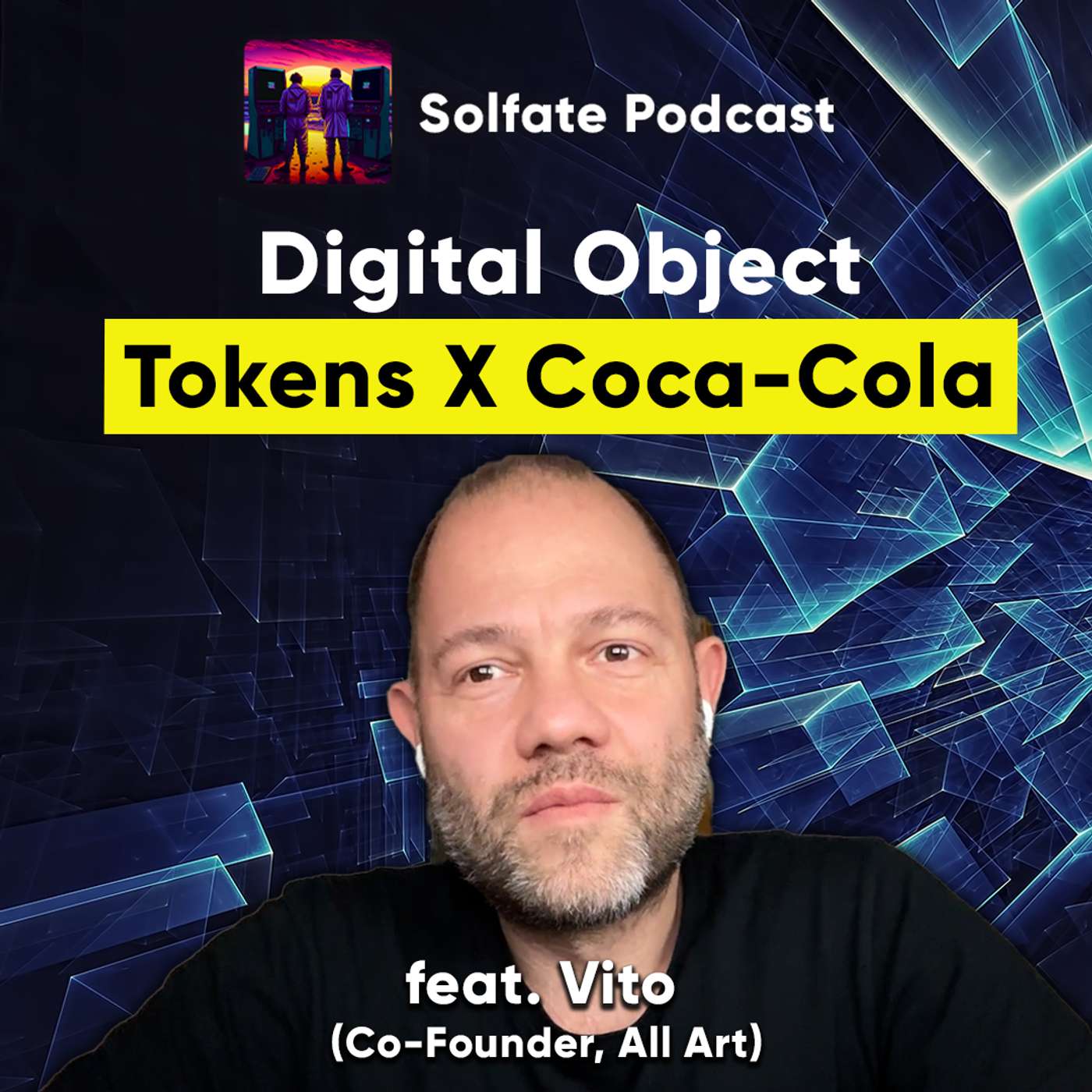
Full notes for this episode at: https://solfate.com/podcast/56Follow @SolfatePod on Twitter for updates: https://twitter.com/SolfatePodPS: We are happy to announce the launch of our Solfate Drip channel where you can collect Solfate Podcast episodes as digital collectibles! Subscribe to our Drip channel today: drip.haus/solfate (we have some fun experiments planned)📝 Notes from the showA conversation with Vito from All Art.Vito, co-founder of All Art, shares his journey into the crypto and virtual reality spaces. He discusses the challenges of payments in virtual reality and the need for instant and low-cost transactions. Vito explains how his team experimented with the Stellar blockchain and the development of their NFT platform. He also highlights the negative perception of NFTs and the impact of media coverage. Vito concludes by discussing the partnership with Coca-Cola and the different approaches of marketing and innovation teams within large companies. He emphasizes the importance of understanding the problems that clients or partners face and tailoring the technology to solve those specific issues. Vito introduces the concept of Digital Object Tokens (DOT) and the need for standardized metadata to accurately represent real-world assets on the blockchain. He also highlights the challenges of user experience and the importance of collaboration with brands, regulators, and governments to drive adoption and solve key problems in the blockchain space.🔗 Find Vito and All Art online- Follow Vito on twitter - @vjevremovic- All Art's website - https://all.artFollow us aroundNicktwitter: @nickfrostygithub: github.com/nickfrostywebsite: https://nick.afJamestwitter: @jamesrp13github: github.com/jamesrp13Solfate Podcasttwitter: @SolfatePodmore podcast episodes: solfate.com/podcastcollect episodes on Drip: drip.haus/solfate

Comments

Download from Google Play

Download from App Store
 United States