


 Claim Ownership
SoulWords- Full Library
Subscribed: 148Played: 16,135
Subscribe

© © 2020 SoulWords.org
Description
SoulWords provides Torah classes and lectures from renowned teacher, Rabbi Shais Taub, on a wide range of spiritual topics.
1138 Episodes
Reverse
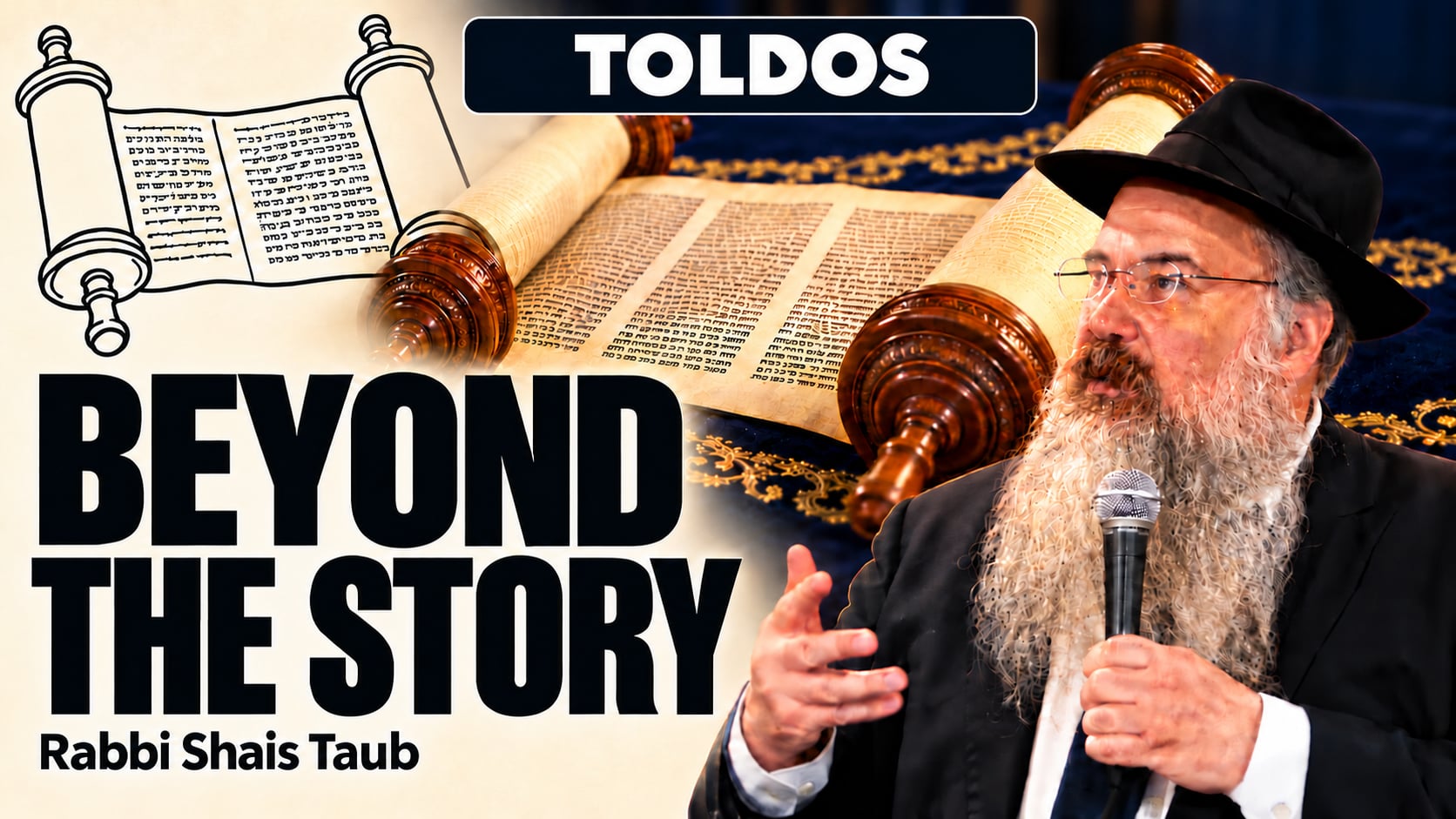
Why did Rivkah experience such turmoil during her pregnancy, and why did finding out she was carrying twins—Yaakov and Eisav—bring her comfort? In this episode of BEYOND the STORY on Parshas Toldos, Rabbi Shais Taub explains the Kabbalistic concept of the two souls inside each of us, showing why our inner inconsistency isn’t hypocrisy, why the animal soul is amoral rather than evil, and how channeling that fierce, chaotic drive becomes the ultimate engine for serving Hashem.

The Zohar identifies Avraham with the soul and Sarah with the body. Why, then, does Hashem tell Avraham to listen to Sarah? Isn’t the soul supposed to guide the body? In this episode of BEYOND the STORY, Rabbi Shais Taub explores what Avraham’s mourning for Sarah reveals about the relationship between body and soul. Through the teachings of Chassidus, we discover why the soul needs the body, what feminine spirituality teaches us about serving Hashem, and why ordinary physical life is central to our purpose.

Why did Avraham welcome weary travelers to an oasis in the middle of the desert, wine and dine them with five-star hospitality, and then threaten them with a massive bill if they refused to thank G-d after the meal? Rabbi Shais Taub takes a fresh look at this famous story from Parshas Vayera to uncover a deep psychological truth: why the illusion of self-reliance makes us spiritually numb, and how feeling helpless can actually awaken genuine gratitude.

Why did Hashem promise Avraham that his descendants would leave Egypt with great wealth? And why did Rochel choose to remain buried along the road rather than alongside Yaakov in Me’aras HaMachpelah? Rabbi Shais Taub connects these two stories to reveal the purpose within spiritual descent—and how the places we think of as mere passageways can become the very places where we make a home for Hashem

Why did Noach spend 120 years building the teivah and work around the clock feeding its animals while so much of his mission unfolded miraculously? Understanding when Hashem requires human effort and when He provides without it reveals the true relationship between hishtadlus and bitachon: our work creates a vessel, while the blessing comes entirely from Hashem. Teachings and stories from the Baal

Comments

Download from Google Play

Download from App Store
 United States