


 Claim Ownership
Sound Flave
Subscribed: 0Played: 4
Subscribe

Gail Nobles © 2025
Description
Sound Flave is about music and melody by Gail Nobles © 2021
69 Episodes
Reverse

Announcement by Gail NoblesApple Man character by Gail Nobles🎙️ MEET THE APPLE MAN!Sound Flave Celebrates 10,000 Downloads!Hello, this is a Sound Flave Announcement.Sound Flave has reached 10,000 downloads!Thank you to everyone who has listened and supported the music commentary podcast. We’re celebrating this milestone with a new look and a familiar face!Meet the Apple Man from the story episode “Pray for the Harvest & Apple Growers.”Originally created as a pencil and ink drawing in 2021, the Apple Man has now been brought to life in color!An old creative idea takes on a new appearance as Sound Flave celebrates 10,000 downloads.Thank you for listening and being part of the Sound Flave journey!Sound Flave — Music with Flavor!Created by Gail Nobles.Music and Melody

Story by: Gail NoblesPhoto: Rob Gosenson - wikiportret.Usage: Wikipedia CC BY-SA 4.0Background music written by Gail Nobles with AI Assistance Hello, I’m Gail Nobles, and you’re listening to Sound Flave Radiae Applis Soul!Today’s topic: The Trammps — Beyond Disco Inferno.A look beyond the flames, the fame, and the disco beat to discover the story behind the group.The Trammps had a complicated story behind the success of “Disco Inferno.”Most people remember the fire, the dancing, and the Saturday Night Fever soundtrack. But there’s another side to their history: the success of that record didn’t necessarily mean everything was going well within the group.The band had roots going back to the 1960s, when some of its members performed as The Volcanos and later The Moods. They weren’t overnight disco musicians. Here’s the part that really caught my attention.In an interview, Earl Young revealed that in 1979 the original group broke up and moved to Holland, but he didn’t want to go. He stayed behind and continued performing with a different lineup.That helps explain why two different Trammps groups eventually toured under the name. Harold “Doc” Wade discussed this separation in another interview.And there’s an even more interesting comment. When Doc Wade was asked what happened when Disco Inferno became part of Saturday Night Fever, he answered: “It was the beginning of the end.”That’s a remarkable statement from someone who helped make the record famous.I'm Gail Nobles. Thank you for listening to Sound Flave.Music and MelodyThis episode includes AI-generated content.

Story by: Gail NoblesKeyboardist: Gail NoblesPhoto: Roland Godefroy - Self-photographedUsage: Wikipedia/ CC BY-SA 3.0There was a group of friends known as the Basement Crew. They were the kind of friends who stuck together through thick and thin, their laughter echoing through the streets even when life got tough. Amidst the usual pressures of school, work, and expectations, they found solace in an old, neglected basement that belonged to one of their grandmothers. When the world outside felt overwhelming and money ran low, they knew exactly where to escape. The basement was hidden away, filled with the scent of aged wood and dust, but it was theirs. They got out some old Etta James albums, and they set up old couches and worn-out rugs, turning the space into their personal sanctuary. The walls were adorned with posters from artists they loved, and a beat-up old record player became their prized possession.“Where can we party, child, all night long?” one of them shouted over the music, arms wide as if trying to embrace the energy of the moment. “In the basement!” they all yelled back laughing and dancing.The basement wasn’t just a place; it was a feeling—of freedom, security, and joy. As they finally settled down, giggling and tired, they vowed to return whenever life felt heavy. For in that small, unremarkable basement, they had found their escape—a little haven where they could party, laugh, and love without a care in the worldplaying Etta James song ‘In the Basement released in 1966.As the story of the Basement Crew comes to a close, we are reminded that: Two are better than one .. For if they fall, the one will lift up his fellow….Ecclesiastes 4:9-10.May we each find our own basements—places of refuge filled with friendship, joy, and the spirit of togetherness.You're listening to Sound Flave. I'm your host, Gail Nobles.Music and Melody
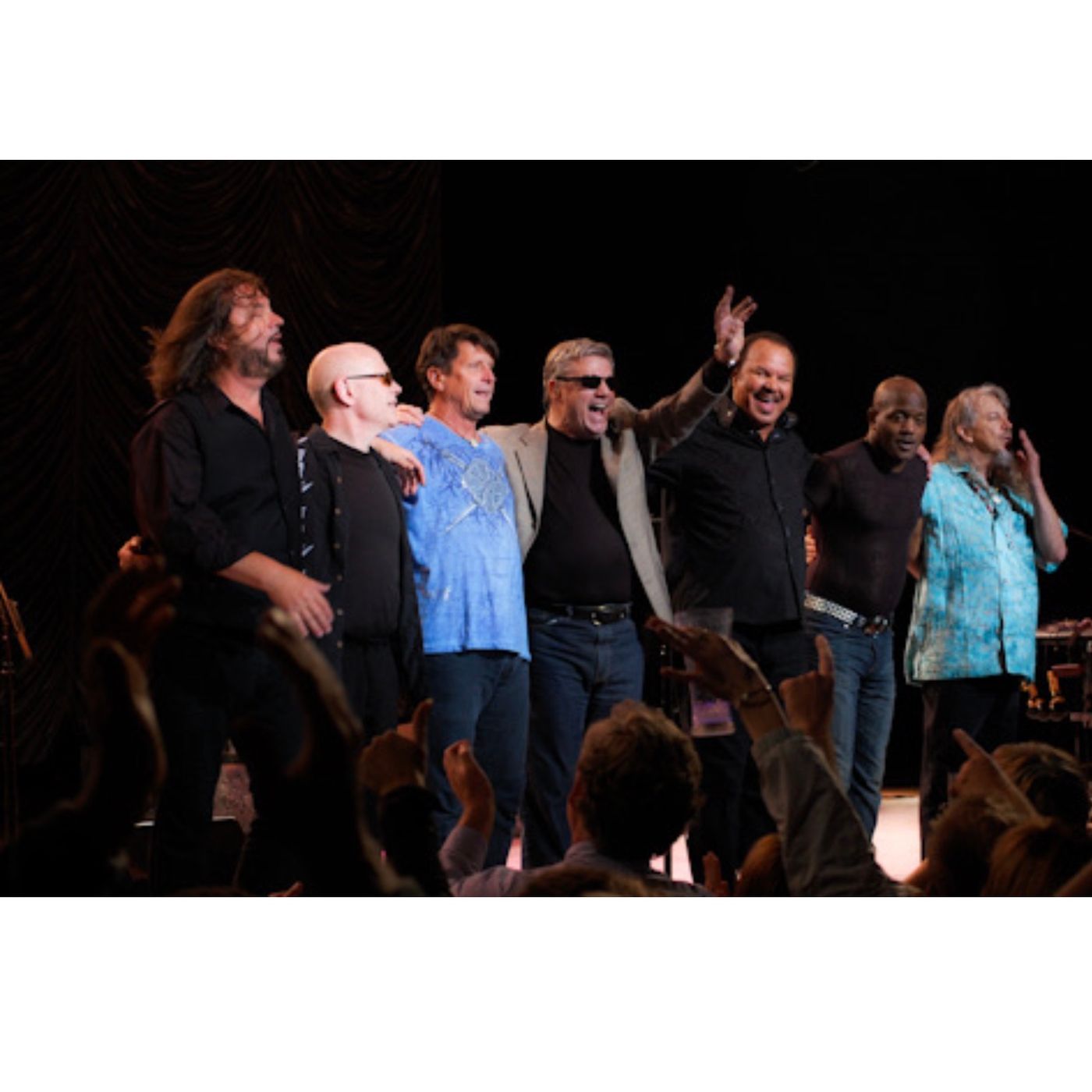
Intro by: Gail NoblesVoice actor: Gail NoblesKeyboardist: Gail NoblesStory by: Gail NoblesPhoto: Soundslikewill - Own workUsage: CC BY-SA 3. Wikipedia In 1976, American musician Steve Miller released his hit song "Fly Like an Eagle." The song first made waves in the United Kingdom in August and then landed in the United States by December of that year. It quickly gained popularity, reaching an impressive number two on the US Billboard Hot 100 chart in March 1977.The song always seemed spiritual and Reggae to me when I first heard it. It is categorized as space rock or blues rock. Its unique sound combines elements that creates a feeling of freedom much like the lyrics suggest.Over the years, the song has remained a favorite for its uplifting message and catchy tune. Steve Miller's "Fly Like an Eagle" reminds fans everywhere to dream big and embrace the journey ahead.I’m Gail Nobles and you’re listening to Sound Flave. Until next time, keep dreaming and keep flying. Embrace your dreams, and let them take you to new heights.Music and Melody
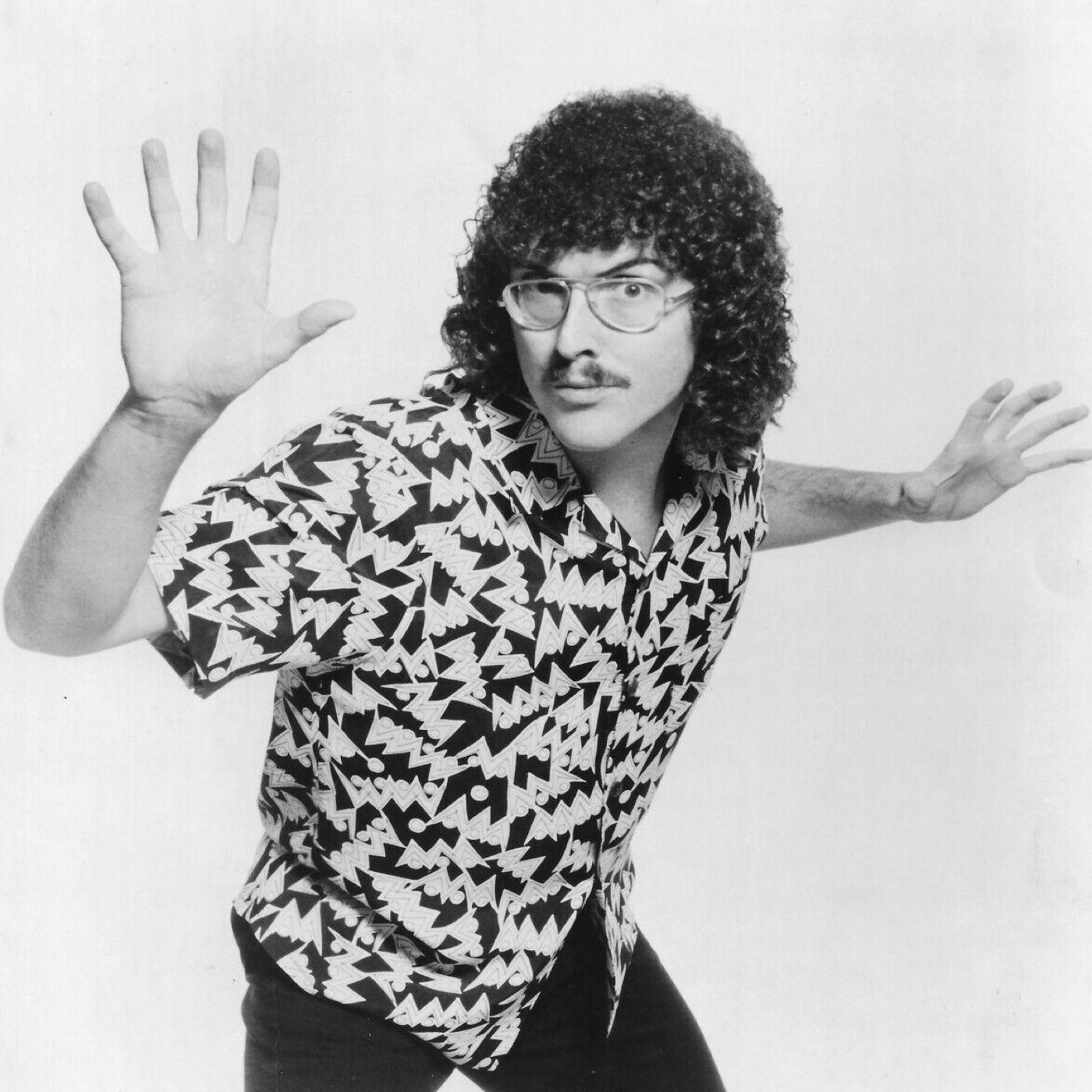
From: Celebrity Interviews - The Unofficial Mark and Brian ArchiveUsage: Public DomainDownloaded From Archive.orgMark and Brian had access to the biggest names in show business. Check out this interview by Mark and Brian. Weird Al talks about his book and parody.Music and Melody

Comments

Download from Google Play

Download from App Store
 United States