


Sources with Alex Heath
Subscribed: 65Played: 739
Subscribe

© Heath Media LLC
Description
Sources features candid conversations with the leaders shaping what’s next in AI and the broader tech industry. Host Alex Heath has covered Silicon Valley as a journalist for more than a decade. He talks with founders, CEOs, and technologists about the news of the moment, the bets they’re making, and what they see coming next.
64 Episodes
Reverse
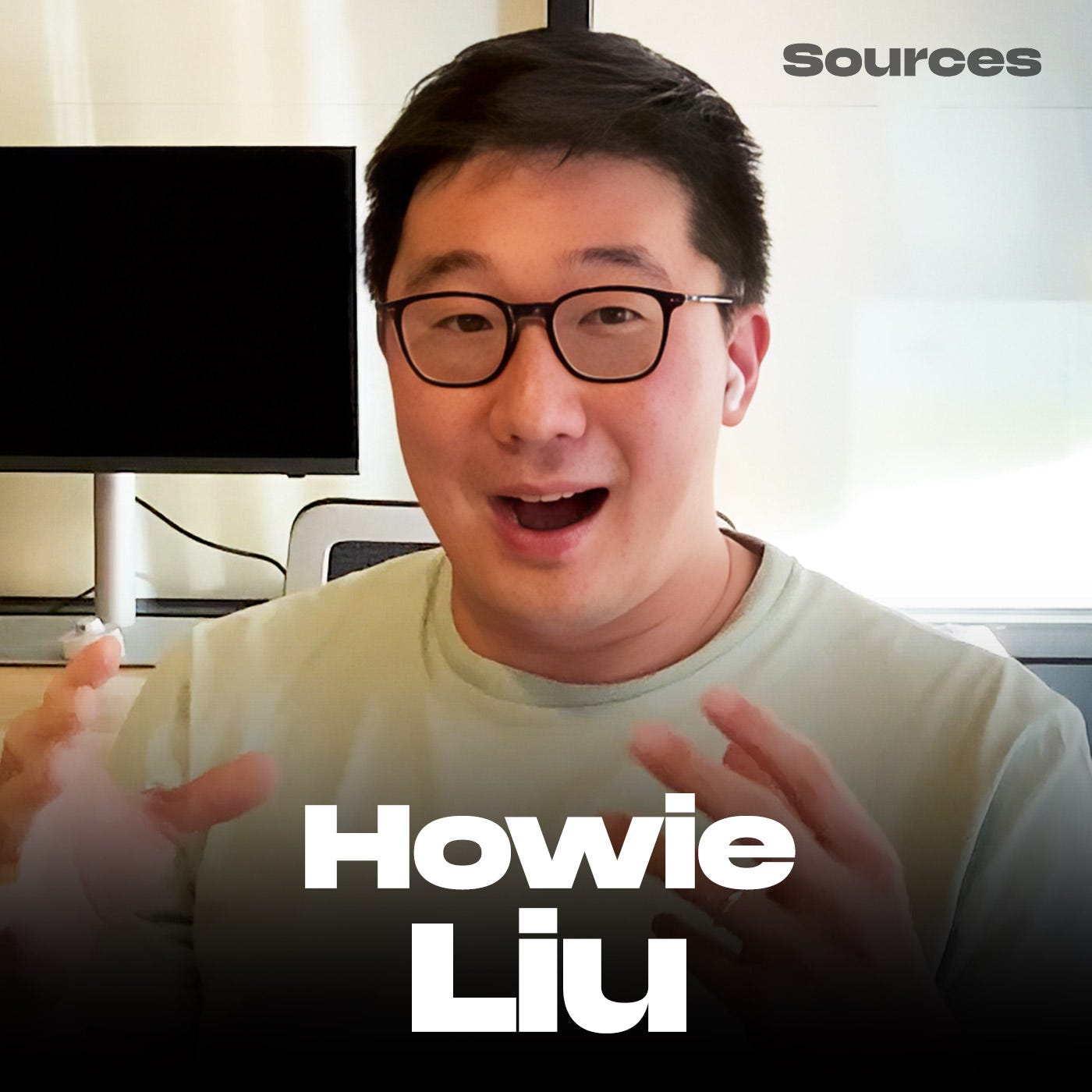
Howie Liu says Airtable was approaching $500 million in revenue and still growing when he decided to sell it to Bending Spoons. Now he’s building Hyperagent, and his bet is that the next generation of business software looks like a team of AI coworkers.I ask Howie why he chose to sell, why he didn’t keep Hyperagent inside Airtable, and what starting over lets him do differently. We get into the economics of AI versus traditional SaaS, selling below Airtable’s peak valuation, and what founders and employees should understand about the equity they hold.Howie calls the personal AI assistant market “a knife fight in a phone booth.” Hyperagent’s next version is his bet on multiplayer: agents with their own roles and accounts, working with each other and the people inside a business. We discuss why he sees an opening there, what he learned from making the first version too complicated, and how much autonomy these agents should actually have.We also get into why he’s targeting small businesses that need more people than they can afford to hire, with a landscaping example that takes agents from researching a property to preparing a proposal and managing the job. Howie shares how he uses agents to build Hyperagent and what he’d tell software founders deciding whether to keep building on the business they have or start again.Thanks to the show’s sponsors: Mercury, Granola, and Atlassian.
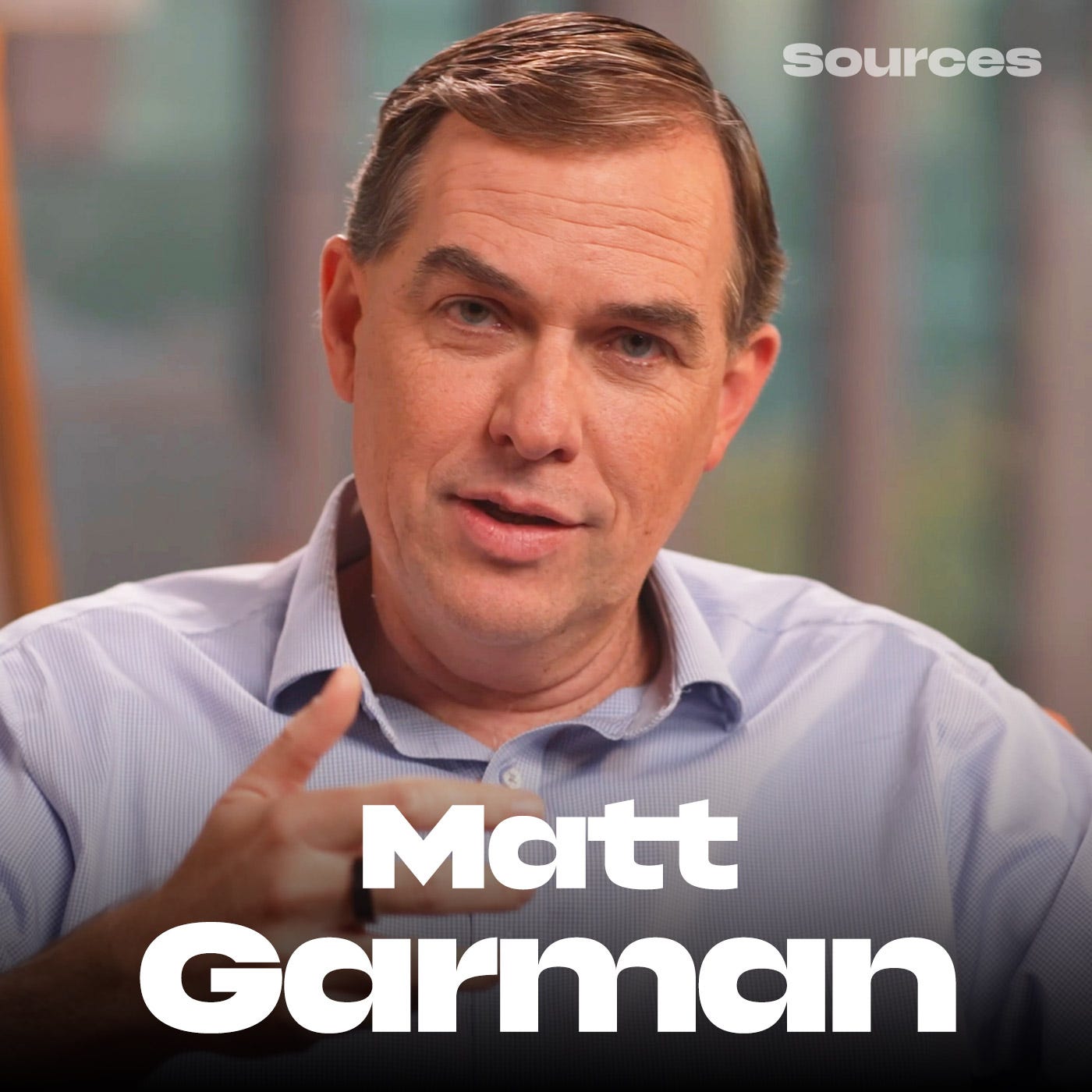
Amazon thinks its cloud business could generate $1 trillion a year within the next five to ten years. I sit down with AWS CEO Matt Garman in Seattle to understand what gives him that confidence and what could get in the way.Garman explains how AI is pushing companies to move their core operations into the cloud, accelerating the business AWS spent two decades building. We discuss why he thinks inference, the computing required to run AI models, is still below 1 percent of its eventual scale. He says AWS is adding one GPU every 14 seconds and expects capacity shortages for another couple of years. I ask how he decides who gets the GPUs, why he holds capacity back for startups that don’t exist yet, and where he sees risk in the industry’s spending.Recorded right after the midterm elections, our conversation also covers the backlash against data centers, what the industry needs to do to win over communities, and why he sees deserts as more promising than space.I also ask about the reset inside Amazon’s Nova team and whether it still intends to compete at the frontier of AI. We get into selling Trainium chips outside AWS, the rise of inference providers like Baseten and Fireworks, and Amazon’s big research bet on using mathematical proofs to help AI agents follow rules.Thanks to the show’s sponsors: Mercury, Granola, and Atlassian.
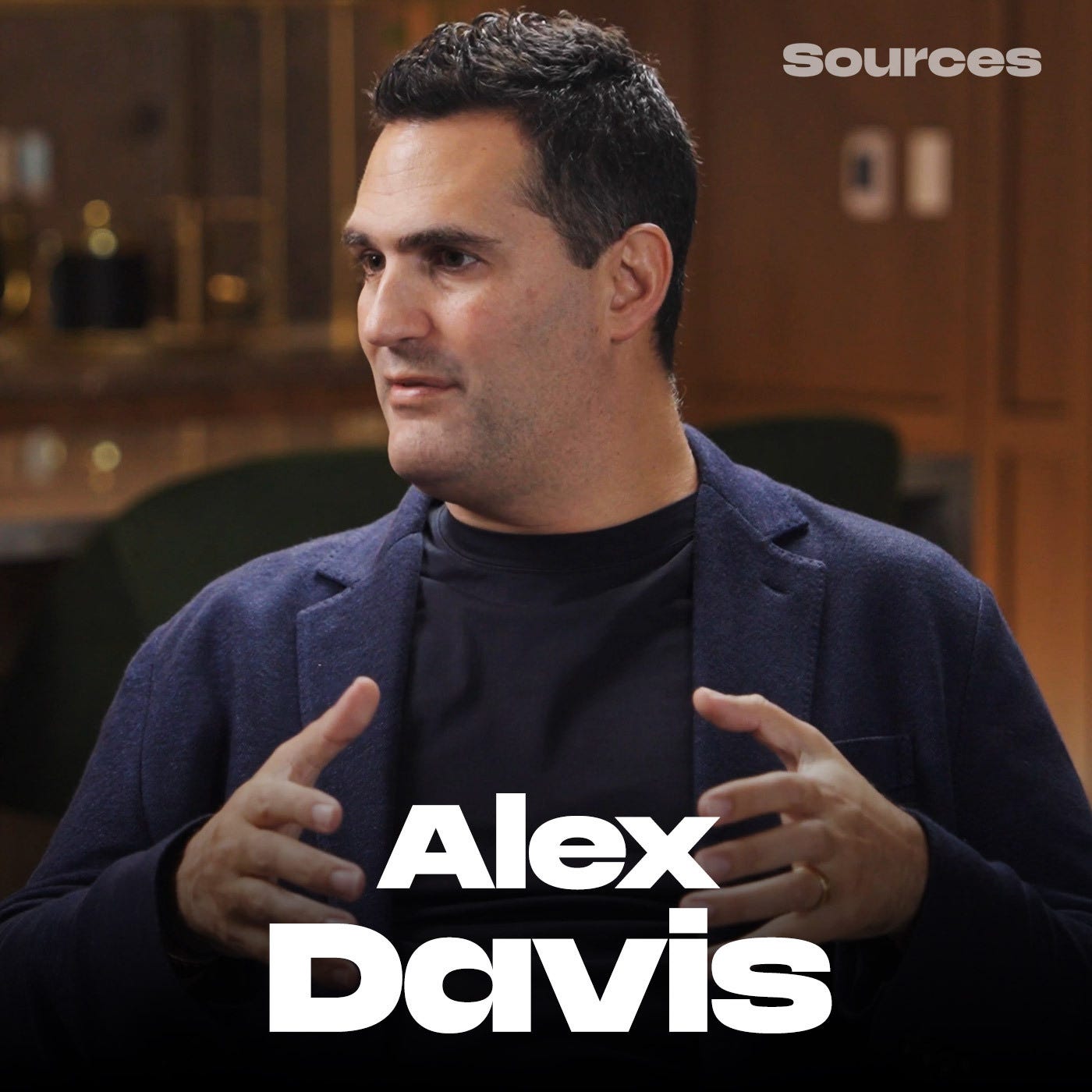
Alex Davis plans to put $10 billion into roughly 10 companies.His firm, Disruptive, has maintained a low profile out of Texas while backing Reflection AI, ElevenLabs, Groq, Shield AI, Databricks, and Helsing. Its earlier investments include Palantir, Airbnb, and Spotify.I sit down with Davis in Dallas for his first-ever podcast interview to understand how he picks the companies worth a billion-dollar check. He focuses on companies he thinks are already winning, even as their valuations climb.We discuss why he doubled down on Palantir before it went public, what he’s building at Groq after its $20 billion licensing deal with Nvidia, and the opportunities he sees in open AI models, compute, and defense technology.I also ask where the AI boom goes wrong, from speculative data centers to investment vehicles promising access to private companies.Thanks to the show’s premiere sponsors: Atlassian, Granola, and Mercury.
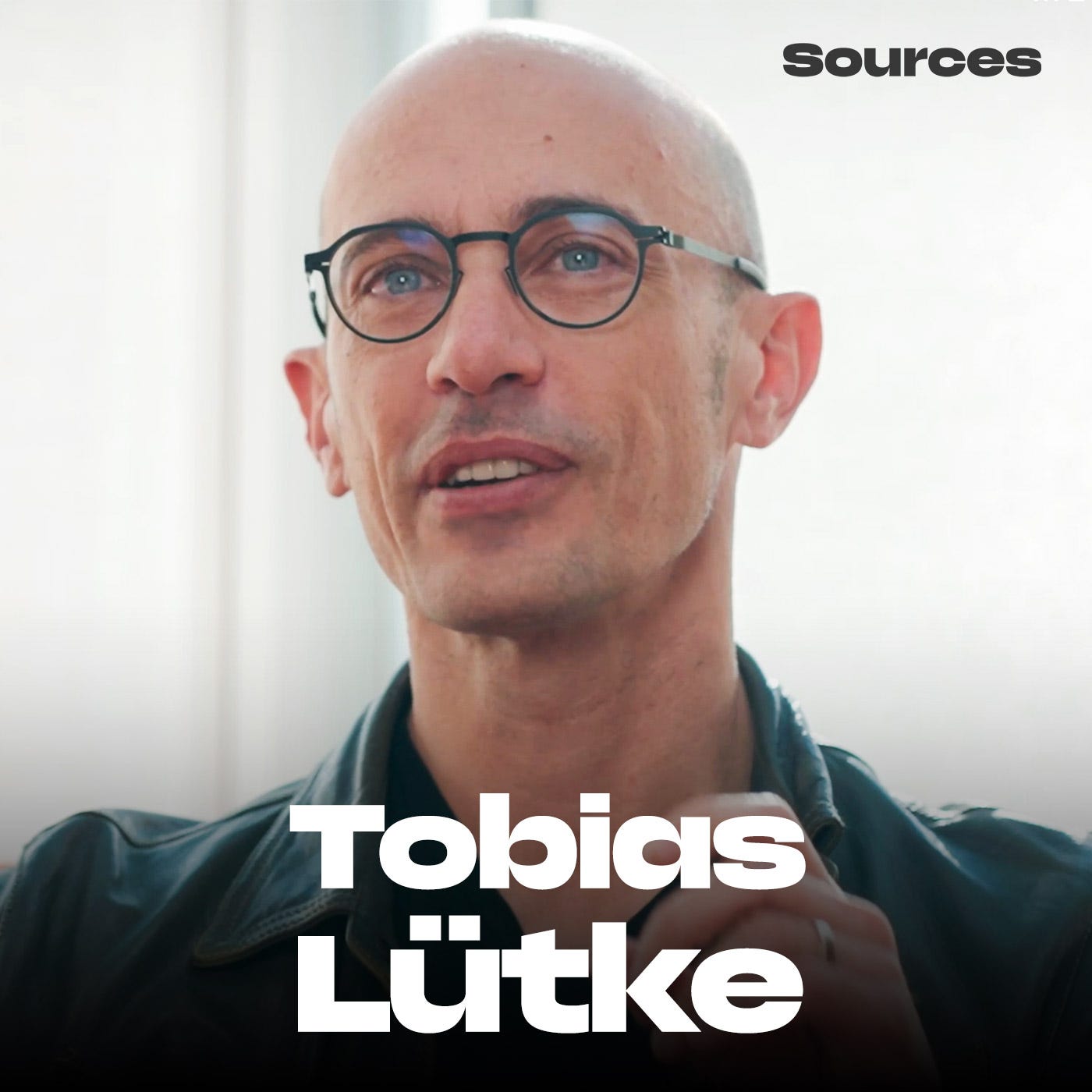
Why did Amazon block Meta's Muse but Shopify welcomed it?I sit down with Shopify co-founder and CEO Tobi Lütke in Toronto to discuss why the companies are taking different approaches to agents and how shopping changes when AI starts buying things on your behalf. Lütke explains the early AI shopping behavior he’s seeing.We also get into why he thinks AI makes starting a business easier, the backlash against the technology, and why everyone will eventually have to embrace it to get ahead in their careers.We get into how AI agents will make money, who pays when they handle a purchase, and why advertising gets complicated when your assistant is supposed to work for you. We discuss his experience on Meta’s board and working with Mark Zuckerberg.Lütke also shares why he turned his wine cellar into a GPU server rack and how he uses his personal AI agent that runs entirely from his house.This episode's presenting sponsor is Hyperagent - https://www.hyperagent.com/?utm_campaign=sourcesThanks to the show’s premiere sponsors: Atlassian, Granola, and Mercury.
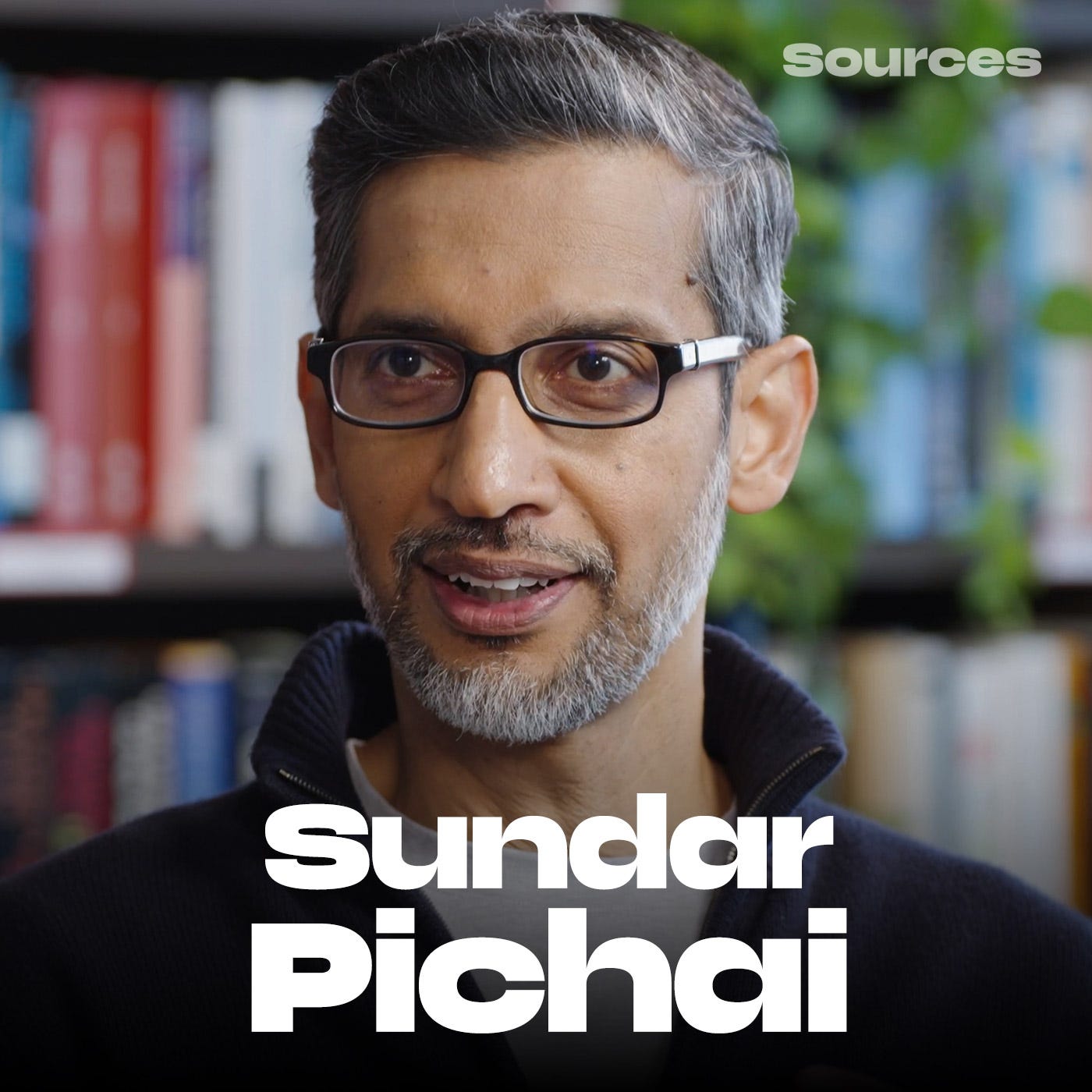
Even Google can’t get enough compute. I sit down with Google and Alphabet CEO Sundar Pichai shortly after the wider release of Gemini 4 Argon to discuss its early reception, where he still wants the model to improve, and what it takes to keep Google at the frontier of AI.Pichai explains the recent leadership shakeup at Google DeepMind and why building frontier models has become an “all-consuming” job. We also get into Google’s answer to the personal agent race, how he predicts Gemini will do more work on your behalf, and whether agents will finally bring Search, Gmail, and Gemini together.I ask him about Google turning free cash flow negative, the risks in the AI infrastructure buildout, and how he plans for demand years before knowing what the models will be capable of. He explains the signals giving him confidence to keep spending and how he uses AI agents to follow model development and compute usage inside Google.We also discuss Project Suncatcher, Google’s new effort to put AI data centers in space, and why he thinks it belongs alongside bets like Waymo. He shares what’s next for Waymo and Wing, and when he expects quantum computing to become a real business.This episode's presenting sponsor is Hyperagent - https://www.hyperagent.com/ Thanks to the show’s premiere sponsors: Atlassian, Granola, and Mercury.

Comments

Download from Google Play

Download from App Store
 United States