


 Claim Ownership
Spaceuriosity
Subscribed: 1Played: 24
Subscribe

© 2025 Spaceuriosity
Description
Sendung rund um Raum von Sandra Häuplik-Meusburger und Verena Holzgethan
+++
We are constantly exploring our environment. By interviewing people about their individual and often unique approach to specific topics in architecture, society, politics and culture as well as technology, we are looking for answers on the question: How do we live in the future?
+++
Eine Architektin und eine Landschaftsdesignerin sind auf einer fortwährenden Reise und erforschen dabei ihre Umgebung. Die Themen der Sendungen orientieren sich am aktuellen Diskurs aus den Bereichen Gesellschaft, Architektur, Politik, Kunst und Kultur sowie den individuellen Vorlieben des Projektteams und beleuchten deren Berührungspunkte. Es ist eine Spurensuche.
Im Vordergrund stehen die persönlichen Standpunkte unserer Interviewpartner,die immer wieder um die Frage kreisen: "Wie leben wir in der Zukunft?".
+++
We are constantly exploring our environment. By interviewing people about their individual and often unique approach to specific topics in architecture, society, politics and culture as well as technology, we are looking for answers on the question: How do we live in the future?
+++
Eine Architektin und eine Landschaftsdesignerin sind auf einer fortwährenden Reise und erforschen dabei ihre Umgebung. Die Themen der Sendungen orientieren sich am aktuellen Diskurs aus den Bereichen Gesellschaft, Architektur, Politik, Kunst und Kultur sowie den individuellen Vorlieben des Projektteams und beleuchten deren Berührungspunkte. Es ist eine Spurensuche.
Im Vordergrund stehen die persönlichen Standpunkte unserer Interviewpartner,die immer wieder um die Frage kreisen: "Wie leben wir in der Zukunft?".
76 Episodes
Reverse
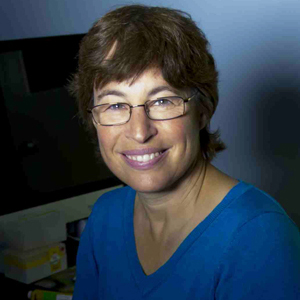
We are broadcasting a recording of an interview with Dr. Lynn Rothschild, Senior Research Scientist at NASA Ames Research Center. The conversation took place within the course Emerging Fields in Architecture at TU Wien (Winter Semester 2021/22).
As part of this radio series, architecture students interviewed researchers, creatives, and experts from diverse disciplines. The central question of these conversations was: How do we live in the future? Students explored multidisciplinary and interdisciplinary strategies for planning, building, and living together—both today and in the future.
Dr. Lynn Rothschild is passionate about the origin and evolution of life on Earth and beyond, while also pioneering the use of synthetic biology to enable space exploration. She emphasizes that just as traveling abroad provides new insights into home, the search for life elsewhere allows us to gain a more mature scientific, philosophical, and ethical perception of life on Earth. She holds several roles: Senior Scientist at NASA Ames Research Center, Research and Technology Lead for NASA Headquarters’ Space Technology Mission Directorate (Bio and Bio-Inspired Technologies), and Adjunct Professor at both Brown University and the University of California, Santa Cruz. Her research focuses on how life—particularly microbes—evolves in the context of the physical environment, both here on Earth and potentially elsewhere. (1)
Within the framework of How do we live in the future?, Dr. Rothschild brings a unique perspective—even from 384,400 km away—on how the future of habitability beyond Earth might look, thanks to advances in Mycotecture. Raising questions of time and cost feasibility in space, she uses the metaphor of a turtle carrying its habitat everywhere. Similarly, NASA faces the trade-off of transporting habitats and structures “on the back” of its missions to lunar and planetary surfaces. (2) A novel biology-based solution is now emerging: using fungal mycelial composites to grow structures off-planet—from habitats to furniture. (3)
This raises a further question: if habitats on the Moon and Mars could be made of fully degradable, bio-based materials like fungal mycelium, what lessons could be applied back on Earth? Could strategies of scarcity, in-situ resources, and closed-loop life support inspire more sustainable approaches in today’s building sector?
The interview was conducted by Ludovica Breitfeld, Margaryta Kaliberda, and Carlotta Siciliani, and produced as part of the course Emerging Fields in Architecture at Technische Universität Wien (TU Wien).
More information about Dr. Lynn J. Rothschild:
NASA: https://www.nasa.gov/people/lynn-j-rothschild/
Brown University: https://vivo.brown.edu/display/lr3
References:
(1) https://www.nasa.gov/people/lynn-j-rothschild/
(2, 3) Hall, Loura „Mycotecture Off-Planet https://www.nasa.gov/directorates/spacetech/niac/2021_Phase_I/Mycotecture_Off_Planet/
– – –
Broadcast Focus 2022: Future Living
Architects are innovators: spatial, social and technological innovations, the cognitive conception of which often lies far in the past, can be found in numerous of their concepts and designs.
This broadcast series explores the question How do we live in the future? through interviews with researchers, creatives, and experts from different fields. The aim was to uncover multidisciplinary and interdisciplinary strategies for planning, building, and living together now and in the future. The broadcasts feature both concrete proposals and far-reaching visions.
The series originated in the TU Wien module Emerging Fields in Architecture (WS 21/22), which introduces and discusses knowledge from new architectural and engineering research areas, encouraging students to integrate these insights into their own design work.
– – –
Radio Spaceuriosity at Radio Orange 94.0
Every 2nd Tuesday of the month
A broadcast by Sandra Häuplik-Meusburger and Verena Holzgethan
http://o94.at/radio/sendereihe/spaceuriosity/
Live Stream: http://o94.at/live/
Cultural broadcasting archive: https://cba.fro.at/series/spaceuriosity
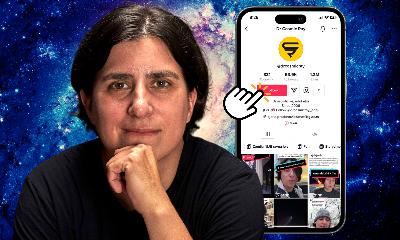
We broadcast a recording of the interview with Dr Tijana Prodanović. The conversation took place in the frame of the course Emerging Fields in Architecture, TU Vienna (WS 2024/25). Students were investigating current and future challenges in planning and building within a broader social, ecological and technological context. For this series, they asked researchers, creative people and experts from different disciplines and research fields about the following questions: What kind of future do we want to create? What role(s) does architecture play in this? What tools and technologies are available to us? What visions exist, and where are they leading us? What can we learn from other disciplines for a sustainable architecture? What lessons can be drawn from the past for future projects?
The conversation is designed to approach the concept of space from different perspectives. The dialogue is led by an architect engineer and future urban planner on one side, and a doctor of astrophysics and science communicator on the other. Since Tijana is an expert on the universe, we will dive into the world of planets and constellations, trying to maintain connections with the real, architectural space. Next, we will address the real, three-dimensional space, focusing on its physical characteristics and the laws that govern it. We will then attempt to go beyond the physical boundaries, into the metaphysical domain, and analyze the virtual, digital space in which various actions of modern humans take place. Additionally, we will touch upon the parallels between analog and digital space. In the digital space, specifically, we will focus on the area of education, or the „virtual classroom“ in which Tijana shares her knowledge with followers on online platforms. We will try to create a conceptual arc through different forms of space, attempting to decipher whether space is a real entity or simply the framework in which everything occurs.
Milica Ugrinov conducted the interview and produced this broadcast as part of the course Emerging Fields in Architecture at the Vienna University of Technology.
Links:
https://www.instagram.com/drcosmicray/
https://x.com/CosmicT
https://rs.linkedin.com/in/tijana-prodanovic-5324539?original_referer=https%3A%2F%2Fwww.google.com%2F
– – –
Architects play a crucial role in shaping our future. Through their concepts and designs, they initiate spatial, social, and technological innovations that can have far-reaching impacts on our coexistence. How we will live in the future is a complex question that engages researchers, creatives, and experts from various disciplines. As part of the „Emerging Fields in Architecture“ module at TU Wien, Hochbau 2, numerous experts were interviewed on this topic during the winter semester of 2023/2024. Concrete as well as far-reaching proposals were discussed, and multidisciplinary and cross-disciplinary strategies were developed to address current and future design challenges in the context of social change. Architecture has a crucial role to play in addressing global challenges such as climate change and demographic change. Therefore, it is essential that architects have a broad understanding of sustainability, technology, and social issues and incorporate them into their designs. By pursuing an interdisciplinary approach, architects can contribute to shaping a sustainable and future-proof world in which we can all live.
– – –
Radio Spaceuriosity at Radio Orange 94.0
Every 2nd TUE of the month
A broadcast by Sandra Häuplik-Meusburger and Verena Holzgethan
http://o94.at/radio/sendereihe/spaceuriosity/
Live Stream: http://o94.at/live/
cultural broadcasting archive: https://cba.fro.at/series/spaceuriosity
Radio Spaceuriosity at Radio Orange 94.0
Every 2nd TUE of the month
A broadcast by Sandra Häuplik-Meusburger and Verena Holzgethan
Live Stream
Cultural broadcasting archive

We broadcast a recording of the interview with Katarína Smatanová. The conversation took place in the frame of the course Emerging Fields in Architecture, TU Vienna (WS 2024/25). Students were investigating current and future challenges in planning and building within a broader social, ecological and technological context. For this series, they asked researchers, creative people and experts from different disciplines and research fields about the following questions: What kind of future do we want to create? What role(s) does architecture play in this? What tools and technologies are available to us? What visions exist, and where are they leading us? What can we learn from other disciplines for a sustainable architecture? What lessons can be drawn from the past for future projects?
Exploring the Connections Between Sociology, Ethnic Diversity, and Modern Urban Architecture:
How sociology impacts the process of urbanization and architecture designing?
How the sociological study of Roma people helps us to understand their needs and implementation to the society?
Sociology profoundly influences urbanization and architecture by guiding designs that reflect social dynamics and cultural diversity. Understanding the needs of groups such as the Roma through sociological studies helps architects and urban planners create inclusive spaces that foster community engagement and a sense of belonging. As cities become more multicultural, integrating diverse perspectives into urban design enhances public spaces and strengthens social connections. This approach highlights the role of architecture in representing the complex identities of urban residents while promoting inclusion and a sense of belonging.
Michal Grác and Sara Morató Ramon conducted the interview and produced this broadcast as part of the course Emerging Fields in Architecture at the Vienna University of Technology.
Links:
More information about Katarina Smatanova
https://katarinasmatanova.com/
https://scholar.google.com/citations?user=YhefluEAAAAJ&hl=en
https://sk.linkedin.com/in/katarina-smatanova
– – –
Architects play a crucial role in shaping our future. Through their concepts and designs, they initiate spatial, social, and technological innovations that can have far-reaching impacts on our coexistence. How we will live in the future is a complex question that engages researchers, creatives, and experts from various disciplines. As part of the „Emerging Fields in Architecture“ module at TU Wien, Hochbau 2, numerous experts were interviewed on this topic during the winter semester of 2023/2024. Concrete as well as far-reaching proposals were discussed, and multidisciplinary and cross-disciplinary strategies were developed to address current and future design challenges in the context of social change. Architecture has a crucial role to play in addressing global challenges such as climate change and demographic change. Therefore, it is essential that architects have a broad understanding of sustainability, technology, and social issues and incorporate them into their designs. By pursuing an interdisciplinary approach, architects can contribute to shaping a sustainable and future-proof world in which we can all live.
– – –
Radio Spaceuriosity at Radio Orange 94.0
Every 2nd TUE of the month
A broadcast by Sandra Häuplik-Meusburger and Verena Holzgethan
http://o94.at/radio/sendereihe/spaceuriosity/
Live Stream: http://o94.at/live/
cultural broadcasting archive: https://cba.fro.at/series/spaceuriosity
Radio Spaceuriosity at Radio Orange 94.0
Every 2nd TUE of the month
A broadcast by Sandra Häuplik-Meusburger and Verena Holzgethan
Live Stream
Cultural broadcasting archive
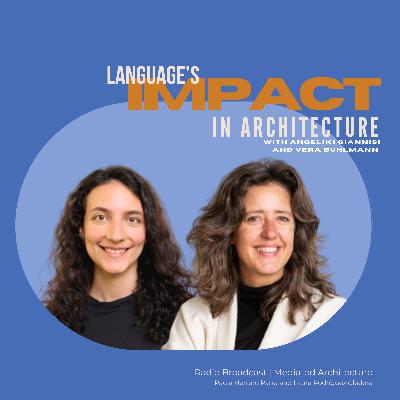
We broadcast a recording of the interview with Vera Bühlmann and Angeliki Giannisi. The conversation took place in the frame of the course Emerging Fields in Architecture, TU Vienna (WS 2024/25). Students were investigating current and future challenges in planning and building within a broader social, ecological and technological context. For this series, they asked researchers, creative people and experts from different disciplines and research fields about the following questions: What kind of future do we want to create? What role(s) does architecture play in this? What visions exist, and where are they leading us? What can we learn from other disciplines for a sustainable architecture? What lessons can be drawn from the past for future projects? How would you define, from your disciplines perspectives, the relationship between language and architecture? How does the vocabulary we use influence how we think about and design spaces?
The interview with Vera Bühlmann and Angeliki Giannisi explored how language and architecture influence the perception, design, and meaning of spaces. Vera Bühlmann, a professor of architectural theory at TU Wien and director of the department of architectural theory and philosophy of technology ATTP, and Angeliki Giannisi, an architect working with an studio called “Local Local”, discussed how vocabulary and narratives affect architectural design and our emotions within the spaces we inhabit. The discussion addressed language as a conceptual tool, examining terms like „sustainability“ or „luminosity“ and their impact on architectural design. The guests debated the challenges of translating complex architectural ideas into everyday language and how this interaction can promote more inclusive spaces. Finally, Vera and Angeliki shared inspiring reflections on how to explore this intersection.
Laura Rodriguez and Paula Herrero conducted the interview and produced this broadcast as part of the course Mediated Architecture at the TU Wien.
Links:
More information about how language’s impact in architecture
Th book recommended by Vera Bühlmann: After Babel. Aspects of Language and Translation. by George Steiner. It is a seminal work that explores the philosophy and challenges of translation, emphasizing its central role in human communication.
https://global.oup.com/academic/product/after-babel-9780192880932?cc=at&lang=en&
– – –
Architects play a crucial role in shaping our future. They bring about technological, social, and spatial advances through their ideas and conceptions that can profoundly affect how we cohabit.
How we will live in the future is a complex question that engages researchers, creatives, and experts from various disciplines. As part of the „Emerging Fields in Architecture“ module at TU Wien, Hochbau 2, numerous experts were interviewed on this topic during the winter semester of 2023/2024. Multidisciplinary and cross-disciplinary approaches were discussed. Multidisciplinary and cross-disciplinary strategies were developed to address current and future design challenges in the context of social change. Architecture has a crucial role to play in addressing global challenges such as climate change and demographic change. Therefore, it is essential that architects have a broad understanding of sustainability, technology, and social issues and incorporate them into their designs. By pursuing an interdisciplinary approach, architects can contribute to shaping a sustainable and future-proof world in which we can all live.
– – –
Radio Spaceuriosity at Radio Orange 94.0
Every 2nd TUE of the month
A broadcast by Sandra Häuplik-Meusburger and Verena Holzgethan
http://o94.at/radio/sendereihe/spaceuriosity/
Live Stream: http://o94.at/live/
cultural broadcasting archive: https://cba.fro.at/series/spaceuriosity
Radio Spaceuriosity at Radio Orange 94.0
Every 2nd TUE of the month
A broadcast by Sandra Häuplik-Meusburger and Verena Holzgethan
Live Stream
Cultural broadcasting archive

We broadcast a recording on exploring vital solutions in tackling GHG emissions in new cars and the current vehicle stock.
As part of the course ‚Mediated Architecture‘ (WS2025/26) at TU Wien, we wanted to explore solutions in the transportation sector regarding greenhouse gas emissions. We chose International Council on Clean Transportation (ICCT) researcher Kyle Morrison who co-wrote the paper “Cleaning up Germany’s vehicle stock: Strategies to decarbonize the passenger car fleet.” The paper discusses and elaborates upon important potential solutions including e-fuels, avoid and shift, and most importantly a scrappage program to tackle the vehicle stock. Along with professor Bruce Murray, Resident Director of the Illinois Program in Vienna and initiator of the Environmental Entrepreneurs program, we will explore and learn about the possible future of the vehicle sector and what must happen to meet government mandates like the “Fit for 55.”
Reducing emissions in the personal transportation sector is crucial for combating climate change, protecting public health, and improving air quality. Cars and other personal vehicles are major contributors to greenhouse gas emissions. While transitioning to cleaner alternatives such as electric vehicles, e-fuels, public transit, and active transportation (walking and biking), can significantly cut pollution and create more sustainable cities, dealing with a particular sector is often overlooked: the current vehicle stock.
In the end, there is no simple solution to lowering emissions and combating climate change. There must be efforts in each branch of each sector from each person because after all, this is a “human survival problem.”
Max Zhu conducted the interview and produced this broadcast as part of the course Mediated Architecture at the TU Wien.
Links:
European Union Center at UIUC Blog:
https://eucenterillinois.blogspot.com/2025/01/cleaning-up-germanys-vehicle-stock.html
– – –
Architects play a crucial role in shaping our future. Through their concepts and designs, they initiate spatial, social, and technological innovations that can have far-reaching impacts on our coexistence. How we will live in the future is a complex question that engages researchers, creatives, and experts from various disciplines. As part of the „Emerging Fields in Architecture“ module at TU Wien, Hochbau 2, numerous experts were interviewed on this topic during the winter semester of 2023/2024. Concrete as well as far-reaching proposals were discussed, and multidisciplinary and cross-disciplinary strategies were developed to address current and future design challenges in the context of social change. Architecture has a crucial role to play in addressing global challenges such as climate change and demographic change. Therefore, it is essential that architects have a broad understanding of sustainability, technology, and social issues and incorporate them into their designs. By pursuing an interdisciplinary approach, architects can contribute to shaping a sustainable and future-proof world in which we can all live.
– – –
Radio Spaceuriosity at Radio Orange 94.0
Every 2nd TUE of the month
A broadcast by Sandra Häuplik-Meusburger and Verena Holzgethan
http://o94.at/radio/sendereihe/spaceuriosity/
Live Stream: http://o94.at/live/
cultural broadcasting archive: https://cba.fro.at/series/spaceuriosity
Radio Spaceuriosity at Radio Orange 94.0
Every 2nd TUE of the month
A broadcast by Sandra Häuplik-Meusburger and Verena Holzgethan
Live Stream
Cultural broadcasting archive
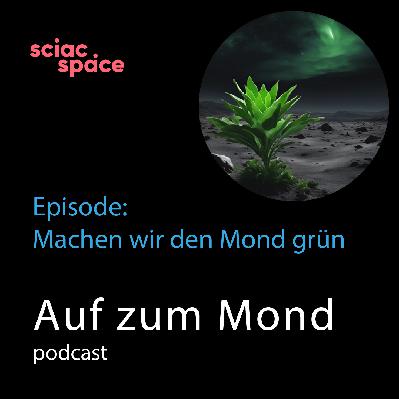
AUF ZUM MOND.
Eine Podcast-Serie produziert von Schülerinnen und Schülern der Science Academy Niederösterreich. Eine Kooperation der Lehrgänge Journalismus & Medien und Weltraum.
*
Episode: Pflanzen am Mond_ Machen wir den Mond grün?
Wie weit ist die Forschung, wenn es darum geht, Pflanzen auf dem Mond wachsen zu lassen? In diesem Podcast gehen wir mit Experten zu dem Thema der Frage nach, warum und wie Pflanzen auf dem Mond gedeihen könnten.
Ein Podcast von: Maximilian Hübner, Leopold Grusch, Luis Schweighofer, David Martinek, Philipp Köck, Felicitas Prüller, Felix Amsbichler, Fabian Aschenbrenner
*
Die Science Academy Niederösterreich
Die Science Academy Niederösterreich ist ein außerschulisches Wissenschaftsvermittlungsprogramm für neugierige und motivierte Jugendliche von 14 bis 16 Jahren. Es bietet die Möglichkeit, einzigartige Einblicke in die Welt der Wissenschaft zu erhalten.
Mehr Info zur Science Academy:
https://www.noe.gv.at/noe/Wissenschaft-Forschung/Science_Academy_Niederoesterreich.html
*
Leitung der Workshops
Journalismus & Medien: Isabella Juen, Philipp Weritz, Nina Schaefer
Weltraum: Sandra Häuplik-Meusburger, Verena Holzgethan
Follow us on Instagram: sciacspace
*
Podcast Radio Spaceuriosity
Radio Spaceuriosity auf Radio Orange 94.0
Jeden 2. Dienstag im Monat
Eine Radiosendung von Sandra Häuplik-Meusburger und Verena Holzgethan
Live Stream
Cultural broadcasting archive
AUF ZUM MOND.
Eine Podcast-Serie produziert von Schülerinnen und Schülern der Science Academy Niederösterreich. Eine Kooperation der Lehrgänge Journalismus & Medien und Weltraum.
*
Episode: Moon and Beyond
Einzigartig oder einer von vielen? Begleitet unseren Experten ins Weltall und seht euch mit uns die verschiedenen Monde näher an, die uns in unserem Sonnensystem Gesellschaft leisten.
Sprecher: Collin Nordmeyer, Ronja Pinter
Mitwirkende: Richard Nordmeyer, Marie Neumayr, Marlene Rebensteiner, David Ehmoser, Nikolaus Paul Hartbauer, Julia Schiemer
*
Die Science Academy Niederösterreich
Die Science Academy Niederösterreich ist ein außerschulisches Wissenschaftsvermittlungsprogramm für neugierige und motivierte Jugendliche von 14 bis 16 Jahren. Es bietet die Möglichkeit, einzigartige Einblicke in die Welt der Wissenschaft zu erhalten.
Mehr Info zur Science Academy:
https://www.noe.gv.at/noe/Wissenschaft-Forschung/Science_Academy_Niederoesterreich.html
*
Leitung der Workshops
Journalismus & Medien: Isabella Juen, Philipp Weritz, Nina Schaefer
Weltraum: Sandra Häuplik-Meusburger, Verena Holzgethan
Follow us on Instagram: sciacspace
*
Podcast Radio Spaceuriosity
Radio Spaceuriosity auf Radio Orange 94.0
Jeden 2. Dienstag im Monat
Eine Radiosendung von Sandra Häuplik-Meusburger und Verena Holzgethan
Live Stream
Cultural broadcasting archive

AUF ZUM MOND
Eine Podcast-Serie produziert von Schülerinnen und Schülern der Science Academy Niederösterreich. Eine Kooperation der Lehrgänge Journalismus & Medien und Weltraum.
*
Episode: DUNKLE MATERIE
In dieser Episode des Podcasts tauchen wir tief in das Mysterium der Dunklen Materie ein – dem unsichtbaren Phänomen, das unser Universum beeinflusst, aber noch immer nicht direkt nachgewiesen werden konnte. Mit Expertenwissen von Physiker Eric Pfleger erfahren wir, wie Dunkle Materie die Struktur des Kosmos bestimmt, Galaxien zusammenhält und durch faszinierende wissenschaftliche Experimente und Beobachtungen erkennbar wird. Was steckt hinter diesem Rätsel? Welche Durchbrüche erwarten uns in der Zukunft? Begleiten Sie uns auf einer spannenden Reise ins Dunkle, dass unser Universum regiert.
Erstellt von Eric Pfleger, Tobias Steiner, Johanna Wallner, Julian Marschallinger, Julian Helbig, Manuel Thurnher
Musik:https://incompetech.com/music/royalty-free/index.html?isrc=USUAN2300009&Search=Search
*
Leitung der Workshops:
Journalismus & Medien: Isabella Juen, Philipp Weritz, Nina Schaefer
Weltraum: Sandra Häuplik-Meusburger, Verena Holzgethan
Podcast Radio Spaceuriosity
Follow us on Instagram: sciacspace
*
Radio Spaceuriosity auf Radio Orange 94.0
Jeden 2. Dienstag im Monat
Eine Radiosendung von Sandra Häuplik-Meusburger und Verena Holzgethan
Live Stream
Cultural broadcasting archive

AUF ZUM MOND.
Eine Podcast-Serie produziert von Schülerinnen und Schülern der Science Academy Niederösterreich. Eine Kooperation der Lehrgänge Journalismus & Medien und Weltraum.
*
Episode: Science-Fiction oder Realität? Wie wahr sind Wurmlöcher?
Science-Fiction oder Realität ist ein wissenschaftlich basierter Podcast, indem wir klären, wie sich Hollywoods Filmwelt und wissenschaftliche Theorien überschneiden. Wir sprechen über wissenschaftliche Phänomene, große Ideen der Physik und Funfacts aus Sci-fi Filmen. In der heutigen Folge beschäftigen wir uns mit den mathematisch erwiesenen, aber heiß umstrittenen Wurmlöchern – wie sie funktionieren, ihre Probleme und potenzielle Lösungen. Könnte es sein, dass wir in Zukunft mit deren Hilfe andere Galaxien bereisen und neue Planeten finden, auf denen die Menschheit überleben könnte?
Creator and Credits:
Stefanie Eder, Antonia Pogatschnigg, Clemens Ernst, Selina Pusam, Mathea Poisel, Allegra Mila Kelava, Andrea Pöschl, Mia Weissmann, Hedwig Adamowitsch
*
Die Science Academy Niederösterreich
Die Science Academy Niederösterreich ist ein außerschulisches Wissenschaftsvermittlungsprogramm für neugierige und motivierte Jugendliche von 14 bis 16 Jahren. Es bietet die Möglichkeit, einzigartige Einblicke in die Welt der Wissenschaft zu erhalten.
Mehr Info zur Science Academy:
https://www.noe.gv.at/noe/Wissenschaft-Forschung/Science_Academy_Niederoesterreich.html
*
Leitung der Workshops
Journalismus & Medien: Isabella Juen, Philipp Weritz, Nina Schaefer
Weltraum: Sandra Häuplik-Meusburger, Verena Holzgethan
Follow us on Instagram: sciacspace
*
Podcast Radio Spaceuriosity
Radio Spaceuriosity auf Radio Orange 94.0
Jeden 2. Dienstag im Monat
Eine Radiosendung von Sandra Häuplik-Meusburger und Verena Holzgethan
Live Stream
Cultural broadcasting archive
AUF ZUM MOND.
Eine Podcast-Serie produziert von Schülerinnen und Schülern der Science Academy Niederösterreich. Eine Kooperation der Lehrgänge Journalismus & Medien und Weltraum.
*
Episode: Next_Space – Ionenantrieb
Was ist eigentlich ein Ionenantrieb? Wie funktioniert er? Und wofür wird er verwendet? Die Antwort auf diese und viele weitere Fragen liefern euch gleich unsere Reporter Isabella und Jonathan und Expertin und Raumfahrtingenieurin Dipl. Ing. Johanna Fries.
Schnitt: Jamie Hofmann, Florian Martschini
Recherche: Jonathan Latour, Lev Bartenwerfer, Elias Eperjesi
Grafik & Design: Selina Achitz
Hintergrundmusik: Jamie Hofmann
Organisation: Isabella Senk, Alexandra Graf, Angelina Seidenglanz
Sprecher: Jonathan Latour, Isabella Senk
Expertin: DI Johanna Fries
*
Die Science Academy Niederösterreich
Die Science Academy Niederösterreich ist ein außerschulisches Wissenschaftsvermittlungsprogramm für neugierige und motivierte Jugendliche von 14 bis 16 Jahren. Es bietet die Möglichkeit, einzigartige Einblicke in die Welt der Wissenschaft zu erhalten.
Mehr Info zur Science Academy:
https://www.noe.gv.at/noe/Wissenschaft-Forschung/Science_Academy_Niederoesterreich.html
*
Leitung der Workshops
Journalismus & Medien: Isabella Juen, Philipp Weritz, Nina Schaefer
Weltraum: Sandra Häuplik-Meusburger, Verena Holzgethan
Follow us on Instagram: sciacspace
*
Podcast Radio Spaceuriosity
Radio Spaceuriosity auf Radio Orange 94.0
Jeden 2. Dienstag im Monat
Eine Radiosendung von Sandra Häuplik-Meusburger und Verena Holzgethan
Live Stream
Cultural broadcasting archive

AUF ZUM MOND.
Eine Podcast-Serie produziert von Schülerinnen und Schülern der Science Academy Niederösterreich. Eine Kooperation der Lehrgänge Journalismus & Medien und Weltraum.
*
Episode: Mond weg – was nun?
Der Mond existiert nicht mehr! Wie sieht unser Leben, falls dies überhaupt möglich ist aus? Was sind die Auswirkungen auf uns, die Tiere und die Pflanzen? Genau damit beschäftigt sich unser heutiger Podcast.
Recherche: Julia Feiner
Script: Annie Groß
Sprecherin 1: Lea Kölsch
Sprecherin 2: Rebecca Joo
Sprecherin 3: Annie Groß
Cello Jingle: Lea Kölsch
Cover: Rebecca Joo, Lea Kölsch & Annie Groß
Bild auf Cover: Gru aus „Ich, einfach unverbesserlich“
*
Die Science Academy Niederösterreich
Die Science Academy Niederösterreich ist ein außerschulisches Wissenschaftsvermittlungsprogramm für neugierige und motivierte Jugendliche von 14 bis 16 Jahren. Es bietet die Möglichkeit, einzigartige Einblicke in die Welt der Wissenschaft zu erhalten.
Mehr Info zur Science Academy:
https://www.noe.gv.at/noe/Wissenschaft-Forschung/Science_Academy_Niederoesterreich.html
*
Leitung der Workshops
Journalismus & Medien: Isabella Juen, Philipp Weritz, Nina Schaefer
Weltraum: Sandra Häuplik-Meusburger, Verena Holzgethan
Follow us on Instagram: sciacspace
*
Podcast Radio Spaceuriosity
Radio Spaceuriosity auf Radio Orange 94.0
Jeden 2. Dienstag im Monat
Eine Radiosendung von Sandra Häuplik-Meusburger und Verena Holzgethan
Live Stream
Cultural broadcasting archive

Podcast-Serie „Auf zum Mond“ – produziert von Schülerinnen und Schülern der Science Academy Niederösterreich. Eine Kooperation der Lehrgänge Journalismus & Medien und Weltraum.
*
Episode: Mond weg – was nun?
Der Mond existiert nicht mehr! Wie sieht unser Leben, falls dies überhaupt möglich ist aus? Was sind die Auswirkungen auf uns, die Tiere und die Pflanzen? Genau damit beschäftigt sich unser heutiger Podcast.
Recherche: Julia Feiner
Script: Annie Groß
Sprecherin 1: Lea Kölsch
Sprecherin 2: Rebecca Joo
Sprecherin 3: Annie Groß
Cello Jingle: Lea Kölsch
Cover: Rebecca Joo, Lea Kölsch & Annie Groß
Bild auf Cover: Gru aus „Ich, einfach unverbesserlich“
*
Episode: Science-Fiction oder Realität? Wie wahr sind Wurmlöcher?
Science-Fiction oder Realität ist ein wissenschaftlich basierter Podcast, indem wir klären, wie sich Hollywoods Filmwelt und wissenschaftliche Theorien überschneiden. Wir sprechen über wissenschaftliche Phänomene, große Ideen der Physik und Funfacts aus Sci-fi Filmen. In der heutigen Folge beschäftigen wir uns mit den mathematisch erwiesenen, aber heiß umstrittenen Wurmlöchern – wie sie funktionieren, ihre Probleme und potenzielle Lösungen. Könnte es sein, dass wir in Zukunft mit deren Hilfe andere Galaxien bereisen und neue Planeten finden, auf denen die Menschheit überleben könnte?
Creator and Credits: Stefanie Eder, Antonia Pogatschnigg, Clemens Ernst, Selina Pusam, Mathea Poisel, Allegra Mila Kelava, Andrea Pöschl, Mia Weissmann, Hedwig Adamowitsch
*
Episode: DUNKLE MATERIE
In dieser Episode des Podcasts tauchen wir tief in das Mysterium der Dunklen Materie ein – dem unsichtbaren Phänomen, das unser Universum beeinflusst, aber noch immer nicht direkt nachgewiesen werden konnte. Mit Expertenwissen von Physiker Eric Pfleger erfahren wir, wie Dunkle Materie die Struktur des Kosmos bestimmt, Galaxien zusammenhält und durch faszinierende wissenschaftliche Experimente und Beobachtungen erkennbar wird. Was steckt hinter diesem Rätsel? Welche Durchbrüche erwarten uns in der Zukunft? Begleiten Sie uns auf einer spannenden Reise ins Dunkle, dass unser Universum regiert.
Erstellt von Eric Pfleger, Tobias Steiner, Johanna Wallner, Julian Marschallinger, Julian Helbig, Manuel Thurnher
Musik:https://incompetech.com/music/royalty-free/index.html?isrc=USUAN2300009&Search=Search
*
Episode: Moon and Beyond
Einzigartig oder einer von vielen? Begleitet unseren Experten ins Weltall und seht euch mit uns die verschiedenen Monde näher an, die uns in unserem Sonnensystem Gesellschaft leisten.
Sprecher: Collin Nordmeyer, Ronja Pinter
Mitwirkende: Richard Nordmeyer, Marie Neumayr, Marlene Rebensteiner, David Ehmoser, Nikolaus Paul Hartbauer, Julia Schiemer
*
Episode: Next_Space – Ionenantrieb
Was ist eigentlich ein Ionenantrieb? Wie funktioniert er? Und wofür wird er verwendet? Die Antwort auf diese und viele weitere Fragen liefern euch gleich unsere Reporter Isabella und Jonathan und Expertin und Raumfahrtingenieurin Dipl. Ing. Johanna Fries.
Schnitt: Jamie Hofmann, Florian Martschini
Recherche: Jonathan Latour, Lev Bartenwerfer, Elias Eperjesi
Grafik & Design: Selina Achitz
Hintergrundmusik: Jamie Hofmann
Organisation: Isabella Senk, Alexandra Graf, Angelina Seidenglanz
Sprecher: Jonathan Latour, Isabella Senk
Expertin: DI Johanna Fries
*
Episode: Pflanzen am Mond_ Machen wir den Mond grün?
Wie weit ist die Forschung, wenn es darum geht, Pflanzen auf dem Mond wachsen zu lassen? In diesem Podcast gehen wir mit Experten zu dem Thema der Frage nach, warum und wie Pflanzen auf dem Mond gedeihen könnten.
Ein Podcast von: Maximilian Hübner, Leopold Grusch, Luis Schweighofer, David Martinek, Philipp Köck, Felicitas Prüller, Felix Amsbichler, Fabian Aschenbrenner
*
Podcast-Serie „Auf zum Mond“ – Eine Kooperation der Lehrgänge Journalismus & Medien und Weltraum der Science Academy Niederösterreich
Die Podcast-Serie „Auf zum Mond“ ist das Ergebnis einer spannenden Zusammenarbeit zwischen den Lehrgängen „Journalismus & Medien“ und „Weltraum“ der Science Academy Niederösterreich. In zwei interdisziplinären Workshops haben die SchülerInnen beider Lehrgänge gemeinsam Wissenschaftskommunikation mit journalistischem Handwerk verbunden, um wissenschaftlich fundierte Podcasts rund um das Thema Mond zu entwickeln.
Im ersten Workshop erhielten die Teilnehmenden eine Einführung in die Gestaltung eines Wissenschaftspodcasts. In gemischten Teams entwickelten sie erste inhaltliche Konzepte, recherchierten und planten mögliche Interviews. Zudem wurden Grundlagen der Wissenschaftskommunikation, des Storytellings und der technischen Umsetzung vermittelt.
Zwischen den beiden Workshops arbeiteten die Teams eigenständig an ihren Projekten: Sie führten Recherchen durch, nahmen Interviews mit ExpertInnen auf und erstellten erste Tonaufnahmen. Begleitend entwickelten sie Ablaufpläne für ihre Episoden und bereiteten die finalen Inhalte vor.
Im zweiten Workshop ging es an die Fertigstellung der Podcasts: Die Teams verfeinerten das Storytelling und bereiteten ihre Episoden für die Veröffentlichung vor. Die Zusammenarbeit zwischen jungen JournalistInnen und Weltraumbegeisterten zeigt eindrucksvoll, wie Wissenschaft und Medien Hand in Hand gehen können, um komplexe Themen zugänglich zu machen.
Die fertigen Podcasts werden in der Sendereihe SPACEURIOSITY auf Radio Orange 94.0 gesendet. Danach sind sie im SPACEURIOSITY Archiv auf cba.media nachzuhören.
Die Science Academy Niederösterreich
Die Science Academy Niederösterreich ist ein außerschulisches Wissenschaftsvermittlungsprogramm für neugierige und motivierte Jugendliche von 14 bis 16 Jahren. Es bietet die Möglichkeit, einzigartige Einblicke in die Welt der Wissenschaft zu erhalten.
Mehr Info zur Science Academy:
https://www.noe.gv.at/noe/Wissenschaft-Forschung/Science_Academy_Niederoesterreich.html
*
Leitung der Workshops
Journalismus & Medien: Isabella Juen, Philipp Weritz, Nina Schaefer
Weltraum: Sandra Häuplik-Meusburger, Verena Holzgethan
Podcast Radio Spaceuriosity
Radio Spaceuriosity auf Radio Orange 94.0
Jeden 2. Dienstag im Monat
Eine Radiosendung von Sandra Häuplik-Meusburger und Verena Holzgethan
Live Stream
Cultural broadcasting archive

We broadcast a recording of the interview with the architect Carles Enrich. The conversation took place in the frame of the course Emerging Fields in Architecture, TU Vienna (WS 2023/24). Students were investigating the ‚essentials‘ in relation to current and future issues relating to our environment, sustainability and humanity. For this series, they asked researchers, creative people and experts from different disciplines and research fields about the following questions: What kind of future do we want to create? Which role(s) does architecture have in which context? What can / must architecture offer? What visions are there and where do they lead? And what can / must be learned from the past for future projects?
Carles Enrich Studio describes itself as an office that focuses on thinking beyond barriers and carefully examining existing conditions. The studio understands how to deal with existing buildings and cultural assets. They see the protection of buildings in the use of buildings. Regulations and laws should be regularly adapted to the circumstances of the time and thus benefit the use of what already exists. This allows a closer connection between people and their environment, in order to create a bigger impact. In this broadcast, you will hear the possibilities and challenges Carles and his studio have to face presently, while being aware of the possibility that the future of current architecture students might not take place in the building sector anymore. We ask questions about the traces of what exists and what is to be expected of an architect. Both in dealing with materials as well as with the cultural responsibility that one bears when reviving existing buildings.
In the end, we all play a role in the future society, because we define culture. But mostly through ones interventions and the courage to realize new thinking, that impact gets visible.
Lea Kuhlmann and Phillip Roßbach conducted the interview and produced this broadcast as part of the course Emerging Fields in Architecture at the TU Wien.
Links: https://carlesenrich.com/
– – –
Architects play a crucial role in shaping our future. Through their concepts and designs, they initiate spatial, social, and technological innovations that can have far-reaching impacts on our coexistence. How we will live in the future is a complex question that engages researchers, creatives, and experts from various disciplines. As part of the „Emerging Fields in Architecture“ module at TU Wien, Hochbau 2, numerous experts were interviewed on this topic during the winter semester of 2023/2024. Concrete as well as far-reaching proposals were discussed, and multidisciplinary and cross-disciplinary strategies were developed to address current and future design challenges in the context of social change. Architecture has a crucial role to play in addressing global challenges such as climate change and demographic change. Therefore, it is essential that architects have a broad understanding of sustainability, technology, and social issues and incorporate them into their designs. By pursuing an interdisciplinary approach, architects can contribute to shaping a sustainable and future-proof world in which we can all live.
– – –
Every 2nd TUE of the month
A broadcast by Sandra Häuplik-Meusburger and Verena Holzgethan
Live Stream
Cultural broadcasting archive
We broadcast a recording of the interview with Michal Matloň. The conversation took place in the frame of the course Emerging Fields in Architecture, TU Vienna (WS 2023/24). Students were investigating the ‚essentials‘ in relation to current and future issues relating to our environment, sustainability and humanity. For this series, they asked researchers, creative people and experts from different disciplines and research fields about the following questions: What kind of future do we want to create? Which role(s) does architecture have in which context? What can / must architecture offer? What can we learn from other disciplines for contemporary architecture? What visions are there and where do they lead? And what can / must be learned from the past for future projects?
Architecture is for human beeings right?
But somehow this important factor-humanity- disappeared from process of designing. We care more about sustainability in a way of newest technical innovations and certificates, technology etc., which is important too, but the most sustainable building is the one which still exists. In this case beauty is also sustainable because a building that inspires human beings and raise their positive emotions and feelings is a long-lived one. How long will something last if no one loves it? We see hundreds of cases where buildings are torn down and replaced by new one just because people don’t like it. Demolishing and replacing buildings are one of the biggest environmental catastrophes in terms of sustainability.
We want to discuss the topic of biophilic design and beauty as an important part of sustainability, how to avoid the demolishing process by different point of view while designing space. We invited our special guest Michal Matloň, who is an place&architecture psychilogist.
Lenka Libarikova and Sona Jantakova conducted the interview and produced this broadcast as part of the course Emerging Fields in Architecture at the Vienna University of Technology.
Links:
https://sk.linkedin.com/in/michalmatlon
https://www.instagram.com/michalmatlon/?img_index=1
https://www.instagram.com/venetianletter/

Welcome to our episode of Spaceuriosity. As part of the module Emerging Fields in Architecture, we wanted to know about Humanoid Robots in Architecture and Urban Spaces. For it, we chose architect Oliver Schürer who is researcher, curator, editor and author as well as Senior Scientist and Deputy head at the Department for Architecture Theory and Philosophy of Technics, TU Wien. Since 2008 he conducts experimental projects in the arts, as he develops theory by interlinking architecture, art, engineering and humanities intensely. In 2014 he founded the transdisciplinary group H.A.U.S., researching “Humanoid robots in Architecture and Urban Spaces.”
We broadcast a recording of the interview with Oliver Schürer. The conversation took place in the frame of the course Emerging Fields in Architecture, TU Wien (WS 2023/24). We were investigating about how the technology is currently involved in architectural spaces. For this series we asked Oliver about the following issues: what do they do in their research group or how do they get involved in this topic, we also asked him about wich were the main goals they wanted to achieve with the robot and the callengings that they have been facing. We also wanted to know the relation that it has with the architecture or even how the artificial intelligence has been part of their achievements. We finalised asking about the ethical crossover between humans and machines.
María Trives and Concepción Muro conducted the interview and produced this broadcast as part of the course Emerging Fields in Architecture at the TU Wien.
– – –
Architects play a crucial role in shaping our future. Through their concepts and designs, they initiate spatial, social, and technological innovations that can have far-reaching impacts on our coexistence. How we will live in the future is a complex question that engages researchers, creatives, and experts from various disciplines. As part of the „Emerging Fields in Architecture“ module at TU Wien, Hochbau 2, numerous experts were interviewed on this topic during the winter semester of 2023/2024. Concrete as well as far-reaching proposals were discussed, and multidisciplinary and cross-disciplinary strategies were developed to address current and future design challenges in the context of social change. Architecture has a crucial role to play in addressing global challenges such as climate change and demographic change. Therefore, it is essential that architects have a broad understanding of sustainability, technology, and social issues and incorporate them into their designs. By pursuing an interdisciplinary approach, architects can contribute to shaping a sustainable and future-proof world in which we can all live.
– – –
Radio Spaceuriosity at Radio Orange 94.0
Every 2nd TUE of the month
A broadcast by Sandra Häuplik-Meusburger and Verena Holzgethan
Live Stream
Cultural broadcasting archive

We broadcast a recording of the interview with Jérémy Waterkeyn and Joachim Boyries, from Atelier NA, in France. The conversation took place in the frame of the course Emerging Fields in Architecture, TU Vienna (WS 2023/24). Students were investigating the ‚essentials‘ in relation to current and future issues relating to our environment, sustainability and humanity. For this series, they asked researchers, creative people and experts from different disciplines and research fields about the following questions: What kind of future do we want to create? Which role(s) does architecture have in which context? What can / must architecture offer? What can we learn from other disciplines for contemporary architecture? What visions are there and where do they lead? And what can / must be learned from the past for future projects?
Atelier NA is an architectural collective that considers the place of users in the design and construction process. Working with private, public and voluntary organisations, they put users back at the heart of the decision-making process and give them the space and tools to express themselves. They support project leaders throughout the process: co-creation of the group, co-design, project management, co-construction, co-activation, etc. The example given in the interview provides a better understanding of their roles. Through this interview with the two co-founders, we tried to find out what motivated them to create this collective, how they work and how they see the role of the architect in the near future. https://cba.fro.at/podcast/spaceuriosity
Alice Dubois and Elise Louvel conducted the interview and produced this broadcast as part of the course Emerging Fields in Architecture at the Vienna University of Technology.
– – –
Links:
https://www.atelier-na.eu/atelierna
– – –
Architects play a crucial role in shaping our future. Through their concepts and designs, they initiate spatial, social, and technological innovations that can have far-reaching impacts on our coexistence. How we will live in the future is a complex question that engages researchers, creatives, and experts from various disciplines. As part of the „Emerging Fields in Architecture“ module at TU Wien, Hochbau 2, numerous experts were interviewed on this topic during the winter semester of 2023/2024. Concrete as well as far-reaching proposals were discussed, and multidisciplinary and cross-disciplinary strategies were developed to address current and future design challenges in the context of social change. Architecture has a crucial role to play in addressing global challenges such as climate change and demographic change. Therefore, it is essential that architects have a broad understanding of sustainability, technology, and social issues and incorporate them into their designs. By pursuing an interdisciplinary approach, architects can contribute to shaping a sustainable and future-proof world in which we can all live.
– – –
Radio Spaceuriosity at Radio Orange 94.0
Every 2nd TUE of the month
A broadcast by Sandra Häuplik-Meusburger and Verena Holzgethan
Live Stream
Cultural broadcasting archive

Wir senden einen Mitschnitt des Gesprächs mit Josef Füssl. Das Gespräch entstand im Rahmen der Lehrveranstaltung Emerging Fields in Architecture im Wintersemester 23/24 an der TU Wien. Studierende begaben sich auf eine Spurensuche nach dem ‚Wesentlichen‘ in Bezug zu aktuellen und zukünftigen Themen zu unserer Umwelt, Nachhaltigkeit und Menschlichkeit. Dafür befragten sie für diese Sendereihe Forscher:innen, Kreative und Expert:innen aus unterschiedlichen Disziplinen und Forschungsfeldern u.a. zu diesen Fragen: Welche Art von Zukunft wollen wir schaffen? Welche Rolle(n) hat Architektur in welchem Kontext? Was kann / muss Architektur bieten? Was können wir von anderen Disziplinen für eine zeitgemäße Architektur lernen? Welche Visionen gibt es und wohin führen sie? Und was kann / muss man aus der Vergangenheit für zukünftige Projekte lernen?
Josef Füssl ist Universitätsprofessor für Struktursimulation und Ingenieurholzbau am Institut für Werkstoff- und Strukturmechanik der Fakultät für Bau- und Umweltingenieurwissenschaften der TU Wien. Im Rahmen des Forschungsprojekts WoodComp3D forscht er gemeinsam mit seinem Team und der HS Timber Group an der Vorhersage und Simulation neuartiger Baumaterialien, insbesondere aus Holzspänen als Abfallprodukt aus der Bauwirtschaft. Im Interview erzählt er nicht nur vom aktuellen Forschungsstand sowie den großen Herausforderungen dieser neuen Technologie, sondern auch von seinen Gedanken zur Bauwelt der Zukunft und warum er davon überzeugt ist, dass wir uns mehr von der Natur und ihren Mechanismen inspirieren lassen sollten.
Flora Münzer und Alexander Schweitzer führten das Interview und gestalteten diese Sendung im Rahmen der Lehrveranstaltung „Emerging Fields in Architecture“ der Technischen Universität Wien.
– – –
Links zum Interviewpartner:
https://www.tuwien.at/cee/imws/simulation/team/josef-fuessl
https://www.tuwien.at/cee/imws/simulation
– – –
Architekt:innen spielen eine wichtige Rolle bei der Gestaltung unserer Zukunft. Durch ihre Konzepte und Entwürfe setzen sie räumliche, soziale und technologische Innovationen in Gang, die weitreichende Auswirkungen auf unser Zusammenleben haben können. Wie wir in der Zukunft leben werden, ist eine komplexe Frage, die Forscher:innen, Kreative und Expert:innen aus verschiedenen Disziplinen beschäftigt.
Im Rahmen des Moduls „Emerging Fields in Architecture“ an der TU Wien wurden im Wintersemester 2023/2024 zahlreiche Fachleute zu diesem Thema befragt. Dabei wurden sowohl konkrete als auch weitreichende Vorschläge diskutiert und multidisziplinäre und fachübergreifende Strategien erarbeitet, um aktuelle und zukünftige Entwurfsherausforderungen im Kontext des gesellschaftlichen Wandels anzugehen.
Die Architektur hat eine wichtige Rolle bei der Bewältigung globaler Herausforderungen wie dem Klimawandel und dem demografischen Wandel. Daher ist es von entscheidender Bedeutung, dass Architekt:innen über ein breites Verständnis von Nachhaltigkeit, Technologie und sozialen Themen verfügen und diese in ihren Entwürfen berücksichtigen. Indem sie einen interdisziplinären Ansatz verfolgen, können Architekt:innen dazu beitragen, eine nachhaltige und zukunftsfähige Welt zu gestalten, in der wir alle leben können.
– – –
Radio Spaceuriosity auf Radio Orange 94.0
Jeden 2. Dienstag im Monat
Eine Radiosendung von Sandra Häuplik-Meusburger und Verena Holzgethan
Live Stream
Cultural broadcasting archive
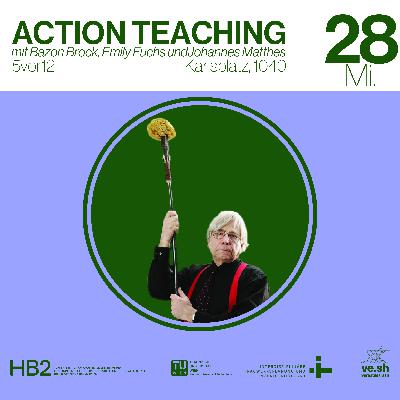
„5 vor 12“ Lunch Dialog mit Bazon Brock
Wir senden einen Mitschnitt des Gesprächs mit Bazon Brock, Denker im Dienst, Künstler ohne Werk und Kunsttheoretiker. Das Gespräch entstand im Rahmen der Lehrveranstaltung „Prototyping Versatile Spaces“ im Sommersemester 23 an der TU Wien. Studierende der Architektur befragten für diese Sendereihe Forscher:innen, Kreative und Expert:innen aus unterschiedlichen Disziplinen und Forschungsfeldern zu dem Thema Nachhaltigkeit.
Im Rahmen der Lehrveranstaltung wurde ein Pavillon aus recycelten Sonnenblenden Lamellen gebaut und in diesem die sogenannten „5 vor 12“ Lunch Dialoges zu diversen Themen geführt. Dazu wurden in insgesamt 5 Experten und Experten-Teams eingeladen, um mit den Studierenden über die zukünftigen Herausforderungen in der Architektur und im Bauwesen aber auch in alltäglichen Bereichen des Lebens zu sprechen. Drei dieser fünf Lunch Dialoges wurden für diese Radiosendung aufgezeichnet.
Johannes Matthes und Emely Fuchs führten das Interview, Raphael Auffarth und Amar Kulenovic gestalteten die Sendung im Rahmen der Lehrveranstaltung „Prototyping Versatile Spaces“ der Technischen Universität Wien.
– – –
Links zum Interviewpartner:
https://bazonbrock.de/
– – –
Broadcast series focus 2023: Sustainable Future – Sondersendung Versatile Space (s)
Das Designstudio VERSATILE SPACES ist eine Lehrveranstaltung an der Technischen Universität (TU) Wien, die sich mit innovativen architektonischen Konzepten und multidisziplinären Ansätzen befasst. Das Studio fördert die Zusammenarbeit zwischen den Fachgebieten Architektur, Tragwerksplanung und Urbanistik und bietet den Studierenden die Möglichkeit, ihre Fähigkeiten in der praxisorientierten Projektarbeit weiterzuentwickeln.
Designstudio VERSATILE SPACES, SS2023
Ein Projekt von Architekturstudierenden der TU Wien, Forschungsbereich hochbau-konstruktion und entwerfen HB2 und Forschungsbereich Tragwerksplanung und Ingenieurholzbau – Gefördert im Rahmen des EXITE-Programms der Fakultät für Architektur und Raumplanung, in Kooperation mit den Materialnomaden, IG-Architektur und Karlsplatz.org
Folgen Sie ve.sh auf Instagram: vesh.hb2
Lehrende: Dr.Ing. DI Sandra Häuplik-Meusburger, Univ. Prof. DI Peter Bauer, DI Marilies Wedl
Studierende: Raphael Auffarth, Yoan Avramov, Peter Babos, Antonia Behr, Sara Borjanovic, Dan Pavel Bucur, Emily Marlena Fuchs, Elsa Gjinaj, Vanessa Jäger, Eralba Jonuzi, Gergely Juhasz, Marija Klisanin, Anja Krnetic, Krystina Masilevich, Johannes Matthes, Ekaterina Mihaylova, Uros Miletic, Cathal O’Brien, Dylan Reilly, Rok Zidar
Excite 22 Team: Dr. Ing. DI Sandra Häuplik-Meusburger, Burcu Ates, Predrag Milic, Laura Sobral, DI Marilies Wedl
– – –
Radio Spaceuriosity auf Radio Orange 94.0
Jeden 2. Dienstag im Monat
Eine Radiosendung von Sandra Häuplik-Meusburger und Verena Holzgethan
http://o94.at/radio/sendereihe/spaceuriosity/
Live Stream: http://o94.at/live/
Cultural broadcasting archive: https://cba.media/series/spaceuriosity
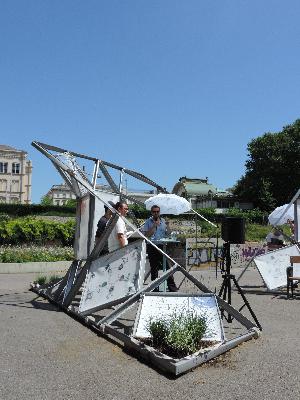
„5 vor 12“ Lunch Dialog mit Peter Kneidinger
Wir senden einen Mitschnitt des Gesprächs mit Peter Kneidinger, Gründer und Geschäftsführer der Materialnomaden. Das Gespräch entstand im Rahmen der Lehrveranstaltung „Prototyping Versatile Spaces“ im Sommersemester 23 an der TU Wien. Studierende der Architektur befragten für diese Sendereihe Forscher:innen, Kreative und Expert:innen aus unterschiedlichen Disziplinen und Forschungsfeldern zu dem Thema Nachhaltigkeit.
Im Rahmen der Lehrveranstaltung wurde ein Pavillon aus recycelten Sonnenblenden Lamellen gebaut und in diesem die sogenannten „5 vor 12“ Lunch Dialoges zu diversen Themen geführt. Dazu wurden in insgesamt 5 Experten und Experten-Teams eingeladen, um mit den Studierenden über die zukünftigen Herausforderungen in der Architektur und im Bauwesen aber auch in alltäglichen Bereichen des Lebens zu sprechen. Drei dieser fünf Lunch Dialoges wurden für diese Radiosendung aufgezeichnet.
Ekaterina Mihaylova und Vanessa Jäger führten das Interview, Raphael Auffarth und Amar Kulenovic gestalteten die Sendung im Rahmen der Lehrveranstaltung „Prototyping Versatile Spaces“ der Technischen Universität Wien.
– – –
Links zum Interviewpartner:
https://www.materialnomaden.at
– – –
Broadcast series focus 2023: Sustainable Future – Sondersendung Versatile Space (s)
Das Designstudio VERSATILE SPACES ist eine Lehrveranstaltung an der Technischen Universität (TU) Wien, die sich mit innovativen architektonischen Konzepten und multidisziplinären Ansätzen befasst. Das Studio fördert die Zusammenarbeit zwischen den Fachgebieten Architektur, Tragwerksplanung und Urbanistik und bietet den Studierenden die Möglichkeit, ihre Fähigkeiten in der praxisorientierten Projektarbeit weiterzuentwickeln.
Designstudio VERSATILE SPACES, SS2023
Ein Projekt von Architekturstudierenden der TU Wien, Forschungsbereich hochbau-konstruktion und entwerfen HB2 und Forschungsbereich Tragwerksplanung und Ingenieurholzbau – Gefördert im Rahmen des EXITE-Programms der Fakultät für Architektur und Raumplanung, in Kooperation mit den Materialnomaden, IG-Architektur und Karlsplatz.org
Folgen Sie ve.sh auf Instagram: vesh.hb2
Lehrende: Dr.Ing. DI Sandra Häuplik-Meusburger, Univ. Prof. DI Peter Bauer, DI Marilies Wedl
Studierende: Raphael Auffarth, Yoan Avramov, Peter Babos, Antonia Behr, Sara Borjanovic, Dan Pavel Bucur, Emily Marlena Fuchs, Elsa Gjinaj, Vanessa Jäger, Eralba Jonuzi, Gergely Juhasz, Marija Klisanin, Anja Krnetic, Krystina Masilevich, Johannes Matthes, Ekaterina Mihaylova, Uros Miletic, Cathal O’Brien, Dylan Reilly, Rok Zidar
Excite 22 Team: Dr. Ing. DI Sandra Häuplik-Meusburger, Burcu Ates, Predrag Milic, Laura Sobral, DI Marilies Wedl
– – –
Radio Spaceuriosity auf Radio Orange 94.0
Jeden 2. Dienstag im Monat
Eine Radiosendung von Sandra Häuplik-Meusburger und Verena Holzgethan
http://o94.at/radio/sendereihe/spaceuriosity/
Live Stream: http://o94.at/live/
Cultural broadcasting archive: https://cba.media/series/spaceuriosity
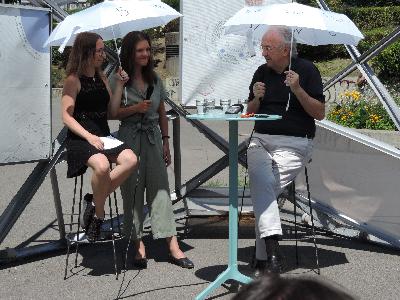
Versatile Space (s) – Werner Sobek
„5 vor 12“ Lunch Dialog mit Werner Sobek
Wir senden einen Mitschnitt des Gesprächs mit Werner Sobek, Bauingenieur und Architekt. Das Gespräch entstand im Rahmen der Lehrveranstaltung „Prototyping Versatile Spaces“ im Sommersemester 23 an der TU Wien. Studierende der Architektur befragten für diese Sendereihe Forscher:innen, Kreative und Expert:innen aus unterschiedlichen Disziplinen und Forschungsfeldern zu dem Thema Nachhaltigkeit.
Im Rahmen der Lehrveranstaltung wurde ein Pavillon aus recycelten Sonnenblenden Lamellen gebaut und in diesem die sogenannten „5 vor 12“ Lunch Dialoges zu diversen Themen geführt. Dazu wurden in insgesamt 5 Experten und Experten-Teams eingeladen, um mit den Studierenden über die zukünftigen Herausforderungen in der Architektur und im Bauwesen aber auch in alltäglichen Bereichen des Lebens zu sprechen. Drei dieser fünf Lunch Dialoges wurden für diese Radiosendung aufgezeichnet.
Ekaterina Mihaylova und Vanessa Jäger führten das Interview, Raphael Auffarth und Amar Kulenovic gestalteten die Sendung im Rahmen der Lehrveranstaltung „Prototyping Versatile Spaces“ der Technischen Universität Wien
– – –
Links zum Interviewpartner:
https://www.wernersobek.com
– – –
Broadcast series focus 2023: Sustainable Future – Sondersendung Versatile Space (s)
Das Designstudio VERSATILE SPACES ist eine Lehrveranstaltung an der Technischen Universität (TU) Wien, die sich mit innovativen architektonischen Konzepten und multidisziplinären Ansätzen befasst. Das Studio fördert die Zusammenarbeit zwischen den Fachgebieten Architektur, Tragwerksplanung und Urbanistik und bietet den Studierenden die Möglichkeit, ihre Fähigkeiten in der praxisorientierten Projektarbeit weiterzuentwickeln.
Designstudio VERSATILE SPACES, SS2023
Ein Projekt von Architekturstudierenden der TU Wien, Forschungsbereich hochbau-konstruktion und entwerfen HB2 und Forschungsbereich Tragwerksplanung und Ingenieurholzbau – Gefördert im Rahmen des EXITE-Programms der Fakultät für Architektur und Raumplanung, in Kooperation mit den Materialnomaden, IG-Architektur und Karlsplatz.org
Folgen Sie ve.sh auf Instagram: vesh.hb2
Lehrende: Dr.Ing. DI Sandra Häuplik-Meusburger, Univ. Prof. DI Peter Bauer, DI Marilies Wedl
Studierende: Raphael Auffarth, Yoan Avramov, Peter Babos, Antonia Behr, Sara Borjanovic, Dan Pavel Bucur, Emily Marlena Fuchs, Elsa Gjinaj, Vanessa Jäger, Eralba Jonuzi, Gergely Juhasz, Marija Klisanin, Anja Krnetic, Krystina Masilevich, Johannes Matthes, Ekaterina Mihaylova, Uros Miletic, Cathal O’Brien, Dylan Reilly, Rok Zidar
Excite 22 Team: Dr. Ing. DI Sandra Häuplik-Meusburger, Burcu Ates, Predrag Milic, Laura Sobral, DI Marilies Wedl
– – –
Radio Spaceuriosity auf Radio Orange 94.0
Jeden 2. Dienstag im Monat
Eine Radiosendung von Sandra Häuplik-Meusburger und Verena Holzgethan
http://o94.at/radio/sendereihe/spaceuriosity/
Live Stream: http://o94.at/live/
Cultural broadcasting archive: https://cba.media/series/spaceuriosity

Comments

Download from Google Play

Download from App Store
 United States