


 Claim Ownership
 SportsEpreneur
SportsEpreneurSubscribed: 9Played: 154
Subscribe

© 2026 KazSource, Inc.
Description
Sports brought us together — now let's talk about it. Leaders, athletes, creators, and entrepreneurs in and around sports. Business, media, NIL, culture, youth sports, sports tech, and AI in sports. A SportsE Media production.
162 Episodes
Reverse
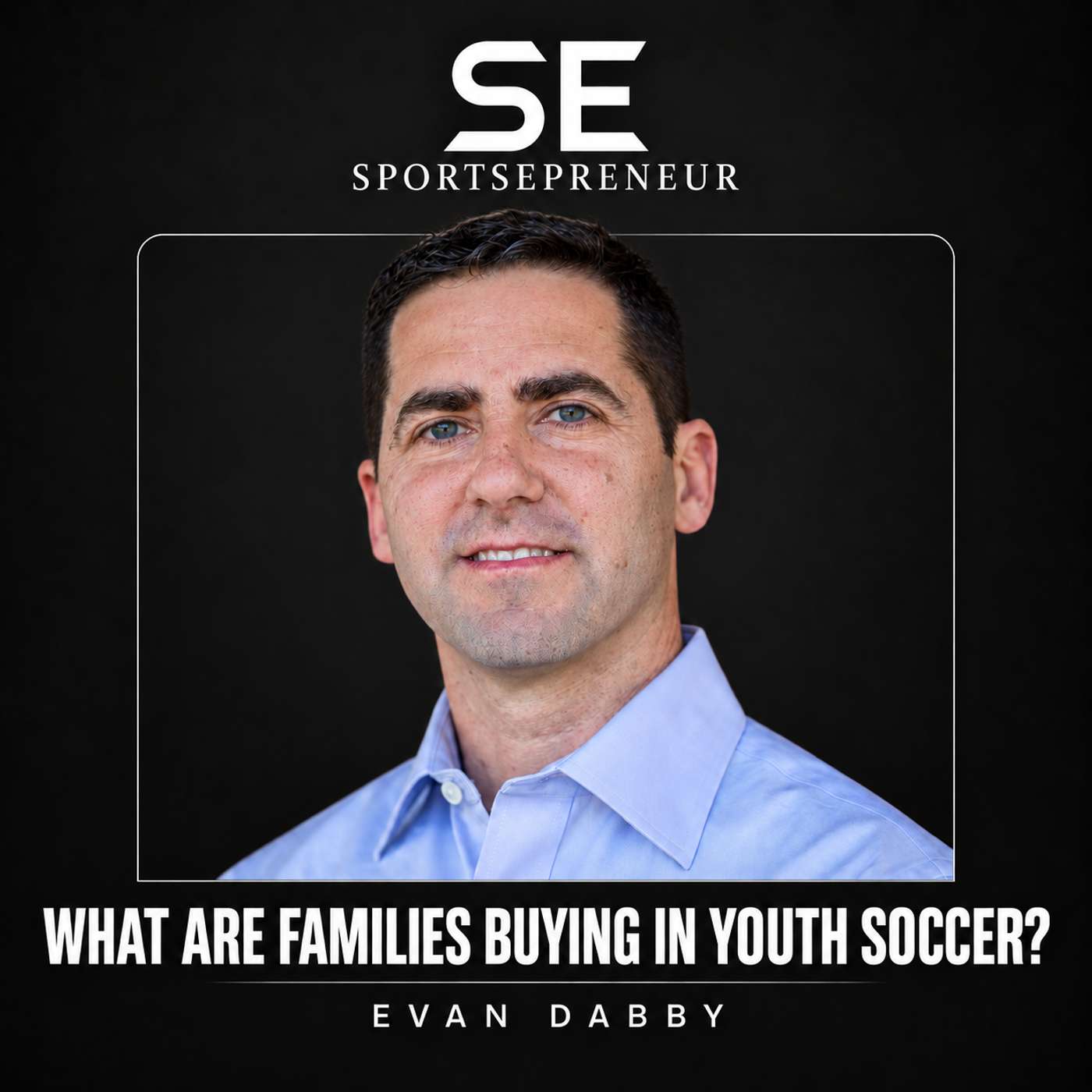
Families can spend thousands of dollars on club soccer, travel, training, showcases, and recruiting while trying to determine which path gives their child the best opportunity.Eric Kasimov talks with Evan Dabby, CEO of New Jersey Youth Soccer, about what families are actually buying when they enter the youth soccer system, why fragmentation continues to create confusion, and how clubs, MLS, college soccer, parents, and coaches all influence the experience.Evan also shares a simpler way for families to evaluate the path: is the player having fun, getting on the field, and being challenged?In This EpisodeWhy American youth soccer remains fragmentedWhat families are paying for when they choose a clubHow “elite” and “premier” can become marketing termsPay-to-play, affordability, and accessWhere MLS fits into the youth soccer systemCollege recruiting and opportunities for domestic playersWhy parents and coaches shape the experience so heavilyWhat Evan tells families of talented young playersWhy recreational soccer can still be part of player developmentChapters00:00 — Rebuilding American youth soccer02:19 — What families are actually buying04:35 — “Elite,” “premier,” and club marketing07:03 — U.S. pay-to-play vs. England08:00 — Affordability and access10:39 — Where MLS fits12:53 — MLS clubs and local soccer culture14:38 — Fragmentation and player pathways16:12 — Development, community, and access19:20 — Failure, mistakes, and keeping soccer fun22:30 — Why adults can become the bigger problem25:16 — College soccer and international players26:21 — Advice for families of talented players28:50 — Expanding grassroots soccer31:30 — How rec soccer helped Evan’s son33:26 — What families remember beyond the games34:57 — Just Ball and getting kids out to playConnect with Evan DabbyEvan Dabby on LinkedInNew Jersey Youth SoccerConnect with Eric and SportsEpreneurEric Kasimov: LinkedIn | XSportsEpreneur: Website | LinkedIn | X
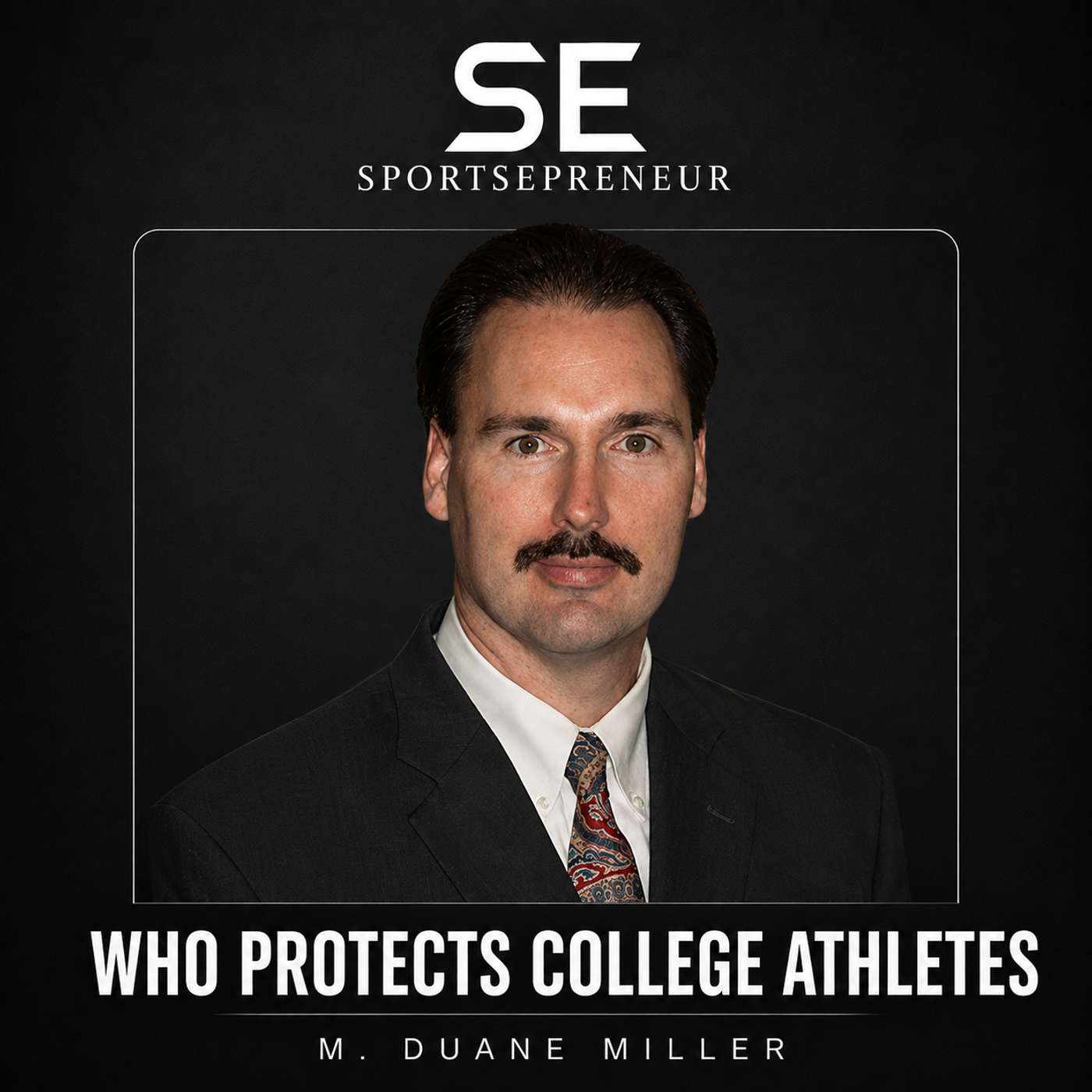
M. Duane Miller likes where college football is headed. The games are bigger, athletes can participate financially, and he believes recent seasons have been some of the most exciting the sport has produced. He also sees how exposed players can be when contracts, taxes, coaching changes, injuries, and short careers collide.The Texas NIL Lawyer and former University of Texas football co-captain joins Eric Kasimov to ask a direct question: who protects college athletes? They discuss NIL contracts, taxes and 1099s, recruiting decisions, reported NIL valuations, the College Sports Commission, and the possibility of a college players association.Duane’s central advice is to build the athlete’s team early and never sign an agreement without the right professional reviewing it. His outlook is positive, practical, and often funny. He is pro-athlete without being anti-coach, anti-school, or anti-NCAA—and he believes stronger athlete protection can make college football better.In this episode:How media money and coaching compensation changed the argument around athlete payWhat athletes should evaluate beyond the largest offerContracts, injuries, coaching changes, and educational protectionsBuilding a team of legal, tax, marketing, and family advisersNIL income, 1099s, vehicles, and other noncash compensationWhy reported NIL valuations can be difficult to verifyWhy Duane believes college athletes may eventually need a players associationChapters:00:00 — College football’s changing economics06:00 — Bowl games and postseason business10:23 — Texas football, licensing, and revenue growth13:31 — Coaching compensation and the athlete-pay argument22:00 — Social media pressure on paid college athletes29:24 — Choosing a school beyond the largest offer34:00 — Injuries, coaching changes, and life after football36:08 — Reviewing NIL contracts37:05 — Building the athlete’s advisory team42:26 — Taxes, 1099s, and noncash compensation45:06 — Reported NIL numbers and “Dr. No”49:00 — Why the old model is not returning1:04:08 — The College Sports Commission and government oversight1:05:00 — The case for a players association1:08:00 — Athlete protections beyond football1:11:22 — Where to find The Texas NIL LawyerConnect with M. Duane Miller:The Texas NIL Lawyer | Law Office of M. Duane Miller | EmailMore from SportsEpreneur:Full episode notes | SportsEpreneur NIL Hub | LinkedIn | XConnect with Eric KasimovLinkedIn | XRecorded August 20, 2026. NIL rules and college-sports governance continue to change. This conversation is for general information and does not constitute legal or tax advice.
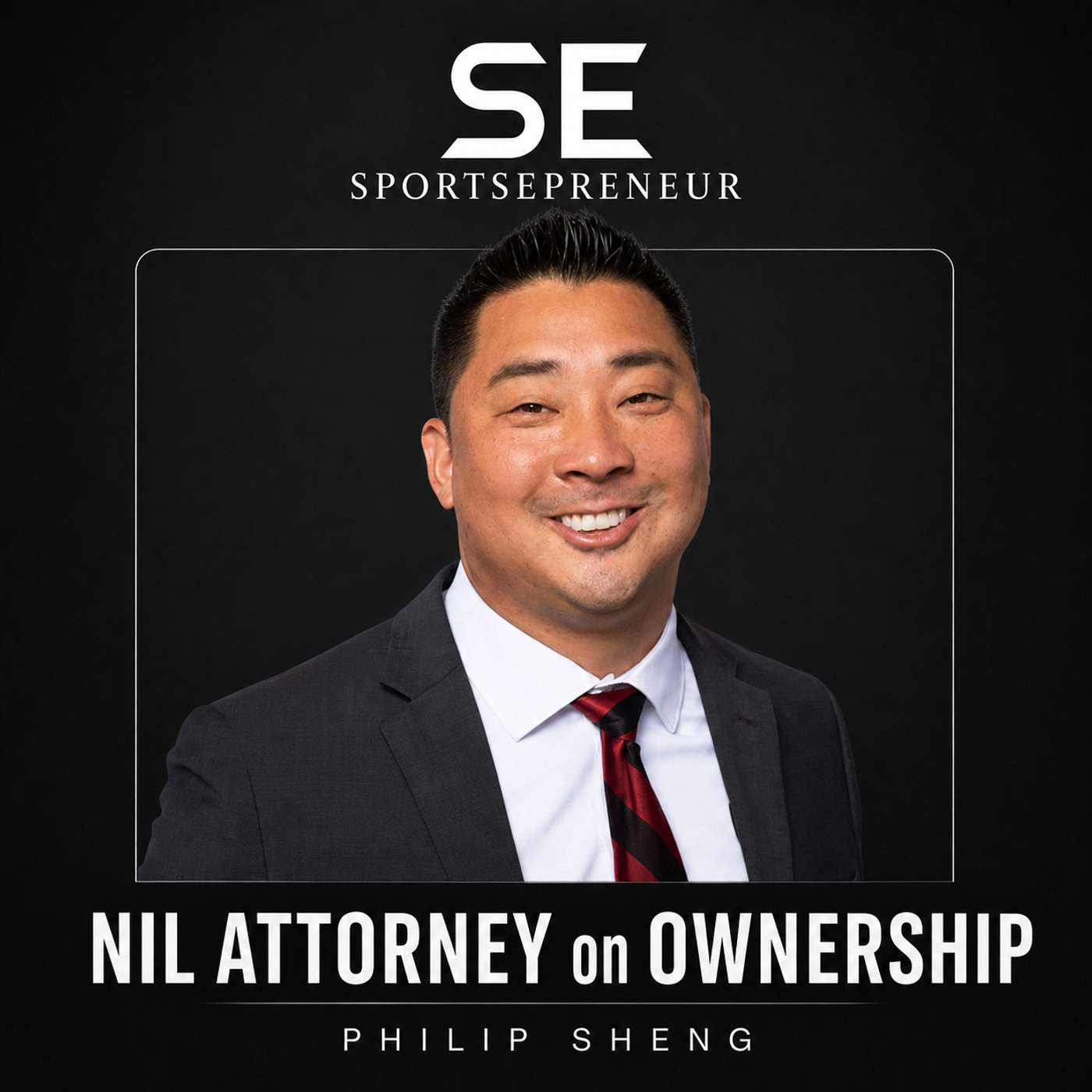
What an attorney who reviews NIL deals sees in the contracts, and what college athletes may be signing away.Philip Sheng is an attorney at Venable LLP, a national firm of roughly 900 lawyers, where he works in the intellectual property group and the sports law practice. His focus is college NIL, the right of publicity, and college eligibility: who owns a person’s name, image, and likeness, and what they give up when they sign.This is the on-the-ground legal view of NIL. For the full breakdown of how the system works, start with The NIL Hub, NIL Rules in 2026, and NIL Pros and Cons. This episode is narrower. It is what a practicing attorney sees inside the deals themselves.Eric Kasimov talks with Sheng about NIL as both a legal and an athlete-centered issue. They get into whether NIL is really athlete compensation, intellectual property, or both, and why the issue was known as the right of publicity long before college sports made it a household term. Sheng has lived the landscape from several sides. He played tennis at Stanford, competed as an ATP-ranked professional, and now has children navigating college athletics, including Division I basketball and tennis.TopicsNIL as intellectual property and the right of publicityThe College Sports Commission and how it reviews NIL dealsThe Nebraska and PlayFly case, and why the contracts were the problemWhy even a small NIL deal needs its rights language reviewedHow brands can work with role players, not only star athletesRoster cuts in non-revenue sports like tennis and swimmingHigh school NIL, state-by-state rules, and protecting minorsSports betting, college students, and the value of staying in schoolChapters in This Episode00:00 Philip Sheng’s background in law, tennis, and college sports00:36 Venable LLP, intellectual property, NIL, and sports law02:11 NIL as right of publicity03:15 Stanford, conference realignment, and athlete travel04:13 The burden on student-athletes06:29 What college sports used to be for07:00 Money, transfers, and the changing athlete experience09:20 NIL checks, taxes, and athlete education09:36 Bad agents and why guidance matters12:25 Has NIL gone too far?13:00 Congress, courts, media, fans, and pressure to change16:11 Money, rosters, and the college experience19:05 What the College Sports Commission does20:00 Fair market value, valid business purpose, and NIL deal review20:55 Nebraska, PlayFly, and unclear NIL contracts22:39 Why the Nebraska case was not just bad paperwork23:40 Why other schools are watching25:00 Lawyers, arbitration costs, and legal representation26:18 Sheng’s view of the CSC and NCAA enforcement28:46 College football playoff expansion and media money31:00 What happens if schools sell marquee games differently32:43 Why championships still matter34:50 Sheng’s work with non-revenue sports and NIL contracts36:08 Why brands should look beyond star athletes38:47 Are NIL contracts becoming standardized?39:45 Why athletes need contract review40:38 Rights, music, and long-term ownership42:02 College tennis, roster cuts, and non-revenue sports44:29 International athletes and college tennis47:25 Similar issues in soccer and goalkeeper recruiting48:00 High school NIL and state-by-state rules49:37 Youth sports, money, and family pressure50:29 Sports betting, college students, and addiction risk52:00 Athlete data, betting markets, and protection54:00 The cost and value of college55:00 Why athletes should not discount the college experience57:25 Athletic fees, non-athletes, and campus tension58:57 Burnout, injuries, and changing paths59:28 Where to find Philip ShengAbout Philip ShengPhilip Sheng is an attorney at Venable LLP, where he works in the firm’s intellectual property group and sports law practice. His work includes NIL, the right of publicity, college eligibility, NCAA eligibility, and athlete-related legal issues. He has practiced law for 15 years.He is also a former Stanford tennis player and a former ATP-ranked professional. That background gives him a view of college sports from both sides, as a former athlete and as an attorney working in NIL and intellectual property. He also brings a parent’s perspective, with children competing in Division I basketball and tennis. The combination shapes how he thinks about NIL, athlete contracts, non-revenue sports, and the value of the college experience.Connect with Philip Sheng:X | LinkedIn | Venable LLPConnect with Eric and SportsEpreneur:LinkedIn | X | SportsEpreneur on LinkedIn | SportsEpreneur on XRelated SportsEpreneur NIL ContentThe NIL HubNIL Pros and Cons | The College Game Is Changed ForeverWhat the Protect College Sports Act Reveals About Athlete RepresentationDid You Know You’re Paying for College Sports?
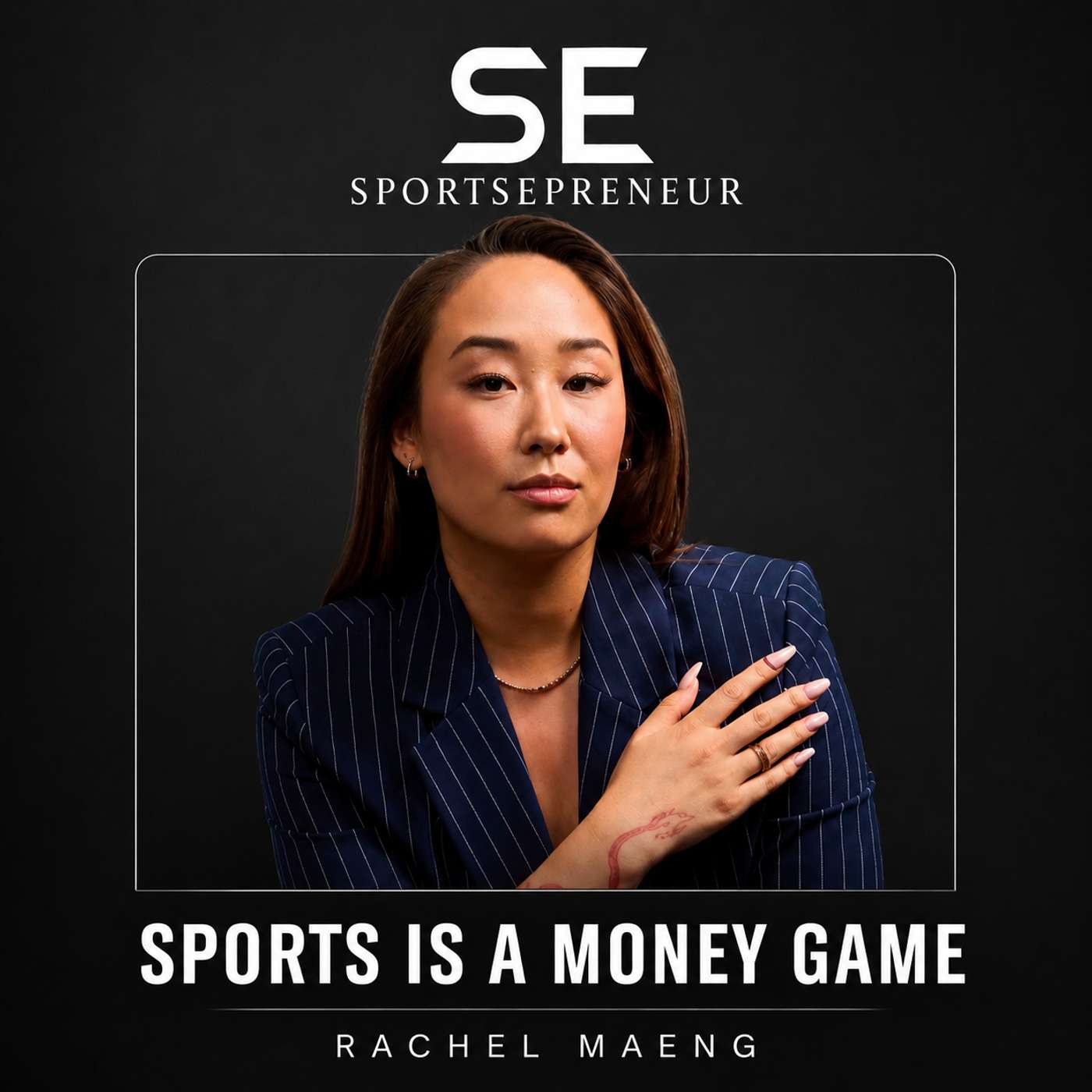
Rachel Maeng joins Eric Kasimov to talk about NIL, college sports, influencer marketing, athlete brands, and the money changing the system.Rachel is a former Rutgers student-athlete, fractional COO, NIL strategist, and founder who built and sold an influencer agency. She explains why real NIL is different from revenue sharing, why college sports keeps getting more expensive, and why access still matters.Topics covered:Why influencer marketing is the prequel to NILWhat real NIL actually looks likeHow revenue sharing and roster caps changed college sportsWhy paid athletes face more fan pressureWhy sports has turned into a money gameThe gap between top programs and everyone elseHow recruiting rankings and camps shape opportunityWhy athletes are being asked to become media companiesWhy internships, mentors, peers, and sponsors matterChapters in This Episode00:00 — Rachel Maeng on her current work00:34 — Fractional COO work, NIL, and representation01:42 — Rutgers, student government, and alumni advocacy03:27 — Rutgers in the Big Ten and the reach of major universities05:13 — Why Rachel chose Rutgers06:55 — Big schools, small schools, and the future of college athletics07:18 — Women’s flag football and Title IX09:23 — Cutting sports, roster caps, and international athletes12:57 — Syracuse, football spending, and donor ROI14:14 — Why college teams are hiring GMs16:16 — Student fees, tuition, and the cost of college sports18:00 — NIL money, fan pressure, and athlete criticism19:39 — Recruiting rankings, camps, and access22:43 — College sports deficits and the money problem25:36 — The growing gap between top programs and everyone else27:10 — Recruiting facilities, spending, and shared governance29:13 — Sports betting, expansion, and more games32:10 — Rachel’s view on NIL35:43 — Why Rachel watches more college sports now37:35 — Flag football, NFL expansion, and global growth39:17 — Youth sports, cost, and the money game43:55 — Athletes as media companies46:15 — TikTok, creator marketing, and the road to NIL48:31 — Advice for young women in sports and business54:50 — AAPI representation and women in sports business57:50 — Sponsors, mentors, peers, and building community59:10 — Internships, networking, and real career experience1:03:38 — The enrollment cliff and the future of college1:10:37 — Staying curious through podcasts, documentaries, and daily learning1:11:26 — LA, the Olympics, and travel realities1:15:51 — How to find Rachel MaengConnect with Rachel Maeng:X | LinkedIn | InstagramConnect with Eric & SportsEpreneur:SportsEpreneur.com | X | LinkedInEric on LinkedIn | XRelated SportsEpreneur NIL ContentDid You Know You’re Paying for College Sports?Brendan Sorsby Bet on His Own Team and Is Somehow Still Eligible to PlayThe Protect College Sports Act Explained: NIL, Transfers, Antitrust, and the Future of College Sports

Brando Babini started Youth 4 Youth FC when he was 16 after realizing his own soccer path was changing. Instead of walking away from the game, he built something for the players coming next.Eric Kasimov talks with Brando about player-led development, college soccer recruiting, pay-to-play, MLS, the World Cup, parents, leadership, and why young players need mentorship from people who have lived the journey.Topics covered:Why Brando started Youth 4 Youth FCWhat player-led mentorship looks like in youth soccerHow college soccer recruiting is changingWhy goalkeepers face a difficult pathThe impact of international players on domestic recruitingWhy pay-to-play remains a major problemHow players can take ownership of their journeyWhy street soccer and culture still matterChapters00:00 — Brando Babini, Youth 4 Youth FC, and building while at Brown00:50 — Starting Youth 4 Youth at 1602:15 — A winding recruiting journey and choosing a different soccer path03:23 — When the pro dream shifts into something else04:13 — What Brando wished existed when he was younger05:05 — Street soccer, Nike, and expression beyond exposure05:45 — College soccer recruiting and the transfer portal07:00 — International players and eligibility questions08:00 — Protecting the domestic player pathway08:36 — The goalkeeper recruiting problem11:26 — Building a better domestic soccer system12:00 — MLS, USL, and the future of soccer in the U.S.14:13 — Charlotte FC, accessibility, and the live soccer experience16:20 — Where MLS fits compared to global leagues19:13 — How the World Cup can change U.S. soccer20:00 — Breaking pay-to-play barriers23:08 — Showcases, costs, and why talent should be free to show24:00 — Profit incentives, player development, and investment27:00 — Subsidizing players and creating access28:00 — Game time, competition, and player development31:20 — Parents, pressure, and letting players own the journey34:05 — Scaling Youth 4 Youth through regions36:10 — Brown University, professors, and entrepreneurial flexibility38:00 — Why college can still matter40:30 — Leadership, teammates, and mental toughness43:00 — Internal control and handling adversity47:00 — Content, visibility, and Youth 4 Youth’s growth49:00 — Nike Toma, street soccer, and culture51:00 — Messi, Ronaldo, the Premier League, and global soccer52:50 — Best players in the world today54:38 — World Cup predictions and the U.S. path57:00 — How to find Youth 4 Youth FCConnect with Brando Babini | Youth 4 Youth FC Brando Babini on LinkedIn | InstagramYouth 4 Youth FCConnect with Eric & SportsEpreneurSportsEpreneur.com | X | LinkedInEric on LinkedIn | XRelated SportsEpreneur ContentWhen Merit Gets Messy: College Recruiting in Soccer, Hockey, and LacrosseThe State of Youth SportsCollege Recruiting Tips For International Student-AthletesThe Real Cost of Youth Sports in 2026: What Families Actually SpendSoccer Content by SportsEpreneurThe Pressure Placed on Kids in Youth SportsNIL Rules in 2026: What Athletes, Families, and Coaches Need to KnowHigh School Athletes and NIL: The Future of Youth SportsMake Youth Sports Fun Again

Comments

Download from Google Play

Download from App Store
 United States