


 Claim Ownership
Standard Precautions and Beyond: Conversations in Infection Prevention and Control
Subscribed: 9Played: 21
Subscribe
© 2021 The University of Alabama at Birmingham
Description
Standard Precautions and Beyond: Conversations in Infection Prevention and Control discusses current topics in infection prevention and control. This podcast brings together subject matter experts with extensive knowledge in areas like infectious disease, control and prevention, epidemiology and surveillance, behavioral health, public health preparedness, forecasting and modeling, and pediatrics to address issues related to the management and response to emerging and reemerging infectious diseases.
17 Episodes
Reverse
Join the Alabama Regional Center for Infection Prevention and Control as we discuss the basics of norovirus with Dr. Marilyn Bulloch from Auburn University’s Harrison College of Pharmacy. We will cover symptoms, if it's contagious, where people usually encounter this virus, and more. Thank you to our co-sponsor for this podcast, the Alabama Public Health Training Network at the Alabama Department of Public Health a community-based training partner of the Region IV Public Health Training Center.
As Alabama heats up into summer the number of individuals outside and the number of bugs outside are increasing, including ticks, insects that can pose a direct to human health. Join the ARC IPC and Dr. Jonathan Rayner for a discussion around tick-borne diseases in Alabama and how you can prevent being affected by ticks this summer.
Dr. Elliot Lefkowitz joins us for a podcast to talk about Mpox, the Monkey Pox Virus, and how genetic mutations affects not only the effectiveness of viruses but how they are named and how scientists reach these conclusions. This podcast is presented by the Alabama Regional Center for Infection Prevention and Control Training and Technical Assistance. Thank you to our co-sponsor for this podcast, the Alabama Public Health Training Network at the Alabama Department of Public Health a community-based training partner of the Region IV Public Health Training Center.
The FDA's expert panel on vaccines met last week (Thursday, January 26, 2023) to discuss the future use of the bivalent COVID shot, signaling the start of the FDA's pivot to a longer-term immunization strategy. This is an important first step in a process that could result in millions of Americans receiving an annual Covid booster, similar to the flu vaccine. Any such changes will require more discussion and decisions, but the FDA appears to be shifting from responding to the pandemic's acute phase to a longer-term norm. Dr. Suzanne Judd, Director of the Lister Hill Center for Health Policy and a Professor in the School of Public Health at the University of Alabama at Birmingham, joined the podcast to discuss these topics and the future of COVID-19 vaccinations.
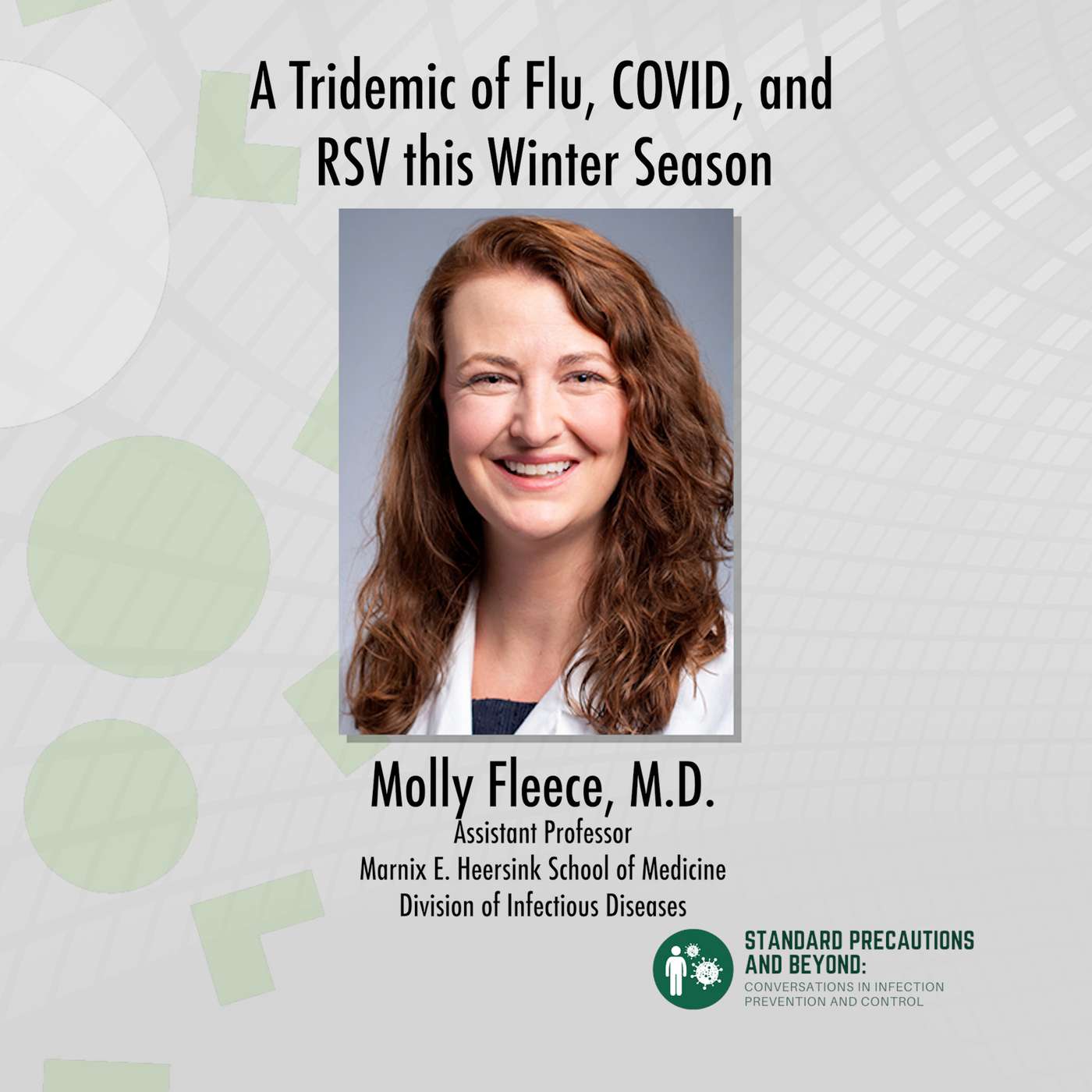
With three different respiratory illnesses circulating across communities in the U.S., are things out of the frying pan and into the fire? While COVID is still a concern and we should anticipate COVID to continue to circulate this winter, other respiratory viruses are making headlines. Hospitals throughout the country are dealing with an unprecedented, early spike in both flu and respiratory syncytial virus or RSV. The collision of these three viruses have raised concerns about a potential "tridemic" this winter. Dr. Molly Fleece, assistant professor in the Division of Infectious Diseases at the University of Alabama at Birmingham, joined the podcast to discuss concerns about the upcoming cold, flu, RSV and COVID season.
This podcast is presented by the Alabama Regional Center for Infection Prevention and Control Training and Technical Assistance. Thank you to our co-sponsor for this podcast, the Alabama Public Health Training Network at the Alabama Department of Public Health a community-based training partner of the Region IV Public Health Training Center.
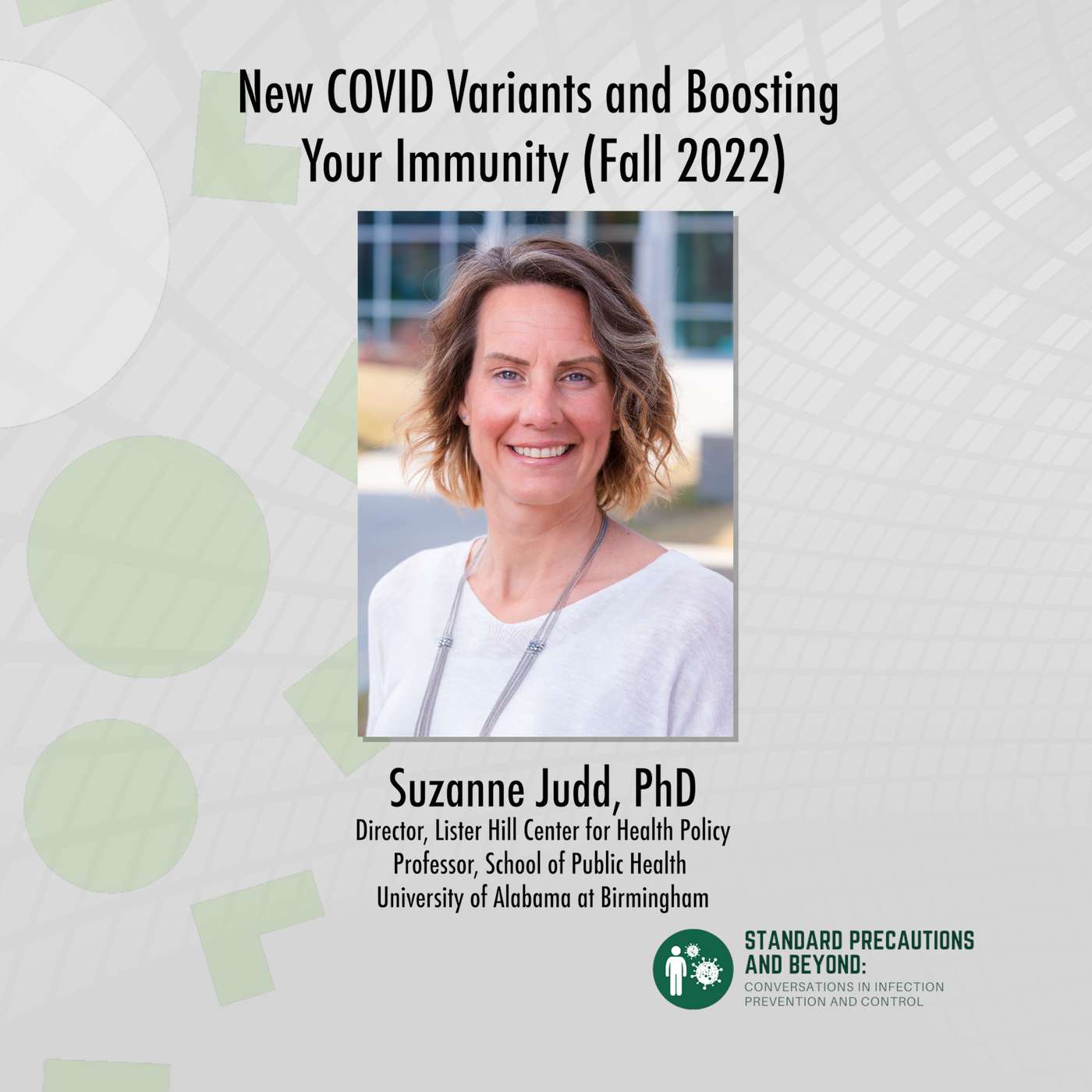
Although it's pumpkin spice season, another pandemic winter is about to arrive. Though no completely new variants of the COVID virus have emerged yet, there are several new Omicron sub-variants. The Omicron variant first surfaced in the fall of 2021, and during the past year, various Omicron variants have primarily been responsible for COVID cases. Now there are some new variants, including BA.4.6, BQ.1, and BQ.1.1, as well as XBB. To answer some of our questions about these new variants we have invited Dr. Suzanne Judd, Director of the Lister Hill Center for Health Policy and a Professor in the School of Public Health at the University of Alabama at Birmingham, to join our podcast.
Thank you to our co-sponsor for this podcast, the Alabama Public Health Training Network at the Alabama Department of Public Health a community-based training partner of the Region IV Public Health Training Center.
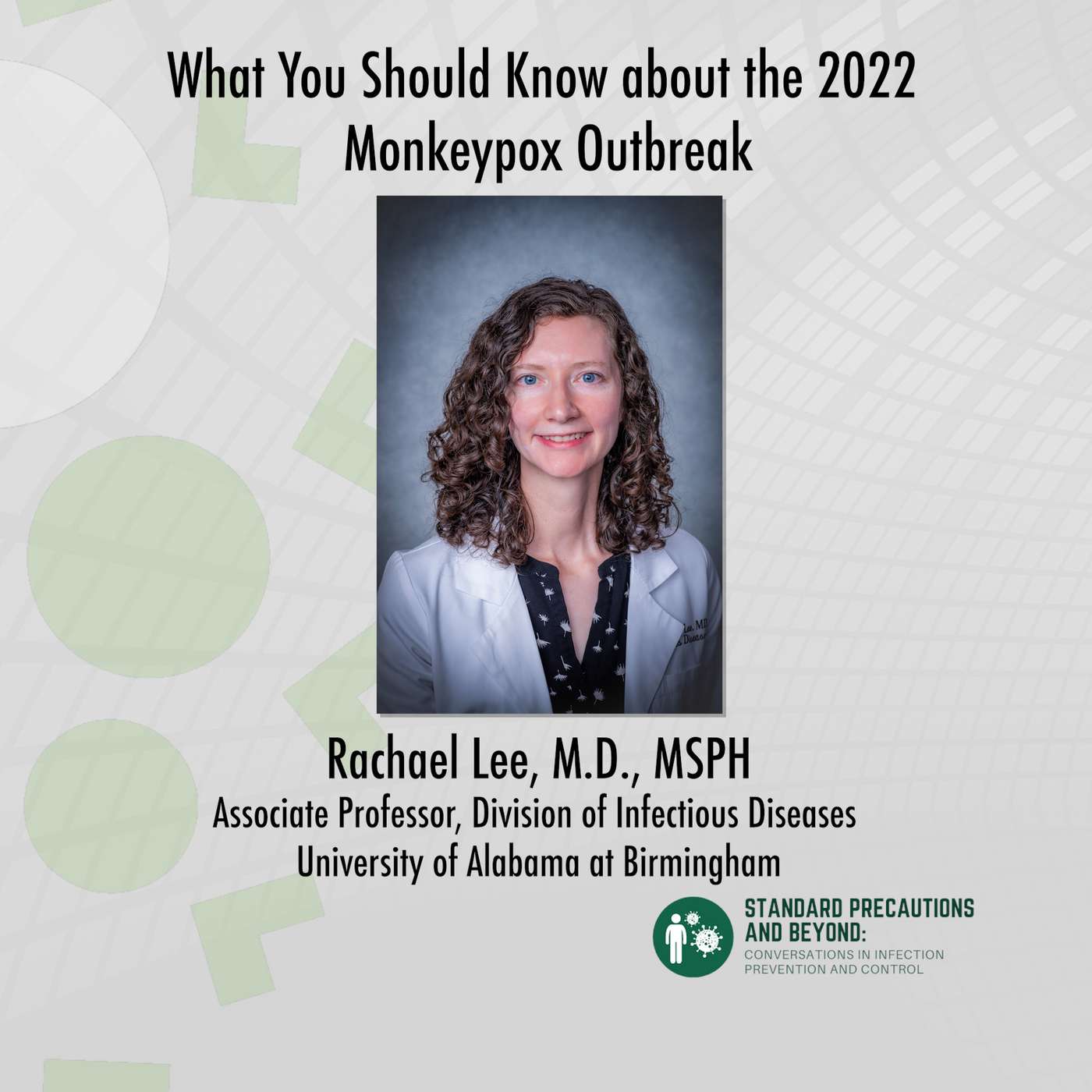
From early May 2022 to June 13, 2022 (the date of this podcast recording), over 1,300 confirmed cases of monkeypox have been reported across 31 countries that normally don’t see any cases of monkeypox. Occasionally, outbreaks have occurred outside Africa. But, in most instances, these cases were associated with international travel or contact with individuals or animals from endemic regions. Currently, the CDC and World Health Organization are tracking multiple reported cases and monitoring several person in counties without endemic monkeypox and with no known travel links to an endemic area. In today’s podcast, we welcome back Dr. Rachael Lee, Associate Professor in the UAB Division of Infectious Diseases and UAB Health Epidemiologist to talk to us about monkeypox – what it is and if we should be worried?
Thank you to our co-sponsor for this podcast, the Alabama Public Health Training Network at the Alabama Department of Public Health a community-based training partner of the Region IV Public Health Training Center.
ADPH Resources - https://www.alabamapublichealth.gov/monkeypox/resources.html
CDC 2022 Monkeypox and Orthopoxvirus Outbreak Global Map - https://www.cdc.gov/poxvirus/monkeypox/response/2022/world-map.html
CDC 2022 U.S. Monkeypox Cases - https://www.cdc.gov/poxvirus/monkeypox/index.html
CDC - Information for Healthcare Providers - https://www.cdc.gov/poxvirus/monkeypox/clinicians/index.html
World Health Organization - https://www.who.int/health-topics/monkeypox
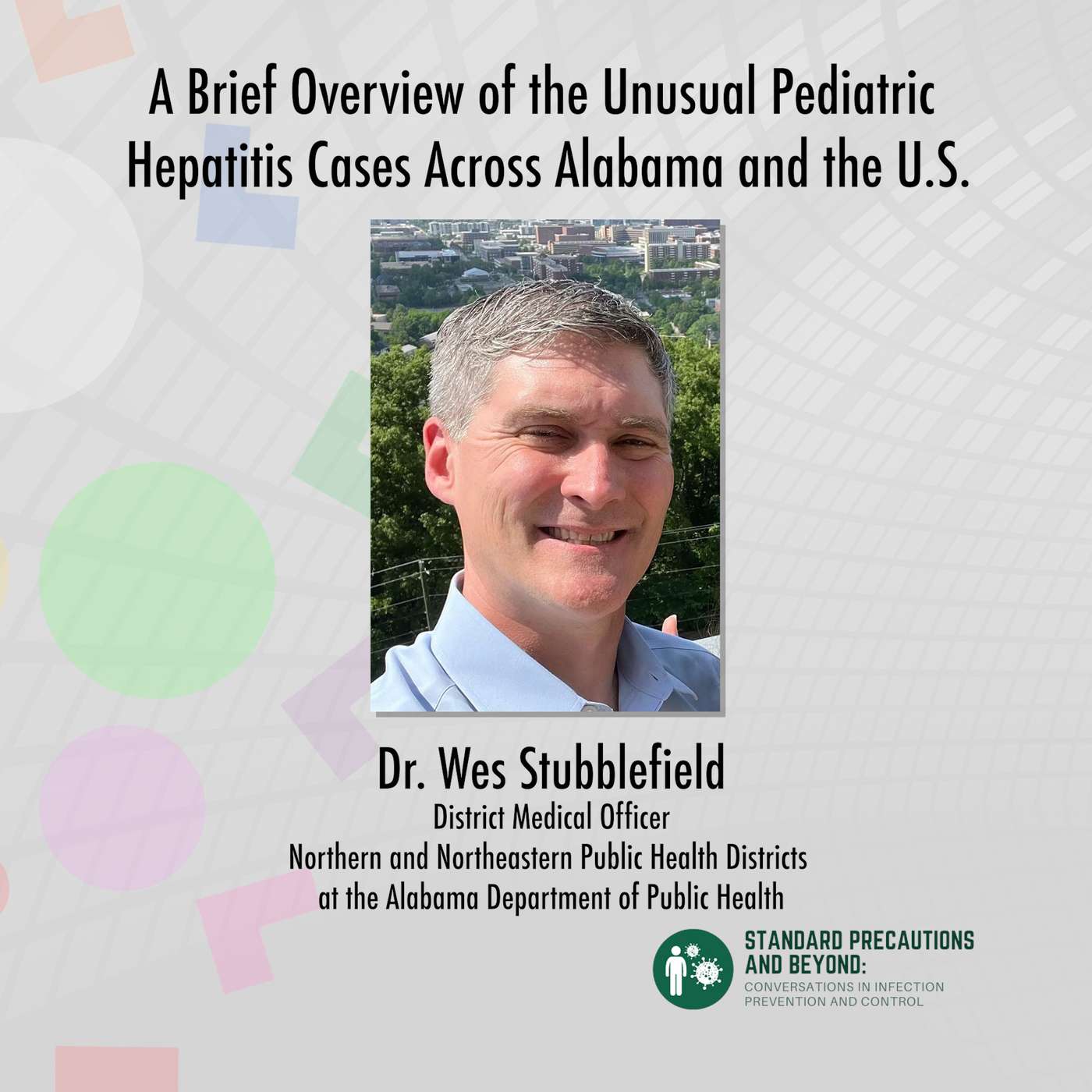
Back in October 2021, the first cases of pediatric patients with severe hepatitis of unknown cause were identified in children at a hospital in Alabama. Fast-forward to June 3, 2022 (the day of this podcast recording), and there are now 246 persons (or children under 10 with hepatitis of unknown cause) that are under investigation across 38 states. Today, we welcome Dr. Wes Stubblefield, District Medical Officer for the Northern and Northeastern Public Health Districts at the Alabama Department of Public Health to discuss this recent outbreak of pediatric hepatitis.
Thank you to our co-sponsor for this podcast, the Alabama Public Health Training Network at the Alabama Department of Public Health a community-based training partner of the Region IV Public Health Training Center.
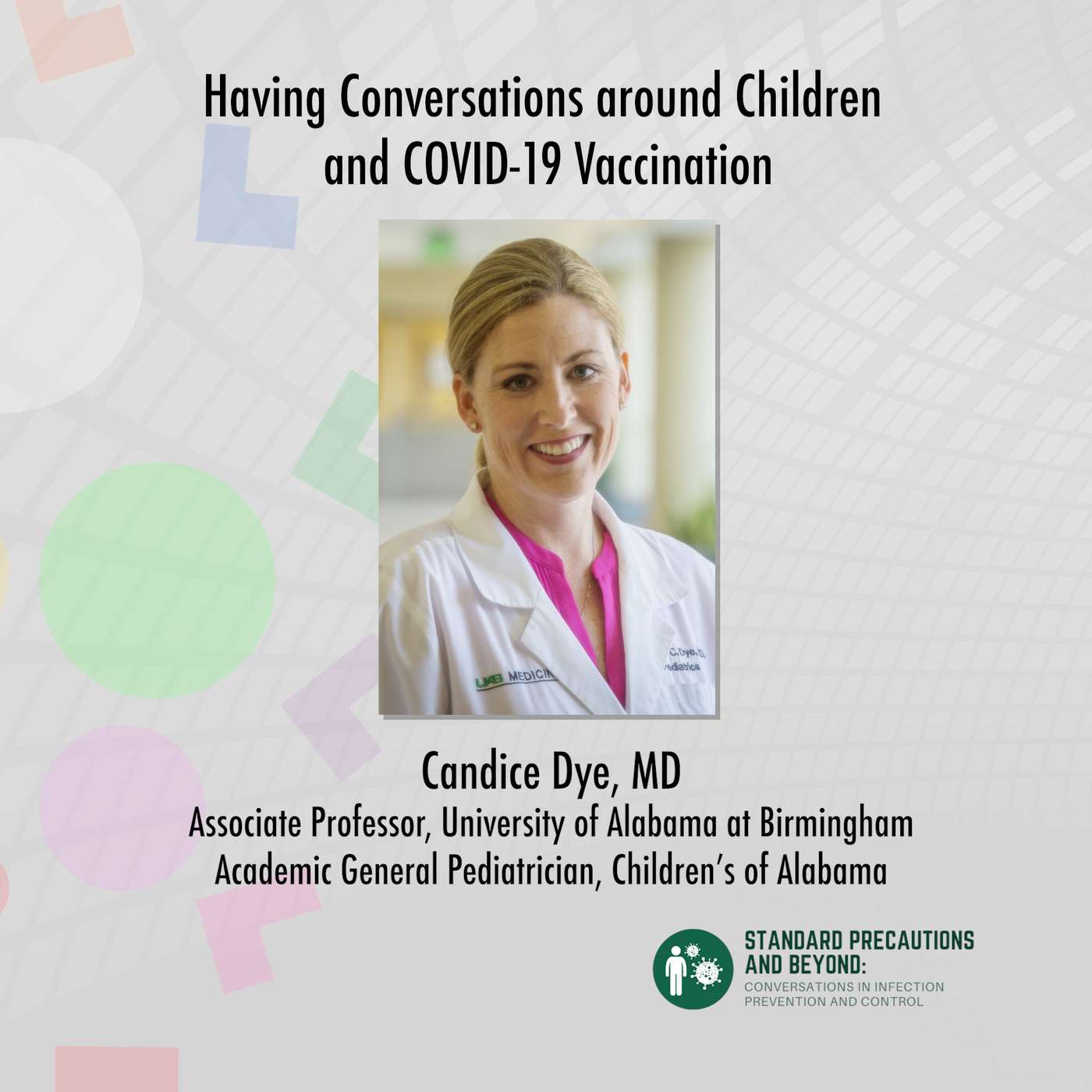
The American Academy of Pediatrics recommends COVID-19 vaccination for most children and adolescents 5 years of age and older. However, as of April 13, 2022 only 28% of children 5-11 years old and 58% of adolescents ages 12-17 have received the 2-dose vaccination series. However, throughout the pandemic, having conversations around COVID-19 and the vaccine has been challenging, especially when it comes to our children. To share her thoughts on the COVID-19 vaccine and children and how to have conversations around the vaccine, we have invited Dr. Candice Dye, an Associate Professor at the University of Alabama at Birmingham and Academic General Pediatrician at Children’s of Alabama, to join us to share her thoughts on this important topic.
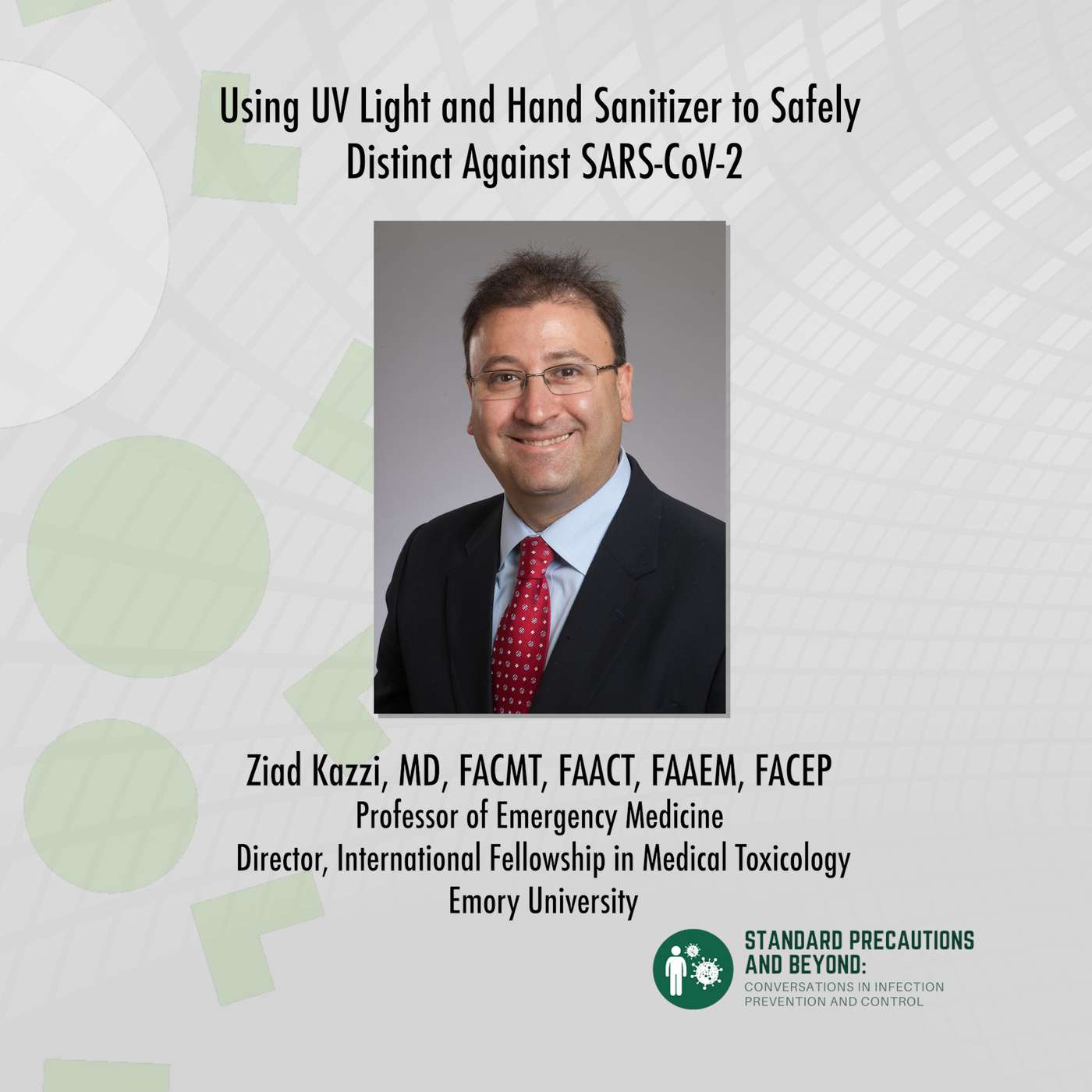
During the COVID—19 pandemic, many of us have become hyper vigilant when it comes to disinfecting and sanitizing items around our workspace, homes, schools, and within healthcare settings. In this podcast, we welcome back Dr. Ziad Kazzi, Professor of Emergency Medicine and Director of the International Fellowship in Medical Toxicology at Emory University and Associate Medical Director of the Southern Regional Disaster Response System, to discuss the use and potential safety risks of two other methods for killing viruses like SARS-CoV-2: UV light and hand sanitizers.
FDA: https://www.fda.gov/medical-devices/coronavirus-covid-19-and-medical-devices/uv-lights-and-lamps-ultraviolet-c-radiation-disinfection-and-coronavirus (UV Lights and Lamps: Ultraviolet-C Radiation, Disinfection, and Coronavirus)
EPA: https://www.epa.gov/compliance/compliance-advisory-epa-regulations-about-uv-lights-claim-kill-or-be-effective-against (Compliance Advisory: EPA Regulations About UV Lights that Claim to Kill or Be Effective Against Viruses and Bacteria)
FDA: https://www.fda.gov/drugs/drug-safety-and-availability/fda-updates-hand-sanitizers-consumers-should-not-use (FDA updates on hand sanitizers consumers should not use)
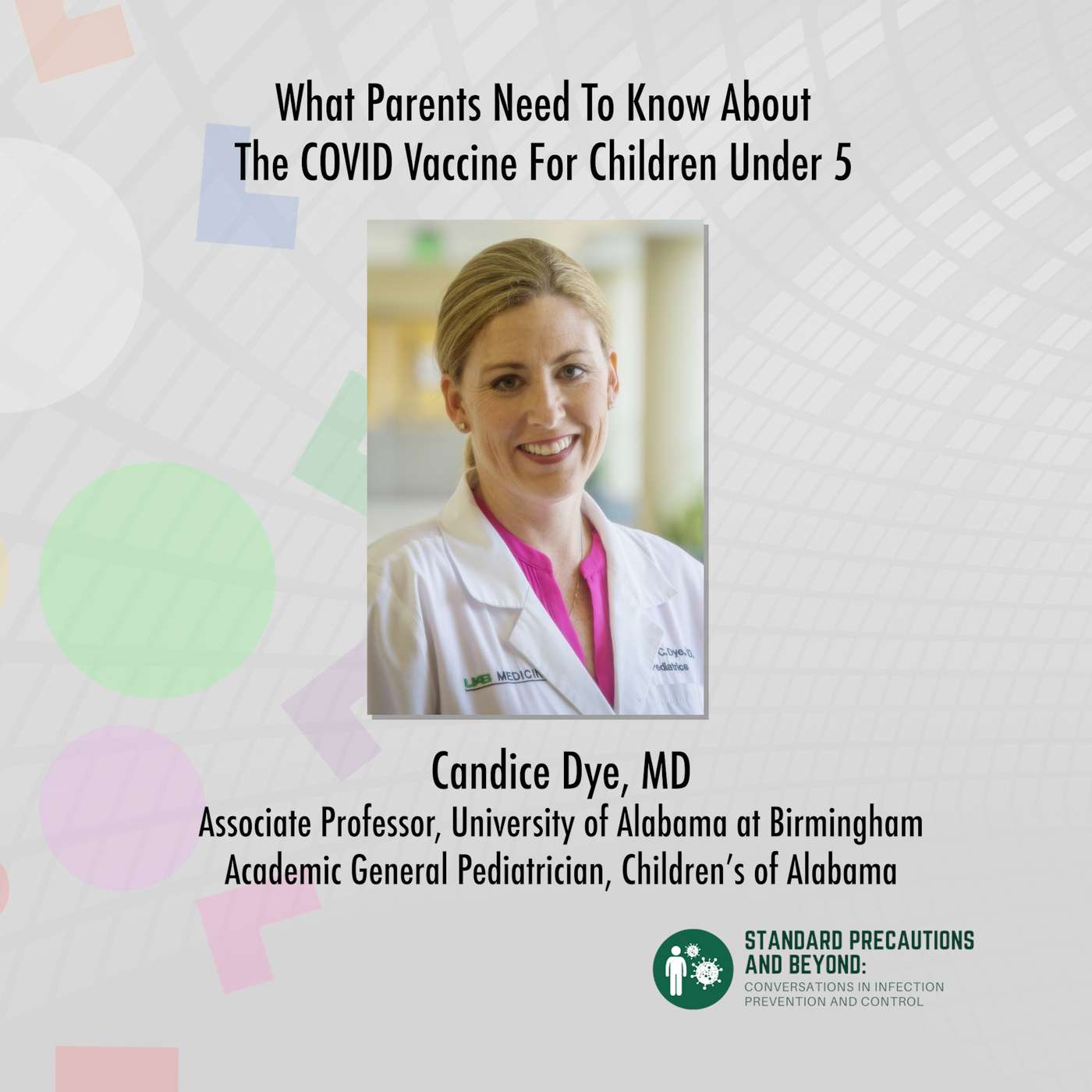
For many months, parents have been told COVID vaccines for their children under 5 were on the way. But shifting timelines, delays and misinformation have left many parents frustrated and confused. In addition, as COVID restrictions are relaxed, many parents of young children are desperate to know when they can expect a vaccine to be authorized for their young children. To bring some clarity to this conversation, we have invited Dr. Candice Dye, an Associate Professor at the University of Alabama at Birmingham and Academic General Pediatrician at Children’s of Alabama, to join us to talk about the latest updates on the COVID vaccine approval for children under 5.
Thank you to our co-sponsor for this podcast, the Alabama Public Health Training Network (https://www.alabamapublichealth.gov/alphtn/) at the Alabama Department of Public Health (https://www.alabamapublichealth.gov/index.html) a community-based training partner of the Region IV Public Health Training Center (https://r4phtc.org).
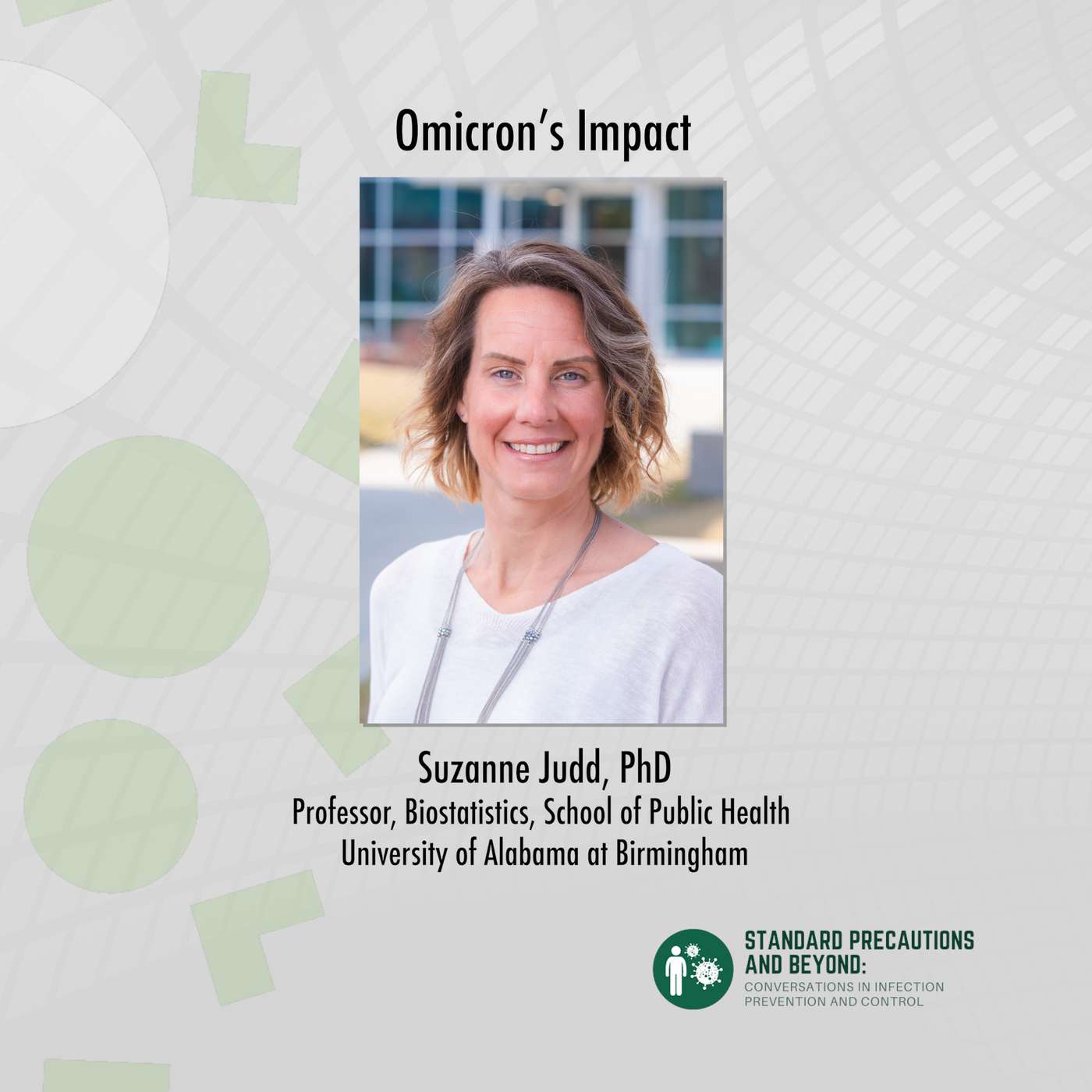
The Omicron variant continues to shatter records in the U.S. We’re learning more about the new variant, and, so far, it seems to spread faster but cause less severe illness than previous variants. There is a lot of speculation about the Omicron surge and its aftermath. To help us answer these questions, and for a look at how 2022 might unfold, we invited Dr. Suzanne Judd to join us for this podcast. Dr. Judd is the Director of the Lister Hill Center for Health Policy and a Professor in the School of Public Health at UAB.
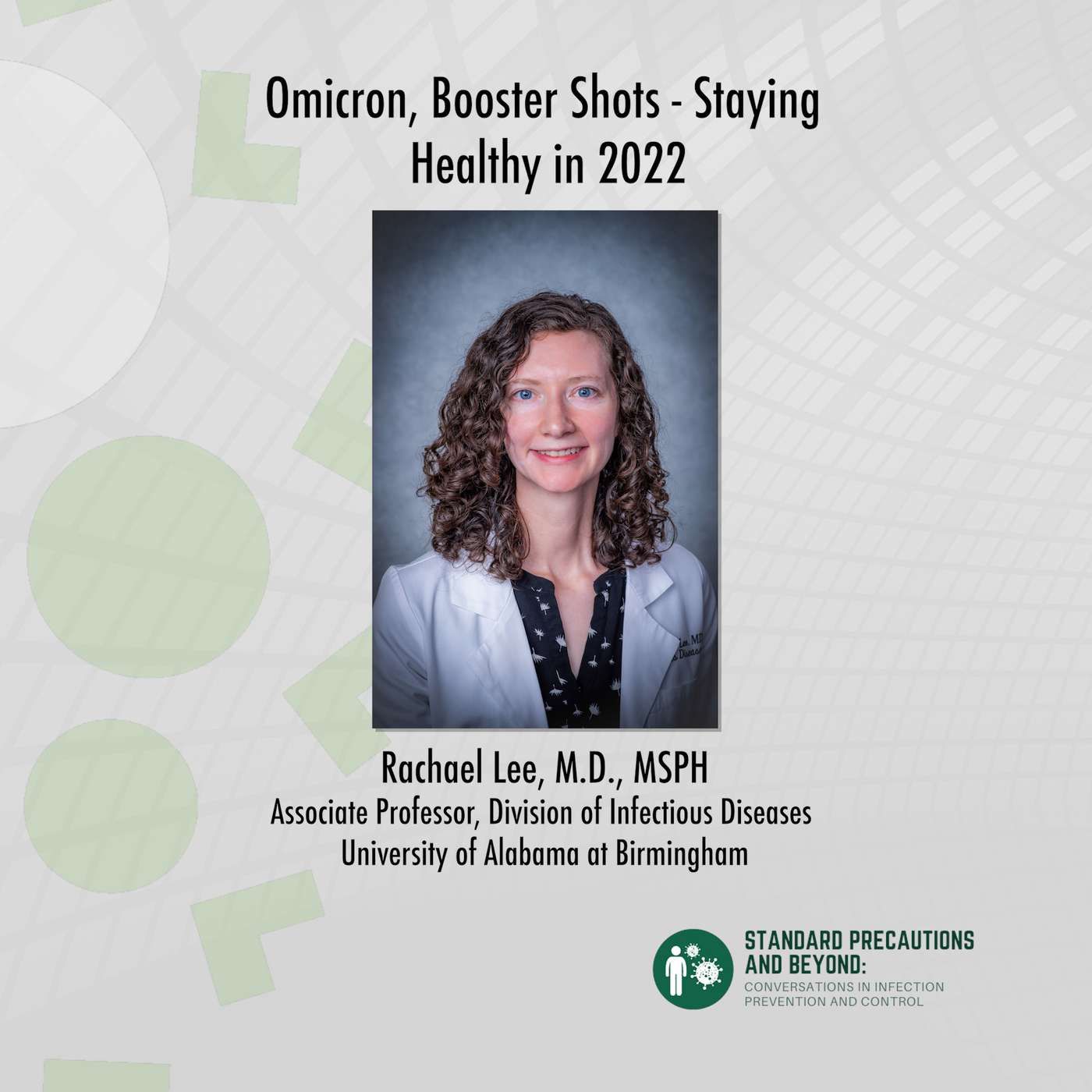
This past week the U.S. reported a record single-day number of daily Covid cases, with more than 1 million new infections, according to data compiled by Johns Hopkins University, as the highly infectious omicron variant continues to spread throughout the country and beyond. The U.S. also has the highest seven-day average of daily new cases in any country tracked by Johns Hopkins. Even though Omicron has only been around a short period time, it has quickly made its mark. We have invited Dr. Rachael Lee, Associate Professor in the UAB Division of Infectious Diseases and UAB Health Epidemiologist, to talk about all things related to the Omicron variant.
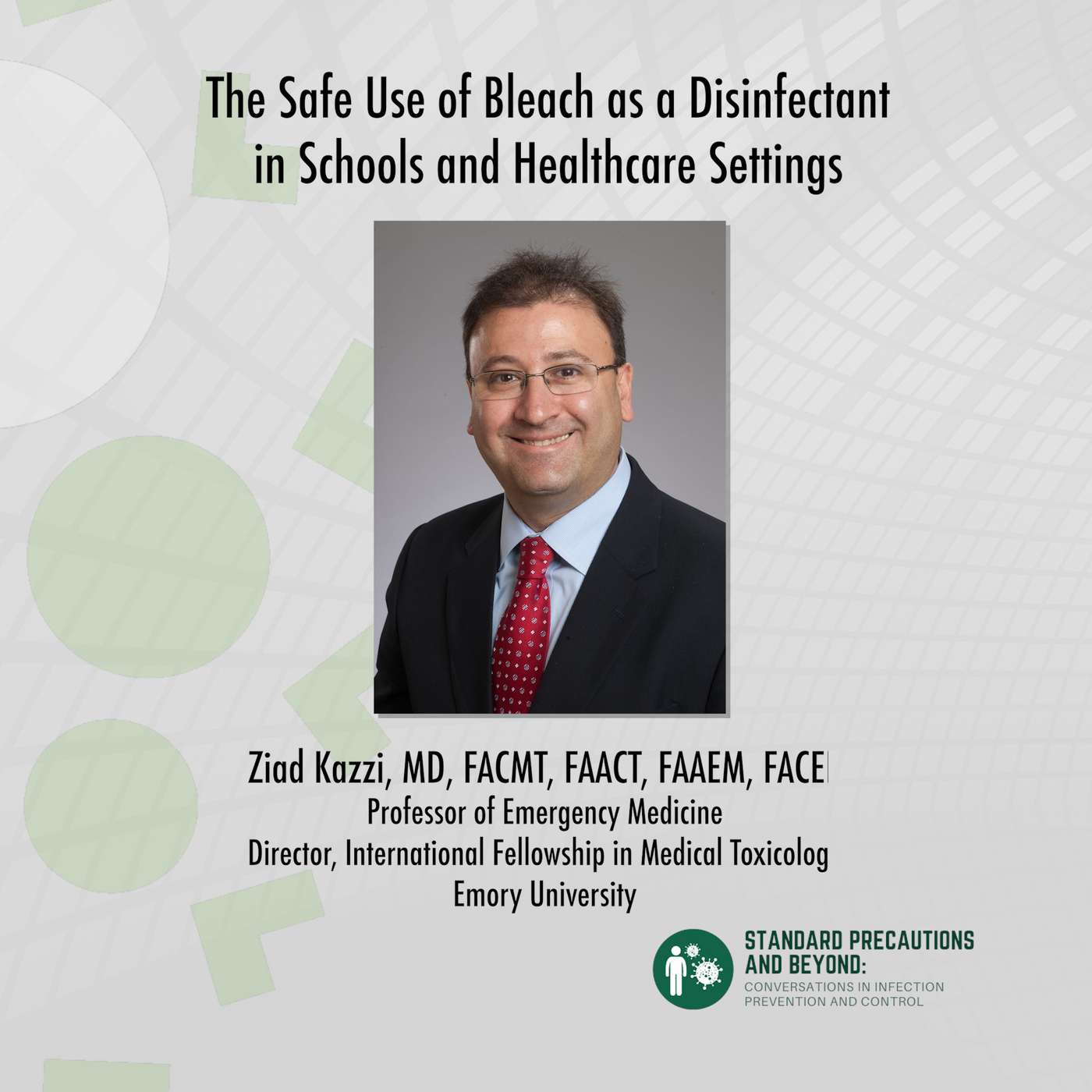
For More Information:List N: Disinfectants for Coronavirus (COVID-19) – (EPA)https://www.epa.gov/coronavirus/about-list-n-disinfectants-coronavirus-covid-19-0FDA (Safely Using Hand Sanitizers)https://www.fda.gov/consumers/consumer-updates/safely-using-hand-sanitizerCDC (Disinfection and Sterilization)https://www.cdc.gov/infectioncontrol/guidelines/disinfection/index.htmlAmerican Academy of Pediatrics (Healthy Children) – Cleaners, Sanitizers, and Disinfectants https://www.healthychildren.org/English/health-issues/conditions/prevention/Pages/Cleaners-Sanitizers-Disinfectants.aspxPediatric Environmental Health Specialty Units (PEHSU) Safer Disinfectant Usehttps://www.pehsu.net/Safer_Disinfectants.htmlAmerican College of Medical Toxicology Safe Disinfectant Usehttps://www.acmt.net/Safer-Disinfectant-Use.html
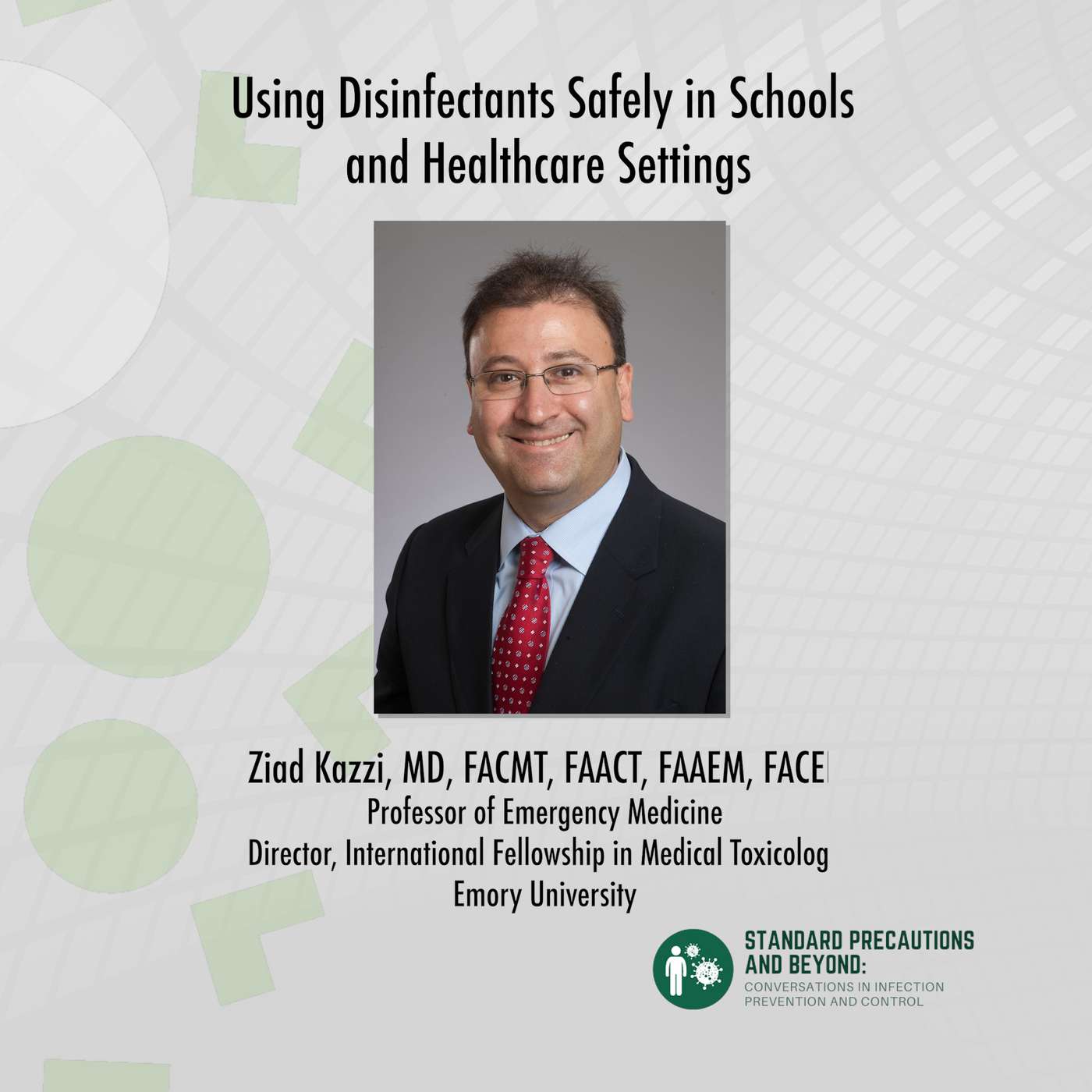
For More Information:List N: Disinfectants for Coronavirus (COVID-19) – (EPA) https://www.epa.gov/coronavirus/about-list-n-disinfectants-coronavirus-covid-19-0
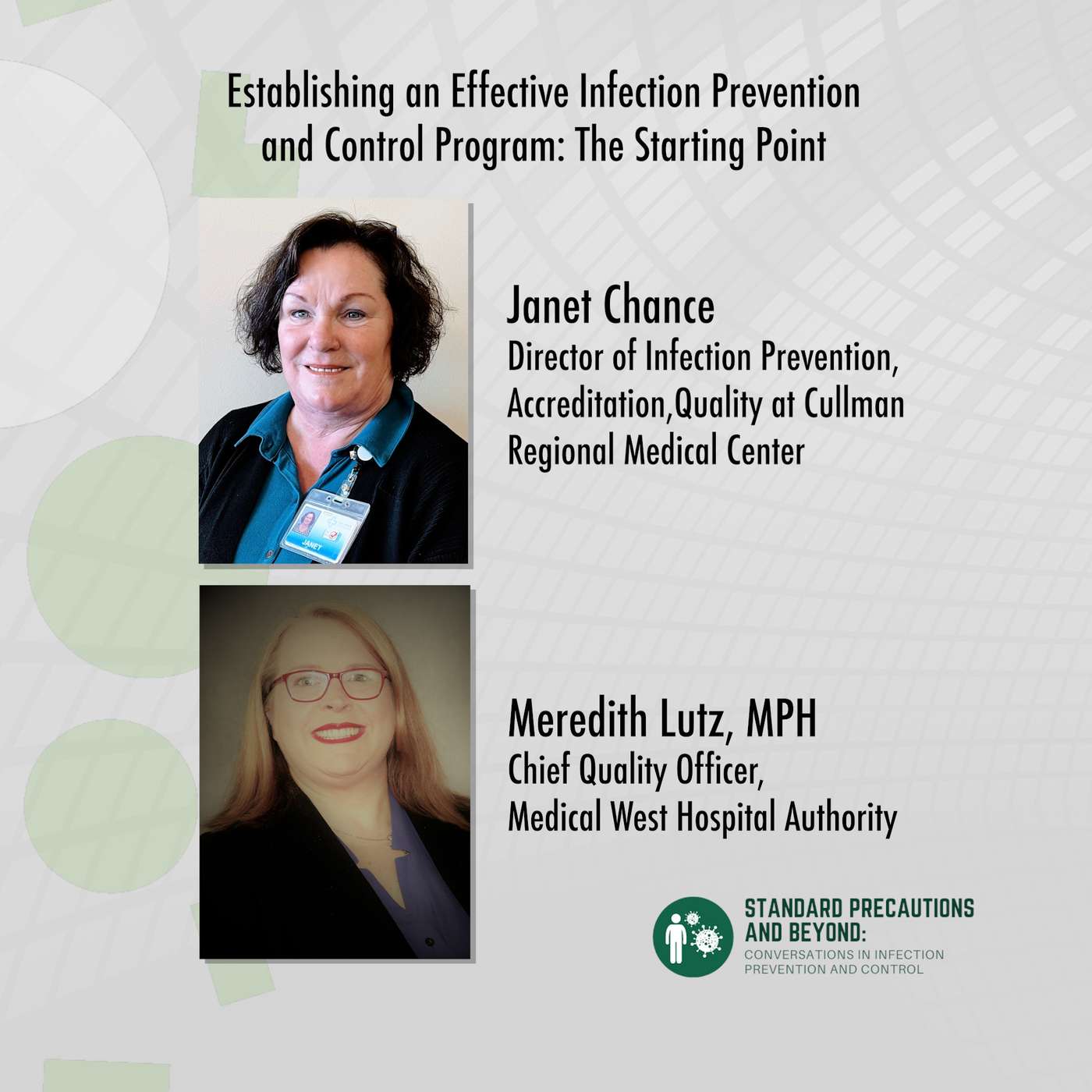
There are many components of an effective infection prevention and control program. The IPC risk assessment is the starting point for creating an IPC program. A risk assessment is used to identify important infection control issues in your organization and determine goals to include in your infection prevention and control plan. Per The Joint Commission, an annual infection prevention and control (IPC) risk assessment is required to define programmatic goals and objectives and to provide a framework for identifying gaps in services, safety or data as well as tracking progress in meeting specific goals. Today, we are joined by Janet Chance, Director of Infection Prevention, Accreditation, Quality at Cullman Regional Medical Center, and Meredith Lutz, Chief Quality Officer, Medical West Hospital Authority, to discuss risk assessment and planning for infection prevention and control specialists.
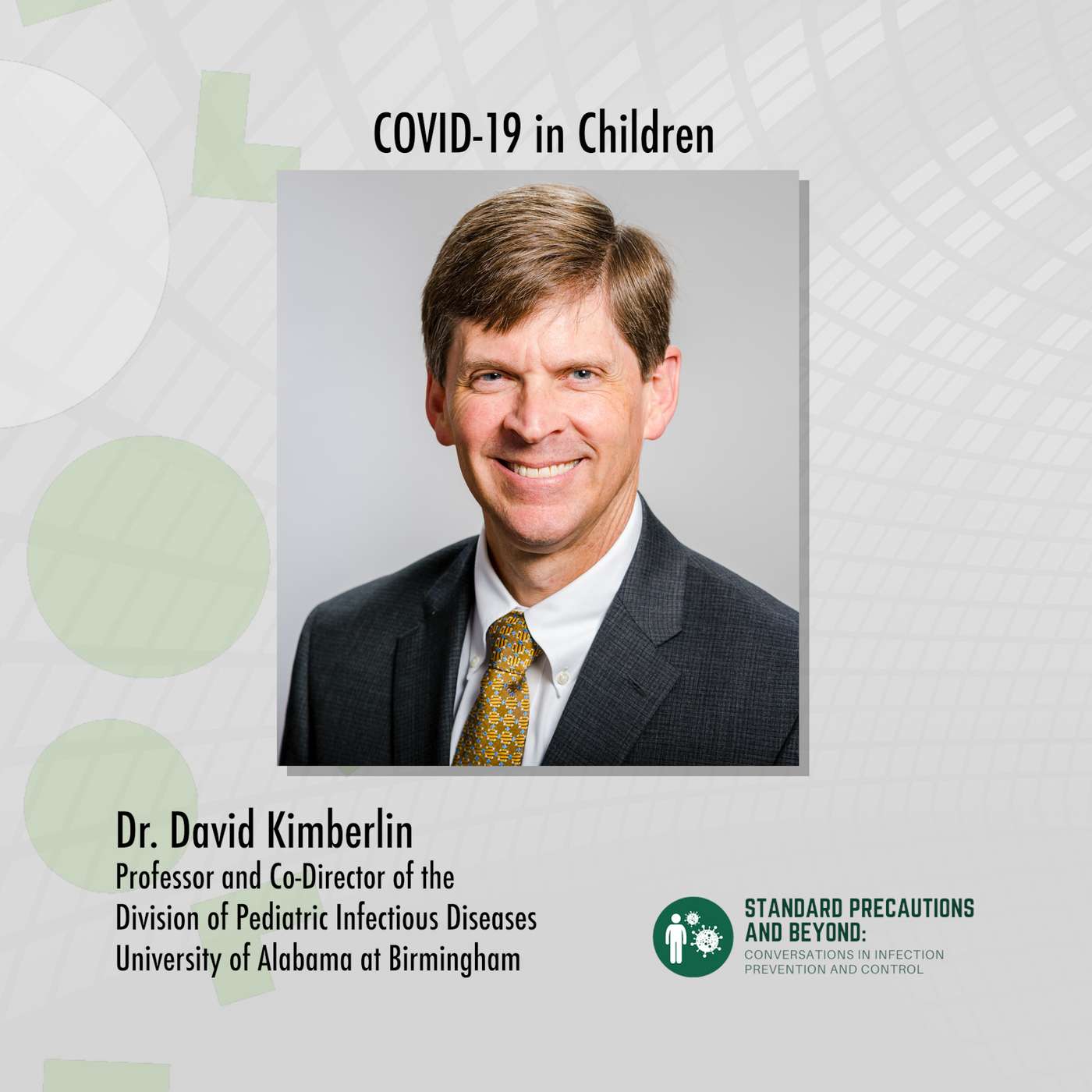
Dr. David Kimberlin, Professor and Co-Director of the Division of Pediatric Infectious Diseases at the University of Alabama at Birmingham, joined the podcast to discuss COVID-19 in pediatric patients, how to keep children safe from the Delta variant and to answer questions about COVID-19 vaccines for children. Thank you to our co-sponsor for this podcast, the Alabama Public Health Training Network (https://www.alabamapublichealth.gov/ALPHTN/) at the Alabama Department of Public Health https://www.alabamapublichealth.gov/index.html), a community-based training partner of the Region IV Public Health Training Center (https://r4phtc.org).
Comments

Download from Google Play

Download from App Store
 United States