


 Claim Ownership
Startups Decoded
Subscribed: 17Played: 79
Subscribe

© 2025 Startups Decoded
Description
Startups Decoded is a podcast that provides real-world insights into startup strategy and growth, featuring expert-led content, insider stories, and actionable takeaways for founders and investors. We bridge the gap between theory and practice, offering practical lessons to help entrepreneurs thrive in today’s fast-paced ecosystem. More than just a podcast, it's a resource for innovators who dive deep into the strategies behind building and scaling successful startups.
58 Episodes
Reverse
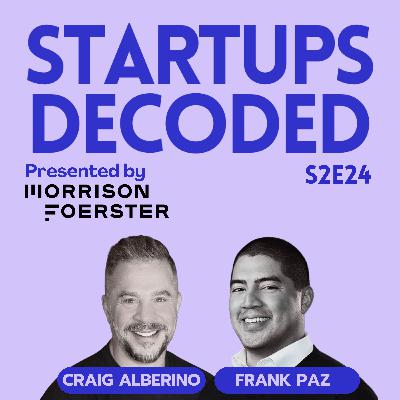
AI is moving fast, but durable businesses aren’t built on models alone. In this episode of Startups Decoded, Andy Walsh sits down with Frank Paz (Partner, Morrison Foerster) and Craig Alberino (Founder & CEO, LangSmart) to unpack what actually makes an AI company defensible and safe, as it scales.Craig brings the operator’s perspective on turning AI experimentation into governed, measurable systems. Frank provides the legal lens, breaking down what is truly protectable and where founders quietly create structural risk around IP, data rights, and open-source models.In This Conversation, We Cover:Beyond the Model: Why models alone don’t create durable moats.The "Vibe Coding" Trap: The IP nightmare of building on borrowed time or work resources.Governance at Scale: How operators manage cost, compliance, and reliability.IP Reality Check: What is actually protectable (code, data, trade secrets, and weights).Enterprise Ready: Structuring data-sharing partnerships and commercial agreements that pass the audit.Chapters:00:00 The Rise of AI in Business05:42 LangSmart's Approach to AI Compliance11:13 The Necessity of Strong Legal Counsel16:58 Understanding Intellectual Property in AI22:12 Enterprise Sales and Compliance Strategies27:58 Preparing for Investment and Due DiligenceGuests:Frank Paz is a Partner at Morrison Foerster, advising founders through the full corporate lifecycle, from formation to acquisition.Craig Alberino is the Founder & CEO of LangSmart, creator of Smartflow, the AI control plane for enterprise visibility and governance.Who Should Listen: Founders, CTOs, and investors who want to build AI businesses that survive the scrutiny of a Series A data room.Access All Areas.Listen: Apple || Spotify || YouTubeSubscribe: SubstackCommunity & Events: Founders CircleConnect: LinkedInSocials: TikTok || Instagram || XWeb: startupsdecoded.com Music Credit“Neptuno” – Phondupe (Album: Onykia)https://phondupe.bandcamp.com/album/air-conditioning-vol-2The Studio - 28th&Park Filmed on location at 28th&Park. A content & production studio for New York’s visionary Builders, Investors, Artists, Musicians, & Creators to amplify their voice & share bold stories. Use "Decoded" for 25% off your first booking.
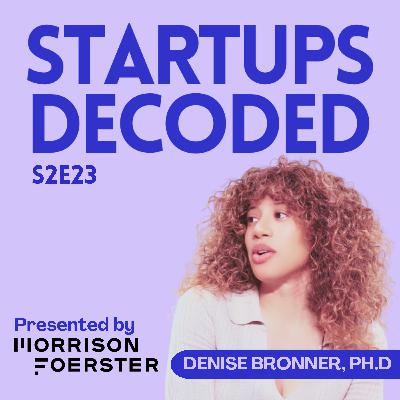
In this episode, Andy Walsh sits with Dr. Denise Bronner, a scientist-turned-strategist who has spent 15 years bridging the gap between the lab bench and the boardroom. As the founder of Empactful Ventures, Denise deconstructs the high-stakes reality of due diligence, transforming it from a “pop quiz” into a strategic mirror for operational maturity.Subscribe nowThe ConversationAndy and Denise dive into the “hard edge” where complex science meets venture capital. They discuss why founders must stop hiding from their data and start using it to build a narrative that survives the scrutiny of Seed through Series A rounds. From the “Pac-Man effect” of 2026 market consolidation to the emotional toll of M&A “lock-ins,” this is a raw look at what happens when the lights come on in the data room.Chapters00:00 Lab to Leadership: The Scientist’s Journey02:43 Bridging Science and Business08:23 Data Storytelling: Science Meets Strategy14:21 Understanding Your Investor Audience17:10 The Reality of Due Diligence22:48 Mergers & Acquisitions: Survival of the Transparent28:23 The Founder’s Toll: Empathy in the Exit40:10 The Pac-Man Effect: 2026 Market Trends“Due diligence isn’t a pop quiz—it’s a mirror. If you organize your truth, pressure helps you; it doesn’t hurt you.” — Denise N. Bronner, Ph.D.Who Should Listen:Founders in regulated spaces (Healthtech/Biotech), Ops leads tasked with data rooms, and investors refining their DD checklists.Access All Areas.Listen: Apple || Spotify || YouTubeSubscribe: SubstackCommunity & Events: Founders CircleConnect: LinkedInSocials: TikTok || Instagram || XWeb: startupsdecoded.comMusic Credit“Neptuno” – Phondupe (Album: Onykia)
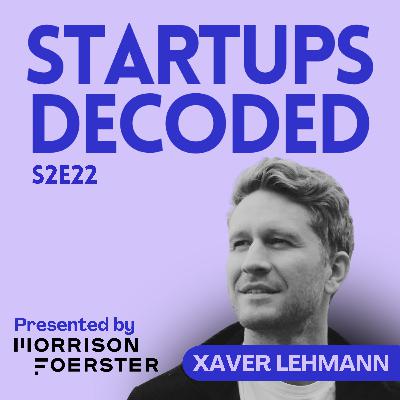
Xaver Lehmann built two AI startups, sold one for $60M, and paid the price most founders don’t talk about until it’s too late.Burnout. Identity loss. The quiet crash after the win.In this conversation, we unpack the part of the founder journey that usually gets skipped in pitch decks and podcasts. What actually happens after the exit. Why success can feel emptier than expected. And how building at full speed without designing your life first eventually catches up with you.Xaver shares what he learned the hard way, how burnout reshaped his definition of success, and why he now helps founders build companies without sacrificing their health, relationships, or sense of self. We talk about honest trade-offs, conviction-driven decisions, coaching versus content, and why “more” is rarely the answer founders think it is.This is a conversation for founders chasing big outcomes, and quietly wondering what it’s all costing them.Subscribe nowChapters00:00 The Journey to Exit: Reflections on Success01:40 From Investment Banking to Entrepreneurship06:26 Finding Product-Market Fit: The Evolution of a Startup12:18 Legitimizing the Business: Milestones and Growth17:06 Navigating the Acquisition Process: The Road to Exit23:08 The Emotional Toll of Exiting: Personal Struggles32:17 Rebuilding After the Exit: Finding New Purpose39:38 The Honest Founder: Sharing Experiences and LessonsXaver LehmannXaver Lehmann is a 2x AI founder, angel investor, and the founder of Honest Founder. After building and selling an AI company for $60M, he experienced founder burnout firsthand, reshaping how he thinks about success, growth, and leadership.Today, Xaver helps founders build and scale sustainably through coaching, writing, and digital frameworks rooted in lived experience rather than theory. He also invests in early-stage startups and funds with fast, conviction-led decisions.Beyond startups, Xaver supports wildlife conservation in South Africa and early childhood education initiatives in Cape Town. He has been recognised in Forbes 30 Under 30 Europe and DACH.Who Should ListenFounders chasing scale and big outcomesOperators navigating burnout or quiet doubtPost-exit founders asking “what now?”Anyone building ambitious companies without wanting to burn themselves downAccess All Areas.Listen: Apple || Spotify || YouTubeSubscribe: SubstackCommunity & Events: Founders CircleConnect: LinkedInSocials: TikTok || Instagram || XWeb: startupsdecoded.comMusic Credit“Neptuno” – Phondupe (Album: Onykia)Startups Decoded StudioFilmed on location at 28th&Park. A content & production studio for New York’s visionary Builders, Investors, Artists, Musicians, & Creators to amplify their voice & share bold stories. Use the code "Decoded" for 25% off your first booking.
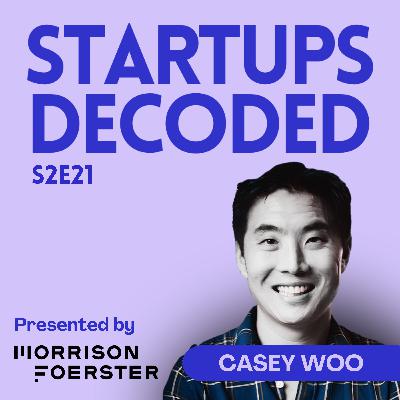
Casey Woo has spent over two decades inside the engine room of real companies, scaling startups as a 6x CFO and 2x COO across SaaS, marketplaces, hardware, eCommerce, and beyond.After walking away from a successful career in public markets, Casey chose the harder path: joining early-stage startups, eating glass, and learning how companies actually get built under pressure. Along the way, he founded the Operators Guild, a global community of 1,200+ elite builders, and FOG Ventures, an operator-led investment platform backing the modern operator and GTM stack.In this conversation, we unpack why generalist operators are becoming the new frontier for founders and investors. We talk about business as both physics and art, why judgment beats specialization early, what separates great operators from average ones, and why VCs increasingly back operator-led companies and platforms.This is an operator-first conversation about craft, execution, and building companies that actually work, without startup theater.Subscribe nowChapters00:02 Introduction to Operators and Generalists01:13 Casey Wu’s Journey from Wall Street to Startups03:22 The Cultural Shift: From Banking to Building05:34 The Role of Operators in Startups09:04 The Birth of the Operators Guild12:24 Defining the Roles: Founder vs. Operator15:31 The Evolution of the Operator Role16:30 The Impact of Technology on Operators22:34 Advice for Aspiring Operators22:42 The Importance of Community in Business24:23 Learning Through Experience25:40 Fundamentals of Business Success27:33 The Role of Human Relationships28:45 The Operators Guild and Knowledge Sharing34:31 Introducing Fog Ventures40:44 Customer Feedback and Product DevelopmentGuest BioCasey Woo is the Founder of the Operators Guild and General Partner at FOG Ventures, a leading operator-led investing platform.A former public markets investor, Casey has spent over 20 years operating inside high-growth companies as a 6x CFO and 2x COO, guiding startups from early-stage through hypergrowth, multiple funding rounds, and pre-IPO. His experience spans software, hardware, marketplaces, eCommerce, supply chain, real estate, and professional communities.Through the Operators Guild, Casey built a global network of more than 1,200 elite operators, the people responsible for scaling some of the fastest-growing companies in tech. Building on that foundation, he launched FOG Ventures, investing alongside operators in the modern operator and GTM software stack.email: casey@operators-guild.comAccess All Areas.Listen: Apple || Spotify || YouTubeSubscribe: SubstackCommunity & Events: Founders CircleConnect: LinkedInSocials: TikTok || Instagram || XWeb: startupsdecoded.comMusic Credit“Neptuno” – Phondupe (Album: Onykia)

Mike Adams has spent 30 years doing what most founders underestimate and then desperately need. Connecting people. Lead generationFrom HP to Apple to Zoom, and across 1,000+ events, Mike has built his career by understanding how trust, reputation, and introductions actually move deals forward. Now, as the founder of introstars, he’s turning referrals into the ultimate scalable lead-gen paradigm and opening up the intro economy to be measurable, trackable, and valuable.In this conversation, we unpack why the best growth no longer comes from cold outreach, why super connectors think differently about value, and how founders can build real leverage by investing in relationships long before they need them. We talk about the “intro economy,” the ethics of monetising connections, what kind of intros make the biggest difference, and why focusing your time on sending referrals to others will actually help your own business.This is a conversation for founders tired of shouting into the void and curious about building growth through trust instead of hacks.Chapters00:00 Introduction to Networking in the Age of AI02:02 Mike’s Journey: From Sales to Super Connector06:10 The Importance of Trust and Vulnerability11:56 Givers vs. Takers in Networking17:35 The Role of Introductions in Business Success24:01 Building Your Personal Brand Through Connections24:33 Building Trust and Reputation29:26 The Shift from Cold Outreach to Warm Introductions37:23 The Role of AI in Networking44:33 introstars: Connecting People for Mutual Benefit47:06 Closing Thoughts on Human ConnectionMike AdamsThe founder of introstars, an investor in 20+ startups, and the host of The Super Connectors Podcast. With over three decades in sales and marketing at companies including HP, Apple, and Zoom, Mike has built a reputation as a high-trust connector who understands how relationships really drive business.Through introstars, Mike is building the first platform designed to reward introducers for successful outcomes, turning introductions into a measurable and sustainable growth channel. He’s passionate about helping founders, operators, and investors unlock value through genuine connection rather than transactional networking.Who Should ListenFounders building partnerships and distributionOperators responsible for growth and BDInvestors who rely on trusted deal flowAnyone who believes relationships still matter in an AI-first worldAccess All Areas.Listen: Apple || Spotify || YouTubeSubscribe: SubstackCommunity & Events: Founders CircleConnect: LinkedInSocials: TikTok || Instagram || XWeb: startupsdecoded.comMusic Credit“Neptuno” – Phondupe (Album: Onykia)
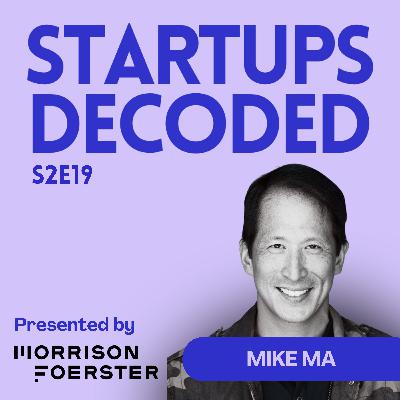
Mike Ma doesn’t invest in decks. He invests in people.As Managing Partner and Head Coach at Sidecut Ventures, Mike works with what he calls “coachable superheroes”, early-stage, mission-driven founders tackling real problems in economic mobility, healthcare, climate, and education.In this conversation, we unpack what it actually means to be coachable as a founder, why most advice fails in practice, and how real progress happens when coaching, capital, and execution collide. Mike shares lessons from the trenches — blending Fortune 500 experience with venture-backed CXO roles, and explains why the best founders don’t just seek answers, they build judgement.We also explore Sidecut’s hands-on approach to venture building, the parallels between adaptive sports coaching and startup leadership, and why helping founders unlock potential often means meeting them exactly where they are, not where the pitch says they should be.This episode is for founders who want fewer platitudes, better questions, and support that actually shows up.Chapters00:00 Introduction to Impact Investing02:42 The Thesis of Sidecut Ventures04:59 Understanding Impact and Returns07:49 The Case for Climate Investments10:41 The Duality of Capitalism13:06 The Role of Ethics in Business15:47 The Importance of Mission-Driven Founders18:33 Evaluating Founders Beyond the Surface23:54 The Foxhole: Partnering with Founders27:19 The Impact of Investment Models32:01 The Reality of Foundership36:50 Understanding the Founder’s Journey39:43 Evaluating Impact and Market RisksMike Ma Managing Partner and Head Coach at Sidecut Ventures, where he invests in and coaches early-stage, mission-driven founders working on some of society’s hardest problems.He brings a rare blend of Fortune 500 experience (Bank of America, Vanguard) and venture-backed CXO leadership(including Betterment and Own Up), rolling up his sleeves across product, strategy, and fundraising. Mike believes the best venture outcomes are built through proximity, trust, and real coaching, not performative advice.Sidecut Ventures: Pitch: https://www.sidecut.vc/pitch-usLinkedIn: https://www.linkedin.com/in/michaelwma/Presented by Morrison Foerster - mofo.comAccess All Areas.Listen: Apple || Spotify || YouTubeSubscribe: SubstackCommunity & Events: Founders CircleConnect: LinkedInSocials: TikTok || Instagram || XWeb: startupsdecoded.comMusic Credit“Neptuno” – Phondupe (Album: Onykia)
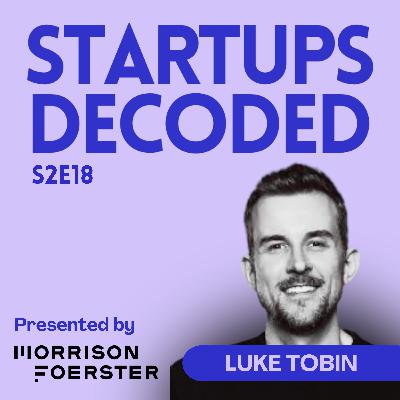
Startups Decoded - Presented by Morrison Foerster - mofo.com.Luke Tobin has built seven businesses across hospitality, e-commerce, and agencies. Three exits. One of them: an eight-figure agency sale that started with £100, no funding, and a healthy dose of imposter syndrome.Today, Luke sits at the messy intersection of founders, capital, and exits, backing businesses, fixing broken agency models, and coaching operators to turn self-doubt into fuel instead of friction.In this episode, we get brutally practical on what actually drives profitable growth, why most agencies never become exit-ready, how to price for margin (not ego), and why thinking like a buyer early changes everything. This is an operator conversation, not “founder vibes”. If you want a business that works without you sweating through every Monday, press play.Subscribe nowChapters00:00 Introduction to Entrepreneurship and Exits10:31 The Journey of Building and Selling Businesses19:14 Structuring for Success: Frameworks and Control22:02 Uncovering Unique Value in Startups23:27 Prioritizing Impactful Outcomes25:39 Balancing Human Intelligence and AI27:25 Effective Automation Strategies29:06 Navigating Growth Stages in Business31:56 The Importance of Agility in Startups34:09 Cultural Dynamics in Team Growth37:32 Hiring Smart: The Founder’s Dilemma39:31 Investment Insights and Founder EvaluationLuke TobinLuke Tobin is a founder, investor, and operator with three exits and seven businesses built across hospitality, e-commerce, and agencies. He scaled his most recent agency from £100 to an eight-figure exit in five years with no external funding.Today, he’s the founder of Unusual Group, owner of Tobin Capital, partner at A-Frame Venture Studio, and author of The Success Method newsletter read by 100,000+ founders weekly. Luke advises founders on pricing, operations, hiring, and exits with a relentless focus on building businesses that actually work.Who Should ListenAgency owners who want better margins (and a real exit path)Founders dealing with imposter syndrome while scalingOperators building without funding and without delusionInvestors who care about operator-led growthAnyone who wants the real playbook behind profitable businessesAccess All Areas.Listen: Apple || Spotify || YouTubeSubscribe: SubstackCommunity & Events: Founders CircleConnect: LinkedInSocials: TikTok || Instagram || XWeb: startupsdecoded.comMusic Credit“Neptuno” – Phondupe (Album: Onykia)
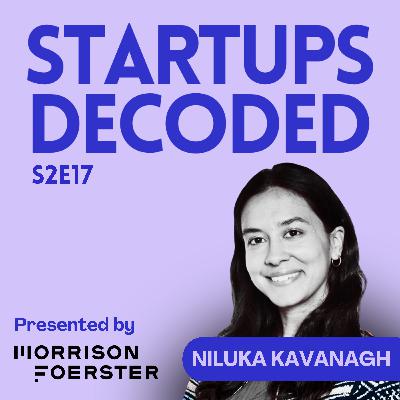
Niluka Kavanagh left Big 4 consulting with a simple question: Can I work for myself, and can I do it from anywhere?That question turned into an experiment, then a business, then ImagineThat, a global club for first-time founders who are trying to build something without losing themselves in the process.We talk about the unsexy realities people don’t plan for: uncertainty, isolation, confidence dips, and the weird moment where you realise “being your own boss” can still mean being owned by customers. Niluka shares the framework she uses with founders to go from “I’ve got skills” to “I’ve got a business,” why you should design your life before you design your model, and why your personal brand is the only asset that survives pivots.This is a conversation for anyone in corporate with a pull toward independence, and anyone early-stage who wants fewer vibes and more clarity.Subscribe nowChapters00:00 The Journey of Transitioning from Corporate to Entrepreneurship03:08 Finding Purpose and Vision in Business05:53 Understanding the Risks and Rewards of Entrepreneurship08:44 Building a Support Network for Founders11:35 The Importance of Market Validation14:25 Creating a Founder Brand and Authentic Storytelling22:27 Building Your Founder Brand25:41 The Importance of Values in Branding29:47 The Power of Storytelling in Personal Branding34:07 Recognizing Your Achievements as a Founder38:31 The Role of Community in Entrepreneurship43:20 Creating a Supportive Environment for FoundersNiluka Kavanagh A founder, executive coach, keynote speaker, and creator focused on the future of work.She is the Founder of ImagineThat, the global club for new founders, and the creator of The Modern CEO, a leadership program helping companies evolve into next-generation workplaces.Previously, she worked as a consultant at KPMG with clients like Mastercard, Tesco, and London Stock Exchange, co-founded KPMG FutureThinkers, and led communications for KPMG SheCan.Niluka has spoken at leading universities, including Oxford, Trinity College Dublin, and Edinburgh University, and her work has been featured in The World Financial Review and Cambridge University Press.Who Should ListenNew founders transitioning out of corporate rolesExecutives leading younger or hybrid teamsOperators building modern leadership culturesAnyone curious about how careers, ambition, and identity are reshaping entrepreneurshipMusic Credit“Neptuno” – Phondupe (Album: Onykia)Access All Areas.Listen: Apple || Spotify || YouTubeSubscribe: SubstackCommunity & Events: Founders CircleConnect: LinkedInSocials: TikTok || Instagram || XWeb: startupsdecoded.com
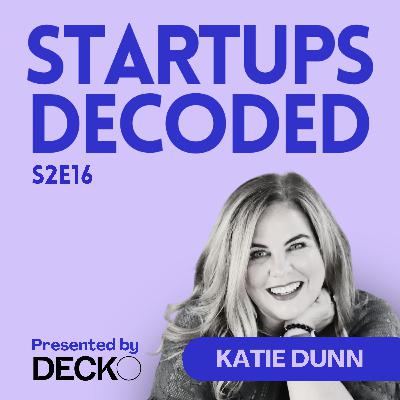
Women, BIPOC, and LGBTQIA+ founders still get boxed out of capital, but Katie Dunn has built her angel investing thesis to do the opposite, and she’s doing it with actual reps (29 investments) and serious financial scar tissue (25+ years in banking with $10B financed).Subscribe nowIn this episode, Katie breaks down what early-stage angels really look for when they say they’re “betting on the founder”, why most cold outreach fails (hint: nobody reads the investor’s thesis), and how underrepresented founders can cut through the noise with clarity, credibility, and a simple story that lands.We also get into the underrated part: investor relationships. Katie explains why your first investors should be your easiest next-round capital, why founders go dark when things get hard (and how that backfires), and how angels often deliver more value than VCs because they actually have time, context, and intent to help.If you’re raising pre-seed/seed, building community, or trying to stop fundraising from eating your soul, this one’s a practical reset.Chapters00:00 Introduction to Angel Investing04:18 Katie’s Journey in Finance06:55 The Importance of Diversity in Funding10:04 The Role of Immigrants in Startups12:43 Building Community and Networks15:30 The Value of Collaboration18:23 The Role of Angels vs. VCs21:07 The Importance of Communication23:45 Finding the Right Investors26:45 Using Technology to Connect29:32 Assessing Founders and Their Pitches32:20 The Art of the Pitch Deck35:01 Final Thoughts and ResourcesKatie DunnAn experienced angel investor, board director, and startup advisor investing in underrepresented U.S. founders at the pre-seed and seed stages, primarily in CPG and technology. Through Masthead Strategies, she’s helped founders raise over $30M by combining investor psychology, storytelling, and AI-powered tools.Her portfolio includes Outcast Brands (Blood Monkey Gin, Two Shores Rum), Another Tomorrow, Juliet Wine, WTHN, Forecastr, and Goodword. Katie also serves on the boards of Outcast Brands and the Enthuse Foundation, and advises Fierce Foundry, a femtech venture studio.Who Should ListenFounders preparing to raise pre-seed or seed capitalUnderrepresented founders seeking tactical fundraising adviceAngels or new investors looking to sharpen their evaluation processAnyone who wants to understand how trust, clarity, and communication drive funding decisionsMusic Credit“Neptuno” – Phondupe (Album: Onykia)Access All Areas.Listen: Apple || Spotify || YouTubeSubscribe: SubstackCommunity & Events: Founders CircleConnect: LinkedInSocials: TikTok || Instagram || XWeb: startupsdecoded.comStartups Decoded is a reader-supported publication. To receive new posts and support my work, consider becoming a free or paid subscriber.
Startup investing used to be gated, exclusive networks, complex diligence, and full-time fund managers. But what if anyone could build a startup portfolio the same way they’d shop online?In this episode, Cheryl Kellond, serial founder and CEO of Play Money, shares how her platform is democratizing early-stage investing by pairing curated deals from new fund managers with an experience that feels more like shopping than finance. We dive into her journey from launching Bia Sport and Apostrophe (acquired by Centivo) to building Play Money, the new “fantasy league” for startup investing.Expect a candid lesson on why making startup capital more inclusive can reshape who gets funded and who gets to build wealth.Subscribe nowChapters00:00 Introduction to Play Money and Its Mission04:37 The Challenges of Accessing Capital11:21 The Evolution of Early Stage Investing16:59 Understanding the Angel Investment Landscape22:30 The Role of Education in Angel Investing28:20 The Founder Experience on Play Money33:49 Building Trust and Validation in Startups39:27 The Future Vision for Play MoneyCheryl KellondFounder & CEO of Play Money, is a concept-to-launch expert who has driven $750M+ in revenue from healthtech, SaaS, hardware, and media products. She previously founded Apostrophe (Techstars ’17, acquired by Centivo) and Bia Sport (Lemnos ’12), and has launched major products at Adobe, Yahoo, and E*TRADE. Voted Denver’s Most Admired CEO and a 40 Over 40 honoree, she’s passionate about disrupting legacy industries and building founder-friendly ecosystems.Who Should ListenAspiring angel investors who want a smarter, accessible entry pointFounders curious about new funding pathwaysEmerging fund managers building their first LP baseAnyone interested in wealth-building through startups without “full-time VC” complexityMusic Credit“Neptuno” – Phondupe (Album: Onykia)Access All Areas.Listen: Apple || Spotify || YouTubeSubscribe: SubstackCommunity & Events: Founders CircleConnect: LinkedInSocials: TikTok || Instagram || XWeb: startupsdecoded.com
As AI moves from clever tool to “virtual teammate,” nowhere is the shift more real than in finance.In this episode of Startups Decoded, Invoice Butler founder & CEO Mihir Deo joins Andy Walsh to explore what happens when AI agents start doing the unglamorous work humans have always done—chasing invoices, managing cash flow, and acting like your accounts team.We unpack how Invoice Butler is quietly replacing manual accounts receivable workflows with an AI-powered, human-backed agent, what that means for trust, brand, and relationships, and why the future of finance teams is smaller, sharper, and heavily automated, not human-free.Subscribe nowChapters00:00 Introduction to AI and Trust06:48 The Impact of AI on Business Dynamics10:58 The Birth of Invoice Butler16:51 How Invoice Butler Works22:54 The Future of Automation and Human Touch37:44 Target Customers and Vision for Invoice ButlerMihir Deo:Founder & CEO of Invoice Butler. With a background in software and product development, Mihir is focused on building AI tools that solve real problems, blending automation with human-first design.Invoice Butler:Invoice Butler blends AI efficiency with human oversight to deliver automated financial processes businesses can actually trust — reducing admin, improving cash flow, and giving founders more time to focus on growth.Music Credit: “Neptuno” - Phondupe (Album: Onykia)Access All Areas.Listen: Apple || Spotify || YouTubeSubscribe: SubstackCommunity & Events: Founders CircleConnect: LinkedInSocials: TikTok || Instagram || XWeb: startupsdecoded.comStartups Decoded is a reader-supported publication. To receive new posts and support my work, consider becoming a free or paid subscriber on Substack.
In this episode, Andy Walsh sits down with Jennifer Lewis, former Founder CEO of queer social app Lex, to unpack the full arc from first fundraise to exit.Jennifer shares what really happens behind the scenes when you’re raising as a queer female founder, how she navigated a co-founder departure mid-fundraise, and why “perfect data rooms” don’t close rounds, relationships, and conviction do.They walk through how she scaled Lex into a beloved LGBTQ+ community, decided to sell to 9count, and protected the mission and culture through the acquisition.If you’re a founder wrestling with fundraising, leadership, or whether to sell, this is a candid, hard-won playbook from someone who’s actually done it.Subscribe nowJennifer LewisJennifer is an expert in launching and scaling startups from Seed to Series B. With global experience across Nike, Universal Music, Unilever, and Pepsi, she brings a bold, creative mindset to growth. She’s known for her work in women’s health, LGBTQ+ tech, and community-driven brands, and has led Lex through a major rebrand and exit. Jennifer has won 3 marketing effectiveness awards and over 40 creative awards.Chapters00:00 Introduction to the Journey of a Founder01:28 From Advertising to Startups: Jennifer’s Background04:47 Building Lex: A Personal Mission09:57 The Importance of Fast Decision-Making17:19 Navigating Co-Founder Dynamics and Fundraising21:53 Navigating Leadership and Team Dynamics25:34 Lessons from Fundraising Challenges29:12 The Reality of Fundraising for Female Founders33:16 The Importance of Culture in Acquisitions36:41 Reflections on the Acquisition Decision39:59 Exploring New Ventures and Personal GrowthAbout LexLex is a social app for LGBTQ+ connection, inspired by vintage personal ads. Originally launched in 2019, it grew into a vibrant digital community for queer expression, with over 1 million downloads and millions of messages sent monthly. In 2024, Lex was acquired by 9count, home to other social platforms like Wink and Summer.Music Credit:“Neptuno” - Phondupe (Album: Onykia)Access All Areas.Listen: Apple || Spotify || YouTubeSubscribe: SubstackCommunity & Events: Founders CircleConnect: LinkedInSocials: TikTok || Instagram || XWeb: startupsdecoded.com

Robert Harary found his first venture deal while in high school detention, and hasn’t looked back since. Today, he sits at the center of the venture ecosystem as both an investor and founder, with a decade-plus obsession for making access to capital more transparent, efficient, and equitable.Robert is the #2 at Evolution VC Partners, where he’s been part of 300+ Culture Tech investments. He runs Timeless Ventures as GP, and has investments in companies like Colossal, Figure AI, and Sindarin. On the founder side, he co-founded DECKO (helping 300+ startups and funds raise $1.2B+) and Raisi (bringing founders in front of 2,000+ investors monthly).Startups Decoded is brought to you by Decko. Contact Decko and use the code word "Decoded" for 20% off. HQ@GetDECKO.comIn this conversation, we break down:Why access to capital, not ideas, is the biggest bottleneck for foundersHow Robert evaluates moonshots (and why he backed OpenAI early)Lessons learned from co-founding DECKO and WeraiseWhere the venture ecosystem is failing—and what needs to changeHis belief that democratizing capital will unlock the next wave of transformative companiesChapters00:00 The Utopian World of Fundraising06:40 The Evolution of Pitch Decks13:16 Crafting the Perfect Pitch Deck20:12 Understanding Investor Psychology21:59 Cold Outreach and Investor Engagement23:50 The Three Pillars of Startup Success26:08 Effective Cold Email Strategies28:29 The Art of Storytelling in Fundraising32:40 Investor Marketing as a Relationship Game39:14 Building Long-Term Investor RelationshipsGuest BioRobert Harary is an investor, founder, and venture capitalist obsessed with making capital access more equitable. He is a GP at Timeless Ventures, #2 at Evolution VC Partners (300+ Culture Tech investments), and an angel investor in moonshots, including OpenAI and Colossal. He has co-founded DECKO and Weraise, platforms that have helped 300+ startups and funds raise $1.2B+ from Sequoia, a16z, Accel, YC, and others.Who Should ListenFounders frustrated by investor access or gatekeepingInvestors curious about democratized deal flowOperators interested in the “deck science” behind successful fundraisingAnyone tracking moonshot bets reshaping the futureMusic Credit“Neptuno” – Phondupe (Album: Onykia)Access All Areas.Listen: Apple || Spotify || YouTubeSubscribe: SubstackCommunity & Events: Founders CircleConnect: LinkedInSocials: TikTok || Instagram || XWeb: startupsdecoded.com

Attorney, entrepreneur, and policy leader Ashley D. Bell is building Redemption Bank, a modern Minority Depository Institution designed to give founders something Silicon Valley rarely does: non-dilutive capital that preserves ownership.With experience spanning the SBA, the White House, and co-founding the National Black Bank Foundation with Dr. Bernice A. King (daughter of Dr. Martin Luther King Jr.), Ashley is fusing community banking, MDI syndication, and fintech infrastructure into a new model of founder finance.In this episode, we break down how to use banks—not just VCs—to extend runway, stabilize cash cycles, and raise without giving up equity.What We CoverWhy Redemption Bank: the market gaps MDIs can uniquely fill—credit where venture dollars don’t reachDebt > Dilution (sometimes): picking the right facility (LOC, equipment, AR, revenue-based) for your stageUnderwriting that sees your business: when ARR, AR aging, and cohorts matter more than FICOSyndication & Scale: how MDIs partner to increase check sizes without predatory termsTreasury as RevOps: banking tools that speed collections, reduce working-capital dragSignals & Stakeholders: why banking with a mission brand opens doors (enterprise, municipal, talent)Playbook: the 30-day path to “bank-ready” for early-stage companiesChapters 00:00 Introduction to Modern Banking and Treasury05:42 Ashley Bell's Journey to Redemption Bank11:08 The Legacy of Dr. Martin Luther King Jr.16:11 Redemption Bank's Unique Approach to Banking20:15 The Importance of Role Models in Entrepreneurship26:36 Reimagining Banking for Modern Founders34:25 Building Community and Trust in BankingAshley D. BellCo-Founder, Chairman & CEO of Redemption Bank. A former SBA Regional Administrator and White House policy advisor, he co-founded the National Black Bank Foundation with Dr. Bernice A. King to channel capital into underserved communities. As an attorney and entrepreneur, he’s focused on building a scalable, tech-forward MDI that expands access to responsible credit for founders and small businesses.Who Should ListenFounders exploring non-dilutive options (SaaS, e-comm, services)Operators/finance leads responsible for cash conversion cyclesAngels/seed investors advising portco’s on runway without dilutionEcosystem builders interested in MDIs, community finance, and equitable growthMusic Credit“Neptuno” – Phondupe (Album: Onykia)Access All Areas.Listen: Apple || Spotify || YouTubeSubscribe: SubstackCommunity & Events: Founders CircleConnect: LinkedInSocials: TikTok || Instagram || XWeb: startupsdecoded.com
94 percent of sports-science research excludes female physiology.The result? A $10 billion fitness industry that burns women out, leads to injury, and disrupts hormonal health.Lizzy Palmer, Founder and CEO of SyncN, is changing that. SyncN is the first cycle-aware fitness and nutrition platform that personalizes training and nourishment around women’s hormonal rhythms — used by athletes, creators, and founders who want performance without burnout.Sponsored by CherubIn this conversation, Lizzy unpacks:How SyncN helps founders align health with high performance — designing systems for consistency, not guilt.The hidden toll of fundraising — what chronic stress does to founders’ energy, hormones, and focus, and how to lead without self-erasure.Scaling through partnerships — how SyncN’s growth strategy ties mission to distribution through gyms, coaches, and women’s health platforms.What a free 6-month trial on SyncN?*Visit the SyncN Linktree and use the word Decoded” to unlock a Startups Decoded exclusive trial today. (Conditions apply)Disclosure: Andy Walsh serves as an advisor to SyncN. The views expressed here are my own and not influenced by my advisory role.Chapters00:00 Introduction to Health and Wellness for Founders01:21 Lizzy’s Journey: From Dance to FemTech04:37 The Gap in Female Health Research09:10 Understanding Female Physiology and Hormones13:16 Training Female Athletes: The Importance of Cycle Awareness17:57 Self-Compassion and Acceptance in Fitness22:15 Normalizing Conversations Around Menstruation25:53 Partnerships and Collaboration in FemTech28:15 Building Partnerships for Growth31:20 The Importance of Action in Partnerships32:52 Leveraging Professional Relationships36:10 Storytelling and Education in Fitness39:34 Mental Health and Founder Life43:50 Navigating Fundraising Challenges49:45 Introducing Sync In: A New Approach to Women’s HealthGuest BioLizzy Palmer is the Founder and CEO of SyncN, a cycle-aware fitness and nutrition platform helping women train and fuel in sync with their physiology. A former UX researcher at Meta and Roblox and a professional dancer and fitness coach, Lizzy founded SyncN to close the research gap in women’s health and empower female founders to optimize performance without burnout.Check out SyncNMusic Credit“Neptuno” – Phondupe (Album: Onykia)Access All Areas.Listen: Apple || Spotify || YouTubeSubscribe: SubstackCommunity & Events: Founders CircleConnect: LinkedInSocials: TikTok || Instagram || XWeb: startupsdecoded.com
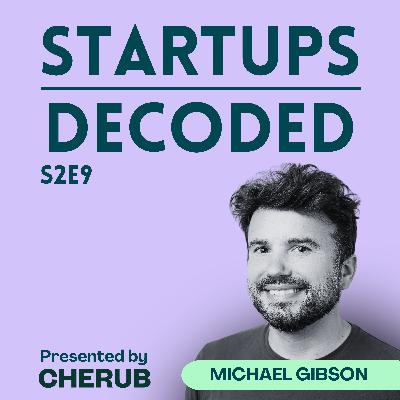
Forget Ivy League. Build Your Own Startup Empire.From Peter Thiel’s Fellowship revolution to building the 1517 Fund, Michael Gibson has made a career out of betting on outsiders. In this episode, he reveals how Thiel’s philosophy, back people, not pedigrees, shaped his mission to fund dropouts, renegades, and deep-tech builders rewriting the future.We unpack how to spot unconventional talent before the world does, why early bets on unproven founders can outperform safe money, and how the next wave of transformative startups won’t emerge from Ivy League halls, but from the edges of the system.Chapters00:00 From Journalism to Venture Capital: A Unique Journey07:05 The Dynamics of Founders and VCs12:50 The Role of Experience in Venture Capital17:32 Investing in Young Founders: The 1517 Fund22:56 Backing Renegades: A New Approach to Investment24:36 The Democratization of Innovation25:36 Identifying the Renegade Mindset28:10 The Impact of Educational Systems on Creativity32:25 Curiosity as a Key Trait36:20 The Role of Unorthodox Thinking38:40 Challenging the 10,000 Hour Rule42:16 The Importance of Unique Perspectives45:48 Managing Investor ExpectationsGuest BioMichael Gibson is the co-founder and general partner of 1517 Fund, a venture firm dedicated to backing dropouts, renegade students, and deep tech scientists who challenge the traditional path. Before starting 1517, he was Vice President of Grants at the Thiel Foundation, where he helped launch and run the Thiel Fellowship, and worked at Thiel Capital. With an academic background in philosophy from Oxford and early editorial roles at places like MIT Technology Review, Michael brings both intellectual depth and contrarian edge to venture capital. At 1517, he’s leading a reformation of how innovation is funded, betting on people with the courage to break from convention.Michael Gibson LinksLinkedInXBook: "Paper Belt on Fire"Who Should ListenFounders who’ve taken the unconventional path — dropouts, outsiders, or builders challenging industry norms.Aspiring entrepreneurs looking for insight into how Peter Thiel’s philosophy still shapes venture investing today.VCs and angel investors who want to understand how to spot raw, uncredentialed talent before it becomes obvious.Operators and innovators curious about how deep-tech and frontier thinkers are funded at the idea stage.Music Credit“Neptuno” – Phondupe (Album: Onykia)Access All Areas.Listen: Apple || Spotify || YouTubeSubscribe: SubstackCommunity & Events: Founders CircleConnect: LinkedInSocials: TikTok || Instagram || XWeb: startupsdecoded.com
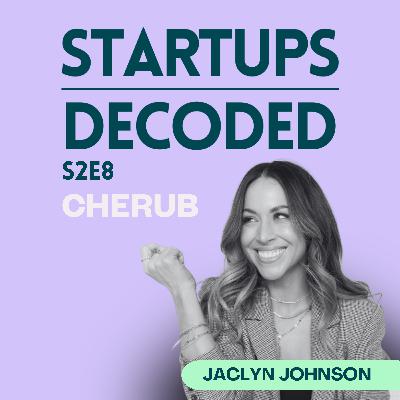
Jaclyn Johnson is a powerhouse entrepreneur, investor, and advocate for women in business.By 35, she had already launched and sold two multimillion-dollar companies, including Create & Cultivate, a first-of-its-kind platform for female entrepreneurs that scaled to eight-figure revenue and partnered with Fortune 500 brands like Amazon, Mastercard, and Microsoft.Now, she’s back with Cherub, a double-sided marketplace designed to bridge the gap between underrepresented founders and democratizing access to category-defining companies. As both an angel investor and advisor, Jaclyn has backed businesses like Away, Live Tinted, and Chillhouse, bringing hard-won experience from her own journey into the founder–funding relationship.Subscribe nowIn this conversation, we break down:Jaclyn’s origin story: why she built CherubHow she approaches angel investing and the lessons she’s learnedWhat makes a great angel pitch (and what doesn’t)The realities of being an accredited investorWhy representation in funding isn’t just moral, it’s market-changingChapters00:00 The Importance of Angel Investments02:49 Jaclyn’s Journey as a Founder and Investor05:41 Understanding Angel Investors vs. Venture Capitalists08:28 The Role of Angel Advisors11:23 Building Relationships with Angels14:15 The Power of Brand Fame17:25 Cherub’s Mission and Deal Flow20:07 Educating Angels and Standardizing Investments23:13 Creating Effective Fundraising Pages26:12 The Role of Analytics in Fundraising29:04 Onboarding Founders to Cherub32:01 Connecting with Angels: Best Practices35:03 Diversifying the Investment Landscape37:58 The Future of Angel Investing40:35 Special Offers for Founders on CherubGuest BioJaclyn Johnson is the founder of Cherub and creator of Create & Cultivate, which she scaled to an eight-figure exit while reshaping how brands and communities support female entrepreneurs. Named a Forbes 30 Under 30 and an Adweek Disruptor, Jaclyn is an angel investor and advisor to companies including Away, Live Tinted, and Chillhouse. She’s dedicated to making capital and community more accessible for underrepresented founders while equipping the next generation of women entrepreneurs to scale.Who Should ListenFounders raising their first angel roundEntrepreneurs seeking representation and resourcesPeople curious about Angel Investing and how to get startedOperators looking to understand the angel landscapeMusic Credit“Neptuno” – Phondupe (Album: Onykia)Access All Areas.Listen: Apple || Spotify || YouTubeSubscribe: SubstackCommunity & Events: Founders CircleConnect: LinkedInSocials: TikTok || Instagram || XWeb: startupsdecoded.com
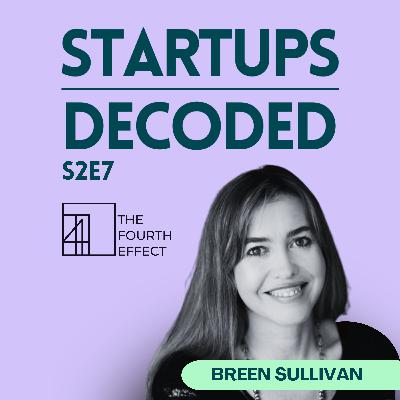
What if founders could get the right advisor, investor, or board talent exactly when they need it, before they even ask?In this episode, Breen Sullivan (Founder & CEO, The Fourth Effect; longtime startup GC and board leader) lays out how AI is changing founder access: surfacing who you need and when, structuring “fit-for-purpose” advisory and board relationships, and turning connections into outcomes.We unpack why traditional networks leave too many founders behind, how to make boards growth drivers (not just governance), and how smarter, dynamic advisory models can lift retention, capital access, and founder resilience.Chapters00:00 Introduction to Boards and Advisories02:49 The Role of Community in Startups05:33 Understanding Advisory Boards08:12 The Impact of AI on Advisory Boards11:05 Fit for Purpose: Dynamic Advisory Relationships14:03 Navigating Advisor Roles and Responsibilities16:27 The Importance of Early Advisory Engagement19:32 Leveraging Advisors for Fundraising22:15 The Fourth Effect Platform Overview24:58 Connecting Founders with Advisors27:42 The Future of Advisory Boards and Capital RaisingBreen SullivanBreen Sullivan is Founder & CEO of The Fourth Effect and a seasoned startup executive, board member, and former General Counsel across high-growth companies. She focuses on building inclusive, ROI-driven boards and advisory networks that strengthen execution, fundraising, and leadership. She’s a leading voice on board diversity, founder access, and equitable innovation.The Fourth EffectWho Should ListenFounders building advisory benches and early boardsOperators/execs considering advisor or independent director rolesAngels and VCs exploring advisor-investor modelsBuilders designing AI-assisted founder support workflowsMusic Credit“Neptuno” – Phondupe (Album: Onykia)Access All AreasListen: Apple || Spotify || YouTubeSubscribe: SubstackCommunity & Events: Founders CircleConnect: LinkedInSocials: TikTok || Instagram || XWeb: startupsdecoded.com
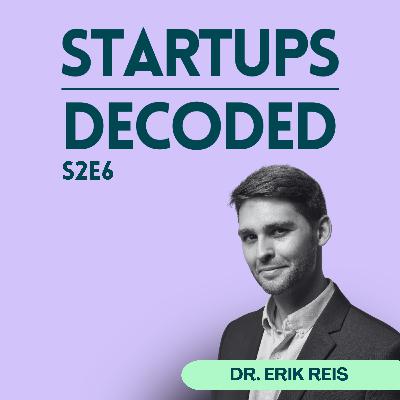
How integrative care, AI, and behavior design are reshaping health: prevention-first, data you own, and systems busy founders can stick to.Founders are optimizing everything, except their health. Quick fixes don’t scale, and siloed care leaves people guessing.In this episode, Dr. Erik Reis, Co-Founder & Director of Health & Wellness at Nobody Studios and founder of The Neural Connection, maps a practical path to holistic, evidence-based wellness. We cover prevention vs. reaction, integrating Eastern + Western approaches, what data you should actually track, and how startups can build credible wellness products without the hype. If you’re building or buying health tech, or just trying to perform at a high level, this is your playbook.If you’re a founder, operator, or investor in health, performance, or longevity, this one’s for you.Subscribe nowchapter titles00:00 Introduction to Holistic Health and Medicine01:20 Dr. Erik’s Journey into Healthcare03:43 The Role of Technology in Healthcare09:29 The Importance of Preventative Care12:39 Integrating Eastern and Western Medicine16:51 Empowering Patients through Technology20:59 Behavioral Change in Health Management23:51 The Influence of Genetics and Lifestyle on Health25:36 Harnessing Technology for Health Management27:54 The Role of Data in Healthcare29:37 Collaboration and Innovation in Healthcare31:29 The Basics of Longevity and Health33:42 The Future of Startups in Health and WellnessDr. Erik ReisCo-Founder & Director of Health & Wellness, Nobody Studios; Founder, The Neural Connection (integrative neuro clinic). Erik specializes in complex neuro cases and scalable wellness systems that blend traditional therapies, modern neuroscience, and practical behavior design. His through-line: teach people to own their data, build prevention into daily life, and use tech to amplify, not replace, human care.Connect with Dr. Erik Reis:Nobody StudiosThe Neural Connection ClinicDr. Erik Reis - LinkedInWho should listenSeed–Series B founders optimizing health/performanceHealthtech builders aiming for evidence-based productsOperators/investors evaluating prevention and longevity playsMusic Credit: “Neptuno” - Phondupe (Album: Onykia)Access All Areas.Listen: Apple || Spotify || YouTubeSubscribe: SubstackCommunity & Events: Founders CircleConnect: LinkedInSocials: TikTok || Instagram || XWeb: startupsdecoded.com
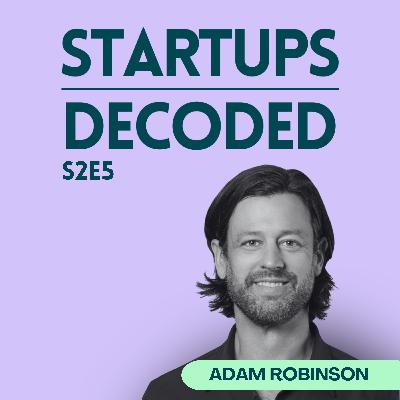
OpenAI’s latest “Zapier-killer” headlines were sobering, but Adam Robinson already did the unthinkable: he removed every human from RB2B, a $6M ARR SaaS, for seven days and let AI agents run sales, support, and onboarding, zero intervention.The outcome?Revenue growth held (+4%/mo), 96.6% answer accuracy in sales chats, and 89% support resolution with no customer meltdowns.In this conversation, Adam unpacks:The real playbook behind the stuntWhy he designs his business to fit AI tools (not the other way around)How great documentation and Intercom Fin “guidance” drive resolution,Where agent workflows replace repetitive tickets,Why he’s doubling down on PLG, freemium, and simplicity, even in a high-churn category.We get into transparency, customer expectations, and why a profitable, small team can now beat over-tooled incumbents.Also: Yes, the week he “disappeared,” Adam was off-grid at Burning Man.Subscribe nowChapters00:00 Why agents now (and the OpenAI “Zapier-killer” moment)02:06 From Lehman Brothers to bootstrapped SaaS operator04:56 The 7-day no-humans experiment: scope & safeguards09:07 Build-to-AI: shaping product so agents can handle the work12:50 Lean, profitable, small: the appeal of a high-margin micro-org17:35 Adapting process to tools (not tools to process)23:06 Intercom Fin “guidance,” escalations, and transparency25:44 Churn reality: category dynamics and buyer persona30:10 Agent workflows: auto-diagnosing email invites (SendGrid)34:05 Feedback loops: weekly founder calls and customer insights39:19 Human connection vs. agent efficiency in 202542:33 Embracing imperfection—and why “simple wins”Guest BioAdam Robinson is Founder & CEO of Retention.com and RB2B. He bootstrapped Retention.com from $0 to $22M ARR in four years and previously built Robly to an eight-figure exit. A former CDS trader at Lehman Brothers/Barclays, he now builds lean, profitable SaaS—and publishes the receipts.Who Should ListenSaaS founders optimizing for profitability over headcountOperators implementing AI in sales, support, and onboardingInvestors tracking agentic automation and PLG at scaleBuilders designing “self-running” products and processesMusic Credit“Neptuno” – Phondupe (Album: Onykia)Access All Areas.Listen: Apple || Spotify || YouTubeSubscribe: SubstackCommunity & Events: Founders CircleConnect: LinkedInSocials: TikTok || Instagram || XWeb: startupsdecoded.comStartups Decoded is a reader-supported publication. To receive new posts and support my work, consider becoming a free or paid subscriber.

Comments

Download from Google Play

Download from App Store
 United States