


 Claim Ownership
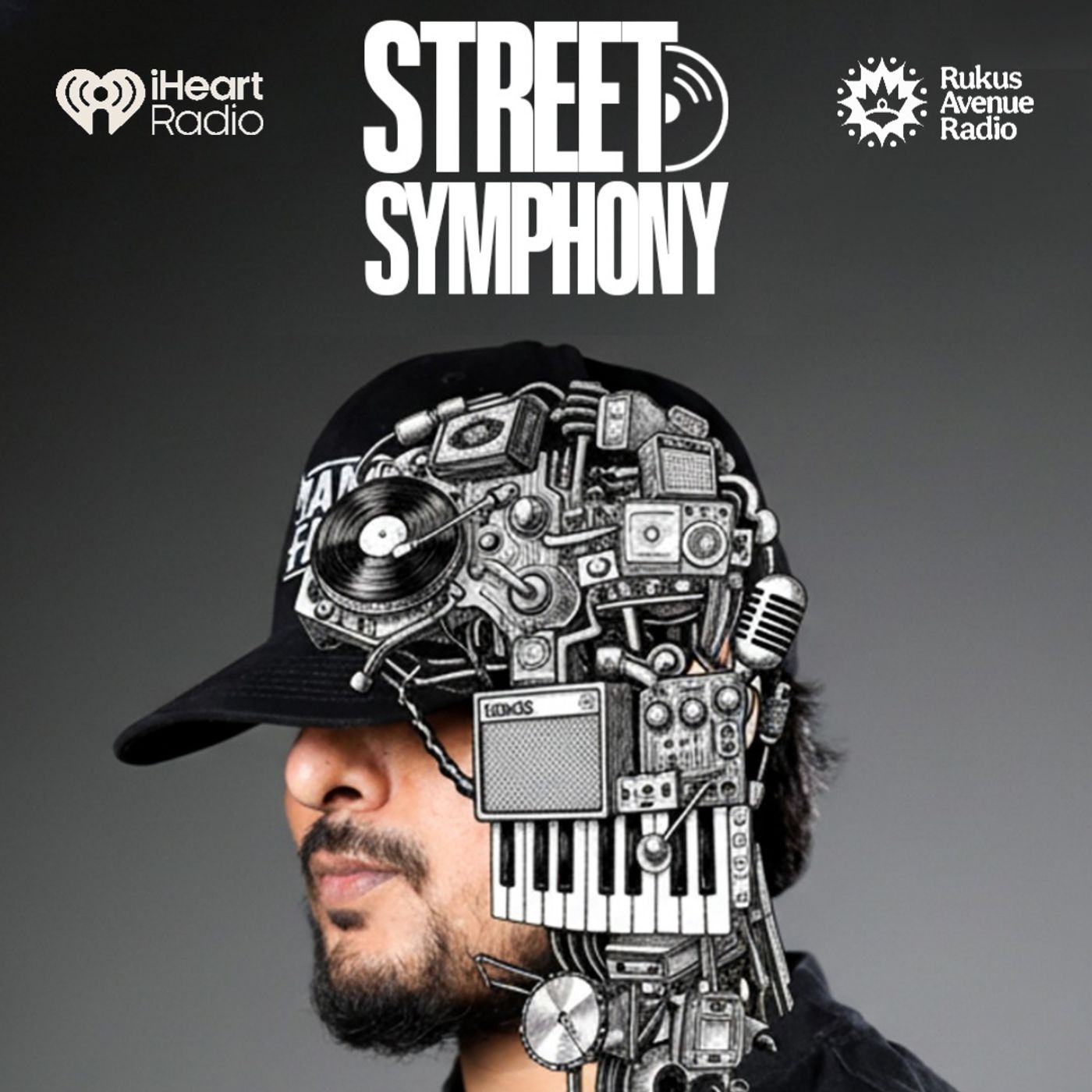
Street Symphony
Subscribed: 0Played: 0
Subscribe

© RUKUS AVENUE RADIO 2025
Description
Step into the heartbeat of Hip Hop. Street Symphony takes you on a complete musical journey—uncovering the culture’s rich history, the origin stories of legendary artists, and the struggles that shaped their success. Each episode blends education with rhythm, spotlighting both underground gems and mainstream voices, while celebrating Hip Hop’s true significance. This isn’t just a show—it’s the sound of a culture that changed the world.
Where Hip Hop speaks, and the streets listen.
Where Hip Hop speaks, and the streets listen.
3 Episodes
Reverse
Gangsta rap didn’t just arrive — it erupted. In Kranti, we dive into the moment Hip Hop turned into a weapon of truth on the West Coast, where the streets weren’t just rhymed about — they were documented.This episode unpacks how Ice-T, N.W.A, Eazy-E, Dr. Dre, Ice Cube, and later Snoop transformed rap into a revolutionary broadcast against reality:police brutality, racial profiling, crack era aftermath, gangs, poverty, and survival.We explore how Ice-T first shaped the narrative of street realism, and how N.W.A shattered the silence with Straight Outta Compton — not just an album, but an uncompromising report from the frontline.When they said “F**k tha Police,” it wasn’t shock value — it was resistance, a cry from communities punished, ignored, and unheard.Gangsta rap became the voice of the oppressed, the sound of a neighborhood fighting back.It wasn’t glamour — it was grit, anger, truth, and protest pressed into rhythm.In Kranti, we decode:how West Coast streets shaped the subgenrehow music turned into social rebellionhow rap evolved from party culture to political and personal warfare through wordsPresented in Hindi, Kranti reveals the moment Hip Hop stopped entertaining… and started challenging the system.Segment NameHost IntroPre Rap Era in LARise of Gangsta rap The World most dangerous groupStreet RevolutionCreator of the West Coast sound
After Aarambh, comes Sangharsh — the struggle, the rise, the voice of Hip Hop finding its power. This episode traces the turning points when emcees transformed the movement from block parties to a global stage.It begins with Sylvia Robinson, the visionary who heard the rhythm in the streets and turned it into a revolution, producing “Rapper’s Delight” — Hip Hop’s first commercial hit. From there, Grandmaster Flash and the Furious Five changed everything with “The Message,” proving rap could carry social truth, pain, and power, birthing a new conscious subgenre.Then came RUN DMC, breaking barriers with their bold style, Adidas sneakers, and raw delivery — making rap a cultural and commercial force. LL Cool J, only 17, rose as Hip Hop’s first solo superstar, bringing charisma and emotion to the mic.Big Daddy Kane followed, blending slick confidence with lyrical finesse, redefining what it meant to be a smooth operator in Hip Hop. KRS-One, the “Teacha,” gave the culture purpose — using rap as a weapon of knowledge. And then Rakim, the “God MC,” arrived — rewriting the art of rhyming with his internal flows and complex cadences, elevating lyricism forever.Sangharsh captures the grind, genius, and growth of Hip Hop’s golden voices — the era when rap stopped being just a sound… and became a statement.👉 Tune in. Feel the struggle. Respect the evolution.Segment NameHost IntroHow rapper became centre point of Hip HopEvolution of rap new subgenreHip Hop 1st Corporate dealRise of 1st Solo SuperstarThe Voice of the Desi StreetsThe Smooth OperatorBlast Master KRS ONETHE GOD MC
The story of Hip Hop begins here. In this episode, we take you back to the birth of Hip Hop—to the block parties of the Bronx where DJ Kool Herc first extended the breaks, where Grandmaster Flash revolutionized turntablism, and where Afrika Bambaataa shaped the movement into a culture. We uncover how graffiti became Hip Hop’s visual voice and trace the roots of the very term “Hip Hop.”Presented in Hindi, Aarambh is not just history—it’s the first step into understanding how a street-born expression grew into a global culture.
Comments

Download from Google Play

Download from App Store
 United States