


 Claim Ownership
THRIVE 120 Podcast
Subscribed: 2Played: 26
Subscribe

© Mike Okouchi
Description
136 Episodes
Reverse

TL;DRA few weeks ago someone asked me on Instagram: if I could only choose four tests to check whether the terrain — the internal environment — is still safe for cancer to return, which four would I pick? This episode is the answer. The four are a metabolic panel (glucose, insulin, HbA1c, triglyceride/HDL ratio, hsCRP, vitamin D, homocysteine), deuterium levels, the omega-3 index, and 8-Oxo-guanine (a marker of oxidative DNA damage). I also cover four bonus markers — LDH, NK cell activity, ferritin, and GlycoMark — and where to get several of these run yourself if your doctor won’t order them.* Book a Metabolic Blueprint Session with me: calendly.com/tripleplaydoc/complimentary-consult* Order your own omega-3 index test: OmegaQuant* The core idea: the right question isn’t “did it come back” — it’s “is my body still a place cancer could thrive.” That’s the terrain, and it’s what conventional follow-up rarely checks.* Test 1 — Metabolic Terrain Panel: glucose, insulin, HbA1c, triglyceride/HDL ratio, hs-CRP, vitamin D, and homocysteine. Insulin resistance and chronic inflammation are consistently linked to cancer recurrence,¹ and “normal” lab ranges are far looser than the optimal ranges Dr. Mike targets post-cancer.* Case story: “Sandra” had a clean oncology bill of health, but her metabolic panel told a different story — every marker inside “normal,” every one outside optimal. Six months of correcting it, and she felt like herself again.* Test 2 — Deuterium levels: an overlooked marker of mitochondrial function. Excess deuterium gums up ATP production, and cancer cells’ metabolism may get a competitive edge in a high-deuterium environment.³* Test 3 — Omega-3 Index: a ~3-month tissue-level reading of EPA/DHA in red blood cells — a better marker than diet recall, with direct ties to inflammation and immune surveillance.⁵ Order it yourself through OmegaQuant.* Test 4 — 8-Oxo-guanine: a direct, real-time biomarker of oxidative DNA damage — not theoretical risk.⁶* Bonus markers: LDH, NK cell activity, ferritin, and GlycoMark round out the picture when standard labs won’t order the core four.* Bottom line: these aren’t one-and-done tests — they’re a dashboard. Ask for them by name, and track trends over 3/6/12 months.References* Obesity, metabolic syndrome, insulin resistance, and chronic inflammation as drivers of cancer risk and recurrence — Klinická onkologie: 10.48095/ccko2026S36* Vitamin D’s role in immune function, anti-tumor effect, and patient prognosis — Nutrients: 10.3390/nu15112592* Blocking intracellular deuterium accumulation prevents cancer-related gene expression, tumor development, and tumor recurrence — 10.1177/10732748211068963* Deuterium-depleted water inhibits proliferation and migration of cancer cells in vitro — Biomedicine & Pharmacotherapy: 10.1016/j.biopha.2013.02.001* Omega-3 index / red blood cell EPA+DHA methodology — Journal of Clinical Lipidology: 10.1016/j.jacl.2019.07.001* OGG1 and repair of 8-oxoguanine oxidative DNA lesions, linking oxidative damage to cancer and inflammation — DNA Repair: 10.1016/j.dnarep.2025.103827* Natural killer cell activity and tumor immune surveillance — International Immunopharmacology: 10.1016/j.intimp.2026.117160Links mentioned:* Book a Metabolic Blueprint Session: calendly.com/tripleplaydoc/complimentary-consult* Order an omega-3 index test: OmegaQuantDisclaimer: This article is educational, not medical advice. Please talk to your doctor or a qualified functional medicine practitioner before ordering or acting on any of the labs discussed below, especially if you’re currently in treatment, pregnant, nursing, or managing another chronic condition. Optimal ranges cited here reflect my own clinical approach and are not a replacement for guidance from your own care team. This is a public episode. If you'd like to discuss this with other subscribers or get access to bonus episodes, visit tripleplaydoc.substack.com/subscribe
Almost every patient who says “I wish I’d taken my health seriously sooner” already knew what to do - they just didn’t do it. This episode breaks down why, and it’s not laziness. Five forces are working against you: your brain is wired to choose right now over long-term, decision fatigue wears down your willpower by evening, chronic symptoms have quietly become “normal,” optimism bias and identity make healthy choices feel like a rejection of who you are, and information overload leads to giving up altogether. The fix isn’t more willpower. It’s a three-step reset: audit where you actually stand, make one healthy choice automatic, and reframe health as infrastructure instead of indulgence.Ready to build your plan? Book a Metabolic Blueprint Session →What This Episode CoversThis episode opens with a Jim Rohn line worth returning to: “Take care of your body. It’s the only place you have to live.” Most of us maintain our cars better than we maintain ourselves, and this episode is about why, using both psychology and biology to explain it.It’s built around a pattern that shows up constantly in practice: patients who knew what they needed to do for their health and simply didn’t do it. That’s not a willpower problem. It’s five specific forces working against every one of us, followed by three concrete moves to work with your biology instead of against it.The 5 forces keeping you stuck1. Hyperbolic discounting. Your brain is hardwired to choose the donut today over the healthy heart in 20 years — because you can think about the future, but you can’t feel it the way you feel right now.2. The silence problem. A broken bone sends you to the ER. Inflammation, blood sugar dysregulation, and hormonal imbalance don’t hurt — so you assume you’re fine. This episode shares a (identity-protected) patient story: someone who’d been coming in for three years before mentioning, almost as an afterthought, that she was exhausted all the time. Labs and a few changes later, she realized she’d been operating at roughly 40–45% capacity without knowing it.3. Normalized poor health. When everyone around you is tired, inflamed, and running on empty, those symptoms stop registering as problems — they just start looking like “being an adult.” As this episode puts it: “Tired is not normal. Inflamed is not normal. Wired and tired is not normal.”4. Optimism bias and identity anchoring. The “it won’t happen to me” voice, plus the way unhealthy habits get tied to identity, culture, and family — turning down food at a gathering can feel like rejecting the people you love; skipping happy hour can feel antisocial.5. Information overload. Keto, carnivore, vegan, seed oils good, seed oils bad, eggs are bad, eggs are a superfood — the constant contradictions lead to what psychologists call learned helplessness: people stop trying to figure it out and just do nothing.None of this is about motivation. It’s about understanding the forces working against you so you can work with yourself instead of against yourself.The 3-step resetStep 1 — Do a health audit. Take five minutes and rate yourself 1–10 on energy, sleep, digestion, stress, and mental clarity. Write the numbers down. You can’t improve what you’re not measuring.Step 2 — Make one healthy choice the default. Don’t try to fix everything at once. Pick one thing and automate it — workout clothes laid out the night before, supplements on the counter, one home-cooked meal a week. One default habit changes the trajectory.Step 3 — Reframe health as infrastructure, not indulgence. Exercise isn’t time stolen from your family. Sleep isn’t selfishness. Ordering the salad isn’t being difficult. Health is the foundation everything else — career, relationships, joy — is built on top of. Picture your life as a number followed by zeros: health is the 1. Everything else — career, relationships, joy — are the zeros behind it. Lose the 1, and all you have left is zeros.Notable Quotes“Take care of your body. It’s the only place you have to live.” — Jim Rohn“Tired is not normal. Inflamed is not normal. Wired and tired is not normal.”“You’re either in a state of growth or in a state of decay.”“When the foundation cracks, everything above it suffers.”Your Next StepIf this episode described you — you know what to do, but keep running into roadblocks — the coaching programs referenced are built to give you the exact order of operations instead of leaving you to figure it out alone:* Metabolic Reset Reboot* Metabolic Momentum Accelerator* Cellular Reboot AcceleratorStart with a conversation: Book a Metabolic Blueprint Session → to identify what’s actually holding you back and map your top three priorities.Disclaimer: This content is educational, not medical or psychological advice. Please consult your own physician or licensed provider before making changes to your health routine, especially if you're managing a chronic condition. These statements have not been evaluated by the FDA. This is a public episode. If you'd like to discuss this with other subscribers or get access to bonus episodes, visit tripleplaydoc.substack.com/subscribe
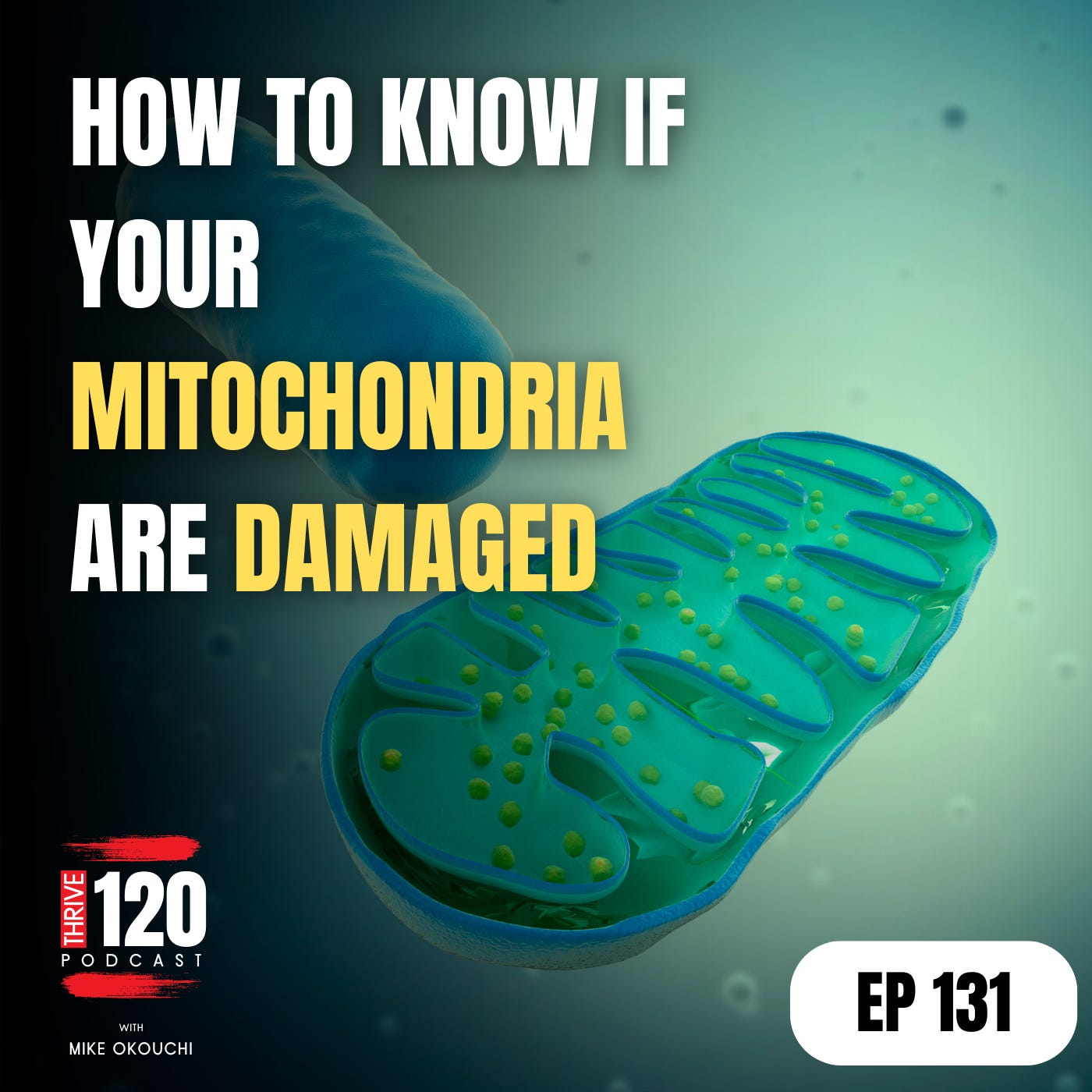
A Nobel Prize-winning discovery from 1931 described a cellular “fermentation switch” tied to cancer. That same switch shows up — in a much milder form — in millions of exhausted, foggy, always-cold people who’ve never had the right tests run.TLDR: Fatigue that sleep doesn’t fix. Brain fog. Always cold. Muscle heaviness. Crashing after a workout. These aren’t personality traits or “just aging”; they’re often signs that your mitochondria, the tiny power plants inside every cell, aren’t running the way they should. In this episode, I walk through:* What mitochondria actually do (in plain English)* The 6 physical warning signs your body sends when they’re struggling* The 5 lab markers that reveal mitochondrial stress — most of which your standard panel isn’t interpreting correctly* Why your body’s pH and proton gradient might be the most underrated marker you’ve never heard of* 8 ways to start rebuilding mitochondrial function this week, starting todayWhat Mitochondria Actually Are (In Plain English)This is a very rudimentary explanation…Every one of your roughly 37 trillion cells contains tiny structures called mitochondria. Their job is to take the food you eat and the oxygen you breathe and convert them into a usable form of energy called ATP (adenosine triphosphate).Think of it like currency exchange. Food is your paycheck. But you can’t pay your bills with a paycheck directly. You have to convert it into cash first. That’s what mitochondria do. Your heart, brain, and liver cells are packed with hundreds to thousands of them, because those organs demand the most energy.So the real question is: what happens when those mitochondria get damaged?The Warburg Connection And What It Actually Tells UsIn 1931, German biochemist Otto Warburg won the Nobel Prize in Physiology or Medicine for his work on cellular respiration. Part of what made him famous was an earlier observation: many cancer cells generate energy primarily through fermentation (a process called aerobic glycolysis) rather than through the oxygen-based process healthy cells typically rely on - even when plenty of oxygen is available. Warburg’s Nobel Prize was officially awarded for his discovery of the respiratory enzyme, and part of what he demonstrated along the way was that cancerous cells can live and develop even in the absence of oxygen. This pattern is now known as the Warburg effect.Here’s where I want to be careful, because this is the kind of claim that’s easy to oversimplify. It’s tempting to say “damaged mitochondria cause cancer,” full stop. The real picture is messier and still debated. Researchers have gone back and forth for decades on whether this metabolic shift is a cause of cancer or a consequence of it, and more importantly, later research found that in most cancers, the mitochondria aren’t actually broken. Subsequent research has shown that mitochondrial function is not impaired in most cancer cells, even though those cells still preferentially ferment glucose. The “why” behind that switch remains one of the more actively studied questions in cancer metabolism.So what does this mean for you, a person who almost certainly doesn’t have cancer but does feel exhausted all the time? It means the fermentation-under-stress pattern Warburg first described is a real, well-documented phenomenon in cell biology, but I’m not going to tell you that your fatigue is “pre-cancer” or that a milder version of the Warburg effect is definitively what’s causing your brain fog. What the broader mitochondrial dysfunction research does support is more modest and, frankly, more useful: when mitochondria are chronically stressed by poor diet, chronic stress, poor sleep, toxin exposure, or simply aging, cells generate less usable energy and more oxidative byproducts, and that shows up in the body long before it shows up on a standard lab panel.The Physical Warning Signs Most Doctors MissI hear a version of this sentence constantly: “My doctor ran labs and everything came back normal.” I believe them - the numbers usually do fall within standard reference ranges. But standard panels weren’t built to catch mitochondrial strain. The body, on the other hand, tends to tell you well before a lab does. As you read this list, take honest mental inventory:* Brain fog and poor concentration. Your brain uses roughly 20% of your total energy output despite being about 2% of your body weight, so when brain-cell mitochondria underperform, mental clarity is often the first thing to go.* Fatigue that sleep doesn’t fix. Not “I’m tired,” but “I slept eight hours, and I’m still exhausted.” This is one of the most common complaints I hear in practice.* Always feeling cold, or a low body temperature. Body heat is a byproduct of mitochondrial activity, so a consistently low waking temperature (roughly below 97.8°F) can point to a slower metabolic rate.* Muscle weakness or heaviness without a clear cause. Muscle cells are mitochondria-dense and need constant energy for contraction.* Exercise intolerance. You work out, and instead of feeling good afterward, you’re wiped out for days without properly recovering.* Sensitivity to light or sound. Sensory processing is energy-expensive, and when cellular energy runs low, the nervous system loses some of its buffering capacity.None of these symptoms are proof of mitochondrial dysfunction on their own; fatigue and brain fog have a long list of possible causes, from thyroid issues to iron deficiency to depression to sleep apnea, and a thorough workup should rule those out first. But if several of these are chronic and unexplained, mitochondrial strain deserves a place on the list.The Lab Markers That Tell the Real StoryThese are markers you can request from a standard blood draw, though a few need to be ordered specifically. I want to flag something important up front: the “optimal” ranges I use in my own practice are tighter than the standard reference range most labs will flag as normal. That’s intentional. A value can sit inside the reference range and still not be where I’d want to see it for someone chasing energy and longevity, rather than just ruling out overt disease. That distinction matters, and it’s worth discussing with your own physician rather than self-diagnosing off a lab printout.* Fasting insulin. Most labs allow up to 25 µIU/mL as “normal.” I typically look for something closer to 2–5. Insulin creeping up into the high single digits or beyond can be an early sign that cells are struggling to use glucose efficiently.* Fasting glucose. Optimal is generally lower than most people assume, closer to 72–85 mg/dL rather than the upper 90s that many labs will still call normal.* High-sensitivity CRP (hs-CRP). This measures systemic inflammation. Levels of CRP less than 1 mg/L are generally considered low cardiovascular risk, 1 to 3 mg/L moderate risk, and above 3 mg/L elevated risk. Damaged mitochondria leak more free radicals, and that oxidative debris is one of several things that can trigger this kind of low-grade inflammatory signal.* CO2 (bicarbonate). Part of a standard basic metabolic panel, usually reported somewhere in the low-to-high 20s (mEq/L). When it trends toward the lower end, it can be a signal of mild metabolic acidosis; worth flagging and discussing with your doctor rather than a red-alert finding on its own.* Lactate-to-pyruvate ratio. This is a more advanced, specialist-ordered marker. Normally pyruvate flows into the mitochondria and gets converted into usable energy; when mitochondrial function is impaired, pyruvate backs up and converts to lactate instead. It’s worth being precise here about what the actual research supports: a lactate-to-pyruvate ratio above 20 has been shown to distinguish patients with primary mitochondrial disease from those with other conditions in clinical studies, and this marker’s best-documented use is in diagnosing rare inherited mitochondrial disorders or evaluating critically ill patients not as a general screening tool for everyday fatigue. If you’re curious about your own ratio, this is a conversation to have with a clinician who can interpret it in the context of your full picture, not something to self-order and self-interpret.The Proton Gradient: Why pH Might Be an Underrated MarkerHere’s a mental picture that helped this concept click for me: imagine Niagara Falls. Water crashes from a height, and that force turns a turbine that generates electricity at the base. Mitochondria do something similar, except instead of water, they’re moving protons (hydrogen ions) across a membrane, building up a pressure gradient. When those protons flow back through a molecular structure called ATP synthase, that “turbine” spins and produces ATP.Now imagine you lower the height of the falls. Less force, less electricity. That’s roughly what happens when your body’s internal environment shifts toward acidity; the proton gradient shrinks, and energy production slows with it.Blood pH is tightly regulated and normally stays between 7.35 and 7.45, it doesn’t swing wildly, and if you ever see it trend outside that narrow range on a lab, that’s a signal your body’s buffering systems are genuinely taxed, not a subtle wellness finding. Because blood pH is so tightly controlled and hard to use as an early, everyday signal, a more practical (though far less precise) proxy some practitioners use is first-morning urine pH, tested with an inexpensive strip. Consistently low first-morning urine pH is sometimes used as a rough indicator that the body is buffering more acid overnight than ideal; though it’s a screening tool at best, not a diagnostic one, and it can be influenced by diet, hydration, and other unrelated factors.A quick, honest aside on “structured water.” You may hear claims - including sometimes in wellness spaces I respect - that water inside your cells exists in a special “fourth phase” or “exclusion zone” structure that’s central to mitochondrial function, an idea popularized by bioengin
Disclaimer: this podcast & article is educational, not medical advice. Talk to your doctor before changing your diet, exercise routine, or any treatment plan, especially if you're pregnant, nursing, or managing a chronic condition. The Thrive 120 Show reflects my clinical perspective — it isn't a substitute for individualized care.TLDR“Eat less, exercise more” assumes your metabolism is fundamentally intact — that it’s a math problem. It’s not. It’s a biology problem, and biology has a hierarchy: upstream causes and downstream symptoms. Most conventional advice treats the symptoms.I organize the four real drivers of metabolic breakdown into a framework I call MESS²:* M — Muscle loss. Your metabolic engine. Crash dieting shrinks it further.* E — Endocrine disruption. Your control panel — insulin, thyroid, cortisol.* S — Sun exposure. The free, daily signal almost everyone is missing.* S² — Sleep, Stress, and Systemic inflammation. The silent wreckers that undo the other three.Diet and exercise aren’t wrong — they’re just in the wrong position in the sequence. Fix the foundation first, and they finally start working the way they’re supposed to.If you want help figuring out where your own weak link is, check the show notes below for the Thrive 120 programs and the Metabolic Blueprint Session Your metabolism isn’t a math problemYou go in for a visit. Labs show your weight creeping up, your blood sugar drifting higher, your energy in the tank. And you hear the familiar line: eat less, cut calories, exercise more.That advice isn’t malicious — it comes from a good place. But it assumes your metabolism is fundamentally intact. That it’s calories in, calories out, done.Here’s the problem: what if the engine itself is damaged? What if the control panel is sending the wrong signals? Adding intense exercise on top of a body that’s already inflamed and hormonally dysregulated isn’t a fix — it’s closer to pouring gasoline on a fire.Think about it the way you’d think about a car. If the engine light comes on and the car starts making a bad noise, you don’t respond by pouring in more premium gas. You find out what’s wrong with the engine first. Your body deserves the same order of operations.Left alone, your body doesn’t just sit still — muscle drifts downward, hormonal signaling drifts off-schedule, inflammation creeps upward. None of that is a willpower problem. It’s biology, and biology has an upstream and a downstream. Most people — and most conventional approaches — spend their time treating the downstream symptoms. Below is the upstream map.THRIVE 120 Substack with TriplePlayDoc is a reader-supported publication. To receive new posts and support my work, consider becoming a free or paid subscriber.The MESS² FrameworkM — Muscle: your metabolic engineMuscle is metabolically expensive. Your body burns calories just to maintain it, even while you’re sitting on the couch doing nothing. The more muscle you carry, the higher your resting metabolic rate; the less you carry, the fewer calories your body needs — and the easier it becomes to store fat.After about age 30, you naturally lose muscle mass every decade — commonly cited figures put it in the 3–8% per decade range, accelerating further after roughly age 60 to 70.¹ ² ³ This gradual process is called sarcopenia, and because it happens slowly, most people don’t notice until it’s already reshaped their metabolic baseline.Here’s where it gets worse: when most people try to “fix” their metabolism, they reach for a calorie-restricted diet. Yes, the scale moves. But a meaningful portion of that loss isn’t fat — it’s muscle. You’ve made the engine smaller and lowered your metabolic floor. Then you return to normal eating (because restriction isn’t sustainable long-term), and your body — now running a smaller engine — needs fewer calories than it did before. The result is the yo-yo cycle, and each round tends to leave you carrying a little more than the last time.If that pattern sounds familiar, it’s not a willpower problem. It’s a muscle problem, and muscle problems have muscle solutions: protecting and building lean tissue before you fixate on how much you’re eating.E — Endocrine disruption: your control panelIf muscle is the engine, your hormones are the control panel. When the control panel sends the wrong signals, it doesn’t matter how good the engine is underneath — nothing runs right. Three hormones do most of the damage:Insulin. Insulin’s normal job is to move glucose out of your bloodstream and into your cells. When cells are bombarded with insulin repeatedly — from a diet high in refined carbohydrates and sugar, chronic stress, poor sleep, or excess artificial light exposure — they start tuning it out. That’s insulin resistance. Blood sugar stays elevated, your body compensates by producing even more insulin, and because insulin is a storage hormone, chronically elevated insulin locks you out of fat-burning mode. Fat oxidation requires insulin to be low — it’s not optional.Thyroid. Your thyroid sets the pace for how fast or slow every cell in your body runs. The standard screening test — TSH (thyroid-stimulating hormone) — is just a signal sent from the brain to the thyroid. It doesn’t tell you how much active thyroid hormone is actually circulating, whether it’s converting properly, or whether something is blocking it at the cellular level. It’s common to see patients with textbook hypothyroid symptoms — fatigue, weight gain, brain fog, feeling cold, constipation — while TSH reads “normal.”Cortisol. In short bursts, cortisol is your friend — it gets you moving and helps you respond to real threats. Chronically elevated cortisol is a different story. Your body reads sustained high cortisol as famine or threat, so it holds onto visceral fat (the fat around your organs) as an energy reserve and breaks down muscle tissue to convert into quick glucose. That’s a double hit: your engine (muscle) shrinks while your fat stores grow. This is also why jumping straight into intense daily cardio when you’re already exhausted and stressed tends to backfire — that kind of training spikes cortisol further, adding fuel to the exact hormone working against you. Exercise is medicine, but which exercise depends heavily on where you’re starting from.S — Sun exposure: the signal almost everyone is missingThis is the piece most health-conscious people have never connected to their metabolism — and it goes well beyond “get sunlight for vitamin D.”Alpha-MSH. Ultraviolet light exposure triggers the release of alpha-melanocyte-stimulating hormone (alpha-MSH), produced via the pituitary–hypothalamic axis. Most people only know it as the hormone behind tanning, but alpha-MSH also acts directly on the hypothalamus — the brain region that governs hunger, body temperature, and energy expenditure. Through the melanocortin receptor system (MC3R/MC4R), alpha-MSH suppresses appetite and raises energy expenditure.⁴ ⁵ This is well-established endocrinology at the receptor level; most of the direct evidence for the light-triggered release piece specifically comes from animal and combined animal/human research, so treat “morning sunlight measurably curbs your appetite today” as a reasonable, biologically grounded hypothesis rather than a proven guarantee for every individual.Melanin. Most people think of melanin purely as sun protection. There’s also a genuinely interesting — and genuinely early-stage — line of research suggesting melanin can absorb light energy and convert it into other forms of biological signaling.⁶ I want to be direct about where this stands: the clearest demonstrations of melanin’s light-to-chemical-energy conversion come from turtle, avian, and in-vitro photoelectrochemical studies, not controlled human metabolic trials.⁷ It’s a fascinating emerging area, not an established mechanism for human fat loss — I’m flagging it as something to watch, not something to build a protocol around yet.Melatonin. Most people file melatonin under “sleep supplement.” Its more fundamental role may be different: melatonin is one of the most potent antioxidants in the body, and a substantial body of research — much of it from melatonin researcher Russel Reiter’s lab — supports it functioning as a mitochondria-targeted antioxidant that protects your cellular energy factories from oxidative damage.⁸ Melatonin production is directly regulated by light: it rises in darkness and is suppressed by light exposure, which ties it tightly to your circadian rhythm. When melatonin is disrupted — by artificial light at night, poor sleep, or insufficient daytime sunlight — your mitochondria lose one of their primary protectors, and cellular energy production can suffer as a result.Your morning light exposure sets your circadian clock, and that clock governs when cortisol should peak (morning) and fall (night), along with downstream thyroid output and insulin sensitivity. When the clock drifts, those downstream systems drift with it.S² — Sleep, Stress, and Systemic inflammation: the silent wreckersThese three are grouped together because they feed each other, forming what I’d call a metabolic wreckage loop.Sleep. One frequently cited controlled study found that cutting sleep from 8.5 to 5.5 hours a night — while holding calorie restriction constant — reduced the proportion of weight lost as fat by 55% and increased the loss of lean (muscle) mass by 60%.⁹ It’s worth noting this came from a small trial (10 participants), though a separate free-living study found a similar shift in body composition over eight weeks.¹⁰ Sleep is also when your body releases growth hormone, the primary fat-burning, muscle-repairing hormone — cutting sleep short cuts those pulses short too. As for hunger hormones: classic research found sleep restriction lowers leptin (the “you’re full” signal) and raises ghrelin (the “you’re hungry” signal),¹¹ though it’s fair to flag that more recent meta-analyses have found this effect isn’t consistent across

Disclaimer: This episode and article are for educational purposes only and are not a substitute for individualized medical advice. Always consult your physician before making changes to your diet, exercise routine, or medications.TL;DR* The CDC’s top 10 causes of death account for roughly 74% of all deaths in the US each year, and up to 80% of chronic disease is estimated to be driven by lifestyle factors — diet, movement, sleep, stress, and toxin exposure. * This episode goes cause by cause (heart disease, cancer, COVID/respiratory disease, accidents, stroke, Alzheimer’s, diabetes, kidney disease, flu/pneumonia, and suicide) and lays out what the peer-reviewed research says about preventing, slowing, or reversing each one.* Ready to build your own plan? Book a free Metabolic Blueprint Session →The List, and the Number That Should Keep You Up at NightAccording to the CDC, ten conditions account for about 74% of all deaths in the United States every year:* Heart disease* Cancer* COVID-19 / chronic lower respiratory diseases* Accidents (unintentional injuries)* Stroke* Alzheimer’s disease* Diabetes* Kidney disease* Influenza and pneumonia* SuicideHere’s the part that doesn’t get said enough: research estimates that up to 80% of chronic disease is driven by lifestyle factors — diet, movement, sleep, stress, and toxin exposure. Those aren’t destinies. They’re decisions, and decisions can change.A landmark paper in the Journal of the American Medical Association found that poor diet alone accounts for more deaths in the US than tobacco use. The fork may be more dangerous than the cigarette. And yet, most patients who end up on four to six medications were never once asked what they eat, how they sleep, or whether they move their bodies before those prescriptions were written. That’s the difference between a sick care system and a healthcare system.Heart Disease and Stroke: The Most Reversible Disease We KnowHeart disease kills one American every 34 seconds and has held the #1 spot for over a century. But it’s also one of the most reversible conditions in medicine.In 1990, Dr. Dean Ornish’s landmark Lifestyle Heart Trial showed that intensive lifestyle changes — diet, exercise, stress management, and social support — could reverse coronary artery disease without drugs or surgery. Arterial plaques reduced. Blood flow improved. Chest pain decreased. A 2019 study in the Journal of the American College of Cardiology confirmed it: a plant-predominant diet, regular aerobic exercise, not smoking, and a healthy weight reduced cardiovascular risk by over 80%.What that looks like in practice:* A Mediterranean or whole-food, plant-based diet rich in omega-3s and antioxidants (this isn’t the only diet that works — it’s the broadest evidence-backed baseline)* Zone 2 cardio (low-intensity aerobic work, three to five times a week — a brisk walk counts)* Managing chronic inflammation, the real driver of arterial plaque formation* Reducing refined sugar and seed oils, which damage the endothelial lining of the arteries* Prioritizing sleep, since poor sleep spikes cortisol and directly harms the heartStroke follows the same playbook: control blood pressure through diet, exercise, and stress reduction. The DASH diet in particular has been shown in multiple studies to lower blood pressure as effectively as medication in many patients.Cancer: 30–50% Preventable, and Possibly More Metabolic Than GeneticTo be clear, this isn’t a claim about curing cancer — it’s about how much prevention research is available and underused. The World Health Organization estimates that 30–50% of cancers are preventable. The American Institute for Cancer Research has identified lifestyle factors that dramatically reduce risk across multiple cancer types:* Diet. A 2022 meta-analysis in The Lancet linked poor dietary patterns — low fiber, low fruit/vegetable intake, high processed meat — to one in five cancer deaths globally.* Obesity. Excess weight is now the second-leading risk factor for cancer after smoking, because fat tissue is metabolically active and produces hormones like estrogen and inflammatory cytokines that fuel cancer growth.* Exercise. A 2019 study of over 1.4 million people found higher physical activity was associated with lower risk across 13 cancer types, including breast, colon, and endometrial cancer.* Fasting and metabolic health. Emerging research on intermittent fasting and time-restricted eating shows it can lower insulin-like growth factor, a key promoter of cancer cell proliferation.* Toxin reduction. Chronic low-grade exposure to pesticides, plastics (BPA, phthalates), and environmental pollutants has been linked to increased cancer risk. Choosing organic where possible, filtering water and air, and reducing plastic in cookware and storage all matter.There’s also a deeper shift happening in how researchers understand cancer itself. It’s long been treated primarily as a genetic disease, but the evidence is increasingly pointing toward cancer as a metabolic disease. Dr. Thomas Seyfried at Boston College has done groundbreaking work showing that cancer cells overwhelmingly rely on glucose and glutamine fermentation for energy — which is why a ketogenic or low-glycemic approach may help starve cancer cells while protecting healthy ones. The research is still evolving, but it’s compelling.Think of your body like a garden. You can water it, enrich the soil, and pull the weeds — or you can dump sugar and chemicals on it and wonder why nothing grows right. Disease doesn’t happen to you. It grows in an environment you create, consciously or not. The good news: you can change that environment starting today.Alzheimer’s: “Type 3 Diabetes”Alzheimer’s is rising, and it’s terrifying to watch someone go through it. But emerging science shows it has a strong lifestyle and metabolic component — researchers now sometimes call it “type 3 diabetes” because of the profound link between insulin resistance and neurodegeneration.Dr. Dale Bredesen’s ReCODE Protocol, published in the Journal of Aging, showed that a multimodal lifestyle intervention — diet, exercise, sleep optimization, hormone balancing, and stress reduction — reversed early cognitive decline in the majority of patients treated. In his 2014 case series, 9 of 10 patients with early Alzheimer’s or mild cognitive impairment showed measurable improvement, with several returning to work.Key strategies from the research:* Sleep is non-negotiable. The brain’s glymphatic (waste clearance) system activates primarily during sleep, flushing out amyloid beta plaque. Poor sleep means plaque buildup.* Exercise. A 2020 study showed aerobic exercise increases BDNF (brain-derived neurotrophic factor) — essentially fertilizer for neurons — and reduces dementia risk by up to 35%.* Mediterranean-MIND diet. Shown to slow cognitive aging by an estimated 7.5 years in adherent individuals.* Blood sugar management. Insulin resistance in the brain disrupts its ability to use glucose for energy, effectively starving neurons.* Social connection. Harvard’s 80-year longitudinal study found relationship quality was the single strongest predictor of cognitive health and longevity in old age.Type 2 Diabetes and Kidney Disease: One Disease Driving AnotherOver 37 million Americans have type 2 diabetes, and another 96 million are pre-diabetic. Here’s the part that surprises people: type 2 diabetes is reversible in the majority of cases, and this isn’t controversial — the science is overwhelming.The 2019 DiRECT trial, published in The Lancet, found that nearly half of type 2 diabetics achieved full remission through an intensive dietary intervention alone, with no medication. Other studies using low-carbohydrate and very-low-calorie diets have replicated these results consistently.Diabetic nephropathy — kidney damage from chronically high blood sugar — is the leading cause of kidney failure in the US. Control the upstream issue (blood sugar and metabolic dysfunction) and you protect the downstream organ.The diabetes reversal framework from the research:* Dramatically reduce refined carbohydrates and added sugars to blunt insulin spikes and reduce fat storage in the liver and pancreas* Practice time-restricted eating or intermittent fasting to improve insulin sensitivity* Add resistance training — muscle is your biggest glucose sink, so more muscle means better blood sugar control* Reduce visceral fat (the fat around and inside your organs), a key driver of insulin resistance and inflammationIf this list feels like a lot, that’s fair. But it’s not about blame — it’s about empowerment. You have more control over your health outcomes than the medical system has typically told you.Respiratory Disease, Flu, and PneumoniaChronic lower respiratory diseases like COPD and emphysema are largely driven by smoking and air quality. Quitting smoking remains the single most impactful intervention here, full stop.For flu and pneumonia risk, immune resilience matters: vitamin D optimization, zinc and elderberry, and gut microbiome health (roughly 70% of your immune system lives in your gut). Even mild sleep deprivation has been shown to quadruple susceptibility to viral infection.Suicide and Mental HealthThis is the cause of death nobody wants to talk about, but it’s in the top 10 — and it’s the leading cause of death for men under 50, and the second-leading cause of death for people ages 10–34.While this is complex and deeply personal, research points to several lifestyle levers:* Exercise functions as an effective antidepressant, largely through endorphin release* The gut-brain axis matters more than most people realize — over 75% of the body’s serotonin is produced in the gut, so gut health directly shapes brain chemistry* Social connection and purpose. Viktor Frankl’s Man’s Search for Meaning, written while he was in a Nazi concentration camp, captured this: meaning and connection to purpose are essential for survival, and perspective sha

Comments

Download from Google Play

Download from App Store
 United States