


 Claim Ownership
Talk Cocktail
Subscribed: 7Played: 1,067
Subscribe

© Jeff Schechtman
Description
Jeff Schechtman talks with authors, journalists, newsmakers and opinion shapers, and sheds light on the issues of the day, from local stories to national and international headlines and ideas.
jeffschechtman.substack.com
jeffschechtman.substack.com
1077 Episodes
Reverse

Ava Kofman, a staff writer at The New Yorker, joins me on the Califorina Sun Podcast to discuss her five-part podcast, “The Journey,” which investigates the story of a wealthy Southern California couple who used surrogacy to collect 27 children. Beyond disturbing allegations of abuse, the case exposed troubling gaps in fertility industry oversight, child protection, and the law. Get full access to Talk Cocktail Podcast at jeffschechtman.substack.com/subscribe
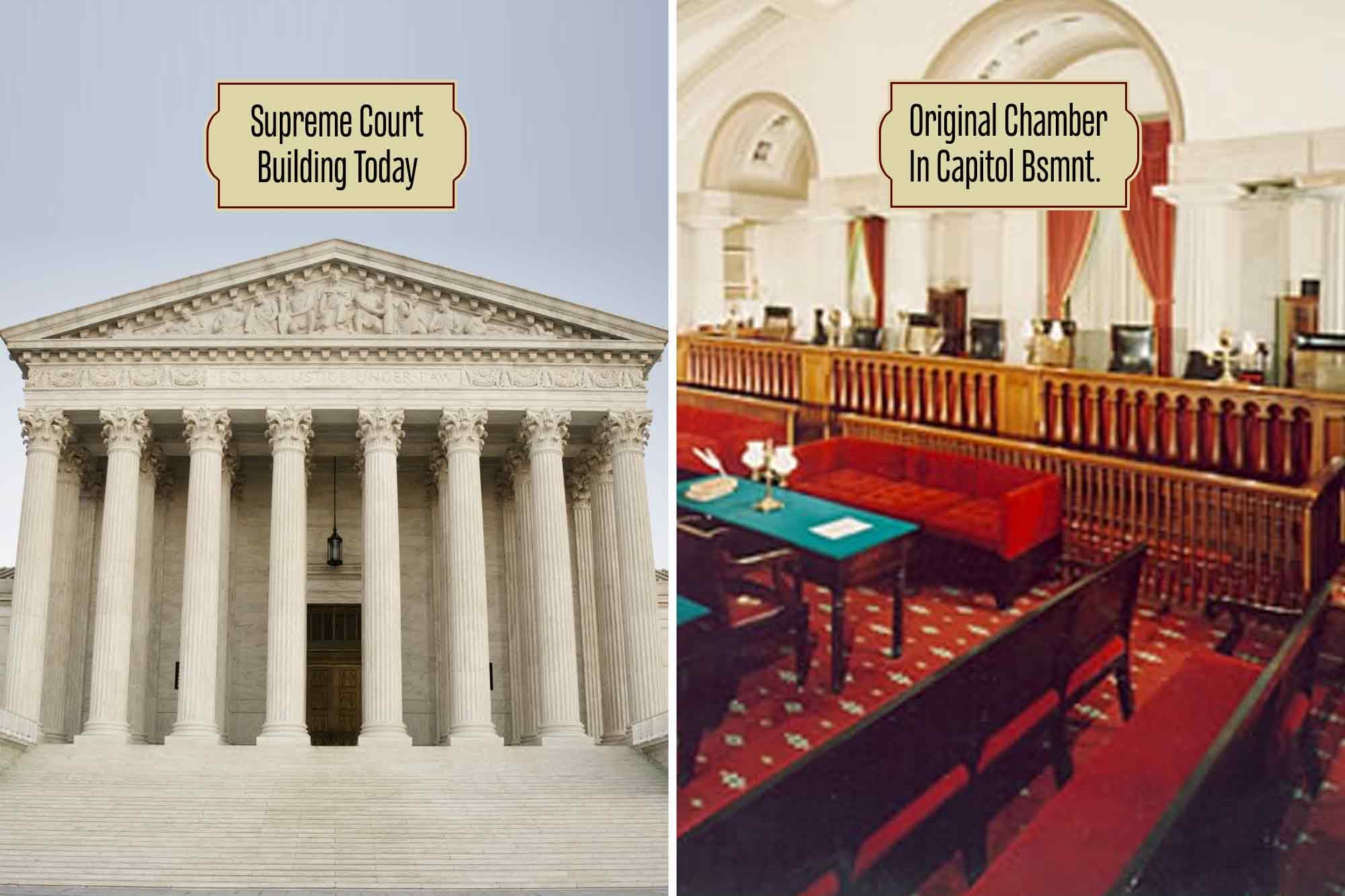
The Supreme Court wasn’t always this powerful. Congress once held more control over the judiciary — and could reclaim much of that authority today.With the election over and control of Congress settled, attention now turns to the Supreme Court — and the inevitable battles over what Congress can and cannot do. But my guest on this recent WhoWhatWhy podcast, historian Rachel Shelden, argues that the court’s extraordinary power was never what the framers intended.In her book, The Political Supreme Court: A Forgotten History, she reveals a time when Constitutional authority belonged more broadly to the people; and Congress exercised far greater control over the judiciary. Get full access to Talk Cocktail Podcast at jeffschechtman.substack.com/subscribe

Longtime Senate staffer and historian Adam Jentleson thinks that sometimes a big win is the least interesting thing that could happen to his party. His question is what comes after: whether a midterm won on backlash lasts, or evaporates the way every majority of the past decade has.The answer turns on a distinction candidates blur at their peril.Jentleson spent two decades inside Democratic politics, as chief of staff to former Sen. Harry Reid (NV) and, for a brief time, chief of staff to Sen. John Fetterman (PA). His new book is Supermajority: How Democrats Can Build Lasting Power.We spoke on my WhoWhatWhy podcast just before the election which now give his thoughts added relevance. Get full access to Talk Cocktail Podcast at jeffschechtman.substack.com/subscribe

Christian nationalists are no longer trying to win democracy, Rep. Jared Huffman argues. They want to replace it with religious rule — and control American life.Something has changed on the American religious right — and Rep. Jared Huffman (D-CA) tells me in this recent WhoWhatWhy podcast that we are making a dangerous mistake by continuing to describe it with the old vocabulary of politics.The movement Huffman examines in his new book, No Prophets: The Fight to Save Democracy from Christian Nationalism, is not simply seeking greater influence in elections or a louder voice in the culture. Its most committed factions, he argues, have concluded that democracy itself no longer serves their purposes. What they seek instead is dominion: political and religious control over American institutions and, ultimately, American life. Get full access to Talk Cocktail Podcast at jeffschechtman.substack.com/subscribe
Can we defend democracy without sacrificing the friendships and human connections that make it worth saving? The paradox of political obsession.In this recent WhoWhatWhy podcast, I talk with political philosopher Roger Berkowitz — founder of Bard College’s Hannah Arendt Center and author of A World We Share: Hannah Arendt and the Power of Friendship in a Broken World. He explores a provocative idea: Perhaps democracy’s survival depends as much on our capacity for friendship as on our political convictions.What if one of the greatest threats to democracy isn’t political extremism itself, but the disappearance of the human relationships that make democracy possible? What if, in our determination to defend the country, we’re slowly destroying our ability to share it?We live in an age when political convictions increasingly determine whom we trust, whom we love, even whom we’re willing to speak to.Outrage has become a measure of moral seriousness, and every disagreement seems to demand a verdict on someone’s character. But is this constant state of political mobilization making us better citizens, or simply making us less capable of living together? Get full access to Talk Cocktail Podcast at jeffschechtman.substack.com/subscribe

Comments

Download from Google Play

Download from App Store
 United States