


 Claim Ownership
Tangents by Out of Architecture
Subscribed: 17Played: 230
Subscribe

© 2022 Out of Architecture
Description
Welcome to Tangents by Out of Architecture, hosted by Silvia Lee. We’re highlighting some of our favorite stories from the amazing people we’ve met along our journey. We will hear how they created a unique career path for themselves from the variety of skills and talents they developed in and out of architecture.
Out of Architecture is a career consulting firm started by two Harvard-educated professionals interested in exploring the value of their skills both in and out of the architectural profession. We’re here to help you maximize all of the expertise you have honed as a designer to get you a role that fulfills and challenges you. We have the knowledge, experience, and connections to help you put your best self into the market–and reap the benefits.
Out of Architecture is a career consulting firm started by two Harvard-educated professionals interested in exploring the value of their skills both in and out of the architectural profession. We’re here to help you maximize all of the expertise you have honed as a designer to get you a role that fulfills and challenges you. We have the knowledge, experience, and connections to help you put your best self into the market–and reap the benefits.
55 Episodes
Reverse
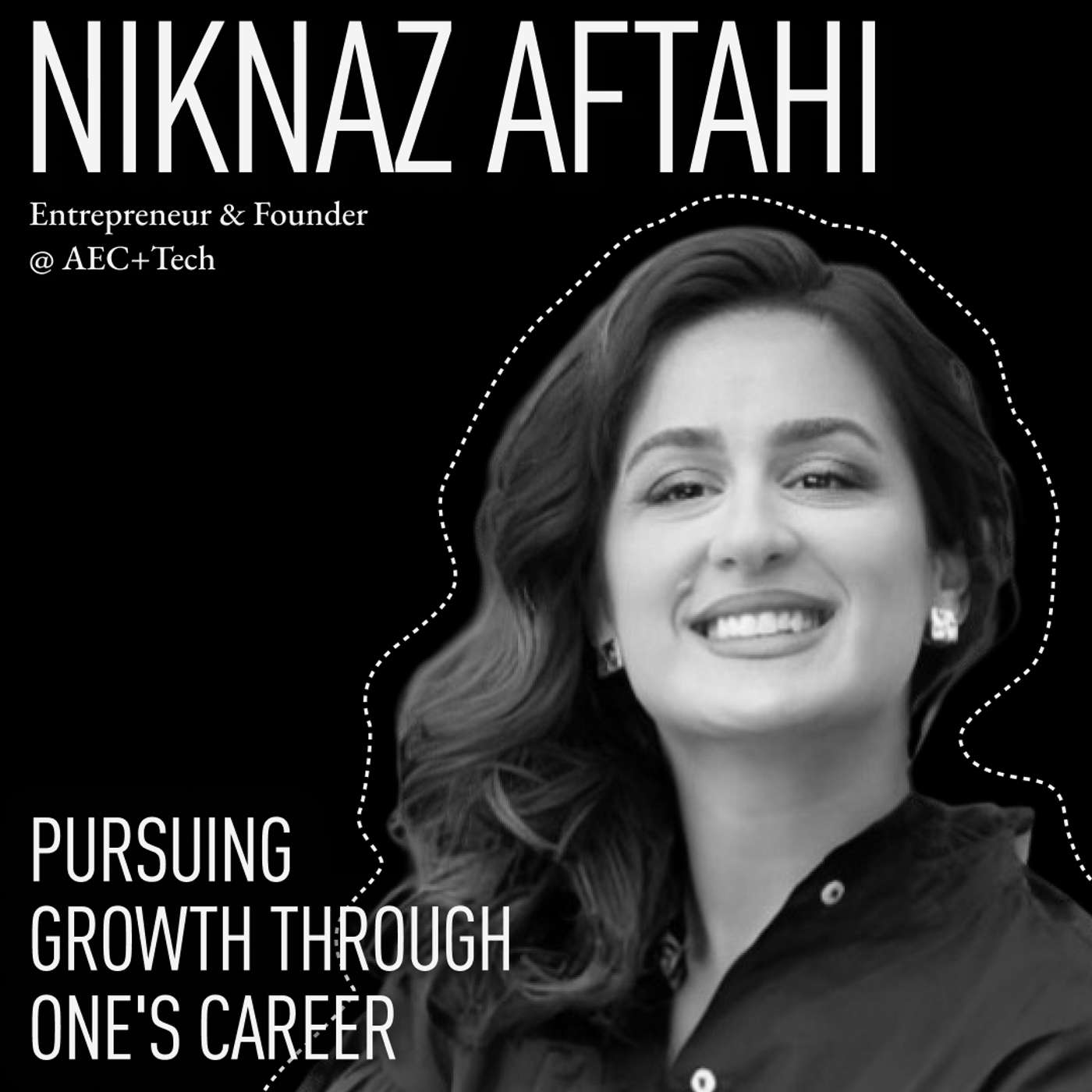
In this episode, Silvia chats with Niknaz Aftahi, entrepreneur and founder of AEC+Tech, a platform connecting architecture professionals with cutting-edge technology. Niknaz shares her journey from studying architecture in Iran to launching a startup that bridges the gap between the AEC industry and emerging tech. The conversation touches on the integration of AI in architecture, the importance of continuous learning, and the evolving roles within architecture firms. Discover how Niknaz marries her passion for design with innovation, and her insights into creating a niche in the architecture tech world.Highlights:3 words: Entrepreneur, Designer, Building InnovatorInnovation in Architecture: Niknaz highlights her transition from traditional architecture roles to leveraging technology and innovation to improve design workflows.Technology Adoption: The episode underscores the slow adoption of technology in the AEC industry and how platforms like AEC+Tech aim to accelerate this process by fostering a community of shared knowledge.Role of Community: The significance of community engagement and sharing knowledge within the industry is emphasized as crucial for technological advancement and professional growth.Career Transition: Niknaz shares her personal journey of leaving a stable architecture job to pursue her passion for technology, offering insights into making career shifts in search of fulfillment.The Future of AEC: The conversation touches on how advancements in AI and technology are reshaping the roles and skill sets required in the architecture and construction industries.See more:https://www.aecplustech.com/
★ Support this podcast on Patreon ★

Join Libo Li, a data engineer at Meta, as he delves into his unconventional career journey from architecture to tech. Discover how his natural curiosity and drive for growth propelled him through various roles at companies like WeWork and AAC Resource. Libo shares insights on embracing fear as a signal for growth, the value of continuous learning, and thriving in chaotic environments. Whether it's discussing effective communication or exploring side projects, Libo's story offers motivating takeaways for anyone looking to navigate and explore diverse career paths.Highlights:3 words: Curious, Irreverent, and GrittyEmbrace Growth: Transitioning between roles and industries can lead to significant personal and professional development.Curiosity as a Driver: A natural curiosity can propel individuals to explore new opportunities and learn from diverse experiences.Importance of Adaptability: Being open to new experiences and learning quickly on the job is crucial for success in tech and beyond.Communication is Key: Whether in architecture or data engineering, clear documentation and effective communication are vital.Fear and Growth: Facing fear and embracing chaos can lead to valuable learning experiences and growth opportunities.See more:https://www.instagram.com/most.podern/Guest Bio:Libo Li is a trained architect working as a data engineer in New York City. He received a Bachelor of Architecture from Rice University. His focus is on the impact of data and technology on design production, building software, systems, and operational models at companies like KPF, WeWork, CBRE, and Meta. He was COO of Voyansi, a BIM solutions company recently acquired by Hexagon. He was CTO at KatalsyDI, where he lead the technology team building the analytics platform to integrate construction supply chains. He co-founder Small Tiger to empower architecture firms with modern digital operations; where he works with emerging firms to question how they work to scale their agency.
★ Support this podcast on Patreon ★
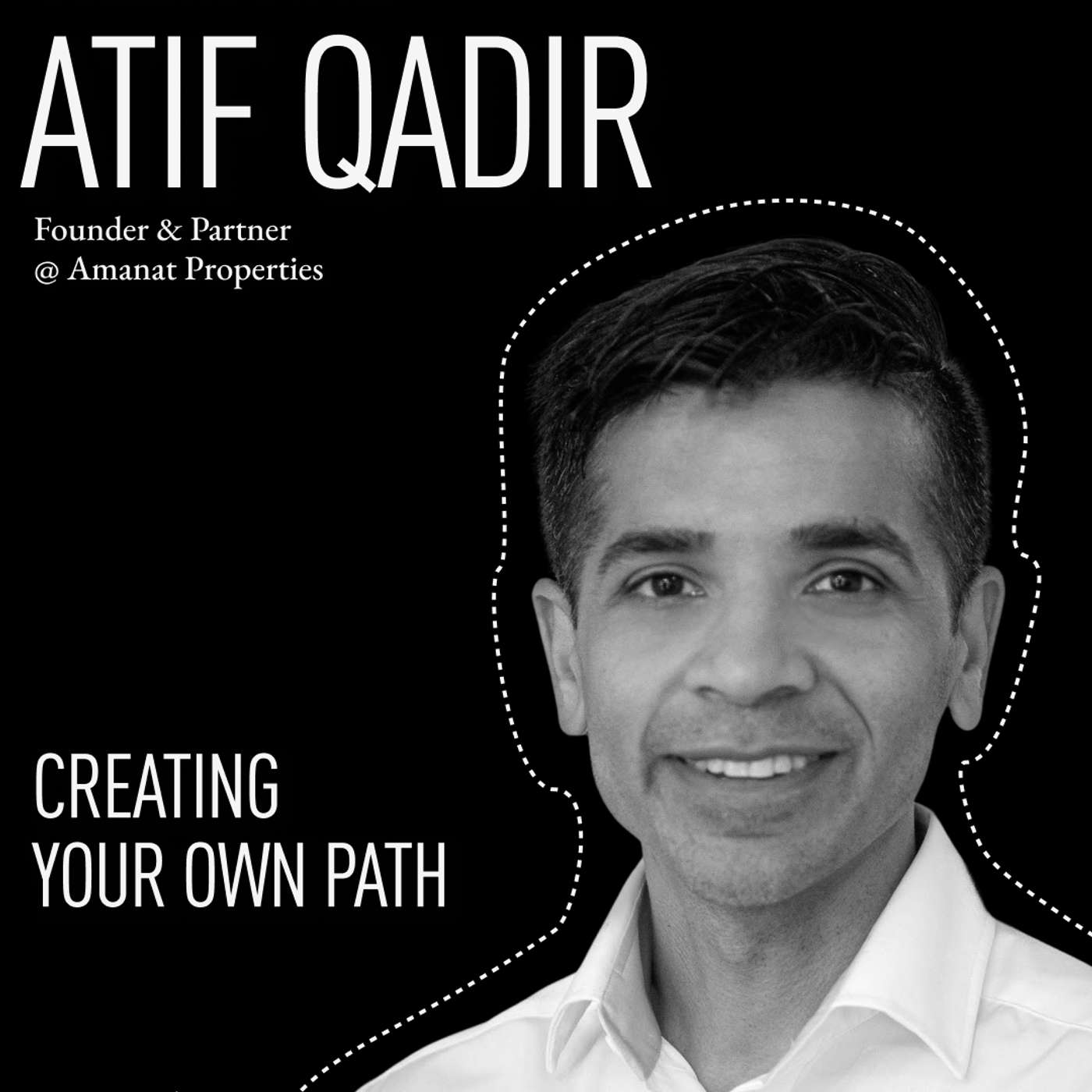
Atif Qadir joins Silvia on Tangents to explore his journey from architecture to real estate development and tech entrepreneurship. They discuss the evolving nature of careers in the AEC industry, the importance of adaptability, and the benefits of life coaching and mentorship. Atif shares insights on recognizing personal values and the significance of creating space for what truly matters. Reflective and inspiring, their conversation underscores the value of pursuing a career aligned with one’s passions and navigating life changes with confidence and adventure.Highlights:3 words: Adventurous, Together, MemoryCareer Transitions: Atif highlights how identifying personal strengths and pursuing diverse opportunities can lead to fulfilling career shifts from traditional roles in architecture to innovative ventures in real estate and tech.Networking and Relationships: Building a robust network of peers, mentors, and mentees is crucial in navigating career paths and discovering unique opportunities.Adaptability and Innovation: Embracing advancements in technology, such as AI and machine learning in the architecture industry, can open new avenues for growth and innovation.Self-discovery and Balance: Understanding personal motivations and balancing career aspirations with life goals is vital for long-term satisfaction and success.Mentorship: Atif emphasizes the importance of mentorship in providing guidance and maintaining perspective throughout one's career journey.Guest Bio:Atif is a registered architect turned developer with extensive experience across the entire development process. He most recently has been the Co-Founder and Chief Impact Officer of Commonplace, a VC-backed startup dedicated to building technology infrastructure to enhance and expedite impactful commercial real estate development and funding. Prior to this, Atif founded Amanat Properties, a development and investment platform that repurposes historic and older properties in New Jersey to maximize value and performance. Atif began his career in development and acquisitions at Extell Development, where he worked as an Associate on multiple affordable housing projects. He also gained significant experience as a Project Engineer and Field Engineer at Turner Construction, contributing to major, transformational institutional projects in New York City. His career started as a design architect at Gene Kaufman Architect (now Gwathmey Siegel Kaufman).https://www.atifzqadir.com/
★ Support this podcast on Patreon ★
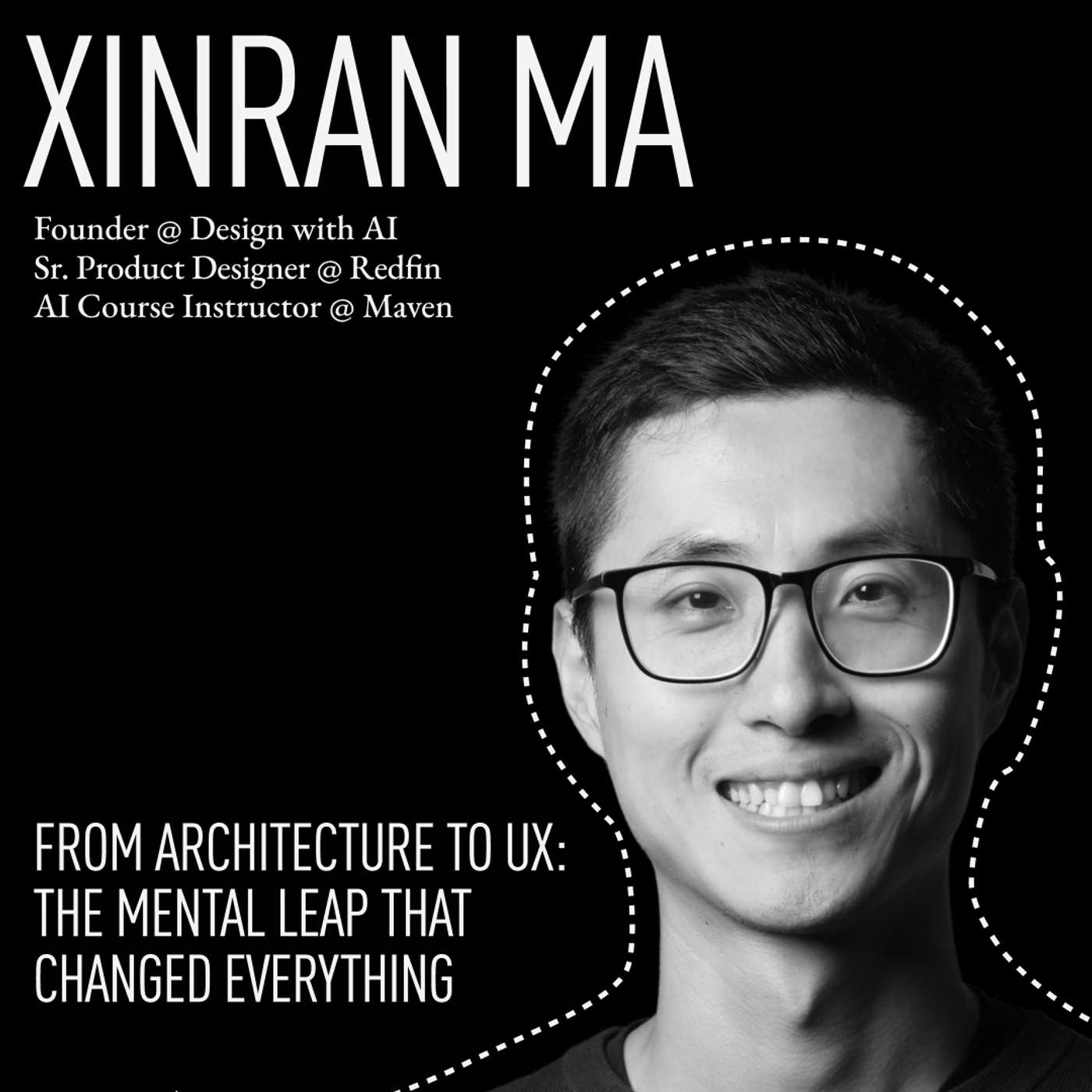
In this engaging episode of "Tangents by Out of Architecture," our guest Xinran Ma shares his inspiring journey from a traditional architecture career to the innovative field of product design at Redfin. Our conversation delves deeply into the mindset shift required for career transition, and the strategies Xinran employed to gain experience and build credibility in a new industry. From studying architecture in China and New York to fostering a passion for user experience design, Xinran's story illustrates the diverse applications of architectural skills beyond conventional practice.Xinran elaborates on the differences between architectural education and practice, highlighting how his idealistic aspirations met practical realities that motivated his transition. He offers rich insights into the importance of design thinking and user interaction, emphasizing his path to becoming an accomplished UX designer. Highlights:Transitioning from architecture to UX design involves a significant mindset shift, focusing on design thinking and practical constraints.Real-world project experience is crucial for breaking into new fields, as it adds credibility and context to interviews and portfolios.Changing careers can be daunting but provides an opportunity to explore personal passions and gain fulfillment through meaningful work.Networking and community engagement can unexpectedly lead to job opportunities and career insights.Perseverance and a strategic approach can help overcome initial setbacks when venturing into a new profession.Links:Design with AI Substack Link: https://designwithai.substack.com/Buy Xinran's Book: https://amzn.to/3C726dfXinran's website: https://www.xinranma.com/Guest Bio:Xinran is an architect turned product designer on a mission to empower designers to elevate their careers and live better lives. He went from designing buildings to crafting digital experiences, and now he is exploring the power of AI in design. He is the founder of Design with AI, a digital publication to help designers design better, faster, and smarter with AI through practical tips. He is also the author of three Amazon #1 New Release books in UX and have been recognized as an ADPList's Top 1% Mentor in Design five times. He regularly gives AI talks and runs workshops at institutions like Microsoft, UXPA, Pratt Institute, the University of Connecticut, and Maven.
★ Support this podcast on Patreon ★
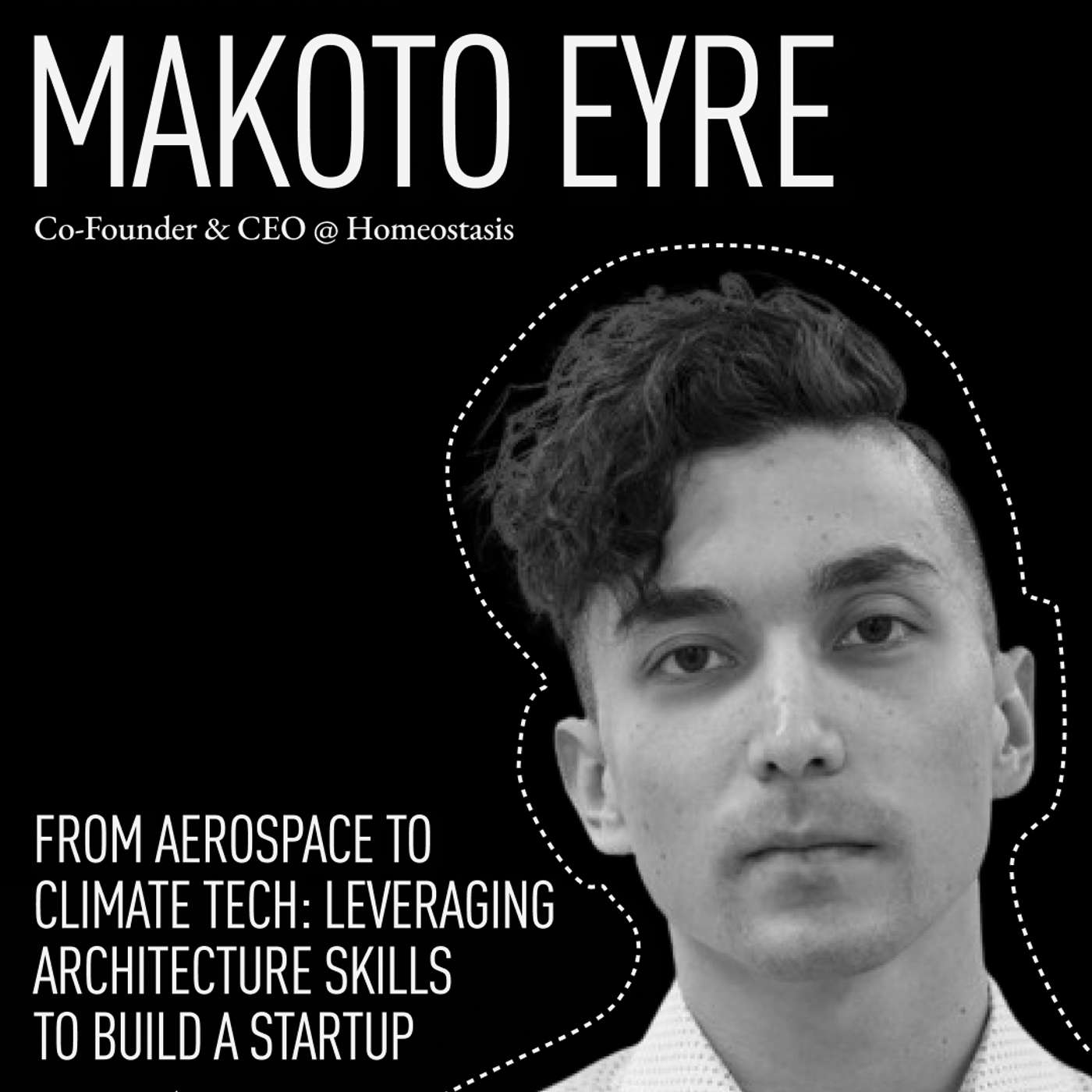
Our guest today is Makoto Eyre, cofounder and CEO of Homeostasis, a climate tech startup transforming CO2 into advanced carbon materials like graphite for lithium-ion batteries. Makoto’s story exemplifies the power of curiosity, resilience, and the ability to leverage architectural skills to navigate bold career transitions. This episode explores how interdisciplinary thinking, engineering expertise, and a service-driven mindset can lead to impactful innovation. Tune in to hear how Makoto redefined his career to tackle climate challenges and build a sustainable future.Makoto’s career journey is a testament to the versatility of architectural skills. After starting his career as a designer and architect-in-training at Seattle’s SkB Architects, he transitioned to roles in aerospace engineering at NASA and Blue Origin. Now leading Homeostasis, Makoto is addressing critical global challenges by applying design and engineering principles to climate tech solutions. In his free time, he enjoys bouldering, running, hiking, and tinkering with projects.Highlights:The challenges of traditional architectural practice and the desire to create broader societal impact.The journey from architecture to mechanical engineering and a passion for space exploration.Co-founding Homeostasis, a climate tech startup transforming CO2 into graphite for lithium-ion batteries.Navigating the uncertainties of business development and embracing a service-driven Lessons on resilience, embracing discomfort, and the importance of supportive communitiesGuest Bio:Makoto Eyre is the cofounder and CEO of Homeostasis, a climate tech startup that produces advanced carbon materials, such as graphite for lithium ion batteries, out of CO2. Prior to founding Homeostasis, Makoto worked as a spacecraft configuration & systems engineer at the Advanced Development Program at Blue Origin, as a contracted space architect at NASA’s Johnson Space Center, and as a designer & architect in training at SkB Architects in Seattle. Makoto has degrees in architecture and mechanical engineering from the Rhode Island School of Design and the University of Washington, respectively. In his free time, Makoto enjoys bouldering, running, hiking, reading in the park, and building/modding/repairing.
★ Support this podcast on Patreon ★

Danny Rupp (he/him) is a web development team lead who has been lucky enough to work-from-home in Maryland since 2010. With a bachelor's degree in Architecture from the University of Maryland he started his career as an architectural designer, but slowly transitioned on the job into working as a full stack web developer on software for office space planning. In 2020 he made the jump out of architecture and into full time web development as a Drupal developer and team lead.In this enriching episode of Tangents, host Silvia welcomes Danny Rupp, a versatile expert who has navigated a unique pathway from architecture to web development. Danny describes himself using three distinctive words: extroverted, empathic, and curious. He delves into his career beginnings, highlighting his tenure at a small architecture firm in Maryland and his adaptation during the 2008 financial crisis. Danny's pivot to web development, driven by his passion for coding and problem-solving, emerges as a central theme. He reflects on his dual role in architectural federal contracting and web development, emphasizing the value of continuous learning and adaptation.The episode is a treasure trove of insights for anyone contemplating a career shift from architecture to the tech industry. Danny's journey underscores the importance of leveraging diverse skills and remaining open to new opportunities. He shares practical advice on how to approach job transitions, the significance of showcasing one's learning mindset on resumes, and the benefits of working from home. With key takeaways focusing on problem-solving, iterative design, and effective project management, this episode is a must-listen for aspiring architects and tech enthusiasts alike.Highlights:Adaptability in Career Shifts: Danny's transition from architecture to web development illustrates the value of leveraging diverse skill sets and staying open to new learning opportunities.Continuous Learning: Highlighting the importance of curiosity, Danny emphasizes the value of always pursuing new knowledge and adapting to industry changes.Effective Project Management: Danny shares insights on the significance of good project management, particularly the benefits of prioritizing tasks and transparent communication.Working from Home: Danny discusses his long-term experience with remote work, the productivity benefits, and maintaining a good work-life balance.Connecting with Peers: The episode underscores the importance of networking and learning from friends and colleagues across various industries to foster career growth.Mentioned in the episode: https://www.archcareersguide.com/https://www.codecademy.com/
★ Support this podcast on Patreon ★
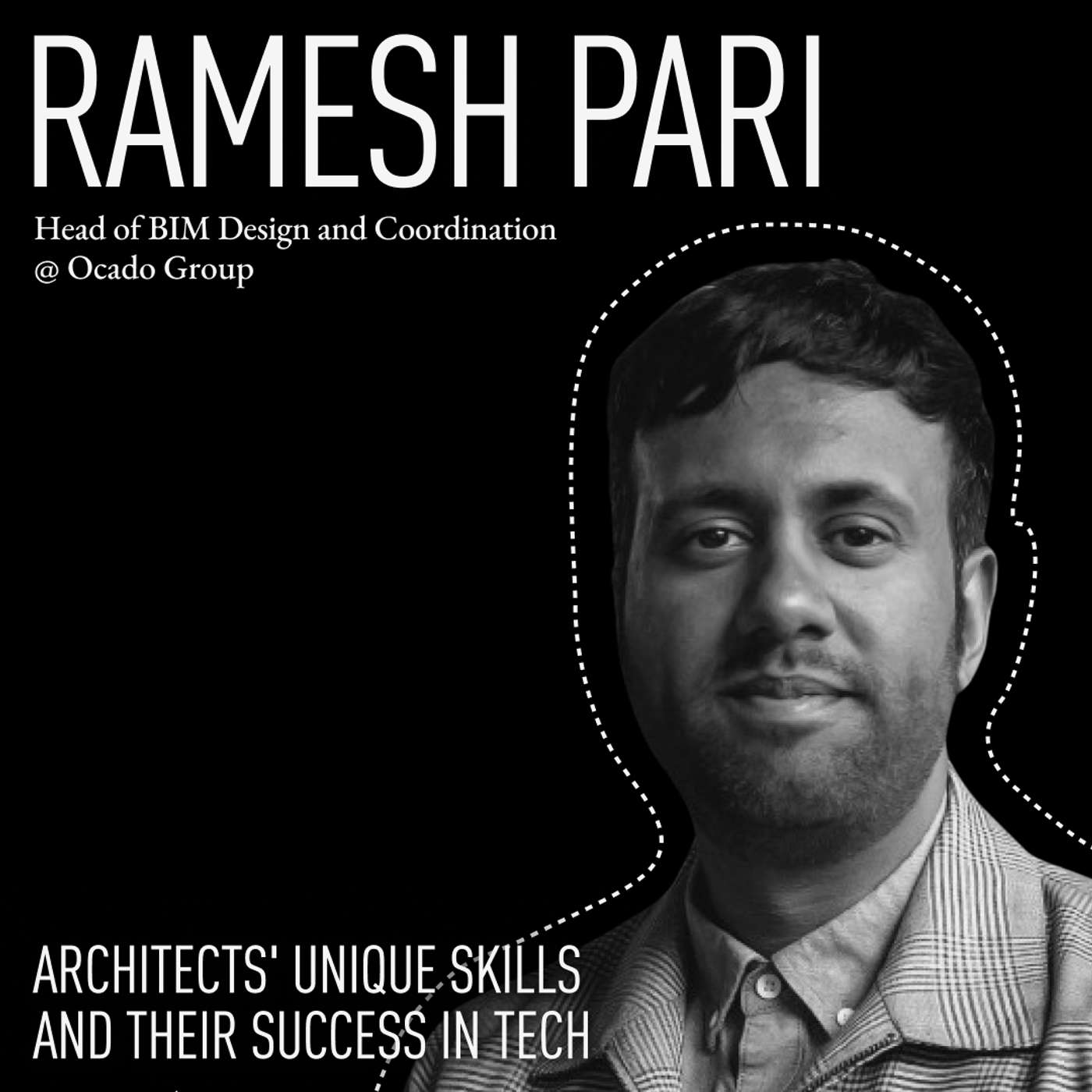
Our guest today is Ramesh Pari, Head of Design + BIM at Ocado Group. He highlights the importance of pragmatism, lifelong learning, and leveraging architectural skills in new ways. This episode explores the dynamics of tech culture, the benefits of cross-industry skills, and the courage needed to pursue fulfilling career changes. Tune in to gain insights on balancing professional aspirations with personal growth.Ramesh is a prime example of how career pivots can lead to incredible success. After spending a decade as a project architect in the residential and commercial sectors, specializing in technical design, he made the bold decision to transition into the tech industry. Now, with six years leading the design and BIM functions at the UK tech firm Ocado, Ramesh has advanced to Head of Design, managing global projects across 10 countries with teams based in the UK and Poland. Passionate about guiding others through similar transitions, Ramesh is dedicated to empowering professionals from traditional fields to thrive in new, dynamic careers.Highlights:Career Transition: Ramesh discusses the challenges and rewards of transitioning from architecture to the tech sector, emphasizing the importance of continuous learning and pragmatism.Skill Utilization: Key architectural skills such as visionary problem-solving and storytelling have been crucial to Ramesh’s success in tech.Tech Culture: The supportive and flexible nature of tech industry culture contrasts with the rigid structures of traditional architecture, fostering innovation and collaboration.Importance of Communication: Effective communication and understanding commercial realities are pivotal in driving projects and achieving buy-in from stakeholders.Future Planning: Ramesh advocates for adaptability and openness to change, encouraging professionals to redefine success and explore new opportunities beyond traditional career paths.
★ Support this podcast on Patreon ★
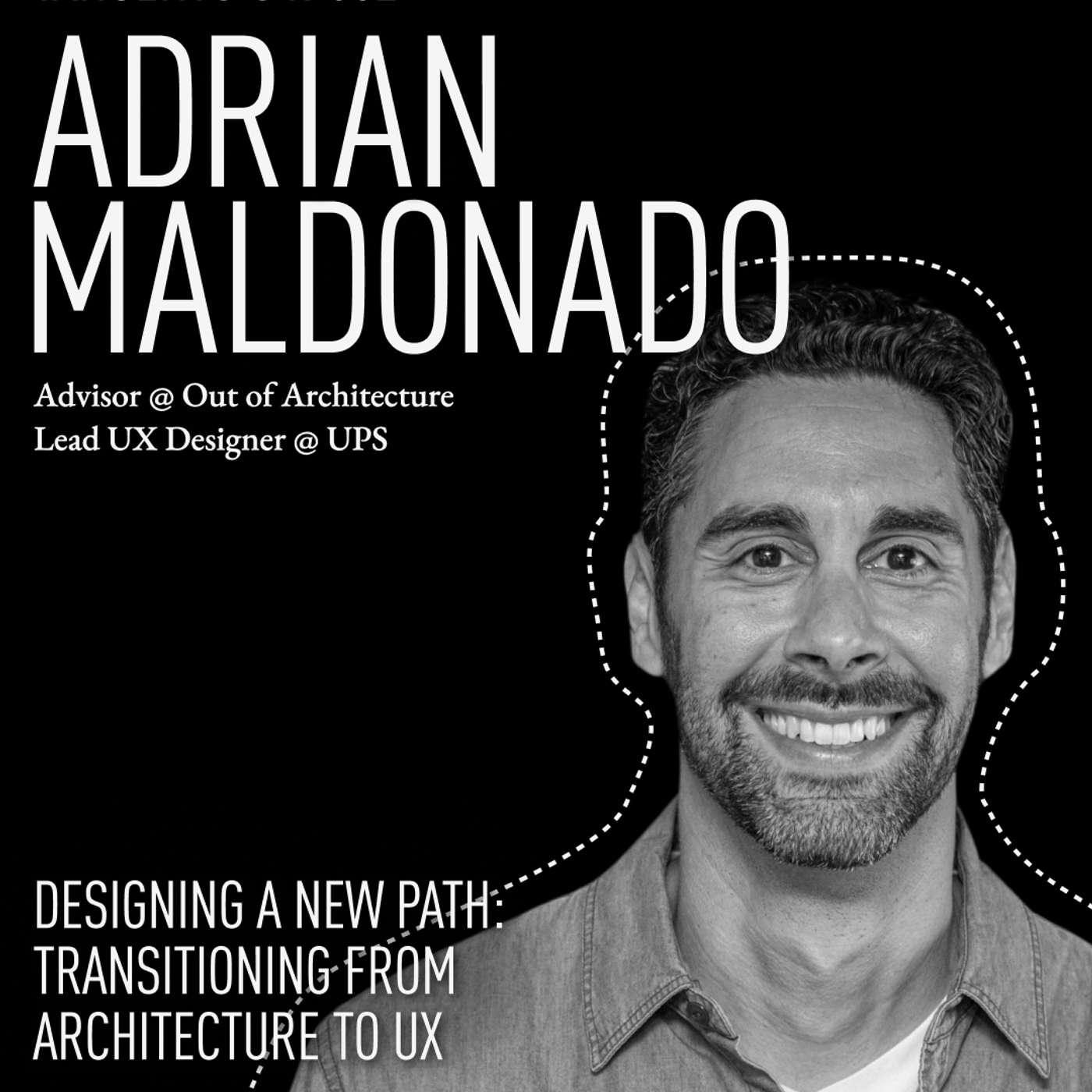
Adrian Maldonado, Career Advisor at Out of Architecture, is a seasoned professional with a background in architecture who made a successful transition into the field of UX design. With a passion for design and a knack for problem-solving, Adrian brings a unique perspective to his role as a lead UX designer. He is dedicated to helping individuals navigate career transitions, leveraging his experience to guide others towards fulfilling and meaningful professional paths.Highlights:The importance of networking and strategic planning in transitioning from architecture to UX design.The value of transferable skills and the impact of attitude and work ethic in career transitions.The role of perseverance and grit in overcoming challenges and achieving professional growth.The exploration of design principles, problem-solving approaches, and human-centered perspectives offers valuable insights for aspiring UX designers.Learn more about Adrian here: https://www.outofarchitecture.com/bio-adrian-maldonado
★ Support this podcast on Patreon ★
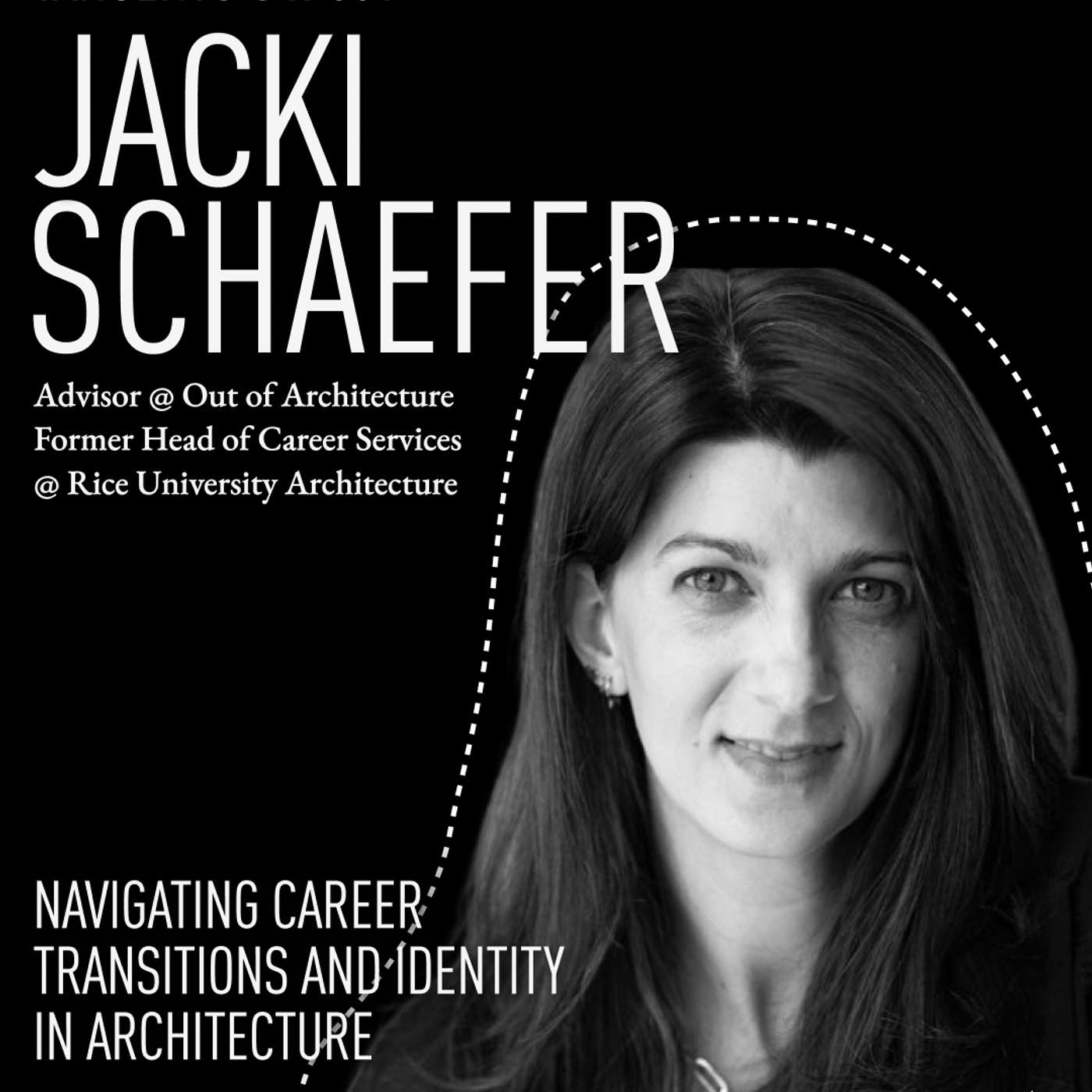
In this episode, Jacki Schaefer shares her journey in architecture, highlighting the challenges faced during her career, the importance of job security, and the impact of curiosity on personal and professional growth. She discusses the value of architecture education in developing critical thinking skills and self-awareness. Jacki emphasizes the need for individuals to align their career choices with their values and passions for long-term fulfilment.Key insights include reflections on the architecture industry, the significance of finding one's identity beyond a profession, and the transformational power of self-exploration and authenticity in career decisions.Highlights:The importance of job security and the need for individuals to explore diverse career paths within and outside the architecture industry.Architecture education instills critical thinking and self-reflection skills that can transcend the profession and benefit personal growth.Curiosity is a powerful driver for success, enabling individuals to seek opportunities aligned with their values and interests.Finding one's identity beyond a specific profession is crucial for long-term career satisfaction and personal fulfillment.Networking and seeking diverse experiences contribute to self-discovery and lead to a deeper understanding of individual goals and aspirations.Learn more about Jacki here: https://www.outofarchitecture.com/bio-jacki-schaefer
★ Support this podcast on Patreon ★
Get ready for Season 4 of Tangents to kick off in two weeks!
★ Support this podcast on Patreon ★
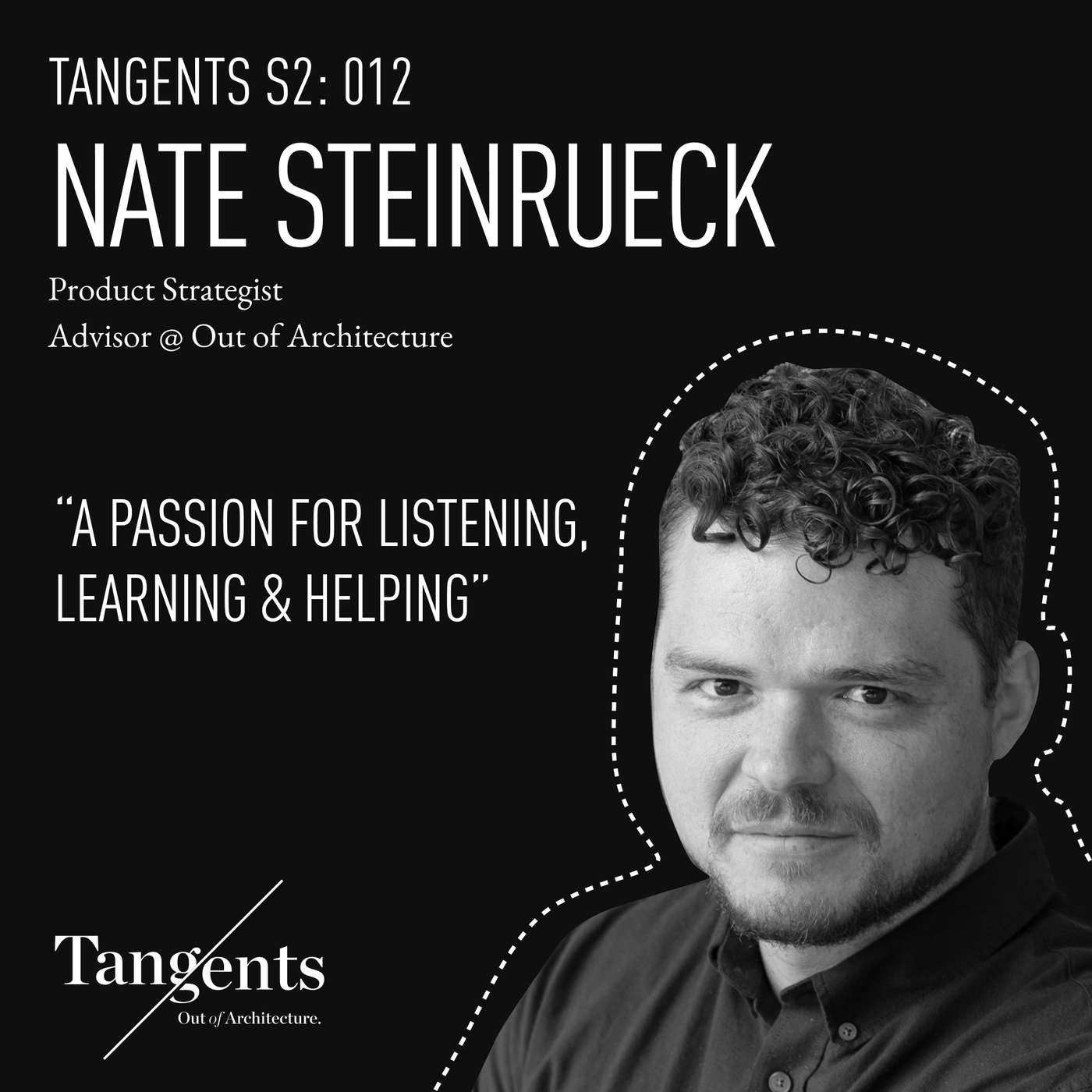
Our guest today, Nate Steinrueck, Product Strategist at Outer Labs, shares his journey from studying anthropology to working in architecture and eventually transitioning into the tech industry. He emphasizes the importance of being a good listener, learner, and helper in his work, and how these qualities have shaped his career. Nate also discusses the similarities between architecture and product strategy, highlighting the value of problem-solving and effective communication in both fields. He offers advice for those looking to make a career change and emphasizes the importance of finding alignment between one's strengths and passions.Listen to the end to hear our highlight from OOA community member, Rachel Gresham, Senior Director, Professional Practice Programs at The American Institute of Architects. Connect with her on Linkedin, and let her know you found her through the Tangents podcast.Highlights:Nate strives to be a listener, learner, and helper in his work, focusing on understanding the needs of others and finding ways to make their work more efficient.His background in architecture has provided him with valuable insights and skills that he applies to his role as a product strategist.Effective communication and problem-solving are essential in both architecture and product strategy.When making a career change, it's important to evaluate your strengths and passions and find alignment with the roles and companies you're considering. (Find out the interesting way Nate went about doing this!)
★ Support this podcast on Patreon ★

On this episode of Tangents, Erin Pellegrino, Principal at Matter, and Co-Founder of Out of Architecture, shares her journey of balancing making and thinking in architecture, leading to a fulfilling and impactful career. From rebellious tomboy to successful architect, she discusses her approach to challenging the status quo and overcoming roadblocks by adopting a mindset of perseverance and continuous improvement. Erin's stories of building an Alpine shelter in the Alps and transforming a mid-century modern house's kitchen highlight the power of architecture to create meaningful spaces. From starting her own practice to co-founding Out of Architecture, Erin's experiences offer valuable insights into thriving as a creative professional.Key Takeaways:Erin emphasizes the importance of remaining curious, ambitious, and optimistic to navigate the challenges of the architecture field.Building a career in architecture involves a balance between making and thinking, while striving to make a positive impact on the world.Overcoming insecurities and fears is crucial in pursuing one's career goals, along with seeking mentorship and support from experienced professionals.Responding to "no" by reframing it as an opportunity for refinement and improvement can lead to transformative outcomes in projects and career endeavors.Engaging in socially engaged work, such as projects for the unhoused, showcases the immense potential of architecture to address social issues and create meaningful change.Highlights:Ambitious, Curious, Striving to be an OptimistEri Berry Woman Drink RecipeFalling in Love with the Folk Art MuseumDoing It All: From Teaching, To Practicing and MoreProfessional Practice: Expectations Vs. RealityCreating Out of ArchitectureOvercoming Feelings of InadequacyWhat Success Feels LikeArchitecture is an Inherently Optimistic ActAdvice for Starting Your Own PracticeGet Comfortable Asking for What You WantFiguring Out How To Get Things DoneThen Challenging How Things Are DoneBuilding A Wave of Change
★ Support this podcast on Patreon ★
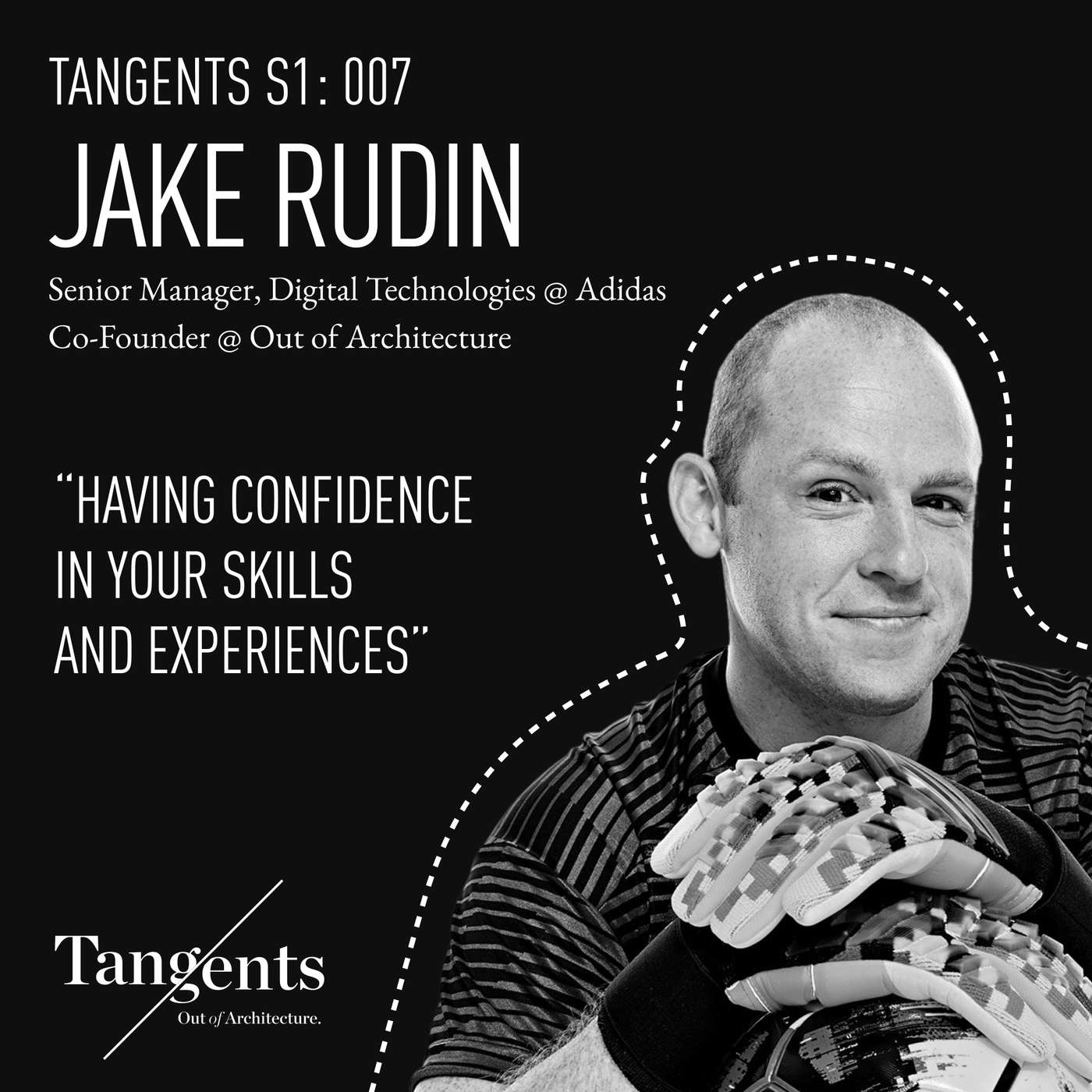
Our guest today is Jake Rudin, Senior Manager Digital Technologies at Adidas, and Co-Founder of Out of Architecture. In this episode, Jake Rudin discusses his journey from architecture to leading digital innovation at Adidas, emphasizing the importance of confidence in showcasing one's skills in job interviews. He shares insights on translating architectural skills into various industries, the power of visual representation in presentations, and the significance of treating your career like a design problem. Jake also delves into the founding of Out of Architecture and the impact it has had on helping individuals navigate career transitions.Jake provides valuable advice on redefining oneself, embracing career changes, and utilizing architectural skills in diverse contexts, inspiring listeners to explore new paths beyond traditional practice. The episode touches on the essence of being an architect as a dreamer and problem solver, capable of making a positive impact in various spheres.Highlights:Designer, Educator, MakerFollowing A Passion for ArchitectureNot Being Limited by Job DescriptionsCommunicating Your Abilities in Resumes and InterviewsConfidence is KeyTreat Your Career Like a Design ProblemDemand for Out of Architecture AdviceThe Power of Visual RepresentationGet Started with Out of ArchitectureDefining An Architect and Redefining Yourself
★ Support this podcast on Patreon ★
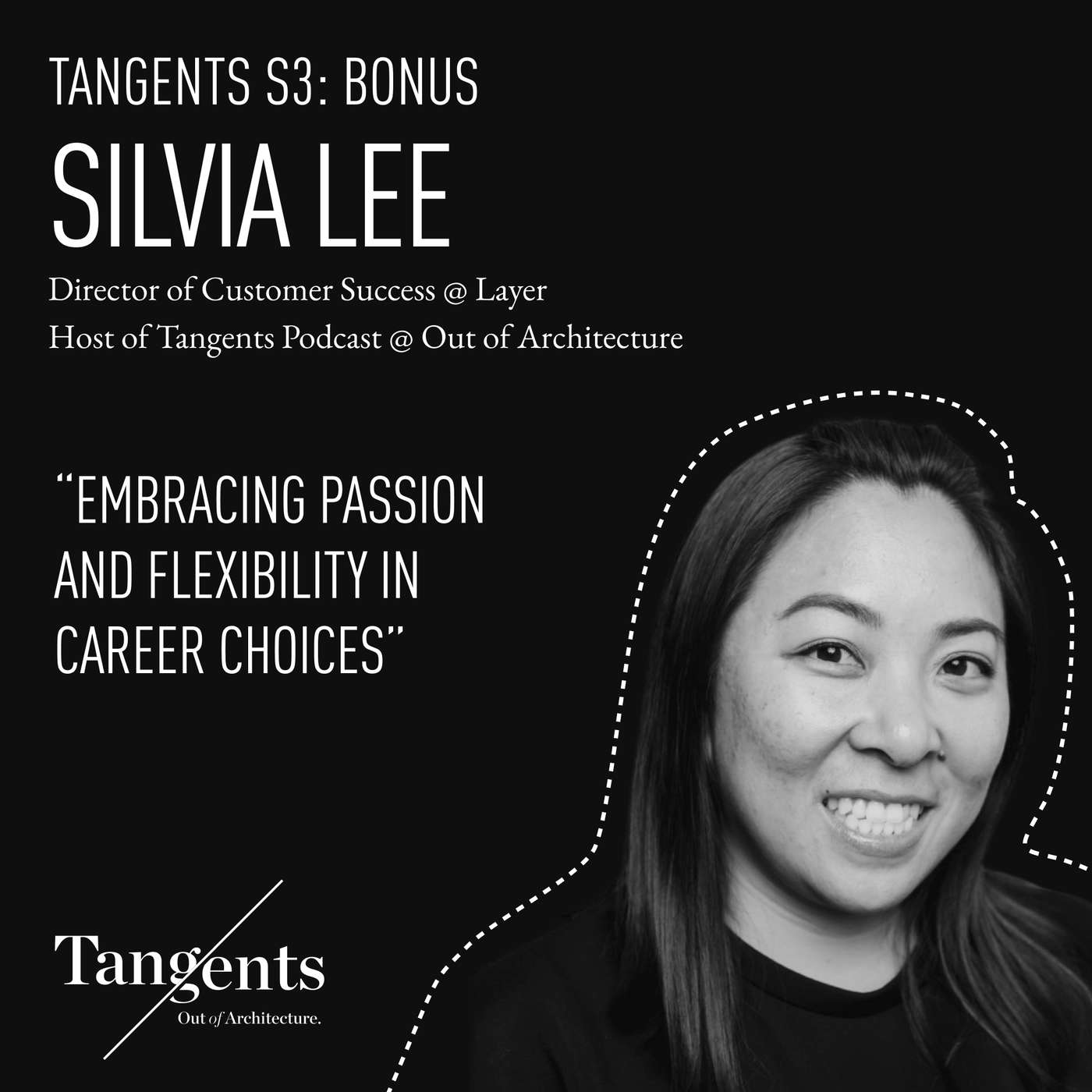
This week, we switch things up a little bit where where our host Silvia Lee is interviewed by Out of Architecture's very own Jake Rudin!Silvia Lee is the Director of Customer Success at Layer, an adjunct instructor at the New Jersey Institute of Technology, and the host of this Tangents podcast by Out of Architecture. With a background in architecture and a passion for enabling others to achieve their dreams, Silvia brings a unique perspective to her various roles. Her ability to communicate effectively and create connections with people has led to successful collaborations and a fulfilling career journey. By embracing new opportunities and being open to change, Silvia has been able to thrive in roles that allow her to leverage her diverse skill set and make a meaningful impact.Highlights:Navigating Architectural Careers and Finding Personal StrengthsThe importance of leveraging transferable skills in varied industriesThe value of following one's passions, enabling others, and maintaining authenticity in career pursuitsThe power of effective communication, building connections, and embracing new opportunities for growth and developmentFinding Joy and Connection in Podcasting and Passion ProjectsFind out more at:https://www.linkedin.com/in/silviaxlee/https://layer.team/
★ Support this podcast on Patreon ★

In this Tangents episode, we speak with ELLEN ABRAHAM, Chief Pin Officer at Architect Pins, one of our amazing OOA Advisors and Senior Project Manager and Co-Founder of Equity Design Lab @ SOM.In this episode, Ellen Abraham discusses the power of architects as change makers and the importance of thinking beyond traditional roles in the industry. She shares her background in architecture, from growing up in Dominica to pursuing her education and career in New York. Ellen also highlights her current role as a Senior Project Manager at SOM and the founding of the Equity Design Lab, which focuses on community-first and equitable design practices. She emphasizes the need for architects to consider the impact of their designs on communities and the importance of measuring success in terms of social equity, economic equity, and ecology.Highlights:Architects have the power to be change makers and positively impact communities through their designs.The Equity Design Lab at SOM focuses on creating equitable and community-focused design practices.Conversations, empathy, and education are key to overcoming resistance and implementing change in the industry.Architects should think beyond their traditional roles and consider the long-term effects of their designs on communities.Failing forward is essential for personal and professional growth, and embracing failure can lead to new opportunities.Want to chat further with Ellen? Book some time with her here: https://www.outofarchitecture.com/scheduling
★ Support this podcast on Patreon ★
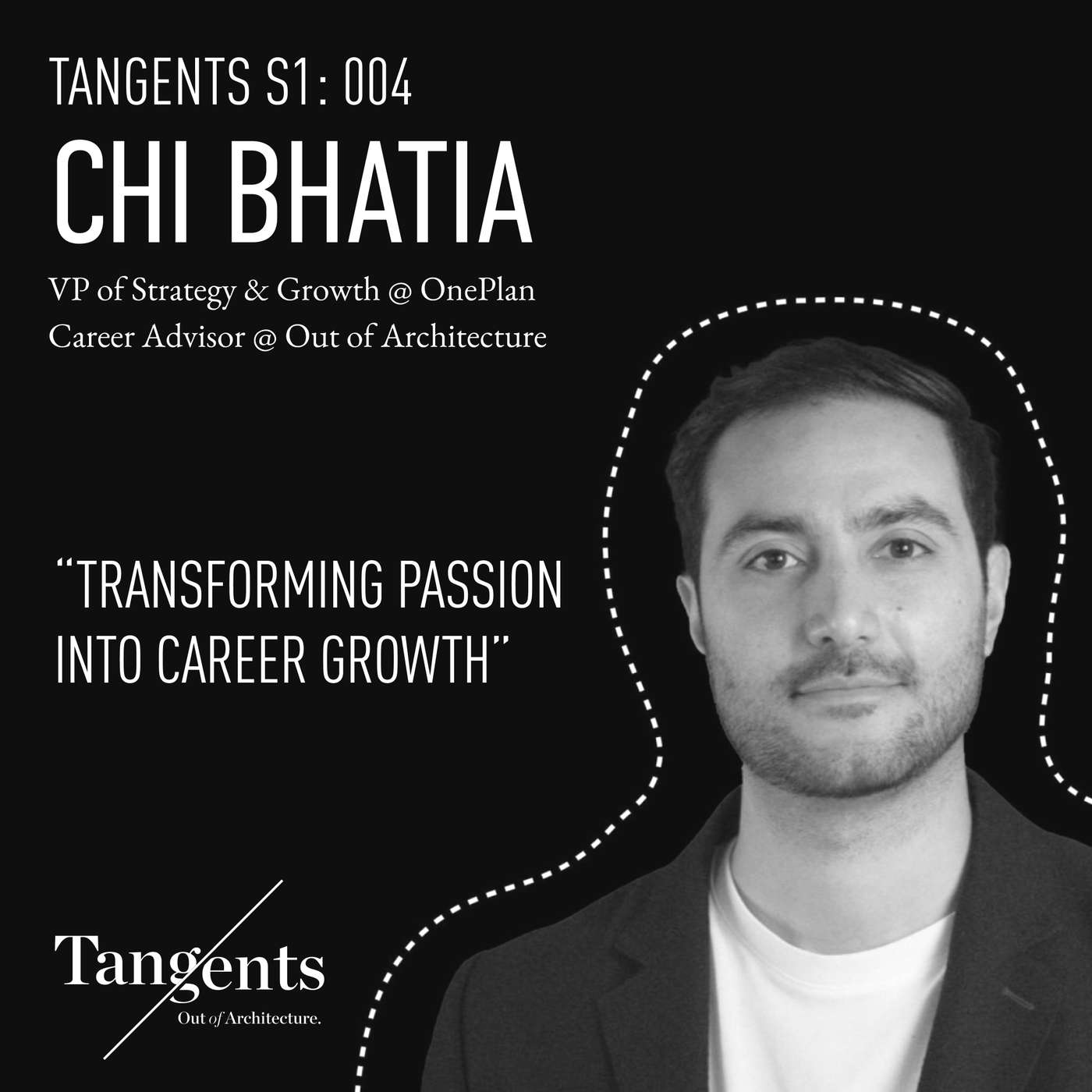
Our guest today is Chi Bhatia, VP of Strategy & Growth at One Plan, a SaaS start-up that builds 2D & 3D technology for events & venues. Chi is also part of the amazing career consultant team at Out of Architecture.Hear Chi share his journey from international student to completing LA’s first NFL stadium to now working at a tech startup providing support to the 2024 Paris Olympics.On this episode of Tangents, Chi Bhatia of OnePlan, and Out of Architecture Career Consultant, shares his experiences transitioning from an Senior Designer to VP Strategy and Growth. Hear how being in Los Angeles, California impacted the trajectory of Chi’s career, and how he systematically approached each step of his journey, using his passion of sports as a driver for his success. Highlights:Curious, Systematic, CalmTaking advantage of your environmentImpact of studying architecture in LABeing focused on finding work as an international studentHow software proficiency matters in your job searchUnique Sports Studio at HKS evolving architectureCareer pivots influenced by passion and expertiseWhy Architecture is an underrated professionhttps://www.outofarchitecture.com/bio-chi-bhatia
★ Support this podcast on Patreon ★
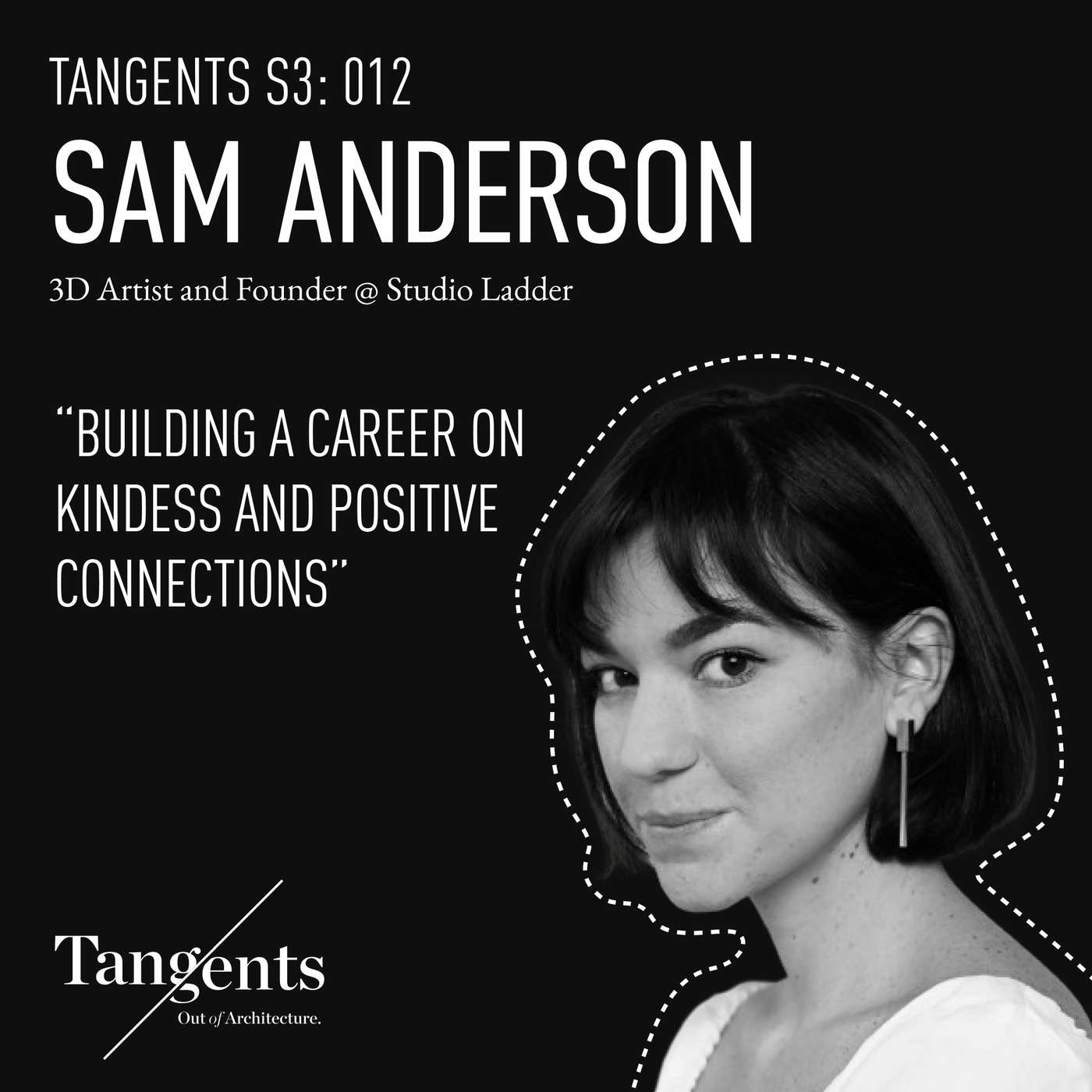
Sam Anderson is an architectural visualization specialist who has carved out a unique career path beyond traditional practice. Sam shares her journey from pursuing architecture at the University of Texas to realizing her true passion lies in visualization. She discusses her experiences working in various roles, including at architecture firms, Epic Games, and ultimately starting her own visualization studio.Sam emphasizes the importance of storytelling and using real-time rendering technology to showcase designs in more immersive ways. She highlights the potential of these tools to empower architects and democratize design by giving a voice to those who may not have access to traditional architectural education. Throughout the conversation, Sam emphasizes the value of kindness, resourcefulness, and adaptability in navigating career transitions.Highlights:Real-time rendering tools provide architects with new avenues for creative expression and design communication.Exploring industries beyond architecture can lead to unexpected opportunities and growth.Maintaining a positive and resourceful mindset is crucial when navigating career pivots and new challenges.Showing kindness and making genuine connections can open doors and leave lasting impressions.It's essential to find a balance between professional pursuits and personal priorities for overall well-being.Guest Bio:Sam Anderson, creator of Studio Ladder, is a 3D artist based in NYC and LA. Sam is passionate about visual communication for design. Previously, Sam was a Senior Technical Marketing Manager at Epic Games where she produced new release content for Unreal Engine and Twinmotion as well as educational content for conferences and online tutorials. Prior to Epic Games, Sam was a visualization specialist at SHoP Architects. Other work experiences include an internship at JAJA Architects in Copenhagen and an architectural designer at Workshop/APD in New York. Sam studied at the University of Texas at Austin School of Architecture and at Ecole Nationale Superieure d’Architecture de Paris-Belleville. From each experience, Sam has developed an eye for high-quality design and communicating in a highly personable, yet professional manner. Talk to her long enough, and she will have you saying '“y’all” as if you were also born and raised in Texas.
★ Support this podcast on Patreon ★
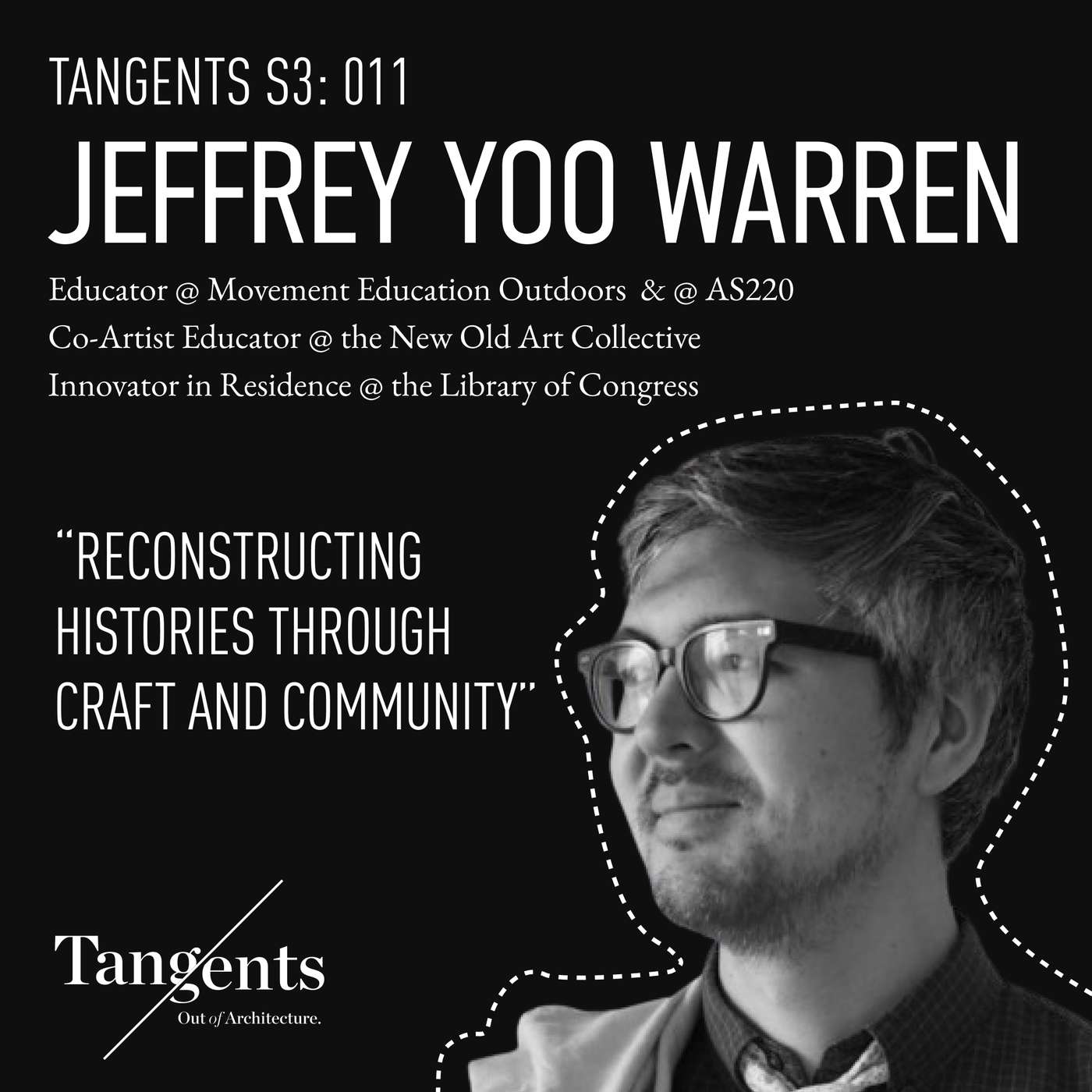
Jeffrey Yoo Warren, is a multidisciplinary artist, educator, and crafter whose work explores themes of cultural heritage, identity, and community. Jeffrey shares his unique journey from studying architecture to finding his calling in artistic practices deeply rooted in historical research and traditional craftsmanship.Through his residency at the Library of Congress, Jeffrey talks about the reconstruction of early Asian American communities and neighbourhoods, creating immersive virtual and physical models that invite viewers to experience and connect with these often-overlooked histories. He also shares his passion for woodworking, papermaking, and learning traditional Korean crafts, allowing him to forge a tangible link with his ancestral roots and cultural inheritance.Highlights:Embracing the personal and specific aspects of one's identity and cultural background can lead to a deeper, more meaningful artistic practice, challenging the concept of universality as a design goal.Finding joy and fulfilment in the creative process is essential, and recognizing when work no longer aligns with one's passions is a valuable lesson.Collaboration and building community connections, especially within diasporic or underrepresented groups, can foster a profound sense of belonging and inspire new ideas.Trusting one's instincts and exploring seemingly tangential interests can uncover unexpected paths to self-discovery and artistic expression.Preserving and reviving traditional crafts and practices can serve as a powerful means of reconnecting with cultural heritage and transmitting ancestral knowledge.Guest Bio:Jeffrey Yoo Warren (he/him) is a Korean American artist educator, illustrator, community scientist and researcher in Providence, RI, whose recent work combines ancestral craft practices and creative work with diasporic memory through virtual collaborative worldbuilding. He has spent years creating collaborative community science projects which decenter dominant culture in environmental knowledge production. Jeff is an educator with Movement Education Outdoors and AS220, and part of the New Old art collective with Aisha Jandosova, hosting art-making and storytelling events with older adults; he is also the 2023 Innovator in Residence at the Library of Congress for my ongoing project Seeing Lost Enclaves: Relational reconstructions of erased historic neighborhoods of color.His current artistic practice investigates how people build identity and strength through their interactions with artifacts and histories, and the ways that objects can tell stories that people can be part of in the present.
★ Support this podcast on Patreon ★
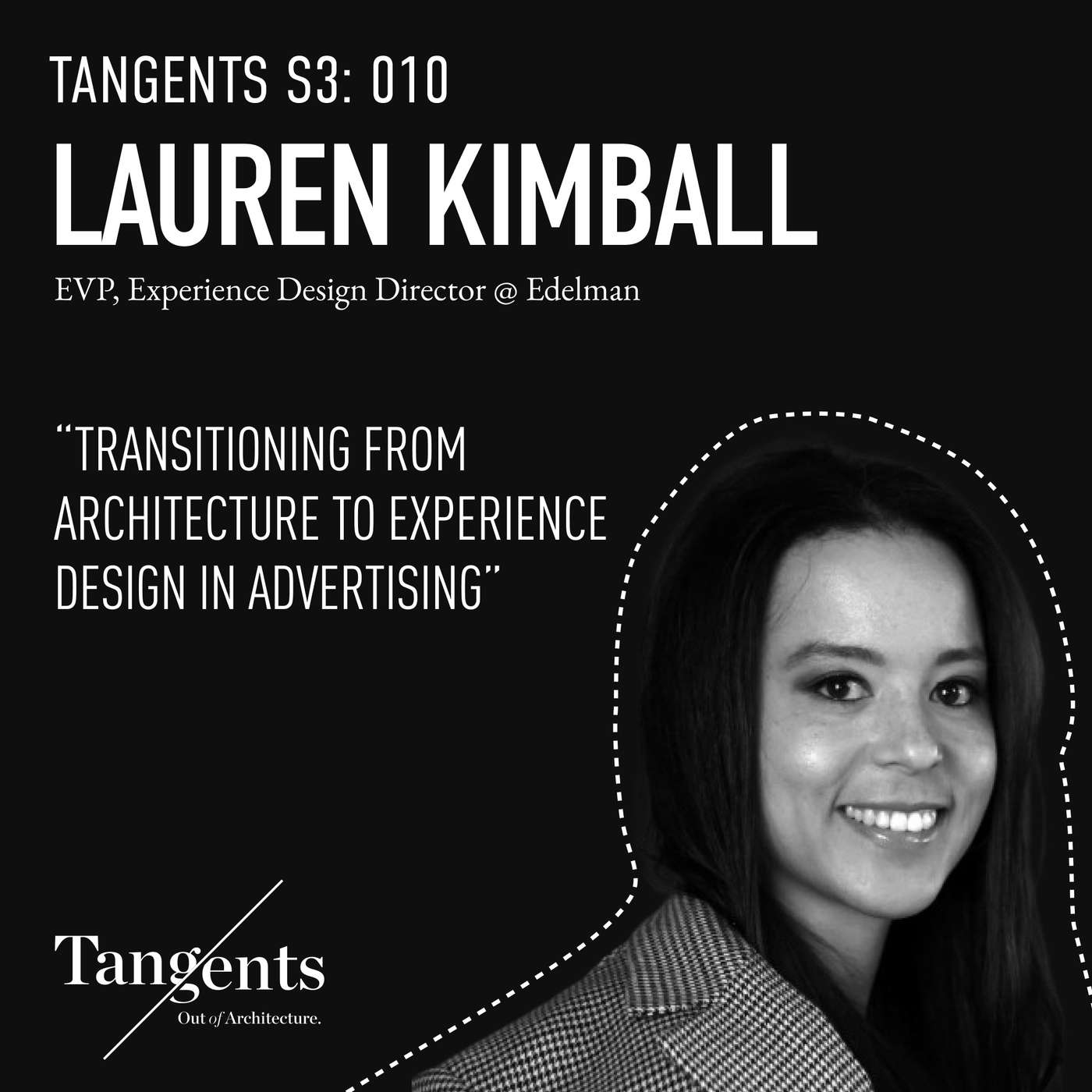
Our guest today, Lauren Kimball, Experience Design Director @ Edelman, shares her journey from architecture to advertising. She emphasizes the importance of being honest and open in client meetings and offers advice for architecture students looking to explore alternative career paths. Lauren also discusses her platform, Find by Design, which showcases black designers across various disciplines. Through her experiences, she highlights the power of collaboration and the value of pursuing work that you are passionate about.Highlights:Architecture students have an amazing foundation in human-centered design thinking that is applicable across industries.Having a diverse range of experiences, saying yes to new opportunities, and working on passion projects outside of work can open new career doors.The advertising industry moves at a much faster pace than architecture which allows for more experimentation and learning.Being honest about what you do and don't know builds trust - it's ok to say you'll find the answer and get back to people.Hire people smarter than you and find partners who complement your skills rather than trying to do everythingGuest Bio:Lauren’s experience has been rooted in design since the beginning. Having started her career in sports and entertainment architecture, her world has blended digital and physical to tell brand stories in impactful ways. She has made a career developing teams across the many facets of the design process, including consumer research, experience design, creative technology, and production. She's led interdisciplinary creatives through the design of sprawling music festivals, Olympic master plans, and digital shopping experiences, all to help clients understand their why, and how that translates to an effective design solution. In 2023, Lauren launched FIND By DESIGN, a space created to make it easier to find and support Black designers. The carefully curated directory allows anyone to find talented designers across the graphics and illustration industries, and the platform has already expanded to the UK + Ireland. www.findbydesign.org
★ Support this podcast on Patreon ★
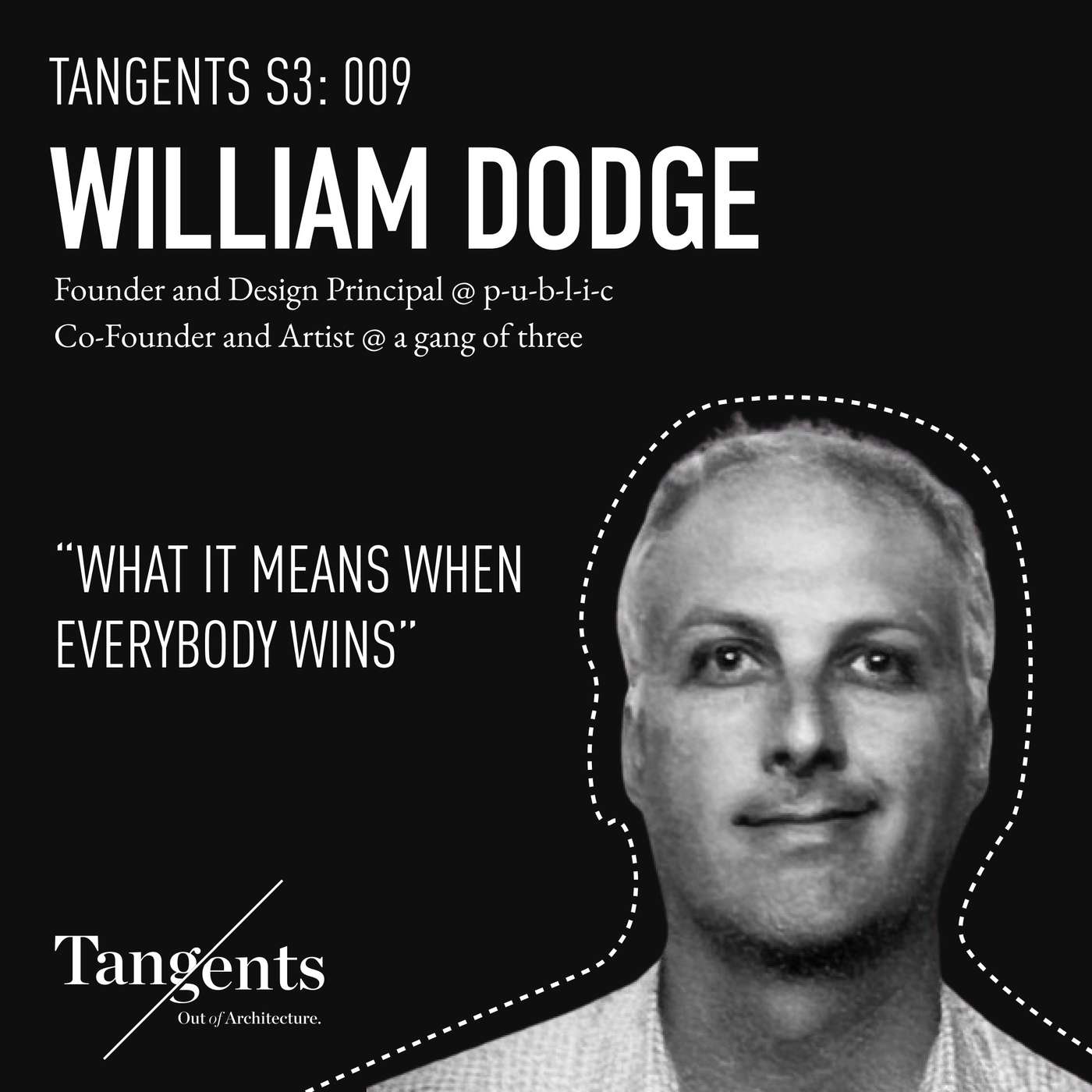
William Dodge shares his unique career journey, from applying to architecture school multiple times, working as a janitor, and eventually becoming a managing principal at a major architecture firm.He discusses his approach to architecture - creating community-focused spaces rather than just facilitating buildings. William talks about starting his own practice, Public, to do great work with wonderful people while getting paid his value. He also runs a public art firm called A Gang of Three. Throughout the conversation, William offers advice on being fearless, hustling, and doing your best work with what you have. He emphasizes the importance of authenticity, resilience, and creating situations where everyone wins rather than winners/losers.Highlights:Architects often become facilitators of buildings rather than builders of community-focused spaces.Take jobs and risks - you immediately fail by not trying. Rejection is not the end.Find how your unique skills and talents can provide value, even if you're not the best at one particular thing.Do what you love, work with great people, make a difference - you should be able to do these without sacrificing pay.Life is too short to work for "assholes." Build a culture where people are valued and encouraged to eventually move on.Show up, be yourself, do your best work - this attracts the right clients and opportunities.Alluvial DecoderThe award-winning project William discusses. Built for $50khttps://www.agangofthree.com/howweworkDocumentary on Vernon Pratt (Jake’s artist Grandfather)https://www.pbs.org/video/all-the-possibilities-zuvjrs/Gwen Jorgenson (Unlikely Olympic gold medalist that William mentioned)https://en.wikipedia.org/wiki/Gwen_JorgensenGuest Bio:William H. Dodge is a multidisciplinary designer, design strategist and conceptual artist based in North Carolina (USA). He is Founder and Design Principal of p-u-b-l-i-c, Co-founder of A Gang of three (public art), and Founder and Director of The Vernon Pratt Project (art non-profit). He has both led and collaborated on projects at nearly every scale and has served as a key advisor to some of the world’s premier design firms. He regularly serves as a visiting critic and guest lecturer on the subjects of art, architecture, design, technology, and innovation at various institutions internationally.
★ Support this podcast on Patreon ★

Comments

Download from Google Play

Download from App Store
 United States