


 Claim Ownership
The AC Podcast
Subscribed: 64Played: 1,854
Subscribe

© (c) 2020-2024 Association for Coaching
Description
Welcome to the Association for Coaching (AC) Podcast Channel.
Enjoy our educational, thought-provoking conversations as our diverse range of hosts speak with coaches, thought leaders, academics and industry innovators. Listen to our weekly episodes to gain actionable tools and proven techniques to elevate your personal and professional development, boost your coaching business and become a better coach for your clients. Whether you're a seasoned professional or just starting, this is your go-to resource for growth and success in the coaching industry.
All our podcast and guest resources are available in our Digital Learning Hub, which includes an extensive library of webinars, interviews, and a portfolio of live events to help you develop and increase your coaching expertise. https://www.associationforcoaching.com/page/dl-hub
Enjoy our educational, thought-provoking conversations as our diverse range of hosts speak with coaches, thought leaders, academics and industry innovators. Listen to our weekly episodes to gain actionable tools and proven techniques to elevate your personal and professional development, boost your coaching business and become a better coach for your clients. Whether you're a seasoned professional or just starting, this is your go-to resource for growth and success in the coaching industry.
All our podcast and guest resources are available in our Digital Learning Hub, which includes an extensive library of webinars, interviews, and a portfolio of live events to help you develop and increase your coaching expertise. https://www.associationforcoaching.com/page/dl-hub
273 Episodes
Reverse

In episode four of our Love in Coaching series, host Helena Clayton speaks with veteran coach and educator Aboodi Shabi about love and spirituality in coaching. They explore how the profession has evolved from a performance-driven model to one that embraces the full depth of human experience. Aboodi shares why love—expressed as compassion, presence, and genuine care—is central to transformative coaching in the current world we live in, and how spirituality can provide grounding and insight for both coach and client. He also discusses the courage required to bring these themes into organizational contexts that often focus more on productivity than humanity. Aboodi emphasizes the importance of coaches doing their own inner work, humility and holding space for clients' full selves. Helena and Aboodi examine the importance of vulnerability, creating space for silence and stillness, and embracing diversity and inclusion in practice. They also contrast human coaching with AI-driven models, highlighting that authentic presence and heartfelt connection remain irreplaceable. This episode offers inspiration and practical insight for coaches seeking to integrate love, spirituality, and deeper human awareness into their work. You will learn: · Why love is foundational to modern coaching · Why coaches' own inner work is essential to enable them to hold an authentic, healthy presence and meaningful engagement with clients · How it is possible to bring love and spirituality into organizational contexts 'We all learn to harden our hearts to deal with the world, and it costs us connection and love.' Don't forget to subscribe, rate, and leave us a review! Your feedback helps us bring you more valuable content. For the episode resources and guest bio, please visit: https://www.associationforcoaching.com/page/dl-hub_podcast-channel-love-in-coaching-spirituality-love-presence
In this episode, host Helena Clayton is joined by the founder of Mobius Executive Leadership, Amy Elizabeth Fox to explore the field of trauma-informed coaching, vertical development, and the urgency of doing deep inner healing work with senior leaders. As organizations face greater volatility and complexity, Amy reflects on the role of emotional and spiritual development both in the maturation path for coaches and practitioners as well as in the development journey for leaders. They delve into how understanding trauma, building emotional literacy, and developing presence can fundamentally shift the culture of leadership and organizations. With insights from decades of integrating psycho-spiritual development into executive work, Amy explains why examining and healing trauma is no longer optional for modern executives who want to create impact, and how coaches must do their own inner work to serve with integrity and impact. They explore the specific practices for expressing love in the workplace and how the qualities of tenderness, candour, and wholeheartedness can transform leaders and teams. Amy discusses the power of collective healing, the importance of practitioner communities, and the role of authentic story work in building trust and intimacy in organizations. From understanding trauma at an individual and systemic level to expressing love in practical, grounded ways, this episode is a guide to cultivating the transformational capabilities needed to lead in a complex world. You will learn · The importance of trauma literacy for coaches and facilitators · The need to undertake healing in group contexts not just private therapy · The relevance of vertical development in a less predictable volatile world 'I have a strong conviction that the level of emotional immaturity and regression from which most leaders are operating is a sort of invisible pandemic.' Don't forget to subscribe, rate, and leave us a review! Your feedback helps us bring you more valuable content. For the episode resources and guest bio, please visit: https://www.associationforcoaching.com/page/dl-hub_podcast-channel-love-in-coaching-leadership-vertical-development-trauma
What if the real turning point for male leaders isn't more strategy—but more love, presence, and emotional courage? In this powerful episode, leadership coach and host Helena Clayton talks with high-performance coach and men's mentor Craig White, whose work guides successful men —especially those in their 40s and 50s—towards deeper emotional connection, self-acceptance, and authentic leadership. Craig explores why many men feel disconnected from themselves, and their emotional lives and relationships, and how balancing masculine and feminine energies can dramatically expand a man's capacity to lead, relate, and thrive. Craig opens up about his own transformative journey and shares the somatic, holistic practices at the core of his coaching, helping men shift from "head to heart" and reclaim relational presence. The conversation dives into the role of love in men's development, reframing love not as softness, but as a powerful polarity—presence, connection, trust, playfulness, celebration, and accountability and firmness. Helena and Craig explore the value of men-only spaces, the necessity of vulnerability in leadership, and the profound impact of embodied practice on emotional expression. This episode is an invitation for male leaders—and those who coach or support them—to consider how love, in its grounded and courageous form, can fuel personal transformation and more human, impactful leadership in organisations. You will learn: · Why male leaders are discovering that success isn't enough · The importance of somatic coaching practices in helping men shift from head to heart. · How holistic inner work, balancing masculine and feminine energies, creates better leaders and healthy masculinity "If a man loves who he is, if he is kind to himself, if he accepts himself, then he will be like that in relationship to others." Don't forget to subscribe, rate, and leave us a review! Your feedback helps us bring you more valuable content. For the episode resources and guest bio, please visit: https://www.associationforcoaching.com/page/dl-hub_podcast-channel-love-in-coaching-male-leaders-emotional-presence
In this thought-provoking episode, host, Helena Clayton sits down with coach, supervisor and author Clare Norman to explore the transformative power of love in coaching, leadership, and organizational life. Drawing on their 15-year professional connection, they unpack how love—specifically agape, unconditional love—differs from empathy, compassion, and care, and why naming love explicitly can shift the depth and quality of coaching relationships. Claire shares real-life examples about how coaching and supervision becomes a deeply human-centred practice when viewed through the 'lens of love.' Together, they explore the practicalities of integrating love into coaching and the ethical boundaries needed when working with themes that can intersect with trauma, mental health, and personal history. The conversation highlights how love can become a bold revolutionary force in organizations and a catalyst for improved workplace culture and humancentric leadership —while also reinforcing professionalism, ethical rigour, and psychological safety. This episode offers both challenge and inspiration for coaches and supervisors seeking to work more bravely and compassionately. You will learn: · How to introduce love as a professional coaching lens · The importance of inner work for this work - in breaking down a coach's barriers to being loving · The importance of ethics and contracting when bringing love into coaching and supervision 'I notice an extra notch in myself as I'm listening with love or through a stance of love; there's just something additive in that listening.' Don't forget to subscribe, rate, and leave us a review! Your feedback helps us bring you more valuable content. For the episode resources and guest bio, please visit: https://www.associationforcoaching.com/page/dl-hub_podcast-channel-love-in-coaching-ethics-supervision
In this episode, host Helena Clayton sits down with executive coach, supervisor and trainer Marie Quigley for a powerful conversation about bringing love—courageous presence, authenticity, and deep humanity—into coaching. Marie reflects on her own evolution from traditional, performance-driven coaching to a more holistic practice that balances high challenge with deep compassion. She shares how integrating love not only supports clients more fully but also expands a coach's own capacity to hold complexity, uncertainty, and emotion. Helena and Marie explore the shifting landscape of coaching in a world shaped by global tension, organizational pressure, and rising client needs. They discuss why clear, intentional contracting—at both the beginning and end of a coaching relationship—is an act of love, creating psychological safety, transparency, and shared responsibility. Marie also offers a glimpse into her forthcoming book, Fierce Love, and invites coaches to experiment with bringing more love into the coaching space. This episode challenges coaches to show up more bravely, embrace relational depth, and use love as an active force for transformation. You will learn: · How actively bringing love into the coaching space along with challenge and provocation can create deeper transformation in clients · Why good contracting is a foundational act of love in the coaching relationship · Love is coaching is part of the evolving of coaching to more holistic, relational approaches 'If we want to do brave things in our coaching practice and our clients want to do brave things, then we really have to contract for a different approach to how we have conversations with each other.' Don't forget to subscribe, rate, and leave us a review! Your feedback helps us bring you more valuable content. For the episode resources and guest bio, please visit: https://www.associationforcoaching.com/page/dl-hub_podcast-channel-love-in-coaching-coaching-contracting
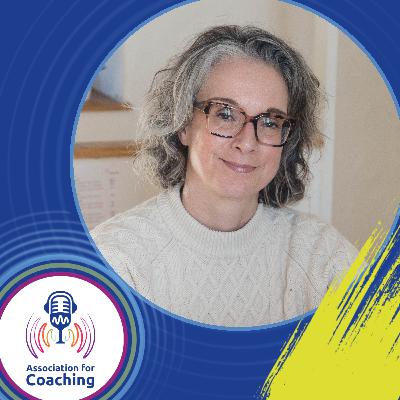
In this episode of 'A Day in the Life Of' podcast series, host Maxine Bell speaks with Lucy Whitehall, a psychologically informed leadership coach whose journey from corporate life to self-employment has shaped a deeply reflective and authentic practice. Lucy shares how she's learned to love working life again by embracing balance, integrity, and compassion—while navigating the grey area between coaching and therapy. Propelled by her fascination in what makes humans tick, she is a coaching psychologist and positive psychologist whose practice focuses on the deep work – understanding client's thoughts, feelings and behaviour. Driven by her own lived experiences with mental health and the current stresses of modern life, Lucy believes that all coaches should have a basic understanding of neuroscience. She is a self-confessed 'geek' for learning and passionate about CPD, which she believes helps her work with credibility, ethics and self-awareness, enabling her to be her best self as a coach for her clients. Lucy shares her experiences with toxic work environments, and why she believes coaching leaders is key to creating healthy, happy, supported workforces that also perform well. She shares the challenges and highlights of being a self-employed coach and running a business, emphasising the non-negotiables she has about her own self-care. Listeners will gain insights, tips and be inspired by the joy and sense of purpose Lucy has found in her career as a coach and creating spaces for genuine human connection can thrive. You will learn: · Understand the principles and practice of psychologically informed coaching · What coaches can support and develop good leadership · Why self-care is essential for good wellbeing and good coaching practice. 'I never believed I could go to work, look forward to it, and have to control my working because I love it so much.' Don't forget to subscribe, rate, and leave us a review! Your feedback helps us bring you more valuable content. For the episode resources and guest bio, please visit: https://www.associationforcoaching.com/page/dl-hub_podcast-channel_day-in-the-life-of-coaches-psychologically-informed-leadership
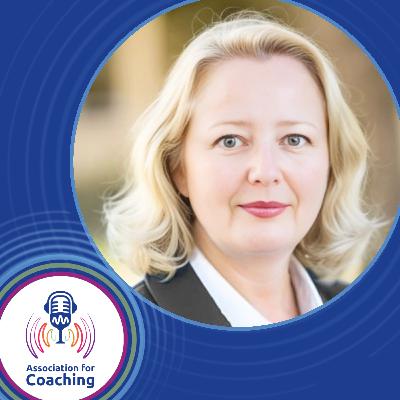
In this episode, Kate Jenkinson talks to Professor Ludmila Praslova, organizational psychologist and author of the acclaimed book The Canary Code. Ludmila shares insights from her research and lived experiences, unpacking the book's central metaphor of the 'canary in the coal mine' — as a powerful lens for understanding workplace dynamics. She explains how neurodivergent individuals, often more attuned to dysfunction, can serve as early warning signals for toxic environments: arguing these sensitivities are not weaknesses but offer organizations a vital opportunity to detect and address systemic issues before they escalate. With refreshing frankness, Ludmila explores neurodiversity in organizational settings, from poor hiring and evaluation practices to the pitfalls of traditional diversity and inclusion efforts and the value of considering intersectionality. She discusses and demonstrates the importance of 'inclusion from the margins,' providing real examples of forward-thinking companies that have successfully implemented neuroinclusive practices. Ludmila shares the role of feedback mechanisms, flexibility, and fair evaluation, and champions job crafting, role modelling and inclusive leadership. Ludmila invites listeners to reimagine workplaces, where transparency, curiosity and fairness create environments where every mind and every business can thrive. You will learn: · Why sensitivity is not fragility but a signal that can aid organizations in creating high performing teams · Why traditional performance management, such as bell curves, do not work. · Why designing workplaces for those most marginalised results in healthier, more equitable and more effective systems for everyone 'You don't just bring in more of the same by adding neurodivergent people to the team. You bring in different pieces that create a much richer overall talent set.' Don't forget to subscribe, rate, and leave us a review! Your feedback helps us bring you more valuable content. For the episode resources and guest bio, please visit: https://www.associationforcoaching.com/page/dl-hub_podcast-channel-neurodiversity-in-workplace-neuroinclusive-organizational-teams-canary-code
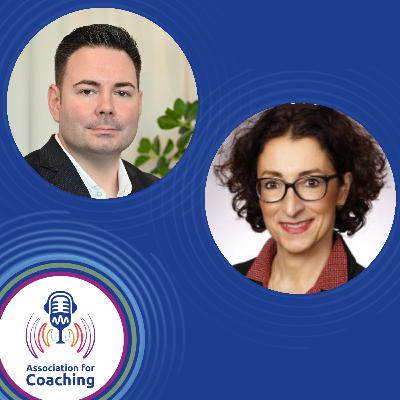
In this insightful episode, host Kate Jenkinson speaks with neurodiversity lead, Dominique Stern and scientist and coach, Nathalie Meunier about how the global healthcare company, Roche, is embedding neurodiversity inclusion into its culture through coaching, education, community, and courageous leadership. Together, they explore how understanding and embracing neurodivergent experiences can transform the employee experience. Dominique and Nathalie share real examples and practical strategies that highlight how psychological safety, active listening, and curiosity can unlock hidden potential and foster a sense of belonging and innovation across teams. This conversation goes beyond awareness, demonstrating how neuroinclusion is a strategic advantage that enhances collaboration, innovation, and business performance. As Dominque summarises, "Neuroinclusion is not charity. Neuro inclusion will directly unlock probably one of the biggest performances reserves you have in your organization." Gain real-world insights into how Roche's Neurodiversity Network has co-created a thriving, supportive environment where neurodivergent employees feel seen, valued, and empowered to contribute their best work. Whether you're a coach, internal practitioner, HR leader, or senior executive, this episode offers actionable steps to champion neurodiversity and build an organization where every mind truly matters. You will learn: · How neurodivergent employees thrive in an environment of psychological safety, awareness and sense of belonging. · Practical strategies for leaders and coaches to cultivate a neuroinclusive culture — where cognitive diversity drives real business results. · How coaching skills can lead the way to healthier inclusive workplace 'We create a place of belonging and acceptance for neurodivergent people, we are neurodiversity affirming, and we also raise awareness of neurodiversity at work and advocate for neuro inclusion in every aspect of the employee experience.' Don't forget to subscribe, rate, and leave us a review! Your feedback helps us bring you more valuable content. For the episode resources and guest bio, please visit: https://www.associationforcoaching.com/page/dl-hub_podcast-channel-neurodiversity-in-workplace-innovation-corporate-inclusive-leadership

In this episode, host Kate Jenkinson talks to Fiona Plows, VP of Enterprise Innovation, for a thought-provoking conversation about neurodiversity and inclusive leadership. Fiona reflects on her career journey from a PhD in chemistry to leadership in tech and innovation and how she learned the importance of purpose-driven problem-solving over mere technology expertise. She explains how neurodivergent traits can fuel creativity and innovation, offering both personal reflections and organizational strategies for creating inclusive spaces where diverse minds thrive. With lots of real-life examples and practical tips Fiona discusses the essence of authentic, good leadership: advocating for a gardener style leadership rooted in genuine care, active listening, and nurturing potential rather than controlling it. She unpacks the real meaning of inclusion in everyday team dynamics, from designing better meetings to supporting neurodiverse talent through coaching, mentoring, and importantly, sponsorship. Listeners will gain actionable advice for fostering inclusion in daily team dynamics, navigating leadership challenges without overwhelm and burnout, and building networks that enable both professional and personal growth. An episode jammed-packed with nourishing insights and advice! You will learn: · How neurodiversity is a catalyst for innovation and creativity in the workplace · Why leadership rooted in care will help individuals, teams and organizations to thrive · Why purpose-driven careers are the key to success and a happy, fulfilled workforce "Neurodiversity can be a real superpower; if you think differently, you can imagine things that don't exist yet." Don't forget to subscribe, rate, and leave us a review! Your feedback helps us bring you more valuable content. For the episode resources and guest bio, please visit: https://www.associationforcoaching.com/page/dl-hub_podcast-channel-neurodiversity-in-workplace-leadership-care-innovation

In this informative episode, host Kate Jenkinson sits down with neurodiversity coach and speaker, Cheryl Winter, to explore how the world of hidden disabilities has evolved since 2010 — and what this means for coaches, leaders, and organizations today. Cheryl reflects on her journey since 2011, sharing inspiring client stories and practical strategies for supporting neurodivergent employees. From dyslexia to ADHD and autism, the conversation dives into workplace needs assessments, early strengths identification, and the differences between neurodivergent coaching and neurotypical coaching approaches. Together, they discuss the changing landscape of neurodiversity support in the workplace, the importance of using a strengths-based approaches and the implications of double empathy. Cheryl talks about some of the sensory challenges for neurodivergent individuals and highlights how empowering managers, training HR professionals, and fostering co-coaching relationships can create workplaces where neurodiversity can work to their talents with better outcomes for all. Whether you're a coach, a leader, or part of an organization seeking to do better, this episode offers both inspiration and practical takeaways for the future of workplace inclusion. You will learn: · The benefit of workplace needs assessments and strength-based approaches · What managers and leaders can do to provide good support for their neurodivergent employees · Why co-coaching can be transformative for neurodivergent employees and employers "If organisations invested in getting their HR professionals or their occupational health teams trained in neurodiversity workplace needs assessments, I think individuals would be attended to quicker." Don't forget to subscribe, rate, and leave us a review! Your feedback helps us bring you more valuable content. For the episode resources and guest bio, please visit: https://www.associationforcoaching.com/page/dl-hub_podcast-channel-neurodiversity-in-workplace-needs-assessments-strength-based
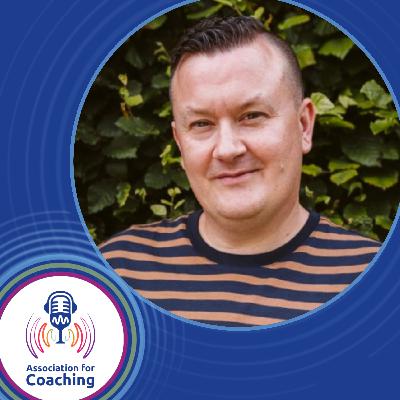
In this warm and insightful episode, host Kate Jenkinson sits down with friend and fellow coach Mike Bedford over a comforting cup of Yorkshire tea to explore coaching neurodivergent professionals. Together, they unpack the importance of unconditional positive regard, and the everyday challenges neurodivergent individuals navigate in the workplace—such as ambiguity, masking, and burnout. Mike encourages neurodivergent individuals to be brave and open from the start about who they are and what they need: sharing the transformative role of self-advocacy, support networks, and clear communication in thriving at work. The conversation also highlights the value of individualised approaches to well-being and professional development. Kate and Mike reflect on strategies for managing mental health, recharging, and maintaining balance, while examining how language, identity, and boundaries influence neuro-inclusive spaces. They discuss the role of technology in burnout, and how hidden agendas or vague communication can exacerbate stress for neurodivergent individuals. What emerges is a thoughtful reminder that authenticity, reflection, and respect are essential ingredients in coaching, workplace and leadership practices that truly embrace neurodiversity where neurodivergent professionals can be themselves and flourish at work. You will learn: · The complexities of unconditional positive regard at work · The power of self-advocacy · Tips and insights for supporting neurodivergent employees 'If you don't know yourself, you're never going to truly be able to get what you need to thrive.' Don't forget to subscribe, rate, and leave us a review! Your feedback helps us bring you more valuable content. For the episode resources and guest bio, please visit: https://www.associationforcoaching.com/page/dl-hub_podcast-channel-neurodiversity-in-workplace-burnout-self-advocacy-neurodivergent

In this episode, host Kate Jenkinson interviews Anita Patel, an inclusion and intersectionality speaker, trainer, and neurodiversity coach. Anita shares her personal journey with late-diagnosed autism and ADHD, discussing the challenges neurodivergent individuals face at work and the evolution of organizational attitudes toward neuro-inclusion. She explains why intersectionality and lived experience are essential for authentic inclusion, and how businesses, leaders, and HR professionals can move beyond tokenistic gestures toward strategic, systemic change. The conversation dives into practical strategies for embedding neuro-inclusion into organizational culture, highlighting the power of strength-based coaching, psychological safety, community support, and open dialogue. Anita offers a hopeful vision for the future—one where neurodivergent employees feel celebrated, supported, and empowered to thrive. Whether you're a coach, business leader, or HR professional, this inspiring episode provides actionable insights to foster genuine inclusion and drive meaningful impact. You will learn: · Why lived experience and intersectionality matter in shaping effective neurodiversity initiatives · How organizations can shift from tokenistic practices to positive systemic inclusion · Practical steps leaders can take to build psychological safety and support neurodivergent employees "More recently, I've noticed a shift where people are thinking about what neuro inclusion actually means through an intersectional lens and how this can be embedded throughout the year" Don't forget to subscribe, rate, and leave us a review! Your feedback helps us bring you more valuable content. For the episode resources and guest bio, please visit: https://www.associationforcoaching.com/page/dl-hub_podcast-channel-neurodiversity-in-workplace-intersectionality-organisations-neuroinclusion

In this episode, host Kate Jenkinson talks to Nathan Broad, IT Director at Certas Energy, for an insightful conversation on how leaders can create inclusive workplaces. Nathan shares both personal and professional experiences, highlighting the power of organizational kindness, supportive policies, and community-driven approaches to inclusion. They explore practical initiatives such as quiet spaces, community groups, and tailored IT solutions that help neurodiverse employees thrive. The discussion also unpacks common misconceptions and emphasizes the value of reflective listening and feedback as tools for building stronger, more supportive workplaces. Nathan also speaks candidly about the role of leadership in championing neurodiverse talent, the challenges organizations face in creating truly inclusive cultures, and the progress still to be made. By shifting mindsets, addressing language and narratives around neurodiversity, and embedding feedback loops into workplace practices, leaders can build environments where every employee feels empowered and valued. This episode is both a call to action and a practical guide for coaches, leaders, and organizations committed to fostering more inclusive, compassionate communities. You will learn: · Why organizational kindness is good business · Why a top-down approach is essential · How employee accountability empowers and informs workplaces 'Business will be more effective if we do the right things by people' Don't forget to subscribe, rate, and leave us a review! Your feedback helps us bring you more valuable content. For the episode resources and guest bio, please visit: https://www.associationforcoaching.com/page/dl-hub_podcast-channel-neurodiversity-in-workplace-organizational-kindness-inclusive-leadership

Looking for practical ways to make recruitment more inclusive and supportive of neurodivergent talent? In this episode, host Kate Jenkinson sits down with Mark Crawley, founder of Diversita, a consultancy neurodiversity consultancy that help organizations become more neuro inclusive through training, recruitment and awareness. Mark shares his personal motivation for this work, unpacks the barriers many neurodivergent candidates face, and explains why equity—not equality—is key to creating fair opportunities. Together, they explore actionable strategies such as skills-based recruitment, making reasonable adjustments, and equipping managers with the right training. Mark also introduces Diversity's new digital platform for neuro-diverse job seekers and shares inspiring success stories that show what's possible when organizations truly embrace neurodiverse talent. Listeners will come away with two powerful takeaways: first, the importance of shifting recruitment systems to recognize strengths rather than screen out difference; and second, the vital role coaches play in helping create supportive processes and environments where neurodivergent individuals can thrive. Whether you're a coach, supervisor, HR professional, or organisational leader, this conversation is packed with insights, tips, resources, and next steps to help you attract, hire, and retain the incredible neurodivergent talent out there. You will learn: · Why neuro-inclusive recruitment is so important · How organisations can start their journey to embracing neurodivergent talent · Advice for neurodivergent job seekers 'We wanted to make sure we represented jobseekers, but equally so we wanted to make sure we trained and educated organizations. and that a twofold approach is something that no other real recruitment agency or organization are really doing.' Don't forget to subscribe, rate, and leave us a review! Your feedback helps us bring you more valuable content. For the episode resources and guest bio, please visit: https://www.associationforcoaching.com/page/dl-hub_podcast-channel-neurodiversity-in-workplace-recruitment-neurodivergent-talent

In the first episode of a new series – Neurodiversity in the Workplace – host Kate Jenkinson is joined by Ellie Hand, Senior HR Advisor and Training Lead at Bhayani Law, to discuss how organisations can move beyond legal compliance to create truly inclusive workplace cultures that celebrate difference and empower individuals to thrive. Ellie shares practical advice on tackling misconceptions, implementing reasonable adjustments, and the importance of empathy and clear communication in supporting neurodivergent employees. She explains what good feedback looks like and delves into the risks organisations face when they neglect neuro-inclusion, including both legal exposure and commercial risk. Ellie emphasises the role of leadership buy-in, collaboration, and valuing lived experiences as workplace champions, when shaping inclusive practices. With insights into intersectionality, unconscious bias, and the impact of effective feedback, listeners will leave with a richer understanding of how to support neurodivergent colleagues and embed meaningful culture change that benefits everyone. Whether you are a coach, HR professional, leader, or part of an organisation seeking to do better, this conversation offers practical strategies and thought-provoking takeaways. You will learn: · Why moving beyond compliance is key to building inclusive and supportive workplace cultures · How reasonable adjustments, empathy, and effective feedback can transform employee experiences · The risks of neglecting neuro-inclusion and the importance of leadership commitment and culture change 'Organisations are starting to recognise that neurodiversity isn't just a legal issue. It's about creating an environment where all minds can thrive, regardless of where that thrives sits.' Don't forget to subscribe, rate, and leave us a review! Your feedback helps us bring you more valuable content. For the episode resources and guest bio, please visit: https://www.associationforcoaching.com/page/dl-hub_podcast-channel-neurodiversity-in-workplace-compliance-inclusion-workplace-culture
Welcome back to another episode of our Day in the Life podcast series, where we meet real coaches living real lives. In this inspiring conversation, host Maxine Bell sits down with Conny Weyrich, an arts-based and trauma-informed coach from Melbourne, Australia. Conny shares her remarkable mid-life journey from a corporate career in marketing and consultancy to art therapy, and ultimately into the world of coaching. Her story offers valuable insights for coaches and supervisors who are curious about weaving creativity, compassion, and trauma-awareness into their practice. In this episode, Conny shares what art-based coaching really means, the significance of being a trauma-informed coach, and how curiosity and compassion guide her client work. She reflects on her typical workweek, memorable coaching moments, and the deep importance of supervision and self-care. Whether you're an experienced coach or just beginning your journey, Conny's wisdom and practical tips will encourage you to reflect on your own practice, become clear of the scope of your own practice, focus on the development of relational skills and embrace creativity as a pathway to growth. A highly recommended listen for coaches, supervisors, and anyone interested in the intersection of art, healing, and coaching. You will learn: · The role of creativity and arts-based methods in helping clients grow · Why being trauma-informed is invaluable for sustainable, ethical coaching · Why self-care, self-awareness and supervision make you a better, more effective coach "I would say the skills around, being in relationship, being present, being attuned to the client and to the process are probably always more important than any skills around a particular coaching framework or coaching tools." Don't forget to subscribe, rate, and leave us a review! Your feedback helps us bring you more valuable content. For the episode resources and guest bio, please visit: https://www.associationforcoaching.com/page/dl-hub_podcast-channel_day-in-the-life-of-coaches-art-based-trauma-informed

Can we truly make coaching spaces inclusive? This powerful closing episode of our Coaching Supervision Uncovered series invites you into a dynamic panel conversation on the role of Diversity, Equity, and Inclusion (DEI) in coaching supervision. Host Helen O'Grady is joined by master coaches Shruti Sonthalia, Dumi Magadlela and Claire Pedrick as they unpack how supervision can become a sacred space for reflection, authenticity, and growth. Together, they explore how supervisors can model courage, examine safety, shame and co-design spaces where vulnerability becomes a strength rather than a risk. The conversation dives deeply into identity, systemic, cultural and continental context - highlighting the ways power dynamics and intersectionality shape supervision relationships. By weaving personal insights with practical reflections, the panellists show how re-humanisation, presence, and recognition of interconnectedness can unlock truly inclusive coaching spaces. As the series finale, this episode is both a celebration of what has been uncovered and an open invitation to continue the dialogue on inclusion as a living, co-created process. You will learn: · How to hold supervision as a sacred space that enables authentic reflection and growth · Why vulnerability, courage, and cultural awareness are essential to inclusivity. · Practical ways supervisors can co-create inclusive environments that allow coaches to come as they are 'We can't declare that a space is safe. We also can't declare that a space is inclusive because as the supervisor, that's not our decision.' Don't forget to subscribe, rate, and leave us a review! Your feedback helps us bring you more valuable content. For the episode resources and guest bio, please visit: https://www.associationforcoaching.com/page/dl-hub_podcast-channel-coaching-supervision-uncovered-identity-power-inclusion

How does power truly manifest in coaching supervision? In this episode, host Helen O'Grady sits down with executive coach and supervisor, Shruti Sonthalia to unpack the often overlooked but critical dimension of power in supervision. Together, they explore how power is an inherent element of all human relationships and why acknowledging its presence is essential for supervisors, coaches, and leaders. From "power over" and "power under" to cultivating shared power, this episode dives deep into the ways identity, privilege, and cultural context influence supervision relationships. Listeners will hear what red flags indicate power imbalance, and practical strategies that foster shared power in supervision. The conversation also sheds light on systemic dynamics, the challenges supervisors face in balancing relational warmth with ethical responsibility, and the transformative potential of curiosity and humility. If you're a coach, coaching supervisor, or leader coach seeking to navigate complex dynamics with greater self-awareness and impact, this episode offers a rich and thought-provoking guide to embodying shared power. Key Learning Points: · Why power is an unavoidable and essential element of all coaching supervision relationships · How supervisors can consciously foster shared power dynamic within the coaching supervision relationship · The impact of broader systemic and identity issues on a shared power relationship "When you are able to name what needs to be named and really listen to the unspoken, you are in service to both the coach and the larger systems they serve and the power dynamics that might exist in the systems." Don't forget to subscribe, rate, and leave us a review! Your feedback helps us bring you more valuable content. For the episode resources and guest bio, please visit: https://www.associationforcoaching.com/page/dl-hub_podcast-channel-coaching-supervision-uncovered-power-privilege-identity
What if coach supervision wasn't just about reflecting—but about completely rethinking how you grow? In this episode, host Helen O'Grady speaks with Dr. Elizabeth Crosse about how coach supervision can foster real coach development – a dynamic, critically reflexive practice that meets coaches exactly where they are. Drawing on her research, Elizabeth introduces a practical typology for growth through three distinct lenses: the craft of coaching, self-work (the internal work) and the art of coaching (the external learning that comes through coaching). Together, they explore the non-linear, cyclical nature of coach development, and how supervision encourages curiosity, critical thinking, and self-awareness for more effective, holistic coaching. Elizabeth also shares insights from her Developmental Mindset Inventory— a tool designed to help coaches and supervisors assess and expand their developmental approach. She explains how supervision can meet coaches where they are, balancing professional capability with personal capacity, and turning learning into meaningful growth. This episode is both a framework for practice and an invitation to slow down, notice what resonates, and engage with your own evolving developmental path. You will learn: · Why supervision must support both professional capability (knowledge and skills) and personal capacity (navigating complexity). · That development is not about adding more apps — it's about upgrading your system · How to be critically reflexive instead of just reflective "For me, development is something like happiness; you cannot guarantee you'll be happy, but you can do things that are more likely to enhance your ability." Don't forget to subscribe, rate, and leave us a review! Your feedback helps us bring you more valuable content. For the episode resources and guest bio, please visit: https://www.associationforcoaching.com/page/dl-hub_podcast-channel-coaching-supervision-uncovered-coach-development
In this episode, host, Helen O'Grady is joined by Michelle Lucas, an accredited Master Executive Coach and Supervisor, who explores the vital role of reflective practice in coaching supervision. She clarifies the definition of reflection and reflexivity in coaching; it's iterative nature and application in various contexts. Michelle discusses the three methods of reflection: self-supervision, peer supervision and professional supervision and the challenges coaches face in engaging reflective practice. She explains how to recognise individual reflective practices and addresses the common barriers. Michelles stresses the value of experimentation with different reflective methods and examines the difference between supporting new and more experienced coaches, highlighting the need for intentional, regular practice. Listeners gain practical insights and resources to deepen their reflective habits and enhance their coaching effectiveness. You will learn: · The importance of taking a diversity of approaches when reflecting · How supervisors can encourage coaches to broaden their reflective repertoire · How to tailor reflective activities that work for you - there are no "shoulds" here! 'For me, reflection is a really iterative process; it doesn't stop, it just evolves and often comes back several times before we feel resolved.' Don't forget to subscribe, rate, and leave us a review! Your feedback helps us bring you more valuable content. For the episode resources and guest bio, please visit: https://www.associationforcoaching.com/page/dl-hub_podcast-channel-coaching-supervision-uncovered-reflective-practice-reflexivity

Comments

Download from Google Play

Download from App Store
 United States