


The AI Marketing Navigator
Subscribed: 12Played: 118
Subscribe

© Alex Carlson
Description
Dive into the world of digital marketing as it intersects with the cutting-edge advancements in artificial intelligence with "The AI Marketing Navigator." This podcast is your compass in the evolving landscape of AI-enhanced marketing, offering you daily insights, strategies, and actionable tips. With fingers on the pulse of the latest on AI in: SEO, content marketing, social media, email marketing, and more, get the updates and tactics you need to navigate the complexities of marketing in the AI age. Subscribe to "The AI Marketing Navigator" to transform the way you think about marketing.
374 Episodes
Reverse
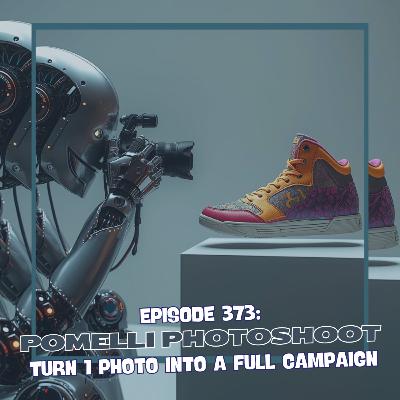
In this episode, host Alex Carlson explores Pomelli Photo Shoot, the newest feature from Google Labs that transforms a single product photo into professional studio-quality marketing images in seconds — for free. Alex breaks down what Google Labs is and how it operates, walks through Pomelli's full workflow as an AI marketing assistant, demos the Photo Shoot feature live using a fictional product, covers the campaign animation tools, surveys the broader Google Labs ecosystem, and addresses the growing tension between AI creative tools and professional photographers already losing work to generative AI.Keywords: Google Labs, Pomelli, Photo Shoot, AI Product Photography, Nano Banana, E-Commerce Marketing, AI Marketing Tools, Google AI, Campaign Automation, Product Images, Business DNA, Small Business Marketing, Creative AI, Professional Photography, Generative AI ImpactKey TakeawaysGoogle Labs PlatformGoogle Labs is a public incubator for Google's most experimental AI projects, originally launched in 2002 and surging in relevance during the recent AI waveBuilt on three pillars: experiments (the core products), learning lab sessions (experimental collaborations), and community (AI enthusiasts guiding the development process)Notable current experiments include Project Genie (3D explorable world generation from prompts), Flow (AI filmmaking with VO3 for multi-scene consistency), NotebookLM (viral learning assistant), Stitch (UI design to front-end code), and Whisk (image-to-image generation using visual references)Google Labs continues to position itself as a leader in simplified, user-friendly AI creativityPhoto Shoot FeatureLaunched February 19, 2026 as the most recent and most disruptive addition to PomelliPowered by Google's Nano Banana image generation model, widely considered the leading image generation model availableUpload a single product photo or provide a product URL, select from templates like flat lay, model try-on, in-use, seasonal themes (including holiday-specific options like Easter), and choose your aspect ratio (story, square, or feed)Generates multiple professional-quality product images in approximately two to three minutesResults can be edited with text prompts (also powered by Nano Banana), downloaded directly, or added to your Business DNA for future campaign useTemplate categories include beauty, general, consumables, home goods, style and fashion — each containing multiple shot variationsBusiness ApplicationsProfessional product photography typically costs hundreds to thousands of dollars per product per shoot — a significant financial barrier for small businesses and e-commerce brands needing bulk product imagesPhoto Shoot eliminates that cost entirely, representing another major step in the democratization of high-quality creative capabilitiesLevels the playing field for smaller operations competing with larger brands that can afford dedicated photography budgetsParticularly valuable for e-commerce stores needing updated product images at scale where price has been a blockerLinks[1]Official Google Blog - Pomelli[2] PetaPixel - Google's Pomelli Photoshoot Feature[3] Google AI on Twitter[4] Reddit - r/photography[5] Official Google Blog - Photoshoot[6] PetaPixel - Google's Pomelli Photoshoot Feature[7] Google Blog - Nano Banana Pro[8] Logical Position - Pomelli Evaluation[9] Reddit - r/photography Discussion[10] Google Labs Experiments Page[11] Google Blog - CC AI Agent[12] DeepMind - Project Mariner[13] Google Blog - Opal[14] Jules[15] Google Blog - Flow[16] NotebookLM[17] Google Labs - About[18] Google Developers Blog - Stitch[19] Google Blog - Disco/GenTabs[20] Google Blog - Whisk[21] TechBuzz - Google Labs Debuts Pomelli Photoshoot
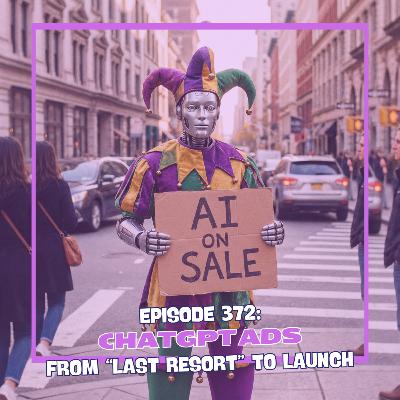
In this episode, host Alex Carlson breaks down the arrival of ads inside ChatGPT, tracing Sam Altman's rapid pivot from calling ads a "last resort" in 2024 to launching them February 9, 2026. Alex covers the premium pricing ($60 CPMs, $200K minimum buy), early brand partners, user backlash, Anthropic's Super Bowl counter-ad, an OpenAI researcher's resignation in protest, and what the trust question at the center of AI advertising means for marketers at every level.KeywordsChatGPT Ads, OpenAI Advertising, Sam Altman, Anthropic Super Bowl Ad, Claude AI, CPM Pricing, Answer Engine Optimization, AEO, High Intent Advertising, Sponsored Recommendations, AI Marketing, Trust in AI, Generative Engine Optimization, Free Tier Monetization, Digital Advertising StrategyKey TakeawaysAd Basics & PricingAds officially launched February 9, 2026 for US users on the Free and Go tiers onlyPlus, Pro, Business, Enterprise, and Education subscribers remain completely ad-freeCPMs starting at approximately $60 — nearly three times a typical Meta or social ad CPMMinimum buy of $200,000 makes this an enterprise-only play for now, excluding small businesses and solo agenciesEarly brand partners include Adobe, Amazon Audible, Target, Ford, HelloFresh, and MazdaWPP Media running campaigns for Ford and Mazda among other large advertisersOnly approximately 5% of ChatGPT's 800 million weekly users actually pay for a subscriptionOpenAI frames ads as necessary to fund democratic access to high-quality AI for free usersGetting in early to a new ad marketplace has historically offered significant arbitrage advantagesThe Altman PivotIn 2024, Sam Altman specifically called ads a "last resort" for the companyBy end of 2024, executives were already on record weighing ads as a revenue optionSeptember 2025, OpenAI actively recruited for a head of advertising roleRepresents a dramatic shift in under a year from anti-ads to full ad deploymentAltman responded to Anthropic's Super Bowl ad by citing ChatGPT's larger user base versus ClaudeBacklash & Industry Reaction68% of Reddit commenters expressed negative sentiment toward the ads announcementOpenAI researcher Zoe Hitzig resigned specifically over the decision, warning that OpenAI had accumulated an "archive of human candor" from deeply personal user conversationsAnthropic ran a Super Bowl commercial showing users hilariously derailed by absurd AI ads, with the message that ads would never come to ClaudeDemis Hassabis of Google DeepMind said he was "a little surprised" OpenAI moved this earlyMarketing community is cautiously optimistic despite the high cost of entryForrester survey found 83% of users would accept ads for continued free tier access — complaining about ads and actually leaving the product are two very different behaviorsWhat This Means for MarketersThe high-intent purchase environment inside ChatGPT is genuinely unique compared to other ad channelsUsers are actively mid-conversation and mid-decision when ads appear, not passively scrolling a feedFor enterprise marketers with budget, getting in early is strongly advisable while competition is lowFor small business and solo marketers, the focus right now should be organic AI presence through Answer Engine Optimization (AEO) and Generative Engine Optimization (GEO)AI search presence differs from traditional SEO — it leans more toward citations and brand mentions than keywordsThe central trust challenge: ChatGPT is the one making the recommendation, not the advertiser — unlike Google where the advertiser's landing page did the convincing, making the line between advice and sponsored advice thinner than everSources:
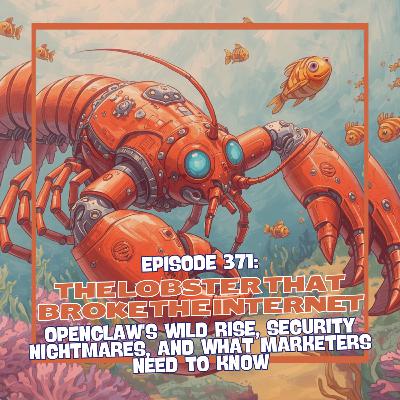
In this episode, host Alex Carlson returns after a four-month hiatus to break down OpenClaw, the open-source autonomous AI agent that has taken the internet by storm with over 172,000 GitHub stars. Alex traces the tool's origin story from Clawdbot to MoltBot to its current name, examines the secondary phenomenon of MoltBook (a social network exclusively for AI agents), and delivers an honest assessment of the serious security concerns that currently prevent him from recommending the tool for production use — while still exploring the compelling marketing use cases for those willing to accept the risk.KeywordsOpenClaw, Autonomous AI Agent, Open Source AI, AI Security Risks, Prompt Injection, AI Marketing Automation, MoltBook, Peter Steinberger, Claude Code, Brand Monitoring, Social Media Automation, AI Agent Security, Clawdbot,Key TakeawaysOrigin & BackgroundCreated by Austrian developer Peter Steinberger, formerly known for PSPDFKitBorn from frustration with constant human approval prompts during vibe coding sessionsOriginal concept was a WhatsApp connection to Claude built in approximately one hourNaming journey went from Clawdbot to MoltBot to OpenClaw after Anthropic trademark noticeGitHub repository has amassed over 172,000 stars in roughly two monthsTool is fully open source and free but requires users to bring their own LLM API keysDesigned to operate as a fully autonomous agent with no human approval layer by defaultViral reach extended well beyond the AI community into mainstream news coverageSecurity ConcernsPalo Alto Networks labeled it a "lethal quartet of risk" citing private data access, untrusted content exposure, external communication channels, and persistent memoryExposed OpenClaw instances have been found leaking API credentials on the open webOver 900 malicious skills have been discovered on the Claw Hub marketplaceHighly vulnerable to prompt injection attacks through connected channels like emailA malicious email can instruct the agent to forward inbox history to an attackerUnlike Claude Code, OpenClaw runs 24/7 with open network exposure and no approval layerClaude Code takes input only from the user's terminal whereas OpenClaw connects to WhatsApp, Telegram, Slack, Discord, and moreOfficial documentation acknowledges there is no perfectly secure setup for OpenClawMarketing Applications24/7 brand monitoring across Reddit, X, LinkedIn, Facebook, YouTube, and other platformsAutonomous community engagement and social media managementContent drafting including blog posts from voice-dictated notesResearch-based reporting with professional PDF output capabilitiesSocial media reply generation including tweets, posts, and threadsLanding page and email template development through connected LLMsCompetitive intelligence gathering through always-on monitoringIntegration with tools like Gamma and Nano Banana for polished marketing assetsCost considerations: developers report spending approximately $25 per day on API usageRisk Mitigation RecommendationsInstall OpenClaw on a dedicated clean machine without personal documents or sensitive dataAvoid exposing the tool to your personal networkStore API keys in environment variables rather than configuration filesExercise extreme caution when installing third-party skills from the Claw HubBe deliberate and selective about which internet accounts and channels you connectUnderstand that internet-connected accounts remain exposed regardless of device isolationRecognize that Claude Code offers a meaningfully smaller attack surface due to local-only inputTreat the tool as experimental and not enterprise-ready at this stageLinkshttps://github.com/openclaw (OpenClaw GitHub Repository)https://moltbook.com (MoltBook — AI Agent Social Network)Sources: https://theaimarketingnavigator.com/podcasts/episode-371-the-lobster-that-broke-the-internet-openclaws-wild-rise-security-nightmares-and-what-marketers-need-to-know/
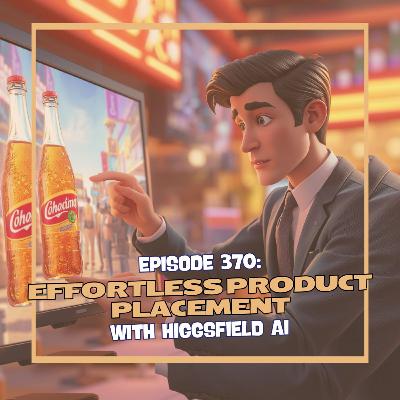
AI Marketing Navigator Show Notes: Higgsfield AI Creative HubIn this episode, we explore Higgsfield AI, a comprehensive creative platform that has evolved far beyond traditional AI image and video generation into a complete creative hub for marketers. Host Alex Carlson demonstrates how Higgsfield's pre-packaged "apps" and "effects" turn viral video concepts into ready-to-use marketing assets, featuring advanced product placement capabilities through tools like "Banana Placement" that allow precise control over where products appear in generated content.KeywordsHiggsfield AICreative Hub PlatformAI Video EffectsProduct Placement TechnologyViral Video TemplatesMarketing Asset CreationAI-Powered AdvertisingVisual Effects GenerationBrand Marketing AutomationSocial Media ContentProduct Marketing VideosAI Creative ToolsBanana Placement Tool3D Product RenderingASMR Marketing ContentKey TakeawaysCore FunctionalityFunctions as complete creative hub beyond basic AI image/video generationPre-packages viral video effects and concepts into ready-to-use "apps"Offers extensive library of visual effects and templated marketing conceptsFeatures advanced product placement through drawing/masking toolsSupports both image and video output formats for maximum flexibilityIntegrates multiple AI models and generation engines in single platformProvides intuitive scrolling interface for discovering effects and templatesEnables rapid iteration and testing of different creative conceptsIncludes specialized tools like Renaissance portraits, 3D renders, and ASMR contentOffers horror face effects and dramatic visual transformations for scroll-stopping contentBusiness ApplicationsCreates high-quality product advertising videos in minutes vs. weeksGenerates B-roll footage for social media and paid advertising campaignsProduces graffiti-style ads and urban marketing contentDevelops 3D product renders and action figure transformationsCreates ASMR marketing content for sensory-driven campaignsGenerates Renaissance-style portraits with realistic crowd reactionsProduces dramatic burning scenes and intense visual effects for impactEnables rapid A/B testing of different creative approaches and stylesFacilitates product placement in existing scenes and environmentsStreamlines creation of viral-worthy content for organic social reachIntegration CapabilitiesWorks seamlessly with existing marketing workflows and asset librariesSupports product image uploads for precise placement and integrationCompatible with various social media platforms and advertising formatsEnables batch creation through templated approaches and saved effectsFacilitates collaboration through shared creative assets and templatesIntegrates with broader AI marketing toolchain including Nano BananaSupports export to multiple formats for cross-platform distributionEnables custom product integration through drawing and masking toolsProvides API potential for enterprise creative automation workflowsConnects with social media publishing and campaign management platformsMarket PositioningPositioned as creative operating system rather than simple generation toolTargets solo marketers and small agencies competing with corporate resourcesDifferentiates through pre-packaged viral concepts and marketing templatesFocuses on democratizing high-end creative capabilities for small businessesCompetes with expensive production teams and professional video servicesEmphasizes speed and accessibility while maintaining professional quality standardsAddresses gap between AI tools and actually usable marketing contentRepresents significant advancement toward "Super Bowl ad" quality democratizationEnables creative parity between solo marketers and large agency teamsPositions as essential tool for modern paid media and social advertising strategiesLinkshttps://higgsfield.ai/
In this episode, we explore Hera AI, a powerful AI motion designer tool that creates animated graphics and text from simple text prompts. Building on the previous episode's discussion of HeyGen's Video Agent, host Alex Carlson demonstrates how Hera AI can fill the remaining gap in AI video production by generating high-quality B-roll footage, animated graphics, and supplementary visual elements that complement AI-generated avatar content to achieve truly publishable video results.KeywordsHera AI Motion DesignerAI Animation ToolAnimated Graphics GenerationText Animation CreationB-Roll Video ContentMotion Design AutomationVideo Graphics ProductionAI-Powered AnimationMarketing Video EnhancementSocial Media AnimationEnd Screen CreationDynamic Text EditingBrand Style IntegrationTemplate-Based AnimationVideo Content AugmentationKey TakeawaysCore FunctionalityCreates animated graphics and text from simple text promptsOffers multiple aspect ratios (widescreen, vertical, square, portrait)Supports videos up to 60 seconds in length by defaultProvides real-time editing capabilities with cursor-based element manipulationIncludes dynamic chat-based editing for style and content modificationsFeatures brand style integration with custom and default optionsSupports reference image and video imports for style guidanceEnables custom font and audio imports for personalized contentHandles CSV data integration for animated charts and graphsIncludes "ensure good design" feature with preview capabilitiesBusiness ApplicationsCreates end screen call-to-actions for podcast and video contentGenerates animated social media graphics and advertisementsProduces B-roll footage to complement AI avatar videosDesigns animated infographics and data visualizationsCreates branded intro and outro sequences for video contentDevelops animated banners and promotional graphicsProduces Instagram reels and short-form social contentGenerates animated logos and brand identity elementsCreates presentation graphics and animated slide contentDevelops marketing campaign visual assets at scaleIntegration CapabilitiesWorks well manually with HeyGen Video Agent to complete video production workflowIntegrates custom brand styles and color schemesSupports template creation and reuse for consistent brandingCompatible with various video editing platforms through export optionsEnables collaborative editing through shared template librariesFacilitates batch creation through template-based approachesProvides history tracking for easy access to previous creationsSupports transparent background exports for compositing workflowsIntegrates with social media posting workflowsEnables API-based automation for enterprise content productionMarket PositioningPositioned as complement to AI video generation tools like HeyGen and SoraTargets content creators, marketers, and small business ownersBridges gap between AI-generated content and professional video productionOffers free tier access with premium features for advanced usersCompetes with traditional motion graphics tools like After EffectsFocuses on speed and accessibility over complex professional featuresEmphasizes template-driven approach for consistent brand applicationDifferentiates through AI-powered prompt-to-animation workflowAddresses specific need for high-quality B-roll and supplementary contentRepresents final piece in complete AI video production pipelineLinkshttps://hera.video/

Comments

Download from Google Play

Download from App Store
 United States