


 Claim Ownership
The Academic Minute
Subscribed: 1,053Played: 16,080
Subscribe

© Academic Minute
Description
1182 Episodes
Reverse
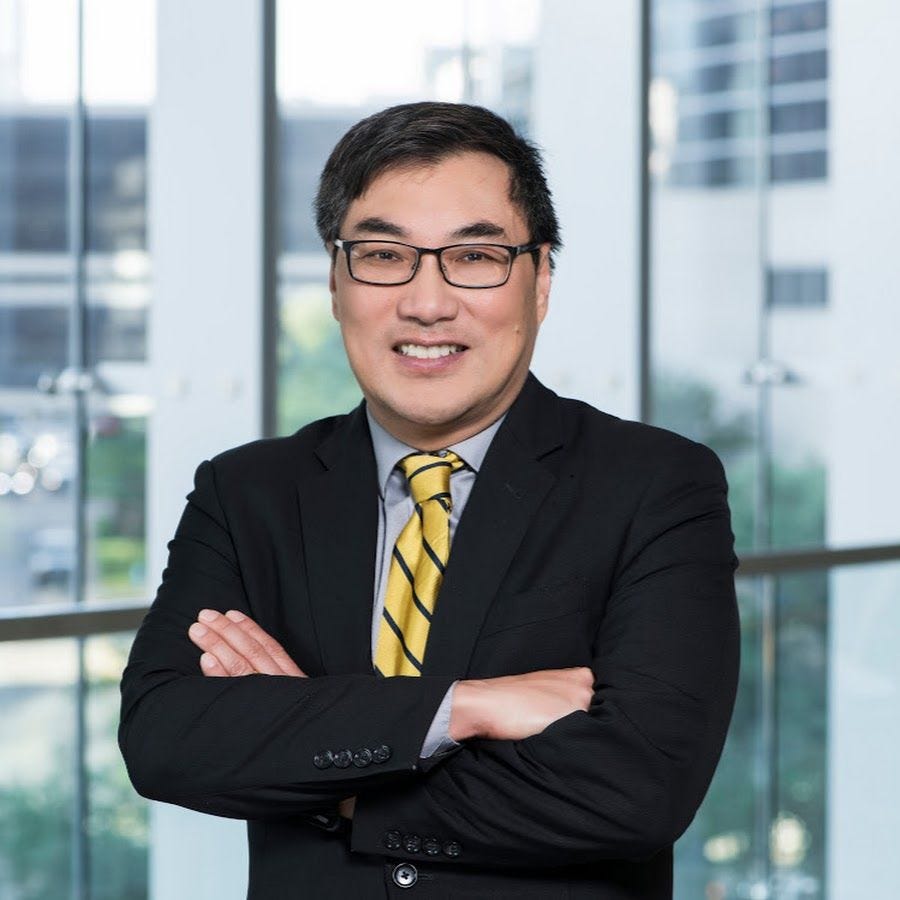
On Houston Methodist Research Institute Week: Are you a pickleballer?Andrew Lee, professor of neuro-ophthalmology, looks at the rise of the sport and the injuries that come with it.Faculty Bio:Professor in the Department of Ophthalmology, Neurology, and Neurosurgery at Houston Methodist. Dr. Lee received his first faculty appointment in 1994 as an Instructor in the Department of Ophthalmology, Neurology, and Neurosurgery at the Baylor College of Medicine in Houston, Texas. Dr. Lee joined Houston Methodist Hospital and Research Institute in 2009 and is currently Chair of the Blanton Eye Institute at Houston Methodist Hospital and Professor of Ophthalmology, Neurology, and Neurosurgery at the Weill Cornell Medical College. Dr. Lee is interested in optic nerve disorders and, in particular, tumors of the optic nerve. He is involved in ophthalmic graduate medical education and in the teaching and assessing of the ACGME competencies.He serves on the editorial boards of 12 journals including the American Journal of Ophthalmology, Canadian Journal of Ophthalmology, and Eye and is the Editor in Chief of the Journal of Academic Ophthalmology. Dr. Lee is a recipient of the Honor Award, Secretariat Award, and Senior Achievement Award from the American Academy of Ophthalmology. Resident training is a particular interest of Dr. Lee. He has published several papers on teaching and competency testing methods in ophthalmology residency programs.Transcript:Pickleball is one of the fastest-growing sports in America, attracting millions of players with its easy-to-learn rules and social appeal. But as participation rises, so does an important health concern that many players may not consider: eye injuries. This study looked at national patterns of eye injury related to not just pickleball but also dodgeball, and kickball in the U.S. with emphasis on incidence, demographics, injury mechanisms, and diagnoses. Using data from the U.S. Consumer Product Safety Commission’s National Electronic Injury Surveillance System, we analyzed eye injury cases reported between 2014 and 2023. We found thousands of sports-related eye injuries during that period, including more than 3,800 cases linked to dodgeball, more than 2,500 linked to pickleball, and more than 1,500 linked to kickball. One of the notable findings was the difference in who was getting injured. Pickleball-related eye injuries primarily occurred in older adults, while dodgeball and kickball injuries were most common among younger teenagers. Across all three sports, the leading cause of injury was direct impact from the ball. The most common diagnosis was a corneal abrasion, or a scratch on the surface of the eye. However, pickleball injuries were more likely to involve falls and orbital fractures, which are breaks in the bones surrounding the eye. We observed a significant increase in pickleball-related eye trauma over the past decade, reflecting the sport’s growing popularity nationwide. The good news is that many of these injuries may be preventable. Protective eyewear can provide an additional layer of safety and help reduce the risk of serious vision-threatening trauma. As more Americans embrace recreational sports to stay active and healthy, awareness of eye safety is becoming increasingly important. Our findings highlight a simple message: protecting your vision should be part of the game plan. This is a public episode. If you would like to discuss this with other subscribers or get access to bonus episodes, visit www.academicminute.org
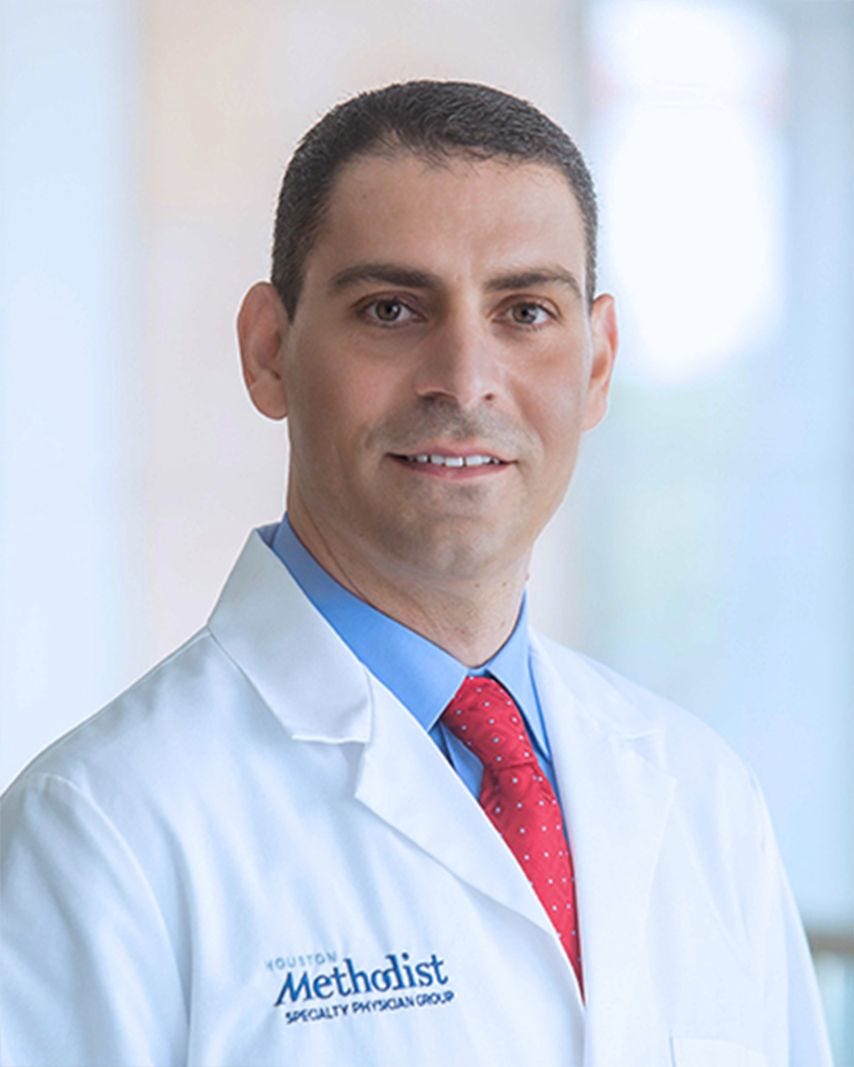
On Houston Methodist Week: A simple blood draw alongside imaging could benefit cancer patients in the future.Maen Abdelrahim, chief of gastrointestinal medical oncology, explains why.Faculty Bio:Dr. Abdelrahim earned his PharmD, followed by a PhD in Pharmacology and Toxicology, and subsequently an MD from Texas A&M University. He completed his residency at Baylor College of Medicine and a fellowship in Medical Oncology at Duke University.As Chief of Gastrointestinal Medical Oncology at Houston Methodist Neal Cancer Center, Medical Director of the Cockrell Center for Advanced Therapeutics (CCAT) Phase I Program, and Professor of Medicine at Weill Cornell Medical College, Dr. Abdelrahim is leading efforts to shape the strategic direction of GI and transplant oncology. He integrates cutting-edge clinical trials with patient-centered care to drive transformative outcomes. Under his leadership, CCAT has established a robust pipeline for early-phase clinical trials, including novel CAR T cell therapies for gastrointestinal cancers such as cholangiocarcinoma (CCA) and colorectal cancer (CRC). He oversees the design, scientific review, and execution of these trials while fostering multidisciplinary collaboration and innovation across oncology and research teams.Transcript:For patients who’ve had a liver transplant to treat liver cancer, one of the biggest fears is recurrence, the cancer returning. Our team set out to see whether a blood test could help us catch that earlier, and with fewer invasive procedures. The test is called circulating tumor DNA, ctDNA. It picks up tiny fragments of cancer DNA that tumors shed into the bloodstream. We made this test personalized: we first analyze each patient’s own tumor tissue to identify its unique genetic fingerprint, then we design a blood test that watches for that exact fingerprint after transplant. In our study, we followed 38 liver transplant recipients with hepatocellular carcinoma or cholangiocarcinoma, two of the most common forms of liver cancer. We tested these patients with ctDNA alongside our usual surveillance tools: imaging scans and standard tumor-marker blood tests. Over the course of the study, we confirmed cancer recurrence by imaging in six patients. Three of them also had a positive ctDNA result. And importantly, when the ctDNA test came back positive, it was right, we saw no false positives, meaning a positive result reliably confirmed real recurrence. I led this study alongside my colleagues, here in our GI oncology program. We believe catching recurrence sooner can change outcomes for transplant patients, who often have limited treatment options once cancer returns. This is the first study to test this approach prospectively, and we’re continuing to study it on a larger scale before it becomes standard practice. But it points to a future where a simple blood draw could work alongside imaging to give our patients, and their doctors, more confidence, and maybe more time.Read More:[Houston Methodist] - Using ctDNA to Detect Recurrence & Guide Management of Hepatocellular Carcinoma This is a public episode. If you would like to discuss this with other subscribers or get access to bonus episodes, visit www.academicminute.org

On Houston Methodist Week: Is epilepsy more prevalent in certain regions of the country?Weichuan Dong, assistant research professor of cardiology, examines whether it is.Faculty Bio:Dr. Weichuan Dong is a scientist in spatial epidemiology, population health, and machine learning, with a focus on how environmental and social factors shape chronic disease risk and outcomes. Dr. Dong’s work integrates large-scale clinical data, advanced AI/ML methods, and geospatial analysis to generate insights that support better prevention, diagnosis, and care delivery.Dr. Dong has led and contributed to multidisciplinary projects across cardiology, cancer, neurology, and public health, partnering with clinicians, data scientists, and industry collaborators. His research has resulted in high-impact first-author publications (e.g. JAMA Neurology, JAMA Network Open, Annals of Surgery, JNCCN, CEBP, Cancers, and Nature Scientific Reports), national media coverage, and translational findings that inform healthcare systems and policy discussions.Dr. Dong’s long-term goal is to bridge data science, healthcare, and real-world impact—advancing precision population health by turning complex datasets into actionable, scalable, and equitable solutions.Transcript:For decades, we’ve known about America’s “Stroke Belt”—a region in the South where stroke is especially common. But until now, we didn’t know whether epilepsy showed a similar pattern. Our research analyzed health records from nearly five million Medicare beneficiaries across the United States. By combining data with advanced geographic mapping, we created the first nationwide map of new-onset epilepsy in older adults. What we found was striking. Epilepsy was not evenly distributed across the country. Instead, we identified an “Epilepsy Belt” stretching across parts of the South, including Louisiana, Mississippi, eastern Texas, and central Oklahoma, where older adults were much more likely to develop epilepsy. Epilepsy risk later in life is shaped not only by biology, but also by the environments in which people live. Communities with higher epilepsy rates also tended to have more insufficient sleep, more days of extreme heat, lower levels of physical activity, and limited access to health care. That does not mean these factors directly cause epilepsy. Many cases are related to stroke, brain injury, or other neurological diseases. But understanding why certain communities carry a greater burden may help identify where earlier detection, diagnosis, and targeted prevention efforts are needed most. As our population ages and extreme heat becomes more common, understanding how communities shape brain health will become increasingly important. By revealing where epilepsy is most common—and the conditions those communities share—we hope to help public health leaders target resources where they can make the greatest difference.Read More:[JAMA Neurology] - Incidence and Risk Factors of Epilepsy Among Older Adults in the US Medicare Population[Houston Methodist] - Discovering America’s ‘epilepsy belt’: First-of-its-kind national study reveals US regions with high epilepsy rates among older adults This is a public episode. If you would like to discuss this with other subscribers or get access to bonus episodes, visit www.academicminute.org

On Houston Methodist Week: What are free radicals, and how are they affecting our cells?John P. Cooke, professor of cardiovascular sciences, discusses this.Faculty Bio:Dr. John P. Cooke is the Chair of the Department of Cardiovascular Sciences at the Houston Methodist Research Institute, Director of the Center for Cardiovascular Regeneration, and Medical Director of the RNA Therapeutics Program in the Houston Methodist DeBakey Heart and Vascular Center in Houston, Texas.He trained in cardiovascular medicine and obtained a Ph.D. in physiology at the Mayo Clinic. He was recruited to Harvard Medical School as an assistant professor of medicine. In 1990, he was recruited to Stanford University to spearhead the program in vascular biology and medicine, and was appointed professor in the Division of Cardiovascular Medicine at Stanford University School of Medicine, and associate director of the Stanford Cardiovascular Institute until his recruitment to Houston Methodist in 2013.Dr. Cooke’s research program is focused on vascular regeneration, vascular cell identity and cell fate. The Cooke group aims to understand the mechanisms underlying epigenetic plasticity that are required for functional adaptation to cellular challenges. Innate immune signaling causes global changes in the expression and activity of epigenetic modifiers with metabolic coupling that favors an open chromatin configuration. The translational output of this work is vascular regeneration via therapeutic transdifferentiation using small molecules or mRNA.Transcript:Every day our cells are under attack from an enemy within – reactive oxygen species, also known as free radicals. Free radicals are generated by cell metabolism, by the very nature of burning calories. The DNA in a single cell takes tens of thousands of hits per day.The good news is that our cells have outstanding DNA repair systems that fix the damage. They have to fix the damage, as the DNA is the code for the identity of the cell, and for its functions. In a surprising twist, we found recently that one such DNA repair protein is the enzyme called telomerase.You may know it! Telomerase repairs the ends of the chromosome. These ends are a bit like the ends of a shoelace, holding the chromosome together. As cells divide, the telomere gets shorter, and at some point, the cells can’t divide anymore and become aged. Telomerase can repair the ends so that the cells can keep going.Recently, we found that telomerase can also repair DNA damage throughout the length of the chromosome. We found that telomerase could repair the DNA damage caused by free radicals generated during aging.Then we gave telomerase a tougher test. Could telomerase repair DNA damage due to radiation. We treated human skin cells, and human skin, with mRNA encoding telomerase. We saw that telomerase was generated by the skin cells and protected them from radiation induced DNA damage. That protection prevented radiation-induced aging and death of the skin cells. This work indicates that the unexpected effect of telomerase to repair DNA throughout the length of the chromosome can protect human cells from free radicals, aging, and radiation.Read More:[Houston Methodist] - New study shows mRNA therapy could protect patients from radiation-induced skin damage caused by cancer treatment This is a public episode. If you would like to discuss this with other subscribers or get access to bonus episodes, visit www.academicminute.org
On Houston Methodist Week: Where do you live? Your answer may affect your health. Jad Ardakani, clinical research fellow, explores why.Faculty Bio:Dr. Jad Ardakani is a medical doctor and clinical research fellow in preventive cardiology at the Houston Methodist, where he works under the mentorship of Dr. Sadeer Al-Kindi and Dr. Khurram Nasir. His research focuses on the environmental and social determinants of cardiometabolic disease, leveraging large-scale clinical and geospatial datasets.His work utilizes the Houston Methodist CVD Learning Health System Registry to examine how residential address–linked environmental exposures influence the development of conditions such as type 2 diabetes and cardiovascular disease. He is particularly interested in integrating environmental exposures with precision prevention approaches—including biomarkers, wearable health data, and body composition measures—to improve cardiovascular risk prediction and population-level prevention strategies. His work also includes studying cardiovascular disease burden and risk factors in Middle Eastern and North African (MENA) populations, with an emphasis on regional disparities and prevention.Transcript:The place you call home may shape your health more than you think. When we talk about Type 2 diabetes, we usually focus on diet, exercise, and family history. But where you live — your neighborhood — may matter just as much. Our team set out to test that idea. We used a tool called the Climate Vulnerability Index. It scores how exposed a neighborhood is to stressors like extreme heat, storms, and pollution, along with social conditions such as poverty, poor housing, and limited access to care. We linked that index to the health records of more than one million adults across our health system — none of whom had diabetes when the study began. Then we followed them for up to seven years to see who went on to develop Type 2 diabetes. The results were striking. Adults living in the most vulnerable neighborhoods had a twenty-three percent higher risk of developing diabetes than those in the least vulnerable areas. And this pattern held even after we accounted for age, sex, race and ethnicity, obesity, blood pressure, cholesterol, and baseline blood sugar. In other words, the environment around us leaves a measurable mark on our health — one that traditional risk factors alone can miss. Why does this matter? Because it gives us a new way to see risk. By mapping climate and community vulnerability onto clinical data, we can spot the neighborhoods that need help before disease takes hold, and direct prevention where it will do the most good. This is one of the largest studies of its kind, but it is really just a starting point. Recognizing that health is shaped not only by our choices, but by the places we live, is the first step toward building healthier, more equitable communities.Read More:[National Library of Medicine] - Climate Vulnerability Index and Incident Type 2 Diabetes in a Large Integrated Health Care System This is a public episode. If you would like to discuss this with other subscribers or get access to bonus episodes, visit www.academicminute.org

Comments

Download from Google Play

Download from App Store
 United States