


 Claim Ownership
The Art of Assembly
Subscribed: 2Played: 64
Subscribe

© 2021-2024 The Art of Assembly
Description
In this series of talks, curator and author Florian Malzacher is joined by guests from arts, politics and theory to reflect on the potential of assemblies in activism, politics and art. „The Art of Assembly" speculates on the potential of gatherings in a time where not much seems certain.
34 Episodes
Reverse
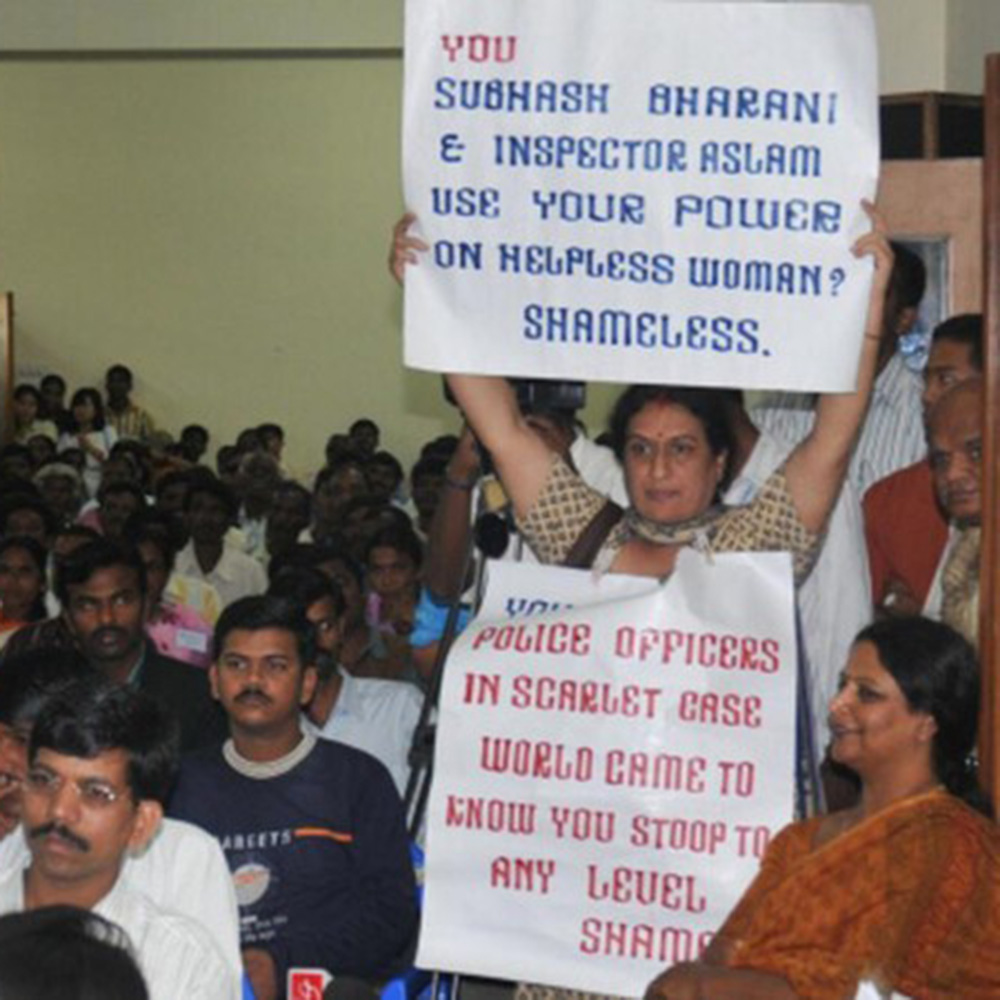
Inspired by People’s Tribunals such as the one organized by philosopher Bertrand Russell in 1966 to investigate American war crimes in the Vietnam War, as well as by artistic traditions like Brecht’s learning plays and the agitprop theatre of the early Soviet Union, civic courts have developed as both a theatrical form and a political tool.
How could our cities look if they were not still mainly designed around the needs and imaginations of Western white men? What if urban planning began with the perspectives of children, the elderly, migrants, and those who are usually planned for — but rarely listened to?
What kind of assembly is a neighbourhood? Partly choice, partly coincidence, partly shaped by market forces, class and politics, we find ourselves living in proximity to people we often, if at all, barely know. And yet, there is an expectation embedded in this closeness: the neighbourhood helps construct a sense of home, it is part of our social environment, it is even symbolically charged – a synonym for social care as well as social control. What responsibilities does it entail? What possibilities for shared agency does it offer? And how can artistic strategies contribute to the constantly shifting constellations it comprises?
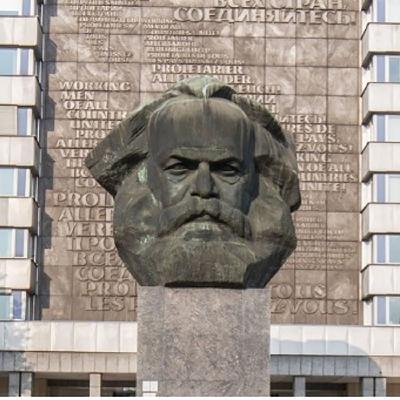
What kind of assembly is a neighbourhood? Partly choice, partly coincidence, partly shaped by market forces, class and politics, we find ourselves living in proximity to people we often, if at all, barely know. And yet, there is an expectation embedded in this closeness: the neighbourhood helps construct a sense of home, it is part of our social environment, it is even symbolically charged – a synonym for social care as well as social control.
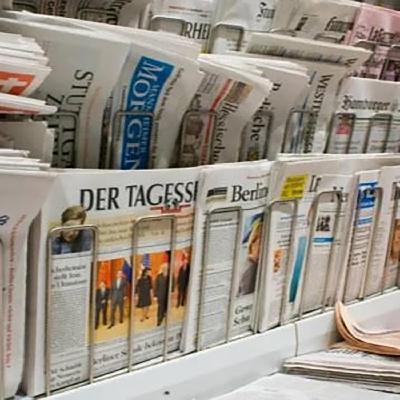
What is considered an acceptable opinion has been increasingly narrowed down in recent years. The 30th edition of The Art of Assembly asks where the limits of freedom of expression lie, what we have to listen to, how we can combine the need for safe spaces with the need for agonistic spheres – and when the state should intervene. Looking at the history of the Enlightenment, philosopher Susan Neiman doubts that the explosive current debates in Germany, for example, are really about freedom of expression. The historian Aziz Al-Azmeh profiles Arab and Islamic topoi present in Germany today and juxtaposes considerations of universalism with an intensified discourse of culturalism and cultural difference.
Following the cancellation of this edition at short notice due to an intervention by the City of Munich against the list of speakers, Villa Stuck has together with The Art of Assembly and the participants have decided to hold the event as planned nonetheless.

Comments

Download from Google Play

Download from App Store
 United States