


 Claim Ownership
The Audible Chapter
Subscribed: 1Played: 10
Subscribe

© Copyright Yavuz
Description
.Step into the world of stories with The Audible Chapter. Each episode is a journey through captivating audiobooks and timeless tales, brought to life through immersive narration. From literary classics to hidden gems, The Audible Chapter is your personal library on the go. Whether you're seeking inspiration, relaxation, or a new perspective, tune in and let each chapter transport you to a world of wonder.
1092 Episodes
Reverse
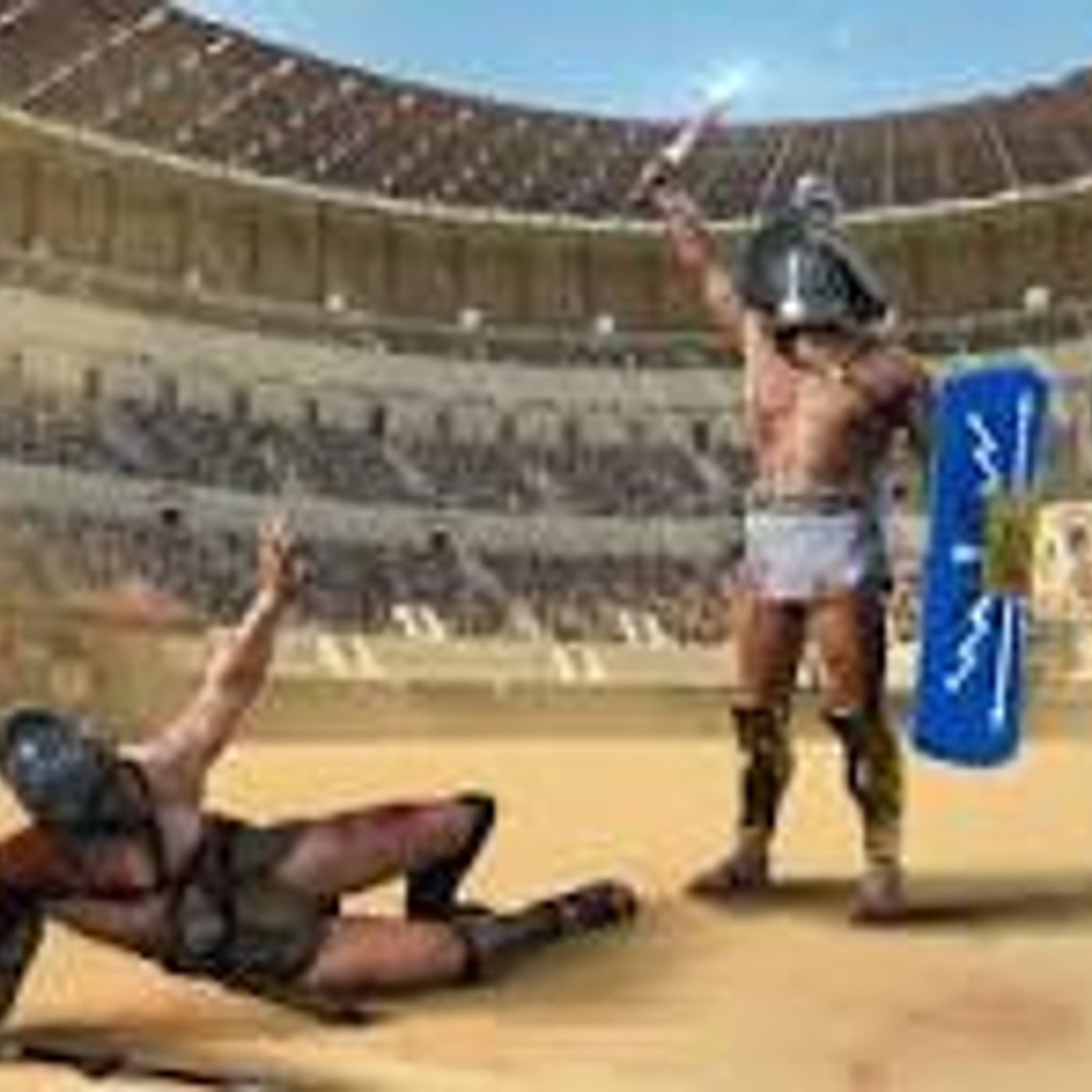
"The Last Fight in the Coliseum" — Charlotte Yonge Episode Summary In this episode, we bring you Charlotte Yonge's powerful historical tale "The Last Fight in the Coliseum," a story that blends imagination with the fading echoes of ancient Rome. Set during the final years of the Roman Empire, the narrative follows a young Christian who finds himself thrust into the brutal world of the gladiatorial arena—not as a warrior, but as a witness to the clash between old Rome and the rising Christian faith. Yonge uses the grandeur and cruelty of the Coliseum to explore themes of courage, conviction, and the moral transformation of a civilization. The story captures the moment when the old pagan world, built on spectacle and violence, begins to crumble, and a new spiritual worldview takes its place. ⭐ What the Story Is About • A Christian hermit named Telemachus is brought into the Coliseum during one of the last gladiatorial spectacles. • Instead of a traditional gladiator's duel, the confrontation becomes a symbolic struggle between the old Roman order and the new Christian faith. • Yonge highlights the contrast between physical might and moral courage, showing how one person's steadfastness can echo louder than the roar of the crowd. • The story reflects the broader historical shift as Christianity spreads and the gladiatorial games fade into history. ⭐ Fact vs. Fiction While the characters and specific events in the story are fictional, the historical backdrop is real: • By the 4th century, the gladiatorial games were declining due to cost, political instability, and the growing influence of Christianity. • Early Christian writers recorded accounts of believers who were executed in the arena for refusing to renounce their faith. • The idea of a final symbolic confrontation in the Coliseum is poetic rather than literal, but it reflects the genuine cultural transition taking place in Rome. Yonge's story is not meant as strict history—it is a moral and emotional portrait of a world in transformation. ⭐ About Charlotte Yonge Charlotte Mary Yonge (1823–1901) was a prolific Victorian author known for her historical fiction, moral tales, and character‑driven narratives. Deeply influenced by her Anglican faith, she wrote more than 100 works, many of them exploring themes of virtue, sacrifice, and spiritual courage. Yonge had a gift for taking historical settings and using them to illuminate the human heart. In "The Last Fight in the Coliseum," she blends history with imagination to create a story that is both dramatic and reflective—a reminder of how individual acts of bravery can shape the moral memory of a civilization.

The Chest of broken Glass is an old folk tale about a father who has grown old- to old to care for himself, and in order to gain more time from his three sons who only visit now and then, fills an old locked chect with broken glass. The sons, upon seeing the chect, and hearing the content inside, believe their father has filled it with gold, and decide to take turns living with and caring for their father further into his old age. In Federalist No. 55 one of our nations founders James Madison, admits that for our democratic republic to work, its elected leaders must be honest and virtuous- otherwise,it will become ruled by tyrants.
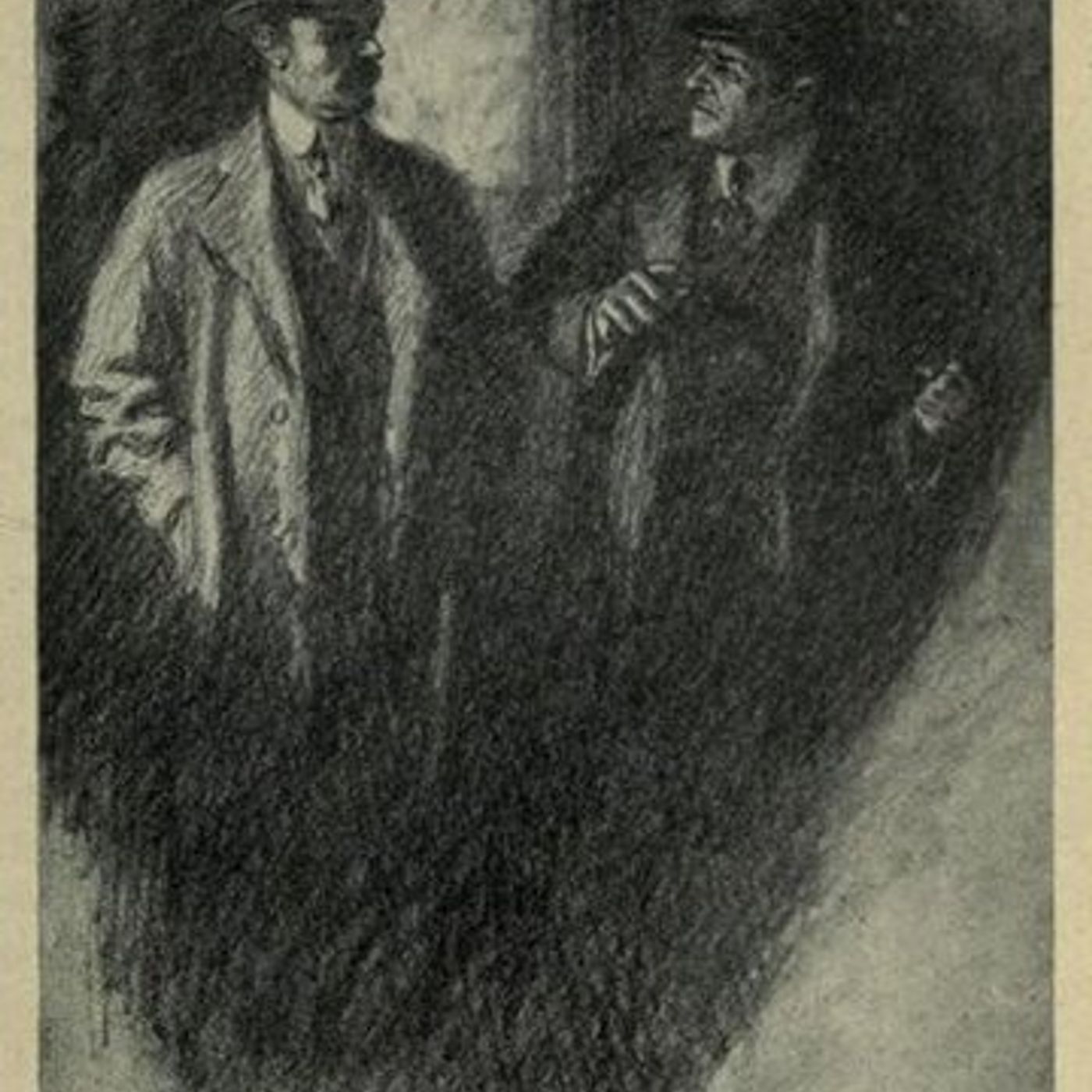
"After Twenty Years" — Summary Set on a quiet, rain‑slicked street in early‑20th‑century Manhattan, After Twenty Years explores loyalty, fate, and the unexpected turns life can take. Two friends—Jimmy Wells and Bob—made a pact twenty years earlier to meet again at the same spot, no matter where life had taken them. When the night finally arrives, one man keeps the appointment… but the reunion that follows is not the one either of them imagined. O. Henry delivers one of his most famous twist endings here—an ending that raises questions about duty, friendship, and the choices that define us. "Brickdust Row" — Summary In Brickdust Row, O. Henry shifts from the streets to the shabby boarding houses of New York's working class. Here we meet Blinker, a shy, lonely clerk, and Florence, the gentle young woman who lives across the hall. Their lives unfold quietly—two people navigating poverty, pride, and unspoken affection. O. Henry paints the world of Brickdust Row with tenderness and humor, showing how small acts of kindness can brighten even the most worn‑down corners of the city. And, true to form, he delivers a twist—one that reveals the hidden hopes and quiet sacrifices of ordinary people trying to find connection in a big, indifferent city.

AN ERNEST HEMINGWAY DOUBLE PLAY 🎙️ Mix War, Art, and Dancing Hemingway's early newspaper sketch drops listeners into a Kansas City Y.W.C.A. ballroom during World War I, where soldiers on leave mingle with art students in a swirl of jazz, fox‑trotting, and youthful bravado. The piece captures a vivid contrast: outside, a lone woman walks through sleet on a dark, wet sidewalk, while inside, music, laughter, and flirtation pulse through the Fine Arts Institute. Soldiers swap stories, girls in bright dresses compete for dances, and the pianist shifts from ragtime to sentimental wartime tunes. What emerges is a snapshot of wartime America that blends innocence, longing, and the strange normalcy people try to build in the shadow of global conflict. Hemingway's eye for detail—paintings on the walls, fruit punch in the intermission, the girl in the red dress surrounded by eager partners—turns a simple community dance into a portrait of a nation trying to stay human while the world changes around it. Added twist for listeners: This isn't just a dance; it's a moment where art, youth, and war brush shoulders. The story invites the question: What do people cling to when the world is shifting beneath their feet? 🎙️ Cat in the Rain Set in a quiet Italian seaside hotel, this story follows an American wife who spots a small cat crouched under a dripping green table in the rain. Her desire to rescue the cat becomes the spark that reveals deeper emotional currents in her marriage—unspoken needs, loneliness, and a longing for comfort and identity. Her husband remains absorbed in his book while she wanders downstairs, encountering the dignified hotel‑keeper whose attentiveness makes her feel seen in a way she hasn't felt in a long time. When the cat disappears, her disappointment opens into a confession of all the things she wants—stability, beauty, tenderness, and something of her own. The rain‑soaked setting, the quiet hotel corridors, and the wife's growing sense of yearning all build toward a final gesture that suggests someone else has been listening after all. Added twist for listeners: The cat becomes more than a cat—it's a symbol of everything she feels slipping out of reach. The story's power lies in what Hemingway doesn't say, leaving listeners to sense the emotional iceberg beneath the surface.
Hot Potatoes by Arnold Bennett Arnold Bennett's Hot Potatoes is a gentle comedy of good intentions gone wrong, centered on a devoted mother, her musically gifted son, and two very ill‑timed potatoes. On a bitterly cold evening, Mrs.Swann'son is preparing to play in the orchestra at an important social event hosted by local businessmen. His mother, proud but anxious, fusses over him as he leaves. At the last moment she is struck by a "brilliant" idea: Hiss hands must be kept warm for the performance—so she bakes two large potatoes and hurries out into the night to deliver them to him. Her son, meanwhile, has already arrived at the elegant home where the pre‑concert dinner is being held. Things fall apart quickly from that point forward. Enjoy all our stories at www.bestof1001stories.com and send us a kind review-thanks!
The First‑Class Passenger unfolds during a winter train journey, where a modest, observant narrator finds himself seated vis‑à‑vis a well‑dressed stranger. The man, eager for an audience, begins talking about his life—boasting about his cleverness, his ambition, and the way he has outmaneuvered others to get ahead. As he speaks, his pride slowly exposes something darker: a past marked by cruelty, selfishness, and a lack of remorse. Chekhov builds the tension not through action but through revelation. The more the man talks, the more he condemns himself, until the narrator—and the reader—see the moral emptiness behind the polished exterior. The story becomes a quiet study of guilt, self‑deception, and the thin line between success and moral failure. 🖋️ What Inspired Chekhov (Based on What We Know) There is no single recorded anecdote from Chekhov explaining the origin of this story, but its themes and structure align closely with several well‑documented aspects of his life and writing: • Chekhov traveled constantly, especially by rail, and often used trains as settings where strangers reveal themselves in unexpected ways. Encounters with talkative fellow passengers were a common feature of Russian travel in the 1880s and 1890s. • He was fascinated by casual confession, especially the way ordinary people reveal their flaws unintentionally. Many of his stories hinge on a character who talks too freely, exposing truths they never meant to share. • He frequently explored moral blindness, showing how people justify their actions while remaining unaware of the harm they cause. The first‑class passenger fits this pattern perfectly. • Chekhov's medical background gave him a keen eye for psychological detail. He often said that people reveal themselves most clearly in unguarded, everyday conversation—exactly the dynamic at play in this story. While we don't have a diary entry saying "this is why I wrote it," the story reflects Chekhov's lifelong interest in the quiet dramas of ordinary people and the moral contradictions hidden beneath polite conversation. Enjoy all our stories at www.bestof1001stories.com and sign up for our newsletter after leaving a great review! Thanks!
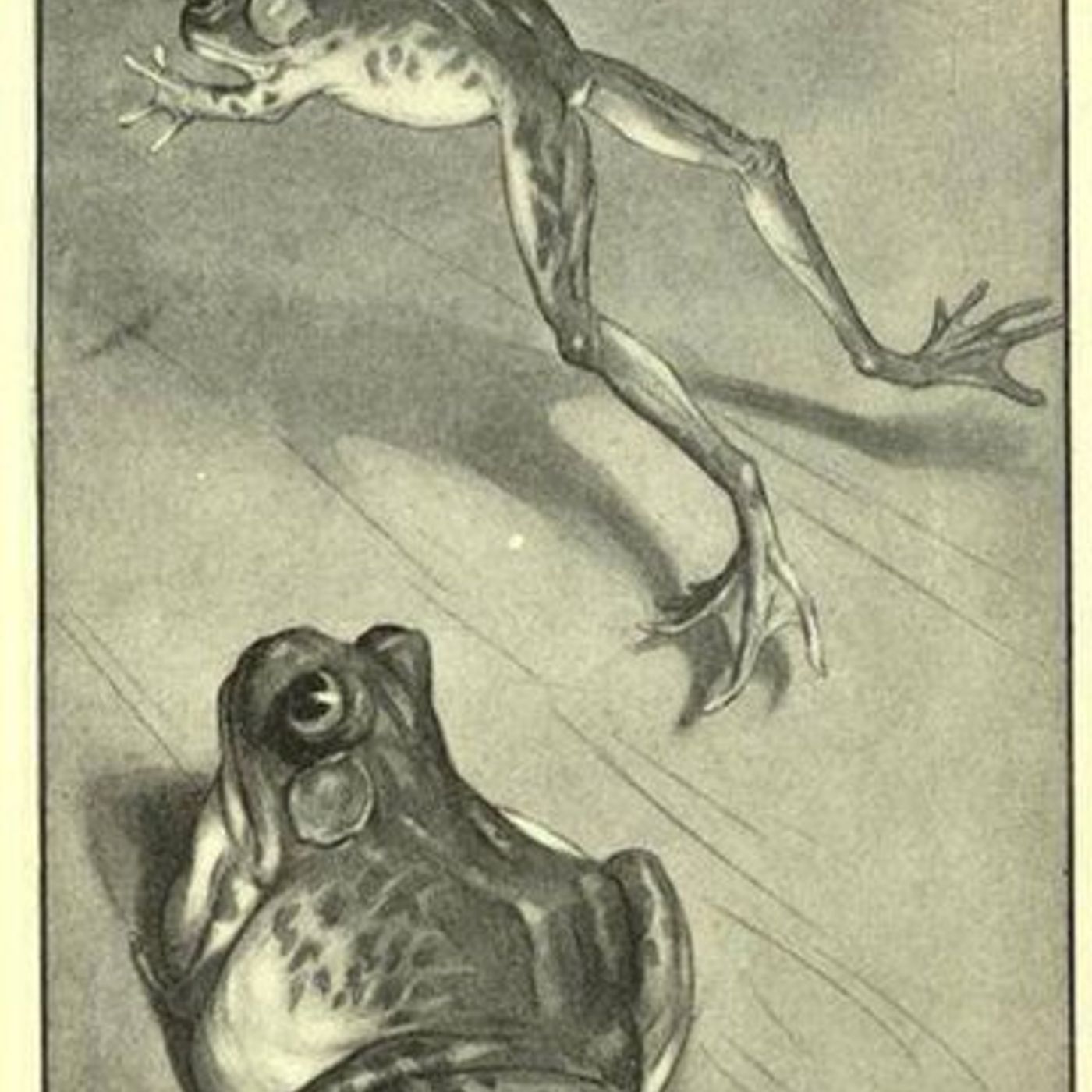
Enjoy ALL our story podcasts at www.bestof1001stories.com for free and sign up for ourmonthly newsletter after leaving a review! 🐸 Summary of The Celebrated Jumping Frog of Calaveras County Mark Twain's story centers on a narrator who visits a mining camp in California to inquire about a man named Leonidas W. Smiley. Instead, he is cornered by the endlessly talkative Simon Wheeler, who launches into a long, deadpan tale about Jim Smiley, a compulsive gambler who would bet on anything that moved. Smiley's prize possession is Dan'l Webster, a frog he has trained to jump higher and farther than any other. A stranger tricks Smiley by secretly filling the frog with buckshot, causing Dan'l Webster to lose the contest. By the time Wheeler finishes his rambling anecdote, the narrator realizes he has been the victim of a frontier tall tale—one told with such sincerity that it becomes its own kind of art. 📚 Why the Story Mattered to Mark Twain • It launched his national career. The story was first published in 1865 and became Twain's breakout success, bringing him widespread recognition as a humorist. It is widely acknowledged as the piece that "jumpstarted his career," establishing his voice and reputation. • It showcased his signature style early. Twain's blend of dry humor, regional dialect, and satirical observation is already fully formed here. The story's structure—a straight‑faced narrator listening to an outrageous yarn—became a hallmark of his comedic technique. • It connected him to the American West. Twain's mining‑camp experiences in California and Nevada shaped his early writing. This story captures the rough‑and‑ready storytelling culture of the frontier, grounding his humor in lived experience. How to support our show- check us out at www.patreon.com/1001storiesnetwork and donate maybe $5 a month to help pay our basic expenses-thanks!
THE LADY WITH THE DOG SUMMARY In this quietly powerful tale of unexpected love and emotional awakening, Anton Chekhov introduces us to Dmitri Gurov, a disenchanted Moscow banker vacationing in the seaside town of Yalta. There, he encounters Anna Sergeyevna, a young woman walking with her small white dog. What begins as a fleeting affair between two married strangers soon deepens into something far more profound and unsettling. Set against the backdrop of the Black Sea and later the gray streets of Moscow, the story traces the inner transformation of a man who, for the first time, confronts the possibility of genuine love—and the quiet tragedy of lives constrained by social convention. Chekhov's masterful restraint and psychological insight elevate this brief encounter into a timeless meditation on desire, loneliness, and the human capacity for change. If you would like to support our stories here please visit www.patreon.com/1001storiesnetwork and pledge whatever you feel comfortable with- Thank You! JH 1001 AND... Stop by our website at www.bestof1001stories.com and sign upfor our newsletter while checking out all our 1001 podcasts!
Please consider helping to support this podcast and others in our 1001 Stories network collection by going to www.patreon.com/1001storiesnetwork and pledging a monthly contribution-Our Patreon supporters help cover our basic expenses hee as I try to bring great literature to everyone through sharratihng these narrations. The Open Window" — Show Notes Summary In this iconic tale of mischief and misdirection, a nervous visitor named Framton Nuttel arrives at a quiet country house seeking rest and recovery. But when he's greeted by the host's precocious niece, Vera, he's drawn into a chilling tale of loss, longing — and an open window that never closes. Saki's razor-sharp wit and love of the unexpected are on full display here, as he turns a simple social call into a masterclass in narrative sleight-of-hand. A story about nerves, storytelling, and the fine line between truth and invention, The Open Window remains one of the most beloved short stories in English literature. 🐎 "A Matter of Sentiment" — Show Notes Summary It's the eve of a major horse race, and the guests at Lady Susan's country house are in a quiet frenzy. Everyone wants to place a winning bet — but with no clear favorite and their hostess disapproving of gambling, the scheming must be done in whispers and winks. Enter Clovis, ever the agent of chaos, who discovers a potential inside source: the butler's second cousin, a stable lad with privileged knowledge. What follows is a deliciously dry comedy of manners, deception, and social subterfuge, as Saki skewers the pretensions of the upper crust with his trademark elegance and bite. Music: 🎵 Danse Macabre Op. 40 – Camille Saint-Saëns (1936 Stokowski/Philadelphia Orchestra recording) (archive.org in Bing) This version features Leopold Stokowski conducting the Philadelphia Orchestra, with a violin solo by Alexander Hilsberg. It's a historic 1936 recording, beautifully restored and freely available for use under public domain.
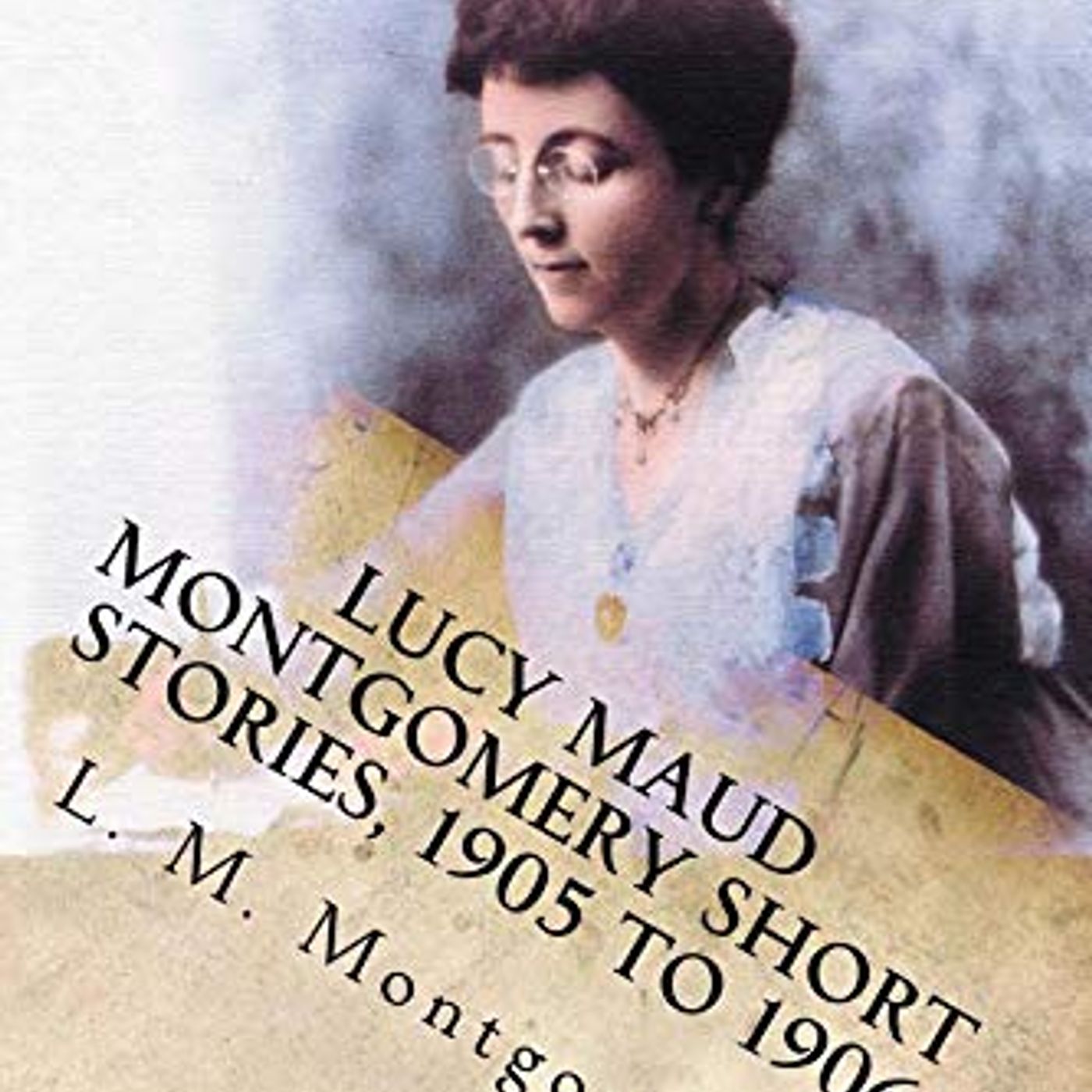
Episode Summary — A Redeeming Sacrifice (with an added twist) Lucy Maud Montgomery's tender short story A Redeeming Sacrifice follows a quiet, aching tale of love, pride, and the painful choices that can drive two young people apart. Set against the windswept beauty of an island community, Montgomery's original narrative traces the consequences of a single rash act which could be viewed as heroic, the story capturing the author's gift for small‑town detail and deep emotional truth. In this episode I read Montgomery's story as written — then, for listeners who've ever wished for a fuller reckoning, I present a short, original continuation that honors Montgomery's tone while offering the closure many readers have no doubt longed for. " If you enjoy the extra, tell a friend and leave a note — I'd like to know what you think.- corage or cowardice? "A Redeeming Sacrifice" by L. M. Montgomery appears in several modern short‑story collections of her work, most commonly in compilations of her tales from the 1900s–1920s. Notable collections that include the story are: • Lucy Maud Montgomery Short Stories, 1909–1922 (various modern reprints/editions) • Collected/Complete Short Stories of L. M. Montgomery (omnibus editions and anthologies of her short fiction) It's also frequently reprinted in assorted L. M. Montgomery anthologies and e‑book compilations of her shorter works. Browse all 12 1001 podcasts at www.bestof1001stories.com- aand thank Pixabay artists for their music controbutions.
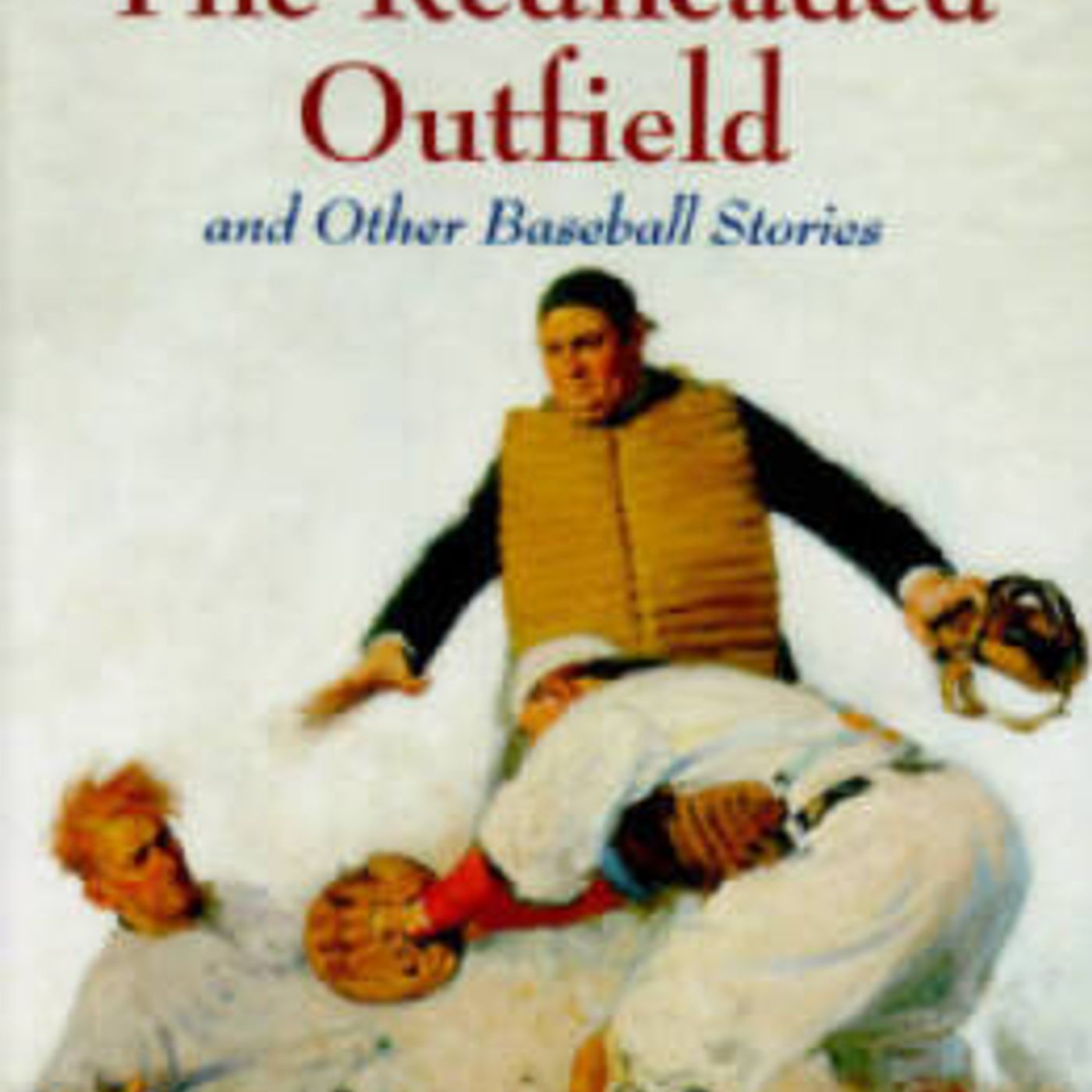
Old Well-Well" is a classic baseball short story by Zane Grey, first published in the July 1910 issue of Success magazine. Summary The story follows the legendary figure of "Old Well-Well," an elderly man famous throughout the East as the ultimate baseball fan. He is recognized by his unique, thunderous yell of "Well, well, well!" which he bellows at critical moments in games. The narrative focuses on a high-stakes professional game where a young, unproven player named Burt faces off against an experienced veteran pitcher, Duveen. As the game reaches a fever pitch and the crowd erupts in "bedlam," Old Well-Well's iconic cry serves as a unifying force for the spectators. The story is less about the technical play-by-play and more about the vibrant culture and spirit of early 20th-century baseball, portraying it as a "national game" that connects people across generation Enjoy all the Zane Gray baseball stories at 1001 Classic Short Stories & Tales at your favorite host or at www.bestof1001stories.com. Reviews appreciated and so is sharing !
Nathaniel Hawthorne's "The Antique Ring" (1843) is a fascinating departure from his usual dark, Puritan-focused dramas. It is a "story within a story" that blends lighthearted social banter with a legendary, cursed history. The story begins in a cozy, modern setting where a young man named Edward Caryl presents an antique ring to his fiancée, Clara. When she asks about the ring's history, Edward—an aspiring writer—unfurls a legendary "biography" of the jewel. He transports his listeners back to the court of Queen Elizabeth I, where the ring is a royal pledge given to the Earl of Essex. According to Edward's tale, the ring carries a mysterious power: it sparkles with a "diamond of the mind" when the wearer is true, but grows dim and murky when betrayal is afoot. The narrative follows the ring through a series of tragic historical mishaps, including its role in the Earl's execution, before finally landing in the hands of the modern-day lovers. As you read, you'll find yourself questioning where Edward's fiction ends and the "real" history of the ring begins. It is a masterful look at how we project meaning onto objects and how the ghosts of the past continue to haunt the romantic gestures of the present. Unknown Facts & Inspirations While Hawthorne is usually associated with the "Haunted Mind," this story reveals a more playful, experimental side of his genius. The "Essex Ring" Legend: Hawthorne didn't invent the ring's backstory entirely. He drew from a popular 17th-century legend involving Queen Elizabeth and the Earl of Essex. It was rumored that Elizabeth gave Essex a ring, promising to save him from any danger if he sent it back to her. When he was scheduled for execution, he supposedly tried to send it, but it was intercepted by a rival. Hawthorne took this historical "urban legend" and added his own supernatural, moralistic twist. A "Potboiler" with Purpose: Hawthorne wrote this during a period when he was struggling financially and trying to appeal to the "gift-book" market (popular annual anthologies for women). Interestingly, he used this "commercial" assignment to subtly mock his own profession—Edward Caryl is often seen as a self-parody of Hawthorne himself, a writer trying to please a demanding audience. The Salem Connection: Though set in London and "modern" America, the story's focus on symbolism and hidden sin is a direct result of Hawthorne's obsession with his Salem ancestry. He believed that even a beautiful piece of jewelry could carry the "stain" of the past. Critical Reception: Then vs. Now In 1843: Upon its initial release in The Sargent's New Monthly Magazine, the story was well-received but seen as "light" entertainment. Readers of the era loved the mix of historical romance and contemporary manners. The "Minor" Label: For decades, critics dismissed "The Antique Ring" as a minor work compared to The Scarlet Letter. They felt it lacked the psychological depth of his darker stories. Modern Re-evaluation: Today, the story is highly valued by scholars for its meta-fictional quality. It is studied as an example of how Hawthorne viewed the act of storytelling itself—seeing the writer as a sort of jeweler who polishes old myths to make them shine for a new audience. Enjoy hundreds more well-narated short stories at 1001 Classic Short Stories & Tales at our website where they are sorted by category and author for your convenience at www.bestof1001stories.com
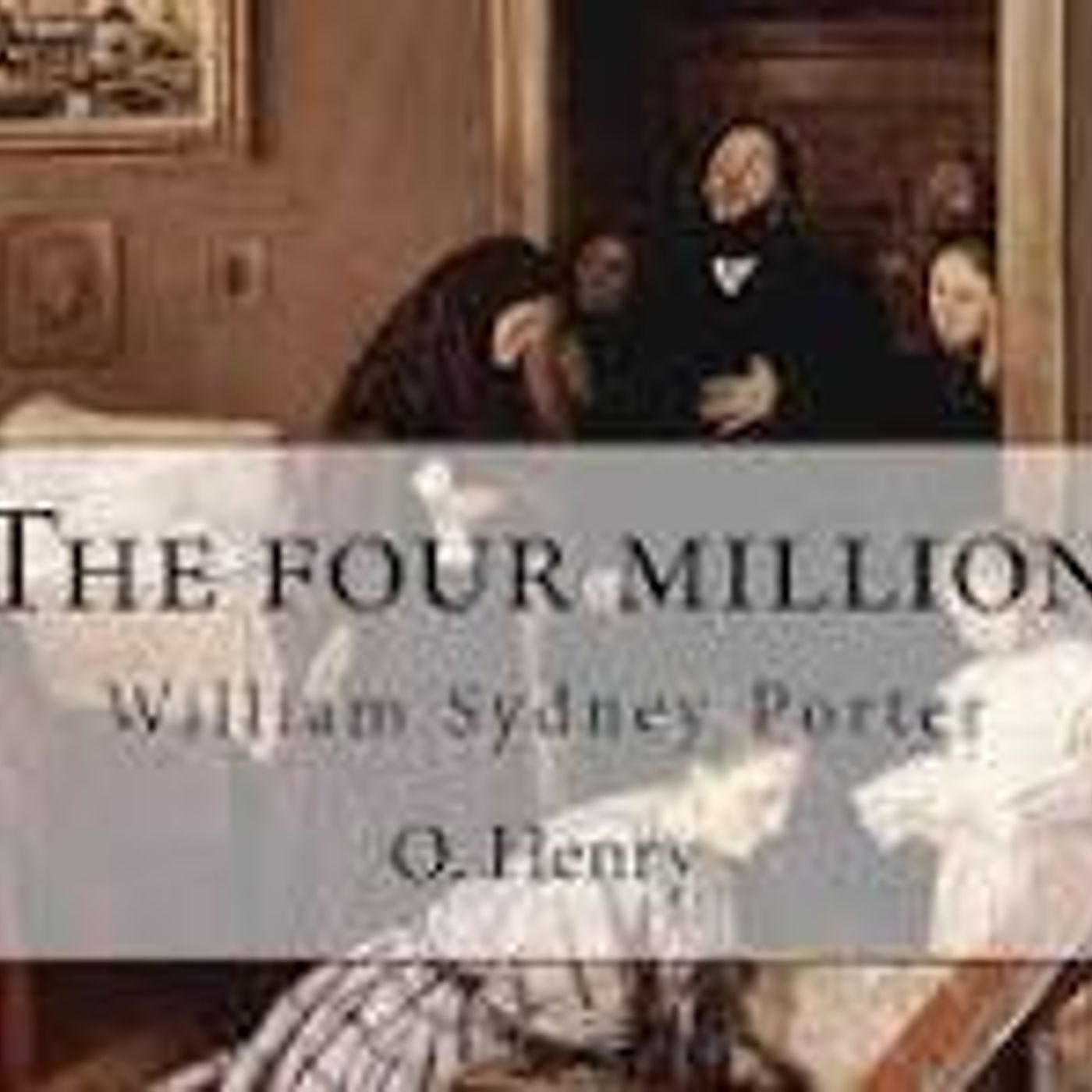
"The Furnished Room" is widely considered one of O. Henry's most somber and haunting stories. Unlike his more lighthearted or humorous tales, this one leans heavily into urban loneliness and tragedy. The story follows a weary young man searching the boarding houses of New York City's Lower West Side for a woman he loves—an aspiring singer named Eloise Vashner. He has been searching for five months. He rents a "furnished room" from a cold, ghostly landlady. The room is dilapidated and smells of stale air and cheap perfume. As he sits in the dark, he is suddenly overwhelmed by the strong, distinct scent of mignonette—the exact fragrance Eloise used to wear. Convinced she has been in the room, he frantically searches the furniture and cracks in the wall for a sign of her, but finds nothing. Publication and Context Written/Published: The story was first published in the New York World in 1904 and later included in his famous 1906 collection, The Four Million. Historical Setting: At the turn of the century, New York was flooded with young people from rural areas seeking fame in the arts. O. Henry captures the dark side of this "American Dream"—the anonymity and despair of the big city. Possible Inspirations While O. Henry rarely cited specific inspirations, scholars point to several factors: Personal Tragedy: O. Henry (William Sydney Porter) lived a life marked by loss. His wife, Athol Estes, died young from tuberculosis. His own experiences living in cheap New York boarding houses after his release from prison gave him an intimate, firsthand look at the "transient" lifestyle. The "Furnished Room" Culture: During the early 1900s, boarding houses were a unique social phenomenon. They were places where thousands of people lived in close proximity but remained total strangers. O. Henry was fascinated by the idea that a room could hold the "ghosts" or lingering energies of those who stayed there for just a week. The Mignonette Scent: This specific flower was a popular Victorian symbol for "your qualities surpass your charms." It adds a layer of sensory nostalgia that O. Henry likely drew from the romantic literature of his era. Che4ck out our website at www.bestof1001stories.com for thousands of stories from Sherlock Holmes to WWII. Current Specials: How Teddy Roosevelt saved the Buffalo at 1001 Stories From The Old West 'The Sky Train and The Sphinx' at 1001 Heroes, Legends, Histories & Mysteries Podcast Enjoy the first radio episodes of "The Shadow' with Gizelle Ericksonn at 1001 Ghost, Chiller & Lovecraft
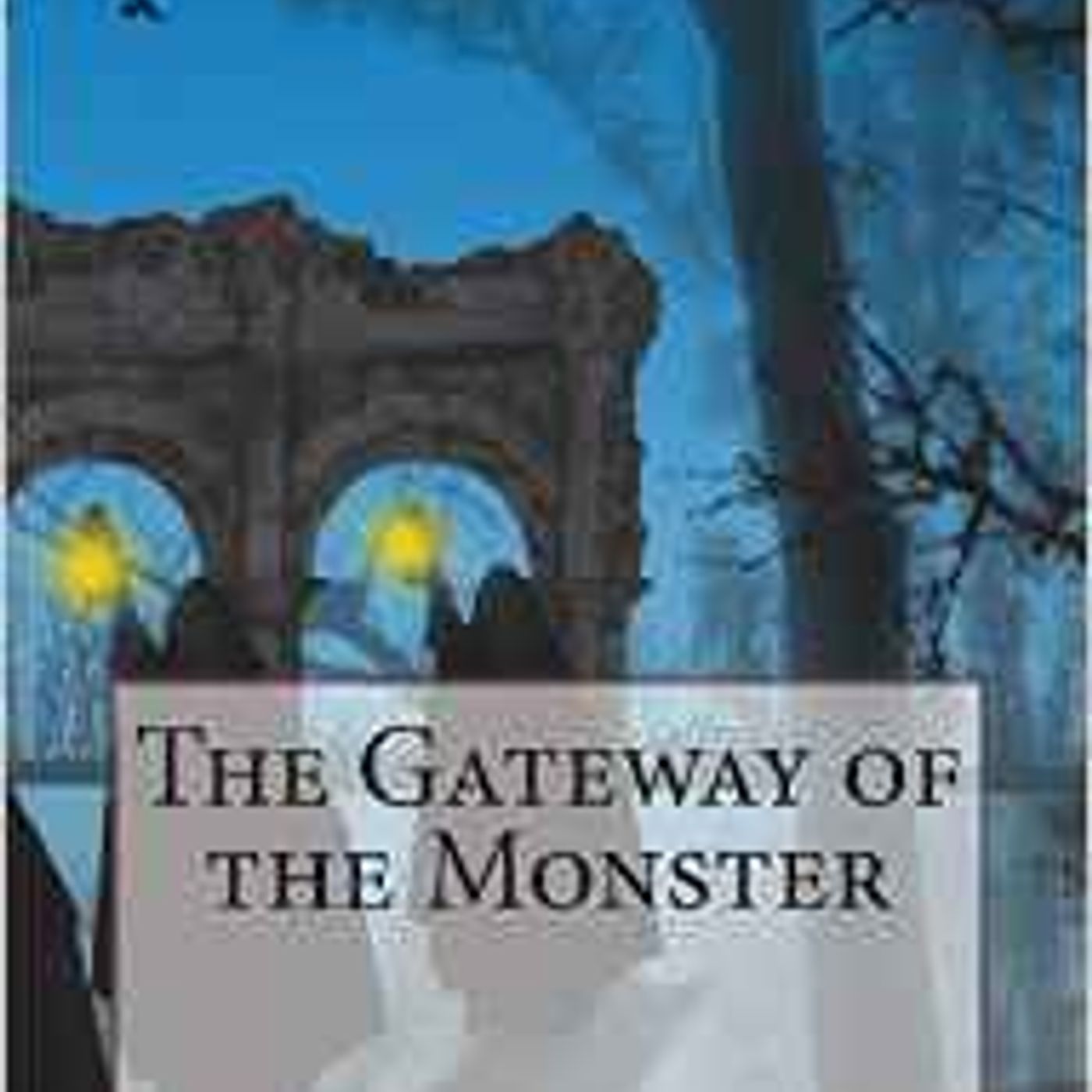
The Story Summary In this inaugural Carnacki tale, occult investigator Thomas Carnacki is called to investigate the "Grey Room" in a centuries-old mansion. The room is plagued by a violent, invisible entity that has beaten previous occupants to death. Unlike traditional ghost hunters, Carnacki uses a blend of ancient ritual and modern technology—specifically his famous "Electric Pentacle." After a terrifying night spent inside the protective barrier, witnessing a massive, disembodied hand attempt to manifest and crush him, Carnacki discovers that the haunting is tied to a historical ring and a "gateway" that was never properly sealed. He eventually succeeds in "shuttering" the spiritual leak, proving that some monsters are not just ghosts, but intruders from another dimension. Key Themes & Atmosphere The Scientific Occultist: Carnacki doesn't just use holy water; he uses vacuum tubes, wiring, and photography. The "Outer Monstrosities": The idea that the universe contains vast, predatory forces that don't care about human morality. Claustrophobia: The tension of being trapped inside a circle while something powerful prowls just inches away in the dark. The Legacy: Influence on the Genre William Hope Hodgson's work, particularly this story, acted as a bridge between Victorian ghost stories and modern horror. The Blueprint for the "Occult Detective": While there were earlier examples (like Sheridan Le Fanu's Dr. Hesselius), Carnacki perfected the trope. He directly influenced characters like John Constantine (Hellblazer) and the Winchester brothers from Supernatural. Influence on H.P. Lovecraft: Lovecraft was a massive fan of Hodgson, praising his ability to create "cosmic fear." You can see the DNA of the "Gateway" in Lovecraft's later stories about ancient evils breaking into our reality. The Technology of Fear: Hodgson was one of the first to suggest that ghosts could be fought with science. This "technobabble" approach to the supernatural is the direct ancestor of the P.K.E. meters and proton packs in Ghostbusters. Memorable Quote "It was a hand, a vast, white, slimy hand, and it was reaching out of the center of the room toward me... It was the very essence of some monstrous, outer-world life."
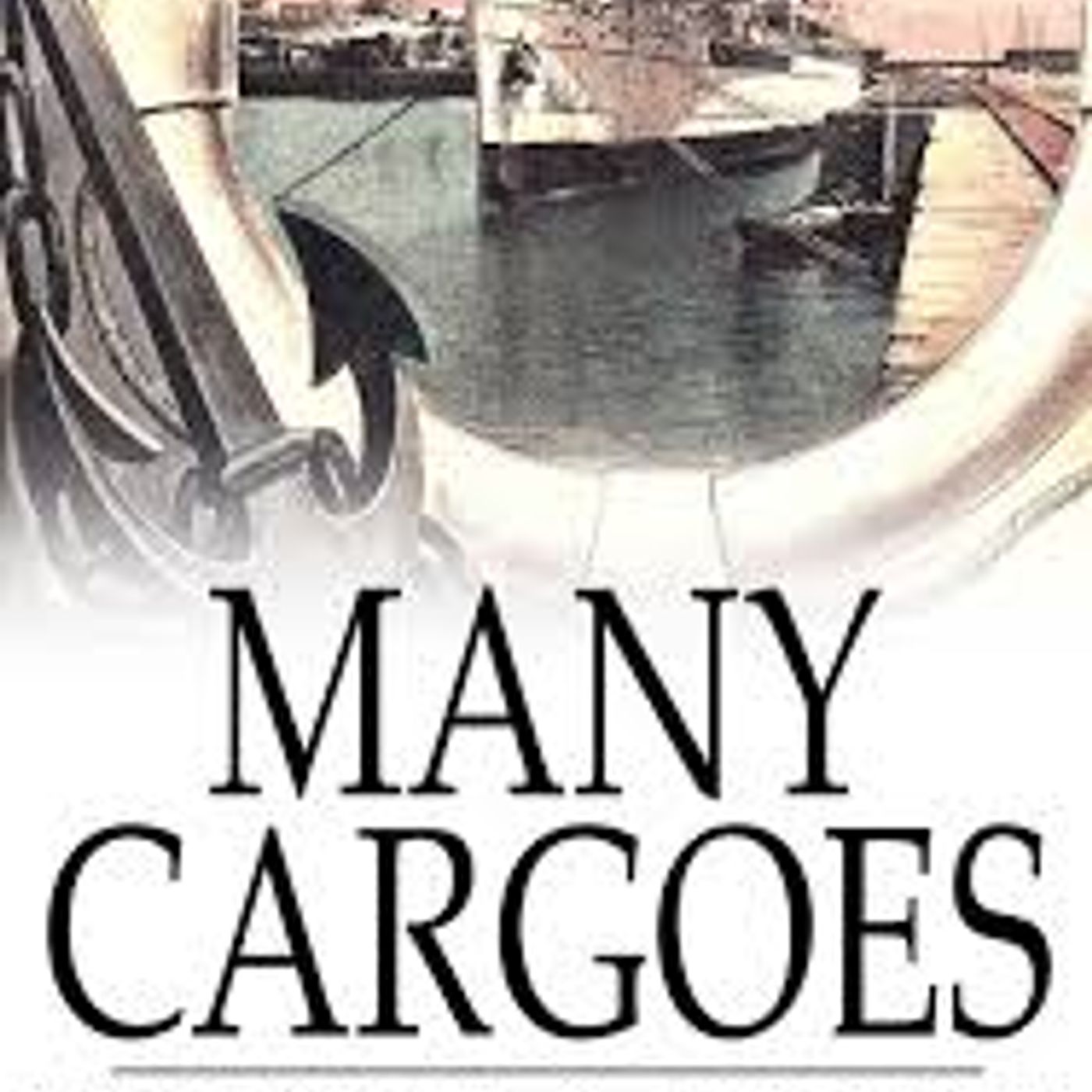
"A Love Passage" is a lighthearted maritime comedy from W.W. Jacobs' 1896 collection, Many Cargoes, that satirizes the bumbling romantic efforts of sailors. The Plot The story follows the mate of a schooner who decides, with somewhat clinical detachment, that it is time for him to fall in love. When the skipper brings his daughter on board for a voyage, the mate sees an opportunity and begins an exaggerated performance of romance. Performing "Love": The mate's idea of courtship is highly theatrical; he begins to mope, loses his appetite, and spends an inordinate amount of time washing and preening, much to the annoyance of the skipper. The Misunderstanding: Most of his "lovelorn" gazing goes unnoticed by the girl. While the mate believes he is deep in a profound, melancholy romance, the girl remains oblivious or merely amused by his strange behavior. The Climax: The humor peaks when the mate's attempts to appear sophisticated or "stricken" by love conflict with his actual duties on the ship, leading to comical friction with the crew and the skipper. Key Themes Performance vs. Reality: The mate is more in love with the idea of being in love than with the girl herself. Nautical Life: Jacobs uses his signature dockside vernacular and maritime setting to ground the absurdity of the "love passage" in the gritty reality of life on a schooner.
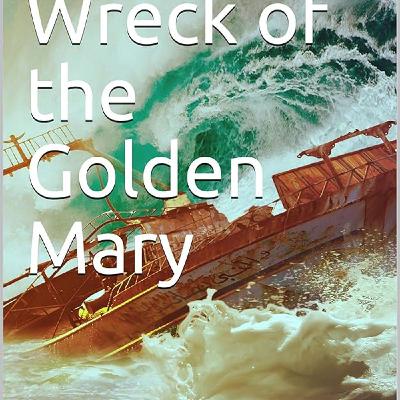
Catch 'The Shadow' radio mystery hosted now at 1001 Ghost, Chiller & Lovecraft Stories Podcast- The Shadow was America's favorite radio mystery form 30 years and its still good today...give it a try! Pt 2 of 'The Wreck of the Golden Mary' finds our two lifeboats in dire straits as food and water are just about gone.
"The Wreck of the Golden Mary" is a collaborative novella published by Charles Dickens in the 1856 Christmas issue of his periodical, Household Words. The story is a dramatic, suspenseful narrative focusing on the sinking of a passenger ship and the subsequent survival efforts of those in lifeboats. Summary of "The Wreck of the Golden Mary" The Voyage and Disaster: The Golden Mary, captained by William George Ravender, is en route from Liverpool to California, navigating around Cape Horn during the height of the California Gold Rush. The ship strikes an iceberg, causing it to sink. The Lifeboats: The passengers and crew escape into two lifeboats. The first chapter, written primarily by Dickens, focuses on the harrowing, orderly evacuation led by Captain Ravender and his loyal first mate, John Steadiman. Inspiration for the Story The California Gold Rush: The story is directly set against the backdrop of the 1850s California Gold Rush, with passengers on the ship chasing fortune. Victorian Shipwrecks: In the mid-19th century, maritime disasters were common, and narratives of survival and bravery at sea were popular. The theme of encountering icebergs was a known danger, and the story focuses on the psychological struggle of survivors facing extreme deprivation. Collaboration: While initiated by Dickens, the story was a collaborative effort for Household Words, allowing for different perspectives on the ordeal. "The Frozen Deep": Dickens was preparing his theatrical production of The Frozen Deep at the time, which also featured themes of Arctic survival and, likely, influenced the icy, dramatic nature of this story. The novella is noted for exploring human behavior under severe stress, combining intense, realistic details of the wreck with the psychological resilience of the survivors. cREDITS: Weigh The Anchor Alan Turner (Pixabay) nearer-my-god-to-thee-144614.mp3 nearer-my-god-to-thee-146077.mp3 weigh-the-anchor-a-sea-shanty-363826 (1).mp3 cinematic-inspirational-epic-music-379249.mp3 adventure-epic-background-music-306685.mp3 epic-adventure-background-music-404457.mp3 to-survive-296564.mp3 fight-epic-metal-dubstep-277580.mp3 impending-doom-383242.mp3 Eternal_Father,_Strong_to_Save_(instrumental).ogg.mp3 sad-emotional-piano-background-music-462089 (3).mp3 till-the-very-end-463729 (1).mp3 iii-keep-you-warm-463725.mp3 praise-to-the-lord-piano-solo-247399.mp3
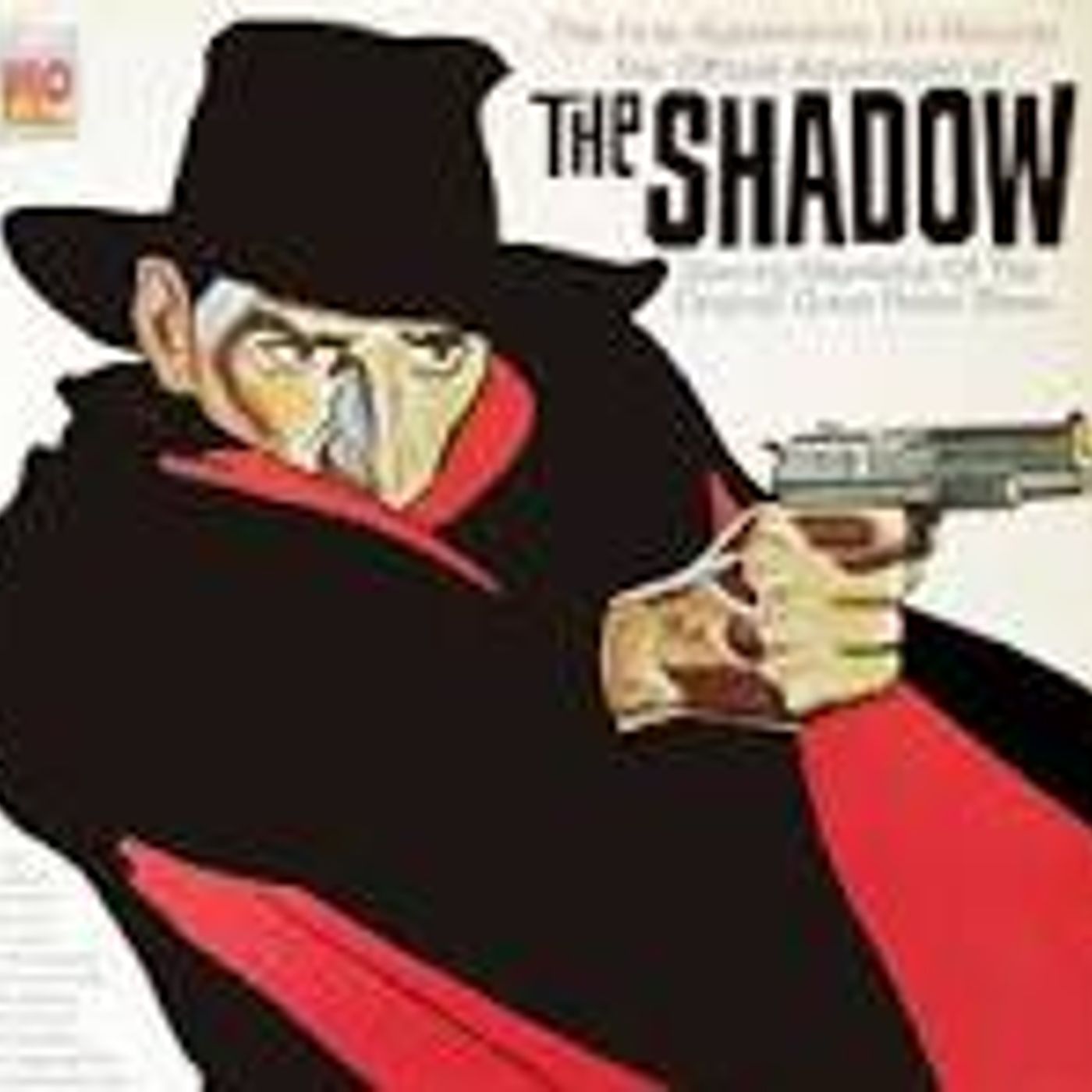
Join host Gizelle Erickson every Monday, Wednesday and Friday at 4pm ET at 1001 Ghost, Chiller & Lovecraft Podcast as she introduces the nuances of every episode of America's favorite vigilante radio serial 'The Shadow' as Lamont Cranston and his sexy sidekick Margot Lane bring all the lowlifes and sleazeballs who never thought they would be punished to justice. Take the Shadow challenge and listen to the first five episodes like I did to really get an understanding of the show and you'll be a fan! Apple Link: https://podcasts.apple.com/us/podcast/1001-ghost-chiller-lovecraft-stories/id1516332327 Spotify Link: https://open.spotify.com/show/5P4hV28LgpG89dRNMfSDKJ
From THE FOUR MILLION by O. Henry O. Henry's "A Cosmopolite in a Café" tells of the narrator meeting E. Rushmore Coglan, a man who claims to be a true "citizen of the world," free from hometown ties. Coglan boasts of world travels, dismissing regional pride and judging people individually. However, when a stranger insults Coglan's hometown of Mattawamkeag, Maine, Coglan fiercely defends it, revealing his profound local loyalty and leading to a fight, thereby exposing his hypocrisy and proving the narrator's theory that true cosmopolites are rare. Be sure to check out our narration of 'The Count of Monte Cristo' at 1001 Stories For the Road- An awesome story you don't want to miss!
3 Original fairy tales from The Brothers Grimm whose job it was to spend their lives collecting old tales-m the same ones that Disney and others cleaned up for public consumption. Keep an eye out for 'Found in the Footnotes' (at 1001 Heroes for THE AMAZING STORY OF THE REAL-LIFE TOM THUMB For some amazing browsing try us at www.bestof1001stories.com!

Comments

Download from Google Play

Download from App Store
 United States