


Behavioral Grooves Podcast
Subscribed: 400Played: 18,180
Subscribe


© Copyright 2024 Behavioral Grooves . All rights reserved.
Description
Stories, science and secrets from the world’s brightest thought-leaders. Behavioral Grooves is the podcast that satisfies your curiosity of why we do what we do. Explanations of human behavior that will improve your relationships, your wellbeing, and your organization by helping you find your groove.
513 Episodes
Reverse

Individual emotional intelligence matters — but teams thrive when EI is built together, not carried by a few well-developed individuals. In this episode, Vanessa Druskat explains why high-performing groups rely on shared norms that create psychological safety, trust, and collaboration. We talk through her research-backed framework for turning work groups into emotionally intelligent teams, how leaders can shape better environments, and why optimism is a surprisingly powerful tool for motivation and change.
Topics
[0:00] Intro and Speed Round with Vanessa Druskat
[7:08] What is Team Emotional Intelligence?
[13:02] Leader Behavior vs Team Norms
[18:24] The Discovery of “the Nine Norms”
[26:34] Engaging Stakeholders Beyond the Team
[33:19] Belonging Needs and Conformity
[42:01] Optimism As a Leadership Tool
[47:21] Coaching for Hope vs Problems
[50:42] Desert Island Music
[54:14] Grooving Session: A+ Teams vs A+ Individuals
©2025 Behavioral Grooves
Links
About Vanessa
The Emotionally Intelligent Team
Join us on Substack!
Join the Behavioral Grooves community
Subscribe to Behavioral Grooves on YouTube
Support Behavioral Grooves
Musical Links
Van Morrison - Days Like This
John Prine - In Spite of Ourselves
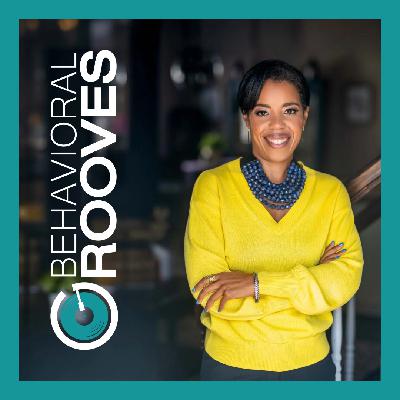
Executive coach and author Muriel Wilkins joins us to unpack the invisible beliefs that quietly shape how we lead. We explore why curiosity is the starting point for self-awareness, the common internal blockers she sees in leaders, and why leadership growth is less about changing who you are and more about expanding your mindset. Muriel breaks down how hidden scripts formed early in life can limit our impact later on, and how shifting our beliefs can help us move from stress and suffering to clarity, range, and ease at work.
Topics
[0:00] Introduction and speed round with Muriel Wilkins
[9:33] Are limiting beliefs protective?
[15:40] Where limiting beliefs come from
[20:00] Why we’re not taught self-reflection
[27:04] The problem with glorifying stress
[33:44] Changing vs expanding your mindset
[39:23] Redefining success
[44:47] How Muriel Wilkins finds her groove
[54:50] Grooving Session: Curiosity, self-awareness, and expanding your mindset
©2025 Behavioral Grooves
Links
About Muriel
Leadership Unblocked by Muriel Wilkins
Café Bustelo
Join us on Substack!
Join the Behavioral Grooves community
Subscribe to Behavioral Grooves on YouTube
Support Behavioral Grooves
Musical Links
Vivaldi - Four Seasons
In this special episode inspired by questions from our Facebook Community, we explore why big change feels intimidating even though most transformation happens quietly in our daily lives. Kurt and Tim dig into the micro-shifts we overlook, the powerful role expectations play in shaping our confidence and identity, and why surrounding yourself with people who expand your sense of possibility truly matters. They also revisit classic and modern goal-setting research — from Kurt Lewin’s “levels of aspiration” to today’s best evidence — to show how balancing past performance with future dreams helps you find the motivating sweet spot that keeps you moving forward.
A Note From Our Team: This show exists because of the community around it — the questions you ask, the curiosity you bring, and the support you’ve given us. If you’d like to help us keep producing independent, ad-free behavioral science content, we’d be grateful for your support on Substack. Your contribution sets the expectation that this work matters — and helps us keep delivering it. Support us here.
Topics
[0:00] Change and Its Implications
[4:00] The Impact of Incremental Change on Personal Growth
[8:41] The Pygmalion Effect
[16:14] Goal Setting: Past Performance vs Future Dreams
[25:39] Incremental Goals vs. Aspirational Goals
[29:11] Our Facebook Community: Coffee or Tea?
©2025 Behavioral Grooves
Links
Join us on Substack!
Join the Behavioral Grooves community
Subscribe to Behavioral Grooves on YouTube
Support Behavioral Grooves
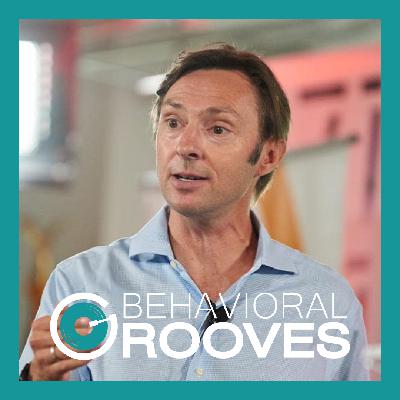
Is violence caused by “bad people,” too many guns, or something deeper? In this episode, University of Chicago researcher Jens Ludwig reveals why most violent acts stem not from evil intent but from ordinary people in unforgiving situations. We explore how behavior, context, metacognition, and split-second decision-making shape violent outcomes — and why small, scalable interventions like pocket parks, foot traffic, and reflective thinking can dramatically reduce harm. If you care about safer communities, more innovative policymaking, or just want to understand human behavior better, our conversation with Jens will forever reshape how you view violence.
Topics
[0:00] Intro and Speed Round with Jens Ludwig
[10:18] Bad People vs Bad Situations
[15:55] The 10-Minute Window
[22:50] Dog Attacks and Tunnel Vision
[31:15] Eyes on the Street and Environment Shaping Behavior
[38:50] How Pocket Parks Reduce Crime
[47:27] In-Group/Out-Group Psychology and Neighborhood Conflict
[52:20] Metacognition, Education, and Preventing Violence
[1:00:57] Poker, Tilt, and Decision-Making Under Stress
[1:06:51] Desert Island Music Picks
[1:11:21] Grooving Session: Interventions and a Solution to Violent Crime
©2025 Behavioral Grooves
Links
About Jens
Unforgiving Places: The Unexpected Origins of American Gun Violence
Join us on Substack!
Join the Behavioral Grooves community
Subscribe to Behavioral Grooves on YouTube
Support Behavioral Grooves
Musical Links
Chappell Roan - Red Wine Supernova
AC/DC - Hell’s Bells
Why does gratitude feel so easy to feel yet so hard to say? In this Thanksgiving grooving session, we unpack the psychology behind our awkwardness around expressing appreciation—from miscaliberated assumptions to the belief that people can “just tell” how grateful we are. Drawing on research from Nick Epley and others, we explore how gratitude rewires the brain, boosts well-being, and strengthens relationships, and we share simple, science-backed nudges to help you connect more deeply with the people you love this holiday season.
A Note From Our Team:
This Thanksgiving, support the science you love. Behavioral Grooves is independent, ad-free, and listener-powered. If our episodes bring you insight or inspiration, consider subscribing or becoming a member—it makes a huge difference.
©2025 Behavioral Grooves
Topics
[0:00] What is Gratitude?
[1:51] Barriers to Expressing Gratitude
[3:44] Nudges for Practicing Gratitude
[6:54] The Power of In-Person Gratitude
[8:30] Closing Thoughts: Happy Thanksgiving!
©2025 Behavioral Grooves
Links
Join us on Substack!
Join the Behavioral Grooves community
Subscribe to Behavioral Grooves on YouTube
Support Behavioral GroovesSupport Behavioral Grooves
Musical Links
Arlo Guthrie - Alice's Restaurant
Vintage Thanksgiving Playlist
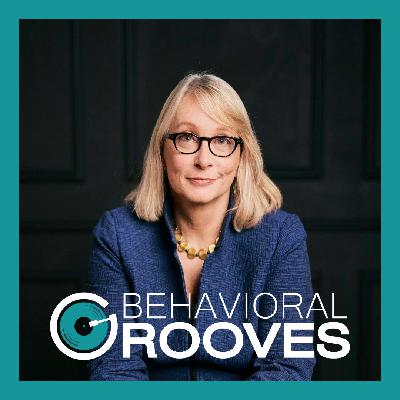
Harvard instructor Margaret Andrews joins us to explore why effective leadership starts with self-awareness. We discuss blind spots, emotional intelligence, team norms, and the internal work leaders must do to better understand their impact. Margaret offers practical tools for developing people and navigating organizational context, showing how self-understanding reshapes culture, communication, and long-term leadership success.
Topics
[0:00] Introduction and Speed Round with Margaret Andrews
[7:10] What Managers Get Wrong
[16:59] Challenges of Leading Others
[21:42] Emotional Intelligence and Leadership
[27:20] The “Best Boss” Exercise
[35:54] Leading for the Long Term
[39:56] Advice for New Managers
[44:19] Desert Island Music
[49:38] Grooving Session: Self-Awareness, Biases, and Leadership Takeaways
©2025 Behavioral Grooves
Links
About Margaret
Manage Yourself to Lead Others by Margaret C. Andrews
Join us on Substack!
Join the Behavioral Grooves community
Subscribe to Behavioral Grooves on YouTube
Support Behavioral Grooves
Music Links
Rod Stewart - Have You Ever Seen the Rain?
Nina Simone - Feeling Good

What if the gender revolution never finished? Economist Corinne Low joins us to unpack why women have transformed the workforce while men’s roles at home have barely changed. Drawing on insights from her book Having It All, Corinne reveals why so many families are stretched thin, caught between data, social pressure, and outdated norms. Together, we explore what it means to “have it almost,” and how smarter boundaries, parental leave, and fairer divisions of labor could finally help us reach true balance at home and at work.
©2025 Behavioral Grooves
Topics
[0:00] Intro and Speed Round with Corinne Low
[8:30] Gender Roles in Parenting
[18:58] Behavioral and Social Norms in Parenting
[27:32] Economic Models and Marriage
[38:29] Paternity Leave and Gender Roles
[44:18] Structural Changes and Workforce Adaptations
[52:49] Desert Island Music
[55:26] Grooving Session: Finding Balance at Home and at Work
©2025 Behavioral Grooves
Links
About Corinne
Having It All: What Data Tells Us About Women’s Lives and Getting the Most Out of Yours by Corinne Low, PhD
Join us on Substack!
Join the Behavioral Grooves community
Subscribe to Behavioral Grooves on YouTube
Music Links
Pearl Jam - Even Flow
The Beatles - Now and Then
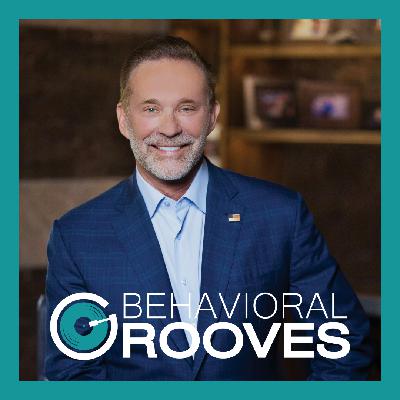
Financial advisor and author Mark Matson joins Behavioral Grooves to explore what the American Dream means today—and whether it’s truly attainable for everyone. We dig into his view that fulfillment comes from mindset, not money, and examine how behavioral biases can sabotage our financial decisions. But as we discuss the tension between personal responsibility and systemic headwinds, we also ask: can discipline and optimism alone really guarantee success?
Topics
[0:00] A quick word with Kurt and Tim - Struggling with the American Dream
[5:08] Speed Round with Mark Matson
[9:20] Cognitive Biases in Investing
[16:00] Victimhood vs Agency
[23:58] Why Investors Are Their Own Worst Enemy
[27:12] Behavioral Economics and Bad Decisions
[38:45] The Three Rules for Smarter Investing
[44:58] Defining “Enough”
[51:13] How to Find Purpose and Find Your Groove
[58:50] Desert Island Music Picks
[1:01:12] Grooving Session: Nuance, Privilege, and Perspective
©2025 Behavioral Grooves
Help Behavioral Grooves stay independent and science-focused by becoming a paid subscriber or making a one-time donation.
Support our work
Links
About Mark
Experience the American Dream: How to Invest Your Time, Energy, and Money to Create an Extraordinary Life by Mark Matson
Join us on Substack!
Join the Behavioral Grooves community
Subscribe to Behavioral Grooves on YouTube
Musical Links
Billy Joel - We Didn’t Start the Fire
Morgan Wallen - I Got Better

How does framing influence the way we think, feel, and act? Sociologist and author Mikael Klintman joins us to explore how framing shapes nearly every part of life — from art and politics to health and everyday conversations. We discuss how subtle shifts in language and context can change our perceptions, why framing itself is neutral but powerful, and how expanding or contracting our frames can unite or divide us. Tune in for practical insights on recognizing framing in action and using it to see the world differently.
Topics
[0:00] Introduction and Speed Round with Mikael Klintman
[6:29] Framing: A Double-Edged Sword?
[13:02] The Art of Social Influence
[17:07] Rough and Smooth Framing
[22:54] Frame Expansion and Contraction
[30:12] Behavioral Economics and Framing
[36:25] Framing in Everyday Life
[41:23] Music and Framing
[48:04] Grooving Session: Using Framing to Reframe Your Own Mindset
©2025 Behavioral Grooves
Help Behavioral Grooves stay independent and science-focused by becoming a paid subscriber or making a one-time donation.
Support our work
Links
About Mikael
Framing: The Social Art of Influence by Mikael Klintman
Join us on Substack!
Join the Behavioral Grooves community
Subscribe to Behavioral Grooves on YouTube
Musical Links
U2 - I Still Haven’t Found What I’m Looking For
Randy Crawford - Rio de Janeiro Blue
Happy Halloween from Behavioral Grooves! In the spirit (OoooOoo) of the holiday, we're resharing one of our old episodes exploring the spooky side of biases - why we have them, and how we can overcome them. Tune in while you're painting your face for that halloween party, or maybe play it on the speakers outside to really scare the kids with some cold hard science.
No tricks, just treats — and by treats, we mean thoughtful behavioral science stories told without ads or sponsors.
Help Behavioral Grooves stay independent and science-focused by becoming a paid subscriber or making a one-time donation.
Support our work
This Halloween, we dive into the spooky science of superstition—why we knock on wood, wear lucky socks, and believe in things that defy logic. From the psychology of control and uncertainty to research on how superstition both stresses and strengthens us, we mix science, humor, and a dash of Stevie Wonder to show why “superstition ain’t the way.”
Topics
[0:00] Happy Halloween from Behavioral Grooves!
[2:08] Common superstitions and their rationality
[6:40] Psychological and cultural aspects of superstitions
[9:13] Superstitions: The positives and negatives
[14:36] The hidden wisdom of Stevie Wonder
[16:14] Why we should be curious about our rituals
©2025 Behavioral Grooves
Links
Believing in Magic: The Psychology of Superstition
Delacroix, Eva & Valérie Guillard. (2008). Understanding, defining and measuring the trait of superstition.
Join us on Substack!
Join the Behavioral Grooves community
Subscribe to Behavioral Grooves on YouTube
Music Links
Stevie Wonder - Superstition
Nightmare Before Christmas - This Is Halloween
Psychologist and author Dr. Wolfgang Linden joins us to explore why so much of our stress comes not from events themselves, but from our attempts to control them. Drawing on 40+ years of research and clinical experience, he breaks down the “illusion of control” and argues that we only truly have power over two things: how we respond and where we direct our energy. We dive into his emotion–thought–behavior framework, the dangers of suppressing emotions, and how small shifts in attention and behavior can interrupt toxic cycles. From relationships to health to life goals, Wolfgang shows how letting go can actually give us more peace, more agency, and a clearer path forward—sometimes even by knowing when to quit.
Topics
[0:00] Introduction and Speed Round with Dr. Wolfgang Linden
[6:08] Emotions: friend or foe?
[13:38] Behavior change and depression
[17:51] When to persist vs. when to quit
[26:23] Stress, values, and life priorities
[31:39] Saying yes to opportunities
[36:05] What to do when stuck in a rut
[43:37] Desert Island music
[48:36] Grooving session: attention, focus, and letting go
©2025 Behavioral Grooves
Links
About Dr. Wolfgang Linden
The Illusion of Control: A Practical Guide to Avoid Futile Struggles by Wolfgang Linden
Join us on Substack!
Join the Behavioral Grooves community
Subscribe to Behavioral Grooves on YouTube
Musical Links
Jethro Tull - Locomotive Breath
Franz Schubert - Symphony No. 8 (Unfinished)
This October, we’re celebrating 8 years of Behavioral Grooves! To mark the occasion, we’re digging into our archives and re-sharing some of our most popular and thought-provoking conversations every Thursday for the next two months.
The celebration builds to our Anniversary Event on October 16th in Minneapolis, where fan favorite Nick Epley will lead the audience in a live social experiment and conversation about the science we all love.
🎉 Space is limited—grab your tickets now through the link in the show notes and join us for an unforgettable night of behavioral science, connection, and fun!
And for our final throwback...
Annie Duke returns to discuss her book How to Decide: Simple Tools for Making Better Choices, a practical guide that helps readers apply decision-making strategies in everyday life. Annie walks us through concepts like the Archer’s Mindset, Free Rolls, and the surprising benefits of negative thinking, all designed to improve goal-setting and outcomes. Blending behavioral science with her signature clarity—and even a few musical shoutouts to Jack White—Annie offers listeners concrete tools to make smarter decisions and, ultimately, happier lives.
Links
Behavioral Grooves LIVE in Minneapolis!
How to Decide by Annie Duke
Music Links
Jack White - Archbishop Harold Holmes
We explore the hidden forces of status and anointment with Professor Toby Stuart, author of Anointed: How Status Shapes Our Lives. Status influences careers, relationships, and how we perceive art, yet as AI blurs traditional markers of merit, society is increasingly relying on shortcuts like pedigree and recognition. We examine the risks, opportunities, and compounding effects of status, revealing how small advantages snowball into lifelong impacts and challenging listeners to rethink how status shapes their world.
©2025 Behavioral Grooves
Topics
[0:00] Intro and Speed Round with Toby Stuart
[8:43] Status-based Bias
[13:49] Status in Art, Music, and Science
[26:34] The Power of Anointment and Status Transfer
[39:39] Status Hierarchies, Networks, and Social Groups
[43:23] The Cosmic Lottery
[48:06] The Future of Status in an AI World
[58:47] What is the Matthew Effect?
[1:01:50] Grooving Session - What Does Status Really Mean?
©2025 Behavioral Grooves
Links
Behavioral Grooves Live in Minneapolis!
More About Toby
Anointed by Toby Stuart
Join us on Substack!
Join the Behavioral Grooves community
Subscribe to Behavioral Grooves on YouTube
Music Links
Duke Ellington - Take the “A” Train
Mozart - Eine Kleine Nachtmusik
This October, we’re celebrating 8 years of Behavioral Grooves! To mark the occasion, we’re digging into our archives and re-sharing some of our most popular and thought-provoking conversations every Thursday for the next two months.
The celebration builds to our Anniversary Event on October 16th in Minneapolis, where fan favorite Nick Epley will lead the audience in a live social experiment and conversation about the science we all love.
Space is limited—grab your tickets now through the link in the show notes and join us for an unforgettable night of behavioral science, connection, and fun!
And now - our throwback of the week!
Bob McKinnon—host of the Attribution podcast and author of America’s Dreaming—joins us to unpack the stories we tell about success and failure. Bob challenges the “fundamental attribution error,” showing how luck, privilege, and social connections shape life outcomes far more than we often admit. Together, we explore the ethics of marketing, the hidden role of systemic barriers, and how reframing our narratives can foster empathy and bridge divides. With storytelling, history, and even music woven in, this conversation reveals how compassionate curiosity can help us see both ourselves and others more clearly.
Links
Behavioral Grooves LIVE in Minneapolis!
America's Dreaming by Bob McKinnon
Music Links
Neil Diamond - I am…I said
Tracy Chapman - Fast Car
Don Kieffer, co-author of There’s Got to Be a Better Way, shares why “common sense” often misguides leaders and how dynamic work design helps organizations thrive. From calling meetings the worst form of organizational abuse to showing why managers can become their own obstacles, Don explains how making work visible and partnering with people closest to the work can unlock both adaptability and efficiency.
Topics
[0:00] Intro and Speed Round with Don Kieffer
[7:14] What Leaders Consistently Get Wrong
[10:29] Dynamic Work - What Is It?
[18:42] The Hot Stove Problem
[22:56] When the Boss Becomes the Problem
[28:18] The Power of Whiteboards
[36:01] Meetings: The Worst Form of Organizational Abuse
[42:46] Jazz, Improv, and Better Work Design
[45:44] Grooving Session - Handoffs, Huddles, and Making Work Work
©2025 Behavioral Grooves
Links
Behavioral Grooves LIVE in Minneapolis!
About Don Kieffer
There’s Got to Be a Better Way by Nelson Repenning and Donald Kieffer
Join us on Substack!
Join the Behavioral Grooves community
Subscribe to Behavioral Grooves on YouTube
Music Links
John Coltrane - My Favorite Things
Pandora Jazz Station
This October, we’re celebrating 8 years of Behavioral Grooves! To mark the occasion, we’re digging into our archives and re-sharing some of our most popular and thought-provoking conversations every Thursday for the next two months.
The celebration builds to our Anniversary Event on October 16th in Minneapolis, where fan favorite Nick Epley will lead the audience in a live social experiment and conversation about the science we all love.
Space is limited—grab your tickets now through the link in the show notes and join us for an unforgettable night of behavioral science, connection, and fun!
And now - this week's episode!
Jodi Wellman, author of You Only Die Once, joins us for a lively and irreverent conversation on how facing our mortality can motivate us to live more fully. Together, we explore why life should be about more than routines and to-do lists, and how prioritizing joy, gratitude, and connection can help us make the most of the limited Mondays we have left. Blending humor with inspiration, Jodi challenges us to be more intentional with our time and to embrace the art of truly living.
Links
Behavioral Grooves LIVE in Minneapolis!
You Only Die Once by Jodi Wellman
Music Links
Dave Matthews Band - Satellite
The Cure - Friday I’m in Love
Richard Shotton joins us to reveal the behavioral science secrets behind 17 iconic brands — from Guinness and Snickers to Apple and Dyson. He explains how psychological biases like concreteness, trigger moments, and the illusion of effort drive real-world success, and why making things easy often beats motivation.
©2025 Behavioral Grooves
Topics
[0:00] Intro and speed round with Richard Shotton
[7:52] The single bias every marketer should know
[13:09] Guinness and the power of the pratfall effect
[19:32] Snickers, trigger moments, and habit formation
[26:51] Apple’s “1,000 songs in your pocket” and concreteness
[34:32] Dyson, the illusion of effort, and AI’s challenge
[43:25] Lessons on testing vs. relying on survey claims
[46:38] Desert island music
[49:41] Grooving session: key takeaways
[1:09:12] Event announcement
©2025 Behavioral Grooves
Links
Behavioral Grooves LIVE in Minneapolis
About Richard
Hacking the Human Mind
Join us on Substack!
Join the Behavioral Grooves community
Subscribe to Behavioral Grooves on YouTube
Musical Links
The Wonder Stuff - The Size of a Cow
CMAT - When a Good Man Cries
This October, we’re celebrating 8 years of Behavioral Grooves! To mark the occasion, we’re digging into our archives and re-sharing some of our most popular and thought-provoking conversations every Thursday for the next two months.
The celebration builds to our Anniversary Event on October 16th in Minneapolis, where fan favorite Nick Epley will lead the audience in a live social experiment and conversation about the science we all love.
Space is limited—grab your tickets now through the link in the show notes and join us for an unforgettable night of behavioral science, connection, and fun!
And now - this week's episode!
In this episode of Behavioral Grooves, psychologists Daniel Simons and Christopher Chabris—creators of the famous Monkey Business Illusion and authors of Nobody’s Fool—unpack why we so often fall for fraud, scams, and flashy but misleading science. They explain how our biases and love of appealing stories make us vulnerable, and why blanket skepticism isn’t practical. Instead, they share tools for spotting deception, insights into fixing flawed research incentives, and a simple but powerful rule of thumb: trust the people who admit when they’re wrong.
Links
Behavioral Grooves LIVE in Minneapolis!
Nobody’s Fool: Why We Get Taken In and What We Can Do About It by Daniel Simons & Chris Chabris
The Monkey Business Illusion
Music Links
Talking Heads “Once in a Lifetime”
Ani Difranco “Both Hands”
Wax Tailor “Come With Me”
Bjork “Human Behaviour”
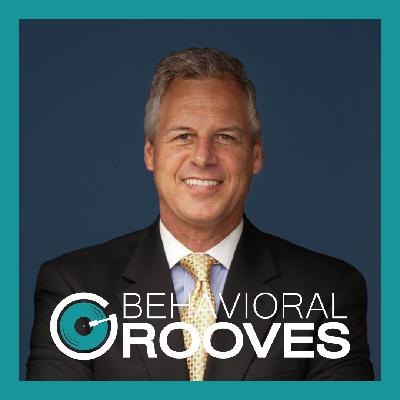
Employee engagement scores have been stuck for decades—but belonging and wellbeing might be the missing pieces. We talk with Mark Crowley about why emotions drive behavior, how rituals create culture, and why leading with heart is actually the smartest path to performance.
Topics
[0:00] Intro and speed round with Mark Crowley
[9:05] Why leaders dismiss engagement scores
[11:28] The power of asking “How do you feel?”
[16:50] Reciprocity and authentic care
[20:08] Belonging as the greatest driver of wellbeing
[24:55] Why old leadership myths persist
[28:20] Positive emotions as “emotional currency”
[31:51] Balancing care with accountability
[35:05] Rituals that build culture (and candy stories)
[42:11] Advice for new managers
[46:24] Mark’s desert island music picks
[48:39] Grooving session takeaways
©2025 Behavioral Grooves
Links
Behavioral Grooves LIVE in Minneapolis!
About Mark
The Power of Employee Well-Being by Mark Crowley
Join us on Substack!
Join the Behavioral Grooves community
Subscribe to Behavioral Grooves on YouTube
Music Links
Van Morrison - Days Like This
George Harrison - Any Road


Download from Google Play

Download from App Store
 United States
Nicely written, appreciated your ideas and steps. https://www.thetalk-room.com
nicely done. appreciated your steps. http://ammyjmakeovers.com
Informative podcast https://zebrians.in/
I like the helpful information you provide in your podcast. I will bookmark your weblog and check again here regularly. I am quite sure I'll learn plenty of new stuff right here https://va2pt.com/
nice podcast https://grannysden.in/
Nice podcast https://grannysden.in/
Thanks for sharing. This is very informative https://thetalk-room.com/
check out this https://www.jbitdoon.com/
Thanks for sharing https://www.sparklingchessacademy.com/
Thanks for sharing https://www.sparklingchessacademy.com/
Thanks for sharing https://www.sparklingchessacademy.com/
Family tree maker 2019 upgrade- https://www.familytreemakerhelps.com/familyblogs/
Check this amazing site- https://www.familytreemakerhelps.com
check this amazing free family tree software for everyone https://www.familytreemakerhelps.com
check this software for free map updates https://mydashupdates.com
check this out guys for free map updates life time
check this software for free map updates https://mydashupdates.com
check this software for free map updates
Thank you http://thelocationtracker.com
Great podcast! I learn so much with each episode