


 Claim Ownership
The Biggest Table
Subscribed: 1Played: 28
Subscribe

© Copyright 2023 All rights reserved.
Description
This podcast is an avenue to dialogue about the totality of the food experience. Everything from gardening, to preparing, to eating, to hospitality, to the Lord’s Table, with an eye toward how this act that we all have to engage in helps us experience the transformative power of God’s love and what it means to be human.
76 Episodes
Reverse
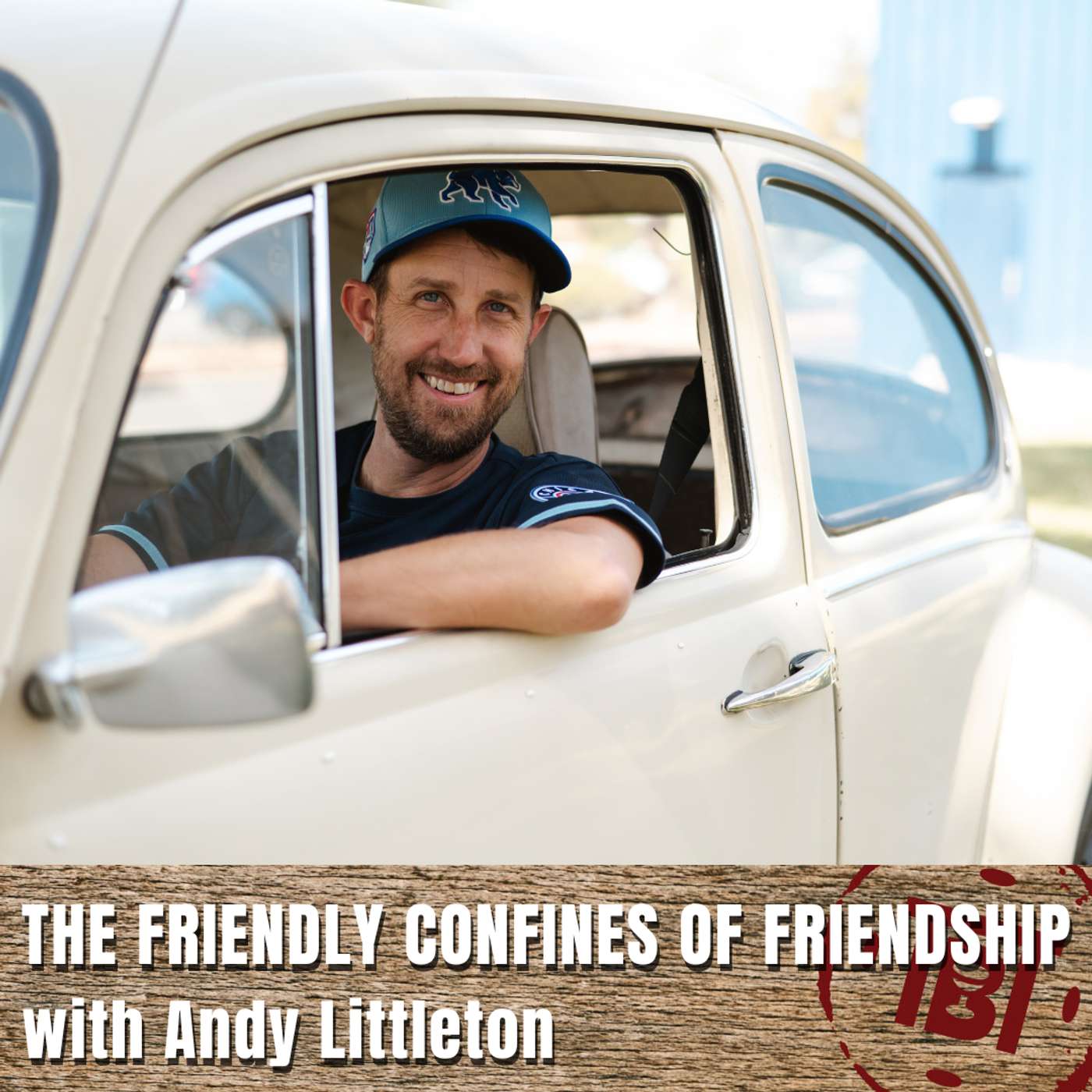
Host Andrew Camp welcomes Andy Littleton to “The Biggest Table” to discuss friendship, grief, and hospitality as places to experience God’s love. Littleton shares losing his best friend Sam 20 years ago in a car accident and how it shaped his longing and questions about friendship. Encouraged to write about it during the relational strain of 2020–2021, he organized a 2025 road trip in Sam’s 1971 Volkswagen from Tucson to Wrigley Field with friends old and new, resulting in a manuscript titled “2,000 Miles to Wrigley.” The trip included reconnection and deeper understanding with friend Sean, insights about power dynamics and differentiation in friendships, and “resonance” versus control (influenced by Andrew Root and Hartmut Rosa). At the game, shared, shoulder-to-shoulder experiences fostered new bonds, and a dramatic Cubs win felt like a gift. Littleton argues friendship grows through simple shared activities (even hot-dog-making) and calls the church to take relational risks and tell stories of repair.Andy Littleton has lived in Tucson most of his life and has been in ministry since he was 18 years old. He’s worked and studied in many diverse ministry contexts throughout the years. Andy currently works for Mission Church, Resonate Global Mission, and Calvin Theological Seminary where he loves to teach and invest in the lives of leaders. He is married to Michaela, a nurse, musician, and animal lover, and has a daughter named Abby who is a “kid whisperer.” You can find his book projects and other content he shares from time to time on his personal site.Follow Andy Littleton: Personal Website - https://andylittleton.com/Project Patreon - www.patreon.com/c/AndyLittletonChurch site - www.missionchurchtucson.comInfuse - www.infusetucson.comInsta: @2000milestowrigley + @alittlemission + @andygramzfacebook - https://www.facebook.com/andy.littleton.16 + https://www.facebook.com/profile.php?id=61572270103861Medium - https://medium.com/@andy_66884Follow Andrew CampFacebook: andrew.camp.9Instagram: @andrewcamp80Substack: @thebiggesttableThis episode of the Biggest Table is brought to you in part by Wild Goose Coffee. Since 2008, Wild Goose has sought to build better communities through coffee. For our listeners, Wild Goose is offering a special promotion of 20% off a one time order using the code TABLE at checkout. To learn more and to order coffee, please visit wildgoosecoffee.com.
(00:00) - Meet Andy Littleton
(02:12) - Loss, Grief, and the Wrigley Idea
(10:22) - Road Trip Resonance at Wrigley
(37:10) - Towing Trouble Unexpected Gift
(42:19) - Shoulder To Shoulder Friendship
(51:31) - Church Repair And Food Wrap
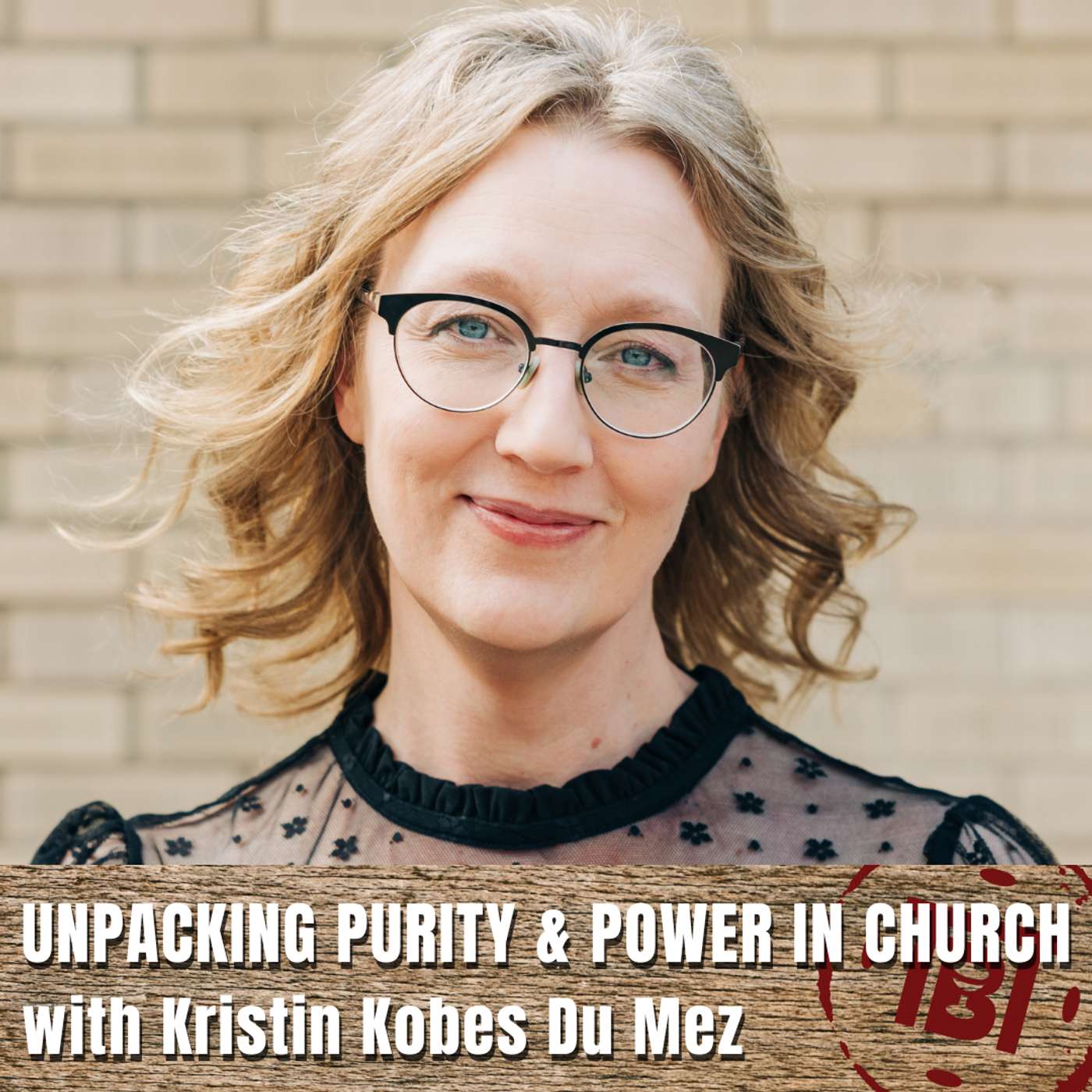
Host Andrew Camp interviews historian and author Kristin Du Mez about her background in the Christian Reformed Church, her scholarly approach to evangelicalism as a cultural historian, and a pivotal moment watching Donald Trump’s 2016 speech at Dordt University that prompted her to reassess white evangelical values. Du Mez argues support for Trump is not a “betrayal” but reflects deeper values embedded in evangelical subculture, shaped through Christian media, bookstores, and products, especially those marketed to white Christian women. Discussing her forthcoming book Live, Laugh, Love, she connects evangelical women’s culture, multi-level marketing dynamics, and New Thought/positive-thinking theology to prosperity logic, purity culture, and “biblical womanhood,” highlighting Elisabeth Elliot’s complex story. She links domesticity and purity to authoritarian politics and Christian nationalism, notes post–Cold War shifting threats sustaining high-control religion, and closes with cautious hope grounded in truth-telling, faithfulness over winning, and history’s unpredictability.Kristin Kobes Du Mez is a New York Times bestselling author and Professor of History at Calvin University. She is a Senior Democracy Fellow with the Public Religion Research Institute. Her research focuses on the intersection of gender, religion, and politics. Her most recent books include Jesus and John Wayne: How White Evangelicals Corrupted a Faith and Fractured a Nation (2020) and Live Laugh Love: The Secret History of White Christian Women and the World They Made (September 2026). She is a Distinguished Associate at the Institute for Christian Studies (Toronto) and recently served as a Fellow at the University of Notre Dame’s Center for Philosophy of Religion (2024-2025).Preorder Live, Laugh, Love (release date: September 15, 2026)Follow Kristin Kobes Du MezFacebook: kkdumezInstagram: @kkdumezSubstack: Du Mez CONNECTIONSFollow Andrew CampFacebook: andrew.camp.9Instagram: @andrewcamp80Substack: @thebiggesttableThis episode of the Biggest Table is brought to you in part by Wild Goose Coffee. Since 2008, Wild Goose has sought to build better communities through coffee. For our listeners, Wild Goose is offering a special promotion of 20% off a one time order using the code TABLE at checkout. To learn more and to order coffee, please visit wildgoosecoffee.com.
(00:00) - Kristin Du Mez Origins
(03:46) - Trump and Evangelical Values
(17:37) - Live Laugh Love and New Thought
(28:41) - Women’s Christian Media World
(30:54) - Elizabeth Elliot’s Complicated Legacy
(38:33) - Purity Politics and Hope
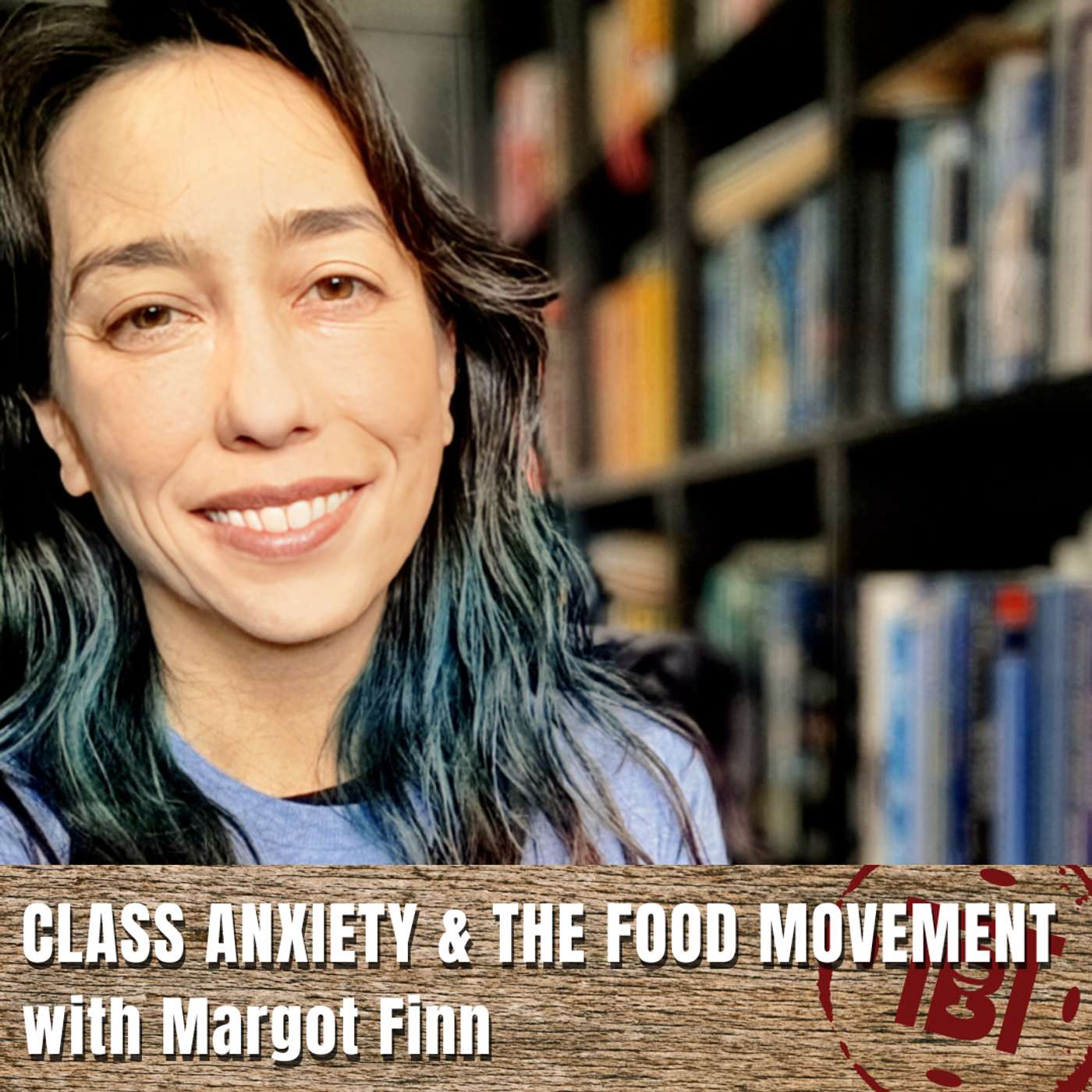
Host Andrew Camp interviews University of Michigan lecturer and food studies scholar Margot Finn about her book "Discriminating Taste: How Class Anxiety Created the American Food Revolution." Finn describes shifting from a post-9/11 media project to food studies, tracing how contemporary “common sense” food ideals—sophistication, thinness, purity, and cosmopolitanism—are learned, historically recurring (notably in the 1920s), and tied to inequality and middle-class status striving, rather than steady progress. They discuss how taste is shaped by context and social cues (including studies on wine perception), and how post–World War II values emphasized reliable, shared abundance over distinction. Finn cautions against individual consumer fixes, critiques simplified organic/local claims and fraud examples, and argues for policy-level change and reform efforts shaped by target communities. They affirm inclusive tables, reciprocity metaphors, and share personal food preferences and a last-meal choice.Margot Finn holds an MA and Ph.D in American Culture focusing on Food Studies, Media Studies, and 20th Century U.S. History. As a lecturer in Applied Liberal Arts and affiliate of the Sustainable Food Systems Initiative at the University of Michigan, Margot seeks to help students integrate the many different academic disciplines they encounter in their liberal arts degrees and connect their academic work to their personal lives. She encourages students to develop critical thinking skills and more informed perspectives on contemporary food debates such as the ecological impact of Organic vs. conventional agriculture, local vs. imported foods, the biology and culture of fatness, immigrant labor in the food system, and the history of elite food reform efforts. Her writing has been featured in the collection Sensory Rhetorics: Sensation, Persuasion, & the Politics of Feeling (Penn State UP 2026, eds. Steph Ceraso and Jonathan W. Stone), the anthology Food Fights: How History Matters to Contemporary Food Debates (UNC Press 2019, eds. Charles Ludington and Matthew Morse Booker), The Breakthrough Journal, Slate, and Vox. She is also co-editor with Mark Johnson of Critical Food Studies, a new series out of University of Arkansas Press. Follow Andrew CampFacebook: andrew.camp.9Instagram: @andrewcamp80Substack: @thebiggesttableThis episode of the Biggest Table is brought to you in part by Wild Goose Coffee. Since 2008, Wild Goose has sought to build better communities through coffee. For our listeners, Wild Goose is offering a special promotion of 20% off a one time order using the code TABLE at checkout. To learn more and to order coffee, please visit wildgoosecoffee.com.
(00:00) - Meet Margot Finn
(05:40) - Origins of Food Revolution
(13:28) - Taste Class and Virtue
(32:55) - Urban Gardens Beyond Food
(34:30) - Food Narratives and Field Shifts
(41:28) - Sharing, Reciprocity, and Wrap-Up
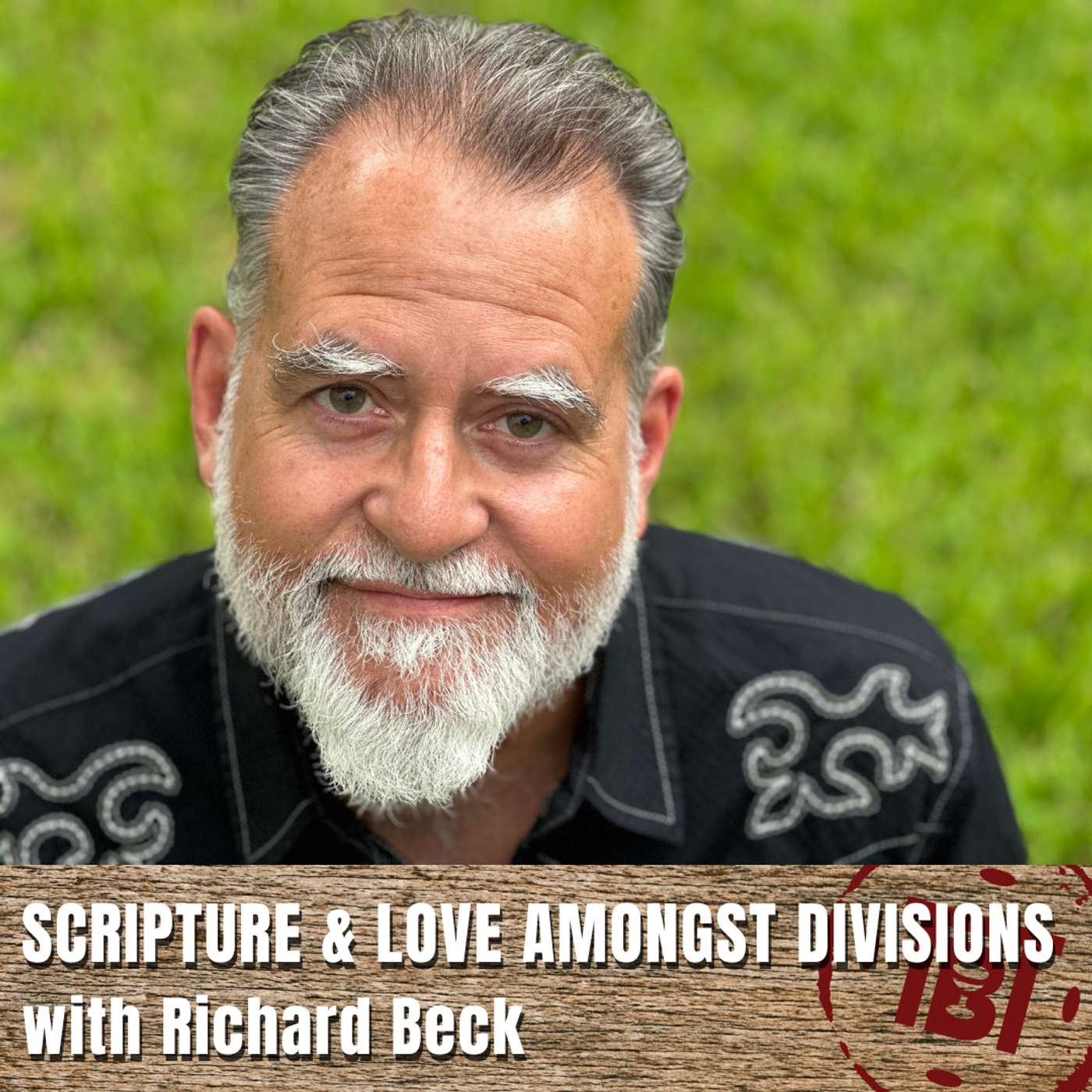
Host Andrew Camp welcomes back psychologist and author Richard Beck to discuss Beck’s recent book on reading the Bible through a hermeneutic of love amid conservative and progressive polarization. Beck describes his journey from a Churches of Christ fundamentalist background through deconstruction and reconstruction, arguing both left and right need better strategies that resist confirmation bias. He frames love as a tension between particular obligations (family, place, patriotism) and universal duties (hospitality to strangers), noting social media intensifies a “digital universal” that can distract from local needs. Beck draws on attachment theory, contending “you can’t read the Bible scared” and that secure attachment requires confidence that God is unconditionally for us and distinct from harm done by church or family. He emphasizes moral self-criticism via the prophets, defines love Christologically as sacrificial, transgressive kindness, and grounds hope in God and eschatology, ending with a prison story of an inmate praying for his victim as a model of bringing moral blind spots into view.Richard Beck is a Professor in the Department of Psychology at Abilene Christian University and is the Senior Fellow of the Saunders Center for Joy and Human Flourishing. Richard also teaches in the Doctor of Ministry programs at Fuller Theological Seminary and Abilene Christian University. He is the author of a number of books, most recently The Book of Love, and The Shape of Joy. Richard serves as a prison chaplain at the maximum-security French Robertson unit and has written and spoken extensively about his experiences working among the incarcerated.Follow Richard Beck on Substack: @richardbeckListen to my previous conversation with Richard Beck on The Biggest TableFollow Andrew CampFacebook: andrew.camp.9Instagram: @andrewcamp80Substack: @thebiggesttableThis episode of the Biggest Table is brought to you in part by Wild Goose Coffee. Since 2008, Wild Goose has sought to build better communities through coffee. For our listeners, Wild Goose is offering a special promotion of 20% off a one time order using the code TABLE at checkout. To learn more and to order coffee, please visit wildgoosecoffee.com.
(00:00) - Reading Scripture as Love
(06:45) - Particular vs Universal Love
(13:35) - Secure Attachment and Grace
(33:13) - Loving the Awkward Enemy
(36:28) - Charitable Listening Across Politics
(48:05) - Hope and the Narrow Way
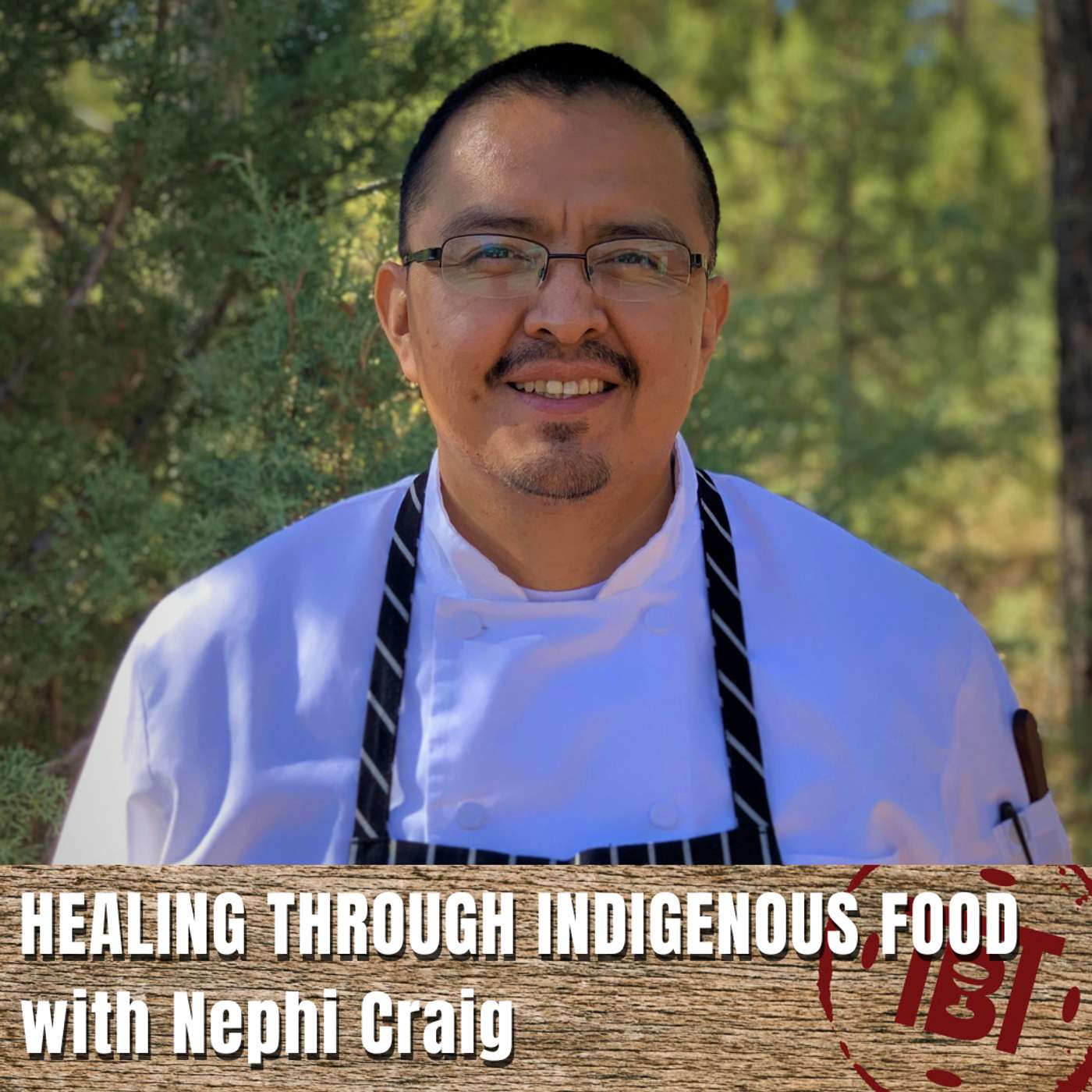
Host Andrew Camp interviews Nephi Craig, executive chef of Café Gozhoo on the White Mountain Apache Tribe, relapse prevention specialist, and founder of the Native American Culinary Association, on the release of his memoir Our Knives Will Save Us. Craig describes writing the book as a tool about the “ingredients of a chef,” linking his 15 years of sobriety, relapse history, and healing to cooking and indigenous foods. He explains how kitchen discipline and mentors shaped him, why indigenous cultivars and foodways connect to public and mental health, and how colonization’s violence and intergenerational trauma relate to addiction and health disparities. Craig details Café Gozhoo as a recovery-oriented, clinically designed, non-hierarchical kitchen emphasizing excellence, work-life balance, and Native values, discusses NACA’s grassroots impact, and answers food questions, including avoiding snake and bear, loving pho, and naming a last meal featuring Apache racket bread.Nephi Craig is the executive chef of Café Gozhóó in Whiteriver, Arizona, on the White Mountain Apache Tribe, and an advanced certified relapse prevention specialist (ACRPS) and behavioral health technician (BHT) currently serving as the nutritional recovery program coordinator at the Rainbow Treatment Center. Craig is the founder of the Native American Culinary Association (NACA), an organization that is dedicated to the research, refinement, and development of Native American cuisine. His work has been recognized in national and international publications such as Newsweek, Forbes, Food & Wine, and The Guardian.Follow Nephi on Instagram: @nephi_craigBuy Our Knives Will Save UsFollow Andrew CampFacebook: andrew.camp.9Instagram: @andrewcamp80Substack: @thebiggesttableThis episode of the Biggest Table is brought to you in part by Wild Goose Coffee. Since 2008, Wild Goose has sought to build better communities through coffee. For our listeners, Wild Goose is offering a special promotion of 20% off a one time order using the code TABLE at checkout. To learn more and to order coffee, please visit wildgoosecoffee.com.

Comments

Download from Google Play

Download from App Store
 United States