


 Claim Ownership
The Black Studies Podcast
Subscribed: 12Played: 718
Subscribe
© @TheBlackStudiesPodcast
Description
The Black Studies Podcast is a Mellon grant sponsored series of conversations examining the history of the field. Our conversations engage with a wide range of activists and scholars - senior figures in the field, late doctoral students, and everyone in between, culture workers, and political organizers - in order to explore the cultural and political meaning of Black Studies as an area of inquiry and its critical methods.
211 Episodes
Reverse
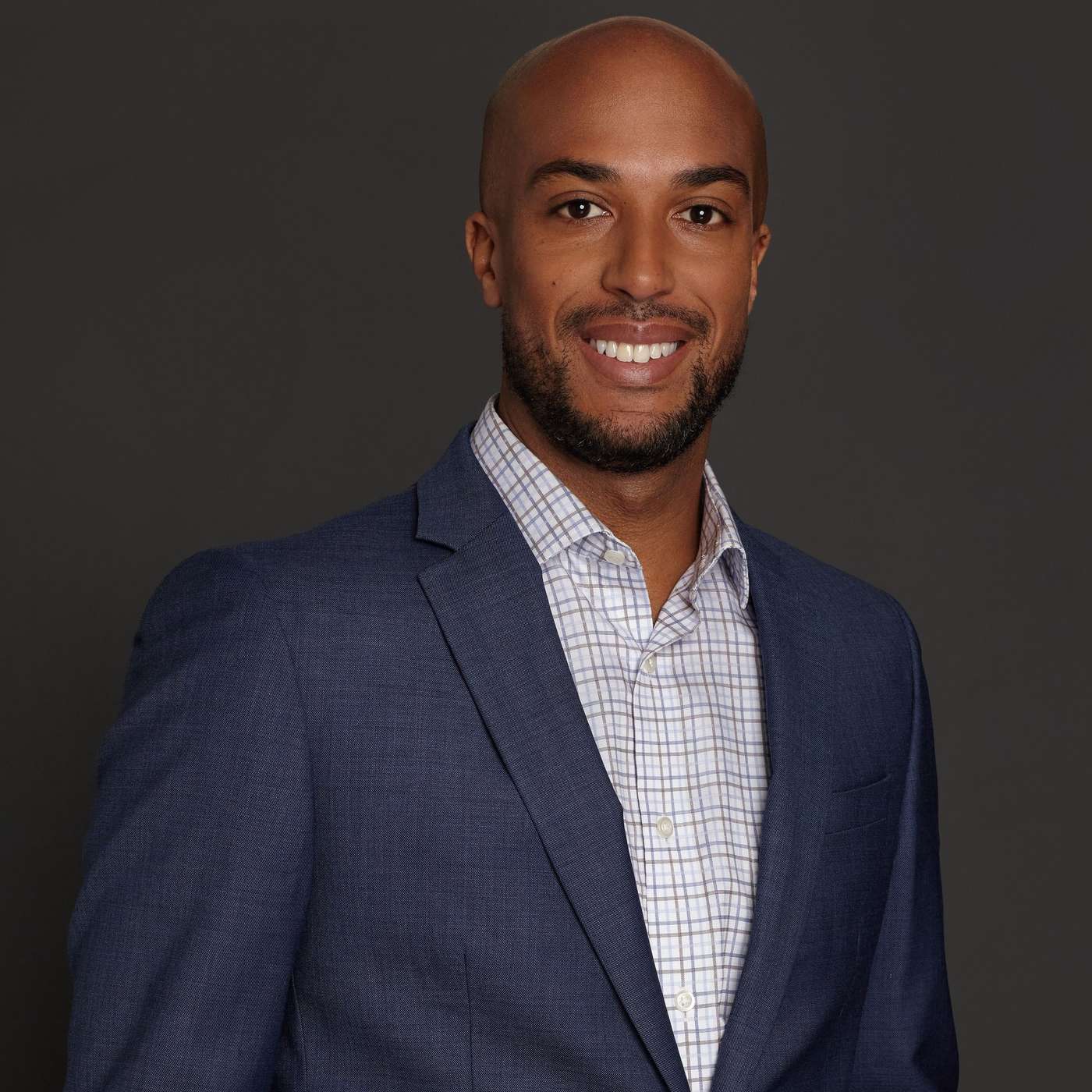
This is Ashley Newby and you’re listening to The Black Studies podcast, a series of conversations examining the history of the field. Our conversations engage with a wide range of activists and scholars - senior figures in the field, late doctoral students, and everyone in between, culture workers, and political organizers - in order to explore the cultural and political meaning of Black Studies as an area of inquiry and its critical methods.Today's conversation is with Benjamin Talton, Executive Director of the Moorland-Spingarn Research Center and Professor in the Department of History at Howard University. He is an historian who researches and writes about culture and politics in Africa and the African diaspora. He earned his BA in history at Howard University and his doctorate, also in history, at the University of Chicago. Prior to joining Howard, Talton was Professor of History at Temple University. He has also taught African History at Hofstra University and Kwame Nkrumah University of Science and Technology in Kumasi, Ghana. A highly respected author, Talton has published three books: The Politics of Social Change in Ghana: The Konkomba Struggle for Political Equality (Palgrave 2010); Black Subjects in Africa and its Diasporas: Race and Gender in Research and Writing (Palgrave 2011), which he co-edited with Dr. Quincy Mills of the University of Maryland; and, most recently, In This Land of Plenty: Mickey Leland and Africa in American Politics (Penn Press 2019), which won the 2020 Wesley-Logan Prize from the American Historical Association. Among his current projects is co-editing Volume III of the Cambridge History of the African Diaspora, with Monique Bedasse and Nemata Blyden, and, chief-editor of all three of the series’ volumes, Michael Gomez. Talton’s work has also appeared in numerous peer-reviewed journals and popular media outlets, including The Washington Post, Jacobin, Current History, the Journal of Asian and African Studies, The African Studies Review, The Conversation, Ghana Studies, and Africa Is A Country. Talton serves on the editorial board of the American Historical Review, the leading History academic journal. He is a former editor of African Studies Review, the leading North American peer-reviewed African Studies journal, and serves on the advisory board for New York University’s Center for the Study of Africa and the African Diaspora (CSAAD). Dr. Talton is a past president of the Ghana Studies Association and a former member of the executive board for the Association for the Study of the Worldwide African Diaspora (ASWAD).
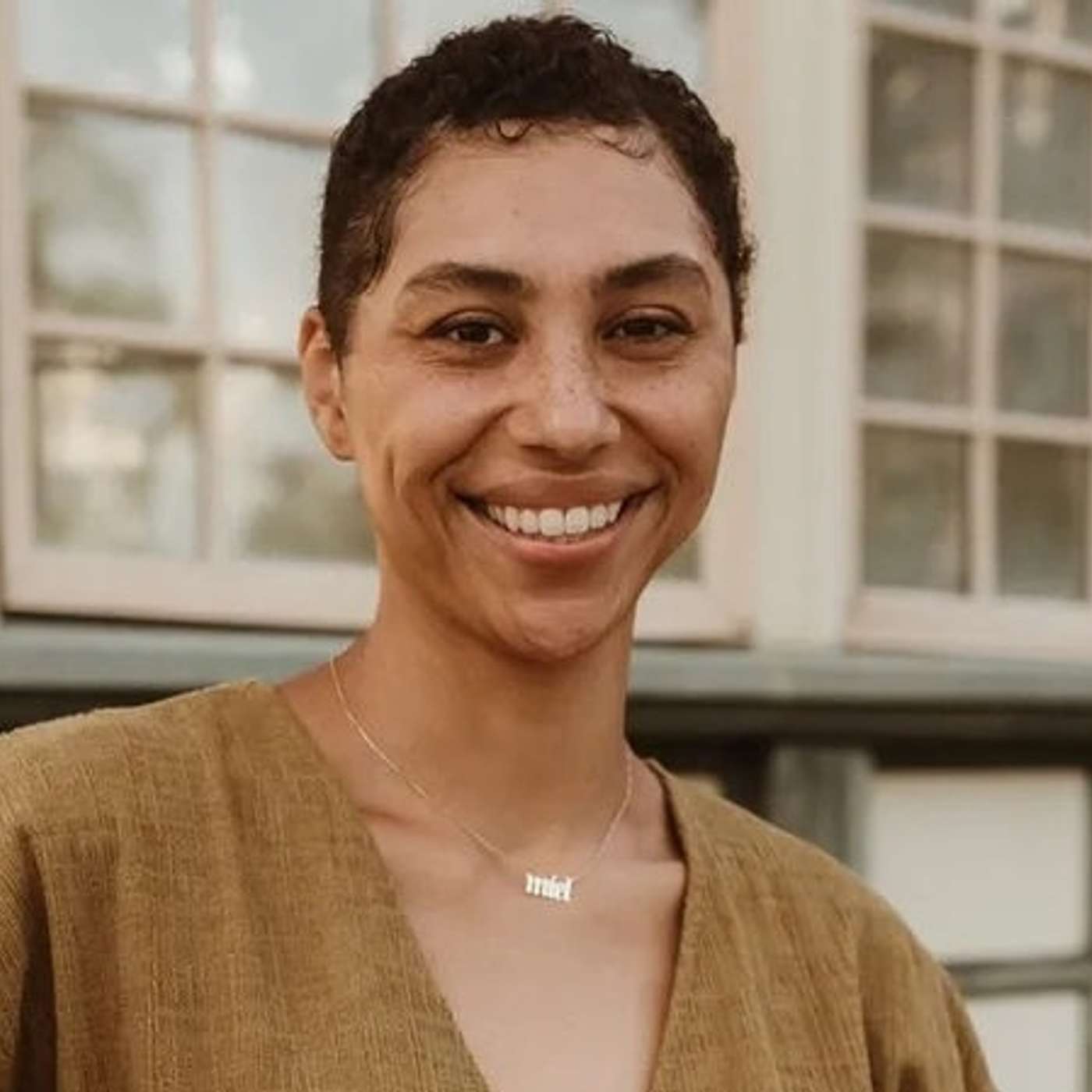
This is John Drabinski and you’re listening to The Black Studies podcast, a series of conversations examining the history of the field. Our conversations engage with a wide range of activists and scholars - senior figures in the field, graduate students, and everyone in between, culture workers, and political organizers - in order to explore the cultural and political meaning of Black Studies as an area of inquiry and its critical methods.Today’s conversation is with Mali Collins, who teaches in the Department of Critical Race, Gender, and Culture Studies at American University. Along with numerous scholarly and public pieces, she is the author of Scrap Theory: Reproductive Injustice in the Black Feminist Imagination (2024) and is a practicing birth, postpartum, and pregnancy termination doula, and a trained Perinatal and Infant Loss advocate with The Womb Room in Baltimore, MD.In this conversation, we discuss the intersection of race, gender, and questions of reproduction and its transformative effect for the study of Black life.
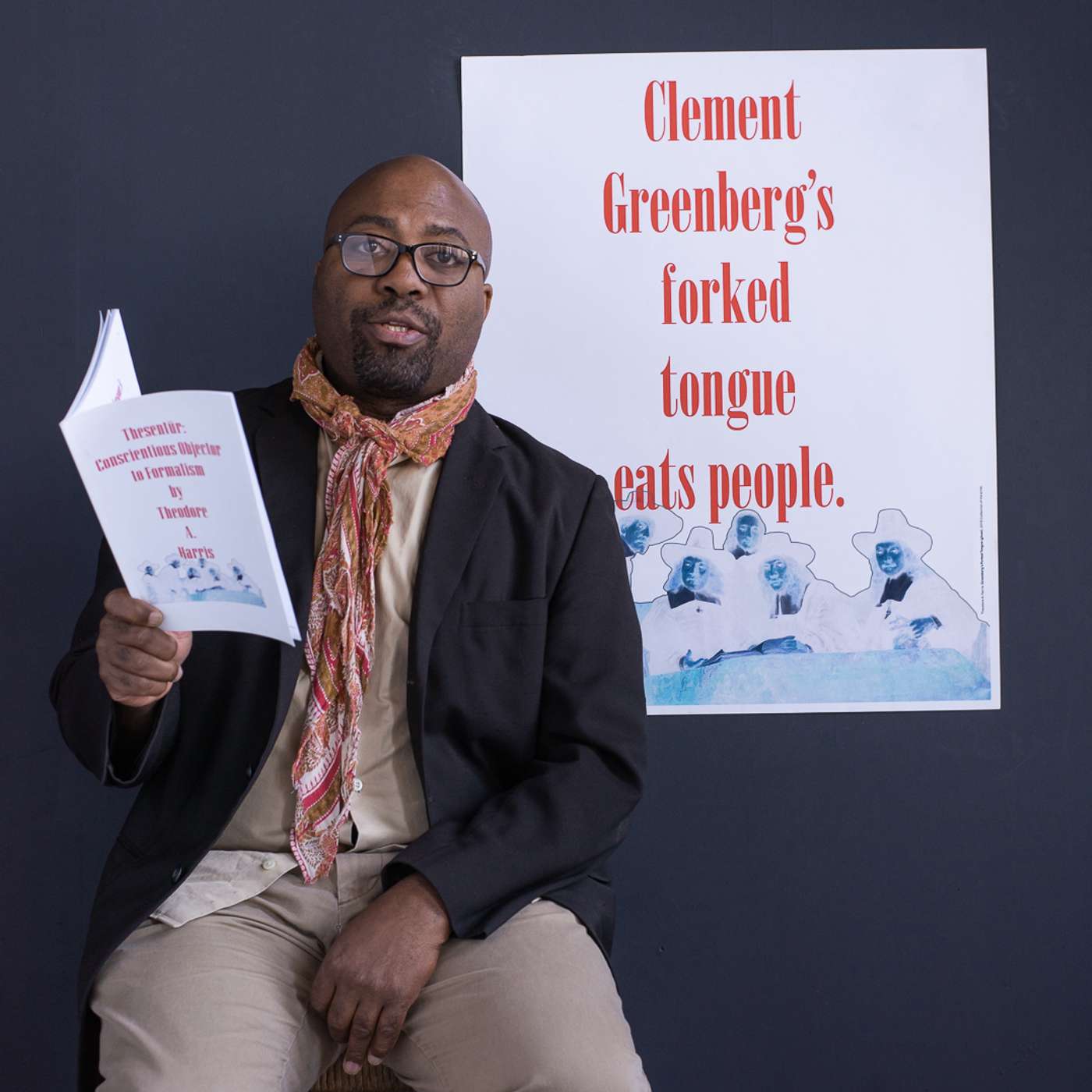
This is John Drabinski and you’re listening to The Black Studies podcast, a series of conversations examining the history of the field. Our conversations engage with a wide range of activists and scholars - senior figures in the field, graduate students, and everyone in between, culture workers, and political organizers - in order to explore the cultural and political meaning of Black Studies as an area of inquiry and its critical methods.Today’s conversation is with Theodore A. Harris, a Philadelphia-based artist and writer. Along with numerous exhibits of his multi-media artwork linked via his website, he is the author of Thesentür: Conscientious Objector to Formalism, and co-author of two books with Amiri Baraka Our Flesh of Flames (Anvil Arts Press) and Malcolm X as Ideology (LeBow Books), a book with Fred Moten: i ran from it and was still in it (Cusp Books); and TRIPTYCH: Text by Amiri Baraka and Jack Hirschman (Caza de Poesía).In this conversation, we discuss the history of Black expressive culture, the importance of art for understanding Black life, and the meaning of creativity in politically fraught times.
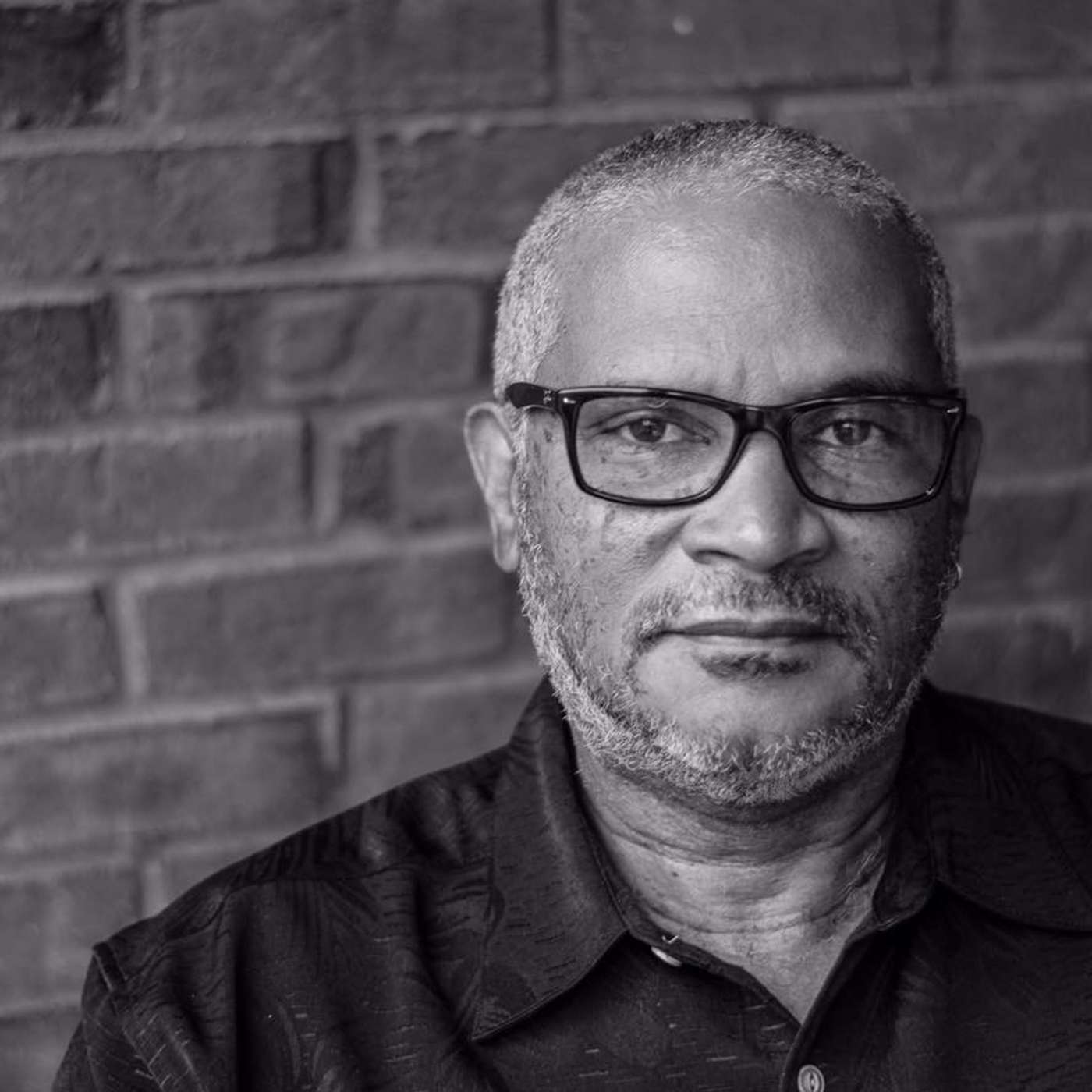
This is Ashley Newby and you’re listening to The Black Studies podcast, a series of conversations examining the history of the field. Our conversations engage with a wide range of activists and scholars - senior figures in the field, late doctoral students, and everyone in between, culture workers, and political organizers - in order to explore the cultural and political meaning of Black Studies as an area of inquiry and its critical methods.Michael Simanga is an activist writer, multi-disciplinary artist and educator and came of age during the Civil Rights/Black Power Movement as a student organizer and poet in his hometown of Detroit. He was active in the Congress of African People, the African Liberation Support Committee, the National Black Assembly, the anti-apartheid movement, the labor movement and the independent schools movement. As a cultural worker he has focused on building and supporting community based cultural institutions and has spent his adult life as an advocate of art and culture as an instrument of social change and development. He is the former Executive Director of the National Black Arts Festival; former director of Fulton County Arts and Culture and the Southwest Arts Center. Professor Simanga earned an undergraduate degree in History from Oglethorpe University in Atlanta and a Ph.D. in African American Studies from the Union Institute and University of Cincinnati.
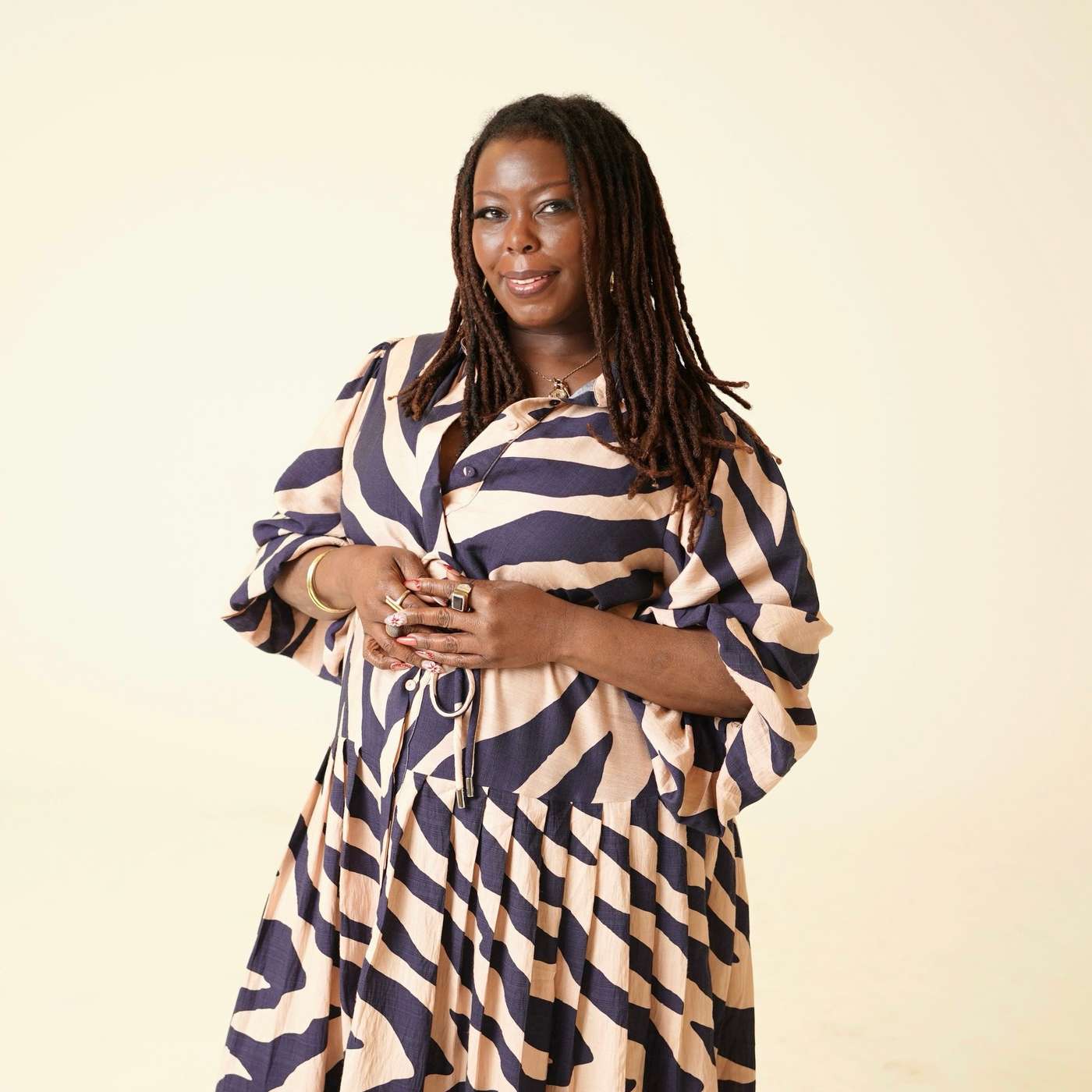
This is John Drabinski and you’re listening to The Black Studies podcast, a series of conversations examining the history of the field. Our conversations engage with a wide range of activists and scholars - senior figures in the field, graduate students, and everyone in between, culture workers, and political organizers - in order to explore the cultural and political meaning of Black Studies as an area of inquiry and its critical methods.Today’s conversation is with Laylah Amatullah Barrayn, who teaches in the Department of Arts, Culture, and Media at Rutgers University, Newark. Along with numerous scholarly and public facing articles, Laylah is currently co-organizing To Collect and Collate: Keepers of Black Photography, a convening on Black photography archives to be held at NYU Accra in March 2026. Her exhibition, Ground of Memory is on view at Express Newark, Rutgers University - Newark until January 30, 2026 and she is working on a book of first person essays on Black photographers. In this conversation, we discuss curatorial work, photography, and the centrality of aesthetic questions in the Black Studies imagination and intellectual tradition.
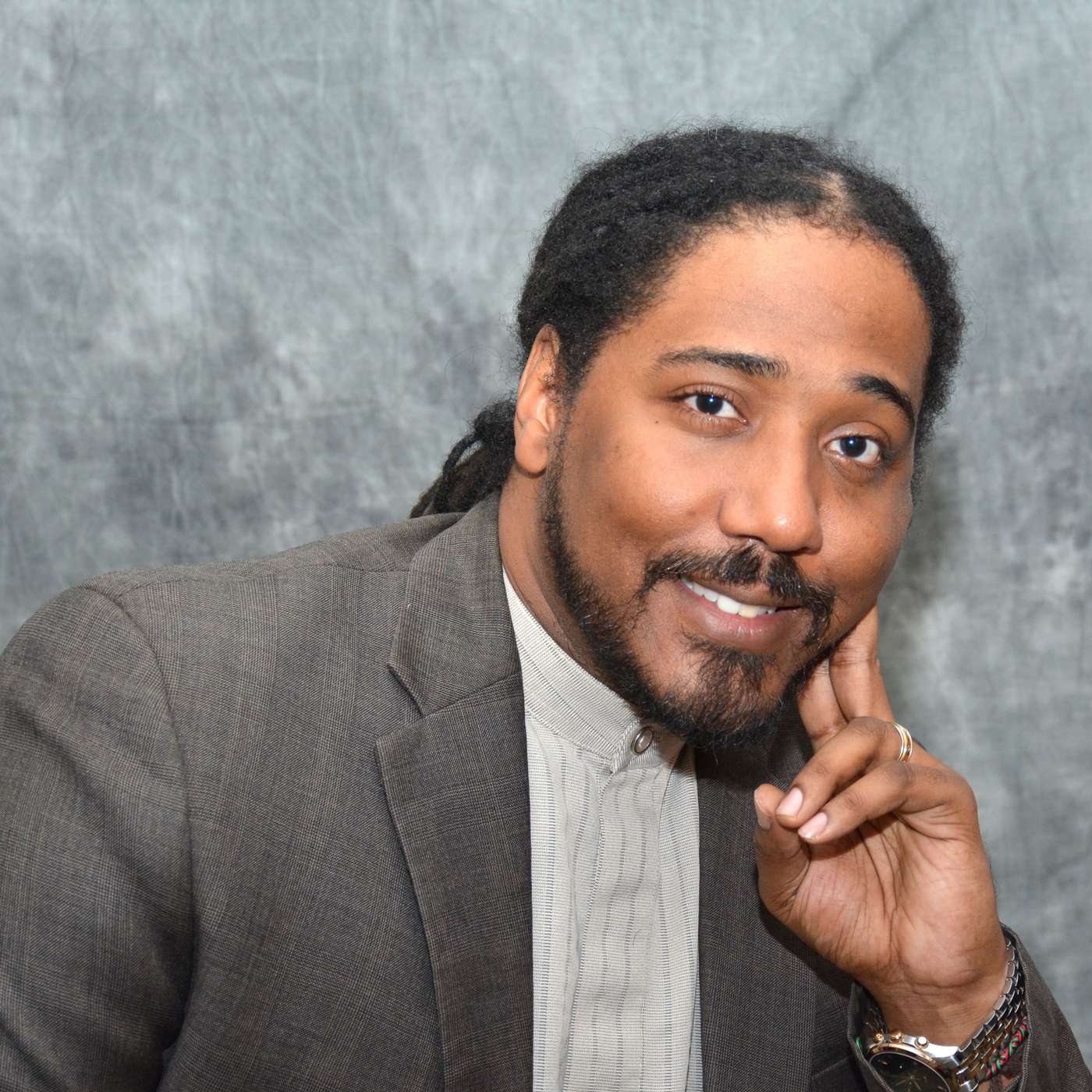
This is Ashley Newby and you’re listening to The Black Studies podcast, a series of conversations examining the history of the field. Our conversations engage with a wide range of activists and scholars - senior figures in the field, late doctoral students, and everyone in between, culture workers, and political organizers - in order to explore the cultural and political meaning of Black Studies as an area of inquiry and its critical methods.Today's conversation is with Rahman A. Culver, an educator and activist who works to support measurable, lasting social change. Culver earned his B.A. in Afro-American Studies from University of Maryland in 2001, working to found and serving as director of the Saturday Freedom School program. He is certified in secondary and special education, holding a Master's degree in Public Administration from George Mason University. Culver has worked as an educator in the Montgomery County and Prince George's County public school systems.

This is Ashley Newby and you’re listening to The Black Studies podcast, a series of conversations examining the history of the field. Our conversations engage with a wide range of activists and scholars - senior figures in the field, late doctoral students, and everyone in between, culture workers, and political organizers - in order to explore the cultural and political meaning of Black Studies as an area of inquiry and its critical methods.Today's conversation is with Marion Orr, the inaugural Frederick Lippitt Professor of Public Policy and Professor of Political Science and Urban Studies at Brown University. He previously was a member of the political science faculty at Duke University. Professor Orr earned his B.A. degree in political science from Savannah State College, M.A. in political science from Atlanta University (now Clark-Atlanta University), and a Ph.D. in Government and Politics from the University of Maryland, College Park. From 2008-2014, Professor Orr served as Director of the Alfred Taubman Center for Public Policy at Brown University. He is a former chair of Brown's Department of Political Science and a former director of Brown's Urban Studies Program. Professor Orr's expertise is in the area of American politics. He specializes in urban politics, race and ethnic politics, and African-American politics. He is the author and editor of eight books. His book, House of Diggs: The Rise and Fall of America's Most Consequential Black Congressman, Charles C. Diggs, Jr. (University of North Carolina Press, 2025), is the first biography of Michigan's first Black member of the U.S. House of Representatives.Among Professor Orr's other books, Black Social Capital: The Politics of School Reform in Baltimore (University Press of Kansas), won the Policy Studies Organization's Aaron Wildavsky Award and his co-authored, The Color of School Reform: Race, Politics and the Challenge of Urban Education (Princeton University Press), was named the best book by the American Political Science Association's (APSA) Urban Politics Section. He is the coeditor (with Domingo Morel) of Latino Mayors: Political Change in the Postindustrial City. He is also the author of numerous scholarly articles, essays, and reviews. In 2019, Professor Orr was awarded the APSA's Hanes Walton, Jr. Career Award that honors a political scientist whose lifetime of distinguished scholarship has made significant contributions to our understanding of racial and ethnic politics. Professor Orr is the recipient of Biographers International Organization Francis "Frank" Rollin Fellowship. He has also held a research fellowship at the Brookings Institution, a Presidential Fellowship from the University of California, Berkeley, and a fellowship from the Ford Foundation. Professor Orr served as President of the APSA's Organized Section on Urban Politics and as Chair of the Governing Board of the Urban Affairs Association (UAA), an international organization devoted to the study of urban issues. Dr. Orr has also served as a member of the executive councils of the American Political Science Association and the National Conference of Black Political Scientists. He has served, or is currently serving, on the editorial boards of the National Political Science Review, Journal of Urban Affairs, Journal of Race, Ethnicity and the City, and Urban Affairs Review.
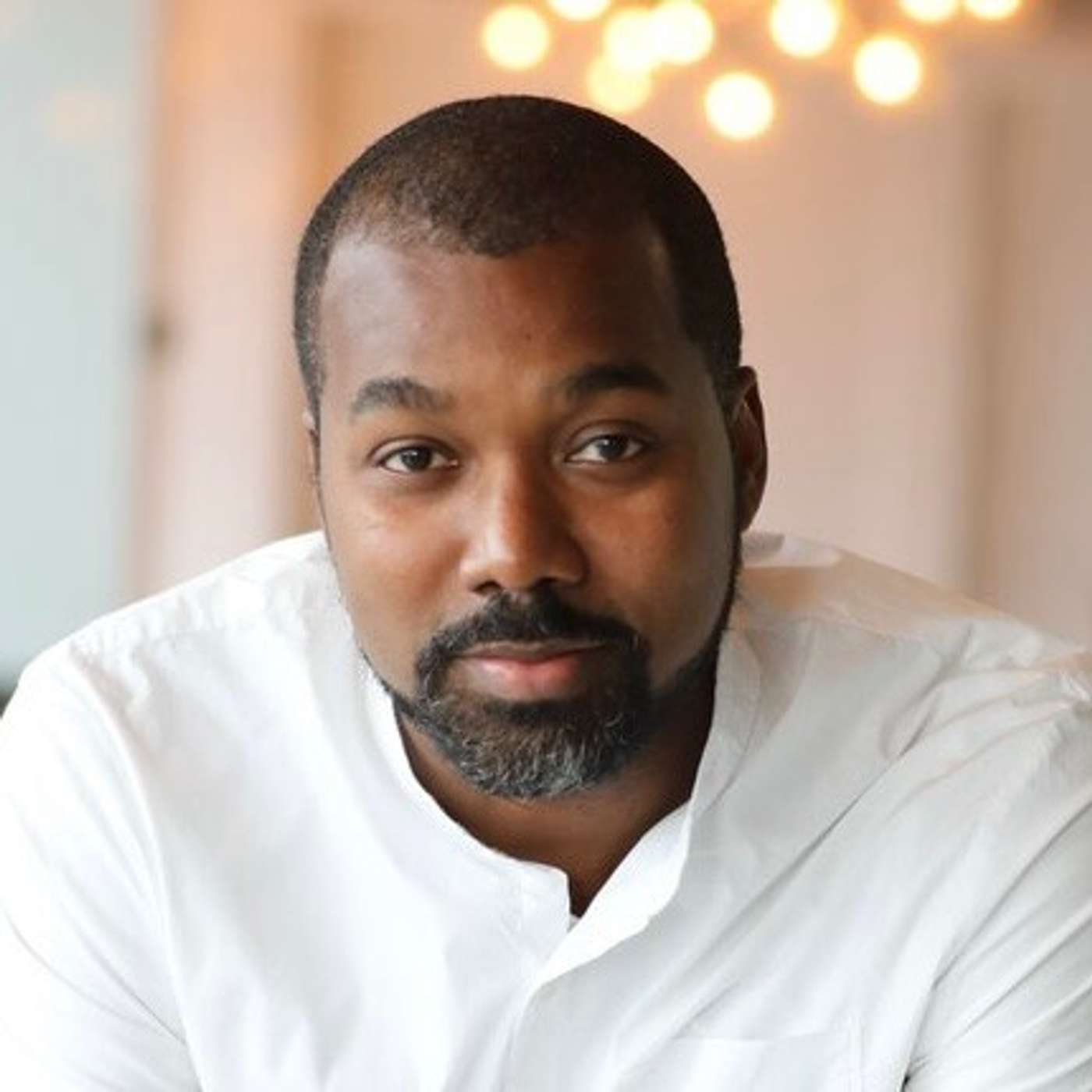
This is John Drabinski and you’re listening to The Black Studies podcast, a series of conversations examining the history of the field. Our conversations engage with a wide range of activists and scholars - senior figures in the field, graduate students, and everyone in between, culture workers, and political organizers - in order to explore the cultural and political meaning of Black Studies as an area of inquiry and its critical methods.Today’s conversation is with Irvin Hunt, who teaches in the Departments of English and African American Studies at University of Illinois. He is the author of Dreaming the Present: Time, Aesthetics, and the Black Cooperative Movement, which won Honorable Mention in the William Scarborough Sanders Prize competition in 2023, and he is at work on two books, a study of contemporary Black poetry titled A New Language for Grief and another titled I Can't Make You Speak: Stories. He is also co-writer of the script for Khalil Joseph's film BLKNWS: Terms & Conditions. In this conversation, we discuss the critical Black literary tradition, horizons of expressive culture, and the politics of thinking and doing Black Studies in the contemporary moment.
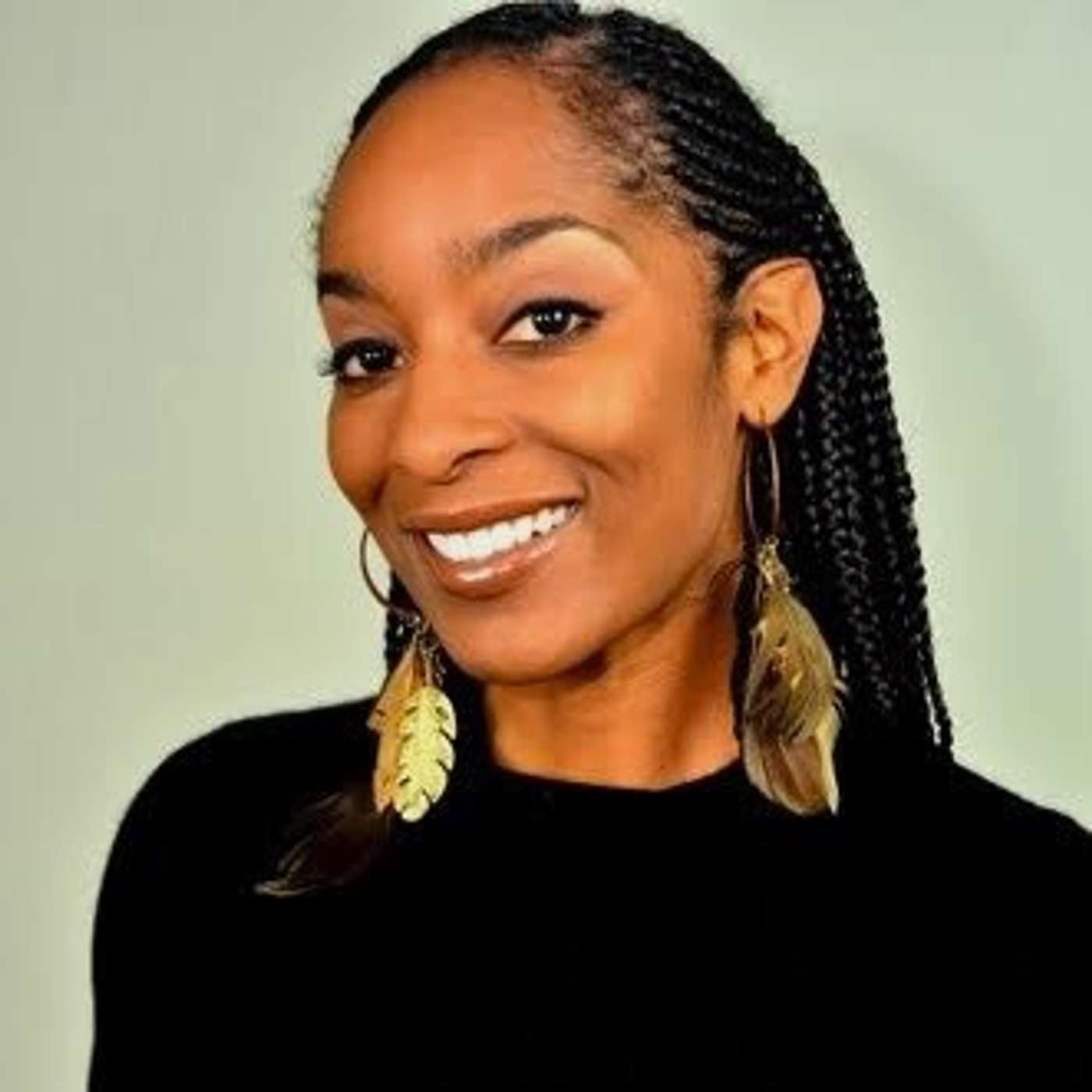
This is Ashley Newby and you’re listening to The Black Studies podcast, a series of conversations examining the history of the field. Our conversations engage with a wide range of activists and scholars - senior figures in the field, late doctoral students, and everyone in between, culture workers, and political organizers - in order to explore the cultural and political meaning of Black Studies as an area of inquiry and its critical methods.Today's conversation is with Jeanine Staples-Dixon, a Professor of Literacy and Language, African American Studies, and Women’s, Gender, and Sexuality Studies at Penn State's Colleges of Education and Liberal Arts. She also serves as Senior Faculty Mentor for the university, through the Office of Educational Equity. A long-time leader in Critical New Literacies Studies and teacher education, she's currently writing her two forthcoming books, Extraordinary Pedagogies: An Endarkened Feminist Approach To Revolutionizing Teacher Consciousness (Teachers College Press, 2024) and Extraordinary Literacies: Regarding the Literate Lives of Black Girls and Women In Schools & Society (Palgrave MacMillan, 2026). She teaches LLED 580, CI 590, and CI 501 for Penn State's World Campus. Her website is: https://jeaninestaples.com
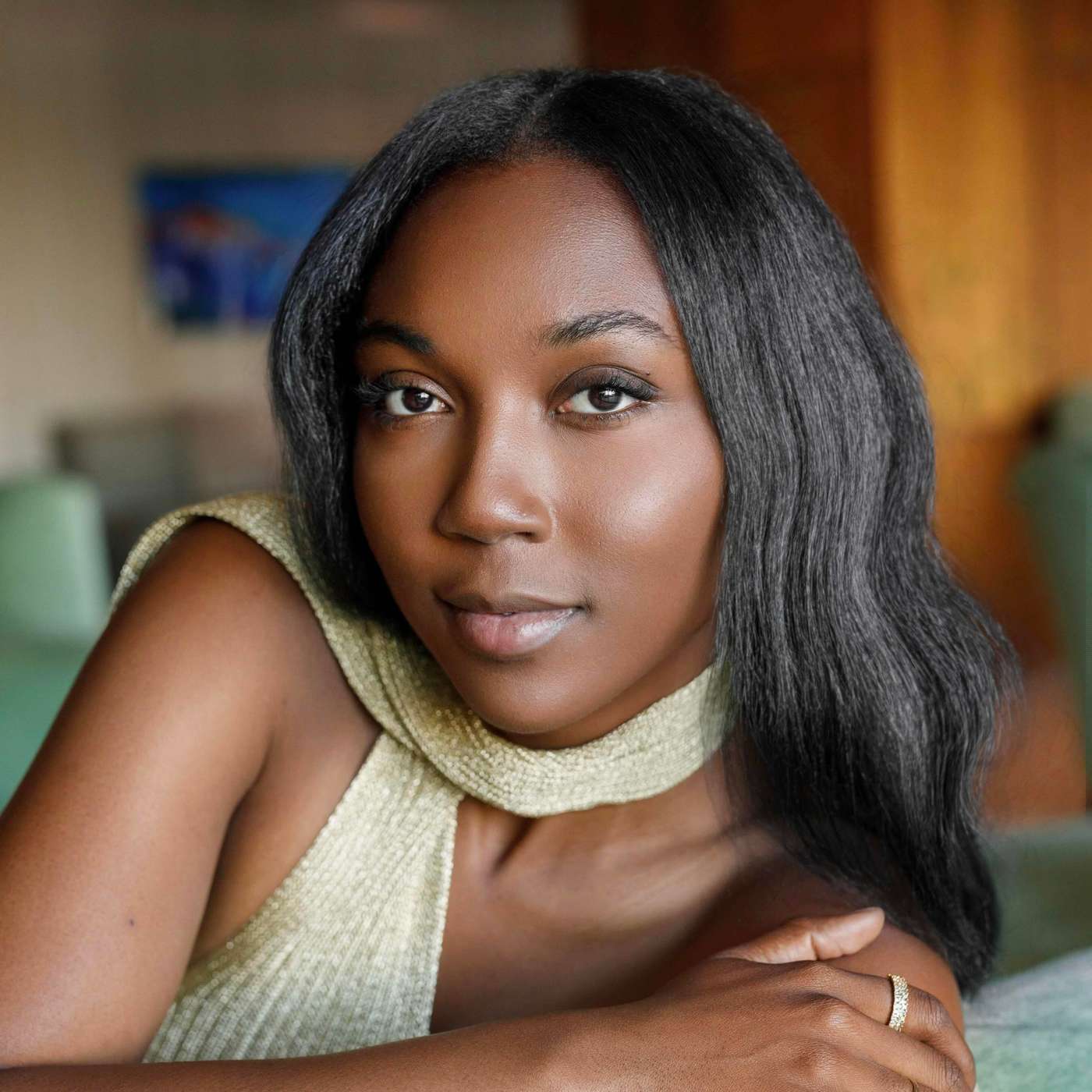
This is John Drabinski and you’re listening to The Black Studies podcast, a series of conversations examining the history of the field. Our conversations engage with a wide range of activists and scholars - senior figures in the field, late doctoral students, and everyone in between, culture workers, and political organizers - in order to explore the cultural and political meaning of Black Studies as an area of inquiry and its critical methods.Today’s conversation is with Allison A. Waite, a filmmaker based in Los Angeles, California. She has worked on a number of films and has produced, written, and directed a number of pieces including The Dope Years, a documentary on the life and death of Latasha Harlins. In this conversation, we discuss the political significance of art as a facilitator of empathy, the importance of authenticity and voice in Black art making, and the responsibilities of creatives and writers in relation to community.
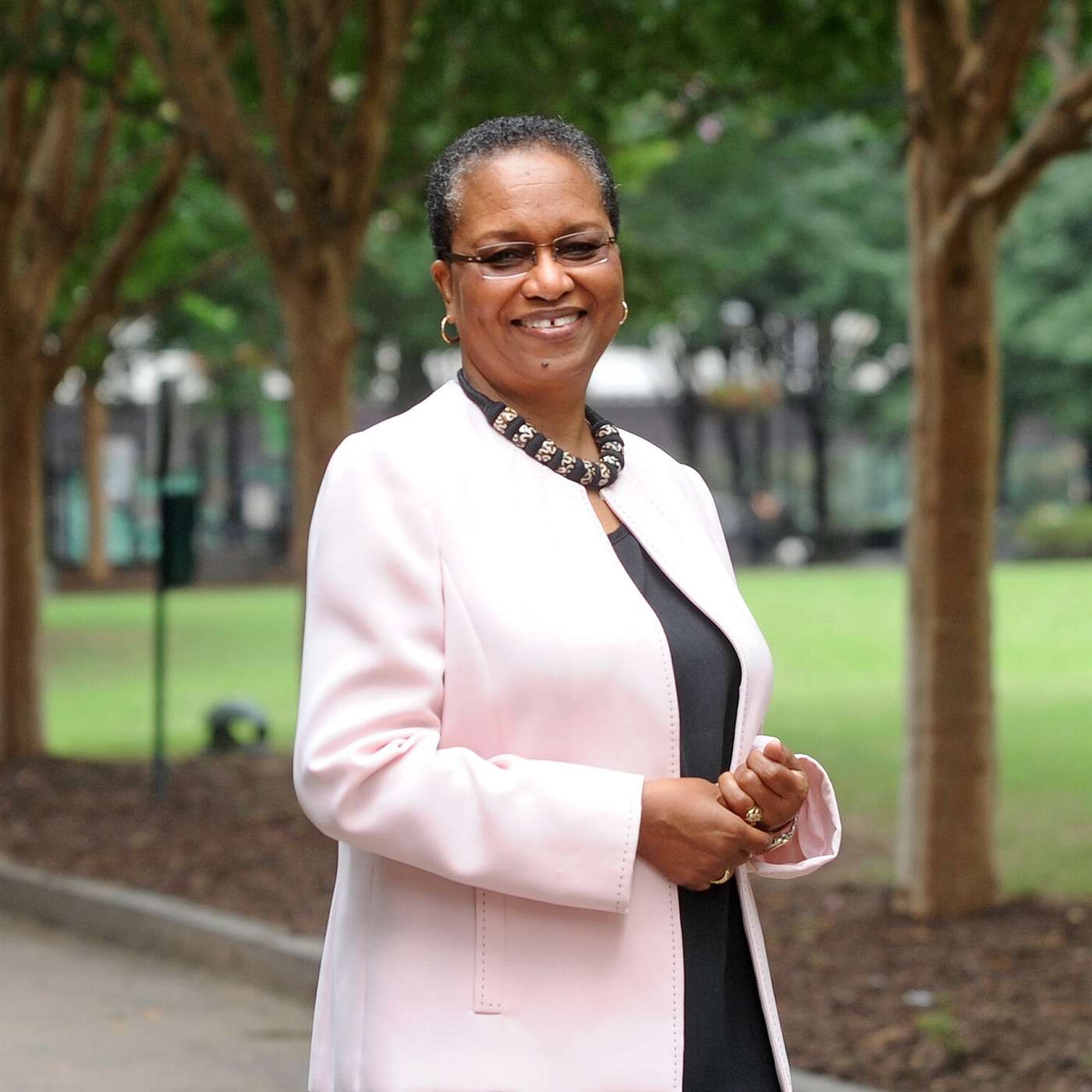
This is Ashley Newby and you’re listening to The Black Studies podcast, a Mellon grant sponsored series of conversations examining the history of the field. Our conversations engage with a wide range of activists and scholars - senior figures in the field, late doctoral students, and everyone in between, culture workers, and political organizers - in order to explore the cultural and political meaning of Black Studies as an area of inquiry and its critical methods.Today's conversation is with Joyce E. King, Benjamin E. Mays Endowed Chair for Urban Teaching, Learning and Leadership and Professor of Educational Policy Studies in the College of Education & Human Development at Georgia State University. Previously, King held senior academic affairs positions as Provost at Spelman College, Associate Provost at Medgar Evers College, CUNY and Associate Vice Chancellor for Academic Affairs and Diversity Programs at the University of New Orleans. She was director of teacher education for twelve years at Santa Clara University and the first head of the Ethnic Studies Department at Mills College. She completed two prestigious leadership programs: the American Council on Education Fellowship at Stanford University with the President, the Vice President for Planning and Management, and the Office for Multicultural Development. As a W.K. Kellogg National Fellowship recipient, King also studied women’s leadership and grassroots participation in social change in China, Brazil, France, Kenya, Japan, Mali and Peru.Widely respected in the fields of urban education and the sociology of education, King’s research has contributed to the knowledge-base on preparing teachers for diversity and curriculum theorizing through her scholarship, teaching practice and leadership. She served on the Curriculum Commission of the State Board of Education.Recent publications include the Harvard Educational Review, The Handbook of Research on Black Education, The Handbook of Research on Teacher Education and Voices of Historical and Contemporary Black Pioneers. In addition, King organized and edited a landmark book, Black Education: A Transformative Research and Action Agenda for the New Century that was published for the American Educational Research Association (2005).She has served as co-editor of the top-ranked Review of Educational Research, and her concept of “dysconscious racism” continues to influence research and practice in education and sociology as well in the U.S. and in other countries. A forthcoming book produced in collaboration with teacher educators and classroom teachers is: “Re-membering” History in Student and Teacher Learning: An Afrocentric and Culturally Informed Praxis.
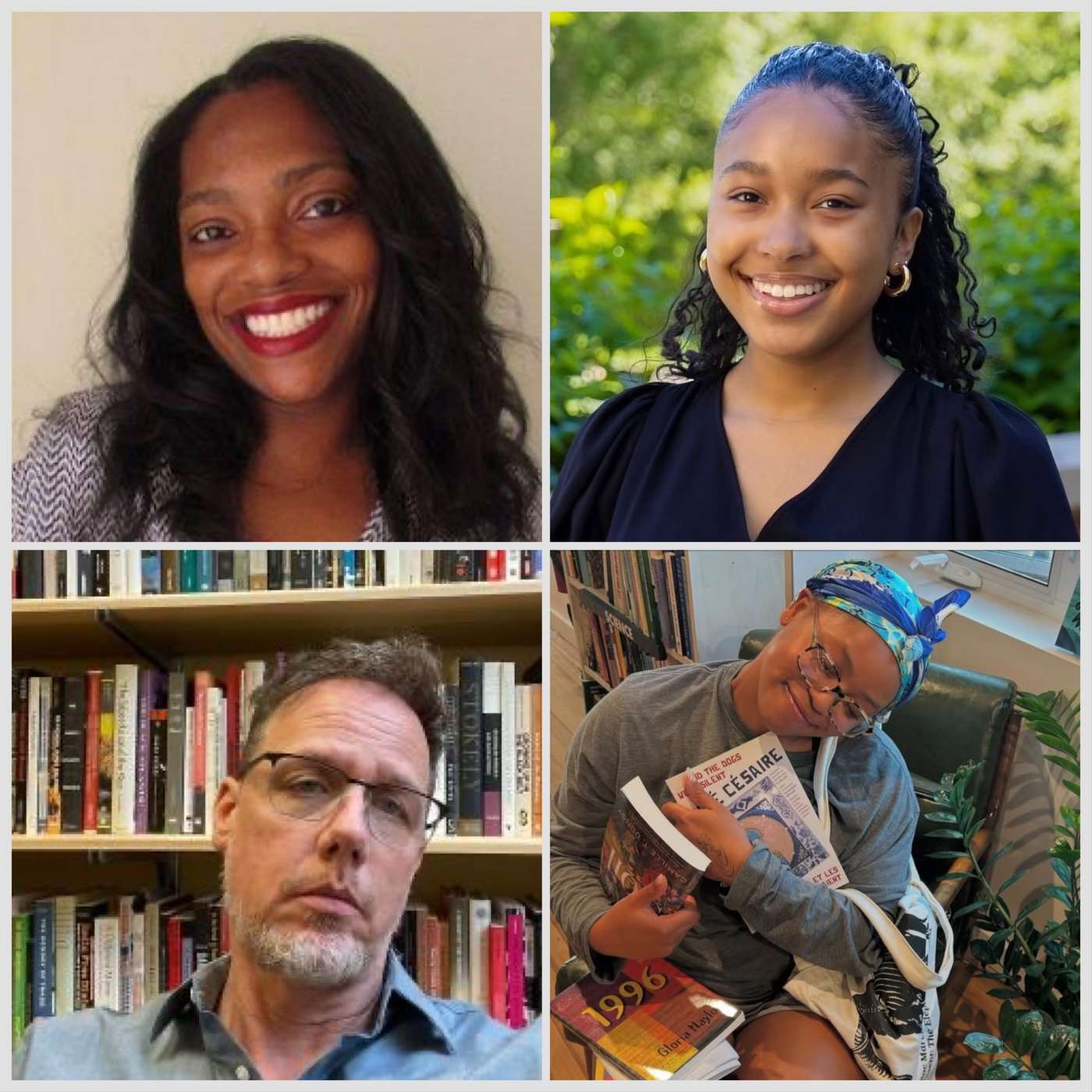
This is Ashley Newby and you’re listening to The Black Studies podcast, a series of conversations examining the history of the field. Our conversations engage with a wide range of activists and scholars - senior figures in the field, late doctoral students, and everyone in between, culture workers, and political organizers - in order to explore the cultural and political meaning of Black Studies as an area of inquiry and its critical methods.Today’s conversation is a collaboration between the podcast’s editorial collective: Brie Gorrell, Olivia Blucker, John Drabinski, and Ashley Newby.In this conversation, we discuss the experience of recording two hundred conversations, how it has impacted our thinking about the field of Black Studies, what those conversations say about the past and future of the field, and what sort of new questions have been opened up for us across The Black Studies Podcast.

This is John Drabinski and you’re listening to The Black Studies podcast, a series of conversations examining the history of the field. Our conversations engage with a wide range of activists and scholars - senior figures in the field, late doctoral students, and everyone in between, culture workers, and political organizers - in order to explore the cultural and political meaning of Black Studies as an area of inquiry and its critical methods.Today’s conversation is with Jaz Riley, Postdoctoral Fellow and incoming Assistant Professor in the Department of African American Studies at University of Illinois. In this conversation, we discuss the ongoing challenge of community for Black Studies research, the critical intervention made by emerging questions of gender for the field, and the politics of Black study in the contemporary university.
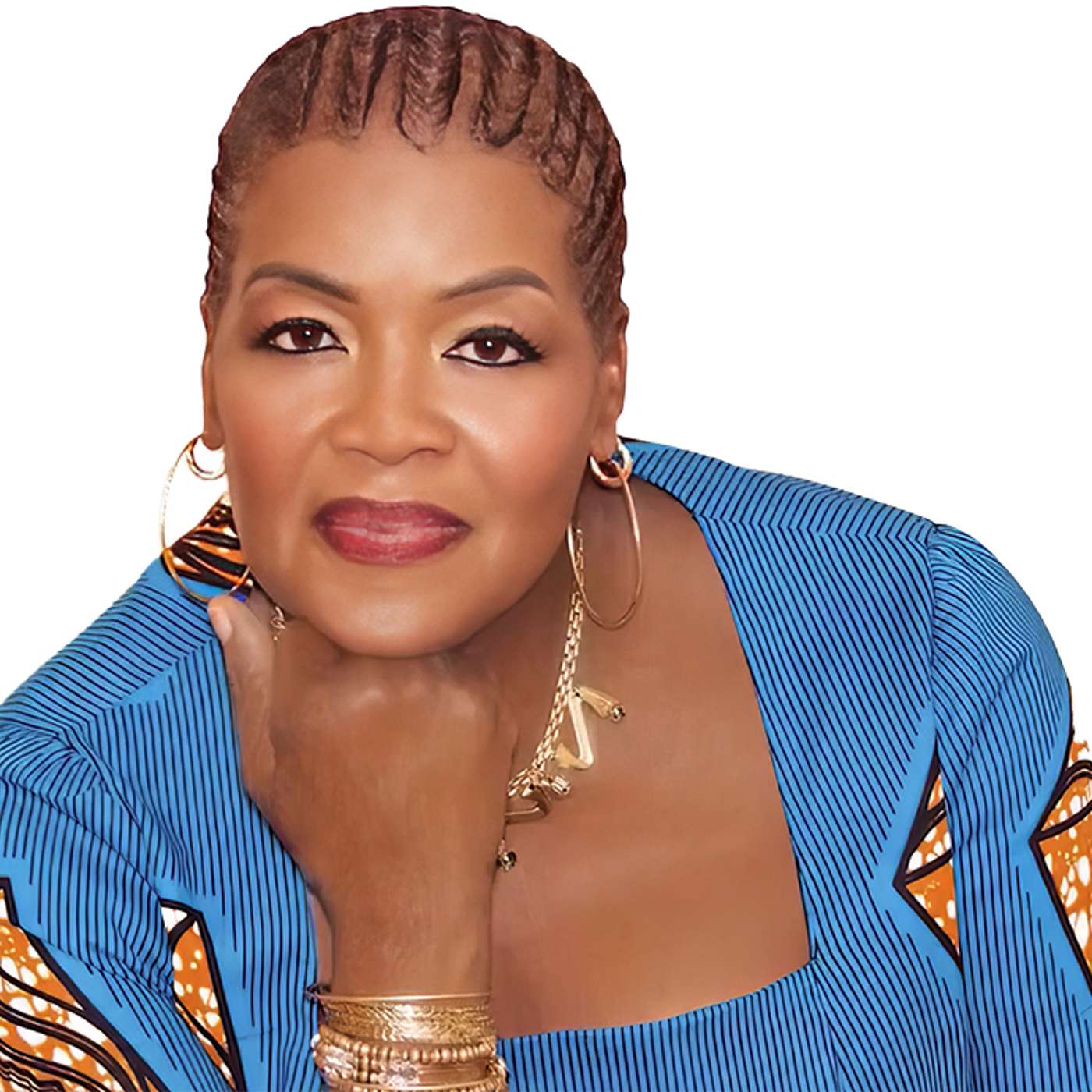
This is Ashley Newby and you’re listening to The Black Studies podcast, a Mellon grant sponsored series of conversations examining the history of the field. Our conversations engage with a wide range of activists and scholars - senior figures in the field, late doctoral students, and everyone in between, culture workers, and political organizers - in order to explore the cultural and political meaning of Black Studies as an area of inquiry and its critical methods.Today's conversation is with Carole Boyce-Davies, Chair and Professor of African Diaspora Literatures in the Department of Literature and Writing at Howard University, Washington, D.C. (2023 to present). She is the Frank H.T. Rhodes Professor Emerita of Humane Letters in the College of Arts and Sciences and Professor Emerita of Africana Studies and Literatures in English at Cornell University where she taught from 2007-2023. From the mid-1980s and throughout the 1990s, she was a popular award-winning professor at the State University of New York, Binghamton. In 1997, she was recruited to build the African Diaspora Studies Program at Florida International University where she served three successful terms until 2007 when she joined the Cornell faculty. An African Diaspora and Black Feminist Studies scholar in scholarship and in practice, she is a popular speaker on several related topics. In 2015, she was appointed to the prestigious Kwame Nkrumah Chair in African Studies at the University of Ghana, Legon which she deferred and was Visiting Professor at the School of Foreign Studies, Beijing, China 2016.. In 2022, she was a visiting professor at the School of Foreign Languages (FLEX), University of Havana during which time she conducted interviews on women and leadership in Cuba, focusing largely on Havana.
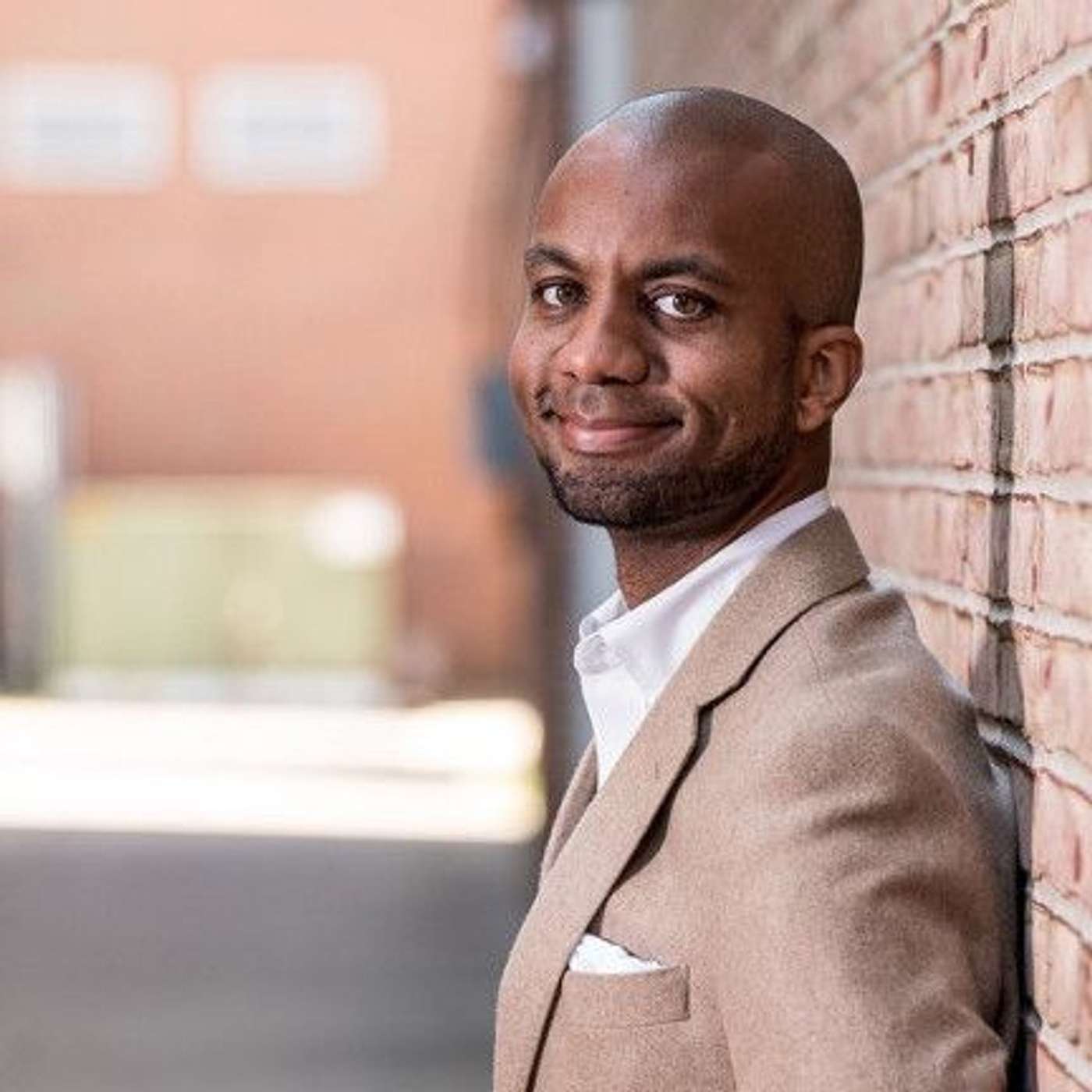
This is Ashley Newby and you’re listening to The Black Studies podcast, a Mellon grant sponsored series of conversations examining the history of the field. Our conversations engage with a wide range of activists and scholars - senior figures in the field, late doctoral students, and everyone in between, culture workers, and political organizers - in order to explore the cultural and political meaning of Black Studies as an area of inquiry and its critical methods.Today's conversation is with Christopher Tounsel, an historian of modern Sudan, with special focus on race and religion as political technologies. His first book, Chosen Peoples: Christianity and Political Imagination in South Sudan (Duke 2021), was named a finalist for the Association for the Study of the Worldwide African Diaspora's Outstanding First Book Award and was a Finalist for the Christianity Today Book Award (History/Biography). His most recent book, Bounds of Blackness: African Americans, Sudan, and the Politics of Solidarity (Cornell, 2024), has received honorable mention for the International Studies Association Book Award (Diplomatic Studies section). He has provided Sudan-related commentary for outlets including the BBC, Al Jazeera, Human Rights Watch, and NPR's Throughline.
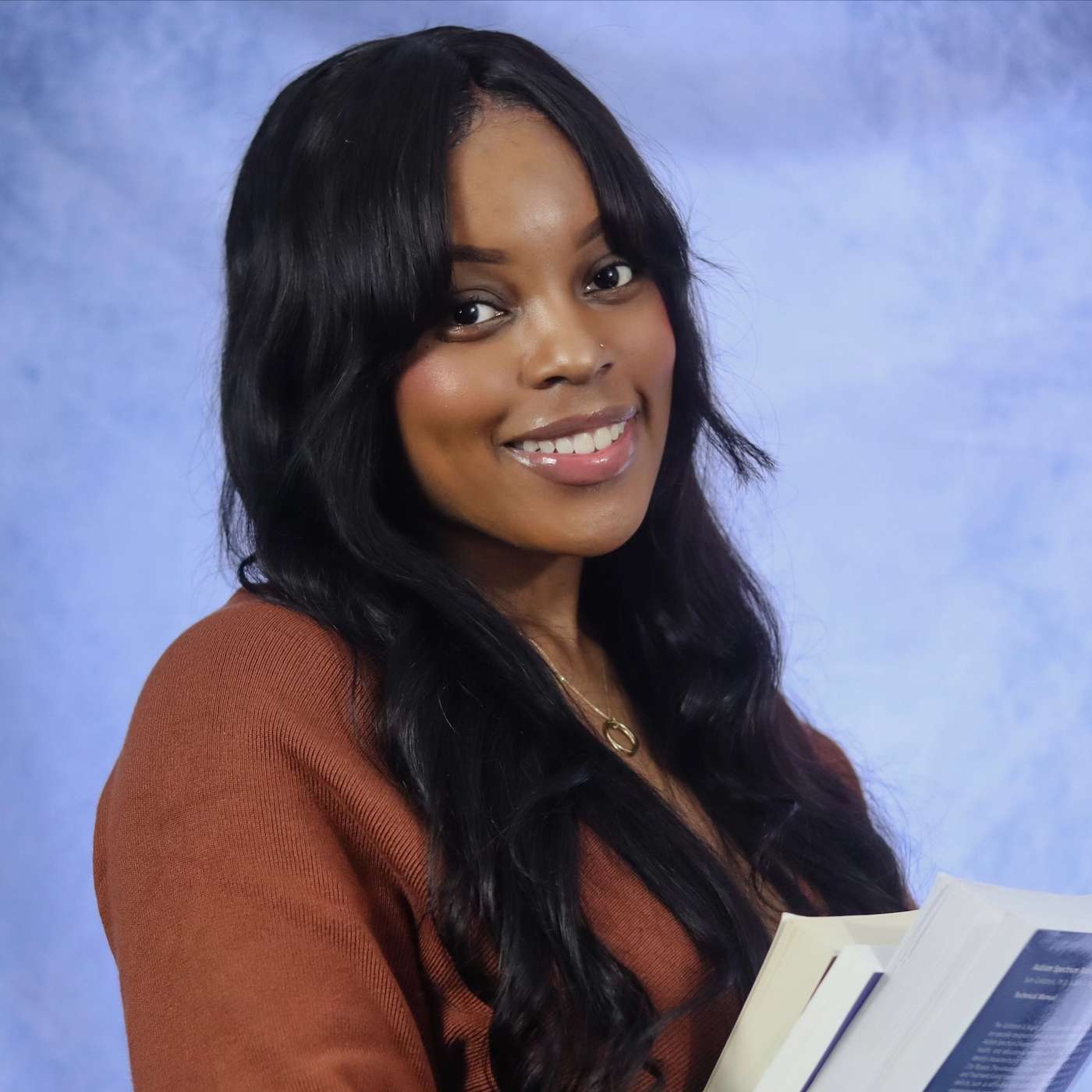
This is John Drabinski and you’re listening to The Black Studies podcast, a series of conversations examining the history of the field. Our conversations engage with a wide range of activists and scholars - senior figures in the field, late doctoral students, and everyone in between, culture workers, and political organizers - in order to explore the cultural and political meaning of Black Studies as an area of inquiry and its critical methods.Today’s conversation is with Nicole Telfer, who teaches in the Department of Psychology at Notre Dame of Maryland University. She is the author of a number of essays in both scholarly and popular venues concerned with education, disability, and the lives of Black children. In this conversation, we discuss the impact of Black Studies on psychology research, the significance of the intersection of Black study and research on disability, and the importance of childhood in thinking about Black life.
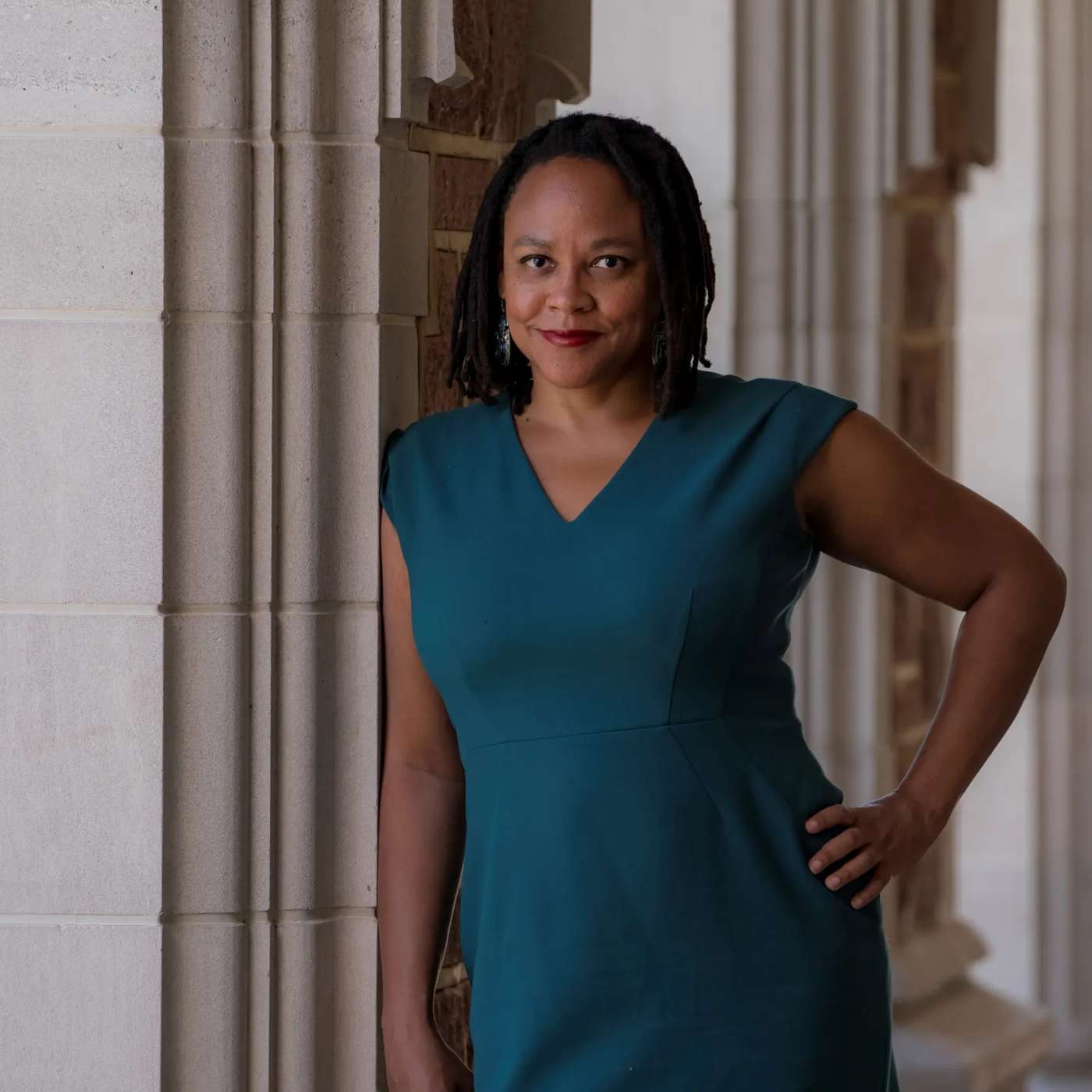
This is John Drabinski and you’re listening to The Black Studies podcast, a series of conversations examining the history of the field. Our conversations engage with a wide range of activists and scholars - senior figures in the field, late doctoral students, and everyone in between, culture workers, and political organizers - in order to explore the cultural and political meaning of Black Studies as an area of inquiry and its critical methods.Today’s conversation is with Rebecca Wanzo, who teaches in the Departments of African and African American Studies and Women, Gender, and Sexuality Studies at Washington University. Along with a number of scholarly and public facing essays, she is the author of The Suffering Will Not Be Televised: African American Women and Sentimental Political Storytelling (2009) and The Content of Our Caricature: African American Comic Art and Political Belonging (2020). In this conversation, we discuss the expansiveness of Black study, the place of graphic and popular arts in Black Studies research, and the relevance of critical theoretical work for the field.
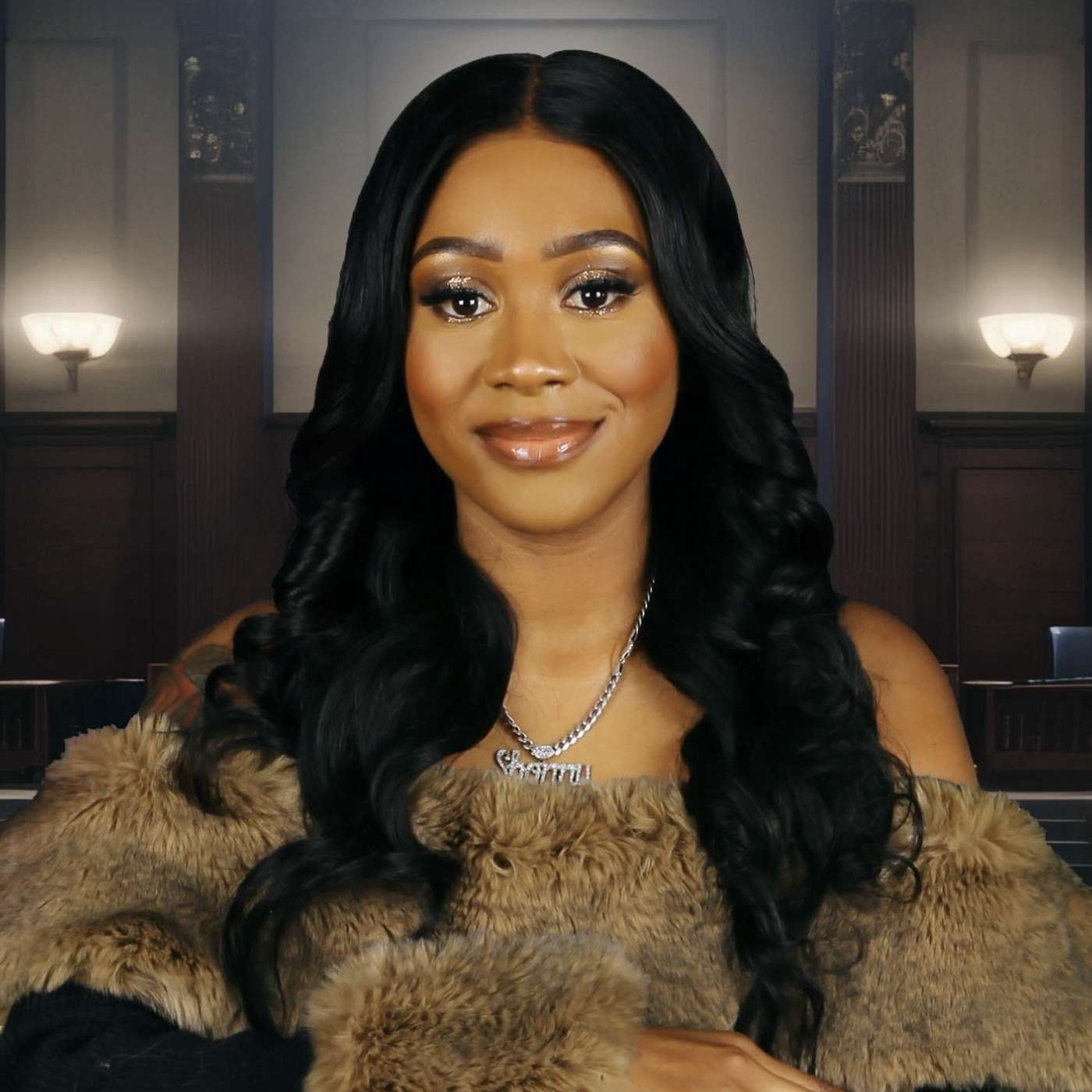
This is John Drabinski and you’re listening to The Black Studies podcast, a series of conversations examining the history of the field. Our conversations engage with a wide range of activists and scholars - senior figures in the field, late doctoral students, and everyone in between, culture workers, and political organizers - in order to explore the cultural and political meaning of Black Studies as an area of inquiry and its critical methods.Today’s conversation is with Shanice Robinson-Blacknell, who teaches in the Department of Africana Studies at San Francisco State University. Shanice’s research and teaching revolve around pedagogy, activism, and the relationship between academic work and community intervention and collaboration. In this conversation, we discuss the meaning of education and pedagogy in Black Studies classrooms, the meaning of community for the past and future of the field, and the distinctiveness of Black ways of making and deploying critical knowledge.
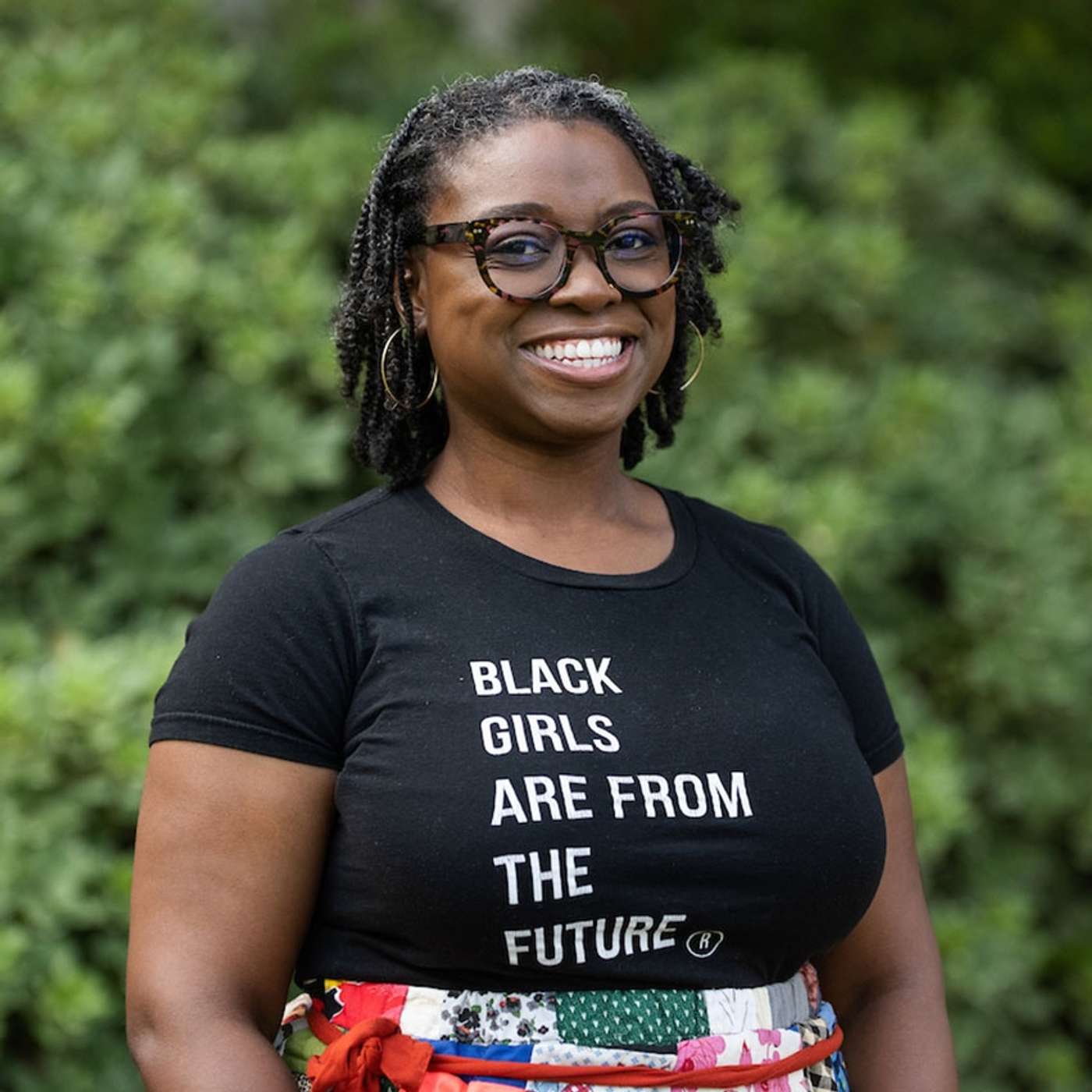
This is Ashley Newby and you’re listening to The Black Studies podcast, a Mellon grant sponsored series of conversations examining the history of the field. Our conversations engage with a wide range of activists and scholars - senior figures in the field, late doctoral students, and everyone in between, culture workers, and political organizers - in order to explore the cultural and political meaning of Black Studies as an area of inquiry and its critical methods.Today's conversation is with Tamara T. Butler, a community cultivator and thought leader who draws upon lessons learned growing up on Johns Island, South Carolina. Currently, she serves as the Executive Director of the Avery Research Center for African American History and Culture and Associate Dean of Strategic Planning & Community Engagement for the College of Charleston Libraries. At the College of Charleston, she is a member of the Executive Committee for African American Studies. Beyond campus, Dr. Butler serves as a commissioner for the Gullah Geechee Cultural Heritage Corridor, a board member for the Coastal Conservation League and International African American Museum and a trustee for the National Council of Teachers of English Research Foundation. The Charleston County School of the Arts alum went on to earn degrees from Xavier University of Louisiana and THE Ohio State University. Prior to joining the team at the Avery Research Center, Dr. Butler was an Associate Professor of Critical Literacies at Michigan State University. As a scholar teaching and working at the intersections of English Education, African American Studies and Ecology, she has authored over 10 journal articles and book chapters that explore youth activism, civic engagement, Black Girlhood, and placemaking. In her co-authored book, Where is the Justice? Engaged Pedagogies in Schools and Communities, Dr. Butler highlights transformative education that centers community partnerships, student voices, and creative educators.
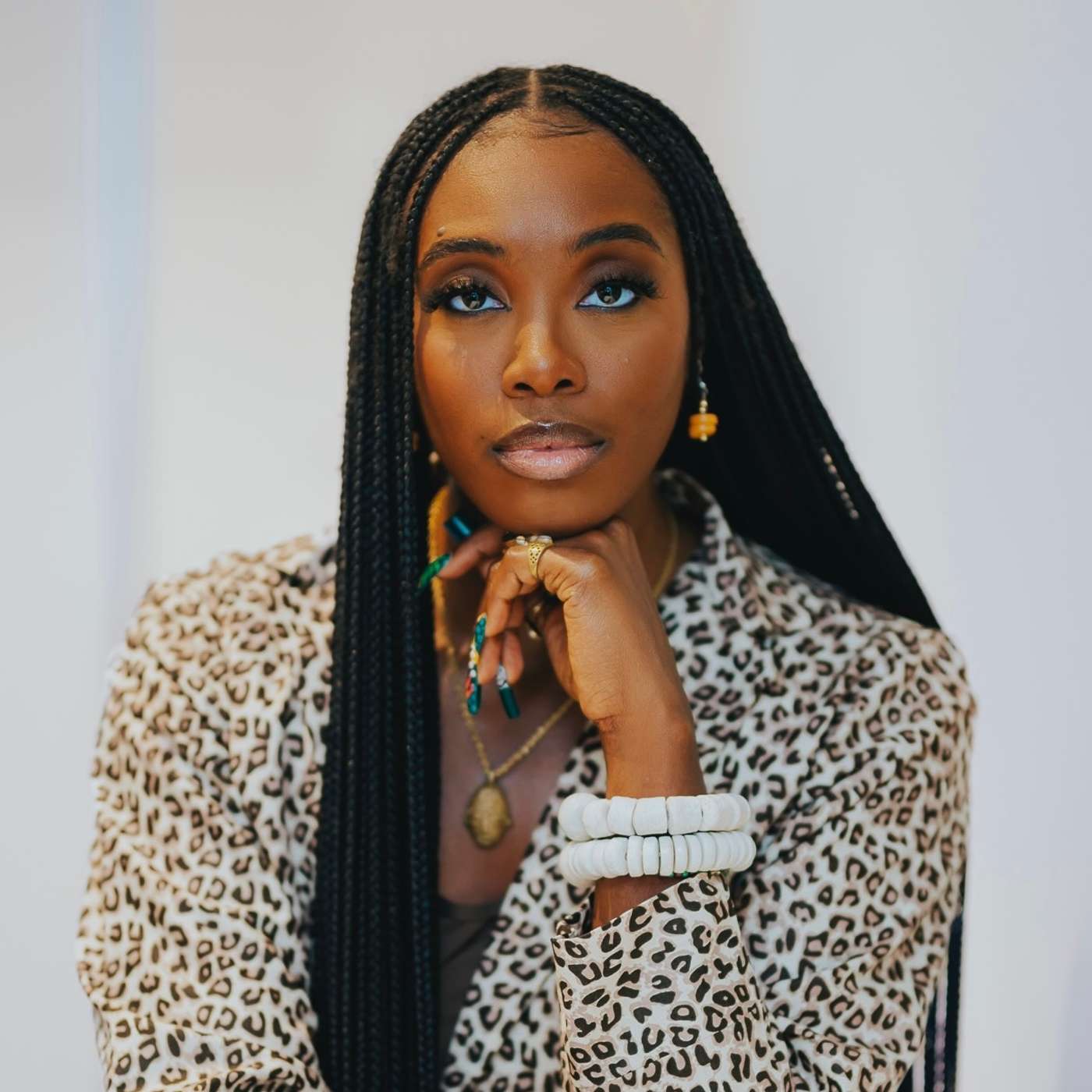
This is John Drabinski and you’re listening to The Black Studies Podcast, a series of conversations examining the history of the field. Our conversations engage with a wide range of activists and scholars - senior figures in the field, late doctoral students, and everyone in between, culture workers, and political organizers - in order to explore the cultural and political meaning of Black Studies as an area of inquiry and its critical methods.Today’s conversation is with Chelsea Mikael Frazier, who teaches in the Department of English at Cornell University. Along with scholarly essays and critical pieces, she is completing a manuscript that assembles a Black feminist ecology drawn from Black women’s art, activism, and storytelling. She also hosts and directs the educational consultation platform Ask An Amazon. In this conversation, we discuss the place of ecological and environmental questions in the field of Black Studies, Black feminist innovations in the field, and the urgent political questions in the study of Black life in the twenty-first century.

Comments

Download from Google Play

Download from App Store
 United States