


 Claim Ownership
The Curious Cardiologist
Subscribed: 4Played: 89
Subscribe

© Laguna Institute of Functional Medicine
Description
Rethinking heart health, one question at a time.
I’m Dr. Sanjay Bhojraj—interventional cardiologist, functional medicine expert, and lifelong student of what really keeps us well. In this podcast, we go beyond prescriptions and procedures to explore the deeper drivers of health, disease, and healing.
From inflammation to intuition, cholesterol to consciousness, I sit down with doctors, researchers, and changemakers who are reshaping how we think about the heart—and the whole human behind it.
Whether you're a fellow clinician, a health seeker, or someone navigating your own transformation, this show will challenge what you thought you knew—and invite you to stay curious.
34 Episodes
Reverse

What if the changes women experience during perimenopause are about more than declining estrogen?In this episode of The Curious Cardiologist, Dr. Sanjay Bhojraj sits down with Cristy Murray, Family Nurse Practitioner, to explore the connection between hormonal changes, insulin resistance, PCOS, and women's cardiometabolic health.Many women notice weight changes, fatigue, brain fog, and shifts in their metabolism as they approach midlife. But these changes are often attributed to hormones alone, while important metabolic and cardiovascular risk factors may go unrecognized.Cristy shares her clinical perspective on why women's health requires a broader approach—one that considers metabolic markers, nutrition, movement, stress, sleep, and the patterns that influence everyday health decisions.In this episode, we discuss:Why insulin resistance can become an important concern during perimenopauseThe connection between estrogen, metabolism, and cardiovascular healthWhy PCOS is more than a fertility issueThe relationship between insulin resistance and androgen levelsWhy fasting insulin and other metabolic markers may add context beyond HbA1cHow continuous glucose monitors can help people observe their responses to food and lifestyleThe impact of stress, cortisol, and insufficient sleep on blood sugar regulationPractical nutrition strategies, including protein and fiber layeringWhy sustainable alternatives can work better than simply taking familiar foods awayHow neuro coaching can uncover the patterns behind self-sabotage and stressCristy's three-phase, 12-week Hormone Reset programMeet the Guest: Cristy Murray, FNPCristy Murray is a family nurse practitioner whose work focuses on women's health and metabolic wellness. She practices in Alaska and is also licensed in Arizona. Through Blue Veil Wellness, she works with women on personalized approaches to hormonal and metabolic health.Connect with CristyWebsite: https://BlueValeWellness.com12-Week Hormone Reset: https://BlueValeWellness.com/hormone-resetAbout The Curious CardiologistDr. Sanjay Bhojraj explores the connections between cardiovascular health, metabolic health, lifestyle, and the science behind better health decisions.If you found this conversation useful, please like, subscribe, and share it with someone who may benefit from a more complete conversation about women's health.
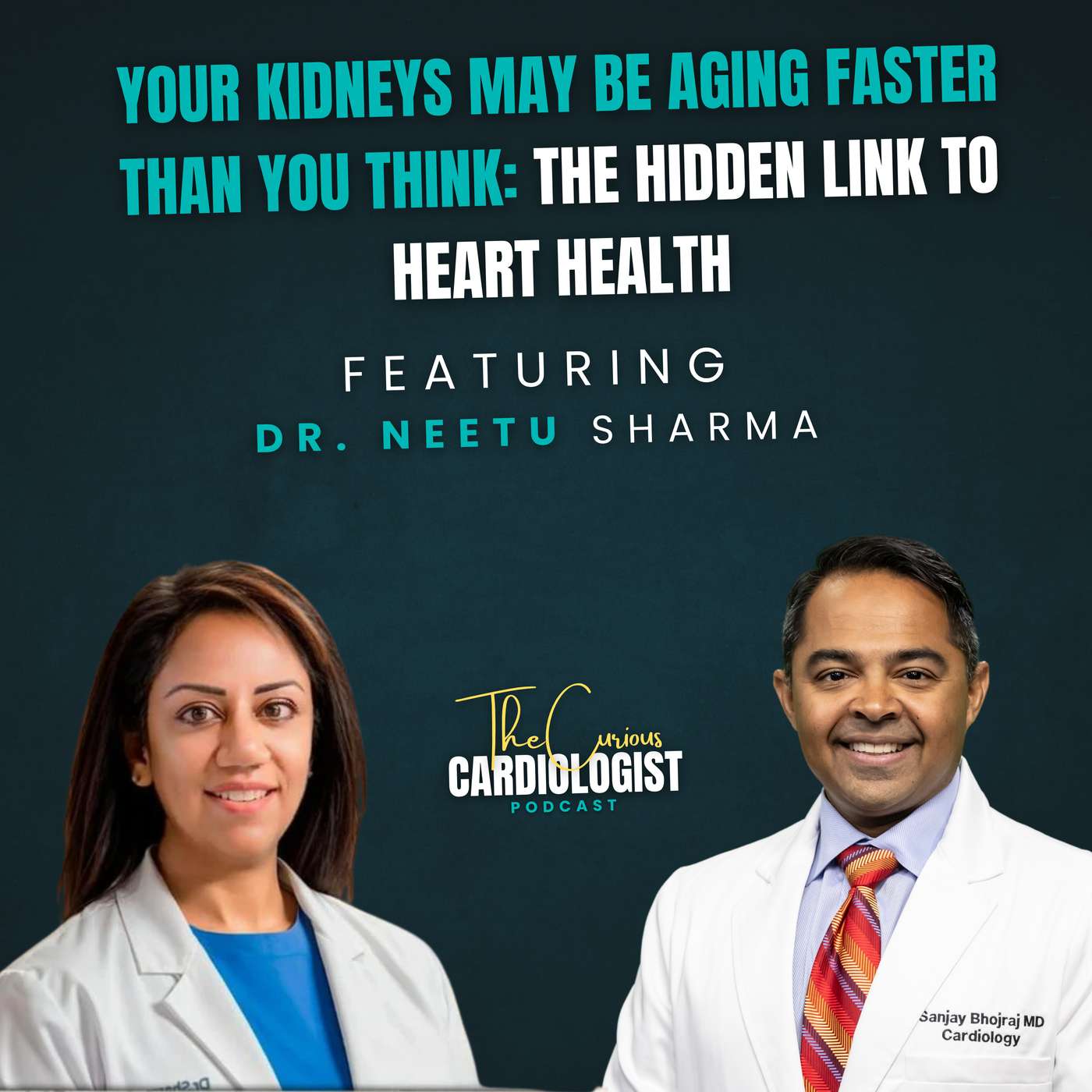
Your kidneys may be struggling long before you notice a single symptom. In fact, kidney disease can progress quietly—and your routine labs may contain clues that deserve much closer attention.In this episode of The Curious Cardiologist, Dr. Sanjay Bhojraj welcomes nephrologist Dr. Neetu Sharma to explore the connection between kidney health, longevity, insulin resistance, inflammation, gut health, and cardiovascular disease.We discuss why the kidneys are among the most overlooked organs in longevity, what your eGFR and urine protein levels can reveal, and why protecting kidney function may mean addressing metabolic dysfunction much earlier.IN THIS EPISODE:Why kidney disease can be silent for yearsWhat eGFR actually tells you about kidney functionWhy protein in your urine can be an early warning signThe connection between insulin resistance, diabetes, and kidney diseaseHow kidney health influences cardiovascular riskThe gut-kidney connection and inflammatory metabolitesProtein intake: when it may be appropriate and when to be cautiousCreatine and kidney health—what patients should considerThe role of hydration, nutrition, fiber, and plant diversityOxidative stress, inflammation, and metabolic dysfunctionDr. Neetu Sharma's four pillars of the Filtration Reboot approachCHAPTERS00:00 Introduction: Why Kidney Health Matters for Longevity01:32 The Kidneys Do More Than Filter Waste03:44 Common Misconceptions About Kidney Health05:22 Why Kidney Disease Can Be Silent07:47 Understanding eGFR and Kidney Function09:13 Can Early Kidney Disease Be Reversed?10:09 Acute Kidney Injury vs. Chronic Kidney Disease11:30 Diabetes, Insulin Resistance & Kidney Damage13:53 Urine Protein: An Early Warning Sign15:29 Inflammation, Oxidative Stress & Kidney Health17:50 When Should You Investigate Your Kidney Health?19:14 Dr. Sharma's Filtration Reboot Approach20:59 The Gut-Kidney Connection Explained23:59 Environmental Toxins, Food Quality & Kidney Health26:18 How to Eat 30 Different Plant Foods Per Week29:17 Does a High-Protein Diet Damage Your Kidneys?32:00 Creatine, Urea & Kidney Function Explained34:58 Why Functional Medicine Looks for Root Causes37:00 Nitric Oxide, Food & Kidney Blood Flow39:11 The Four Pillars of Filtration Reboot41:24 How to Connect With Dr. Neetu Sharma43:23 Dr. Sharma's Favorite Food, Place & Curiosity45:02 Final Thoughts: Protect Your Kidneys Before Symptoms AppearABOUT DR. NEETU SHARMADr. Neetu Sharma is a nephrologist focused on kidney health through a broader metabolic and functional medicine lens. She discusses how addressing upstream contributors—including metabolic dysfunction, gut health, inflammation, and lifestyle—may help support kidney function.Learn more: https://zelavitality.com/
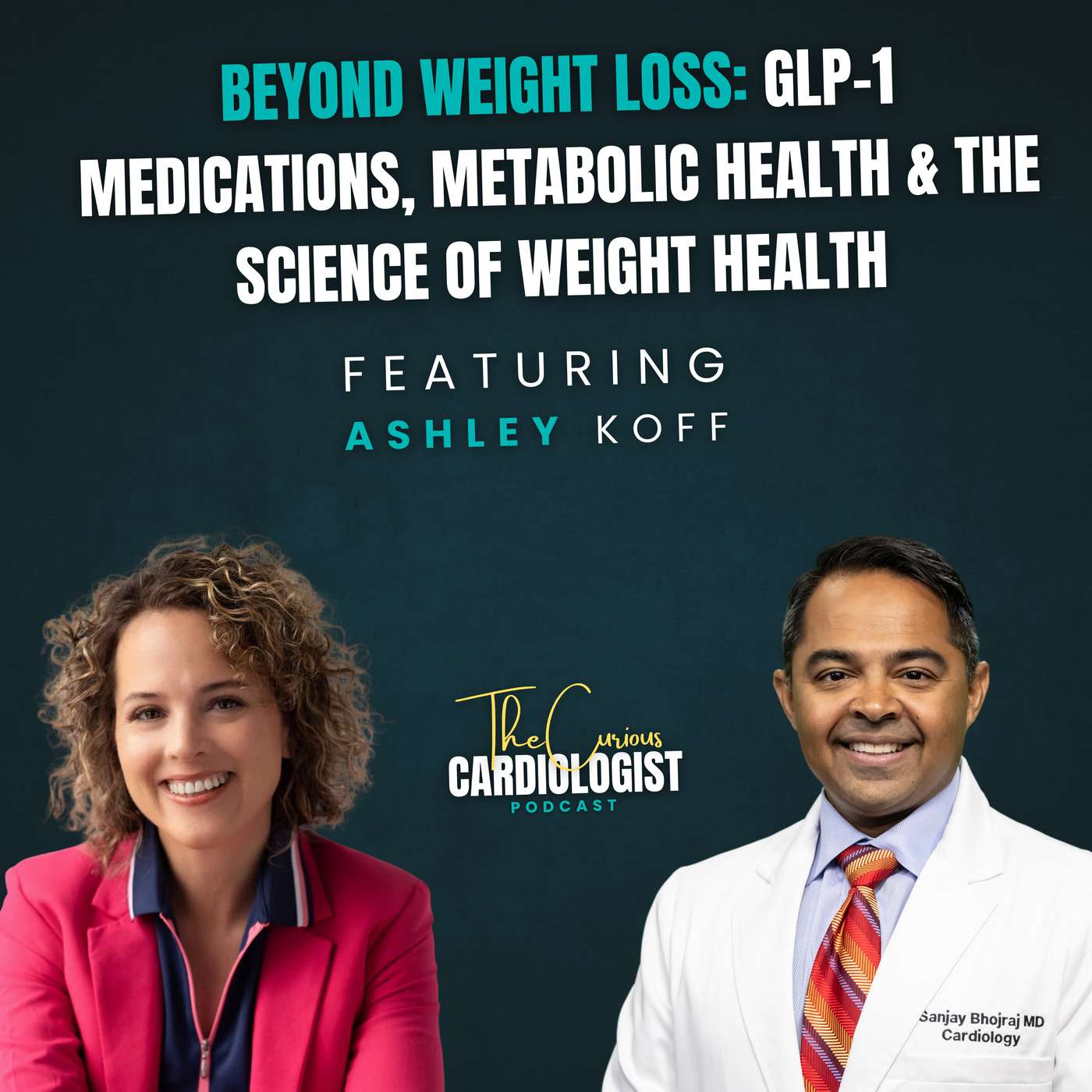
Beyond Weight Loss: GLP-1 Medications, Metabolic Health & the Science of Weight Health with Ashley KoffAre GLP-1 medications the complete answer to weight management? Or are we overlooking the bigger picture of metabolic health?In this episode of The Curious Cardiologist, Dr. Sanjay Bhojraj sits down with registered dietitian Ashley Koff, author of Your Best Shot, for a wide-ranging conversation about GLP-1 medications, digestion, nutrition, metabolism, and why we need to rethink the way we approach weight.Ashley explains that GLP-1 is not a new discovery. It is a naturally occurring hormone involved in a much larger network of signals throughout the body. While GLP-1 medications can be useful tools, she emphasizes that they do not replace the need to understand and support the systems that influence metabolic health.Together, Ashley and Dr. Bhojraj explore the relationship between GLP-1 medications and digestive function, the importance of hydration and the microbiome, how stress can influence the body's metabolic and digestive processes, and why individual responses to medication can vary.They also challenge the traditional focus on the number on the scale, introducing a more comprehensive approach centered on weight health—one that considers muscle, bone, fat, hydration, nutrition, and overall function.The conversation also gets into fiber: why different types matter, why food sources and diversity are important, and why fiber intake should be personalized rather than reduced to a single daily number.In this episode:The origins of GLP-1 and how the hormone works in the bodyWhy GLP-1 receptors and signaling extend beyond appetite and blood sugarThe relationship between digestion, the microbiome, and metabolic healthWhy hydration and bowel function matter when using GLP-1 medicationsHow stress and nervous system regulation can influence digestionWhy medication responses and side effects vary between individualsThe difference between weight loss and weight healthWhy body composition matters more than the number on the scale aloneHow family history, lifestyle, and stress can shape cardiometabolic riskWhy fiber diversity and whole-food sources matterHow to make sustainable changes without overwhelming patientsThe importance of curiosity, trust, and individualized careAbout Ashley Koff, RDAshley Koff is a registered dietitian and the author of Your Best Shot, a practical playbook for understanding and optimizing weight health. Her approach emphasizes personalized nutrition and an ecosystem-based understanding of the body, whether someone uses GLP-1 medication or not.Get Ashley's bookYour Best Shot — a personalized system for optimizing weight health.About The Curious CardiologistAshley Koff’s official pagesOfficial website: The Better Nutrition ProgramAbout Ashley: Meet Ashley KoffBook: Your Best ShotInstagram: @ashleykoffapproved
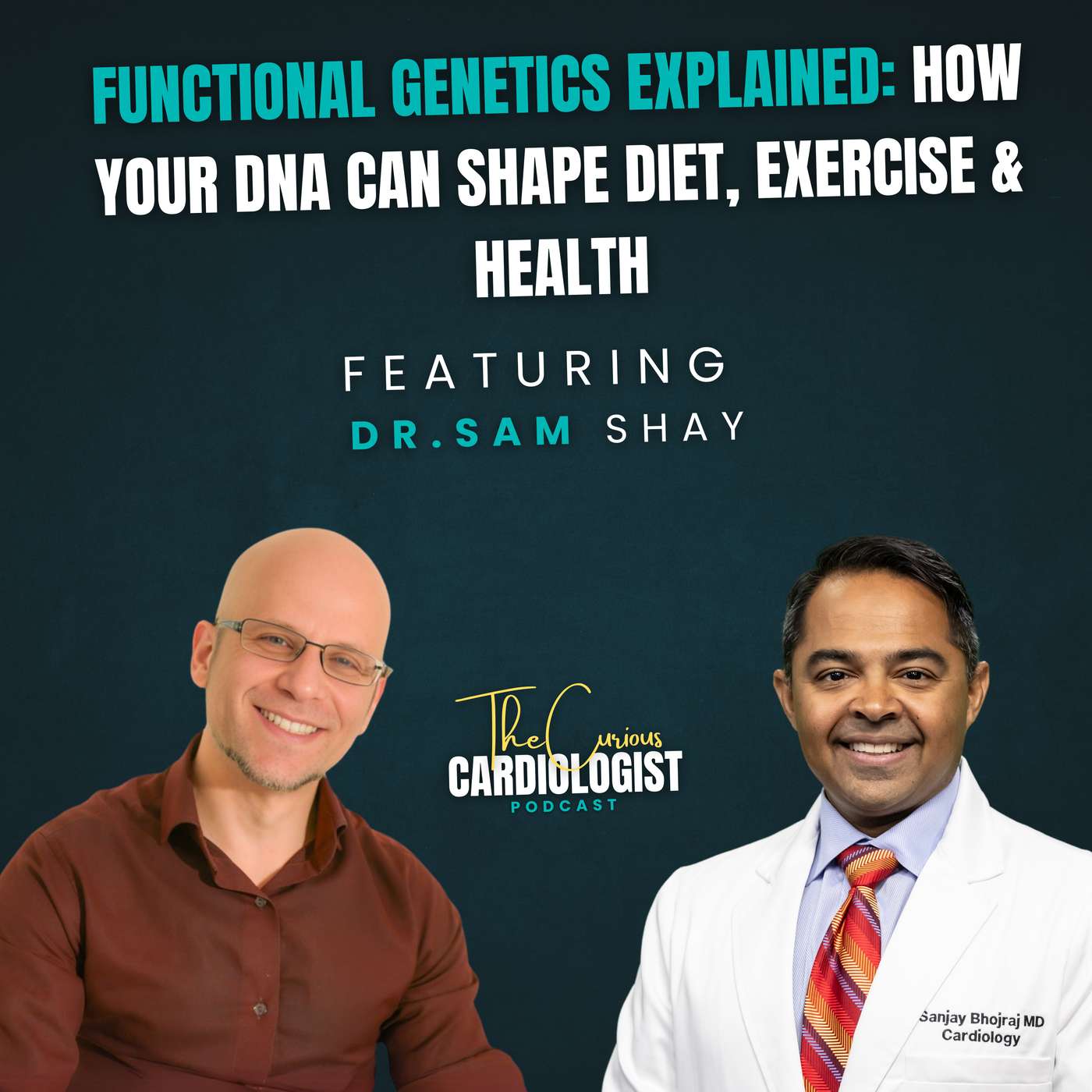
What if the best diet, exercise routine, and health strategy for you depended partly on your genes?In this episode of The Curious Cardiologist, Dr. Sanjay Bhojraj sits down with Dr. Sam Shay, DC, IFMCP, functional medicine practitioner, genetics educator, and Western Hemisphere distributor for FitGenes, to explore how functional genetics can help us better understand individual health differences.Dr. Shay explains why genetic predispositions don't have to determine our future—and how lifestyle, nutrition, and environmental factors can influence the way our genes are expressed.Together, they explore:Functional genetics and epigenetics: Why genes are not necessarily destiny, and how environmental factors influence gene expression.Personalized nutrition: How genetic differences may influence responses to carbohydrates, fats, caffeine, gluten, histamine, and other dietary triggers.The seven drivers of chronic disease: Dr. Shay's framework for prioritizing inflammation, free radical management, liver detoxification, vitamin D receptors, methylation, cardiovascular health, and fat and energy metabolism.Exercise and recovery: Why genetics may influence exercise tolerance, inflammation, and recovery needs.The five categories of functional testing: Genetics, gut health, hormones, mitochondria and metabolism, and environmental exposures or other infections.Genetic testing methods: Why Dr. Shay emphasizes looking beyond basic genetic variations to include copy number analysis.A broader definition of health: The difference between having no symptoms and actively working toward better health.The conversation also explores the importance of humor in healthcare, Dr. Shay's personal connection to cardiovascular disease, and the value of bringing conventional and functional medicine perspectives together.About Dr. Sam ShayDr. Sam Shay is a chiropractor and Institute for Functional Medicine Certified Practitioner (IFMCP). He is the Western Hemisphere distributor and worldwide lead educator for FitGenes, where he teaches practitioners how to interpret genetic data and apply it in clinical practice.Find Dr. Sam Shay and learn more:Consumer genetic testing: https://drsamshay.comDNA Decoded: https://thednadecoded.comPractitioner education and FitGenes: https://fitgenesusa.comComedy and educational videos: Search “Dr. Sam Shay Neuro Spicy” on YouTube.
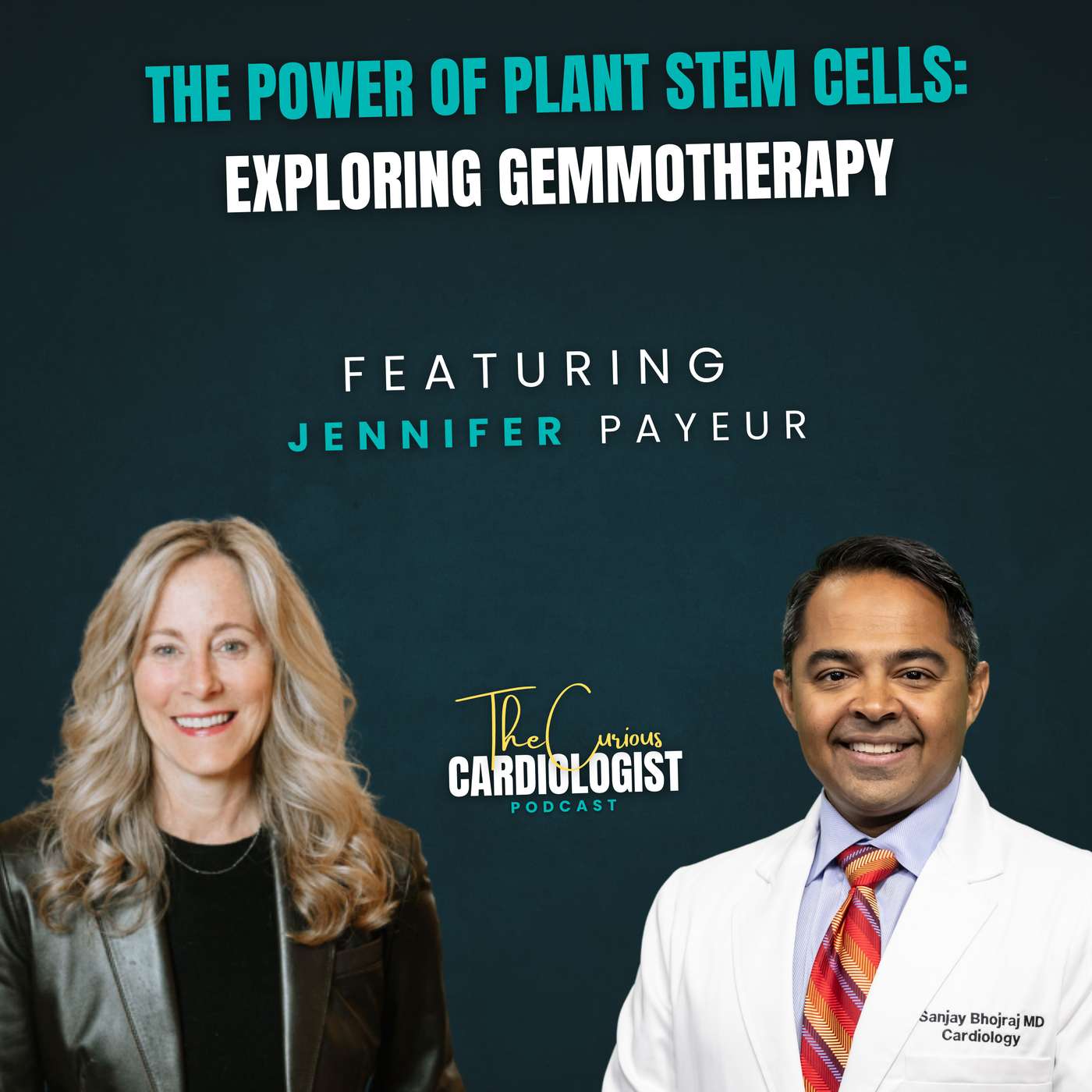
What if some of nature’s most interesting healing potential could be found in the earliest stages of a plant’s growth?In this episode of The Curious Cardiologist, Dr. Sanjay Bhojraj sits down with Jennifer Payeur, CEO and founder of Nature Provides, to explore gemmotherapy—a practice that uses extracts from the buds and young growth of plants.Jennifer explains what plant stem cells are, how they differ from conventional human stem cells, and why she became passionate about this approach after a deeply personal health journey. She also shares the history of gemmotherapy, the traditional use of medicinal plants, and how Nature Provides sources its plant material from the Italian Alps.The conversation explores the relationship between plants and human health, including the lymphatic system, fascia, inflammation, cardiovascular health, nervous system regulation, and the body's natural balance.Jennifer also discusses several plants featured in the company's formulations, including blackcurrant, linden, sweet chestnut, hawthorn, and rosemary.In this episode, you'll hear about:What plant stem cells are and how gemmotherapy worksThe history and origins of gemmotherapyJennifer's personal journey into natural and integrative healthWhy plant buds are used instead of mature plant materialThe role of the lymphatic system and extracellular matrixThe connection between fascia, stress, and the body's healing journeyPlants traditionally associated with cardiovascular and nervous system supportNature Provides' sourcing and harvesting process in the Italian AlpsThe importance of researching traditional plant-based approachesAbout Jennifer PayeurJennifer Payeur is the CEO and founder of Nature Provides, a company specializing in gemmotherapy and plant-based formulations. Her work brings together her background in the healing arts, her interest in plant medicine, and her commitment to making the subject more accessible to practitioners and the public.Explore Nature Provides:Consumer website: https://health.nature-provides.comPractitioner website: https://nature-provides.com

Comments

Download from Google Play

Download from App Store
 United States