


 Claim Ownership
The DTC Enterprise Tech Podcast
Subscribed: 0Played: 0
Subscribe

© 2025
Description
Conversations between the venture investors and operators at Dell Technologies Capital and the people who are building what's next in enterprise technologies.
15 Episodes
Reverse
SummaryIn this episode of the DTC podcast, Deepak Jeevankumar interviews Karl Mattson, a senior security leader at Endor Labs, discussing the RSA Conference's significance in cybersecurity, the impact of AI on security, and the current concerns of CISOs. They explore strategies for startups to maximize their presence at the conference and the importance of aligning security strategies with business objectives. The conversation highlights the evolving landscape of cybersecurity and the role of innovation in shaping the future.TakeawaysAI is becoming a central theme in security solutions.CISOs are focusing on macroeconomic factors affecting security investments.Automation is crucial for resource efficiency in security teams.Startups should prioritize one-on-one meetings with potential customers, but not just the CISOs.RSAC's Innovation Sandbox provides credibility and visibility for startups.Founders should seek warm introductions to CISOs for effective engagement but also look to meet with director-level professionals.Your CEO should have a packed schedule well in advance of the show. They should not be staffing your booth hoping to catch qualified buyers walking by.Chapters00:00 Introduction to RSA Conference and Key Themes02:57 The Role of AI in Cybersecurity06:00 CISO Perspectives and Current Concerns09:03 Maximizing ROI at RSA Conference11:57 Advice for Startups and Founders14:55 Endor's Strategy for RSA Conference17:14 The Success of RSA Conference
SUMMARYIn this conversation, Deepak Jeevankumar interviews Ben Carr, the Chief Security and Trust Officer at Halcyon Security, discussing the evolving landscape of cybersecurity, particularly in relation to AI and the RSA Conference. They explore the challenges of AI adoption in enterprises, the changing role of the CISO, and the importance of building relationships with the board. The discussion also highlights the significance of the RSA Conference for networking and learning, as well as strategies for startups to stand out in a crowded market. Ben shares insights into Halcyon's unique approach to ransomware solutions, emphasizing the need for differentiation in a competitive environment.TAKEAWAYSAI continues to be a central theme in cybersecurity discussions.CISOs face challenges in integrating AI into security frameworks.The role of the CISO is evolving to encompass IT responsibilities.Effective communication with stakeholders and building relationships with the board is crucial for CISOs.CISOs should focus on aligning security initiatives with business goals.RSA Conference provides valuable networking opportunities for CISOs and that's where they should spend their time. CHAPTERS00:00 Introduction to RSA Conference 202501:11 The Evolving Themes of AI in Cybersecurity03:41 Challenges of AI Adoption in Enterprises07:02 The Changing Role of the CISO11:30 Connecting with the Board: A CISO's Perspective15:07 The Importance of RSA Conference for CISOs17:49 Startups at RSA: Standing Out in a Crowded Market20:08 Halcyon's Unique Approach to Ransomware Solutions
SUMMARYIn this episode, Deepak Jeevankumar interviews Renee Gutmann, a seasoned CISO with extensive experience attending the RSA Conference. They discuss the evolution of the conference, advice for new CISOs, emerging trends in cybersecurity, the role of AI and automation, and the future challenges posed by quantum computing. Rene shares insights on navigating the conference, engaging with startups, and the importance of reducing friction in cybersecurity practices.TAKEAWAYSRenee has attended the RSA Conference since 1996, witnessing its evolution growing from a technical focus to a broader industry gathering.Networking with other CISOs is crucial for learning and collaboration and Renee emphasizes the importance of learning and sharing knowledge at conferences.Renee emphasizes the need for startups to understand their ideal customer and for her, why seeing an early-stage company engage with the channel is important.She's always looking for solutions that automate and reduce friction in cybersecurity and she's hopeful about AI in this context. Renee's experience as a judge at the RSA Innovation Sandbox highlights the importance of assessing both technology and execution capabilities.CHAPTERS00:00 Introduction to RSA Conference and Its Evolution04:03 Navigating the RSA Conference as a CISO09:53 Emerging Trends and Technologies in Cybersecurity16:08 The Role of AI and Automation in Cybersecurity20:04 Future Challenges: Quantum Computing and Cybersecurity24:09 Conclusion and Final Thoughts
Building the Future of Cybersecurity with AI – Benny Porat, CEO of Twine SecurityEpisode Description: In this episode of the DTC Podcast, Deepak Jeevankumar sits down with Benny Porat, co-founder & CEO of Twine Security. Benny shares his journey from co-founding Claroty to launching Twine, diving into the evolving cybersecurity landscape, the challenges of product-market when you're a plane that's already in flight, and how AI-driven digital employees are reshaping identity and access management. He also discusses lessons learned in scaling a startup, choosing the right investors, and building high-performing teams.Key Topics:Transitioning from Claroty to Twine SecurityHow AI is transforming cybersecurityNavigating product-market fit balancing customers' wants with core product innovationLessons on hiring and scaling teams: Twine's Two-star PrincipleThe evolving role of CISOs and cybersecurity strategyListen in to hear Benny’s insights on the future of cybersecurity and the journey of building an AI-first cybersecurity company.
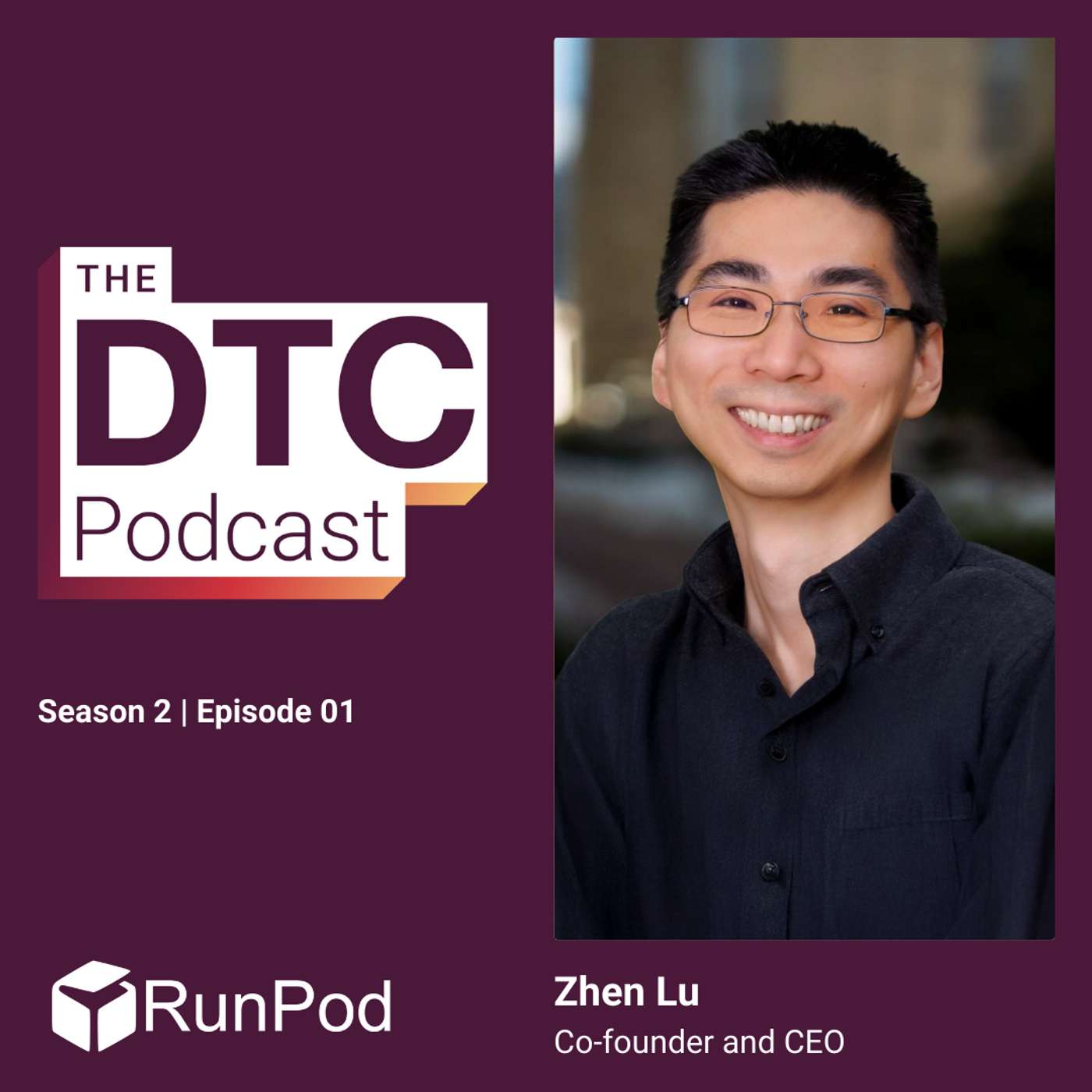
DTC's Radhika Malik in conversation with RunPod CEO and Co-founder Zhen Lu on the company's modest beginnings, accelerated growth, and learning to evolve with and for your ideal customers. RunPod launched with a classic tech startup story -- in the basements of co-founders Zhen Lu and Pardeep Singh, requiring some electrical rewiring and circuit breaker shenanigans at both homes.Immediately found traction with creatives playing around with Disco Diffusion but then began to attract developers and development teams working on GenAI-driven projects with commercial aspirations. Zhen talks about learning as much as possible from the platform's earliest customers and then evolving RunPod through a strategy partnering with some of the most promising projects to prioritize feature development and rollout. Some surprising early use cases with many that have already hit on popular and financial success Is this an AI bubble? Yes, but...
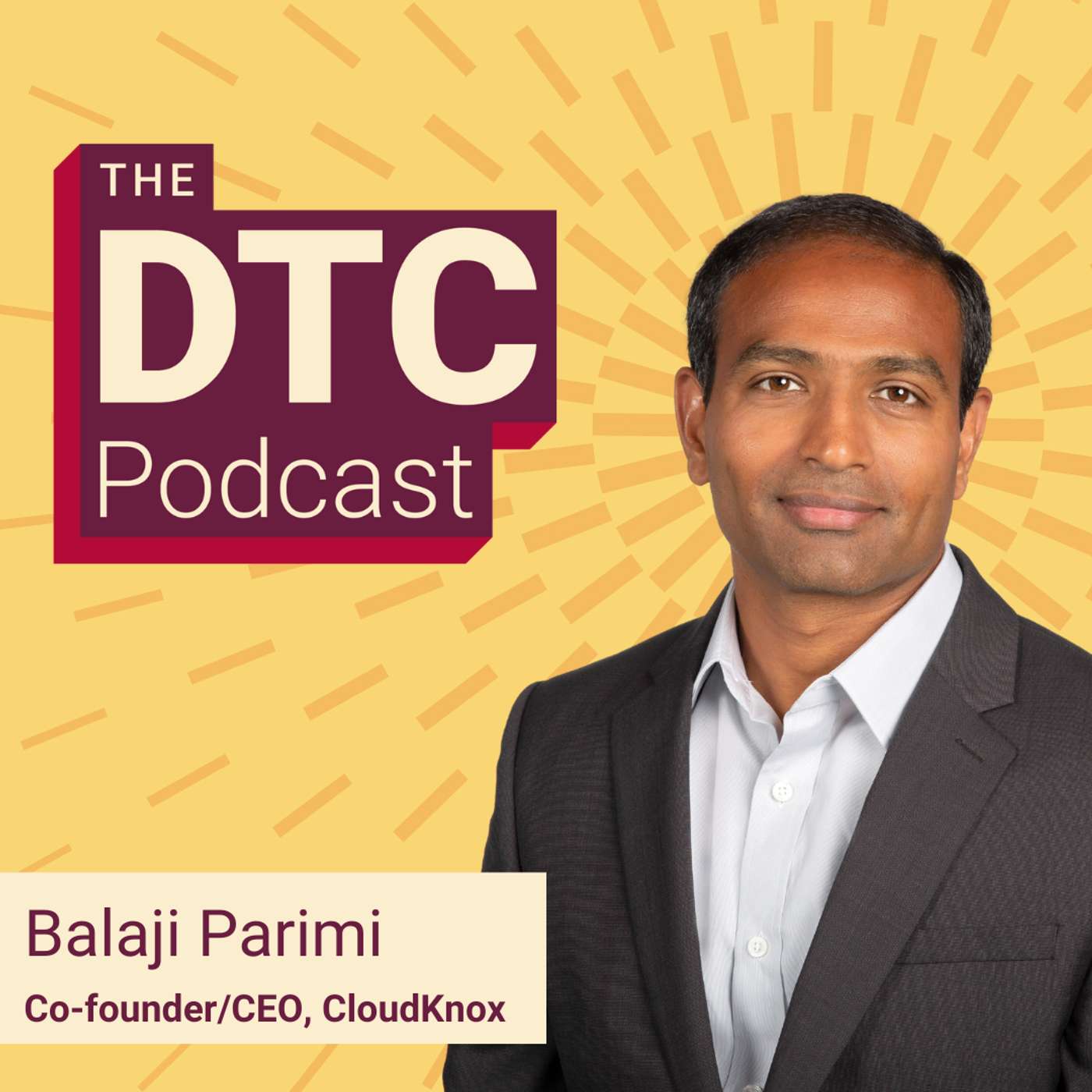
“Confidence is the manifestation of having clarity and conviction. Focusing on these “Three Cs” is what helped us make the hard decisions at CloudKnox.”In a recent episode of the DTC podcast series “Exit Interview,” Raman Khanna sat down with Balaji Parimi, the founder of CloudKnox, to discuss the journey of his company from inception to category leader and then later, being acquired by Microsoft.Key takeaways from this episode:Find the solutions gap: Parimi’s motivation to start CloudKnox stemmed from his customer-facing experiences at VMware and CloudPhysics. He built products to deliver automation and efficiencies in multi-cloud environments but found that proper governance controls to manage and secure those automated cloud environments didn’t exist. First mover advantage: Building for an emerging issue versus an established one comes with risk but can also reward in big ways. CloudKnox’s focus on creating hybrid and multi-cloud environment solutions played a pivotal role in the company being able to establish and lead a new category in the market.Don’t underestimate the analysts: When Gartner introduced the cloud infrastructure entitlement management category, they did it with data attributed to CloudKnox. This was a direct result of proactive, early engagement with analysts who play a crucial role in educating the market, creating awareness, and prioritizing issues for their enterprise clients. Don’t go it alone: Early traction with Fortune 100 customers was achieved through trusted partners. These partners, already vetted by large enterprises, provided a level of credibility that facilitated introductions and trust that led to landing big logos early on. Founders are your 1st sales leaders: Initially, Balaji believed he was a product founder and that he needed to hire a sales team for GTM. He quickly realized that in the early days, it was his deep knowledge and passion that were crucial in landing customers.From GTM partnership to acquisition by Microsoft: Initially, CloudKnox engaged with Microsoft to establish a joint go-to-market partnership, but as Microsoft’s product strategy evolved to focus on multi-cloud security solutions, they saw the value in acquiring CloudKnox. The acquisition has provided CloudKnox with a vast distribution channel and the opportunity to see their product deployed widely, fulfilling a key entrepreneurial dream.Clarity + Conviction = Confidence: Balaji shared his three C’s of success for founders: Clarity, Conviction, and Confidence. Clarity in understanding the problem and solution leads to conviction, which in turn builds confidence. This clarity and conviction are crucial when communicating with customers, investors, team members and when making pivotal decisions. Balaji Parimi’s journey with CloudKnox is a testament to the power of identifying and addressing real-world problems. His experience at VMware and CloudPhysics provided the foundation for a customer-focused approach that ultimately led to the creation of a new cybersecurity category and the eventual significant acquisition by Microsoft. While good timing played a role, tactical decisions around product, sales, and go-to-market strategies are what made CloudKnox a success story.
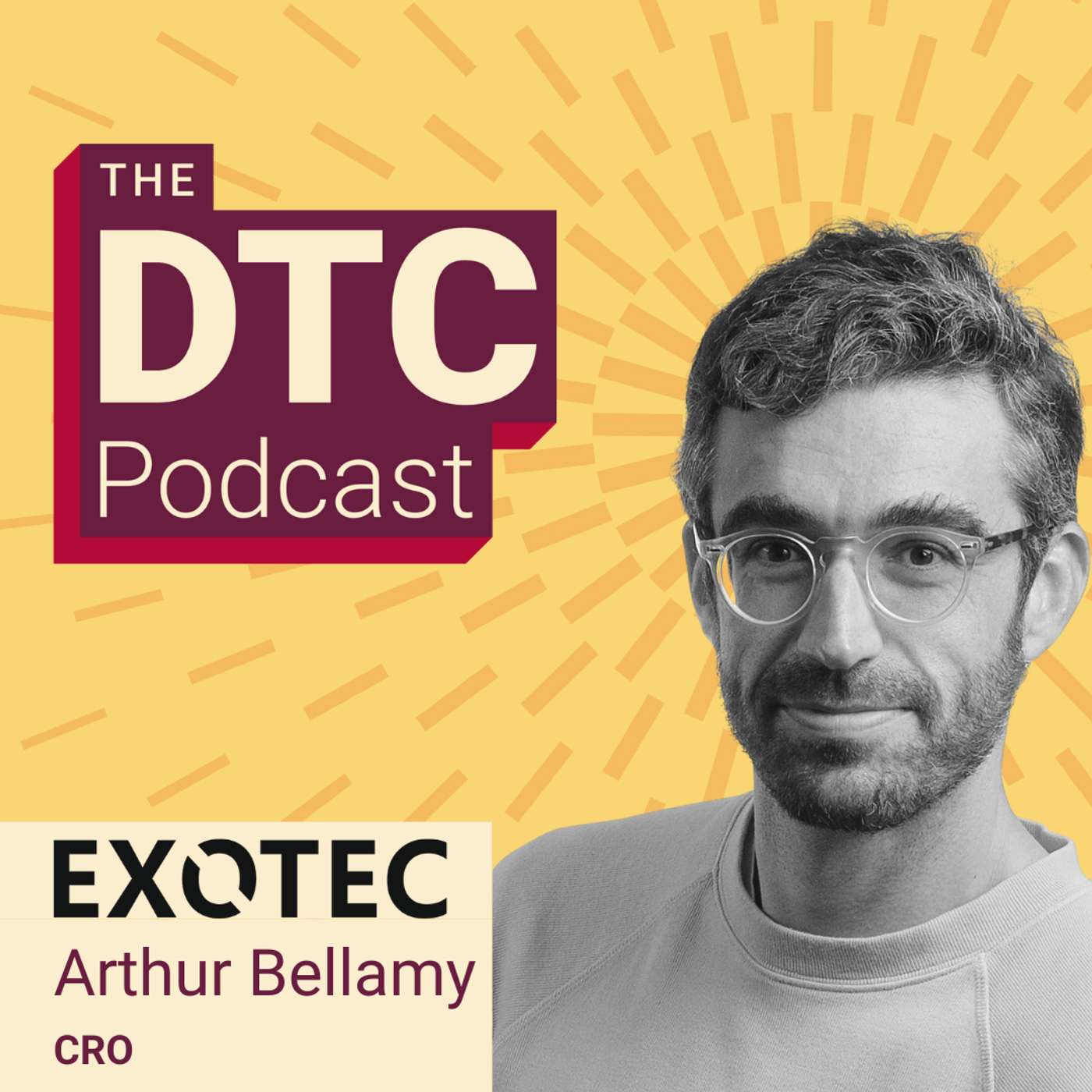
"We do have to hire to some extent ahead. And that's a bit of a bet. But again, when you've developed the conviction that you're onto something big, then we haven't waited. We move forward pretty forcefully building teams."Arthur Bellamy talks with DTC's Scott Darling about scaling Exotec to a global company with more than $1B in systems sold. They dive into sales strategies behind modernizing warehouse technologies. Arthur shares actionable tactics for entering new markets, how to hire the right sales leads for $10M+ system installs, and the importance of being able to show potential customers -- not just tell them about -- your product lines. Chapters00:00 Introduction and Overview of Exotec05:32 Origin Story of Exotec and the SkyPod System09:25 Scalable Product vs Customized Designs in Material Handling10:26 Expanding Internationally/Coming to America16:29 Scaling the Sales Team and Hiring Ahead of Growth21:17 Navigating Channel Relationships for Success
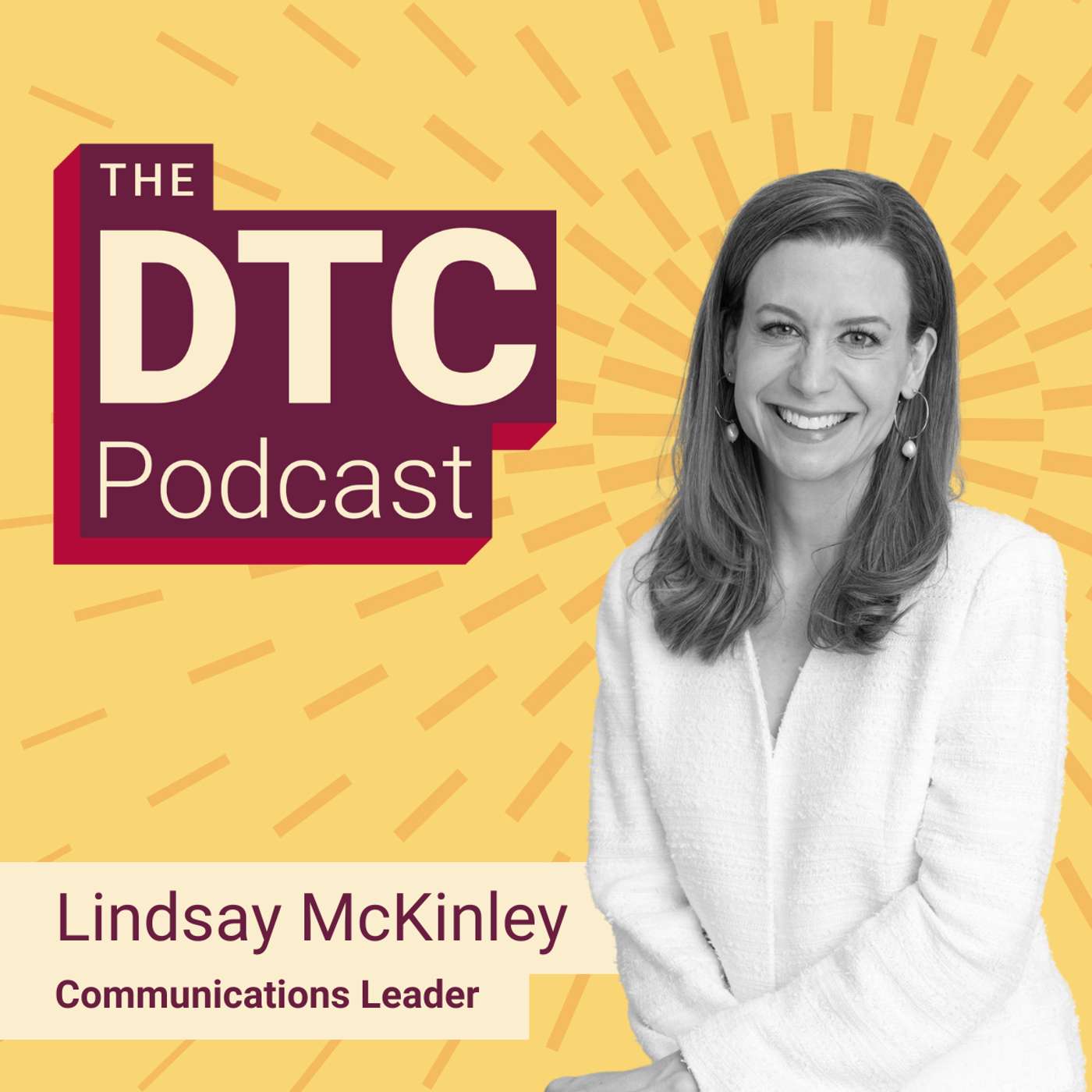
What's it like to be the first communications leadership hire at a hypergrowth, IPO-bound startup? In this episode of The DTC Podcast, Ronda Scott talks with Lindsay McKinley, the first comms hire and director of communications at Samsara. She shares advice on how to swing for the fences when you're at a resource-constrained early-stage startup and how to hit the ground running when you join a fast-growing company to take it all the way through an IPO. Key Takeaways for Comms SuccessDo the work to understand how comms can best serve current business priorities. Develop close relationships and trust with key stakeholders by managing expectations. As you build your team, hire for skillset spikes and balance of egg breakers and diplomats. Understand the invaluable leadership comms plays throughout the entire IPO process. Embrace the challenges and opportunities inherent with comms at every stage of a startup. Chapters 00:00 Introduction 04:06 Getting scrappy and successful at 15-person edtech company ClassDojo 12:15 Joining the hypergrowth team at Samsara 15:00 Three tactics to thrive in your first 30 days18:42 Building a world class team28:06 IPO experience through the communication lens

In this episode of the DTC Podcast, Deepak Jeevankumar interviews Slavik Markovich, co-founder of Sentrigo, Demisto, and Descope. Slavik shares lessons learned from his previous startups and discusses the acquisition of Demisto by Palo Alto Networks. He also talks about his current venture, Descope, which focuses on authentication and authorization. Slavik emphasizes the importance of solving real problems for customers and offers advice to founders. He predicts that AI (of course) and consolidation across cybersecurity vendors will be key themes that follow the 2024 RSA Conference.TakeawaysSolve a problem that matters to you and your customers. Identify and build a team around you with complementary skill sets who have the same vision of solving the problem for your customers.Maintain transparency and open communication within your team.Focus on execution and customer satisfaction while maintaining a position of strength as the company grows. Acquisition opportunities will come.Consolidation and AI will be prominent themes following the RSA conference.Chapters00:00 Introduction and initial challenges in founding companies08:17 Lessons learned from building multiple startups10:34 The journey of scaling Demisto and the acquisition by Palo Alto Networks21:59 The importance of solving real problems for customers31:17 Maintaining a strong company culture and open communication33:30 Looking forward: challenges and opportunities in cybersecurity
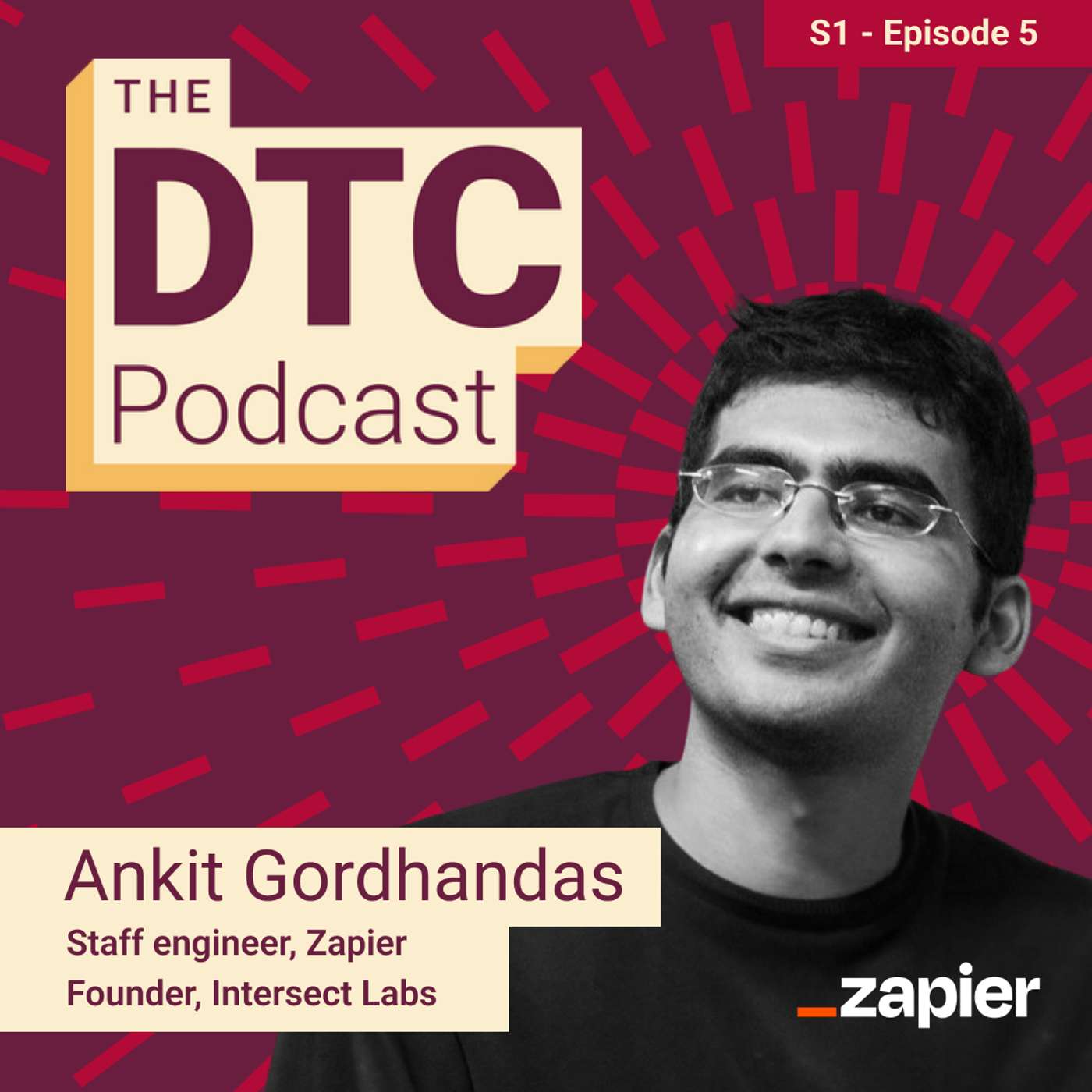
Ankit Gordhandas, a staff engineer at Zapier, shares his journey from being a biomedical engineer to a startup founder and his current role at Zapier. He discusses how Zapier embraced AI and the impact it has had on the company. Ankit also talks about the pivot at his previous startup, Intersect Labs, and the decision to join Zapier. He explains the focus on AI at Zapier and the projects they are working on. Ankit discusses user demand for AI and how Zapier is meeting those demands. He shares his thoughts on measuring success in AI projects and how he continues to scratch his entrepreneurial itch at Zapier. Finally, Ankit offers lessons for founders based on his experiences.TakeawaysAnkit's journey from being a biomedical engineer to a startup founder and his transition to working at Zapier.The pivot at Intersect Labs and the decision to join Zapier.How Zapier embraced AI and encouraged every employee to use AI to make their workday lives easier and deliver a better experience to users.Zapier's focus on AI and the projects they are working on, including chatbots and workflow automation.Chapters00:00 Embracing AI at Zapier06:34 Ankit's Journey from Biomedical Engineer to Founder13:13 Joining Zapier and the Pivot at Intersect Labs18:26 Transitioning to Zapier and the Focus on AI21:13 Zapier's Code Red and the Adoption of AI24:30 User Demand for AI at Zapier26:20 Measuring Success in AI Projects27:44 Scratching the Entrepreneurial Itch 30:00 Lessons for Founders

Geeta Schmidt, co-founder and CEO of Humio, discusses the founding of the company and its evolution into a cybersecurity focus. She shares the importance of customer validation and the pride, as a Nordic-based startup, in acquiring Bloomberg as one of the company’s first major customers. Geeta also talks about how the leadership team evaluated the opportunity to be acquired by CrowdStrike and the post-acquisition integration experience. She highlights the learnings from CrowdStrike and talks about her current role of advising and investing in early-stage startups.TakeawaysCustomer validation early on is crucial for the success of a startup, so paying attention to how what you’re building is being used in the wild is key. Choosing the right acquirer involves considering factors such as company cultures, alignment of product portfolios, and the ability to execute and scale.The importance of having diverse skill sets in a founding team cannot be underplayed. Chapters00:00 Introduction and Background01:35 Founding of Humio and World Domination Plan08:29 Importance of Customer Validation10:22 Proud Moment with Bloomberg as a Customer11:49 Transition to a Cybersecurity Company15:04 Acquisition by CrowdStrike20:10 Announcing the Acquisition21:47 Post-Acquisition Experience23:23 Learning from CrowdStrike25:19 Next Steps for Geeta26:45 Investing in Early Stage Startups27:13 Key Qualities in Founding Teams
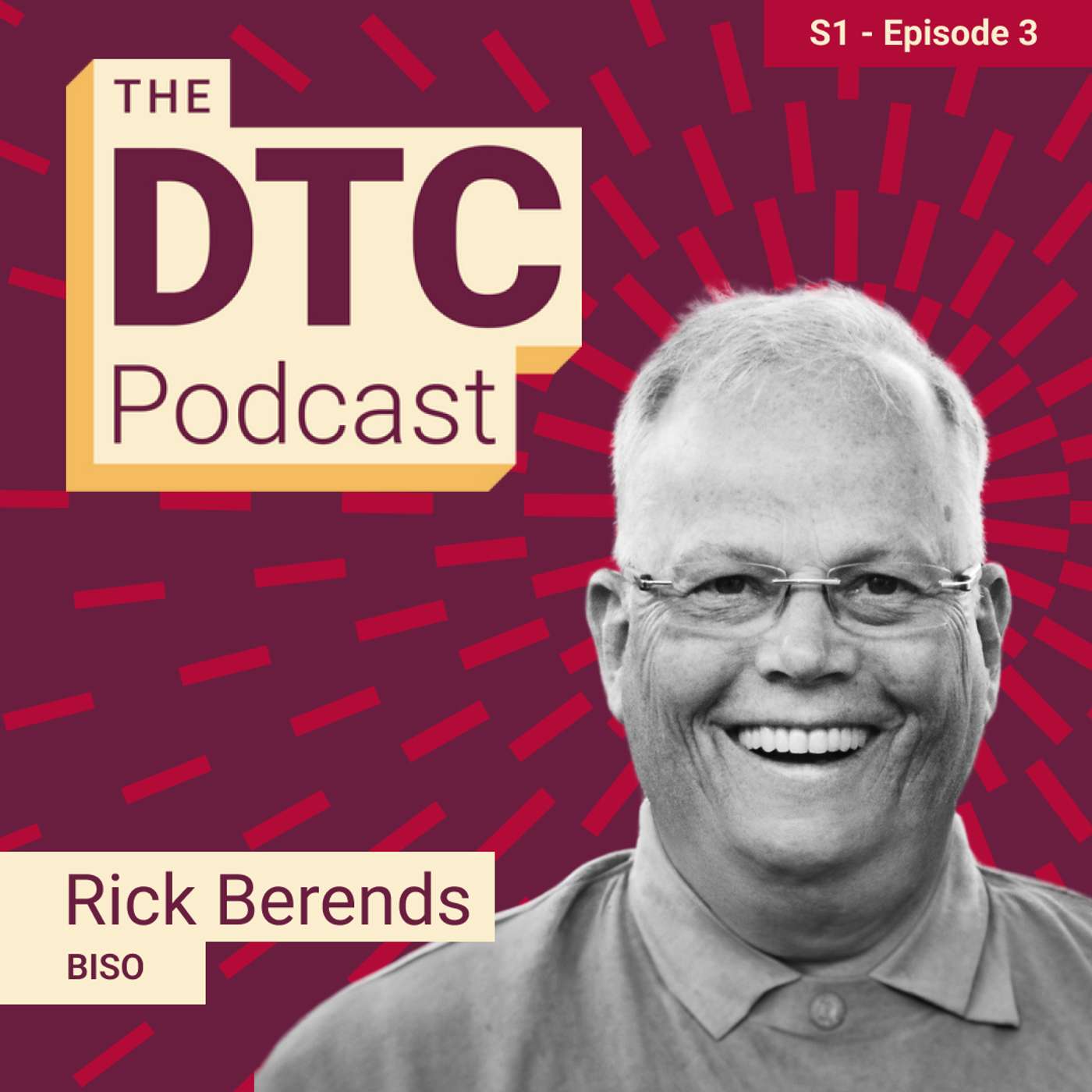
In this episode, DTC's Victoria Kinnealey talks with Rick Berends, a veteran BISO, about the importance of startups in driving innovation and growth within enterprise organizations. They discuss the traits that startups should have to establish partnerships at an early stage, including agility, the ability to reduce complexity, and a focus on smarter approaches to security. Rick emphasizes the importance of trust and building relationships when engaging with startups, and advises startups to be honest, avoid over-representation, and steer clear of jargon. He also highlights the value of EQ (emotional intelligence) in startup teams and the benefits of white labeling products for instant buy-in from enterprise clients.Chapters00:00 Introduction00:30 Introduction to Rick Berends01:13 Understanding the Role of a BISO03:03 Traits of a Startup for Partnership05:02 Startup's Role in Building Roadmap and Strategy08:22 Advantages of Startups in Meeting Customer Needs09:50 Importance of EQ in Startup Engagement11:19 Importance of Building Trust and Avoiding Jargon15:41 Understanding the Customer's Perspective19:06 Importance of Flexibility in Enterprise Partnerships20:31 Considering Long-Term Relationships and Value Adds22:58 The Notion of 'Good is Good Enough'28:45 Importance of Flexibility and Contract Length30:12 The Need for Startups in Innovation

Julie Crabill, a fractional CMO, discusses the benefits of the fractional C-suite model for early-stage startups and how it can help scale their marketing and go-to-market teams. She emphasizes the importance of understanding business priorities and having empathy for founders. Julie also shares insights on engaging with technical teams and determining readiness for a dedicated marketing hire. She highlights the need to build marketing into the DNA of a business and adapt to changes in the industry, such as the impact of generative AI on marketing roles.TakeawaysThe fractional C-suite model can be a cost-effective way for early-stage startups to access strategic marketing expertise without committing to a full-time hire.Understanding business priorities and having empathy for founders are crucial for a fractional CMO to effectively support the growth of a startup.Engaging with technical teams requires building mutual respect and helping them understand the value of marketing in achieving their business goals.Determining readiness for a dedicated marketing hire involves assessing the specific needs of the business and having a budget to support marketing efforts.Building marketing into the DNA of a business and adapting to changes in the industry, such as the impact of generative AI, are essential for long-term success.Chapters00:00 Introduction01:17 Background and Journey to Becoming a Fractional CMO02:38 Empathy for Founders and Understanding Business Priorities04:30 Scaling Skill Set to Become a CMO06:45 Benefits of Fractional CMO Model for Early Stage Startups07:43 Engaging as a Fractional CMO09:08 Determining Readiness for a Dedicated Marketing Hire13:21 Engaging with Technical Teams15:42 When Fractional CMO Model Works and Doesn't Work18:08 Tactical Considerations for Engaging with a Fractional CMO20:22 Hiring Plan and Time Horizon25:54 Impact of Generative AI on Marketing Roles27:46 Building Marketing into the DNA of the Business28:43 Conclusion
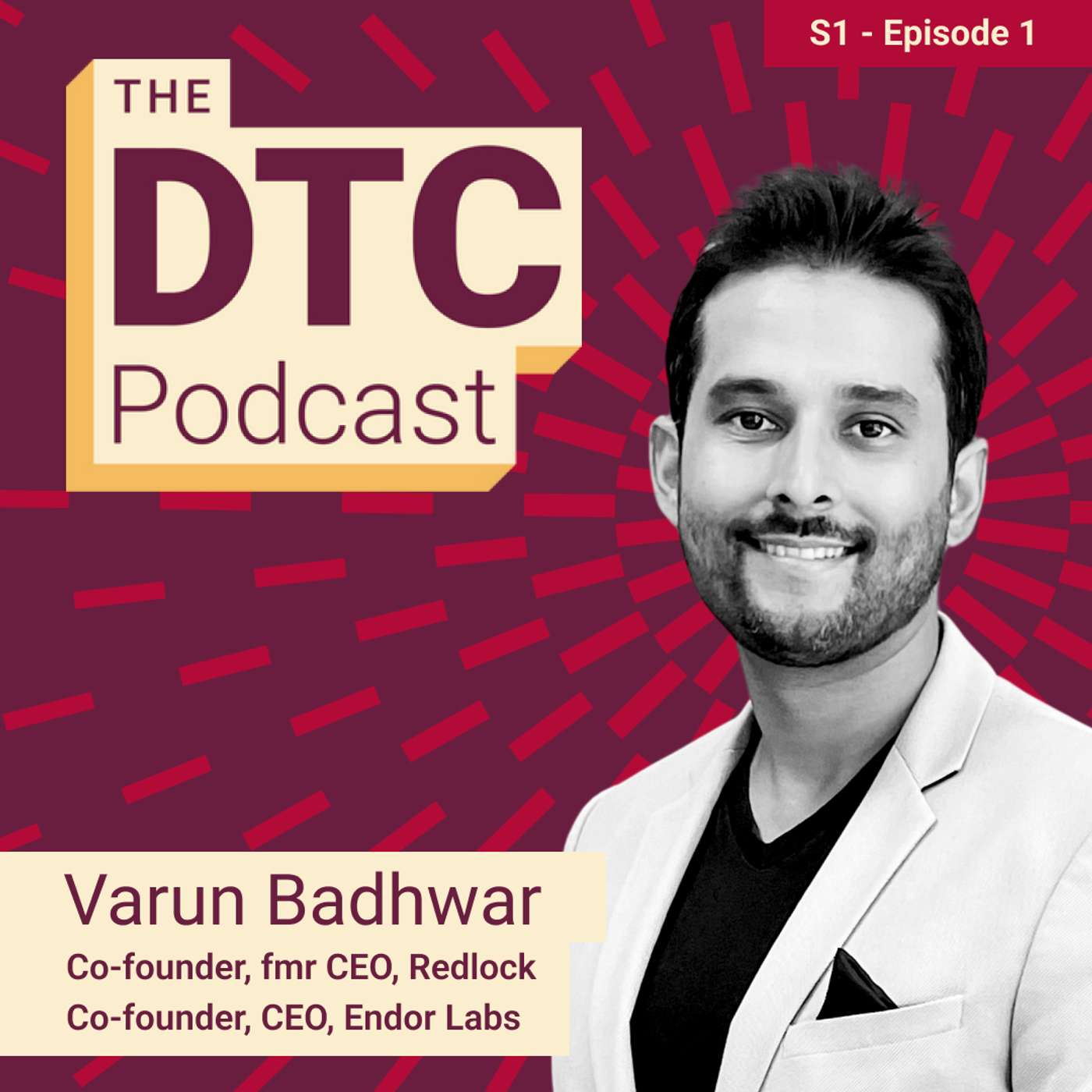
In this conversation, DTC Managing Director Deepak Jeevankumar interviews Varun Badhwar, co-founder and former CEO of RedLock and co-founder and current CEO of Endor Labs. They discuss topics such as creating a new category in cybersecurity, building a customer-centric company, and the challenges and successes of scaling a startup. Varun shares insights into the importance of starting with the simple problem, productizing simplicity, and nailing an efficient demo. He also discusses the acquisition by Palo Alto Networks and the key factors that contributed to the successful integration of RedLock into what became Prisma Cloud. Finally, Varun shares his thoughts on starting a third company with Endor Labs and the future of application security (AppSec) in the context of software supply chain security and AI.TakeawaysStart with a simple problem and focus on visibility gaps. What’s keeping your buyer up at night?Productize simplicity by ensuring that customers can set up and derive value from the product within a short timeframe.Building a customer-centric company involves understanding customer priorities, providing value in a short amount of time, and simplifying the customer experience.Choosing the right design partners and investors is crucial, and it's important to prioritize the human connection and alignment of values over the brand or firm.Embrace change in the software supply chain, particularly in the context of software assembly and the increasing use of open source components. AI can play a role in enhancing productivity and security in this area.Chapters00:00 Introduction01:26 Creating a New Category in Cybersecurity06:09 Starting with the Simple Problem07:37 Productizing Simplicity09:00 The Cloud Security Intelligence Team12:04 The Acquisition by Palo Alto Networks21:03 Starting a Third Company25:43 The Future of AppSec28:38 Building the Right Team and Culture30:32 Choosing the Right Design Partners and Investors33:29 Building in the Open and Embracing AI36:18 Embracing Change in the Software Supply Chain36:46 Closing Remarks

Introducing The DTC Podcast. These episodes feature Exit Interviews with enterprise founders who've gone from square one to major acquisition, conversations with the CTOs, CISOs, and CIOs interested in the latest enterprise innovations, and deep dives into strategies and tactics with the sales, marketing, and brand practitioners leading the go-to-market charge.
Comments

Download from Google Play

Download from App Store
 United States