


 Claim Ownership
The Death Readiness Podcast: Not your dad’s estate planning podcast
Subscribed: 5Played: 75
Subscribe

© 2025 The Death Readiness Podcast
Description
You’re the one prepping for your child’s IEP meeting while trying to talk your aging dad out of getting a puppy. You’re booking medical appointments, managing the money, juggling work emails during school pickup and still expected to keep the fridge stocked and know who has practice, rehearsal, or a field trip tomorrow.
Your parents are struggling, but they still insist they’re fine. You see the mobility issues, the memory slips, the unopened mail, but every offer to help feels like an argument. You’re scared to push. You’re scared to wait. And there’s no clear roadmap for how to do any of this without losing your mind or your family.
Hosted by Jill Mastroianni, a former estate planning attorney turned trusted guide for women holding it all together, this podcast is your space to untangle the mess. With more than a decade of legal experience, Jill brings clarity to the hardest conversations most families avoid until it’s too late.
Each episode offers honest stories, practical tools, and bite-sized steps you can actually take, even if you’re overwhelmed, even if you’re grieving, even if you’re still waiting for your mom to give you the password to the computer. You don’t need a perfect plan. You just need a place to start.
Death readiness isn’t about control. It’s about love and the courage to face what’s next with open eyes and a steady hand.
Your parents are struggling, but they still insist they’re fine. You see the mobility issues, the memory slips, the unopened mail, but every offer to help feels like an argument. You’re scared to push. You’re scared to wait. And there’s no clear roadmap for how to do any of this without losing your mind or your family.
Hosted by Jill Mastroianni, a former estate planning attorney turned trusted guide for women holding it all together, this podcast is your space to untangle the mess. With more than a decade of legal experience, Jill brings clarity to the hardest conversations most families avoid until it’s too late.
Each episode offers honest stories, practical tools, and bite-sized steps you can actually take, even if you’re overwhelmed, even if you’re grieving, even if you’re still waiting for your mom to give you the password to the computer. You don’t need a perfect plan. You just need a place to start.
Death readiness isn’t about control. It’s about love and the courage to face what’s next with open eyes and a steady hand.
55 Episodes
Reverse
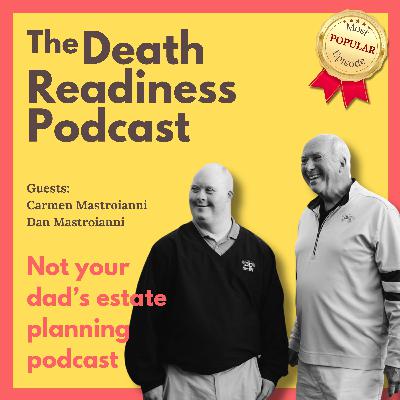
What You’ll Learn in This Episode·What raising a child with special needs looked like in the 1970s, when there was no internet, limited resources, and little institutional support·Why early intervention matters, and how one supportive professional can change the trajectory of an entire family·How advocacy shows up in everyday moments, from fighting for inclusion in neighborhood schools to pushing back when institutions say “there’s no place for your child.”·Why mainstreaming and community inclusion matter, not just academically, but socially, and how being known in a community can protect and empower a child.·What independence can look like for an adult with special needs, including living in a group home, working, maintaining friendships, and making decisions about one’s own life.·How group homes actually work, including funding, staffing, waitlists, and the realities families face as caregivers age.·Why planning for the future is essential, especially when parents won’t always be around, and how special needs trusts fit into that picture.·How individuals with special needs experience grief, relationships, and emotional loss, often more deeply than people assume.·Why legacy isn’t just about money, but about advocacy, adaptability, and the quiet, persistent work of love over decades.Resources & LinksCenter for Disability Services: Residential ServicesCenter for Disability Services314 South Manning Blvd.Albany, NY 12208518-437-5700The Center for Disability Services is a nonprofit organization in New York that provides comprehensive support and services for individuals with disabilities. The Center played a crucial role in securing supportive housing and care for Dan. Through its commitment to inclusion and individualized care, the Center continues to provide essential resources that empower individuals with disabilities to lead fulfilling lives.Gerald B. Healy, MD, FACS was an ear, nose, and throat specialist at Children’s Hospital in Boston who played a critical role in saving Dan’s life. Dan suffered from severe respiratory issues as a toddler—issues that local doctors were unable to diagnose. Dr. Healy identified that Dan’s airway was dangerously small due to enlarged tonsils and adenoids and recommended immediate surgery.Kids Like These is a 1987 TV movie that tells the story of a couple who has a baby with Down syndrome. The script was co-written by Emily Perl Kingsley, a well-known advocate for individuals with disabilities, along with Allan Sloane. Kingsley, whose own son, Jason Kingsley, has Down syndrome, infused the film with real-life experiences to highlight the struggles and triumphs of parenting a child with special needs.One notable detail from the movie was inspired by Dan’s mother, who once shared a story with Emily Perl Kingsley about Dan being denied a library card because he couldn’t sign his name. This real-life event was later referenced in the film, illustrating the systemic barriers faced by individuals with disabilities and the importance of advocacy.Connect with Jill:Website: DeathReadiness.comEmail: jill@deathreadiness.comLearn more about Jill’s solutionsSubscribe to the Death Readiness Dispatch!Submit a question for Tuesday TriageDid you enjoy this episode? Share it with someone you care about.
This podcast provides estate planning guidance for women and discusses real, practical issues, from caregiving, pre-planning a funeral, how to avoid probate using beneficiary designations, planning for individuals with special needs (and special needs trusts), whether you need a professional fiduciary (trustee or executor), how the estate tax works and how to preserve your legacy. Tuesday Triage episodes answer questions from listeners like you, from powers of attorney, healthcare advance directives (and whether they work when you’re pregnant), what a Last Will and Testament really is, whether you need a trust, how Medicaid works and how to have senior and elder care conversations and how to care for aging parents. Disclaimer: This podcast and all related content are for educational purposes only and do not constitute legal advice. No attorney-client relationship is established here. Use of this information without careful analysis and review by your attorney, CPA, and/or financial advisor may cause serious adverse consequences. For legal guidance tailored to your unique situation, consult with a licensed attorney in your state.
What You’ll Learn in This EpisodeWhy gifts in the context of work relationships are generally taxable income to the recipient, even when labeled as “holiday gifts”The key difference between gifting to family (federal gift tax rules) and gifting in an employment or business context (income tax rules)Why holiday cash gifts do not qualify as de minimis fringe benefits, and why gift cards are treated as cash equivalentsWhat employee achievement awards are, why cash doesn’t qualify, and how strict the requirements really are, including dollar limits and “meaningful presentation” rulesHow gifts to someone who is both family and employee are analyzed, and why intent and context matter more than labelsWhy gifts tied to service, loyalty, or length of employment are treated as compensation, even when they feel heartfeltHow the Supreme Court’s decision in Commissioner v. Duberstein (1960) still governs whether a transfer is a true gift or taxable incomeWhat can happen in estate planning when bequests to employees are framed as thanks for service—and how wording can change tax outcomes for beneficiariesResources & LinksEpisode 46: How to Give Money Without Triggering Gift TaxCommissioner v. Duberstein, 363 U.S. 278 (1960)The Supreme Court case that established the “detached and disinterested generosity” test for gifts connected to business or employment relationshipsThe Death Readiness Playbook - A practical, guided system for organizing information, making decisions, and turning good intentions into real clarity www.deathreadiness.com/playbookSee Internal Revenue Code Sections below.Connect with Jill:Website: DeathReadiness.comEmail: jill@deathreadiness.comLearn more about Jill’s solutionsSubscribe to the Death Readiness Dispatch!Submit a question for Tuesday TriageDid you enjoy this episode? Share it with someone you care about.Internal Revenue Code Sections26 U.S. Code § 102(a) General rule. Gross income does not include the value of property acquired by gift, bequest, devise, or inheritance.26 U.S. Code § 102(c) Employee gifts(1) In generalSubsection (a) shall not exclude from gross income any amount transferred by or for an employer to, or for the benefit of, an employee.(2) Cross referencesFor provisions excluding certain employee achievement awards from gross income, see section 74(c).For provisions excluding certain de minimis fringes from gross income, see section 132(e).26 U.S. Code §274(j) Employee achievement awards(1) General ruleNo deduction shall be allowed under section 162 or section 212 for the cost of an employee achievement award except to the extent that such cost does not exceed the deduction limitations of paragraph (2).(2) Deduction limitationsThe deduction for the cost of an employee achievement award made by an employer to an employee—(A) which is not a qualified plan award, when added to the cost to the employer for all other employee achievement awards made to such employee during the taxable year which are not qualified plan awards, shall not exceed $400, and(B) which is a qualified plan award, when added to the cost to the employer for all other employee achievement awards made to such employee during the taxable year (including employee achievement awards which are not qualified plan awards), shall not exceed $1,600.(3) DefinitionsFor purposes of this subsection—(A) Employee achievement award(i) In generalThe term “employee achievement award” means an item of tangible personal property which is—(I) transferred by an employer to an employee for length of service achievement or safety achievement,(II) awarded as part of a meaningful presentation, and(III) awarded under conditions and circumstances that do not create a significant likelihood of the payment of disguised compensation.(ii) Tangible personal propertyFor purposes of clause (i), the term “tangible personal property” shall not include—(I) cash, cash equivalents, gift cards, gift coupons, or gift certificates (other than arrangements conferring only the right to select and receive tangible personal property from a limited array of such items pre-selected or pre-approved by the employer), or(II) vacations, meals, lodging, tickets to theater or sporting events, stocks, bonds, other securities, and other similar items.26 U.S. Code §74(c) Exception for certain employee achievement awards(1) In generalGross income shall not include the value of an employee achievement award (as defined in section 274(j)) received by the taxpayer if the cost to the employer of the employee achievement award does not exceed the amount allowable as a deduction to the employer for the cost of the employee achievement award.(2) Excess deduction award. If the cost to the employer of the employee achievement award received by the taxpayer exceeds the amount allowable as a deduction to the employer, then gross income includes the greater of—(A) an amount equal to the portion of the cost to the employer of the award that is not allowable as a deduction to the employer (but not in excess of the value of the award), or(B) the amount by which the value of the award exceeds the amount allowable as a deduction to the employer.The remaining portion of the value of such award shall not be included in the gross income of the recipient.(3) Treatment of tax-exempt employers. In the case of an employer exempt from taxation under this subtitle, any reference in this subsection to the amount allowable as a deduction to the employer shall be treated as a reference to the amount which would be allowable as a deduction to the employer if the employer were not exempt from taxation under this subtitle.(4) Cross reference. For provisions excluding certain de minimis fringes from gross income, see section 132(e).
This podcast provides estate planning guidance for women and discusses real, practical issues, from caregiving, pre-planning a funeral, how to avoid probate using beneficiary designations, planning for individuals with special needs (and special needs trusts), whether you need a professional fiduciary (trustee or executor), how the estate tax works and how to preserve your legacy. Tuesday Triage episodes answer questions from listeners like you, from powers of attorney, healthcare advance directives (and whether they work when you’re pregnant), what a Last Will and Testament really is, whether you need a trust, how Medicaid works and how to have senior and elder care conversations and how to care for aging parents. Disclaimer: This podcast and all related content are for educational purposes only and do not constitute legal advice. No attorney-client relationship is established here. Use of this information without careful analysis and review by your attorney, CPA, and/or financial advisor may cause serious adverse consequences. For legal guidance tailored to your unique situation, consult with a licensed attorney in your state.
What You’ll Learn in This EpisodeWhy housing risk is common in blended families and cohabitation situationsWhat a life estate actually isHow life estates can be created (by deed, will, or trust)The difference between ownership and the right to live in a homeWhy many people are uncomfortable blending ownership, even in committed relationshipsHow a lease can provide housing security without lifetime guaranteesThe limits of estate planning documents when someone is still aliveWhat responsibilities a life tenant typically hasWhy you should define when and how a life estate endsThe importance of spelling out rules around repairs, renting, and exclusive useHow giving a right to purchase can add clarityWhy clarity is kinder, and cheaper, than confusionResources & LinksThe Death Readiness Playbook Sign up to be notified when it’s released this week: https://deathreadiness.com/playbookTuesday Triage Question Submission Have a question for a future episode? https://deathreadiness.com/tuesdaytriageConnect with Jill:Website: DeathReadiness.comEmail: jill@deathreadiness.comLearn more about Jill’s servicesSubscribe to the Death Readiness Dispatch!Submit a question for Tuesday TriageDid you enjoy this episode? Share it with someone you care about.
This podcast provides estate planning guidance for women and discusses real, practical issues, from caregiving, pre-planning a funeral, how to avoid probate using beneficiary designations, planning for individuals with special needs (and special needs trusts), whether you need a professional fiduciary (trustee or executor), how the estate tax works and how to preserve your legacy. Tuesday Triage episodes answer questions from listeners like you, from powers of attorney, healthcare advance directives (and whether they work when you’re pregnant), what a Last Will and Testament really is, whether you need a trust, how Medicaid works and how to have senior and elder care conversations and how to care for aging parents. Disclaimer: This podcast and all related content are for educational purposes only and do not constitute legal advice. No attorney-client relationship is established here. Use of this information without careful analysis and review by your attorney, CPA, and/or financial advisor may cause serious adverse consequences. For legal guidance tailored to your unique situation, consult with a licensed attorney in your state.
What You’ll Learn in This EpisodeWhat Andrea Gibson’s “biggest tiniest dreams” teach us about presence, attention, and finding meaning in ordinary moments.How a poet can name experiences we didn't realize we were carrying, from nervous parental love to loving complicated rescue animals.Why agency rarely looks dramatic and how a simple phone call can be an act of courage.What it means to create a life with “stretch marks on your heart,” and how that frames the work of death readiness.Why noticing small joys matters, whether it’s a dog in a tiny t-shirt or kindness you weren’t expecting.How estate planning and poetry unexpectedly intersect, both reminding us that life is finite and luminous at the same time.Resources & LinksCome See Me in the Good Light — Documentary about poet Andrea Gibson (Apple TV).Things That Don’t Suck — Andrea Gibson’s Substack newsletter.Connect with Jill:Website: DeathReadiness.comEmail: jill@deathreadiness.comLearn more about Jill’s solutionsSubscribe to the Death Readiness Dispatch!Submit a question for Tuesday TriageDid you enjoy this episode? Share it with someone you care about.
This podcast provides estate planning guidance for women and discusses real, practical issues, from caregiving, pre-planning a funeral, how to avoid probate using beneficiary designations, planning for individuals with special needs (and special needs trusts), whether you need a professional fiduciary (trustee or executor), how the estate tax works and how to preserve your legacy. Tuesday Triage episodes answer questions from listeners like you, from powers of attorney, healthcare advance directives (and whether they work when you’re pregnant), what a Last Will and Testament really is, whether you need a trust, how Medicaid works and how to have senior and elder care conversations and how to care for aging parents. Disclaimer: This podcast and all related content are for educational purposes only and do not constitute legal advice. No attorney-client relationship is established here. Use of this information without careful analysis and review by your attorney, CPA, and/or financial advisor may cause serious adverse consequences. For legal guidance tailored to your unique situation, consult with a licensed attorney in your state.
What You’ll Learn in This EpisodeWhat a Holographic Will IsA handwritten Will, entirely, or mostly, in the testator’s handwriting, signed and datedAllowed in some states, including MichiganOften valid on paper, messy in realityMichigan’s Requirements (for validity)A handwritten Will is valid in Michigan if it:Is datedIs signed by the testatorHas material portions in the testator’s handwritingThat’s the bare minimum, not a guarantee that the document will do what you think.What a Will Actually ControlsNot everything you own is governed by your Will. Some assets bypass probate entirely.Assets controlled by your Will:Individually owned property without a beneficiary designationAssets that bypass your Will:Jointly owned propertyRetirement accounts with beneficiary designationsAssets with payable-on-death instructionsExample: A 401(k) will follow the beneficiary designation, even if your Will says otherwise.If you want a change, update the form. Your Will does not override it.How to Structure a Handwritten Will (in an Emergency)Jill walks through a step-by-step handwritten format, including:Clear declaration of intentDefinition of “Property” to simplify later referencesAppointment of an Executor and successorA single beneficiary and a clear backupA default clause referencing intestacy lawsPlus a final affirmation sentence to prevent challenges to handwriting authenticityWhen Notarizing HelpsNot required in MichiganBut adds credibility and makes it harder to dispute the signatureRequires a notary “block” with specific languageWhy Complexity Is the Enemy of DIY WillsThe episode offers six pitfalls that almost always blow up handwritten Wills:Gifts to minorsAttempting to create a trustGifts to individuals that interfere with eligibility for government benefitsMultiple beneficiariesJoint ownership of sentimental itemsEmotional or poetic languageDIY Wills explode when they try to do too much.If you must write your own, keep it brutally simple.Resources & LinksVisual guide: Probate vs. Non-Probate AssetsSample language for a Michigan handwritten WillEpisode 36: When Transfer-on-Death Deeds Promise to Avoid Probate but Create ChaosEpisode 38: Why You Need (or Don’t Need) a WillEstate Plan Audit — Translate your lawyer-written Will into English and verify whether it does what you think: www.deathreadiness.com/auditConnect with Jill:Website: DeathReadiness.comEmail: jill@deathreadiness.comLearn more about Jill’s servicesSubscribe to the Death Readiness Dispatch!Submit a question for Tuesday TriageDid you enjoy this episode? Share it with someone you care about.
This podcast provides estate planning guidance for women and discusses real, practical issues, from caregiving, pre-planning a funeral, how to avoid probate using beneficiary designations, planning for individuals with special needs (and special needs trusts), whether you need a professional fiduciary (trustee or executor), how the estate tax works and how to preserve your legacy. Tuesday Triage episodes answer questions from listeners like you, from powers of attorney, healthcare advance directives (and whether they work when you’re pregnant), what a Last Will and Testament really is, whether you need a trust, how Medicaid works and how to have senior and elder care conversations and how to care for aging parents. Disclaimer: This podcast and all related content are for educational purposes only and do not constitute legal advice. No attorney-client relationship is established here. Use of this information without careful analysis and review by your attorney, CPA, and/or financial advisor may cause serious adverse consequences. For legal guidance tailored to your unique situation, consult with a licensed attorney in your state.
Divorce doesn’t just end a relationship; it leaves a tangle of legal documents, beneficiary forms, and estate planning decisions that need follow-up. In this episode, Jill answers a listener question from Amy in Tennessee, who just finalized her divorce and wants to know whether she needs to update her Will. Jill explains how Tennessee treats estate planning documents after divorce, why beneficiary designations are often the biggest risk, how ERISA complicates things, and real court cases where ex-spouses walked away with hundreds of thousands of dollars simply because the paperwork wasn't updated. She also shares practical, small-step strategies for getting started without feeling overwhelmed.What You’ll Learn in This EpisodeUnderstanding What Changes Automatically (and What Doesn’t)In Tennessee, divorce automatically cancels gifts to an ex-spouse under a Will and removes them as executor or trustee.But, in Tennessee, beneficiary designations on retirement accounts, life insurance, and payable-on-death bank accounts are NOT automatically revoked.Relying on state law or your divorce agreement is very risky. Change the forms directly.Powers of Attorney After DivorceHealthcare powers of attorney naming an ex-spouse are automatically revoked by Tennessee law after divorce, but it’s still best to update the document so care providers don't have to interpret.Tennessee financial powers of attorney do not update automatically unless the document says so. Get them revised.ERISA & the State Law ProblemSome states automatically revoke beneficiary designations after divorce, but ERISA-governed accounts (like 401(k)s) preempt those state laws.Translation: Your ex could still get your 401(k) even if your state law automatically revokes beneficiary designations favoring an ex-spouse.Real Cases with Real ConsequencesEstate of Birdwell: TN court ruled in favor of ex-spouse receiving ~$290,000 because the beneficiary designation was never corrected and a last-minute attempt failed.Manning v. Manning: TN court required the ex-spouse to follow the divorce agreement and waive rights, but the outcome might not be repeated today.2017 TN case: A divorce agreement cannot revoke a retirement-plan beneficiary designation. Only the plan’s official method counts.Divorce Agreements Don’t Save YouSaying your ex relinquishes rights in the divorce paperwork is generally insufficient.How to Protect Yourself (and Your Family)Review and change beneficiary listings on: retirement accounts (IRA, 401(k), pensions), life insurance policies, bank accounts with POD/TOD designationsAdd contingent beneficiaries.Keep a list and revisit it after major life events.Resources & LinksTennessee Advance Directive for HealthcareEpisode 38: Why You Need (or Don’t Need) a WillConnect with Jill:Website: DeathReadiness.comEmail: jill@deathreadiness.comLearn more about Jill’s solutionsSubscribe to the Death Readiness Dispatch!Submit a question for Tuesday TriageDid you enjoy this episode? Share it with someone you care about.
This podcast provides estate planning guidance for women and discusses real, practical issues, from caregiving, pre-planning a funeral, how to avoid probate using beneficiary designations, planning for individuals with special needs (and special needs trusts), whether you need a professional fiduciary (trustee or executor), how the estate tax works and how to preserve your legacy. Tuesday Triage episodes answer questions from listeners like you, from powers of attorney, healthcare advance directives (and whether they work when you’re pregnant), what a Last Will and Testament really is, whether you need a trust, how Medicaid works and how to have senior and elder care conversations and how to care for aging parents. Disclaimer: This podcast and all related content are for educational purposes only and do not constitute legal advice. No attorney-client relationship is established here. Use of this information without careful analysis and review by your attorney, CPA, and/or financial advisor may cause serious adverse consequences. For legal guidance tailored to your unique situation, consult with a licensed attorney in your state.
Jill explores one of the most urgent parenting challenges of our time: the dangers hidden inside our kids’ devices. From algorithm-driven eating disorders to sextortion scams run like global businesses, today’s threats don’t hide outside the house; they live inside apps, platforms, and anonymous accounts. Inspired by the podcast Left to Their Own Devices, Jill shares four essential insights every parent needs to understand, plus why talking about these uncomfortable realities is now part of true death readiness.What You’ll Learn in This EpisodeOur Kids Are Growing Up in a Completely Different WorldToday’s kids carry danger in their pockets: algorithms designed to addict, track, shape, and trap.Teen brains are still developing; they can’t self-regulate the way adults can.Sextortion Has Become a Multi-Million-Dollar IndustrySextortion is sexual extortion; predators obtain a nude image and weaponize it.Organized cybercriminal networks (including the “Yahoo Boys”) specifically target teen boys.Sextortion cases have surged 18,000% in two years.Snapchat receives 10,000 sextortion reports every month.The responsibility isn’t on kids to outsmart scammers; it’s on us to talk to them early and often.Algorithms Are Not NeutralAlgorithms detect hesitation, scrolling patterns, zooms, and replays—then feed more of what hurts.They’re designed to maximize profit, not protect mental health.A teen’s developing prefrontal cortex is no match for a machine built to keep them hooked.“Outrunning” the algorithm isn’t a fair fight; it moves faster than teen impulse control can.Death readiness means facing uncomfortable truths. It’s not just documents. It’s talking about the hard things before a crisis hits.It’s about protecting our kids in a world very different from the one we grew up in.Because silence is far more dangerous than another awkward conversation with your teen.Resources & LinksLeft to Their Own Devices Podcast hosted by Ava Smithing. A powerful, honest exploration of what teens face in today’s digital world. https://podcasts.apple.com/ca/podcast/left-to-their-own-devices/id1840912030Connect with Jill:Website: DeathReadiness.comEmail: jill@deathreadiness.comLearn more about Jill’s solutionsSubscribe to the Death Readiness Dispatch!Submit a question for Tuesday TriageDid you enjoy this episode? Share it with someone you care about.
This podcast provides estate planning guidance for women and discusses real, practical issues, from caregiving, pre-planning a funeral, how to avoid probate using beneficiary designations, planning for individuals with special needs (and special needs trusts), whether you need a professional fiduciary (trustee or executor), how the estate tax works and how to preserve your legacy. Tuesday Triage episodes answer questions from listeners like you, from powers of attorney, healthcare advance directives (and whether they work when you’re pregnant), what a Last Will and Testament really is, whether you need a trust, how Medicaid works and how to have senior and elder care conversations and how to care for aging parents. Disclaimer: This podcast and all related content are for educational purposes only and do not constitute legal advice. No attorney-client relationship is established here. Use of this information without careful analysis and review by your attorney, CPA, and/or financial advisor may cause serious adverse consequences. For legal guidance tailored to your unique situation, consult with a licensed attorney in your state.
Jill breaks down why family camps, cottages, and vacation homes become the most emotionally charged and conflict-prone assets families try to pass down, and how to prevent them from tearing siblings apart. Using stories from her own Adirondack upbringing and recent travels, Jill explores the tension between nostalgia, financial reality, sibling dynamics, and unspoken expectations. She outlines clear steps families can take to avoid disaster: understanding real costs, clarifying fairness, addressing governance, confronting entitlement, and creating a legally sound structure before a crisis hits.What You’ll Learn in This EpisodeWhy Family Properties Create Outsized DramaMost families romanticize the memories but ignore the math, maintenance, and long-term obligations.Emotional attachment can blind people to financial reality, leading to debt, resentment, and forced sales.Without structure, families default to assumptions about “fairness,” each believing their perspective is the reasonable one.The 5 Big Conversation Areas Every Family Must AddressFocus on the Math, Not the Memories. Property taxes, insurance, utilities, repairs, and seasonal work don’t pay for themselves. Nostalgia doesn’t replace a roof or stop the dock from collapsing.Fairness Is Not Universal. Some define fairness as equal shares and equal use. Others link fairness to financial contribution, availability, or the ability to pay. Unspoken expectations become resentments after a parent dies.The Camp Is a Financial Asset. It has market value, carrying costs, and long-term obligations.Your Parents’ Property Is NOT Your Property. There's no forced heirship in the U.S. Parents can leave the property to anyone they want. The true gift is the memories you've already lived, not the deed.You Can Build New Memories. Your future joy is not tied to inheriting a specific house. You can create your own camp, traditions, or anchor place, even if the original property is sold.The Four Steps to Prevent Family Property Warfare1. Have the Conversation Now. Use Jill’s Family Discovery Worksheet to uncover: What the place means to each person, who actually wants to own it, who can realistically afford it, what “staying in the family” means in practice, and fears, hopes, expectations, and practical capabilities.2. Get Real About the Costs. Make the expenses visible: property taxes, insurance, utilities, maintenance and emergency repairs, watercraft expenses, snow removal, HOA fees, and reserve funds. Numbers eliminate fantasy and force grounded decisions.3. Create Governance Before You Need It. Define: scheduling and peak-season rules, guest and pet rules, cleaning and maintenance expectations, vendor lists, decision-making authority, buyout terms, and what happens if someone stops participating. Without governance, someone inevitably becomes the default property manager and resentment follows.4. Do the Legally Binding Planning. Address structure while the owner is living: trust vs. LLC vs. outright transfer, whether to sell at death, buyout provisions, rules regarding ownership by spouses and grandchildren, and what happens if one sibling wants out.Resources & LinksFamily Discovery Worksheet: Gently guide your family into the hard but necessary conversations. https://www.deathreadiness.com/keeping-the-camp-family-discovery-worksheetEstate Plan Audit: If you want to know whether your estate plan actually prevents conflict, rather than creates it, check out Jill’s Estate Plan Audit.https://www.deathreadiness.com/auditInterested in a deep dive on structuring the transfer of family property?If enough listeners ask, Jill will create a full episode on the mechanics—trusts, LLCs, tax considerations, buyout formulas, and more. Email: jill@deathreadiness.comConnect with Jill:Website: DeathReadiness.comEmail: jill@deathreadiness.comLearn more about Jill’s solutionsSubscribe to the Death Readiness Dispatch!Submit a question for Tuesday TriageDid you enjoy this episode? Share it with someone you care about.
This podcast provides estate planning guidance for women and discusses real, practical issues, from caregiving, pre-planning a funeral, how to avoid probate using beneficiary designations, planning for individuals with special needs (and special needs trusts), whether you need a professional fiduciary (trustee or executor), how the estate tax works and how to preserve your legacy. Tuesday Triage episodes answer questions from listeners like you, from powers of attorney, healthcare advance directives (and whether they work when you’re pregnant), what a Last Will and Testament really is, whether you need a trust, how Medicaid works and how to have senior and elder care conversations and how to care for aging parents. Disclaimer: This podcast and all related content are for educational purposes only and do not constitute legal advice. No attorney-client relationship is established here. Use of this information without careful analysis and review by your attorney, CPA, and/or financial advisor may cause serious adverse consequences. For legal guidance tailored to your unique situation, consult with a licensed attorney in your state.
This Tuesday Triage episode breaks down how gift tax actually works, when a gift must be reported to the IRS, and why most people won’t owe gift tax but may need to file a gift tax return anyway. Using a real listener scenario, Jill explains what counts as a gift, what doesn’t, four major exceptions, and common year-end mistakes that can accidentally trigger IRS reporting rules. And, as always, she reminds us that not all gifts come wrapped. Sometimes the most meaningful gift is showing up.What You’ll Learn in This EpisodeWhat legally qualifies as a gift and why “taxable gift” does not automatically mean tax owed The difference between gift tax (during life) and estate tax (after death) and how they are unified Why most Americans will never owe gift tax due to the multi-million-dollar federal gift and estate tax exemption (~$14M per person in 2025) Which state still has a separate gift tax (and why it generally aligns with federal rules) Four major no-tax and no-reporting exceptions, including: charitable gifts to qualified 501(c)(3) organizations (not GoFundMe), annual exclusion gifts up to $19,000 per person in 2025, direct payments of tuition and medical expenses, and unlimited gifts to a U.S.-citizen spouse How gift splitting works for married couples and why it requires filing a gift tax return even if no tax is owed Why postmarks matter more than check dates (the mailbox rule) The Medicaid look-back risk and why gifting can hurt Medicaid long-term care eligibility Resources & Links:Join the waitlist for The Death Readiness Playbook: https://www.deathreadiness.com/playbookEpisode 20 — What You Need to Know About Medicaid and Protecting Your Mom’s HouseSubmit a question for Tuesday TriageConnect with Jill:Website: DeathReadiness.comEmail: jill@deathreadiness.comLearn more about Jill’s servicesSubscribe to the Death Readiness Dispatch!Submit a question for Tuesday TriageDid you enjoy this episode? Share it with someone you care about.
This podcast provides estate planning guidance for women and discusses real, practical issues, from caregiving, pre-planning a funeral, how to avoid probate using beneficiary designations, planning for individuals with special needs (and special needs trusts), whether you need a professional fiduciary (trustee or executor), how the estate tax works and how to preserve your legacy. Tuesday Triage episodes answer questions from listeners like you, from powers of attorney, healthcare advance directives (and whether they work when you’re pregnant), what a Last Will and Testament really is, whether you need a trust, how Medicaid works and how to have senior and elder care conversations and how to care for aging parents. Disclaimer: This podcast and all related content are for educational purposes only and do not constitute legal advice. No attorney-client relationship is established here. Use of this information without careful analysis and review by your attorney, CPA, and/or financial advisor may cause serious adverse consequences. For legal guidance tailored to your unique situation, consult with a licensed attorney in your state.
In this episode, Jill explores one of the most fascinating intersections of true crime and estate law: the slayer statute. She dives into a real 2025 Michigan Court of Appeals case involving a trust, an unexpected beneficiary, an alleged murder-for-hire plot, and two deaths by natural causes. The big question: Can you inherit from someone you planned—but failed—to kill? The answer reveals just how narrow the slayer statute really is and why understanding your estate plan matters more than you think.What You’ll Learn in This EpisodeThe Case BackgroundThe trust Donald created just 10 days before his death — classic death-bed planning.Why Elaine and Donnie tried to terminate the trust only months later.Red Flags in the Trust AdministrationHow the trustee, Michael, not a family member, was also a future beneficiary.The unusually fast removal of Michael as trustee by the probate court.Why the probate court denied Elaine’s request to unwind the transfers to the trust.The Alleged Murder-for-Hire PlotDaniel’s claim to be Donald’s illegitimate son and his accusation that Michael offered him $400,000 to kill Elaine and Donnie.Daniel’s testimony, his sudden death, and how the loss of the key witness led prosecutors to dismiss the charges.How the Slayer Statute Works (and Doesn’t Work)Michigan’s rule: only those who feloniously and intentionally kill the decedent are barred from inheriting.Why attempted murder, solicitation, conspiracy, or planning does not trigger the statute.Big Lessons for ListenersRushed or unclear estate planning invites confusion, litigation, and unintended beneficiaries.Resources & LinksJill’s Estate Plan Audit: https://www.deathreadiness.com/auditEpisode 41: Why Losing Your Original Will Could Cost Your Family EverythingEpisode 44: Avoiding the Hidden Tax Trap in Lifetime GiftsConnect with Jill:Website: DeathReadiness.comEmail: jill@deathreadiness.comLearn more about Jill’s servicesSubscribe to the Death Readiness Dispatch!Submit a question for Tuesday TriageDid you enjoy this episode? Share it with someone you care about.
This podcast provides estate planning guidance for women and discusses real, practical issues, from caregiving, pre-planning a funeral, how to avoid probate using beneficiary designations, planning for individuals with special needs (and special needs trusts), whether you need a professional fiduciary (trustee or executor), how the estate tax works and how to preserve your legacy. Tuesday Triage episodes answer questions from listeners like you, from powers of attorney, healthcare advance directives (and whether they work when you’re pregnant), what a Last Will and Testament really is, whether you need a trust, how Medicaid works and how to have senior and elder care conversations and how to care for aging parents. Disclaimer: This podcast and all related content are for educational purposes only and do not constitute legal advice. No attorney-client relationship is established here. Use of this information without careful analysis and review by your attorney, CPA, and/or financial advisor may cause serious adverse consequences. For legal guidance tailored to your unique situation, consult with a licensed attorney in your state.
Jill unpacks one of the most misunderstood estate-planning tools: the irrevocable trust. Using a real-world scenario, she explains how transferring assets too soon can backfire, especially when it comes to capital-gains taxes. If you’ve ever wondered whether your trust is helping or hurting your long-term plan, this episode will help you make sense of what you really need (and what you don’t).What You’ll Learn in This Episode:Revocable vs. Irrevocable Trusts. How control, flexibility, and tax treatment differ between the two.When to Use an Irrevocable Trust. Situations where it can protect family assets or reduce future estate taxes. The Probate Myth. Why using an irrevocable trust just to “avoid probate” may cause more trouble than it prevents.Creditor & Divorce Protection. How spendthrift provisions can shield beneficiaries from creditors (and ex-spouses)Medicaid’s 5-Year Look-Back. What really happens if you transfer assets into a trust too close to applying for long-term-care assistance.Tax Traps in Lifetime Gifts. Why giving property during life can trigger large capital-gains taxes that could have been avoided through inheritance.The Unified Estate & Gift Tax Exemption. Understanding how today’s historically high federal estate and gift tax exemption, about $14 million per person in 2025, works, and why most families won’t owe estate or gift tax.Stepped-Up Basis Explained. How inheriting assets at death can eliminate capital-gains taxes, and why “gifting early” can cost more than it saves.Practical Takeaway. Estate plans should fit you, your goals, family, and financial reality, not what your neighbor or financial advisor says everyone “should” do.Resources & Links:Episode 5: Why You Shouldn’t Worry About the Estate TaxEpisode 19: Why You Need (or Don’t Need) a TrustEpisode 20: What You Need to Know About Medicaid and Protecting Your Mom’s HouseEpisode 27: Interview with Probate Judge Andra HedrickEpisode 38: Why You Need (or Don’t Need) a WillEstate Plan Audit: deathreadiness.com/audit — Understand what you have, identify what’s missing, and make sure it works togetherConnect with Jill:Website: DeathReadiness.comEmail: jill@deathreadiness.comLearn more about Jill’s servicesSubscribe to the Death Readiness Dispatch!Submit a question for Tuesday TriageDid you enjoy this episode? Share it with someone you care about.
This podcast provides estate planning guidance for women and discusses real, practical issues, from caregiving, pre-planning a funeral, how to avoid probate using beneficiary designations, planning for individuals with special needs (and special needs trusts), whether you need a professional fiduciary (trustee or executor), how the estate tax works and how to preserve your legacy. Tuesday Triage episodes answer questions from listeners like you, from powers of attorney, healthcare advance directives (and whether they work when you’re pregnant), what a Last Will and Testament really is, whether you need a trust, how Medicaid works and how to have senior and elder care conversations and how to care for aging parents. Disclaimer: This podcast and all related content are for educational purposes only and do not constitute legal advice. No attorney-client relationship is established here. Use of this information without careful analysis and review by your attorney, CPA, and/or financial advisor may cause serious adverse consequences. For legal guidance tailored to your unique situation, consult with a licensed attorney in your state.
This week’s Tuesday Triage isn’t about someone else’s question—it’s about Jill’s.After losing her Uncle Charlie, Jill reflects on how a previous guest, Jamie Sarche, taught her that grief isn’t something we can “opt out” of. In Episode 18, Jamie explained why ceremony matters, not for the person who died, but for the people left behind. In this episode, Jill shares how she had to live that lesson, honoring her uncle by showing up, feeling the loss, and remembering the man who quietly held his family together.What You’ll Learn in This EpisodeWhy we can’t “opt out” of grief. How trying to skip the hard parts by keeping busy or minimizing loss only delays healing.How funerals and rituals help the living. Why being present with the body and gathering together helps our minds acknowledge the reality of the loss.A personal story of showing up. Jill’s reflections on her Uncle Charlie, his humor, his care, and the family he built that helped build her.What it means to practice what you preach. How Jill turned a lesson from her own podcast into a lived experience of honoring grief instead of avoiding it.Resources & LinksEpisode 18 with guest Jamie Sarche: What to Do with a Dead Body, Who’s in Charge, and Who PaysJamie Sarche’s 6 Needs of MourningConnect with Jill:Website: DeathReadiness.comEmail: jill@deathreadiness.comLearn more about Jill’s servicesSubscribe to the Death Readiness Dispatch!Submit a question for Tuesday TriageDid you enjoy this episode? Share it with someone you care about.
This podcast provides estate planning guidance for women and discusses real, practical issues, from caregiving, pre-planning a funeral, how to avoid probate using beneficiary designations, planning for individuals with special needs (and special needs trusts), whether you need a professional fiduciary (trustee or executor), how the estate tax works and how to preserve your legacy. Tuesday Triage episodes answer questions from listeners like you, from powers of attorney, healthcare advance directives (and whether they work when you’re pregnant), what a Last Will and Testament really is, whether you need a trust, how Medicaid works and how to have senior and elder care conversations and how to care for aging parents. Disclaimer: This podcast and all related content are for educational purposes only and do not constitute legal advice. No attorney-client relationship is established here. Use of this information without careful analysis and review by your attorney, CPA, and/or financial advisor may cause serious adverse consequences. For legal guidance tailored to your unique situation, consult with a licensed attorney in your state.
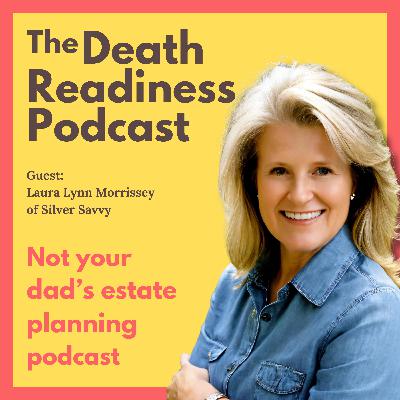
Talking with your aging parents about getting help at home, or possibly moving, can feel impossible. How do you bring it up without overstepping, causing conflict, or stripping them of their independence?In this episode, I sit down with Laura Lynn Morrissey, founder of Silver Savvy, to discuss how families can successfully navigate aging, home safety, assisted living, and long-term care decisions.We explore how to start the conversation before crisis hits, identify the family “influencer,” and make informed decisions about everything from home modifications to long-term care insurance. Whether your parents are fiercely independent or already need support, this episode will help you plan for what’s next, without losing your sanity or your family harmony. What You’ll Learn in This Episode1. Start early and start small. Don’t wait for a crisis. The best time to talk about preferences is when things are calm and you have options. Conversations about preferences (“Would you want to live on the first floor someday if the stairs get difficult?”) go much smoother than conversations about problems (“You can’t climb those stairs anymore.”).2. Find the “family influencer.” Every family has one, the person your parents will actually listen to. That might be a child, sibling, or close friend. Identify who that person is, and use them to open the door to difficult topics with empathy, not pressure.3. Keep dignity front and center. Avoid “you should” or “you need to” language. Instead, focus on independence, safety, and comfort. The goal is to empower, not to control.4. Make the home safer now. From grab bars and stair rails to lighting and rugs modifications, small home updates can make a huge difference. Laura Lynn offers a free Home Safety Checklist to help you assess risks before an accident happens.5. Understand what “home care” really means. A qualified, accredited home care company should provide both companionship and legitimate health support, and should be fully insured. Vet your options carefully and don’t assume all caregivers are alike.6. Assisted living isn’t a last-minute solution. Most high-quality assisted living communities now have 2–3 year waitlists. If you or your parents might consider one down the road, get on the list early, even if you’re not ready to move yet.7. “Medically stable” is not the same as “functionally able.” Hospitals discharge patients sooner than ever, often before they’re physically ready. Families need to plan ahead for a safe “hospital-to-home” transition, with equipment and support in place.8. Long-term care insurance isn’t automatic. Up to 25% of initial claims are denied, often because of incomplete paperwork or miscommunication with doctors. Laura Lynn explains how to properly document claims, what to expect from assessments, and how to appeal denials effectively.9. Don’t be afraid to ask for help. Whether it’s a care consultant, fiduciary, or neutral third party, bringing in an expert can defuse family tension and help everyone move from worry to action.Resources & LinksHome Safety Checklist, Hospital-to-Home Checklist, Life Care Plan Smart Start Kit, Expert Tips to Secure Your Benefits: https://www.deathreadiness.com/silver-savvy-resourcesConnect with Laura Lynn Morrissey:Website: https://silversavvy.com/Email: hello@silversavvy.comFind Laura Lynn on LinkedIn!Connect with Jill:Website: DeathReadiness.comEmail: jill@deathreadiness.comLearn more about Jill’s servicesSubscribe to the Death Readiness Dispatch!Submit a question for Tuesday TriageDid you enjoy this episode? Share it with someone you care about.
This podcast provides estate planning guidance for women and discusses real, practical issues, from caregiving, pre-planning a funeral, how to avoid probate using beneficiary designations, planning for individuals with special needs (and special needs trusts), whether you need a professional fiduciary (trustee or executor), how the estate tax works and how to preserve your legacy. Tuesday Triage episodes answer questions from listeners like you, from powers of attorney, healthcare advance directives (and whether they work when you’re pregnant), what a Last Will and Testament really is, whether you need a trust, how Medicaid works and how to have senior and elder care conversations and how to care for aging parents. Disclaimer: This podcast and all related content are for educational purposes only and do not constitute legal advice. No attorney-client relationship is established here. Use of this information without careful analysis and review by your attorney, CPA, and/or financial advisor may cause serious adverse consequences. For legal guidance tailored to your unique situation, consult with a licensed attorney in your state.
This week’s Tuesday Triage question comes from Jazmine in New Jersey. She believed she had “filed” her Will with her attorney until she discovered he’d been disbarred and her original Will was missing. In this episode, Jill unpacks what it really means to “file” your Will, how to protect it, and what happens if your original goes missing. She also shares a true Tennessee case that shows how critical proper Will storage can be and the surprising twists that followed.What You’ll Learn in This Episode“Filing” your Will isn’t an official legal act. Leaving your original Will with an attorney or in a law office is a storage choice, not a filing requirement. Most firms offer it as a business convenience, not a legal safeguard.If your original Will goes missing:Start by contacting the attorney who drafted it to see if they have the original or a Word version.If not, you can retype the Will or convert a PDF and re-execute it with updated dates and witnesses.A new Will should always revoke prior versions. Make sure a revocation clause is included in your new Will.Where to keep your Will:A fireproof, waterproof box at home works well if trusted people know how to access it.A safe-deposit box can complicate access after death, sometimes requiring a court order.Some counties (like Oakland County, MI) let you deposit your Will with the probate court for a small fee.If no one can find your original Will, the law presumes you destroyed it intentionally, meaning you’re treated as having died intestate (without a Will). Overcoming that presumption requires clear and convincing evidence that the Will was lost or destroyed against your wishes.A real-world example — In re Estate of David LeathWhen David Leath’s Will couldn’t be found, the court ruled he died intestate.His wife, Raynella, was later convicted (and later acquitted) of his murder, triggering the slayer statute, which bars killers from inheriting from their victims.The case highlights why keeping your original Will secure, and retrievable, is critical.The big picture. You can’t control every outcome, but you can control how clear and accessible your plans are. Resources & LinksRelated Episode:Why You Need (or Don’t Need) a WillReferenced Case:In re Estate of David LeathCBS News Coverage of the Leath CaseRaynella Dossett Leath’s Profile – National Registry of ExonerationsSubmit a question for Tuesday TriageConnect with Jill:Website: DeathReadiness.comEmail: jill@deathreadiness.comLearn more about Jill’s servicesSubscribe to the Death Readiness Dispatch!Submit a question for Tuesday TriageDid you enjoy this episode? Please share it with someone you care about.
This podcast provides estate planning guidance for women and discusses real, practical issues, from caregiving, pre-planning a funeral, how to avoid probate using beneficiary designations, planning for individuals with special needs (and special needs trusts), whether you need a professional fiduciary (trustee or executor), how the estate tax works and how to preserve your legacy. Tuesday Triage episodes answer questions from listeners like you, from powers of attorney, healthcare advance directives (and whether they work when you’re pregnant), what a Last Will and Testament really is, whether you need a trust, how Medicaid works and how to have senior and elder care conversations and how to care for aging parents. Disclaimer: This podcast and all related content are for educational purposes only and do not constitute legal advice. No attorney-client relationship is established here. Use of this information without careful analysis and review by your attorney, CPA, and/or financial advisor may cause serious adverse consequences. For legal guidance tailored to your unique situation, consult with a licensed attorney in your state.
Your dog might run your home, your heart, and your schedule, but legally, he’s still property.In this episode, Jill explores how to make sure your beloved pets are cared for after you’re gone. From Diane Keaton’s rumored estate plan for her dog, Reggie, to Jill’s own story of Oliver—the “best dog in the universe”—this episode walks through what pet trusts are, how they work, and how to decide if you need one.What You’ll Learn in This EpisodeWhat a Pet Trust Is. A legal arrangement that sets aside money for your pet’s care after you die. You name a trustee to manage funds and a caretaker to look after your pet.Why Pet Trusts Exist. Under the law, pets are considered property, not people, so they can’t directly inherit money. A pet trust bridges that gap.How a Pet Trust Works.You (the settlor) create the trust during life or through your will.You name a trustee (manages the funds) and a caretaker (provides day-to-day care).You decide how much to set aside and how detailed to make your instructions, down to your dog’s diet, vet, and favorite toy.Real-Life Examples.Leona Helmsley left $12 million to a trust for the benefit of her dog, Trouble. A court reduced that amount to $2 million.Headlines suggest that Diane Keaton’s estate plan may include a pet trust for her dog, Reggie.Cost-Benefit Perspective. Not everyone needs a formal pet trust. For some, sharing a completed Pet Information Sheet with a trusted friend is enough. The goal is to do what’s appropriately protective for your life stage—not necessarily the “perfect” plan.Resources & LinksDownload the pet information sheet here. Check out our recent episode: Why you need (or don’t need) a WillConnect with Jill:Website: DeathReadiness.comEmail: jill@deathreadiness.comLearn more about Jill’s servicesSubscribe to the Death Readiness Dispatch!Submit a question for Tuesday TriageDid you enjoy this episode? Share it with someone you care about.
This podcast provides estate planning guidance for women and discusses real, practical issues, from caregiving, pre-planning a funeral, how to avoid probate using beneficiary designations, planning for individuals with special needs (and special needs trusts), whether you need a professional fiduciary (trustee or executor), how the estate tax works and how to preserve your legacy. Tuesday Triage episodes answer questions from listeners like you, from powers of attorney, healthcare advance directives (and whether they work when you’re pregnant), what a Last Will and Testament really is, whether you need a trust, how Medicaid works and how to have senior and elder care conversations and how to care for aging parents. Disclaimer: This podcast and all related content are for educational purposes only and do not constitute legal advice. No attorney-client relationship is established here. Use of this information without careful analysis and review by your attorney, CPA, and/or financial advisor may cause serious adverse consequences. For legal guidance tailored to your unique situation, consult with a licensed attorney in your state.
In this episode, Jill reflects on the life and legacy of Dr. Jane Goodall, exploring what it means to “do your little bit” in a world where not everyone starts from the same place. From Jane’s courage in defying gender norms to the continuing conversation around affirmative action, equity, and opportunity, this episode weaves together stories of perseverance, purpose, and the quiet power of small, determined acts. Jill connects Jane’s story to her own lessons from running cross-country, a mother’s unwavering support, and what it means to lift the next generation when we can’t always lift ourselves.Key TakeawaysStarting Lines Aren’t Equal. Just like in a race, life’s starting points differ. As Dr. Martin Luther King Jr. wrote in Why We Can’t Wait, centuries of inequity can’t be erased by pretending the race is fair.Affirmative Action as Fairness, Not Favoritism. President Kennedy’s 1961 executive order introduced “affirmative action” to open doors long kept closed, not to advantage one group, but to create opportunity where opportunity was denied.The Double Tax. Economist Anna Gifty describes the “double tax” faced by women of color, the compounding burden of racism and sexism that leaves them underpaid, overcharged, and underestimated.Jane Goodall’s Courage and Conviction. When the British government told Jane she couldn’t travel alone, her mother didn’t argue — she packed a bag. Together they faced malaria and isolation so Jane’s dream could take root. It’s the truest example of lifting someone by standing right beside them.Say What You Mean, Mean What You Say. A lesson from Jill’s high school English teacher and one Jane Goodall embodied throughout her life — integrity, honesty, and consistency of purpose matter more than comfort.Doing Your Little Bit. Jane reminded us that every person makes an impact every single day. Even small, imperfect actions move the world forward.Death Readiness as Peace. Jane’s view of death as her “next great adventure” reframes readiness; it’s about living with purpose and peace, not fear.Connect with Jill:Website: DeathReadiness.comEmail: jill@deathreadiness.comLearn more about Jill’s servicesSubscribe to the Death Readiness Dispatch!Submit a question for Tuesday Triage
This podcast provides estate planning guidance for women and discusses real, practical issues, from caregiving, pre-planning a funeral, how to avoid probate using beneficiary designations, planning for individuals with special needs (and special needs trusts), whether you need a professional fiduciary (trustee or executor), how the estate tax works and how to preserve your legacy. Tuesday Triage episodes answer questions from listeners like you, from powers of attorney, healthcare advance directives (and whether they work when you’re pregnant), what a Last Will and Testament really is, whether you need a trust, how Medicaid works and how to have senior and elder care conversations and how to care for aging parents. Disclaimer: This podcast and all related content are for educational purposes only and do not constitute legal advice. No attorney-client relationship is established here. Use of this information without careful analysis and review by your attorney, CPA, and/or financial advisor may cause serious adverse consequences. For legal guidance tailored to your unique situation, consult with a licensed attorney in your state.
Most people think a Will is the foundation of an estate plan but not everything you own is controlled by it. In this episode, Jill Mastroianni breaks down what a Will actually does (and doesn’t) cover, how to tell which of your assets are “probate assets” controlled by your Will, and why understanding the distinction between probate and non-probate assets could change the way you approach your estate plan.What You’ll Learn in This EpisodeThe difference between probate and non-probate assets, and why it matters.The three ways assets pass at death:By contract: through beneficiary designations or payable-on-death formsBy operation of law: through joint ownership with survivorship rightsBy Will: through the probate process.Use two simple questions to determine whether something you own is a probate asset:#1: Am I the sole owner of the asset?#2: Does it pass by contract?Real-life examples of how these rules play out with:Jill’s IRA (passes by contract)Her house (passes by operation of law)Her mother’s antique ring (passes by Will)What happens when you die without a Will (and why the government does not take everything).State-by-state differences in intestate succession, including Tennessee and Michigan examples.How even a simple Will can make life easier for the people you leave behind.Key TakeawaysA Will only controls your probate assets, not everything you own.Beneficiary designations and joint ownership override your Will.If you die without a Will, your state’s intestacy laws decide who inherits your probate property.Having a Will is less about wealth and more about reducing stress and conflict for your loved ones.If you don’t have a Will, you should still:Organize your financial and asset information.Sign a healthcare proxy and advance directive and fill out a medical information sheet.Complete a personal information sheet and tell someone you trust where to find it.Resources & LinksEstate Planning Support Services: Make the process clear, organized, and doable, from finding an attorney in your state to understanding your documents.Episode Mention: Why You Need (or Don’t Need) a Trust: Listen here.Financial Information Spreadsheet: Click here.Medical Information Sheet & Advance Directive Forms: Access state-specific formsPersonal Information Sheet: Click here.Submit a question for Tuesday Triage here.Connect with Jill:Website: DeathReadiness.comEmail: jill@deathreadiness.comLearn more about Jill’s servicesSubscribe to the Death Readiness Dispatch!Submit a question for Tuesday TriageDid you enjoy this episode? Share it with someone you care about.
This podcast provides estate planning guidance for women and discusses real, practical issues, from caregiving, pre-planning a funeral, how to avoid probate using beneficiary designations, planning for individuals with special needs (and special needs trusts), whether you need a professional fiduciary (trustee or executor), how the estate tax works and how to preserve your legacy. Tuesday Triage episodes answer questions from listeners like you, from powers of attorney, healthcare advance directives (and whether they work when you’re pregnant), what a Last Will and Testament really is, whether you need a trust, how Medicaid works and how to have senior and elder care conversations and how to care for aging parents. Disclaimer: This podcast and all related content are for educational purposes only and do not constitute legal advice. No attorney-client relationship is established here. Use of this information without careful analysis and review by your attorney, CPA, and/or financial advisor may cause serious adverse consequences. For legal guidance tailored to your unique situation, consult with a licensed attorney in your state.
Jill unpacks a common misconception: that you have to serve as Executor just because your name appears in a Will. She explains when, and how, you can decline the role while still protecting family relationships and yourself.What You’ll Learn in This EpisodeYou Have a Choice. Just because you’re named in a Will doesn’t mean you’re required to serve. Each state has a process to determine who can step in if you decline.Executor vs. Personal Representative. Understand the difference between these roles and why “personal representative” is the broader term that includes Executors appointed by a Will and others chosen by the court.How the Priority List Works. Jill walks through Michigan’s hierarchy for who can serve as personal representative, from those named in the Will, to surviving spouses, beneficiaries, heirs, creditors, and, finally, the public administrator.What Happens If No One Steps Up. Learn what it means when a creditor, or even the state, takes over estate administration, and what that process looks like in real life.The Emotional Side of Saying No. Being named Executor can feel like an honor or an obligation, especially for those raised to always “show up” for family. Jill shares why it’s okay to say no, or to say yes, with conditions that protect your time and well-being.Resources & LinksCheck out Jill’s probate and estate administration support servicesSubmit a question for Tuesday TriageConnect with Jill:Website: DeathReadiness.comEmail: jill@deathreadiness.comLearn more about Jill’s servicesSubscribe to the Death Readiness Dispatch!Did you enjoy this episode? Share it with someone you care about.
This podcast provides estate planning guidance for women and discusses real, practical issues, from caregiving, pre-planning a funeral, how to avoid probate using beneficiary designations, planning for individuals with special needs (and special needs trusts), whether you need a professional fiduciary (trustee or executor), how the estate tax works and how to preserve your legacy. Tuesday Triage episodes answer questions from listeners like you, from powers of attorney, healthcare advance directives (and whether they work when you’re pregnant), what a Last Will and Testament really is, whether you need a trust, how Medicaid works and how to have senior and elder care conversations and how to care for aging parents. Disclaimer: This podcast and all related content are for educational purposes only and do not constitute legal advice. No attorney-client relationship is established here. Use of this information without careful analysis and review by your attorney, CPA, and/or financial advisor may cause serious adverse consequences. For legal guidance tailored to your unique situation, consult with a licensed attorney in your state.

Thinking about using a Ladybird deed (also known as a transfer-on-death deed) to keep your house out of probate? It may sound like the perfect shortcut but it can create more problems than it solves. In this episode, Jill is joined by Minnesota attorney Jen Gumbel to unpack the good, the bad, and the unintended consequences of these deeds. Together, they explore why they’re tempting, where they go wrong, and how they fit (or don’t fit) into a thoughtful estate plan.Key TakeawaysDeeds: A deed proves ownership of real estate and transfers property. A transfer-on-death deed avoids probate, but only if completed and recorded correctly.DIY Pitfalls: Errors in legal descriptions, notarizations, or required signatures (like spousal consent) can invalidate the transfer-on-death deed.Beneficiary Risks: If a named beneficiary dies before you, the outcome depends on state law. Without careful planning, the property may end up in probate anyway.Joint Ownership Complications: Naming multiple beneficiaries as joint tenants can create unintended consequences, like one child inheriting everything by survivorship.Trusts vs. Deeds: Trusts provide rules and flexibility that deeds can’t. Using a trust as the beneficiary of a transfer-on-death deed can combine probate avoidance with better safeguards.Medicaid Liens: In states like Minnesota, transfer-on-death deeds do not protect against Medicaid liens. Insurance Gaps: When property passes automatically, insurance coverage may lapse unexpectedly. Families can be left unprotected if a death and disaster occur close together.Revocation and Public Records: Transfer-on-death deeds can be revoked, but all deeds are public record, meaning family members may later see the changes, creating confusion or conflict.Strategy Over Shortcuts: Deeds are tools, not strategies. Without an overall estate plan, using transfer-on-death deeds alone can leave loved ones with costly, stressful problems.Resources and Links:Medicaid Podcast Episode: What You Need to Know About Medicaid and Protecting Your Mom’s HouseConnect with Jen:At Wagner Oehler, Ltd: Jen GumbelAt Organized (after)LifeConnect with Jill:Website: DeathReadiness.comEmail: jill@deathreadiness.comLearn more about Jill’s servicesSubscribe to the Death Readiness Dispatch!Submit a question for Tuesday Triage
This podcast provides estate planning guidance for women and discusses real, practical issues, from caregiving, pre-planning a funeral, how to avoid probate using beneficiary designations, planning for individuals with special needs (and special needs trusts), whether you need a professional fiduciary (trustee or executor), how the estate tax works and how to preserve your legacy. Tuesday Triage episodes answer questions from listeners like you, from powers of attorney, healthcare advance directives (and whether they work when you’re pregnant), what a Last Will and Testament really is, whether you need a trust, how Medicaid works and how to have senior and elder care conversations and how to care for aging parents. Disclaimer: This podcast and all related content are for educational purposes only and do not constitute legal advice. No attorney-client relationship is established here. Use of this information without careful analysis and review by your attorney, CPA, and/or financial advisor may cause serious adverse consequences. For legal guidance tailored to your unique situation, consult with a licensed attorney in your state.
Leslie signed her Will five years ago when she had one child. Last year, she had twins. Does her old Will still work—or does it need to be updated? In this episode, Jill answers Leslie’s question and dives into the legal concept of “pretermitted children.” Jill looks at how different states handle this issue and unpacks what happened in the high-profile estates of Heath Ledger and Anna Nicole Smith when their Wills didn’t account for new children. What You’ll Learn in This EpisodeWhen a Will may still work with more children. Some Wills are drafted with language that automatically includes “any child born or adopted after the date of this Will.” If that’s the case, you may not need to update your documents every time your family grows.What “pretermitted children” are and why it matters. Most states have laws that protect children born after a Will is signed so they aren’t unintentionally disinherited. These laws can dramatically change how an estate is divided.How Tennessee law handles afterborn children. In Tennessee, a pretermitted child can claim a share of the estate as though the parent had died intestate, without a Will, potentially reducing what other beneficaries receive.How the same Will can have totally different outcomes in different states. Using Leslie’s example, her twins could inherit a share under Tennessee law, but in New York they might get nothing. State law really does matter.Celebrity cautionary talesHeath Ledger: His Will predated the birth of his daughter. New York law could have entitled her to everything, but his family voluntarily gave her the estate.Anna Nicole Smith: Her Will disinherited future children, but because her only named beneficiary had died, her infant daughter inherited everything through the laws of intestate successionThe DNA twist. A 2023 Oklahoma case shows how modern DNA testing can lead to surprise inheritance claims from unknown (or unacknowledged) children.When you should update your WillEven if your Will includes future children, you’ll need an update if:A child has special needs that require specific planning.Your circumstances or state laws have changed.You’re not sure your existing documents reflect your intentions.Resources & LinksDo You Need a Will? Video – Jill explains probate vs. non-probate assets.Estate Plan Audit – A focused one-hour Zoom session to review your documents and flag gaps or outdated terms.Submit your question for a future Tuesday Triage episodeConnect with Jill:Website: DeathReadiness.comEmail: jill@deathreadiness.comLearn more about Jill’s servicesSubscribe to the Death Readiness Dispatch!Submit a question for Tuesday TriageDid you enjoy this episode? Share it with someone you care about.
This podcast provides estate planning guidance for women and discusses real, practical issues, from caregiving, pre-planning a funeral, how to avoid probate using beneficiary designations, planning for individuals with special needs (and special needs trusts), whether you need a professional fiduciary (trustee or executor), how the estate tax works and how to preserve your legacy. Tuesday Triage episodes answer questions from listeners like you, from powers of attorney, healthcare advance directives (and whether they work when you’re pregnant), what a Last Will and Testament really is, whether you need a trust, how Medicaid works and how to have senior and elder care conversations and how to care for aging parents. Disclaimer: This podcast and all related content are for educational purposes only and do not constitute legal advice. No attorney-client relationship is established here. Use of this information without careful analysis and review by your attorney, CPA, and/or financial advisor may cause serious adverse consequences. For legal guidance tailored to your unique situation, consult with a licensed attorney in your state.

Comments

Download from Google Play

Download from App Store
 United States